Arte e café Imperial - Matriz
Arte e café Imperial - Matriz sits on the main avenue in Angra dos Reis, where the town's café culture meets the coastal rhythms of the Costa Verde. A reference point for locals navigating the area between the ferry terminals and the historic centre, it draws on the direct pleasures of Brazilian café tradition rather than destination-dining ambition. For travellers arriving by sea or road, it occupies a practical and characterful stop in a city better known for its islands than its restaurants.
Pearl is the En Primeur Club membership app — saves, bookings, and concierge access live there. Same editors, same standards.
- Address
- Av. Antônio Bertholdo da Silva Jordão, 1224 - Paraíso, Angra dos Reis - RJ, 23916-700, Brazil
- Phone
- +5524999335513
- Website
- arteecafeimperial.com.br
- Directions
- Get directions
 Saves & bookings on Pearl
Where Coastal Angra Meets the Brazilian Café Tradition
Angra dos Reis occupies a particular position in the Brazilian travel imagination: it is primarily a departure point, a place people pass through on their way to Ilha Grande or the archipelago's smaller islands, and the town centre reflects that transitional energy. Avenida Antônio Bertholdo da Silva Jordão, the main artery running through the Paraíso neighbourhood, carries the commercial pulse of a working coastal city rather than a curated tourist corridor. Arte e café Imperial - Matriz sits on this avenue, at address number 1224, which places it squarely in the flow of daily Angra life rather than at a scenic waterfront remove.
The Brazilian café tradition that venues like this one inhabit is distinct from the specialty-coffee movement that has reshaped São Paulo's Vila Madalena or the high-concept dessert bars of Rio's Leblon. It belongs instead to a longer, less fashionable lineage: the café-confeitaria hybrid that has served Brazilian urban centres since the early twentieth century, where strong espresso shares counter space with pão de queijo, cakes baked from regional recipes, and savoury items that carry the fingerprints of local ingredient supply chains. In a coastal city like Angra, that supply chain runs through the bay: freshly caught fish, tropical fruit from the Serra da Bocaina hinterland, and dairy products from the Paraíba Valley farms that sit between the coast and São Paulo state. The café as a format absorbs all of this without the orchestrated narrative that a fine-dining tasting menu would impose on it.
Ingredient Geography and the Costa Verde Context
The ingredient geography that frames coastal Angra is central to understanding places like Arte e café Imperial - Matriz. The Costa Verde corridor, running from Mangaratiba through Angra to Paraty, produces a larder that more celebrated kitchens to the north are beginning to pay attention to. Oteque in Rio de Janeiro and D.O.M. in São Paulo, both operating at the $$$$ tier of modern Brazilian cuisine, have helped raise the national profile of Brazilian coastal and Amazonian ingredient sourcing. The café format, operating closer to the source and without the overhead of a tasting-menu kitchen, has a different but arguable advantage: shorter supply lines and less pressure to transform raw material into something demonstrably composed.
This is the register in which Brazilian café culture has always operated, and it is worth acknowledging that ingredient-honest cooking in any city is often not happening at the destination restaurants. It is happening in the padaria that sources its butter locally, the lanchonete that takes its coxinha seriously, and the café that knows what fruit is in season because its supplier is twenty minutes away. Angra's proximity to Atlantic Forest agriculture and to the bay's fishing activity gives any café operating here access to produce that kitchens in Rio or São Paulo would need to plan logistics around. For comparison, venues like Orixás North Restaurant in Itacaré and Manga in Salvador have built editorial reputations by formalising exactly this kind of coastal ingredient intelligence into a more structured dining proposition. The café format makes no such claims, but the underlying geography is the same.
The Café in Brazil's Broader Eating-Out Culture
Brazil's café and confeitaria sector has been underwritten for generations by a cultural seriousness about coffee and pastry that visitors from outside South America often underestimate. The country is the world's largest coffee producer, and that proximity to the raw material has historically produced a domestic coffee culture that prizes volume and consistency over the single-origin theatrics that define the international specialty-coffee narrative. At the café level in a city like Angra dos Reis, this means espresso that is calibrated to local taste rather than barista-competition palates, and sweet and savoury food that is priced and portioned for the working day rather than a leisurely tasting occasion. The format serves students, ferry workers, market vendors, and the occasional tourist who has drifted off the waterfront strip. That breadth of clientele is a feature of the format, not a limitation of the venue.
For travellers interested in how Brazilian café culture plays out across different city types and price points, the contrast is instructive. Lobby Café in Belém operates within the Amazonian café tradition, where açaí and tucumã shape the sweet offering. Açaí Cuiabano in Cuiabá anchors its identity to a single ingredient that has become a national shorthand for Brazilian food culture. In the South, Primrose in Gramado and Castelo Saint Andrews in Vale do Bosque reflect the European settler influence on Rio Grande do Sul's café and confectionery culture. Angra's version is neither Amazonian nor Gaucho; it is carioca-coastal, shaped by Rio state's particular mix of Portuguese culinary inheritance and tropical ingredient abundance.
Planning a Visit: Practical Orientation
Arte e café Imperial - Matriz is on Avenida Antônio Bertholdo da Silva Jordão in the Paraíso neighbourhood, a location that makes it accessible on foot from the central bus terminal and the ferry departure points that connect Angra to Ilha Grande. For travellers arriving from Rio de Janeiro by road, the drive along the BR-101 takes approximately two and a half hours depending on traffic, with the coastal section offering views of the bay before the descent into the town centre. Parking in central Angra can be limited during high season (December through March) and on long Brazilian public holiday weekends, when the town fills with visitors heading to the islands. The café's avenue-facing position means it operates within the commercial hours typical of the neighbourhood, and visitors should check current hours before making a special trip. Walk-in is the standard mode of arrival for this café.
Those interested in Japanese cuisine at the local level should note that Restaurante Cantinho do Sushi operates in Angra, reflecting the Japanese-Brazilian community presence that has shaped coastal Rio state's food culture for over a century.
At-a-Glance Comparison
Comparable venues nearby, for context on price, style, and recognition.
| Venue | Cuisine | Price | Notes |
|---|---|---|---|
| Arte e café Imperial - Matriz | Brazilian Café & Artisanal Sweets | $$ | Angra Dos Reis |
| Restaurante Cantinho do Sushi | Japanese Sushi | $$ | Village |
| RESTAURANTE CARÁ - POUSO ALEGRE | Minas Gerais Brazilian | $$ | Jardim Iara |
| Açougue Central | Modern Brazilian Churrascaria | $$$ | Vila Madalena |
| Casa da Picanha Penedo | Brazilian Steakhouse & Churrasco | $$ | Penedo |
| Braseiro da Gávea | Traditional Brazilian Churrascaria | $$ | Leblon |
Continue exploring
More in Angra Dos Reis
Restaurants in Angra Dos Reis
Browse all →

Hotels in Angra Dos Reis
Browse all →
Wineries in Angra Dos Reis
Browse all →
At a Glance
- Elegant
- Cozy
- Classic
- Casual Hangout
- Brunch
- Standalone
Current opening hours
- Monday
- Closed
- Tuesday
- Closed
- Wednesday
- Closed
- Thursday
- Closed
- Friday
- 9 AM–7 PM
- Saturday
- 9 AM–7 PM
- Sunday
- 9 AM–5 PM
Hours can change for holidays and private events. Last verified .
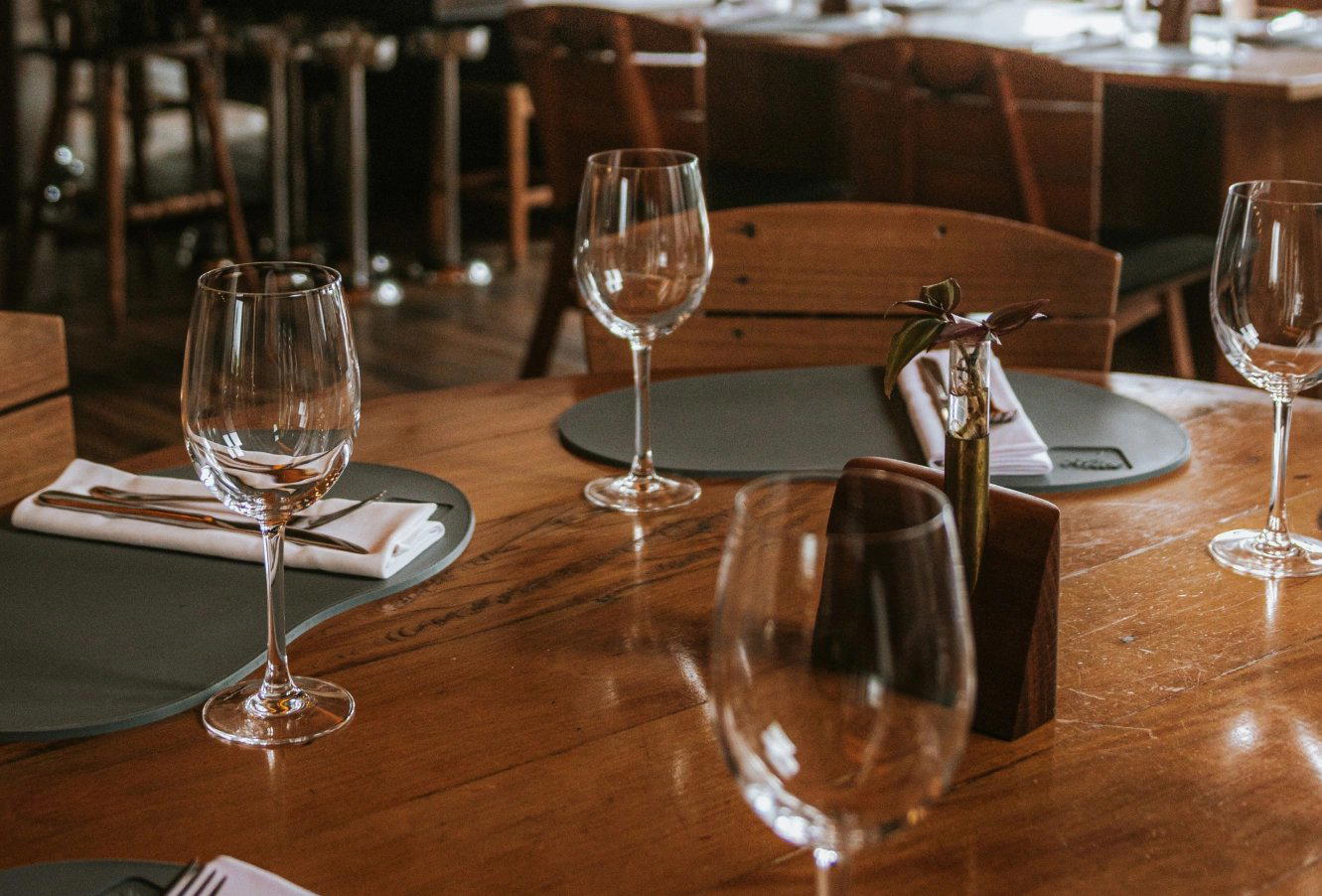
Warmly decorated space with artistic touches and charming colonial architecture, creating an inviting and refined atmosphere.