Gurumê
Our verdict
Gurumê sits on Rua Aníbal de Mendonça in Ipanema, one of Rio's most address-conscious dining streets, positioning it against the neighbourhood's higher-end casual tier rather than the tasting-menu circuit. Where Lasai and Oteque operate in the city's formal bracket, Gurumê occupies a sharper, more social register — the kind of spot that draws locals and visitors alike for a serious meal without the ceremony.

Pearl is the En Primeur Club membership app — saves, bookings, and concierge access live there. Same editors, same standards.
- Address
- R. Aníbal de Mendonça, 132 - Ipanema, Rio de Janeiro - RJ, 22410-050, Brazil
- Phone
- +552139592232
- Hours
- Mon–Thu 12–11 PMFri–Sat 12 PM–12 AMSun 12–10 PM
- Website
- gurume.com.br
- Directions
- Get directions
- Booking
- Book on the venue's website
The menu
What to order
- Combinado Gurumê
- Brisas do Gurume
- Tempura Corn
- A5 Wagyu
- King Crab Tartare
- Truffled Salmon Sashimi
Ipanema's Dining Register: Where Gurumê Sits
Rua Aníbal de Mendonça is not a street that tolerates mediocrity quietly. Running through the residential core of Ipanema, a few blocks from the beachfront bustle of Vieira Souto, it has accumulated a concentration of dining addresses that reflect the neighbourhood's particular self-image: prosperous, design-conscious, locally loyal. Gurumê, at number 132, occupies this address with the confidence of a place that understands its context. Ipanema has long divided Rio's dining map into two camps — the tasting-menu houses that aim at international recognition, and the neighbourhood restaurants that serve the people who actually live here. Gurumê belongs to the second category, and that is not a diminishment.
To understand why the address matters, consider what surrounds it. Rio's most-discussed fine dining names — Lasai, with its regional Brazilian tasting menu and commitment to local producers, and Oteque, which holds a Michelin star and operates in the city's most technically precise register, both draw a clientele that books weeks in advance and arrives with expectations calibrated to a global fine-dining benchmark. Gurumê draws a different crowd: people who want a serious, well-executed meal in a neighbourhood they know, without the formality of a tasting menu or the booking logistics of Rio's most decorated kitchens.
The Neighbourhood as Context
Ipanema's dining character has shifted over the past decade. What was once dominated by long-standing Italian trattorias and churrascarias has become more textured, with a mid-to-upper casual tier emerging alongside the neighbourhood's established luxury credentials. That shift mirrors patterns visible in other South American cities, Buenos Aires' Palermo Soho, São Paulo's Jardins, where residential neighbourhoods with high disposable incomes generate a specific type of restaurant: ingredient-led, design-aware, more interested in quality of sourcing than in ceremony of service.
Gurumê's position on Rua Aníbal de Mendonça places it precisely within that evolution. The street runs close enough to the beach to capture tourist traffic, but its residential character means the core clientele skews local. That local anchoring matters: it sets expectations for consistency and value in ways that tourist-facing restaurants in Copacabana or the hotel dining rooms of Leblon do not face in the same way. Cipriani, operating within the Copacabana Palace, and Oro, with its contemporary Italian-Brazilian approach, both serve partially different audiences, one hotel-facing, one tasting-menu-committed. Gurumê's street-level Ipanema address signals something different: a restaurant accountable to neighbours, not passing guests.
Rio's Broader Dining Spectrum
Any serious account of Rio's restaurant scene has to grapple with its range. The city operates across a wider quality and price spectrum than its international reputation might suggest. At one end, the Michelin-recognised addresses and the ambitious modern Brazilian cooking of places like Lasai pull the city toward a conversation with São Paulo, where D.O.M. has spent years defining what modern Brazilian cooking can mean at its most rigorous. At the other end, the city's informal beach culture produces a different kind of eating entirely. Gurumê occupies the productive middle ground, the tier where most serious daily dining actually happens.
That middle tier is also where Rio's French-influenced dining operates. Casa 201, with its French approach in the same price bracket, demonstrates that Rio's higher-end casual category is not monolithic, it accommodates multiple culinary traditions. Gurumê's placement within this context means it competes on the quality of its execution and the strength of its neighbourhood loyalty rather than on category novelty.
For visitors building a Rio itinerary, the practical implication is clear: Gurumê sits in the tier you return to on the second or third night, when the tasting-menu experiences are behind you and you want something that feels more like how the city actually eats. The Ipanema address makes it walkable from most of the neighbourhood's hotels and apartment rentals, a logistical point that matters in a city where taxi distances can be deceptive. Booking ahead, particularly for weekends, is advisable; Ipanema restaurants at this register fill early with local regulars who plan their week around their tables.
Brazil's restaurant scene beyond Rio also provides useful reference points. The regional diversity of the country's dining culture, from the Italian-heritage trattorias of Santa Maria to the Amazonian ingredients reaching kitchens in Manaus, underscores how much local geography shapes what a restaurant serves. Rio's proximity to Atlantic coastal ingredients and the farming hinterlands of Rio de Janeiro state gives its mid-tier kitchens access to produce that supports serious cooking without requiring the supply chains that formal tasting menus depend on.
For the broadest view of what Rio's dining scene offers across registers, the EP Club Rio de Janeiro restaurants guide maps the full range, from Michelin-recognised tasting menus to the neighbourhood addresses that define how the city actually eats week to week.
Planning a Visit
Gurumê's address at Rua Aníbal de Mendonça, 132 in Ipanema places it in one of the neighbourhood's most walkable dining corridors. For visitors staying in Ipanema or Leblon, it is a reasonable walk from most accommodation; from Copacabana, a short taxi or rideshare covers the distance without difficulty. Weekend evenings fill faster than weekdays at this register of Ipanema dining, so contacting the restaurant directly to confirm availability is the reliable approach. As with most mid-to-upper casual addresses in Rio, dress expectations are relaxed by international standards, Ipanema's social culture does not reward overdressing.
Frequently asked questions
Where is Gurumê located?
Gurumê is located at R. Aníbal de Mendonça, 132 - Ipanema, Rio de Janeiro - RJ, 22410-050, Brazil, Rio De Janeiro.
How does Gurumê fit into Ipanema's current restaurant scene?
Rua Aníbal de Mendonça sits in the residential core of Ipanema, a few blocks from the beach, in a stretch that has shifted over the past decade from long-standing churrascarias and Italian trattorias toward a more diverse dining register. Gurumê occupies that corridor at number 132, placing it among addresses that serve a neighbourhood-first clientele in one of Rio de Janeiro's most walkable dining districts. That local orientation distinguishes it from the city's tasting-menu destinations like Oteque and Lasai, which draw a different type of reservation-led traffic.
What do regulars order at Gurumê?
Gurumê's menu is not catalogued in detail through public sources, so the most direct approach is to ask staff what is moving well on the day you visit. Ipanema restaurants at this address tend to draw a local repeat clientele rather than a tourist-first crowd, which generally means the kitchen tracks seasonal availability closely. Arriving with an open brief rather than a fixed order in mind is the more reliable strategy here.
What's the best way to book Gurumê?
Rio de Janeiro's high season runs December through February, when both domestic and international visitors compress demand across Ipanema's dining corridor. During that window, contacting the venue directly ahead of your travel dates is advisable rather than assuming walk-in availability. Outside high season, Rua Aníbal de Mendonça tends to operate at a more manageable pace, giving you more flexibility on shorter notice.
The Short List
Comparable venues nearby, for context on price, style, and recognition.
| Venue | Cuisine | Price | Awards | Notes |
|---|---|---|---|---|
| GurumêThis venue — the venue you are viewing | Contemporary Japanese Fusion | $30–50 | Not listed | Not listed |
| Naga | Modern Japanese Sushi | $30–50 | Not listed | Barra da Tijuca, Modern Japanese Sushi |
| Espaço Tano | Contemporary Brazilian Breakfast Buffet | $20–30 | Not listed | Barra da Tijuca, Contemporary Brazilian Breakfast Buffet |
| Zazá Bistrô Tropical | Tropical Brazilian Fusion Bistro | $30–50 | Not listed | Ipanema, Tropical Brazilian Fusion Bistro |
| COLTIVI ☕️Café & 🍕Pizzaria | Italian Pizza Café | $20–30 | 50 Top Pizza Latin America #23 | Humaitá, Italian Pizza Café |
| Babbo Osteria | Italian Osteria with Carioca Fusion | Not listed | Michelin Plate | Leblon, Italian Osteria with Carioca Fusion |
Continue exploring
More in Rio de Janeiro
Restaurants in Rio de Janeiro
Browse all →
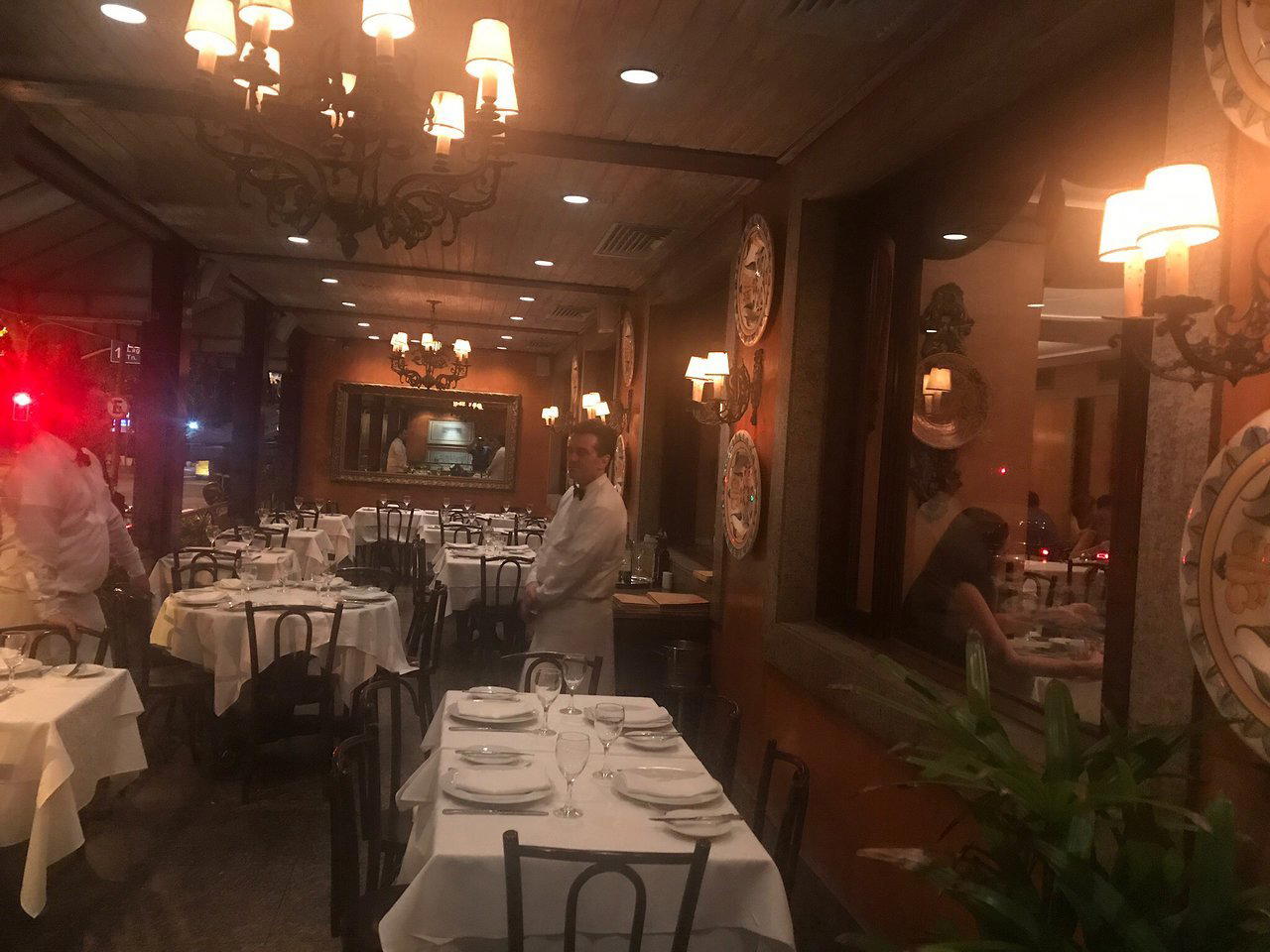
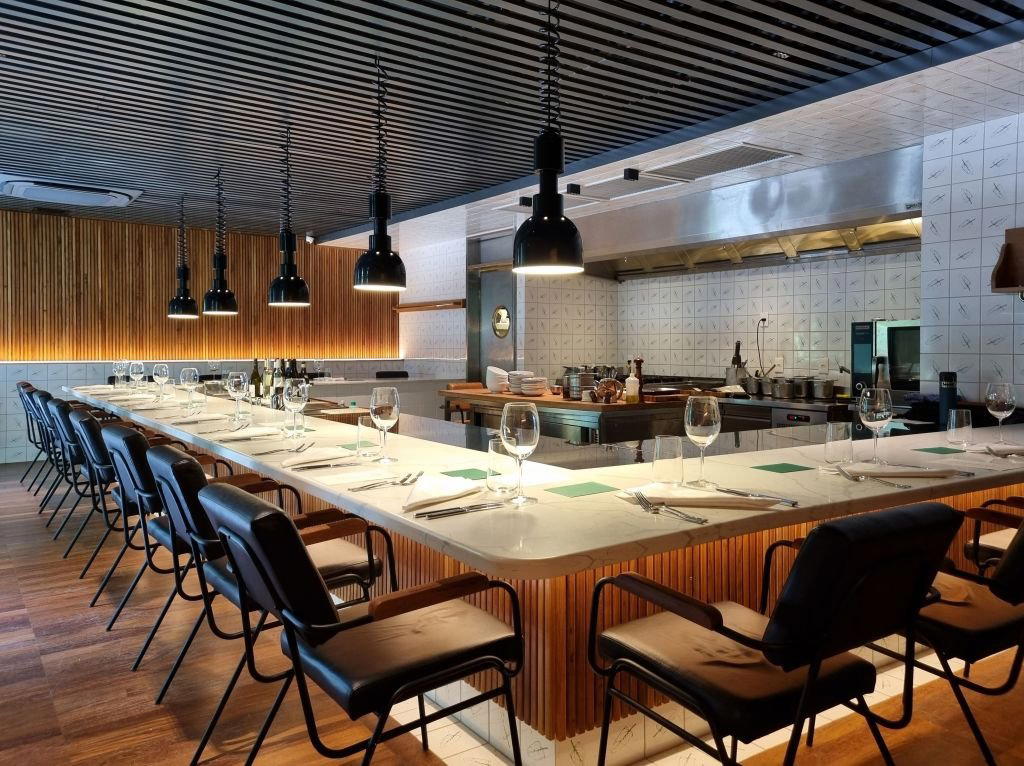
Bars in Rio de Janeiro
Browse all →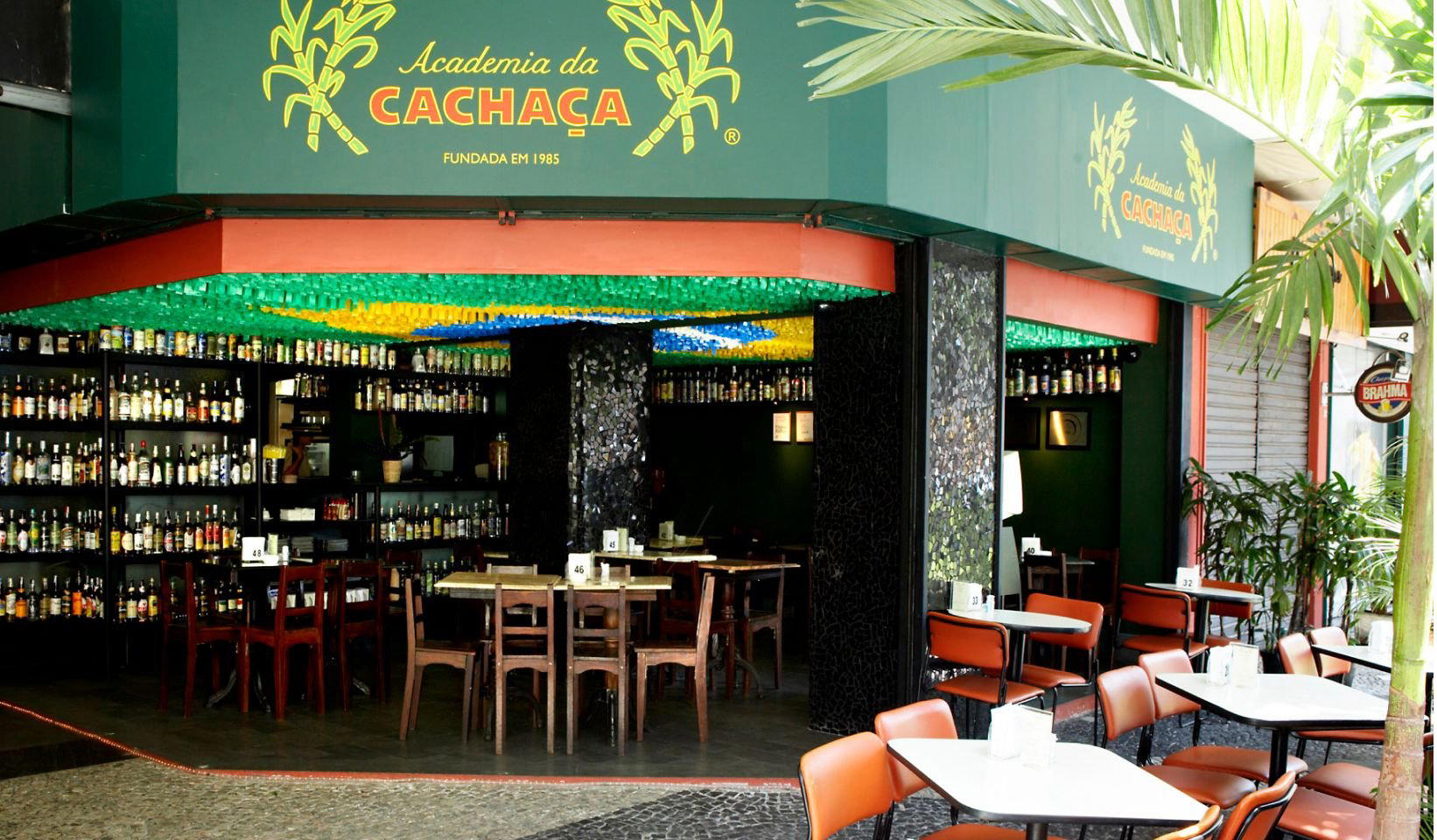

Details
- Modern
- Elegant
- Sophisticated
- Date Night
- Business Dinner
- Group Dining
- Celebration
- Casual Hangout
- Open Kitchen
- Design Destination
- Sake Program
- Local Sourcing
- A La Carte
- Omakase
- Sake
- Cocktails
- Vegetarian Friendly
- Vegan Options
- Gluten Free Options
Current opening hours
- Monday
- 12–11 PM
- Tuesday
- 12–11 PM
- Wednesday
- 12–11 PM
- Thursday
- 12–11 PM
- Friday
- 12 PM–12 AM
- Saturday
- 12 PM–12 AM
- Sunday
- 12–10 PM
Hours can change for holidays and private events. Last verified .
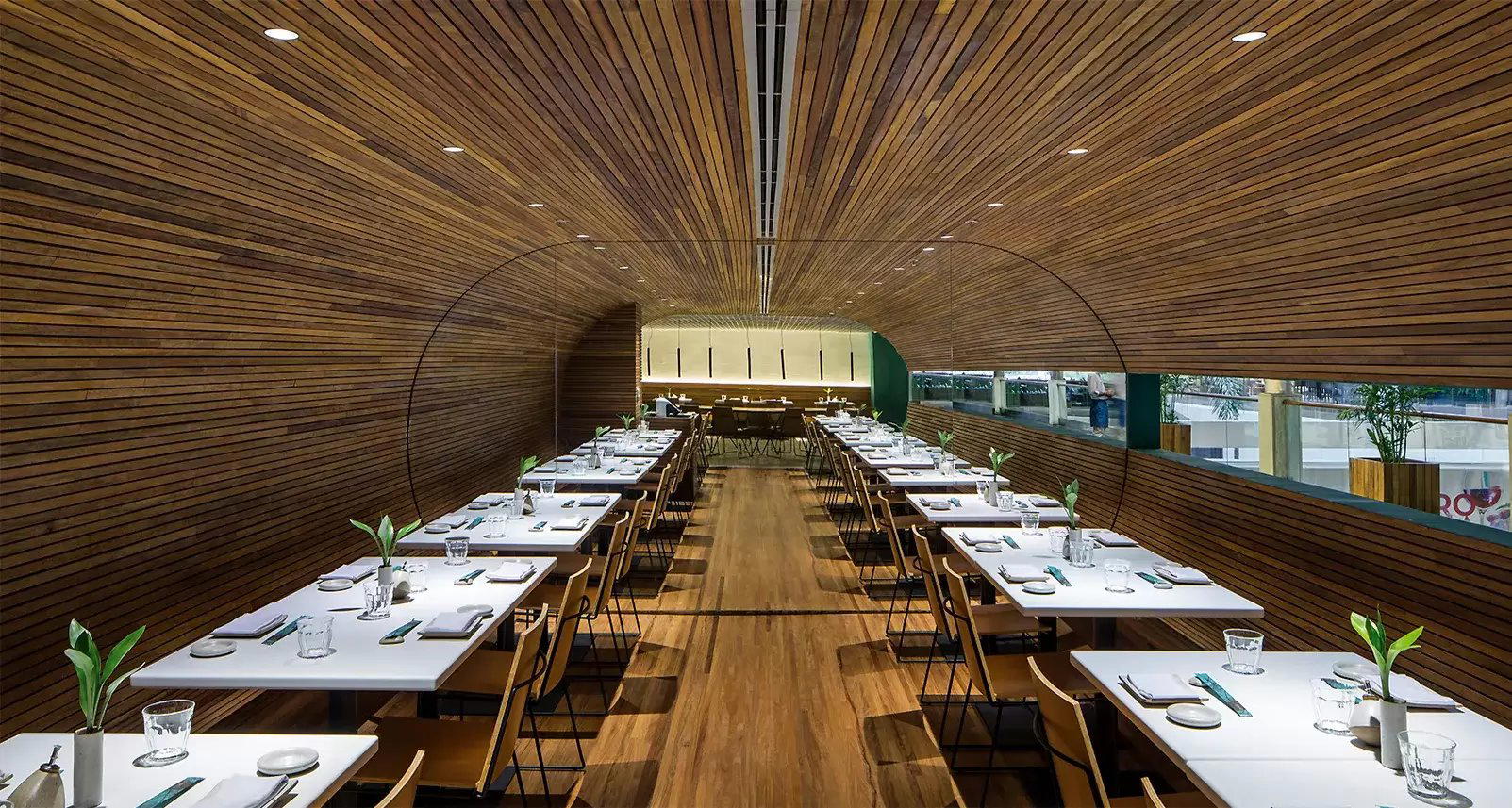
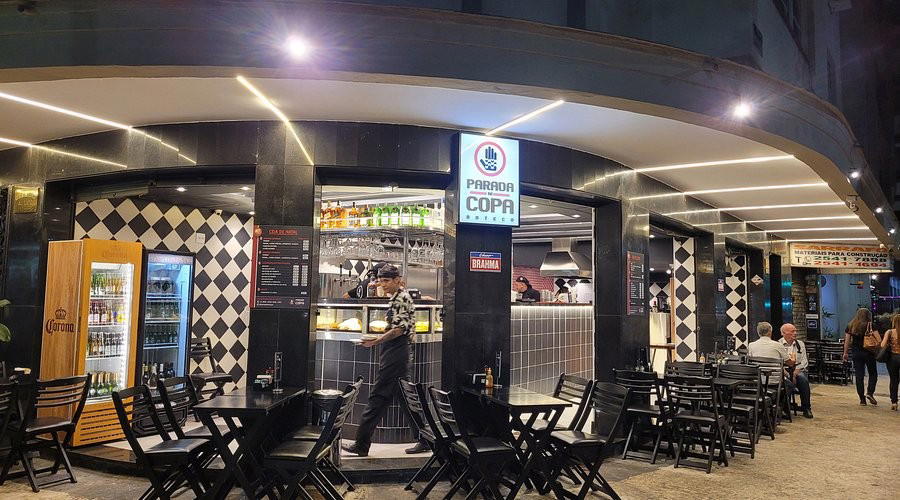
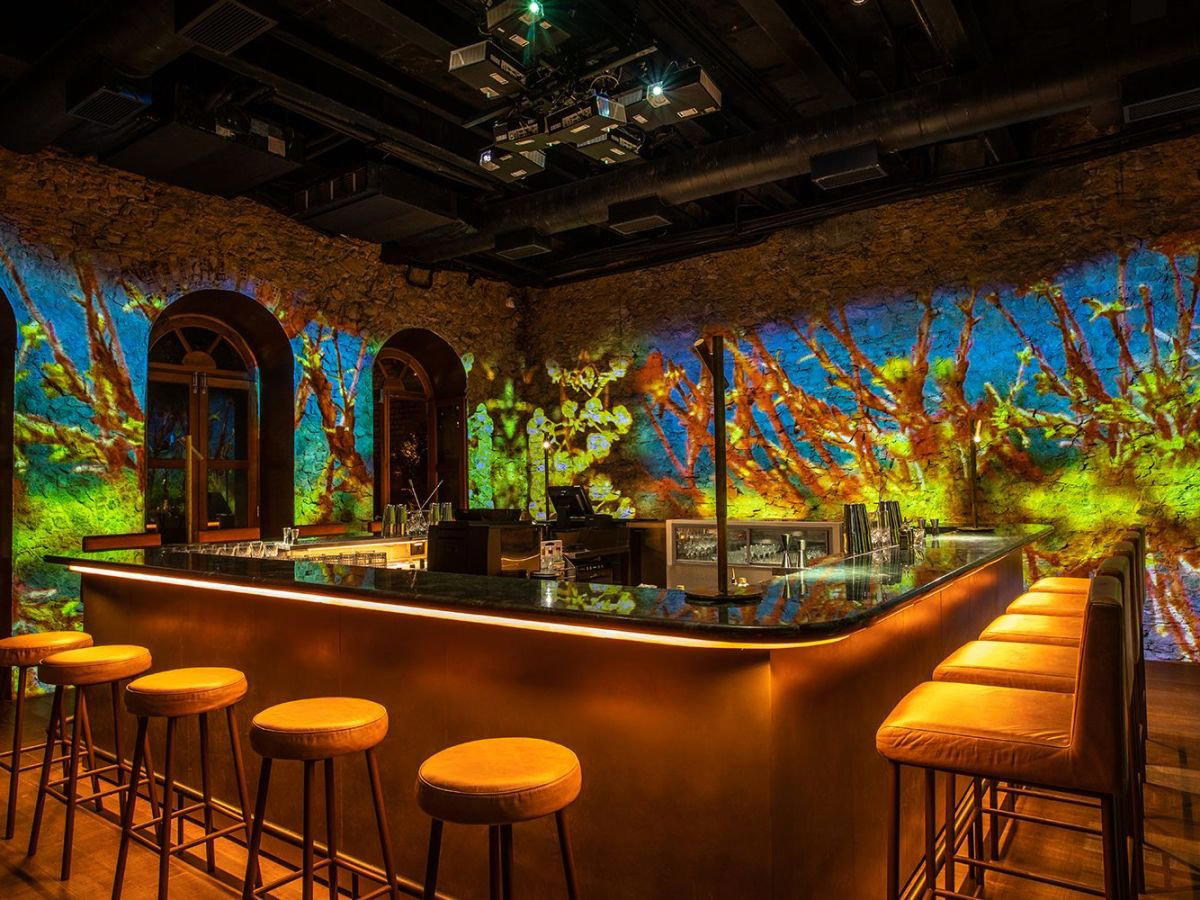
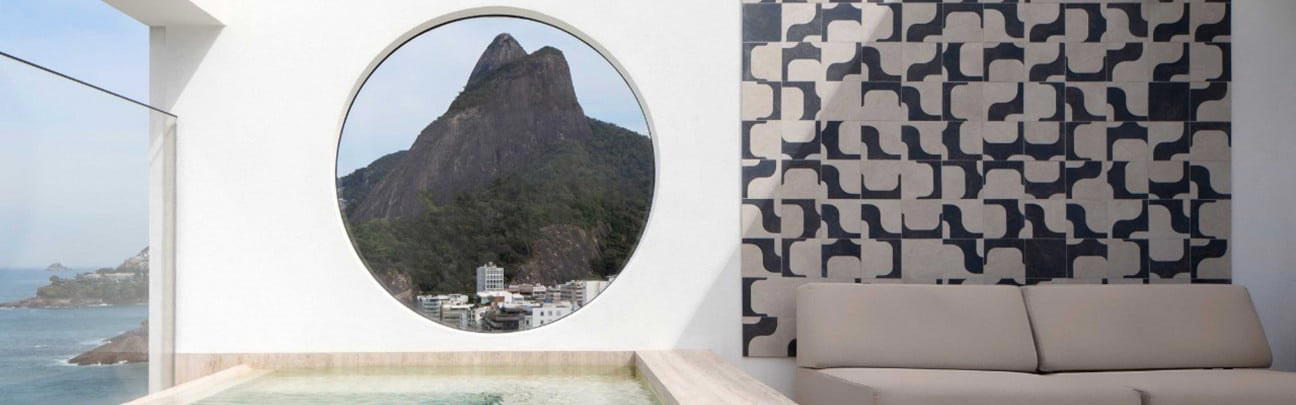
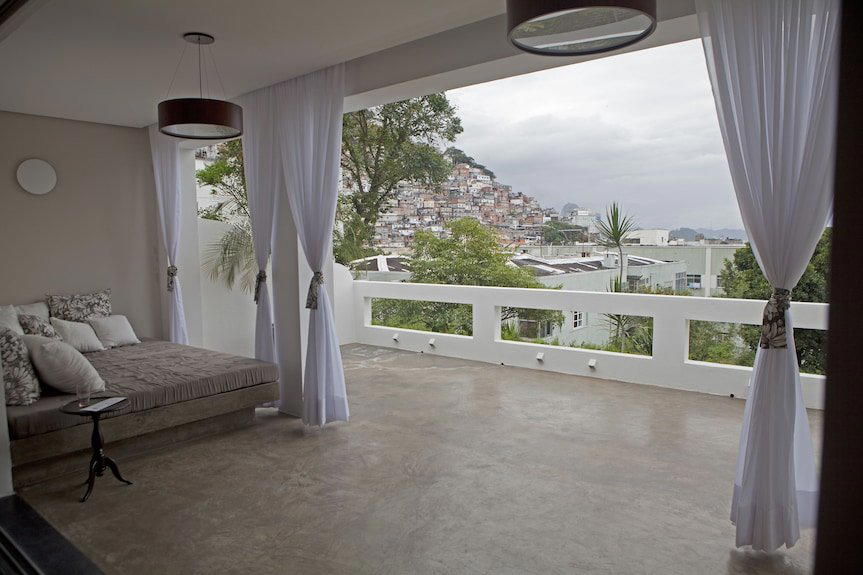
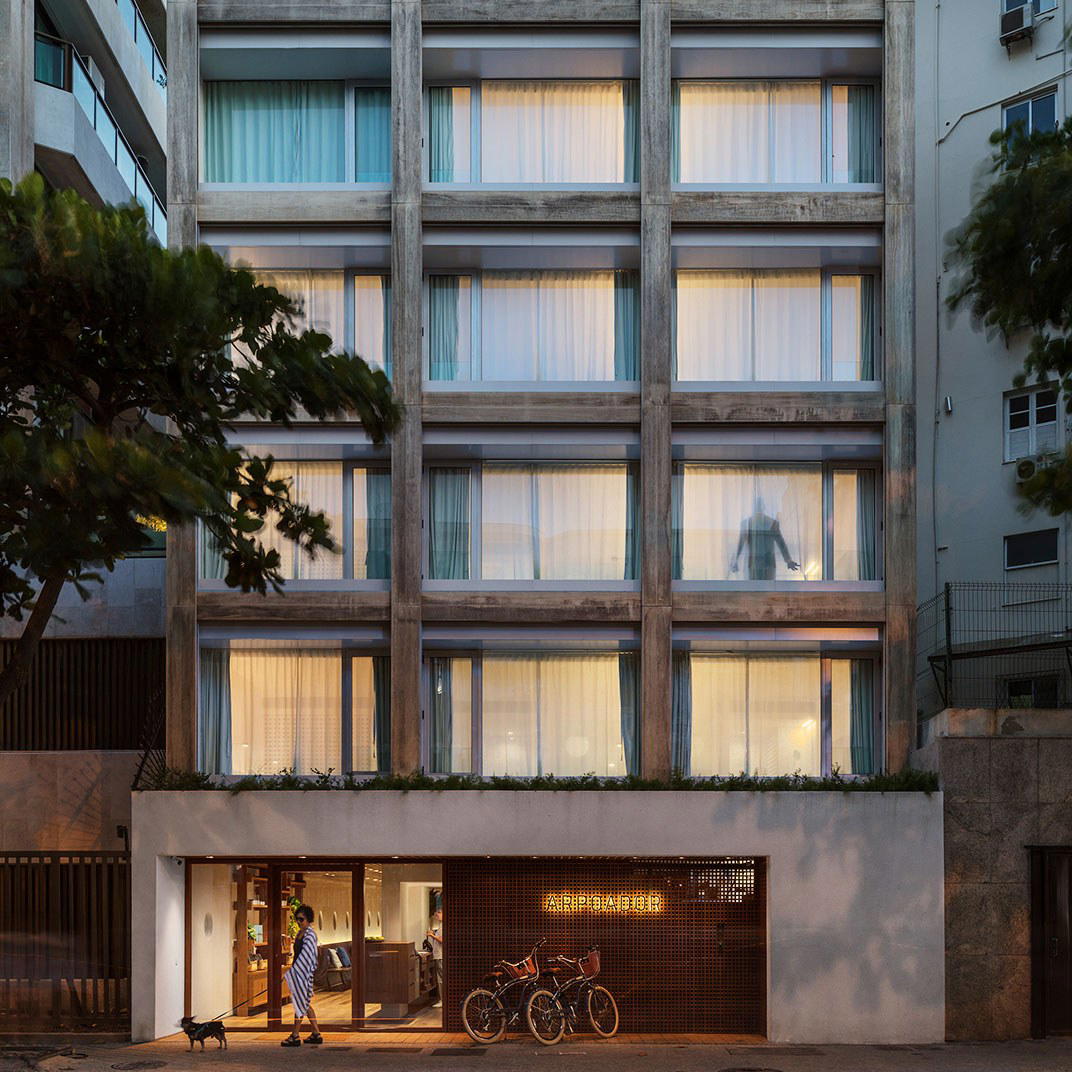
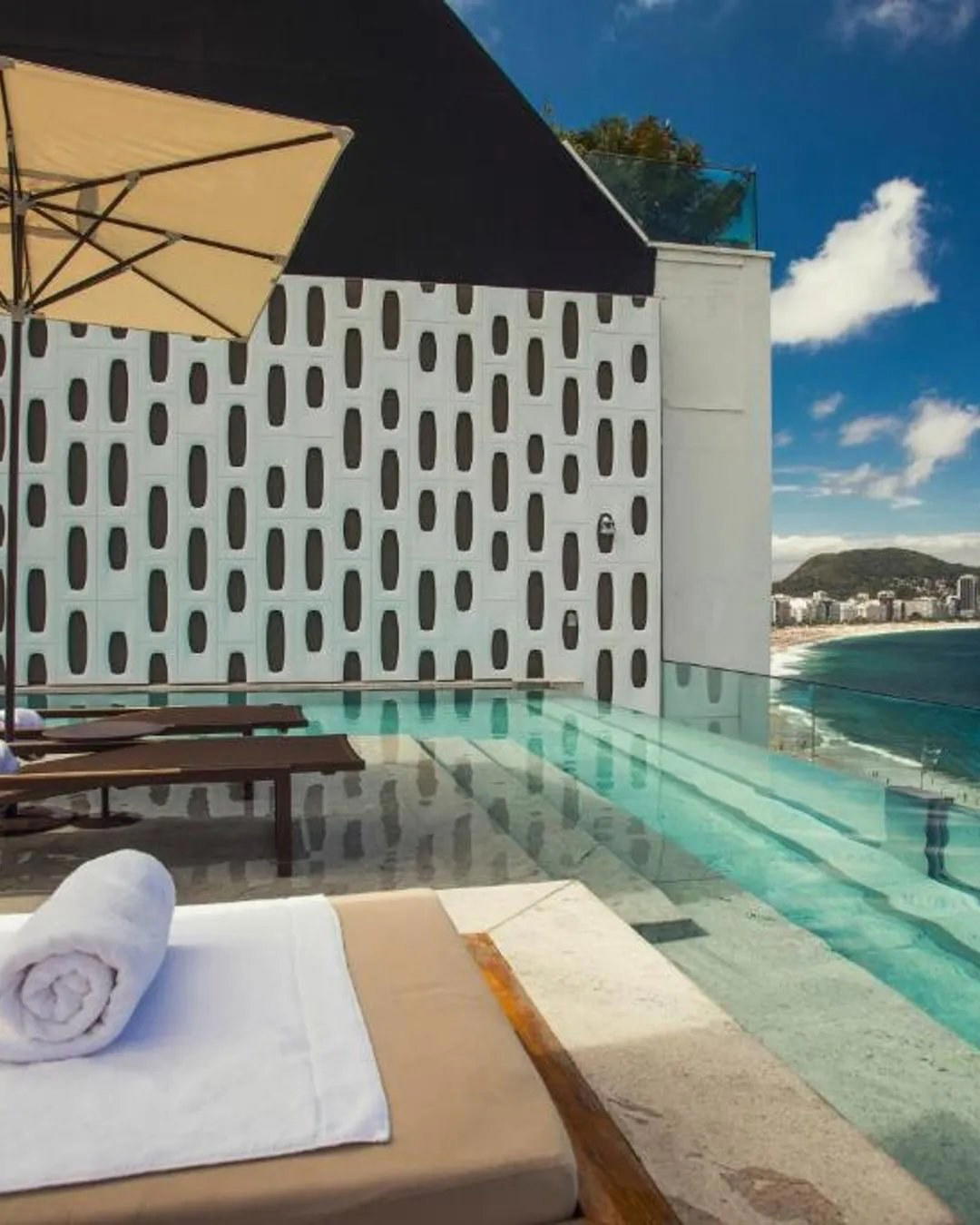
Dramatic contemporary design with large open areas, abundant natural wood, green tropical elements, and an open kitchen creating a bright, welcoming atmosphere that balances casual sophistication.