Jockey Club Brasileiro
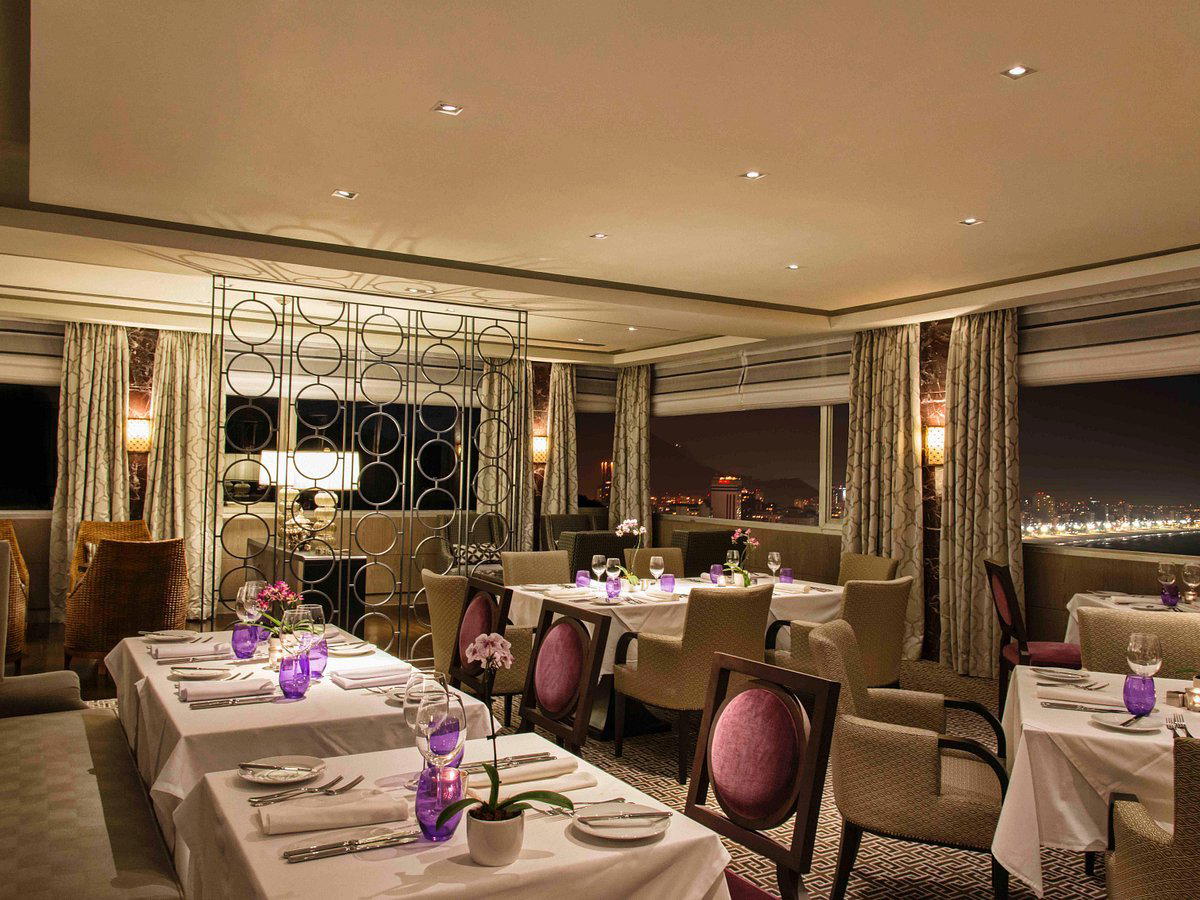
Set on Praça Santos Dumont in Gávea, Jockey Club Brasileiro occupies one of Rio de Janeiro's most architecturally loaded addresses — a members' institution that has long operated at the intersection of sport, social ritual, and leisured dining. The setting rewards those who understand what they are stepping into: a place where the pace of the meal has always mattered as much as what arrives at the table.

Pearl is the En Primeur Club membership app — saves, bookings, and concierge access live there. Same editors, same standards.
- Address
- Praça Santos Dumont, 31 - Gávea, Rio de Janeiro - RJ, 22470-060, Brazil
- Phone
- +55 21 3534 9061
- Website
- jcb.com.br
- Directions
- Get directions
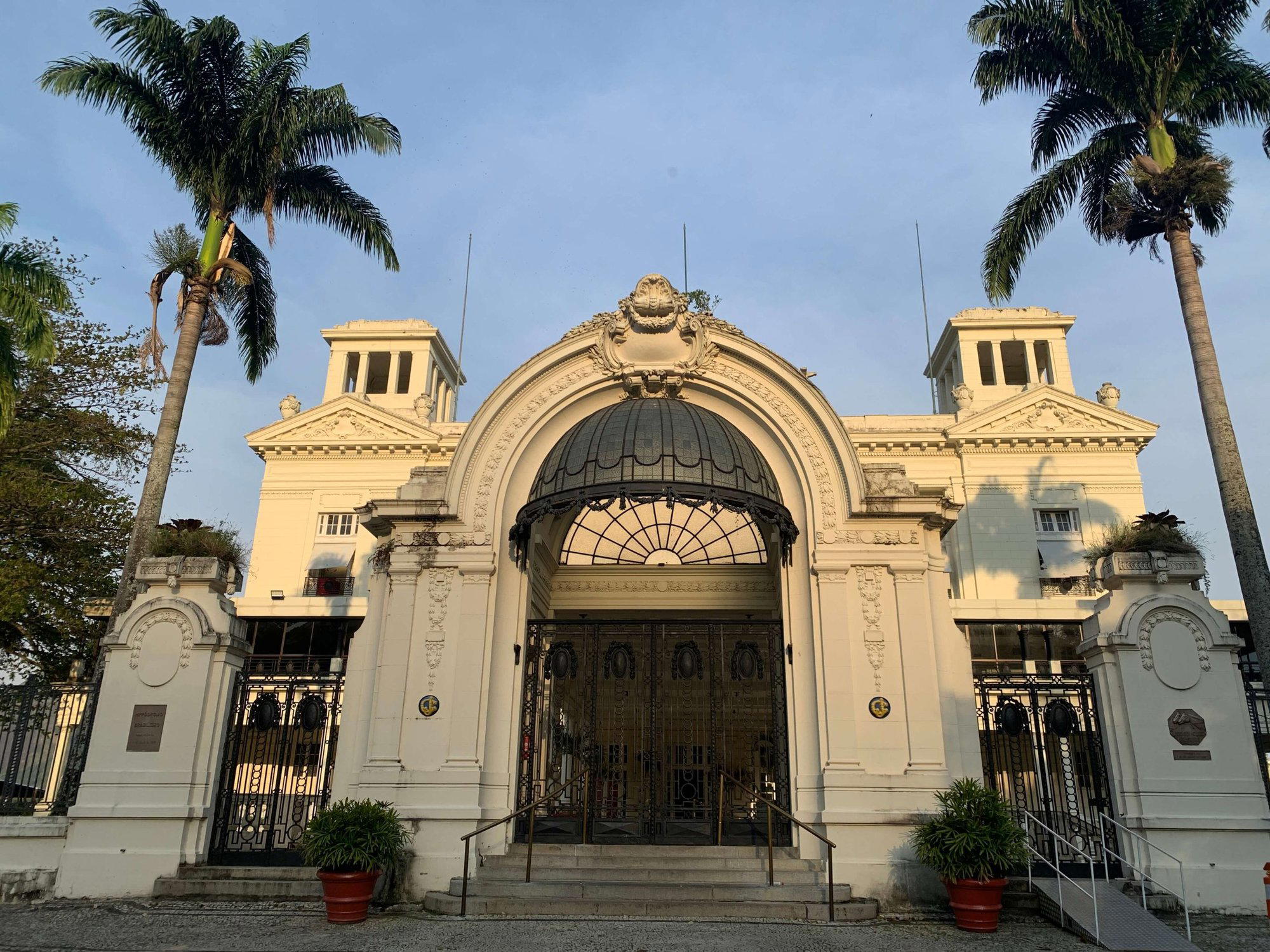
A Gávea Institution and the Ritual of the Long Afternoon
In Rio de Janeiro, the idea of a slow, ceremonial meal is not a trend imported from Europe. It is a native condition, practised longest and most deliberately in the clubs, associations, and sociedades that have anchored Zona Sul social life for well over a century. Jockey Club Brasileiro, at Praça Santos Dumont 31 in Gávea, belongs to that tradition in a way that few contemporary venues can claim. The address alone signals intent: the square is named for Alberto Santos Dumont, the Brazilian aviation pioneer, and the surrounding neighbourhood carries the specific gravity of old Rio money meeting intellectual culture. To arrive here is to step into a context that the city has been curating for generations.
The physical approach matters. Gávea sits at the interior edge of Rio's southern zone, pressed against the Tijuca forest and separated from the beachside bustle of Ipanema and Leblon by a change in register as much as geography. The club occupies grounds associated with horseracing, and the spatial logic of that legacy — open paddocks, grandstand sightlines, a relationship between architecture and landscape that privileges the long view — persists in the way the premises feel. You are not walking into a restaurant in the narrow sense. You are entering a place where the structure of the visit has always been more elaborate than a single course or a single hour.
How the Dining Ritual Works Here
Across Brazil's historic private clubs, the dining room has traditionally functioned as a social stage rather than a feeding station. The meal is paced to the conversation: multiple rounds, unhurried service, a general understanding that the afternoon or evening has been given over to the table. Jockey Club Brasileiro operates within that format, and the significance of that framing is worth stating clearly. Venues elsewhere in Rio, particularly in the more commercial dining corridors of Leblon and Barra, have largely shifted toward faster, more transactional hospitality. The club format, by contrast, still codes the meal as an event with a beginning, a middle, and a deliberate end.
This has implications for how a visitor should approach the experience. The rhythm here is not set by the kitchen's throughput targets. It is set by the social occasion. Arriving with a fixed time window, or with the expectation of a brisk two-course lunch, misreads the contract. The clubs that have survived in Rio's social fabric have done so precisely because their members and guests understand the implicit agreement: you give the afternoon, and the afternoon gives back in proportion.
For those familiar with analogous institutions elsewhere in Brazil, the comparison is instructive. The same unhurried formality runs through the dining culture at Dionisia Restaurante VinhoBar in Porto Alegre, which has built its identity around wine-led, conversation-driven evenings, and at Vivan Wine Bar in Balneario Camboriu, where the deliberate pace of service is a design choice rather than an accident. In Rio itself, the contrast with the more casual bar culture of venues like Bar do Mineiro in Santa Teresa or Bar dos Descasados is sharp. Both modes are authentically carioca; they simply occupy different rungs of the same social ladder.
The Broader Setting: Gávea and Rio's Club Geography
Rio's premium social clubs are not randomly distributed. They cluster in the neighbourhoods that historically housed the city's professional and landowning classes: Flamengo, Botafogo, Gávea, and the hillside bairros with forest adjacency. Gávea's specific character combines proximity to PUC-Rio, one of Brazil's most respected universities, with the green buffer of Parque da Cidade and the horse-racing heritage of the Jockey Club grounds. The result is a neighbourhood that reads simultaneously as residential, intellectual, and ceremonially social, a combination that sustains the club format better than the more tourist-trafficked zones to the south.
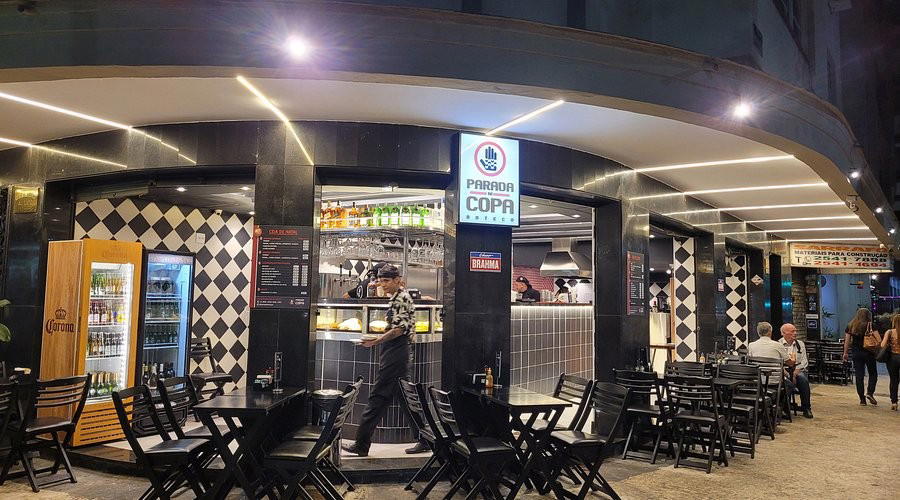
Visitors approaching from Ipanema or Leblon will find the contrast instructive. The beachside neighbourhoods have excellent contemporary dining, Bar de Copa and Bar do Bode Cheiroso represent the livelier, more informal end of the spectrum, but the register shifts noticeably once you move inland toward Gávea. The streets narrow, the pace drops, and the ratio of residents to tourists inverts. This is where Rio's institutional dining culture persists most intact.
For a broader orientation to the city's dining scene, the EP Club Rio de Janeiro guide maps the full range, from neighbourhood botequins to formal dining rooms. Within that range, Jockey Club Brasileiro occupies a specific and not easily replicated position: it is a working institution with deep roots, not a restaurant conceived to simulate that feeling.
Placing Jockey Club Brasileiro in a National Context
Brazil's premium bar and dining scene has diversified significantly over the past decade, with cocktail-focused venues like Exímia in São Paulo pushing technical ambition in one direction, and culturally rooted spots like Acarajé da Dinha in Salvador anchoring regional tradition in another. Bar da Lora in Belo Horizonte and SEEN Belém in Belem represent still other approaches, each reflecting the particular culinary culture of its city. Against all of these, the historic club format that Jockey Club Brasileiro embodies operates on a different axis entirely. It is not optimising for a specific menu category or a cocktail program. It is maintaining a social format that has largely disappeared from the contemporary hospitality industry.
That distinction matters for international visitors comparing notes across cities. Bar Leather Apron in Honolulu offers a parallel case study in how a historically rooted venue identity can remain coherent and relevant without chasing current trends. The longevity is the credential.
Planning Your Visit
Jockey Club Brasileiro is located at Praça Santos Dumont 31 in Gávea, accessible from Ipanema and Leblon by taxi or rideshare in roughly ten to fifteen minutes depending on traffic. The club's institutional nature means that access conditions, current hours, and any membership or guest requirements should be confirmed in advance through direct contact or the venue's official channels, as these details can change with the calendar of racing events and private functions. The address sits adjacent to the Jávea Hipódromo, which means that race-day Saturdays will shift the atmosphere and likely the crowd density. Visiting on a non-race weekday produces a quieter, more intimate version of the experience.
Style and Standing
| Venue | Price | Awards |
|---|---|---|
| Jockey Club BrasileiroThis venue — the venue you are viewing | Not listed | Not listed |
| Bar de Copa | $20–30 | World's 50 Best #41 |
| Elena Horto | Not listed | Star Wine List · Top 500 Bars Best Bars #426 |
| Galeto Sat's Botafogo | $10–20 | Not listed |
Continue exploring
More in Rio de Janeiro
Bars in Rio de Janeiro
Browse all →
Restaurants in Rio de Janeiro
Browse all →
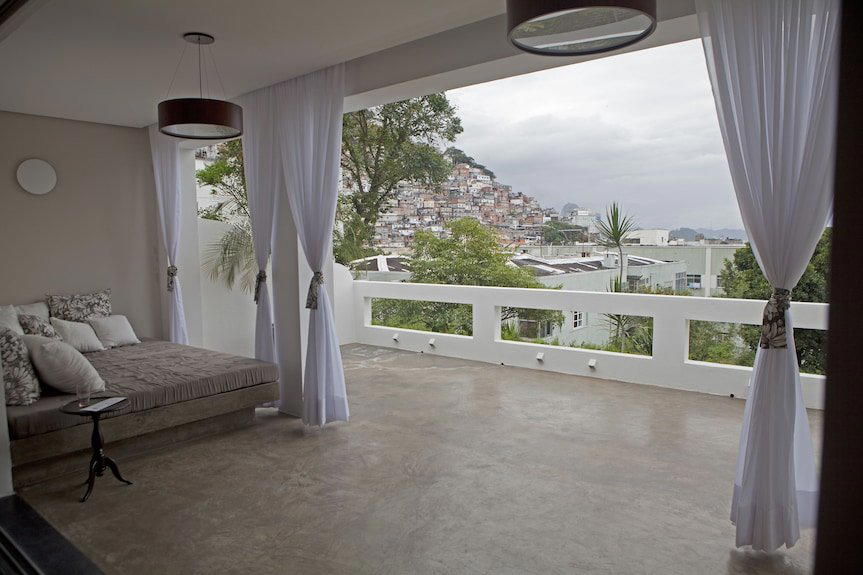
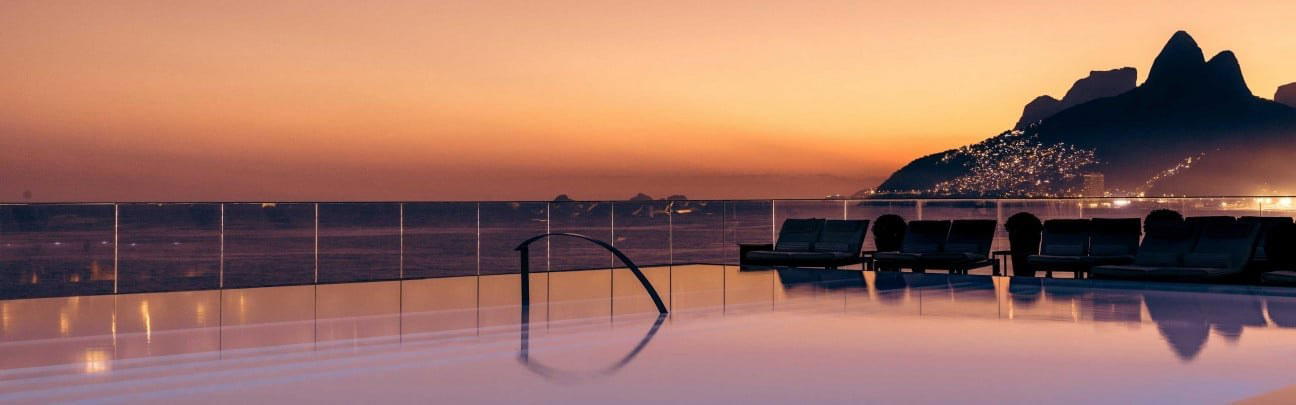
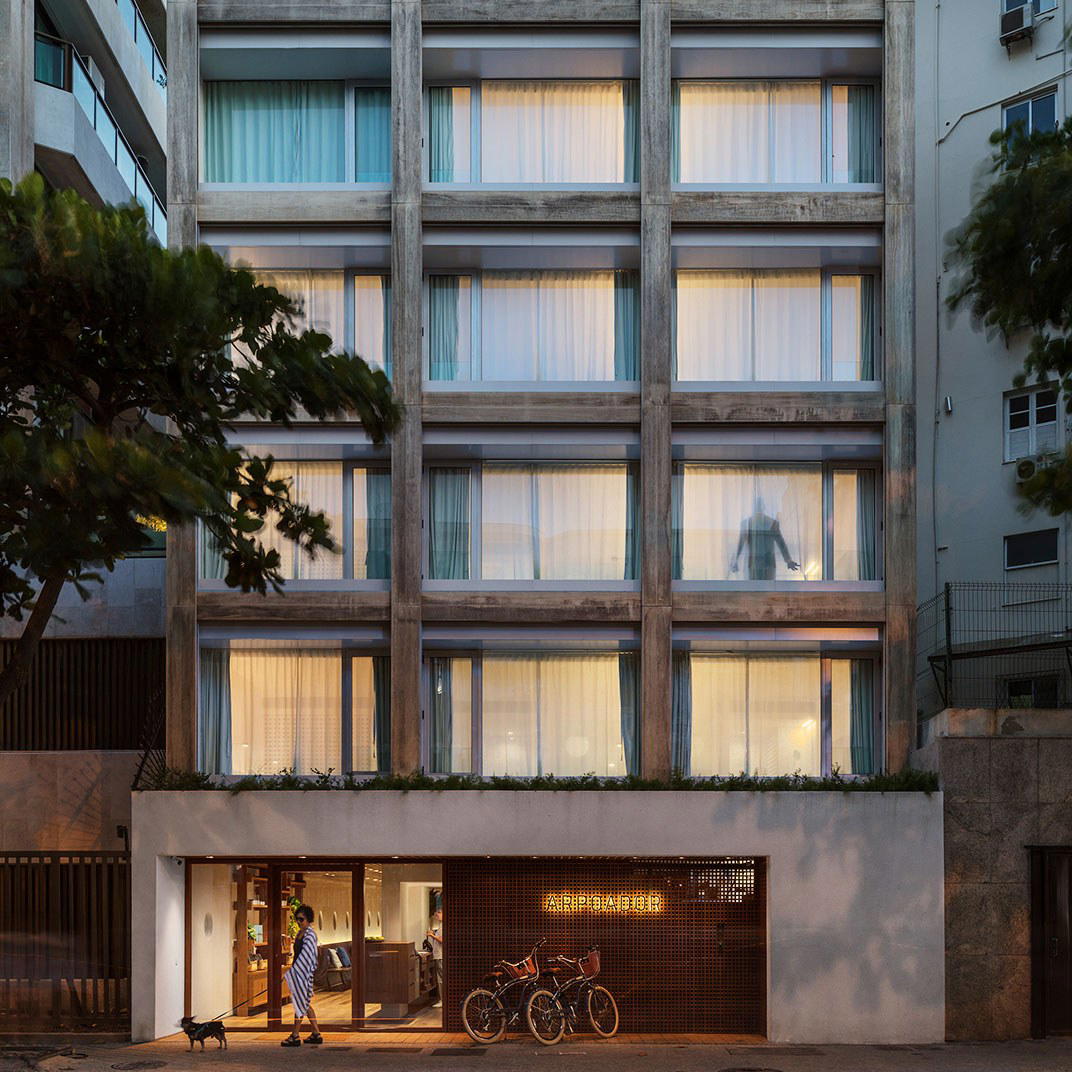
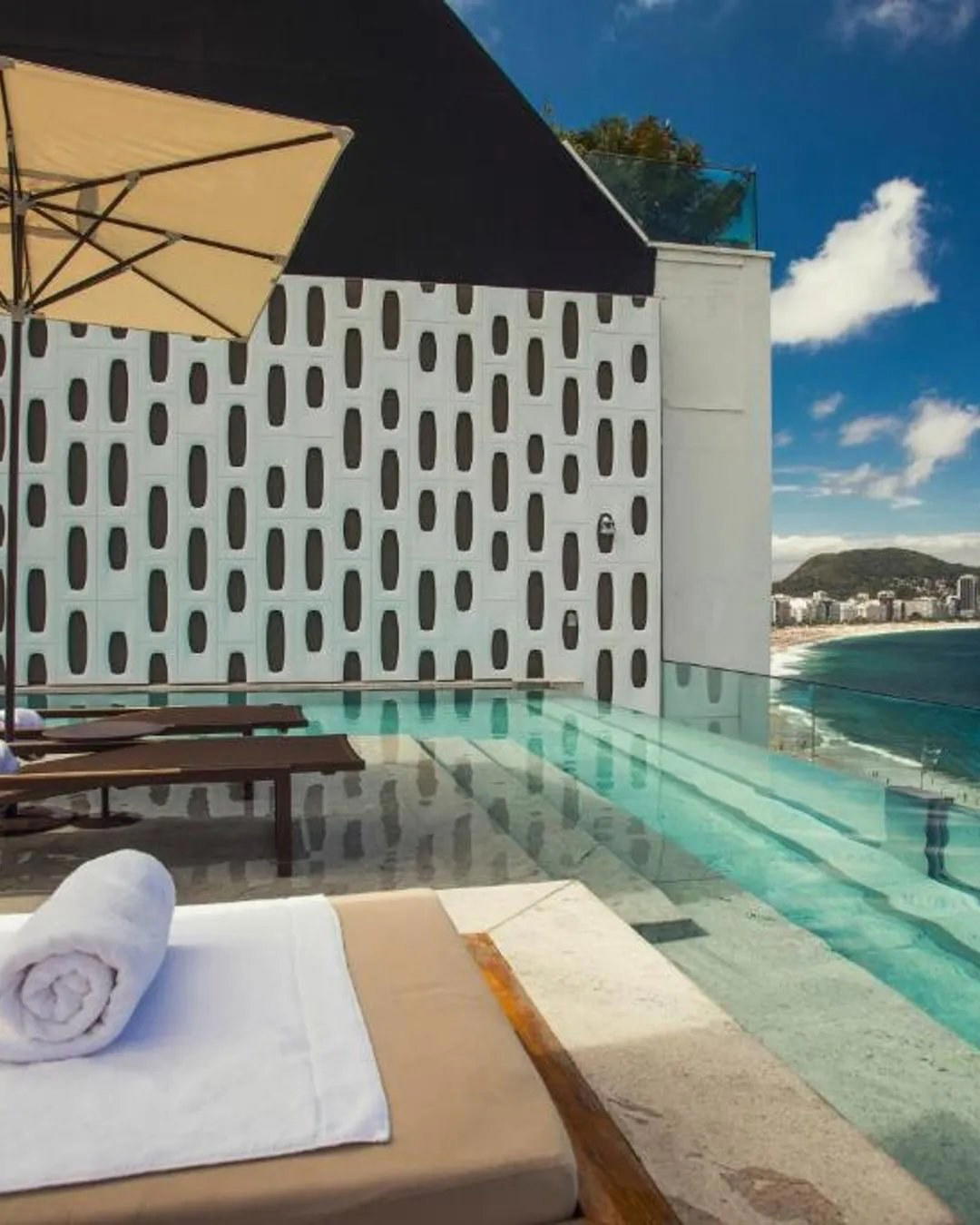
Jockey Club Brasileiro
The wine
- Wine program
- Curated wine list
- Craft cocktails
Details
- Lively
- Well Known
- Elegant
- Group Outing
- Casual Hangout
- Historic Building
- Live Music
- Outdoor Terrace
- Lounge Seating
- Craft Cocktails
Open-air space with natural Rio charms, good music from DJs, lively atmosphere well-suited for gathering friends.