Giuseppe Grill Leblon


Michelin Plate · Wine Spectator Best of Award of Excellence
Our verdict
A Michelin Plate-recognised grill house in Leblon where charcoal is the only cooking method and dry-aged cuts share the menu with slow-cooked Uruguayan lamb and shifting seafood. The wine cellar runs to 2,600 bottles across 500 labels, with Wine Director Marcelo Torres overseeing a list weighted toward France, Brazil, and Iberia. At $$$, it sits a tier below Rio's Michelin-starred modern dining rooms while holding its own on product quality.

Pearl is the En Primeur Club membership app — saves, bookings, and concierge access live there. Same editors, same standards.
- Address
- Av. Bartolomeu Mitre, 370 - Leblon, Rio de Janeiro - RJ, 22431-002, Brazil
- Phone
- +55 21 99591-5277
- Hours
- Mon–Sat 12 PM–12 AMSun 12–11 PM
- Website
- bestfork.com.br
- Directions
- Get directions
- Booking
- Book on the venue's website
The menu
What to order
- Picanha Supra Sumo
- Dry Aged T-Bone
- Wagyu Ribeye
Stone Walls, Charcoal Smoke, and the Architecture of a Grill Dinner
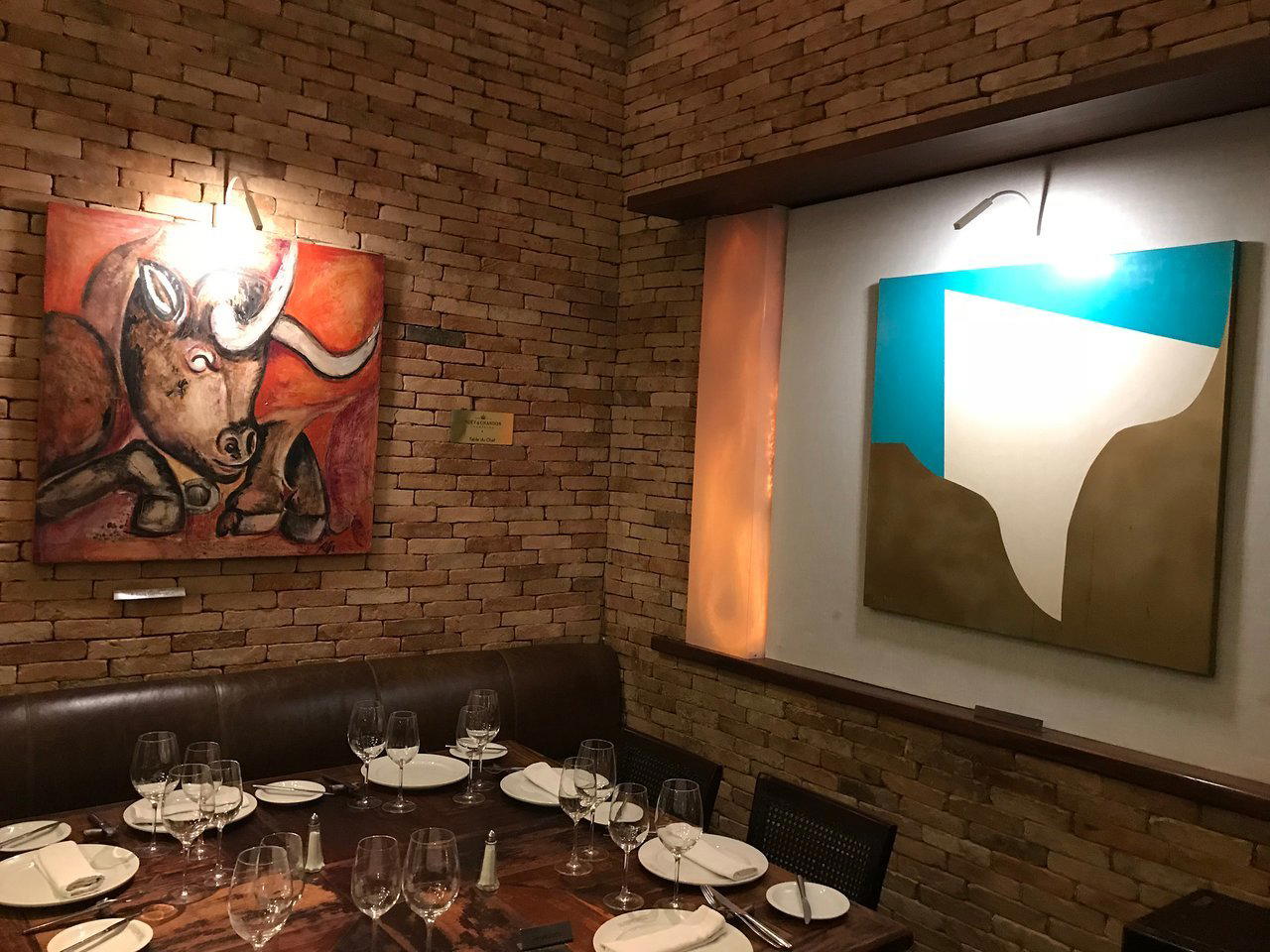
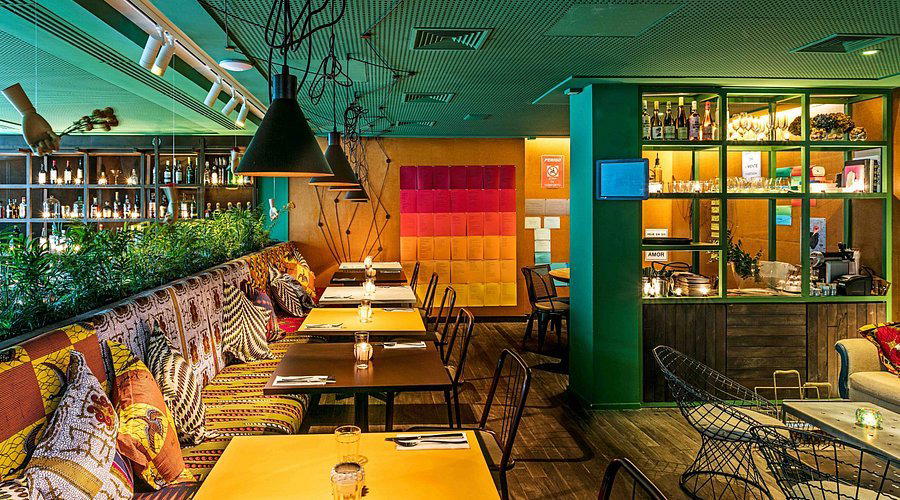
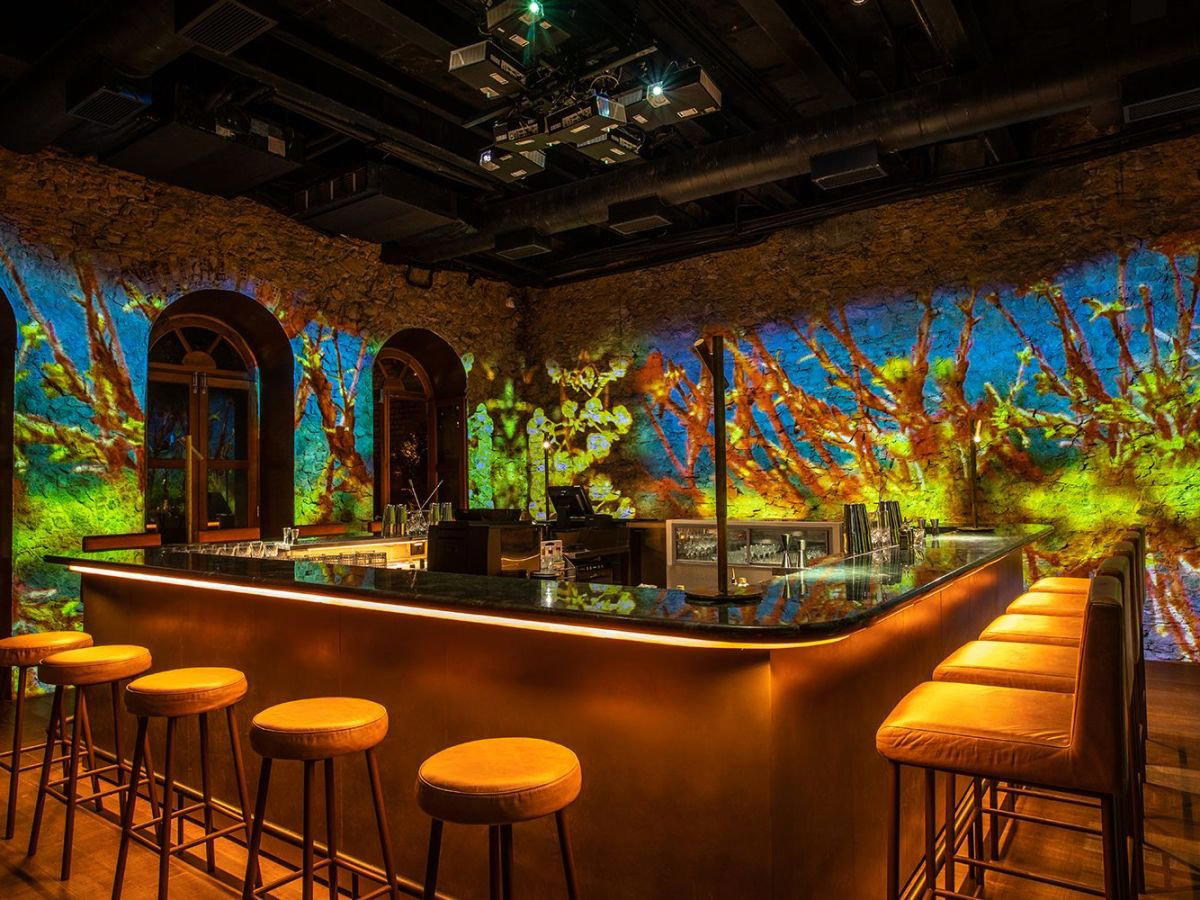
In Leblon, Rio's most residential and arguably most self-assured neighbourhood, a certain kind of restaurant has always thrived: one that prioritises product over theatre, where the cooking method is the concept. Giuseppe Grill, on Avenida Bartolomeu Mitre, fits that profile precisely. Exposed stone walls, wooden chairs, and leather sofas create an interior that reads as rustic-elegant rather than formal, a room where you arrive for dinner expecting to stay for it. The charcoal smoke that defines the kitchen reaches the dining room as atmosphere rather than intrusion. This is a place oriented around a meal rather than a moment.
That meal follows a clear logic. Everything on the menu, fish and meat alike, passes over charcoal. The constraint is also the editorial point: at a time when Brazilian fine dining has fractured into tasting menus, regional foraging narratives, and modernist technique, Giuseppe Grill operates with singular focus. Michelin awarded it a Plate in 2024, recognising the kitchen's execution without pushing it into the starred tier occupied by Lasai or Oteque. The distinction is meaningful: a Plate signals consistent quality cooking, not a destination tasting format. The pricing reflects it, landing at $$$ against the $$$$ bracket of Rio's Michelin-starred rooms.
The Sequence of a Charcoal Meal
Thinking about dinner at Giuseppe Grill as a progression rather than a selection of individual dishes clarifies what the kitchen is doing. The menu moves from lighter cuts and seafood toward the weightier, slower-cooked proteins, and the pace of that progression matters as much as the individual components.
Fish and seafood open the range of lighter options, with availability shifting daily based on what the kitchen has sourced. That variability is a feature rather than a limitation: it means the seafood section tracks the market rather than a fixed formula, and it gives the meal an element of improvisation within a structured frame.
The meat section is where the kitchen's identity consolidates. Dry-aged options, including T-bone, prime rib, and bone-in tenderloin, represent the conventional upper register of a serious grill. What distinguishes Giuseppe Grill within Rio's churrascaria and contemporary grill house scene is the specificity of its house cuts. The Maminha, a sirloin tri-tip that appears across Brazilian grill culture but demands precision on the charcoal to avoid toughness, features here with the confidence of a kitchen that understands the cut. The Picanha supra sumo, the restaurant's registered trademark and a variant on the rump cap that defines Brazilian barbecue tradition, occupies a different tier from standard picanha preparations in terms of provenance and handling.
The anchor of the heavier end of the meal is the slow-cooked Uruguayan lamb shoulder, served with its own jus. Uruguayan lamb has a particular standing in South American premium meat culture, raised on Patagonian-adjacent pasture with a flavour profile that differs noticeably from Brazilian-raised alternatives. Slow-cooking it over charcoal and finishing with a reduction of its own juices is the kind of technique that requires patience and confidence in the product. It positions the meal's final act as something more deliberate than the grilled cuts that precede it.
For context within Rio's wider dining scene, this approach sits in a different register from the modern Brazilian tasting format at Oro, or the French-influenced precision at Casa 201. It is also distinct from the white-tablecloth Italian tradition of Cipriani. Giuseppe Grill occupies a niche that Brazilian dining culture has always produced but Rio's fine-dining conversation sometimes overlooks: the serious grill house that earns recognition on technique and product rather than concept.
The Wine Cellar as a Second Argument
A wine program of this depth is unusual in a grill house context. Wine Director Marcelo Torres, who also owns the restaurant, oversees a cellar of 2,600 bottles across 500 labels. The list is organised around France, Brazil, Spain, Portugal, Italy, and California, covering both the European heritage of South American wine culture and the growing ambition of Brazilian domestic production. Corkage is set at $25 for those bringing their own bottles, and the list's pricing sits at $$ within the wine category, meaning there is genuine range rather than a roster that skews exclusively toward premium labels. For a restaurant at the $$$ meal price point, the wine program's breadth is a statement of intent: this kitchen expects to be taken seriously at the table across multiple hours.
That positioning aligns with the broader pattern in serious grill culture internationally. When cooking is defined by a single method and product quality, the wine list becomes a parallel argument for the restaurant's seriousness. The same logic applies at high-end grill rooms from Buenos Aires to the Basque Country, including traditional formats like Auga in Gijón. Giuseppe Grill follows that logic with a cellar that would not embarrass a restaurant twice its price.
Where Giuseppe Grill Sits in the Broader Picture
Brazil's wider restaurant culture has produced a range of serious addresses in recent years, from D.O.M. in São Paulo to regionally rooted kitchens like Manga in Salvador and Manu in Curitiba. Within that national scene, the grill-focused tradition that Giuseppe Grill represents is both foundational and sometimes undervalued relative to modernist formats. The Michelin Plate signals that this restaurant has crossed a quality threshold that separates it from the generic churrascaria tier, without repositioning it as a tasting-menu destination. That is its value proposition: serious technique, serious wine, and a meal that follows a logical arc from lighter proteins to slower, heavier cuts, in a room designed for extended conversation.
For those building a broader Rio itinerary, the full picture of the city's dining, drinking, and accommodation options is available through our full Rio de Janeiro restaurants guide, our full Rio de Janeiro hotels guide, our full Rio de Janeiro bars guide, and our full Rio de Janeiro experiences guide. Wine-focused travellers can also consult our full Rio de Janeiro wineries guide.
Planning a Visit
Giuseppe Grill is located at Av. Bartolomeu Mitre, 370 in Leblon, a neighbourhood that rewards arriving early for aperitivo and staying late. The restaurant serves both lunch and dinner, which makes it one of the few addresses in this quality tier that functions across both services. At a meal price of $$$ for a typical two-course meal before beverages, it represents a meaningful step below the $$$$ bracket of Rio's starred rooms without compromise on the core product. The wine program adds cost depending on selection, but the $$ wine pricing means there is room to drink well without the bill becoming disproportionate. The General Manager is Lucas Ripper, and Chef Adriano Lopes leads the kitchen.
Frequently asked questions
Is Giuseppe Grill Leblon better for a quiet night or a lively one?
The room, built around exposed stone walls, leather sofas, and wooden furniture, reads as a grill house that takes itself seriously without demanding formality. It suits a long dinner with a bottle from the 2,600-label cellar as well as it does a group eating through the dry-aged cuts menu. The Michelin Plate recognition (2024) signals the kitchen's focus rather than the room's energy level.
How much does it cost to eat at Giuseppe Grill Leblon?
Pricing at Giuseppe Grill Leblon is listed as $$$.
What awards or recognition does Giuseppe Grill Leblon have?
Giuseppe Grill Leblon has received recognition including: As the name clearly states, all the dishes (fish and meat) at this restaurant are cooked on the charcoal grill. The menu here includes dry-aged meat options (T-bone, prime rib, bone-in tenderloin etc). Other standout dishes include the Mami….
What's the best thing to order at Giuseppe Grill Leblon?
The Picanha supra sumo is the restaurant's registered trademark, which tells you where the kitchen has placed its identity. If you want to move beyond the rump cap, the slow-cooked Uruguayan lamb shoulder served with its own jus is the other dish that justifies the trip. Fish and seafood options are available but rotate with daily supply, so ask the floor what came in.
Comparable Spots, Quickly
| Venue | Cuisine | Price | Awards | Notes |
|---|---|---|---|---|
| Giuseppe Grill LeblonThis venue — the venue you are viewing | Brazilian Steakhouse | $50–100 | Michelin Plate · Wine Spectator Best of Award of Excellence | Not listed |
| Lasai | Modern Brazilian Fine Dining | Not listed | 2 Michelin Stars · World's 50 Best #28 | Regional Brazilian, Modern Cuisine |
| Oteque | Modern Seafood Fine Dining | $100–150 | 1 Michelin Star · World's 50 Best #38 | Modern Brazilian, Modern Cuisine |
| Oro | Brazilian Vanguard Fine Dining | Not listed | 2 Michelin Stars · La Liste Top Restaurants | Contemporary Italian, Brazilian, Modern Italian |
| Lilia | Modern Brazilian Creative | $20–30 | Michelin Plate | Italian, Brazilian |
| Casa 201 | Modern French with Brazilian Ingredients | $150–200 | 1 Michelin Star | French |
Recognition history
Dated appearances from independent guides and award organizations, with the underlying list record or original source where available.
Michelin Plate
Michelin
Wine Spectator Best of Award of Excellence
Wine Spectator
Full recognition history (5 entries)
Michelin Plate
Michelin
Wine Spectator Best of Award of Excellence
Wine Spectator
Michelin Plate
Michelin
Continue exploring
More in Rio de Janeiro
Restaurants in Rio de Janeiro
Browse all →
Bars in Rio de Janeiro
Browse all →

Details
- Elegant
- Sophisticated
- Cozy
- Rustic
- Date Night
- Business Dinner
- Family
- Celebration
- Special Occasion
- Private Dining
- Wine Cellar
- Extensive Wine List
- Craft Cocktails
- A La Carte
- Cocktails
- Wine
- Vegetarian Friendly
- Gluten Free Options
Current opening hours
- Monday
- 12 PM–12 AM
- Tuesday
- 12 PM–12 AM
- Wednesday
- 12 PM–12 AM
- Thursday
- 12 PM–12 AM
- Friday
- 12 PM–12 AM
- Saturday
- 12 PM–12 AM
- Sunday
- 12–11 PM
Hours can change for holidays and private events. Last verified .
Cozy and stylish with rustic-elegant decor featuring exposed stone walls, wooden chairs, leather sofas, and Brazilian artwork, under comfortable lighting.