Grand Hyatt Rio de Janeiro


Michelin Selected · Virtuoso Luxury Hotel Partner
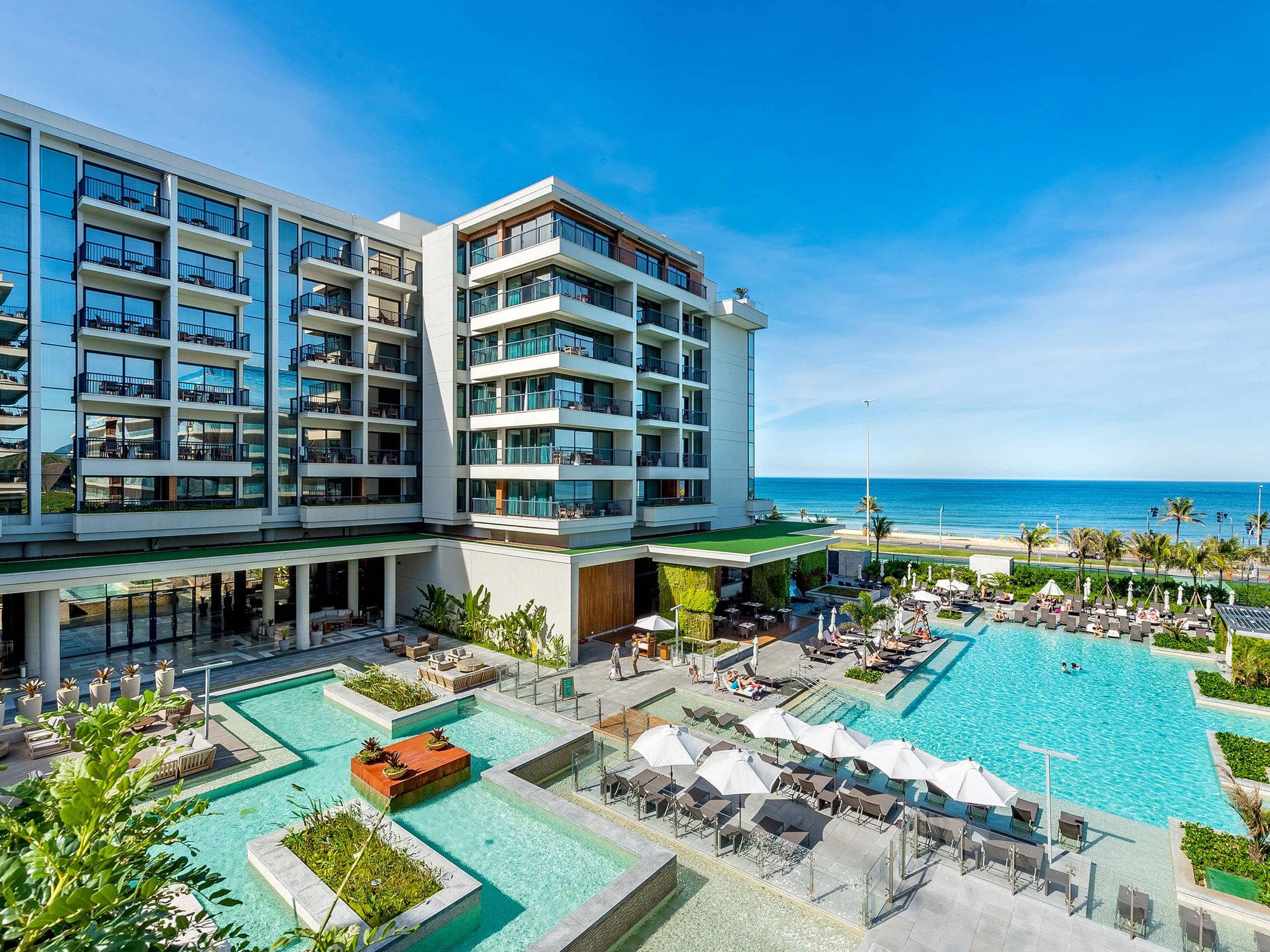
Positioned on Barra da Tijuca's beachfront along Avenida Lucio Costa, Grand Hyatt Rio de Janeiro occupies one of the city's more geographically specific luxury addresses: Atlantic Ocean to the front, Marapendi Lagoon to the rear. Three signature restaurants designed by architect Arthur Casas, a nine-room spa, and guestrooms with private balconies place it in Rio's upper tier of resort-format hotels.

Pearl is the En Primeur Club membership app, where members save venues, book tables and use the concierge.
Barra da Tijuca and the Case for Rio's Western Riviera
Rio's hotel geography has long been dominated by the Zona Sul corridor: Copacabana, Ipanema, Leblon. The Copacabana Palace, A Belmond Hotel and the Fairmont Rio de Janeiro Copacabana anchor that traditional belt, where proximity to Ipanema's social scene and historic Copacabana promenade drives the address premium. Barra da Tijuca operates on a different logic entirely. Roughly 20 kilometres west of Copacabana, Barra trades neighbourhood density for scale: wider beaches, fewer tourists per square metre, and a built environment shaped by luxury residential towers and corporate campuses rather than early-20th-century Art Deco facades. Grand Hyatt Rio de Janeiro sits on Avenida Lucio Costa, the long coastal road that defines Barra's seafront, facing the Atlantic to the south and backed by the Marapendi Lagoon to the north. That dual-water position is not a marketing abstraction; it genuinely shapes the experience of the property, from the light that enters the rooms to the prevailing coastal breeze across the outdoor spaces.
Barra has matured considerably as a luxury address since hosting venues for the 2016 Rio Olympics. Emiliano Rio and Hotel Fasano Rio de Janeiro, both positioned in the Zona Sul, represent the design-led boutique end of Rio's luxury market; the Grand Hyatt occupies a different niche: resort-scale, beachfront, with a full amenity stack suited to travellers who want self-sufficiency within the property rather than a neighbourhood walking radius.
The Architecture of Eating: Three Restaurants, One Design Vision
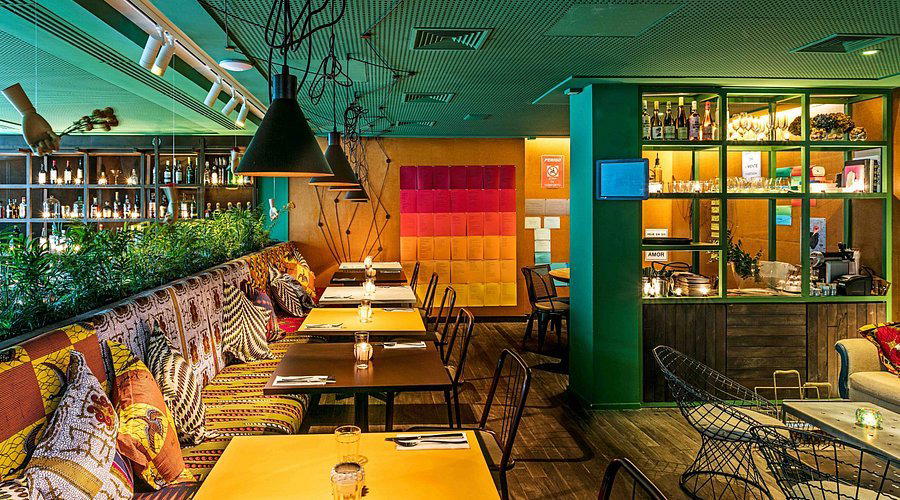
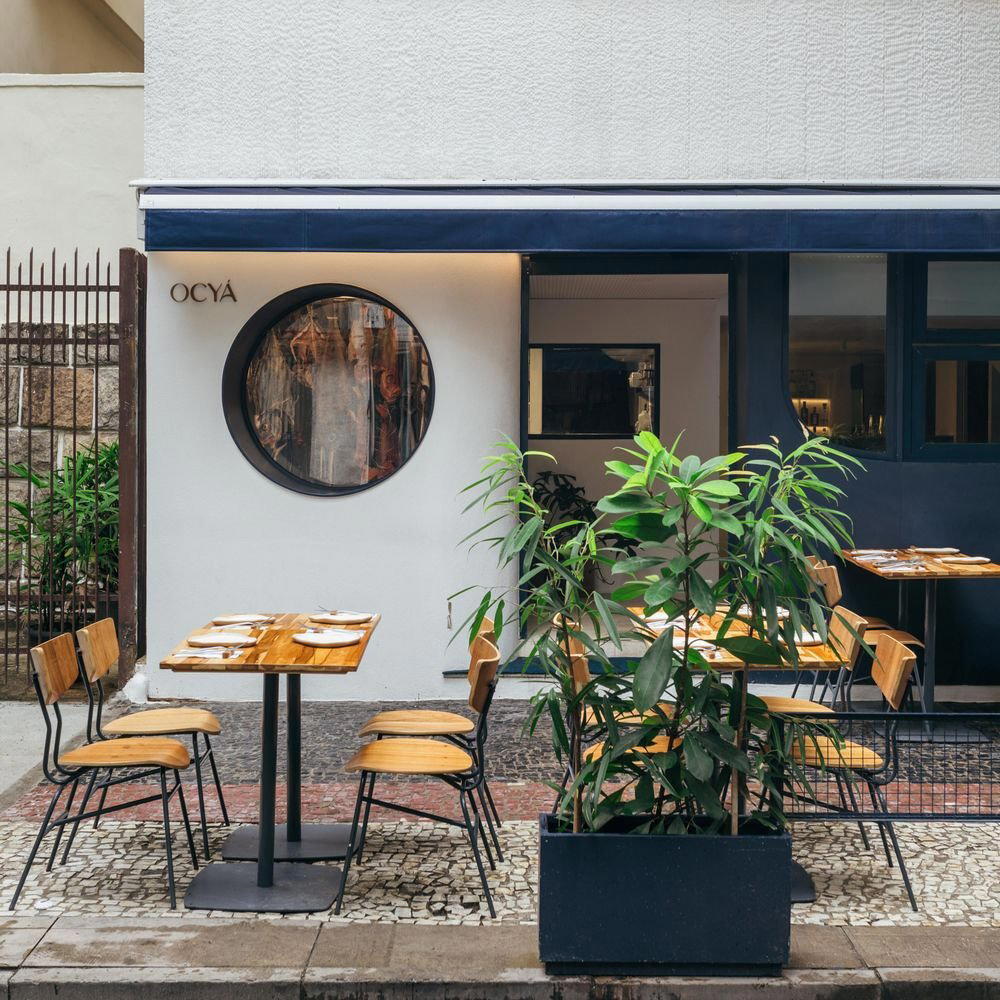
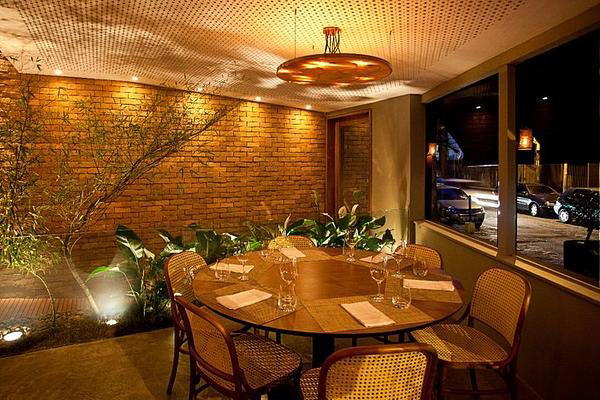
Brazil's relationship with ingredient sourcing is not incidental to its cuisine. The country spans nine biomes, each producing distinct proteins, produce, and flavour profiles. Coastal Rio sits at a natural junction between Atlantic seafood and the agricultural interior, and the dining program at Grand Hyatt Rio reflects that geography with reasonable directness. The three signature restaurants were designed by Arthur Casas, one of São Paulo's most recognised architects working in hospitality and retail, whose approach consistently favours natural materials and spatial restraint over decorative excess. The design brief here centres on evoking coastal ease rather than imposing formal grandeur.
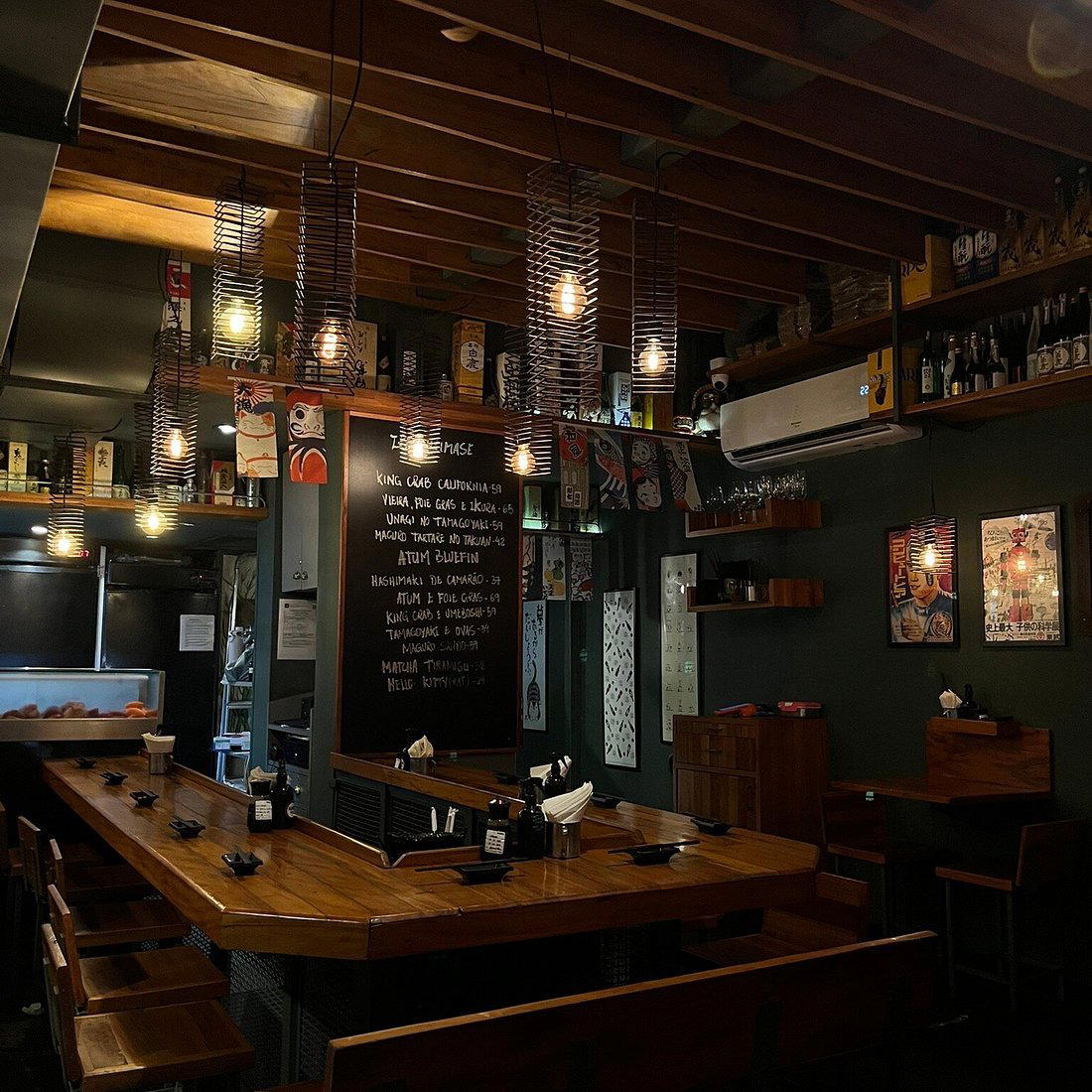
The seafront restaurant focuses on Brazilian-inspired dishes, which in Rio's context implies a kitchen engaged with the country's coastal larder: fish from local Atlantic waters, tropical produce from the market networks that supply the city. The Japanese restaurant fits a pattern visible across South America's major cities, where significant communities of Japanese descent, particularly in Brazil, have established culinary traditions that go well beyond trend-driven sushi bars. São Paulo has the largest Japanese diaspora outside Japan, and that influence radiates through Brazilian food culture in ways that make Japanese-Brazilian dining a category with genuine local roots. The Italian restaurant rounds out the trio, completing a format common to large luxury hotels but given a degree of coherence here by the unified Casas aesthetic across all three spaces.
For those wanting to extend their dining beyond the property, our full Rio de Janeiro restaurants guide covers the city's wider dining scene across neighbourhoods and price points.
Rooms, Balconies, and the Residential Register
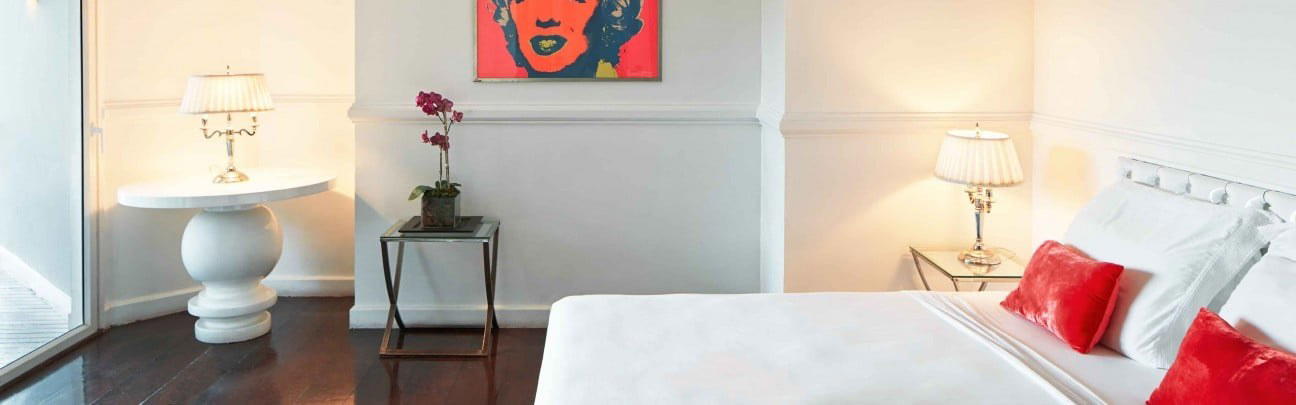
The design language across the guestrooms draws on natural woods, stones, and fabrics in a palette calibrated to read as residential rather than institutional. Every room category includes a large private balcony, which in a beachfront property of this scale is a meaningful commitment: the balcony is not decorative but functional, designed to extend the living space toward the ocean view. The materials selection and spatial approach position the property closer to the coastal-resort tradition than to the urban business hotel format, even though the property is fully equipped for corporate stays, with modern meeting spaces and a dedicated business centre.
Travellers choosing between this and the city's more intimate alternatives, such as Casa Cool Beans or Casa Marques Santa Teresa in the bohemian Santa Teresa neighbourhood, are effectively choosing between two different versions of Rio. Santa Teresa delivers immersion in a hillside quarter with a distinct arts and neighbourhood character; Barra delivers ocean access, space, and a self-contained amenity environment. The Casa Mosquito and JANEIRO Hotel similarly represent the smaller-scale, design-led end of the market. These are not competing options so much as different answers to the question of what a Rio stay should prioritise.
Atiaia Spa and the Infrastructure of Recovery
The Atiaia Spa operates across nine private treatment rooms, with a menu spanning relaxation, rejuvenation, and beauty treatments. The property also includes a fully equipped gym and a Yoga and Multi-functional Studio. In a city where outdoor activity competes with spa use for time, the spa functions as a complement to beach and lagoon access rather than a substitute for it. The name Atiaia references the Atlantic coastal flora of Brazil's restinga ecosystem, a naming convention that situates the spa in local botanical identity without overpromising on what that means in treatment terms.
Planning a Stay: Geography, Logistics, and Context
Grand Hyatt Rio de Janeiro is located at Avenida Lucio Costa, 9600, in Barra da Tijuca. The address places it in Rio's western zone, which requires directional awareness for first-time visitors. Barra is not close to Lapa's nightlife, Ipanema's beach scene, or the Santa Teresa quarter, and travel times to central Rio are material. That distance is a feature for guests who want Barra's quieter, wider beach and the neighbourhood's residential scale; it is a friction point for those who expect easy access to the city's central attractions.
The property suits both leisure travellers oriented around beach access and corporate visitors requiring meeting infrastructure, a dual positioning that is common in Rio's large-format luxury hotels. The self-contained three-restaurant format reduces the need to leave the property for dining, which is relevant in a city where traffic and distance can make evenings logistically demanding. For broader Brazilian trip planning, properties in other regions, from Hotel das Cataratas, A Belmond Hotel, Iguassu Falls in the south to Cristalino Lodge in the Amazon basin and Caiman, Pantanal in Miranda, indicate the range of environments Brazil sustains across a single itinerary.
How Grand Hyatt Rio Sits in the Regional Luxury Picture
Across South America's premium hotel market, properties increasingly split between urban boutique formats and large-format resort hotels. Rosewood São Paulo represents the urban flagship model; Botanique Hotel Experience in Campos do Jordão and Awasi Santa Catarina in Santa Catarina represent the smaller, experience-specific model. The Grand Hyatt sits firmly in a third category: large-scale international brand hotel, beachfront, with the amenity depth that brand affiliation guarantees. That model attracts a specific traveller profile: someone who values predictability of service standards alongside a distinctive physical setting, rather than either the pure neighbourhood immersion of a boutique property or the remoteness of a lodge.
For coastal resort alternatives elsewhere on Brazil's Atlantic coast, Carmel Charme Resort in Ceará and Barracuda Hotel and Villas in Itacaré represent the smaller-footprint end of the coastal luxury spectrum. Casas Brancas Boutique Hotel and Spa in Búzios sits geographically closer to Rio and operates in the boutique-coastal register that contrasts directly with Barra's resort scale. Each answers a different version of the question of what a Brazilian beach stay should deliver.
Cuisine and Recognition
Comparable venues nearby, for context on price, style, and recognition.
| Venue | Cuisine | Price | Awards | Notes |
|---|---|---|---|---|
| Grand Hyatt Rio de JaneiroThis venue (the venue you are viewing) | Modern beachfront resort with calming, airy interiors. | Not listed | Michelin Selected · Virtuoso Luxury Hotel Partner | Not listed |
| R. Alm. Alexandrino, 660 - Santa Teresa | Luxury boutique hotel housed in a restored colonial mansion with contemporary design elements and Brazilian heritage influences. | $1,000–1,500 | 1 Michelin Key · Condé Nast Johansens Best for Romance | Lapa |
| Mama Ruisa Boutique Hotel | Elegant 19th-century boutique guesthouse with French-Brazilian fusion. | $100–200 | Michelin Selected | Lapa |
| JANEIRO Hotel | Contemporary luxury boutique hotel emphasizing simple elegance and carioca lifestyle curation with minimalist design principles. | $200–300 | Michelin Selected · Virtuoso Luxury Hotel Partner | Leblon |
| Hotel Arpoador | Beachfront boutique with architectural design by Thiago Bernardes | $1–100 | Michelin Selected | Catumbi |
| Fairmont Rio de Janeiro Copacabana | Luxury beachfront hotel blending 1950s style with modern comfort. | $300–500 | Michelin Selected · Forbes Recommended | Copacabana |
Recognition history
Dated appearances from independent guides and award organizations, with the underlying list record or original source where available.
Michelin Selected
Michelin
Virtuoso Luxury Hotel Partner
Virtuoso
Continue exploring
More in Rio de Janeiro
Hotels in Rio de Janeiro
All hotels in Rio de Janeiro →
Details
- Elegant
- Scenic
- Sophisticated
- Family Vacation
- Romantic Getaway
- Business Trip
- Beachfront
- Rooftop Pool
- Infinity Pool
- Panoramic View
- Pool
- Spa
- Fitness Center
- Room Service
- Concierge
- Wi Fi
- Kids Club
- Valet Parking
- Waterfront
- Wheelchair Accessible
- Elevator
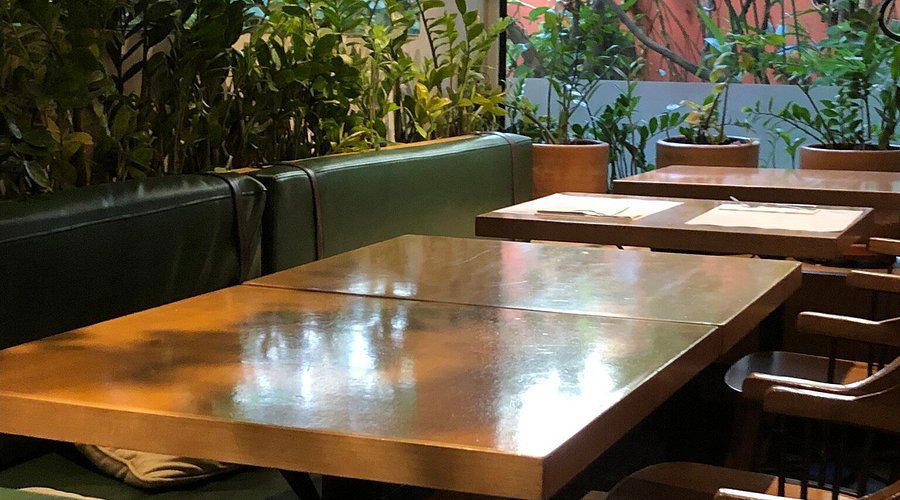
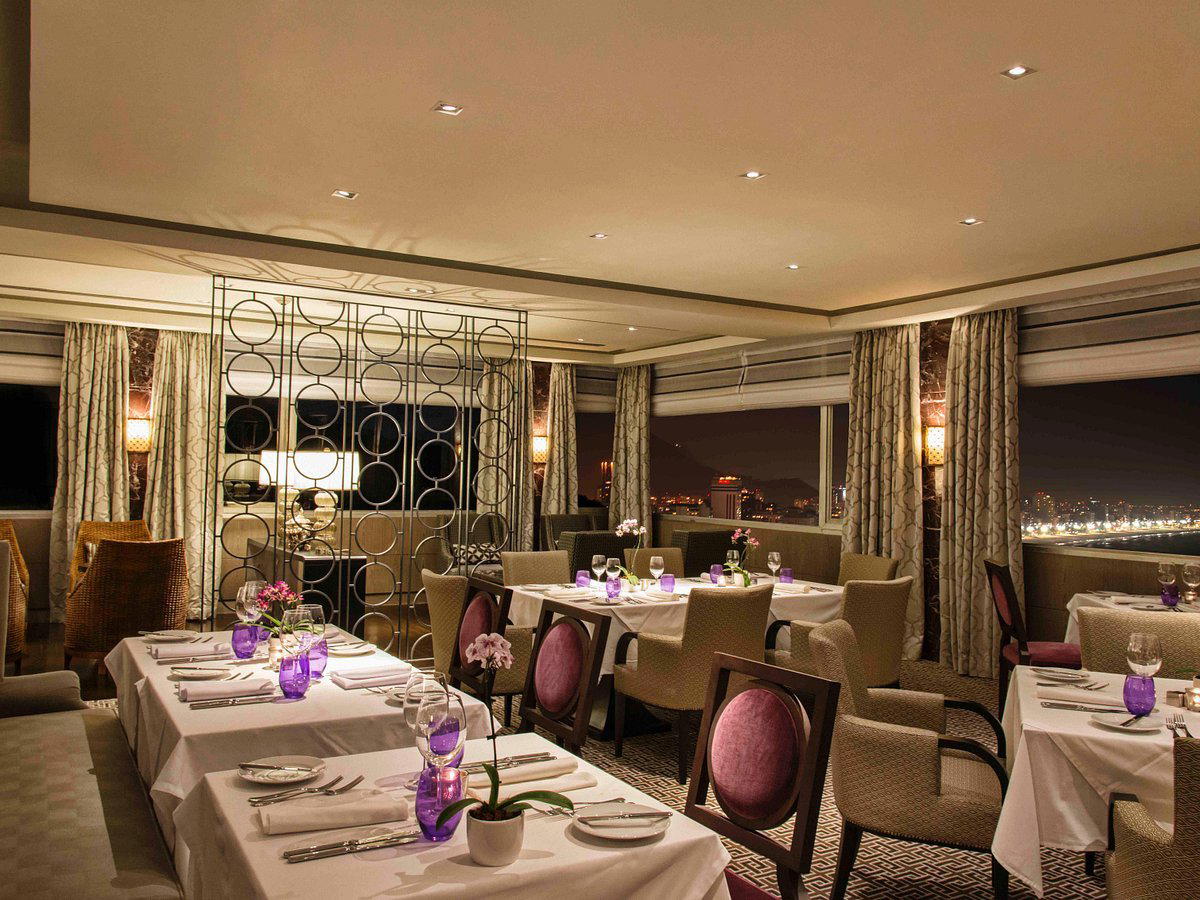
Airy, calming interiors designed by Yabu Pushelberg with natural light, serene atmosphere, and ocean views.