Quiosque do Arvrão.
A street-level quiosque in Vidigal, one of Rio's hillside communities with Atlantic views, Quiosque do Arvrão sits at the intersection of neighbourhood ritual and open-air drinking culture. The format here is informal by design: cold beer, proximity to the morro, and the particular social density that makes Rio's quiosque tradition worth understanding on its own terms.

Pearl is the En Primeur Club membership app, where members save venues, book tables and use the concierge.
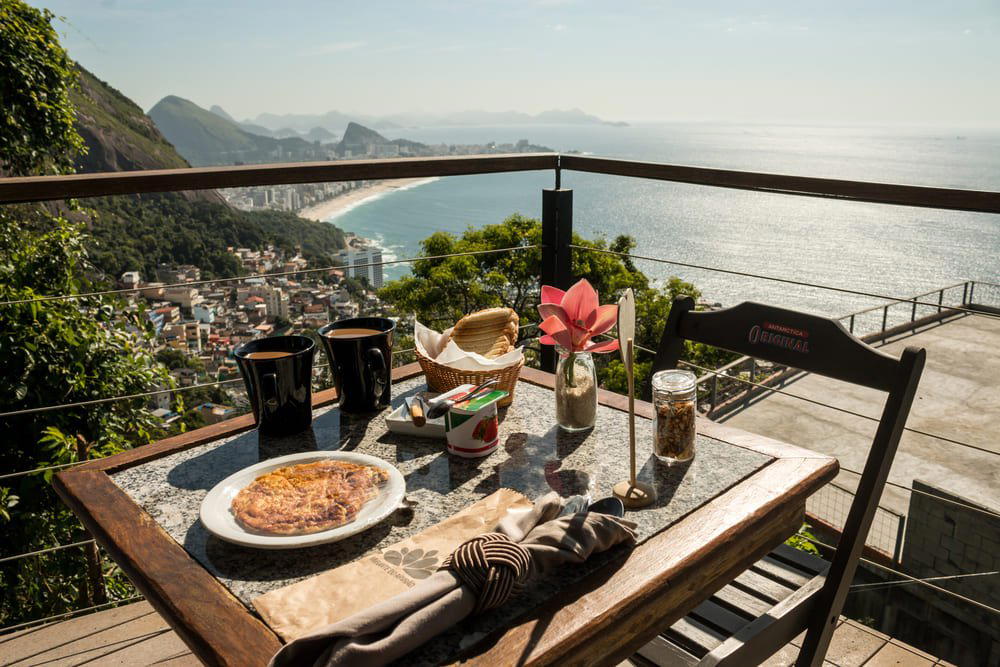
Where the Hill Meets the Street
Rio's quiosque culture operates on a logic that most international dining frameworks don't account for. These open-sided drinking and eating points are not simplified restaurants; they are a distinct urban format rooted in the city's relationship with public space, heat, and neighbourhood sociality. Quiosque do Arvrão, positioned in Vidigal along Rua Armando Almeida Lima, sits inside that tradition rather than alongside it. Vidigal itself occupies a specific position in Rio's geography: a hillside community between Leblon and São Conrado with Atlantic sightlines that most formal restaurants in the Zona Sul charge significantly more to approximate.
Approaching along the road that climbs toward the morro, the shift in atmosphere is immediate. The Zona Sul's polished beach-adjacent strip gives way to something more compressed and more local: buildings tight to the street, sound carrying differently, the particular density of a community that moves on foot. A quiosque in this context is a gathering node rather than a destination restaurant, and that distinction shapes everything about how you experience it.
The Quiosque Format and What It Actually Delivers
Brazil's quiosque model is built around accessibility in the broadest sense: low physical barriers, minimal formality, and a format that invites prolonged occupation without the social contract of a sit-down meal. The Atlantic coast tradition of quiosques on beach frontage is well documented, but the hillside and neighbourhood variants, as found in communities like Vidigal, carry a different register. Here the draw is less about panoramic positioning and more about the role the space plays within the immediate community.
The sensory environment of a well-run neighbourhood quiosque in Rio is specific: the sound of a cold beer opened, conversation at close quarters, the smell of the city's heat mixing with whatever is on the grill, and the particular light quality of late afternoon on a Rio side street. These are not incidental details; they are the product. Visitors who arrive expecting the more curated open-air formats found in Ipanema or Leblon will encounter something rawer and, depending on what they are looking for, more interesting. For context on how Rio's drinking and eating culture varies across the city's neighbourhoods, the full Rio De Janeiro restaurants guide maps those distinctions in more detail.
Vidigal's Position in Rio's Drinking Culture
Vidigal has drawn increasing attention over the past decade as Rio's hospitality scene expanded beyond its traditional Zona Sul anchors. The community sits between two of the city's wealthiest districts but operates on its own economic and social terms. Bars and quiosques here serve the morro's residents first; outside visitors are welcome but are not the primary audience. That asymmetry produces a different atmosphere than the neighbourhood bar formats found in Santa Teresa or Lapa, where the visitor economy has become more central to the offer.
For those familiar with Rio's more formalised bar circuits, the contrast with venues like Bar do Mineiro in Santa Teresa or Bar dos Descasados is instructive. Those spaces have developed menus and identities that consciously engage with a broader audience; the quiosque format in Vidigal makes no such adjustment. That is not a criticism: it is the point. The lack of curation is itself the editorial statement.
Within Rio's informal drinking tier, Bar de Copa and Bar do Bode Cheiroso represent different expressions of the city's appetite for low-ceremony, high-atmosphere drinking. The quiosque format, at its finest, strips that even further: no printed menu, no reservation system, no curated playlist. The atmosphere is the accumulated presence of the people who actually live in the neighbourhood.
Drinking in the Quiosque Register
Brazil's cold beer culture requires little explanation, but the specific logic of what you drink in a quiosque context does carry some nuance. Draught chopp, served cold to the point of near-frozen foam, is the default currency in most Rio quiosques. The choice of brand matters less than the temperature and the speed of service, and in a functional neighbourhood quiosque, both are typically handled with more precision than the format suggests. Caipirinhas appear on most menus, though the quality range is significant; a simple, well-made caipirinha in a setting like this, with the right ice ratio and fresh lime, operates differently from the same drink in a hotel bar.
For those mapping Brazil's wider drinking culture against this format, it's worth noting how different the quiosque register is from the cocktail-forward programs emerging in São Paulo, such as Exímia in São Paulo, or the more structured wine bar formats found in southern Brazil like Vivan Wine Bar in Balneario Camboriu and Dionisia Restaurante VinhoBar in Porto Alegre. The quiosque sits at the opposite end of the formality spectrum from those venues, and understanding that spectrum helps clarify what you are choosing when you pick this format.
Getting There and When to Go
Vidigal is accessible from the Zona Sul by taxi or rideshare, with the journey from Ipanema taking roughly fifteen to twenty minutes depending on traffic at the Leblon end. The community does not have its own metro stop; the climb into the morro itself is leading done on foot or by mototaxi for those less familiar with the terrain. Timing matters: the quiosque format tends to operate most fully in the late afternoon and early evening, when the heat begins to ease and the neighbourhood's social density peaks. Coming on a weekday avoids the weekend volume that draws more outside visitors up the hill.
For those building a broader Brazil itinerary that takes in informal food and drink culture across regions, the contrast with spots like Acarajé da Dinha in Salvador, Bar da Lora in Belo Horizonte, or SEEN Belém in Belem is worth holding in mind. Each city has its own informal hospitality register, and Rio's quiosque tradition is one of the more specific expressions of how Brazilian street culture and drinking overlap. For reference on how that compares internationally with other low-formality but high-atmosphere drinking formats, Bar Leather Apron in Honolulu offers a useful counterpoint in terms of craft intention within a relaxed physical format.
City Peers
| Venue | Cuisine | Price | Awards |
|---|---|---|---|
| Quiosque do Arvrão.This venue (the venue you are viewing) | This venue | $10–20 | Not listed |
| Bar de Copa | Not listed | $20–30 | World's 50 Best #41 |
| Elena Horto | Not listed | Not listed | Star Wine List · Top 500 Bars Best Bars #426 |
| Liz Cocktails & Co | Not listed | $10–20 | Top 500 Bars Best Bars #422 |
| Galeto Sat's Botafogo | Not listed | $10–20 | Not listed |
Continue exploring
More in Rio de Janeiro
Bars in Rio de Janeiro
All bars in Rio de Janeiro →
Restaurants in Rio de Janeiro
All restaurants in Rio de Janeiro →
Details
- Scenic
- Casual
- Rustic
- Casual Hangout
- Group Outing
- After Work
- Panoramic View
- Terrace
- Waterfront
- Outdoor Terrace
- Standing Room
- Lounge Seating
- Conventional Wine
- Craft Beer
- Waterfront
Current opening hours
- Monday
- Closed
- Tuesday
- Closed
- Wednesday
- Closed
- Thursday
- Closed
- Friday
- 9 PM–12 AM
- Saturday
- 12–6 AM, 9 PM–12 AM
- Sunday
- 12–6 AM
Hours can change for holidays and private events. Hours as of .
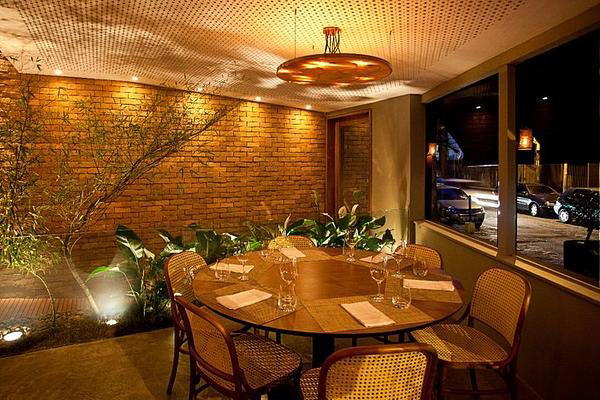
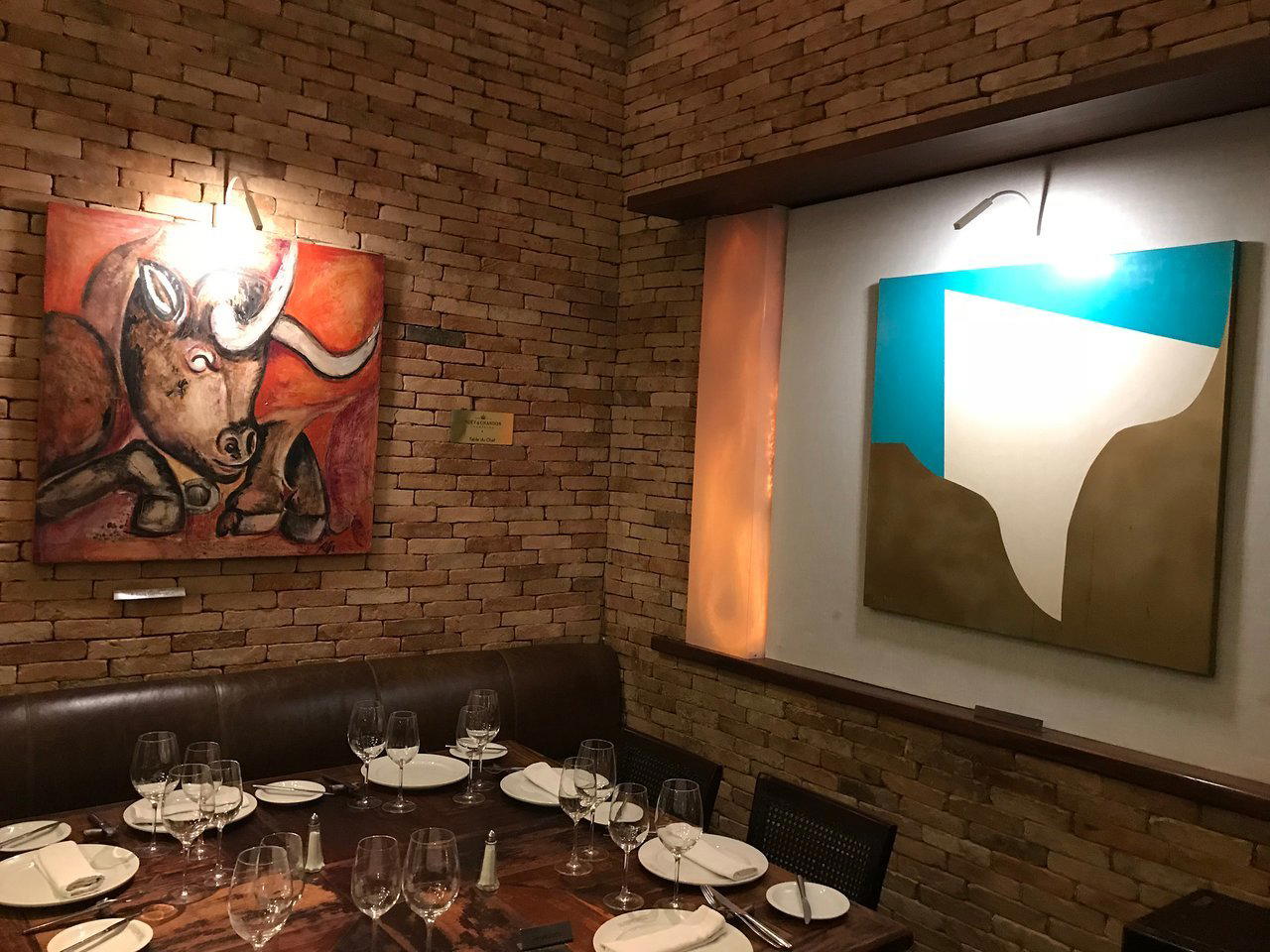
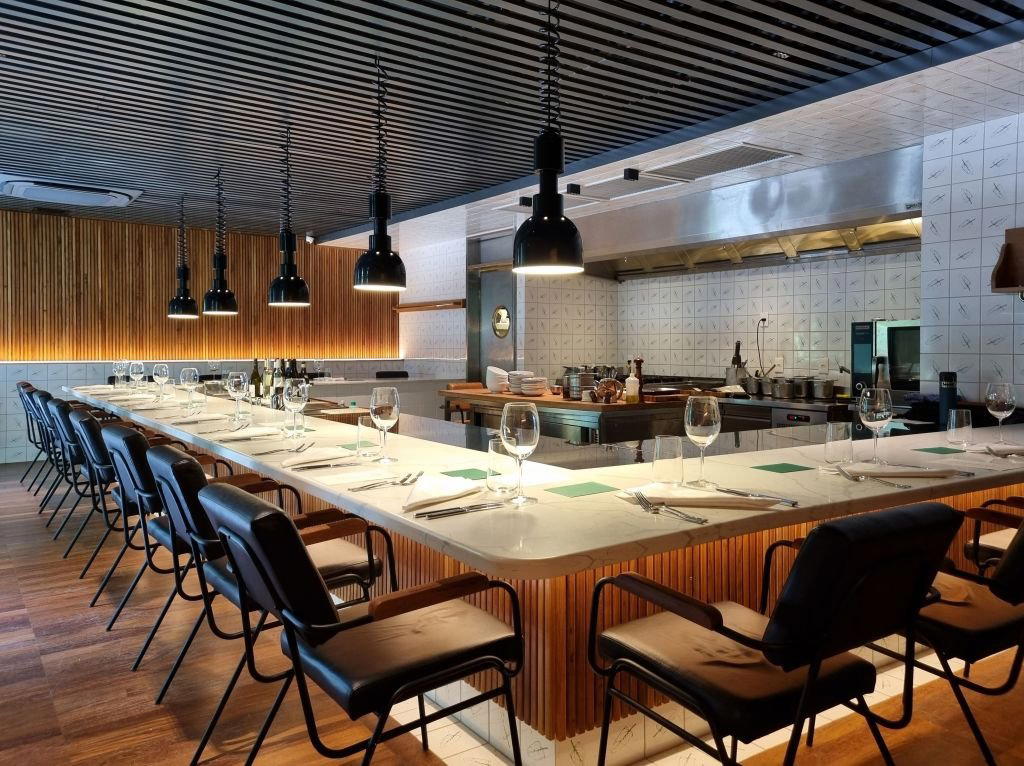
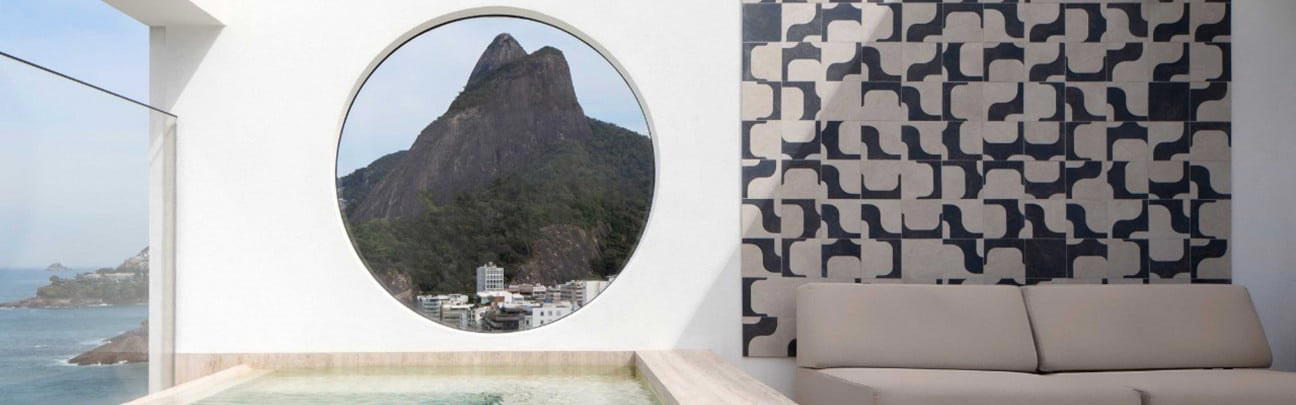
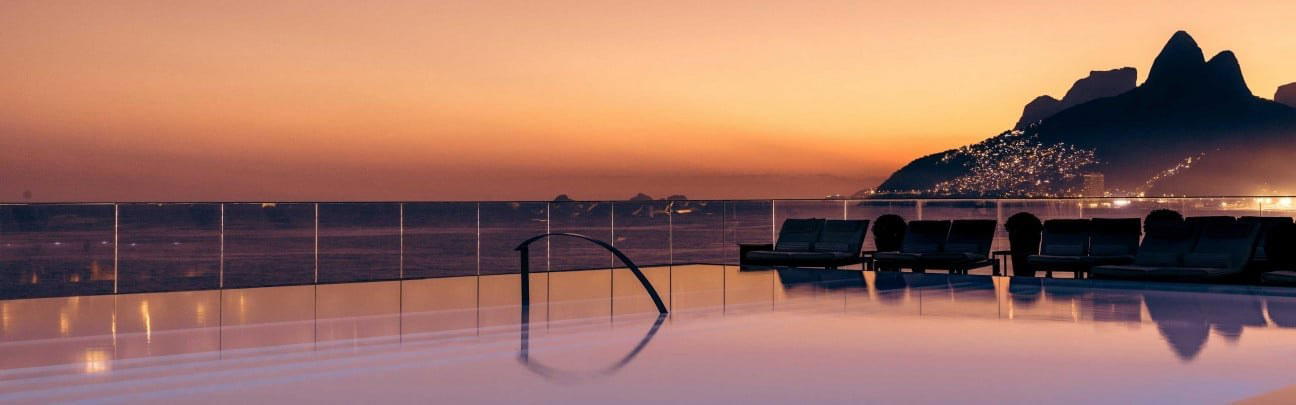
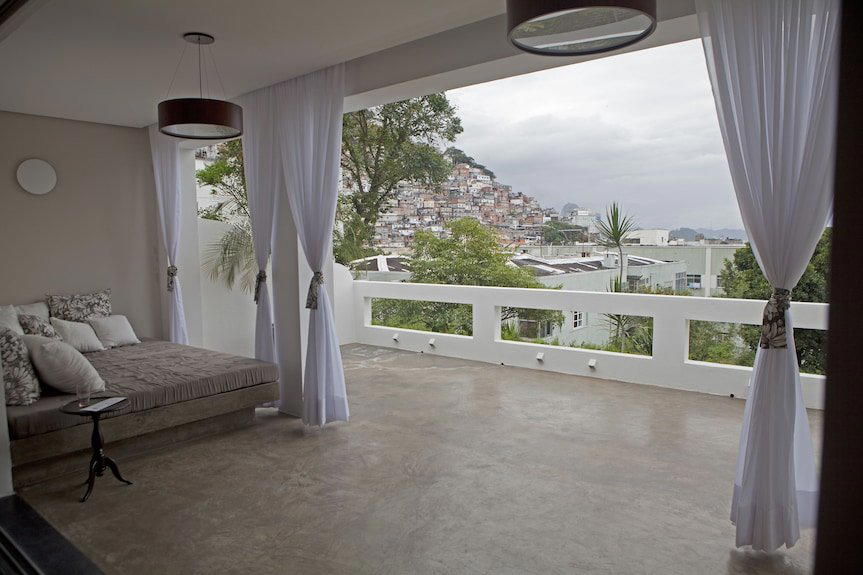
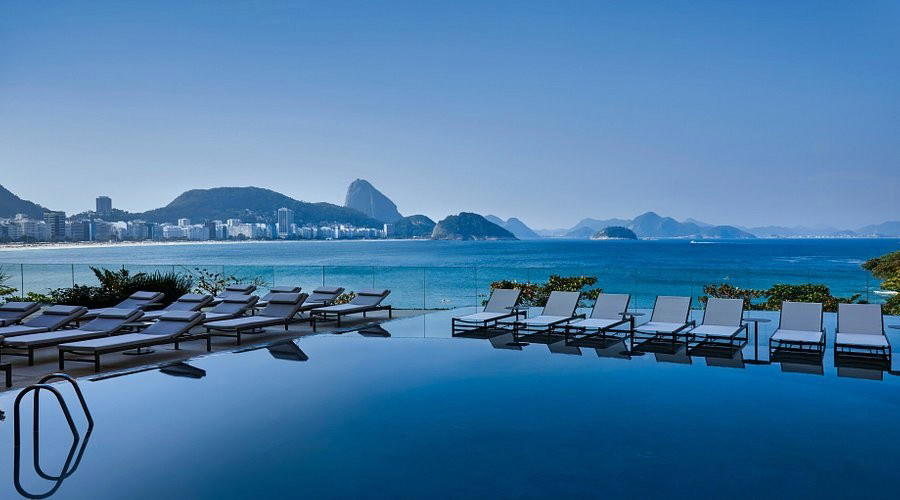
Open-air casual setting with natural lighting and expansive ocean vistas; relaxed community atmosphere with simple furnishings.