Julieta
Our verdict
Julieta occupies a mezzanine-level address on Praia do Flamengo, one of Rio de Janeiro's most storied seafront corridors. The venue sits in a neighbourhood where the city's dining energy has quietly concentrated, positioned between the tourist circuits of Santa Teresa and the financial density of Centro. For visitors building a considered itinerary across Rio's restaurant scene, Julieta represents a mid-zone address worth understanding in context.

Pearl is the En Primeur Club membership app — saves, bookings, and concierge access live there. Same editors, same standards.
- Address
- Praia do Flamengo, 340 - sobreloja - Flamengo, Rio de Janeiro - RJ, 22210-065, Brazil
- Phone
- +552125511278
- Hours
- Mon ClosedTue–Wed 11:30 AM–5 PMThu–Fri 11:30 AM–11:30 PMSat 12–11:30 PMSun 12–7 PM
- Website
- julietadeserpa.com.br
- Directions
- Get directions
The menu
What to order
- Picanha Steak
- Octopus with Black Rice and Coconut
Flamengo's Dining Position in Rio's Evolving Restaurant Map
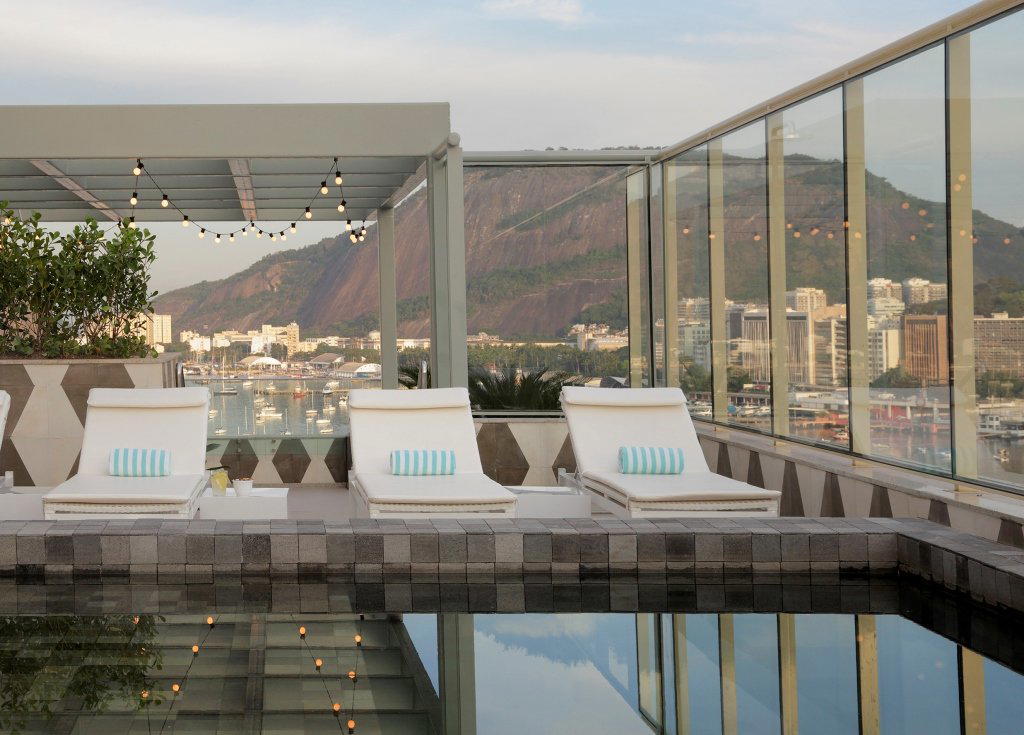
Rio de Janeiro's restaurant geography has shifted considerably over the past decade. The gravitational pull that once anchored serious dining almost exclusively to Leblon and Ipanema has loosened, and neighbourhoods like Flamengo have emerged as addressees for a different kind of operation: less beach-adjacent glamour, more residential texture and repeat-visitor loyalty. Praia do Flamengo, the wide bayside boulevard that anchors the neighbourhood, runs along Guanabara Bay with views toward Niterói and the distant Serra dos Órgãos. Arriving here in the early evening, before the bay loses its colour, is to experience a Rio that most short-stay visitors never quite reach.
Julieta sits at number 340 on that boulevard, on the sobreloja level — the mezzanine floor above street retail — a format that is common enough in Rio's older commercial buildings but which creates a specific kind of arrival. You climb rather than enter at grade, which tends to separate the room from street noise and give it a degree of remove. That physical separation is part of what defines the atmosphere in Flamengo's more considered dining addresses.
The Sensory Register of a Bayside Neighbourhood Address
Flamengo operates on a different sensory frequency than the South Zone beach strips. The salt air off Guanabara Bay carries a different character than the open Atlantic facing Ipanema, the bay is enclosed, the light more diffuse in the afternoons, the sound of traffic absorbed by the wide green buffer of Parque do Flamengo, one of the largest urban parks in the world by area. Dining on or near Praia do Flamengo means the room's atmosphere is partly shaped by that park: the breeze that comes through open windows in the cooler months between April and August, the relative quiet for a city of Rio's density, and the particular quality of dusk light that bounces off the bay before it drops behind the hills.
Brazilian restaurant culture in this kind of mid-city neighbourhood tends toward a longer-evening format than tourist-facing venues. Tables are not turned at pace; the expectation is lingering. The acoustic environment of a sobreloja room, a half-floor above street level with lower ceilings than a ground-floor dining room, tends to concentrate sound in a way that makes the room feel inhabited without being loud. These are the ambient conditions in which Julieta operates, and they matter as much as the menu in shaping an evening.
Where Julieta Sits in Rio's Restaurant Tier Structure
Rio's top tier is currently anchored by a cluster of operations that have achieved international recognition: Lasai and Oteque represent the city's most formally recognised fine dining, both operating at the $$$$ price tier with tasting-menu formats and Michelin attention. Oro operates in an adjacent register, blending contemporary Italian and Brazilian references. Casa 201 holds the French-leaning position at the same price tier, while Cipriani carries Italian institutional weight from its Copacabana Palace address.
That ambiguity is itself informative. Addresses that do not lead with awards or formal tasting-menu signalling tend to operate for a neighbourhood clientele first, which in Flamengo means a mix of professional residents and visitors who have done enough research to move past the headline restaurants. The comparison set for Julieta is less the Michelin tier and more the mid-register addresses that sustain a neighbourhood's dining identity week to week. For a broader orientation across the city's options, the EP Club Rio de Janeiro restaurants guide maps these tiers in full.
Brazilian Dining Tradition and the Flamengo Context
Brazilian restaurant culture outside the formal fine-dining tier is shaped by a set of conventions that differ from European or North American equivalents. The distinction between bar, restaurant, and social space is deliberately blurred; an evening that begins as dinner frequently migrates toward drinks and conversation without a clean endpoint. The carioca appetite for this kind of extended social dining is well documented, and Flamengo's residential character makes it a natural host for that format, less performative than the Zona Sul beach neighbourhood venues, more attuned to the rhythms of people who actually live in the area.
Brazil's broader restaurant scene has been shaped in recent years by operations like D.O.M. in São Paulo, which brought international attention to the depth of Brazilian ingredients and technique. That attention has filtered down into mid-tier operations across the country, raising the baseline expectation for what a neighbourhood restaurant can and should do with local produce. Venues in cities from Manaus to Santa Maria reflect this diffusion of standards, as do operations in smaller centres like Angra dos Reis and Santa Cruz do Sul. Rio's Flamengo sits inside this broader pattern: a neighbourhood address benefiting from a rising national floor of culinary ambition.
The contrast with major international reference points is instructive. Operations like Le Bernardin in New York City or Atomix represent the formal, high-documentation end of the dining spectrum. Rio's mid-register neighbourhood venues are operating in a different register entirely, less documented, more contingent on local knowledge, and more susceptible to seasonal variation in quality and focus.
Practical Notes for Planning a Visit
Julieta's address at Praia do Flamengo 340, sobreloja level, is accessible via the Largo do Machado metro station, which places it within a short walk of the bay. Flamengo is a low-crime, high-pedestrian neighbourhood, and arriving on foot from the park side of the boulevard is a reasonable approach in daylight or early evening. Rio's climate means the shoulder seasons of April through June and August through October offer the most comfortable conditions for this kind of bayside neighbourhood dining, the humidity drops, the evenings cool, and the bay light in the late afternoon is at its most useful.
Frequently asked questions
Where exactly is Julieta?
Julieta is located at Praia do Flamengo, 340 - sobreloja - Flamengo, Rio de Janeiro - RJ, 22210-065, Brazil, Rio De Janeiro.
Is Julieta in Flamengo worth the trip from Ipanema or Leblon?
Praia do Flamengo 340 sits roughly 6–7 kilometres north of Ipanema via the Aterro do Flamengo coastal route, accessible by metro to Largo do Machado or by taxi in under 20 minutes outside peak hours. Flamengo has attracted serious dining operations as rents in the South Zone beach neighbourhoods have tightened, making the neighbourhood worth tracking for Rio visitors who have already covered the standard Leblon and Jardim Botânico circuit. Julieta's sobreloja positioning at one of the neighbourhood's most recognisable addresses places it within the cluster of restaurants reshaping Flamengo's reputation in Rio's restaurant conversation.
What should I order at Julieta?
Given the Flamengo address and the neighbourhood's positioning within Rio's mid-to-upper casual dining tier, asking staff for the day's specials is the most reliable approach. Flamengo restaurants in this address band typically reflect Brazilian bistro traditions shaped by local produce and Guanabara Bay proximity.
Can I walk in to Julieta?
Julieta is located at Praia do Flamengo 340, sobreloja level, within walking distance of Largo do Machado metro station.
Peers in This Market
Comparable venues nearby, for context on price, style, and recognition.
| Venue | Cuisine | Price | Awards | Notes |
|---|---|---|---|---|
| JulietaThis venue — the venue you are viewing | Modern Brazilian | Not listed | Not listed | Not listed |
| . Org Bistrô | Modern Organic Vegetarian Bistro | Not listed | Not listed | Itanhangá |
| Espaço Tano | Contemporary Brazilian Breakfast Buffet | $20–30 | Not listed | Barra da Tijuca |
| Ocyá | Modern Brazilian Seafood | $50–100 | Michelin Plate · The Best Chef One Knife | Leblon |
| Emiliano Rio | Contemporary Brazilian | $150–200 | Not listed | Copacabana |
| Sud, O Pássaro Verde | Farm-to-Table Brazilian | $20–30 | Michelin Plate | Jardim Botânico |
Continue exploring
More in Rio de Janeiro
Restaurants in Rio de Janeiro
Browse all →
Bars in Rio de Janeiro
Browse all →

Details
- Romantic
- Elegant
- Classic
- Sophisticated
- Date Night
- Special Occasion
- Live Music
- Historic Building
- Street Scene
- Waterfront
- A La Carte
Current opening hours
- Monday
- Closed
- Tuesday
- 11:30 AM–5 PM
- Wednesday
- 11:30 AM–5 PM
- Thursday
- 11:30 AM–11:30 PM
- Friday
- 11:30 AM–11:30 PM
- Saturday
- 12–11:30 PM
- Sunday
- 12–7 PM
Hours can change for holidays and private events. Last verified .
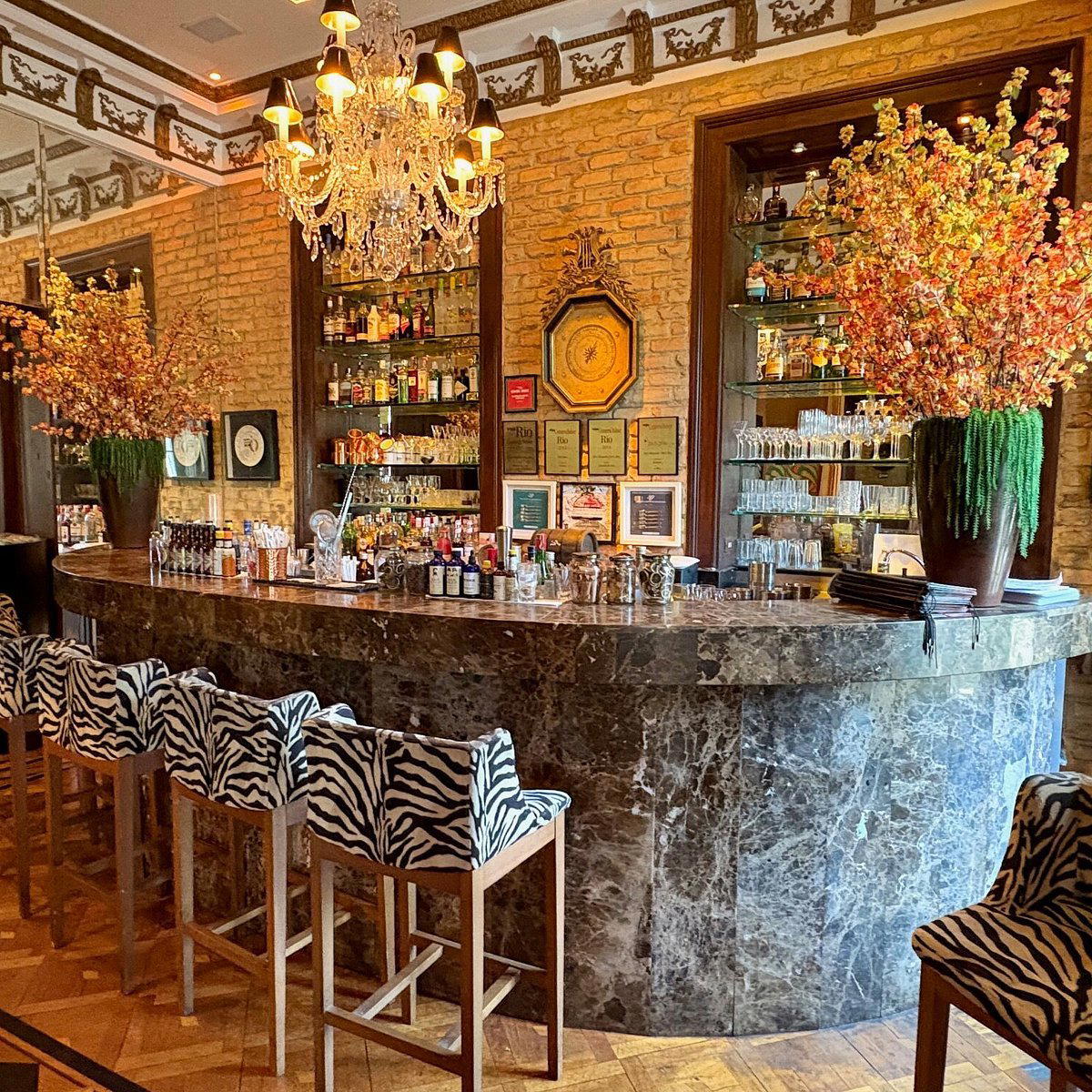
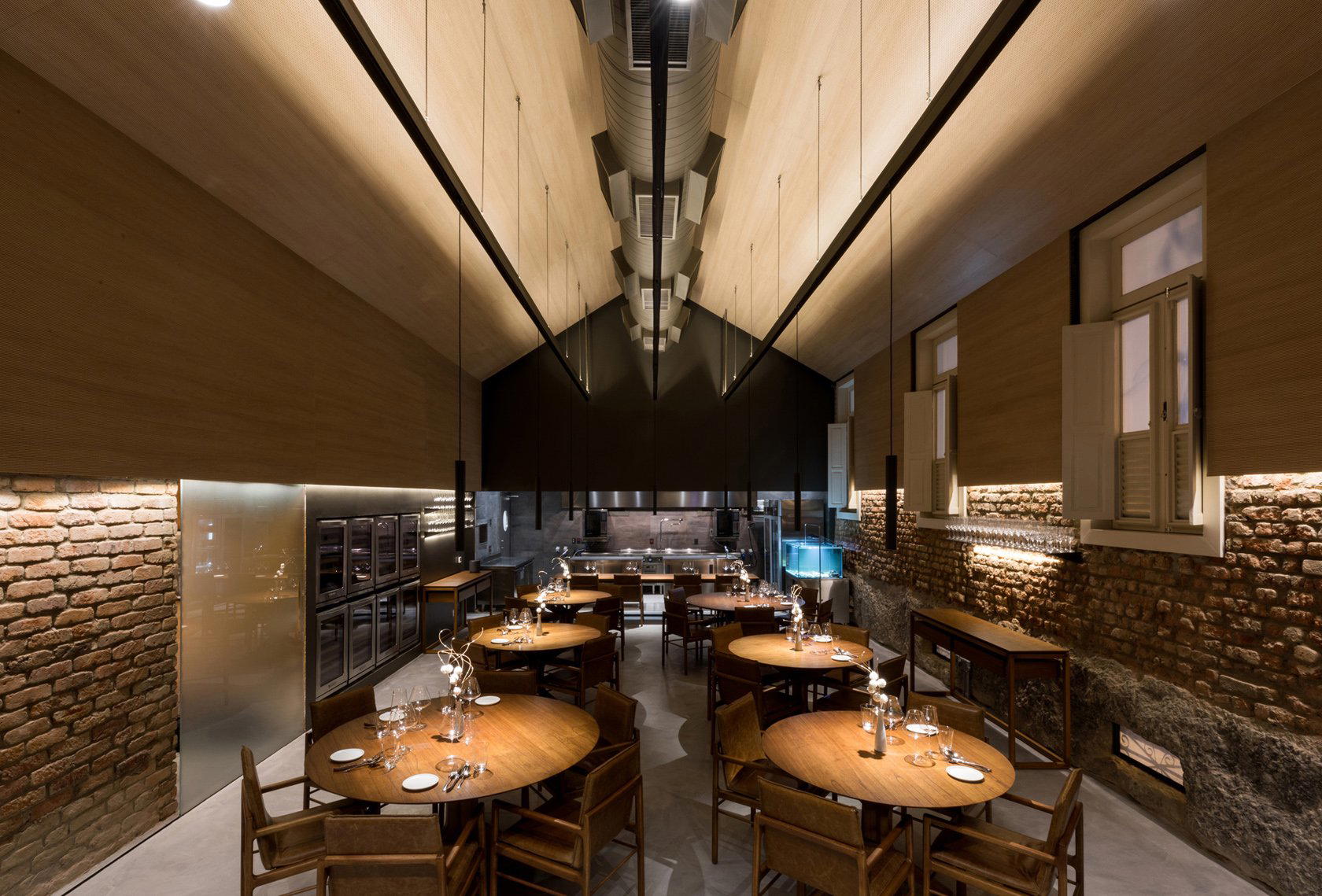
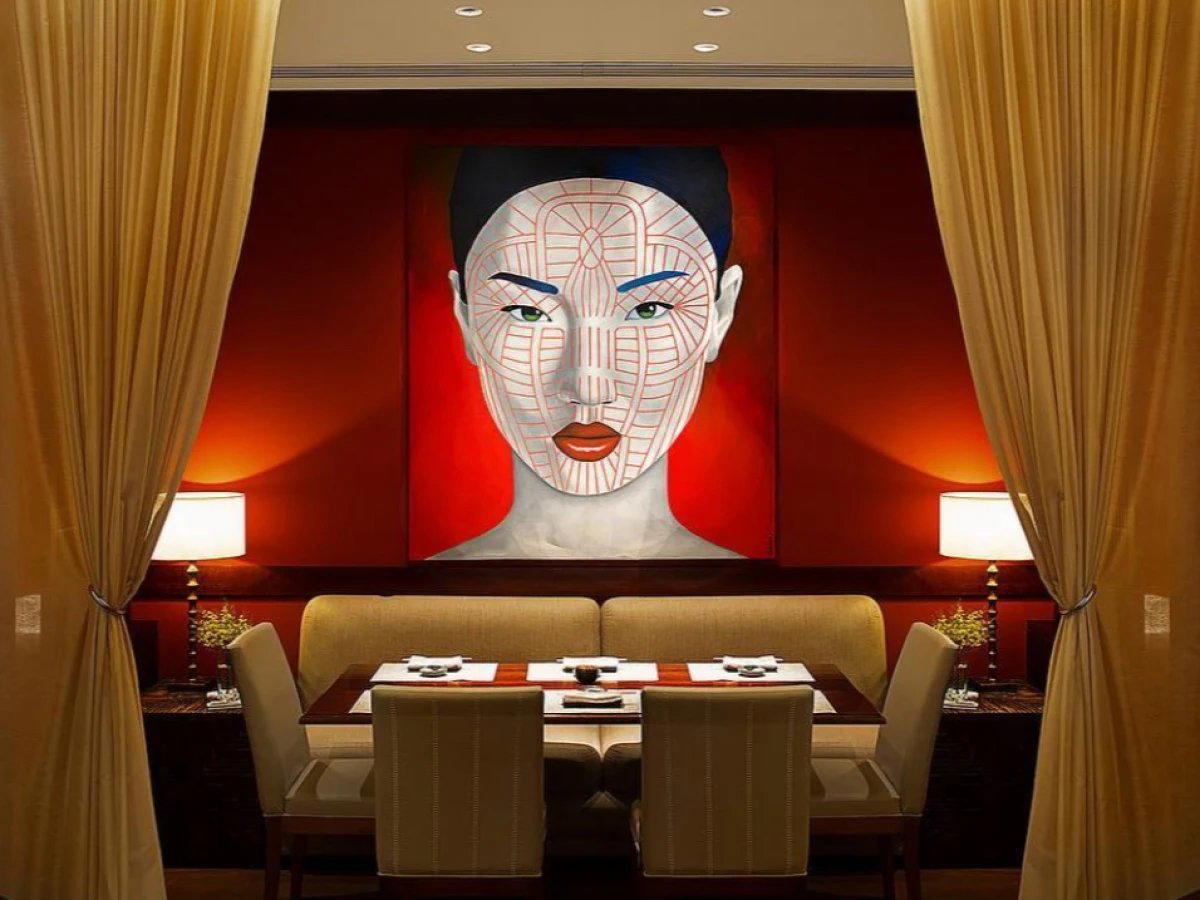
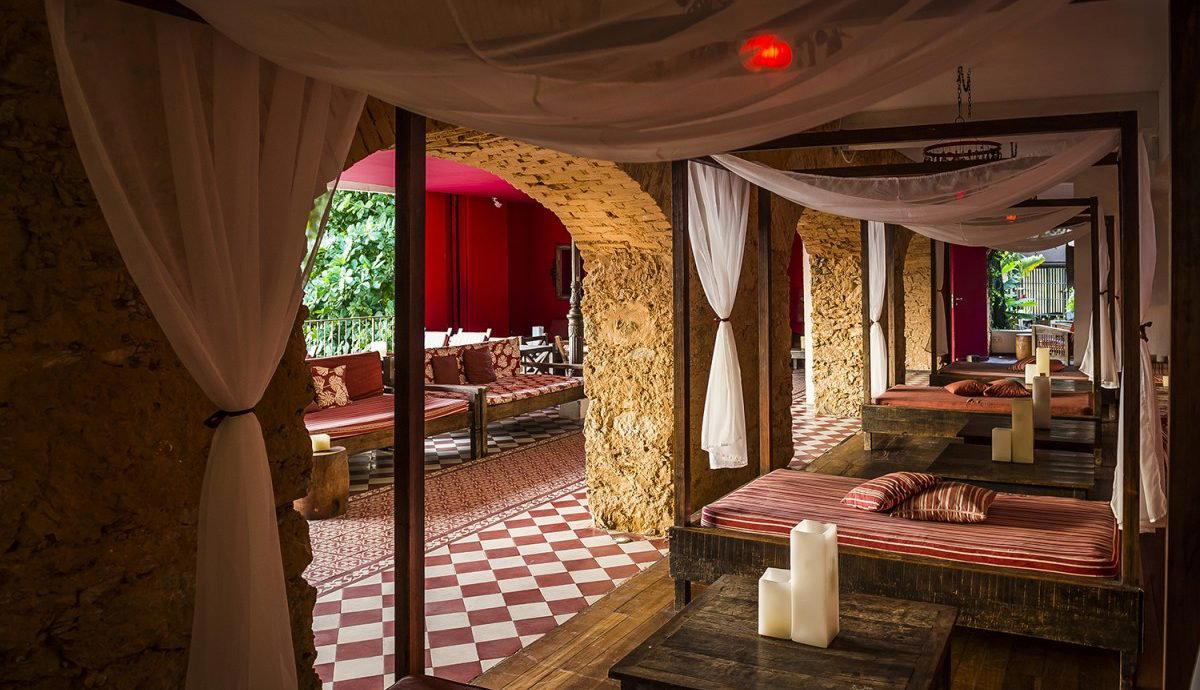
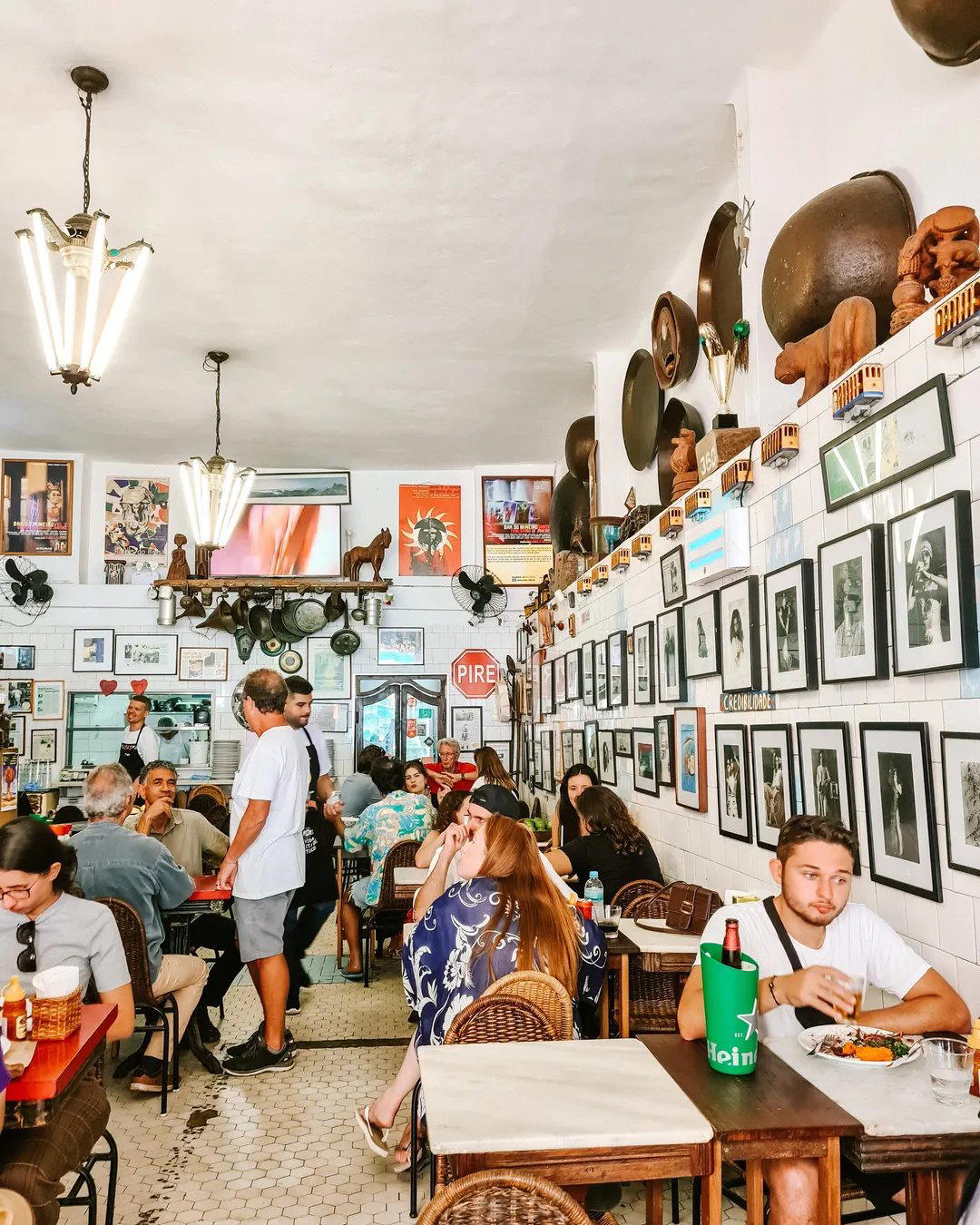
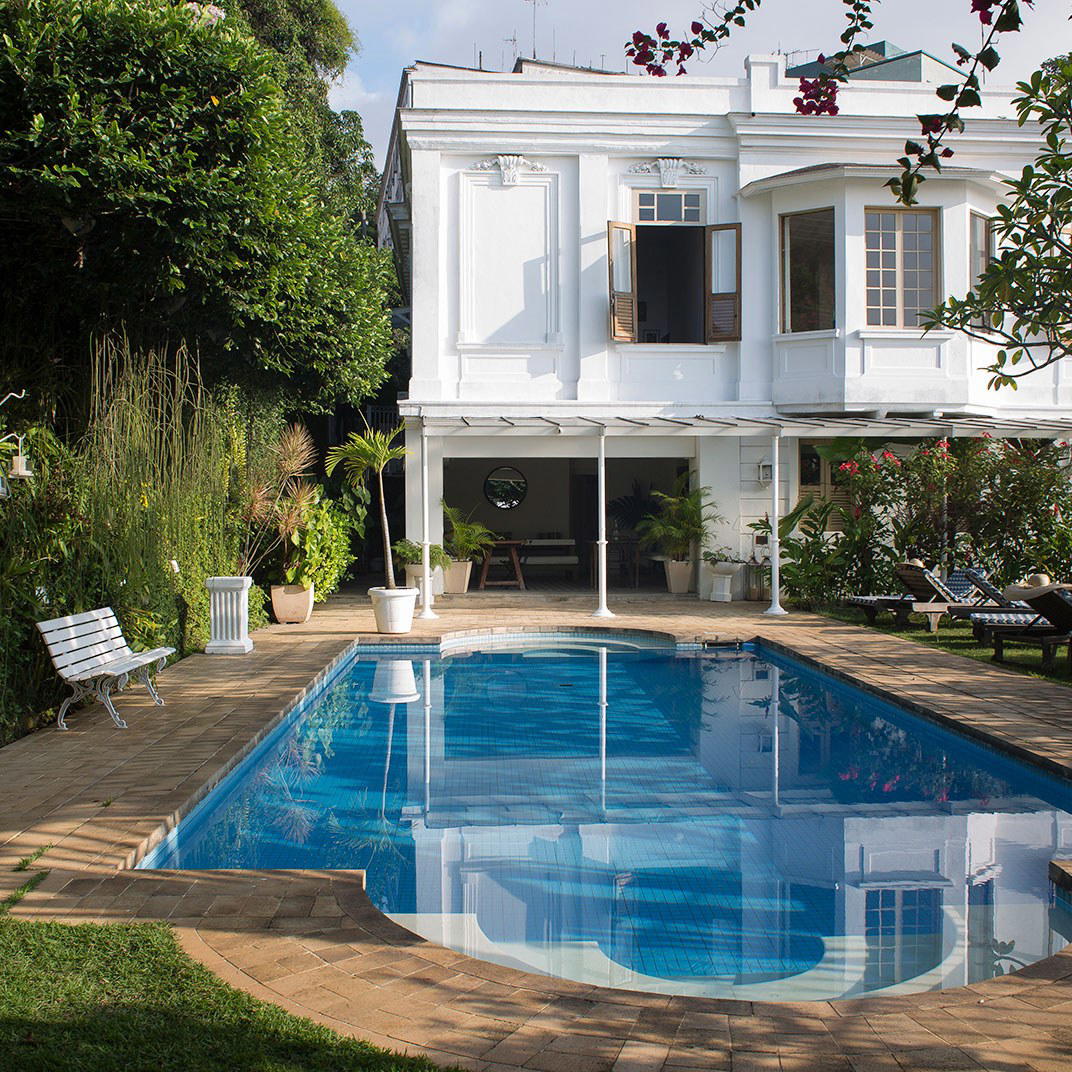
Warm, inviting, and elegant with lavish interiors, beautiful lighting, and a refined historic atmosphere.