Hotel Fasano Rio de Janeiro





Michelin Selected · La Liste Top Hotels · Mr & Mrs Smith Seal of Approval
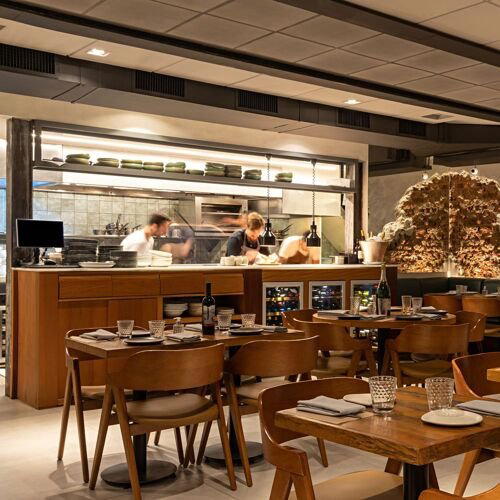
Among Rio de Janeiro's beachfront hotels, few address both design pedigree and Italo-Brazilian gastronomy with the consistency of Hotel Fasano Rio de Janeiro. The 89-room property anchors itself around Fasano Al Mare, a seafood-focused Italian restaurant that functions as a social hub for the city's upper tier.

Pearl is the En Primeur Club membership app — saves, bookings, and concierge access live there. Same editors, same standards.
- Address
- Av. Vieira Souto, 80 - Ipanema, Rio de Janeiro - RJ, 22420-002
- Phone
- +55 21 2149-1800
- Website
- fasano.com.br
- Directions
- Get directions
Ipanema's Beachfront Hotel Tier and Where Fasano Sits
Rio de Janeiro's luxury hotel market divides along geographic and conceptual lines. Copacabana remains the address of grand colonial tradition, represented most plainly by the Copacabana Palace, A Belmond Hotel, Rio de Janeiro and the Fairmont Rio de Janeiro Copacabana, both of which trade on scale and heritage. Ipanema is a different proposition: smaller, more residential, historically resistant to the kind of landmark tower that defines its neighbour. Hotel Fasano Rio de Janeiro occupies that narrower, more design-conscious bracket, sitting on Avenida Vieira Souto at the eastern end of the beach with 89 rooms and suites — a figure that keeps the property human in scale relative to the larger options further west. The Emiliano Rio and Grand Hyatt Rio de Janeiro compete in the same general tier but with different design DNA and food-and-beverage philosophies.
La Liste's 2026 Leading Hotels ranking awarded Fasano Rio 92 points, placing it within the upper band of recognised Brazilian properties.
Philippe Starck, Italo-Brazilian Materials, and What the Building Communicates
Design hotels in coastal Brazil tend toward one of two registers: tropical maximalism or stripped-back modernism. Fasano Rio sits closer to the second, but with a material warmth that separates it from the colder end of that spectrum. As the first building in Brazil completed by Philippe Starck, it carries a specific design provenance that no other Rio property can claim. The approach is understated rather than demonstrative: Grecian marble, 19th-century Argentinean brick, Chinese onyx, and signed 1950s and 60s pieces combine to create an interior that reads as considered curation rather than imported glamour.
Room specifications reflect the same logic. Tropical hardwood floors, ear-shaped mirrors, Sergio Rodrigues chairs, 300-thread-count Egyptian cotton linens, and yellow onyx lighting details give each room a coherent aesthetic rather than a generic luxury formula. King-size beds are positioned to face the horizon and ocean, and walk-in showers with rain-forest shower heads open onto floor-to-ceiling windows in the bathrooms. The 10 suites have balconies that look directly over Ipanema beach; standard rooms face either the ocean or neighbouring buildings depending on category.
The Cultural Weight of Italian Dining in a Brazilian Seaside Context
Fasano Al Mare sits at the centre of the hotel's identity in a way that the restaurants of many luxury properties do not. Italian immigration to Brazil, concentrated most densely in São Paulo but reaching Rio through commerce and culture, created a long-standing appetite for Italian food that predates the global Italian restaurant boom. The Fasano group, rooted in São Paulo, has been the principal custodian of high-end Italian dining in Brazil for decades, giving it a cultural authority that a newer or imported brand could not replicate.
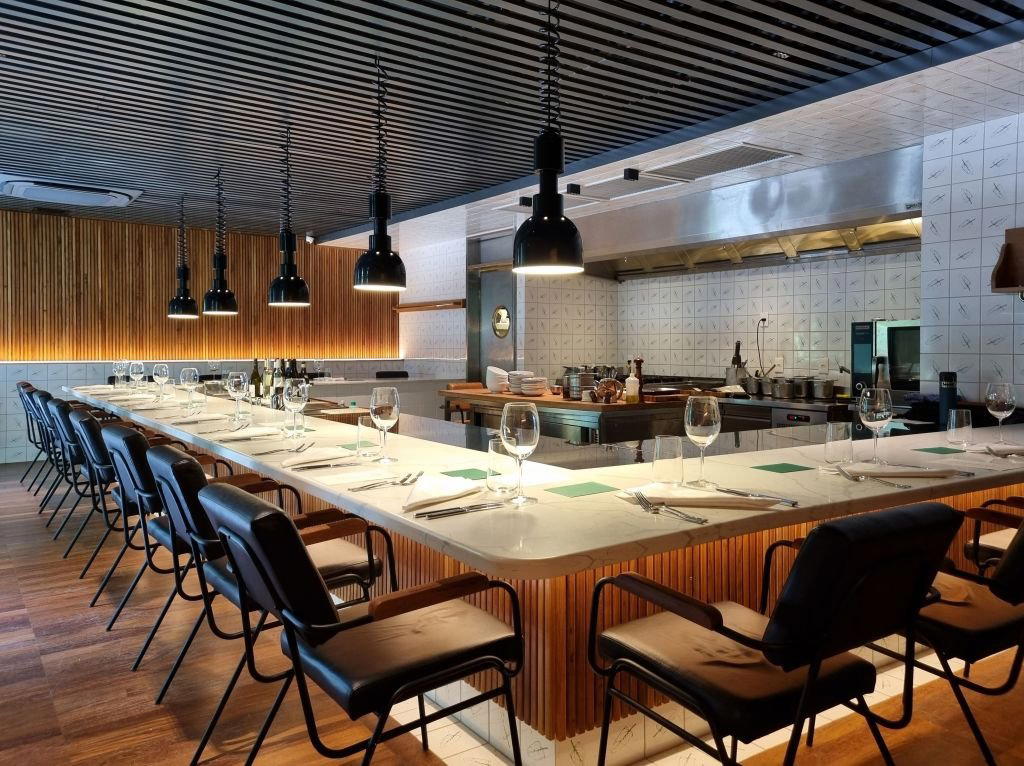
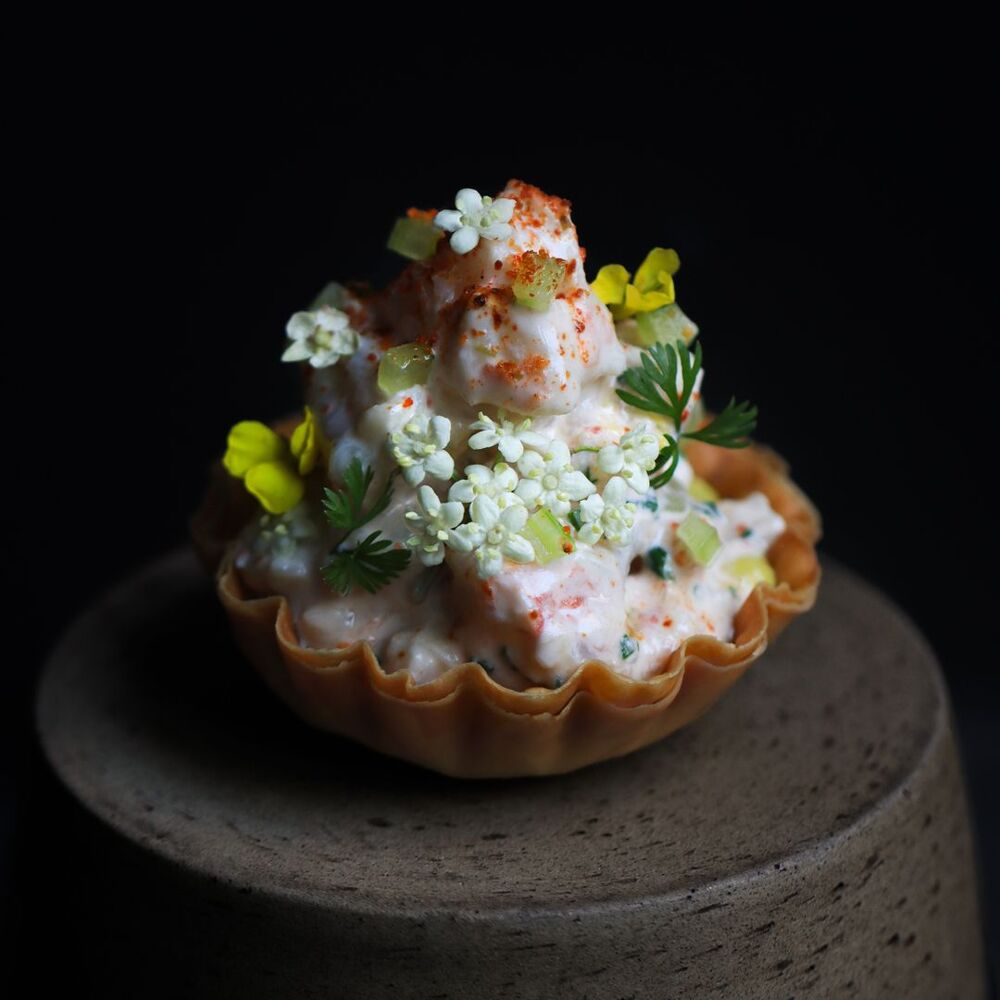
At the Rio property, that tradition channels into a seafood-forward format under the Fasano Al Mare name, led by Florentine chef Nicola Fedeli. The kitchen works within Mediterranean technique while maintaining a specific focus on seafood, which connects the menu to Ipanema's coastal setting without abandoning its Italian framework. This intersection of Italian culinary tradition and Brazilian coastal produce is a pairing the Fasano group returns to consistently across its properties — the Fasano Angra dos Reis, set in the Costa Verde region, runs a comparable seafood-focused restaurant, but the Rio version carries more social weight given its position on one of the most-visited stretches of beach in South America.
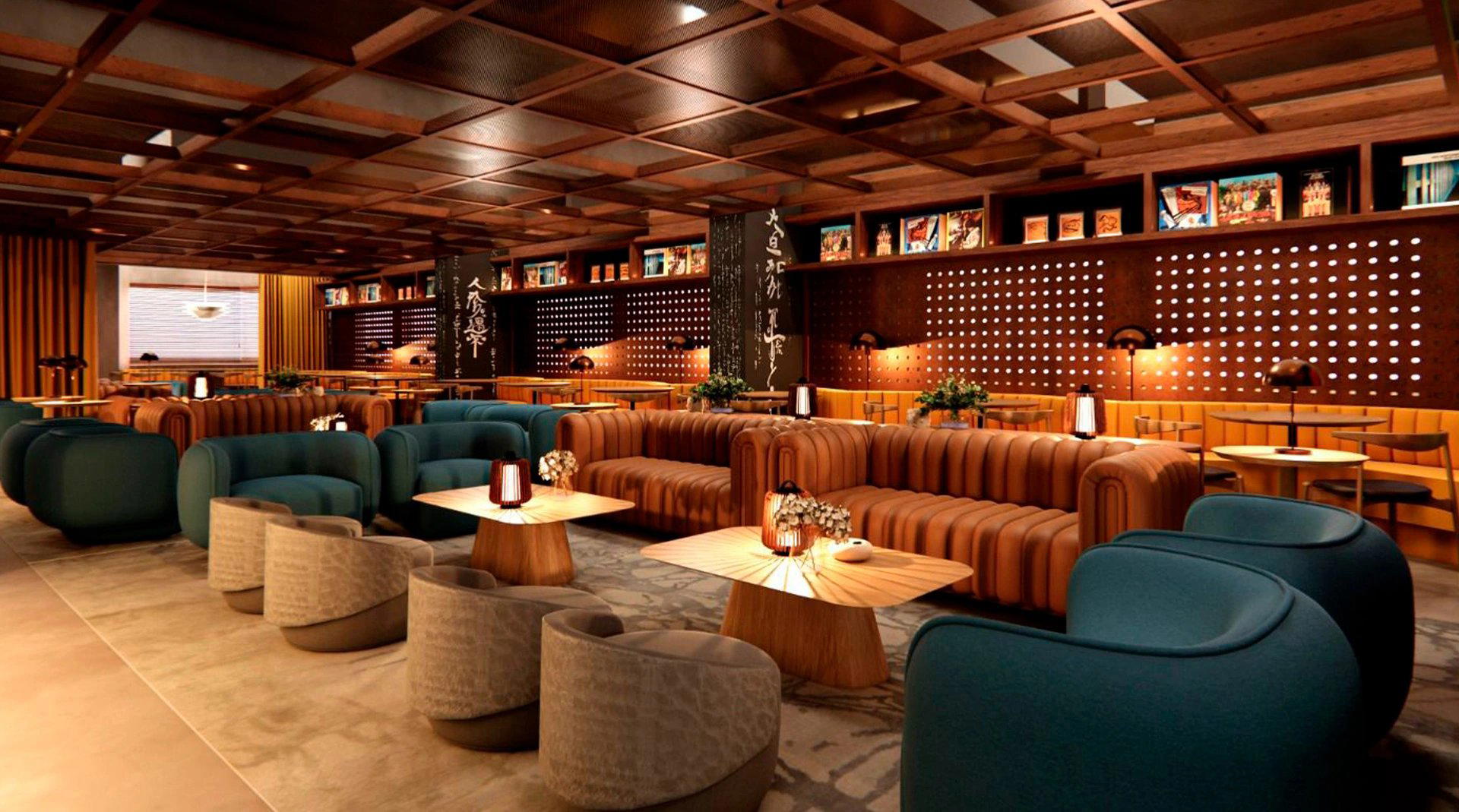
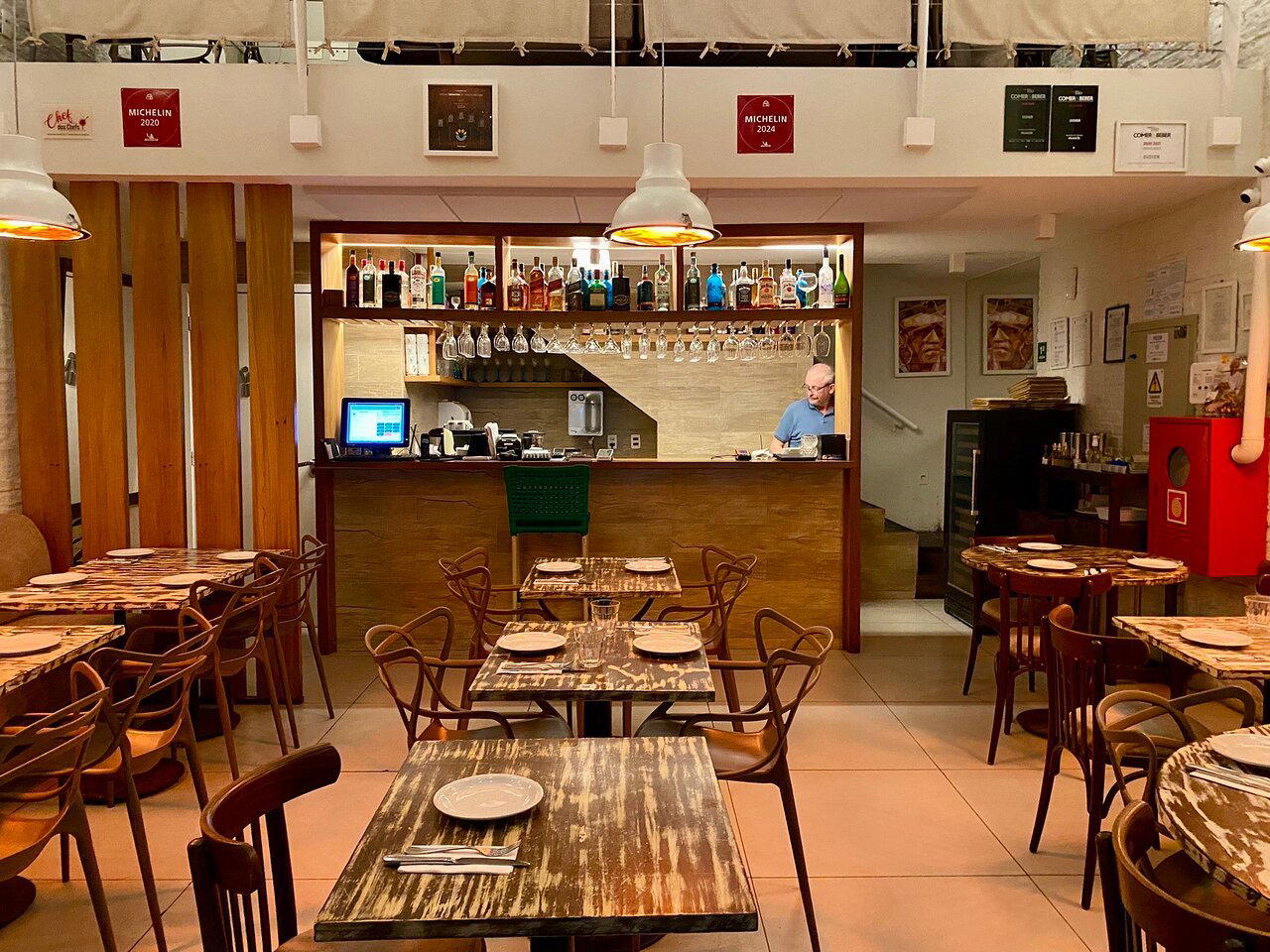
The lobby lounge Londra, which features live music, and the Al Mare restaurant together function as the hotel's social floor. The combination of Italian food, carioca glamour, and Starck's interiors has made the ground level a meeting point that draws locals alongside hotel guests, which is rarer on Ipanema's Vieira Souto than the hotel's marketing might suggest. For a broader sense of how the property fits into Rio's wider dining and hospitality offer, our full Rio de Janeiro restaurants guide maps the neighbourhood-by-neighbourhood picture.
The Rooftop as Social Infrastructure
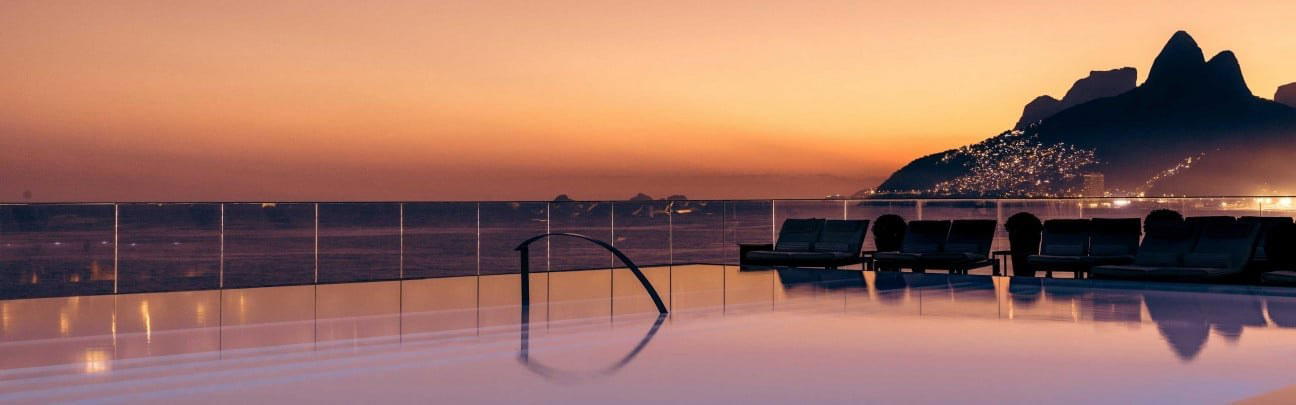
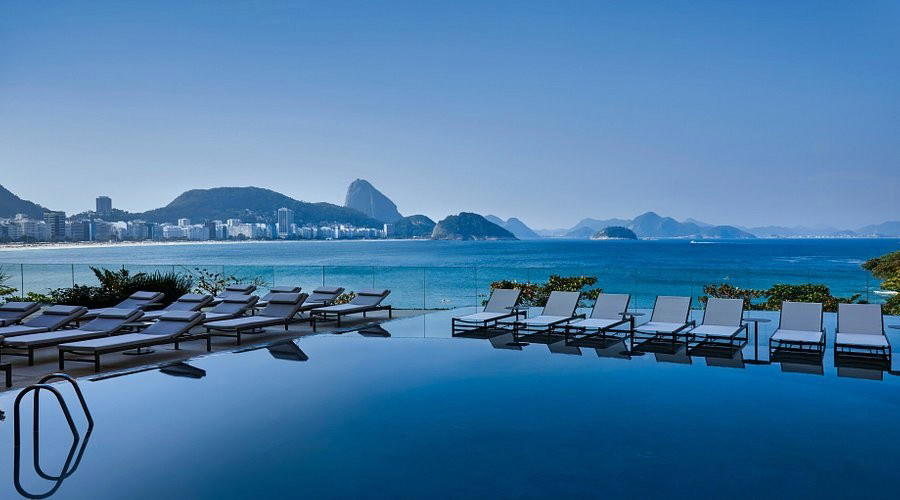
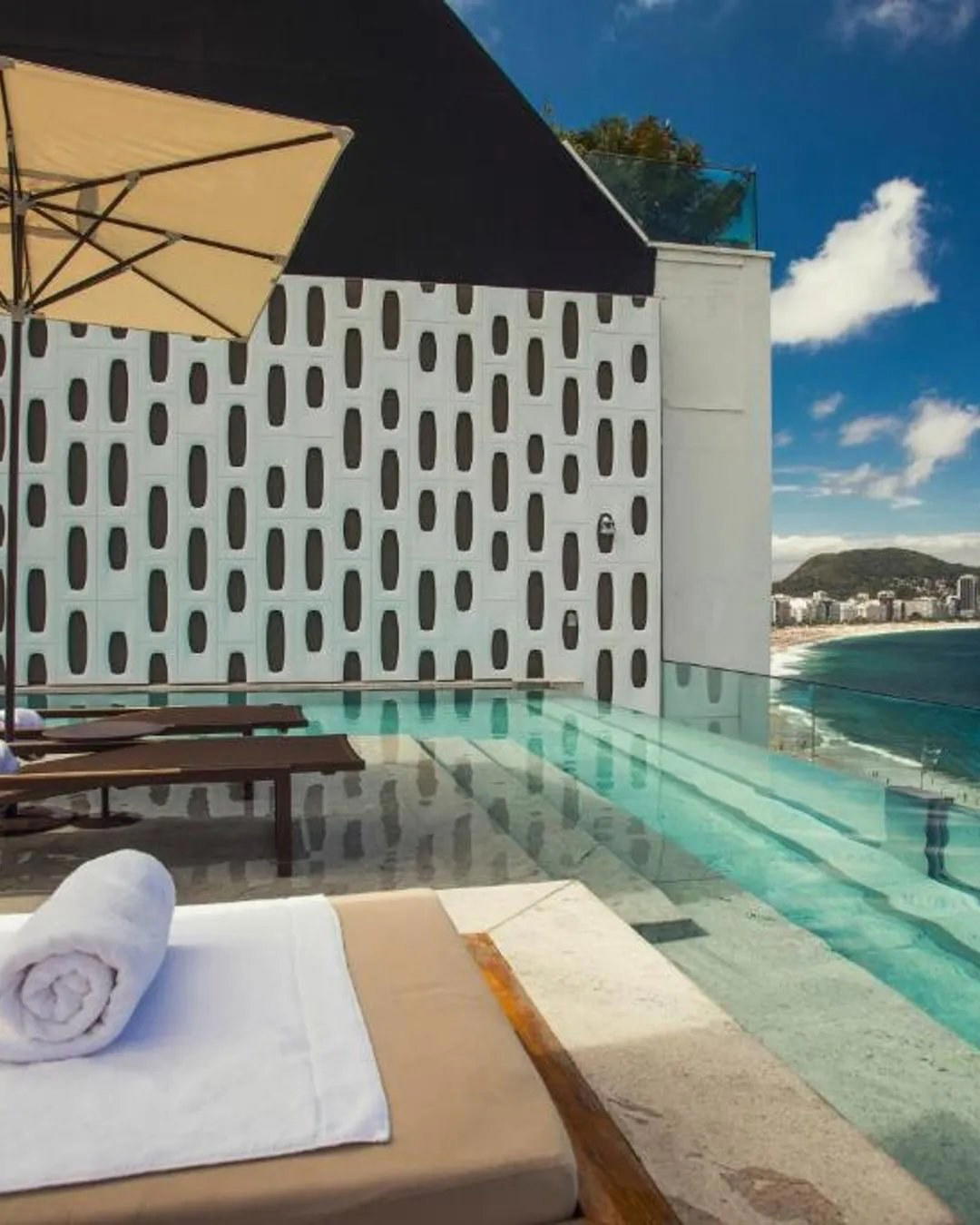
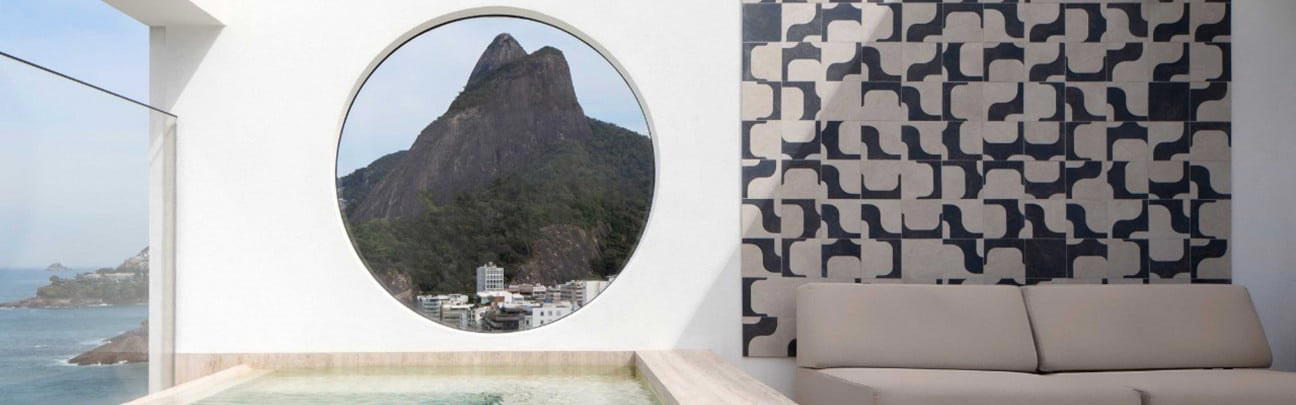
Rooftop pools in Rio's luxury hotels function as genuine social spaces rather than amenity checkboxes. Fasano Rio's eighth-floor infinity pool is guest-exclusive, which limits access but concentrates the atmosphere. The view from that level captures Arpoador to the south, the Morro Dois Irmãos to the west, and the Corcovado inland, a panorama that covers the primary visual references of Rio in a single sightline. A pool bar handles drinks and light meals. The spa on the first floor offers hot stone, Ayurvedic, and reflexology treatments using La Prairie products, along with hydrotherapy options on the eighth floor via a Vichy shower room, a format that sits closer to European spa tradition than the beach-adjacent wellness common in coastal Brazilian resorts.
The hotel also holds a private cabana on Ipanema beach, providing guests with complimentary chairs and bottled water at beach level. Limousine transfers are available for the airport run and for visits to other Fasano restaurants in the city.
Planning Your Stay
The property runs 89 rooms and suites across its floors, with the 10 suites commanding direct Ipanema beach views from their balconies. Room rates are positioned at the upper end of the Rio market, reflecting both the Ipanema address and the Starck design premium. Guests considering alternatives in different parts of the city might weigh up the JANEIRO Hotel, or the boutique options in Santa Teresa such as Casa Marques Santa Teresa and Casa Mosquito, which operate at a smaller scale and different price point. For something more personal still, Casa Cool Beans in Santa Teresa represents the guesthouse end of that spectrum.
Ipanema is primarily residential and walkable, with upscale shopping and dining within easy reach of the hotel's front door. The address on the eastern section of Vieira Souto is well-served for access to both Arpoador and the Jardim de Alah end of the beach. Carnival and New Year periods drive demand sharply, and advance reservations for both rooms and the restaurant are advisable well ahead of those windows. The spa and rooftop are hotel-exclusive, so access to those areas is contingent on room reservation rather than day-use or walk-in options.
For travellers extending their time in Brazil, the Fasano group's consistency across properties means related expectations hold at sister locations. The Rosewood São Paulo represents a different design-luxury position in Brazil's largest city, while eco-oriented options like Cristalino Lodge in Alta Floresta or Caiman, Pantanal in Miranda address entirely different travel priorities. For a Belmond-operated jungle resort experience, Hotel das Cataratas in Iguassu Falls pairs well as a Brazil itinerary partner. Coastal alternatives include Casas Brancas in Búzios, Barracuda Hotel in Itacaré, and the Carmel Charme Resort in Ceará for those working further north. Hill-country options in the south include Botanique Hotel Experience in Campos do Jordão, Buona Vitta Gramado, and Castelo Saint Andrews in Gramado. Island-adjacent options include Atlantica Jungle Lodge in Vila do Abraão and Awasi Santa Catarina. For those comparing with international design-luxury benchmarks, Aman New York, The Fifth Avenue Hotel in New York City, and Aman Venice occupy analogous niches of design-led urban luxury in their respective cities. The Carmel Taíba Exclusive Resort rounds out the Brazilian coastal picture for those considering a longer itinerary through the northeast.
At a Glance
Comparable venues nearby, for context on price, style, and recognition.
| Venue | Price | Awards | Notes |
|---|---|---|---|
| Hotel Fasano Rio de JaneiroThis venue — the venue you are viewing | $500–750 | Michelin Selected · La Liste Top Hotels | Not listed |
| Santa Teresa Hotel RJ - MGallery Hotel Collection | $1,000–1,500 | 1 Michelin Key · Condé Nast Johansens Best for Romance | Lapa, Tropical boutique design with African Indigenous influences and contemporary Brazilian aesthetics, featuring curated art pieces by renowned Brazilian designers. |
| Fairmont Rio de Janeiro Copacabana | $300–500 | Michelin Selected · Forbes Recommended | Copacabana, Luxury beachfront hotel blending 1950s style with modern comfort. |
| Casa Marques Santa Teresa | Not listed | Not listed | Rio Comprido, Restored late colonial mansion with modern Brazilian touches |
| Grand Hyatt Rio de Janeiro | Not listed | Michelin Selected · Virtuoso Luxury Hotel Partner | Barra da Tijuca, Modern beachfront resort with calming, airy interiors. |
| Windsor Barra Hotel | $100–200 | Not listed | Itanhangá, Beachfront conference hotel with modern amenities |
Recognition history
Dated appearances from independent guides and award organizations, with the underlying list record or original source where available.
Michelin Selected
Michelin
La Liste Top Hotels
La Liste
Forbes Recommended
Forbes
Mr & Mrs Smith Seal of Approval
Mr & Mrs Smith
Virtuoso Luxury Hotel Partner
Virtuoso
Full recognition history (6 entries)
Forbes Recommended
Forbes
Continue exploring
More in Rio de Janeiro
Hotels in Rio de Janeiro
Browse all →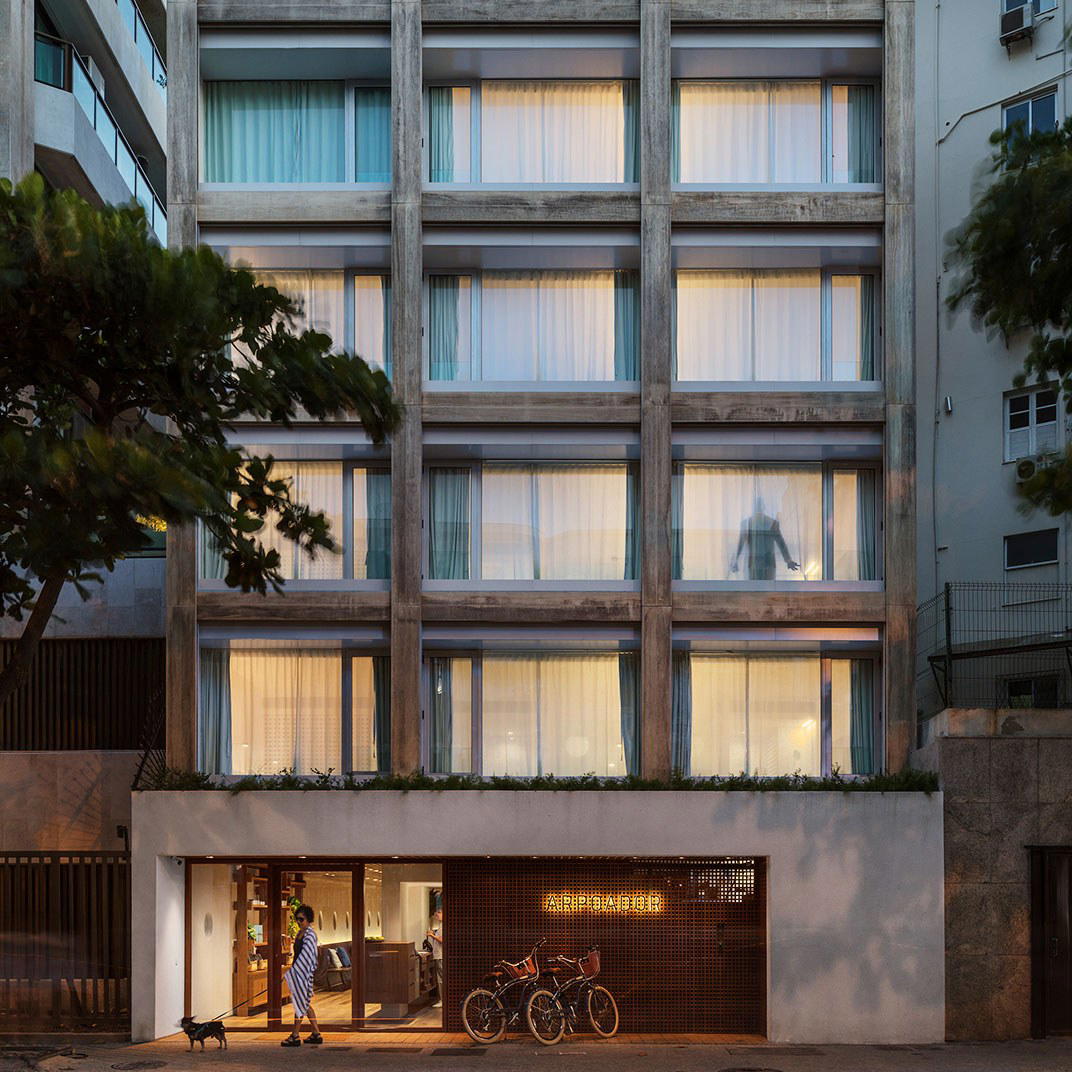
Bars in Rio de Janeiro
Browse all →

Details
- Sophisticated
- Elegant
- Romantic
- Modern
- Romantic Getaway
- Honeymoon
- Anniversary
- Celebration
- Beachfront
- Rooftop Pool
- Infinity Pool
- Butler Service
- Destination Spa
- Panoramic View
- Design Destination
- Private Dining
- Wi Fi
- Pool
- Spa
- Fitness Center
- Room Service
- Concierge
- Business Center
- Valet Parking
- Beach Access
- Restaurant
- Bar
- Waterfront
- Elevator
- Accessible Restroom
Sophisticated and glamorous with abundant natural light from floor-to-ceiling glass walls, whimsical design elements, and a lively rooftop scene; intimate yet energetic poolside atmosphere.