Cantina Pozzobon
Our verdict
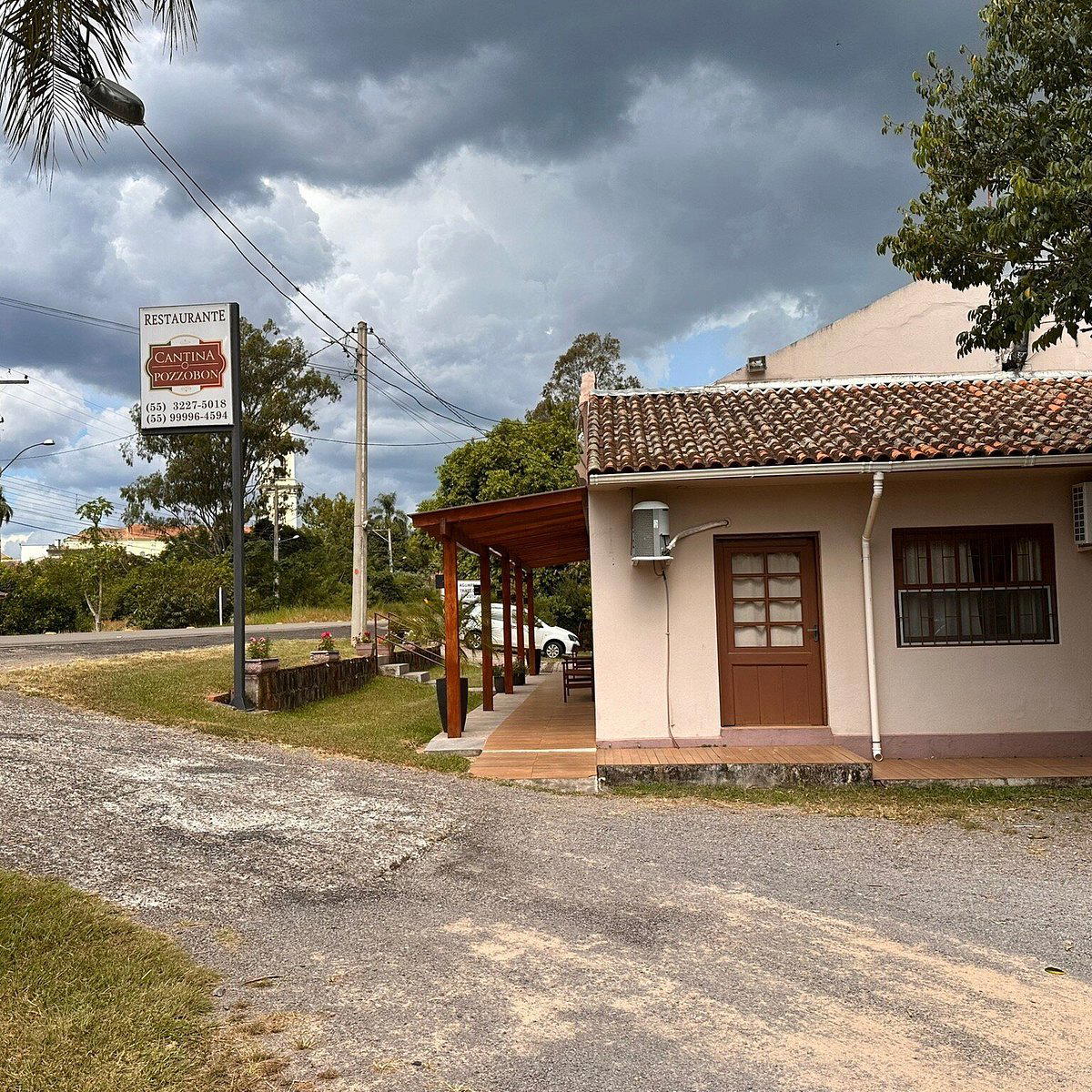
Cantina Pozzobon sits in the Arroio Grande district of Santa Maria, Rio Grande do Sul, carrying the Italian-Brazilian cantina tradition that defines much of the region's table culture. The venue represents a style of dining rooted in the gaúcho interior's immigrant heritage, where communal eating and seasonal produce shape the experience more than formal fine-dining conventions.

Pearl is the En Primeur Club membership app, where members save venues, book tables and use the concierge.
Where Rio Grande do Sul's Italian Roots Come to the Table
The interior of Rio Grande do Sul has a distinct relationship with the cantina format that cities like São Paulo or Rio de Janeiro rarely replicate with the same authenticity. When European immigrants, primarily from Veneto and Trentino, settled the Serra Gaúcha and the surrounding districts in the nineteenth century, they brought a model of eating that was communal, practical, and rooted in what the land produced. That model didn't disappear as the region modernised. In many towns and rural districts across the state, it calcified into something more durable: the family cantina, where the menu changes with the season, the portions answer to the table rather than the plate, and the link between kitchen and land remains shorter than in any metropolitan setting.
Cantina Pozzobon, addressed in the Arroio Grande district on the outskirts of Santa Maria, occupies that tradition. The Arroio Grande area sits away from the city's commercial centre, and that geography matters. Cantinas in peripheral or rural districts of Rio Grande do Sul typically operate on different logic from urban restaurants: lower turnover pressure, closer producer relationships, and a clientele that arrives with appetite and time rather than a schedule. That context shapes what arrives at the table before any individual kitchen decision does.
Santa Maria's Dining Scene in Broader Context
Santa Maria functions as one of the interior anchors of Rio Grande do Sul, a university city with enough population density to sustain a varied dining culture but far enough from Porto Alegre to maintain its own culinary character rather than mirroring the state capital's trends. The city's restaurant scene ranges from Italian-lineage cantinas like this one through to Japanese-influenced addresses such as Ichiban Japanese Restaurant, European-rooted trattorie like Bella Trento, and more casual formats including Na Brasa Burger and Vietnamese Restaurant. Within that spread, the cantina category holds a specific cultural weight that no other format in the city replicates.
For comparison, the Italian-immigrant dining tradition in Rio Grande do Sul has produced some of Brazil's most discussed regional food. Addresses further north along the Serra, such as Primrose in Gramado and Castelo Saint Andrews in Vale do Bosque, operate at the premium end of that tradition, where European heritage gets filtered through fine-dining conventions. The cantina format closer to Santa Maria operates differently, prioritising volume, directness, and the kind of kitchen confidence that comes from repeating the same dishes through decades rather than reformulating them seasonally for a tasting menu.
At the national level, Brazilian dining has moved substantially toward codified tasting formats, as venues like Oteque in Rio de Janeiro and D.O.M. in São Paulo demonstrate. But the cantina tradition in Rio Grande do Sul represents an older and equally legitimate strand of Brazilian food culture, one that predates the modern restaurant concept entirely and continues without needing the validation of contemporary fine-dining structures.
The Cultural Architecture of the Cantina Format
Understanding what a cantina in this part of Brazil means contextually is more useful than any individual dish description. The format descends directly from the Italian rural tavern tradition, where wine was produced on-site or sourced from a neighbour, food was abundant and starchy, and the act of gathering at the table was inseparable from the act of eating. In the hands of Italian-Brazilian families across Rio Grande do Sul, that tradition absorbed local ingredients and gaúcho rhythms, producing a hybrid that belongs fully to neither Italy nor coastal Brazil but is recognisably regional to the southern interior.
Pasta forms the structural centre of this cuisine, typically made fresh and served in quantities calibrated for sharing rather than individual portions. Slow-cooked meats, particularly pork preparations, sit alongside the pasta in a way that reflects both Veneto peasant cooking and the gaúcho cattle culture of the pampas. Wine service in traditional cantinas of the region leans toward local production from the Serra Gaúcha, where Brazilian viticulture has its most established base, though the formality of wine presentation varies considerably from address to address.
This eating tradition differs meaningfully from what you find at Italian-heritage restaurants in São Paulo or Rio, where the European reference tends to be filtered through cosmopolitan restaurant conventions. In the interior of Rio Grande do Sul, the cantina format has had less pressure to adapt to urban sophistication, and that resistance to adaptation is, arguably, where its value lies. For context on how regional traditions elsewhere in Brazil diverge from this model, addresses like Manga in Salvador or Orixás North Restaurant in Itacaré illustrate how differently Bahian and northeastern culinary heritage expresses itself compared to the Italian-immigrant south.
Getting There and Planning a Visit
The Arroio Grande district address places Cantina Pozzobon outside Santa Maria's walkable central zone. Visitors arriving by car from the city centre should allow for a short drive outward from the urban core. As with most cantinas operating in this format and location type across Rio Grande do Sul, arrival during peak lunch service on weekends tends to reflect the format at its most characteristic, when extended family groups and regular clientele fill the space according to habit rather than reservation logic.
For a broader survey of where Santa Maria's dining scene sits in the context of Rio Grande do Sul and beyond, the EP Club Santa Maria restaurants guide maps the full range. Those planning wider itineraries through southern Brazil's food culture may also find value in cross-referencing Italian-lineage addresses in other states, such as Olivetto Restaurante e Enoteca in Campinas, or exploring contrasting regional traditions through addresses like Manu in Curitiba and Birosca S2 in Belo Horizonte. For reference points outside Brazil entirely, the community-focused format of Lazy Bear in San Francisco shares a philosophical proximity to the cantina's communal eating logic, even if the execution sits in an entirely different culinary tradition. Precision-led seafood formats such as Le Bernardin in New York City and ingredient-focused regional addresses like Mina in Campos do Jordão and State of Espírito Santo in Rio Bananal illustrate the range of approaches Brazilian and international dining now takes beyond the cantina model.
Frequently asked questions
Where do I go for Cantina Pozzobon?
Cantina Pozzobon is located at Arroio Grande 4º Distrito, Santa Maria - RS, 97120-000, Brazil, Santa Maria.
How does Cantina Pozzobon's location in the Arroio Grande district affect the dining experience?
The Arroio Grande address places Cantina Pozzobon in Santa Maria's outer districts, away from the university-centre dining corridor. In Rio Grande do Sul, cantinas situated outside commercial cores tend to serve a predominantly neighbourhood clientele, which shapes both the pace of service and the menu's orientation toward regional staples over adapted crowd-pleasers. Visitors arriving by car from central Santa Maria should plan for the transit time rather than treating it as a walkable stop.
What's the signature dish at Cantina Pozzobon?
The cantina format dominant in Rio Grande do Sul's interior typically centres on pasta, polenta, and slow-cooked meats rooted in the region's Italian immigrant tradition. For current menu information, visiting in person or contacting the venue directly is the most reliable approach.
Is Cantina Pozzobon reservation-only?
Cantinas in the Arroio Grande district of Santa Maria tend to draw a loyal local crowd, particularly on weekends, so securing a table in advance is sensible. Calling ahead is advisable regardless of formal reservation requirements.
What has Cantina Pozzobon built its reputation on?
Cantina Pozzobon operates within a dining tradition specific to Rio Grande do Sul's interior, where cantinas function as custodians of Italo-Gaúcho cooking rather than casual trattorias. That positioning, rooted in a region with documented Italian settlement going back to the 19th century, gives the format cultural weight that similar venues in São Paulo or Rio de Janeiro rarely carry.
Is Cantina Pozzobon allergy-friendly?
No allergen or dietary accommodation data is recorded for Cantina Pozzobon. Traditional cantina menus in this part of Rio Grande do Sul are built around wheat-based pasta and dairy-heavy sauces, which is relevant context for guests with gluten or lactose sensitivities. Confirming options directly with the venue before visiting is the only reliable course of action.
Is Cantina Pozzobon worth it?
If the draw is a cantina experience grounded in Rio Grande do Sul's Italian immigrant cooking tradition, the Arroio Grande district address signals a venue operating outside the city-centre restaurant circuit, which in this region typically correlates with a more locally oriented, less tourist-facing offer. That context is a reasonable proxy for authenticity.
Price and Positioning
Comparable venues nearby, for context on price, style, and recognition.
| Venue | Cuisine | Price | Notes |
|---|---|---|---|
| Cantina PozzobonThis venue (the venue you are viewing) | Italian-Brazilian Cantina | Not listed | Not listed |
| Bella Trento | Italian Pizza Rodizio | Not listed | Centro, Italian Pizza Rodizio |
| Na Brasa Burger | Flame-Grilled Brazilian Burgers | Not listed | Centro, Flame-Grilled Brazilian Burgers |
| Di Paolo Garibaldi | Traditional Italian Galeto | $20–30 | Garibaldi, Traditional Italian Galeto |
| Benvenuto Restaurante | Italian Trattoria | Not listed | City Center, Italian Trattoria |
| Must Restaurant & Bar | Modern Brazilian with Indigenous Flavors | Not listed | Belem, Modern Brazilian with Indigenous Flavors |
Continue exploring
More in Santa Maria
Restaurants in Santa Maria
All restaurants in Santa Maria →
Details
- Rustic
- Cozy
- Classic
- Family
- Group Dining
- Casual Hangout
- Standalone
- Local Sourcing
- A La Carte
- Small Plates
Current opening hours
- Monday
- Closed
- Tuesday
- Closed
- Wednesday
- Closed
- Thursday
- Closed
- Friday
- Closed
- Saturday
- 11:30 AM–2:30 PM
- Sunday
- 11:30 AM–3 PM
Hours can change for holidays and private events. Hours as of .
Communal and practical atmosphere reflecting rural Italian immigrant traditions with focus on shared tables and hearty regional fare.