Our verdict
Bistro Fitz Carraldo sits on Rua 10 de Julho in Manaus's Centro district, a neighbourhood where the Amazon basin's extraordinary larder has shaped a cooking tradition unlike anything found further south. The bistro operates within a Manaus dining scene increasingly defined by indigenous ingredient sourcing and Amazonian culinary identity, placing it alongside addresses like Restaurant Banzeiro and Caxiri in a city whose food culture rewards serious attention.

Pearl is the En Primeur Club membership app, where members save venues, book tables and use the concierge.
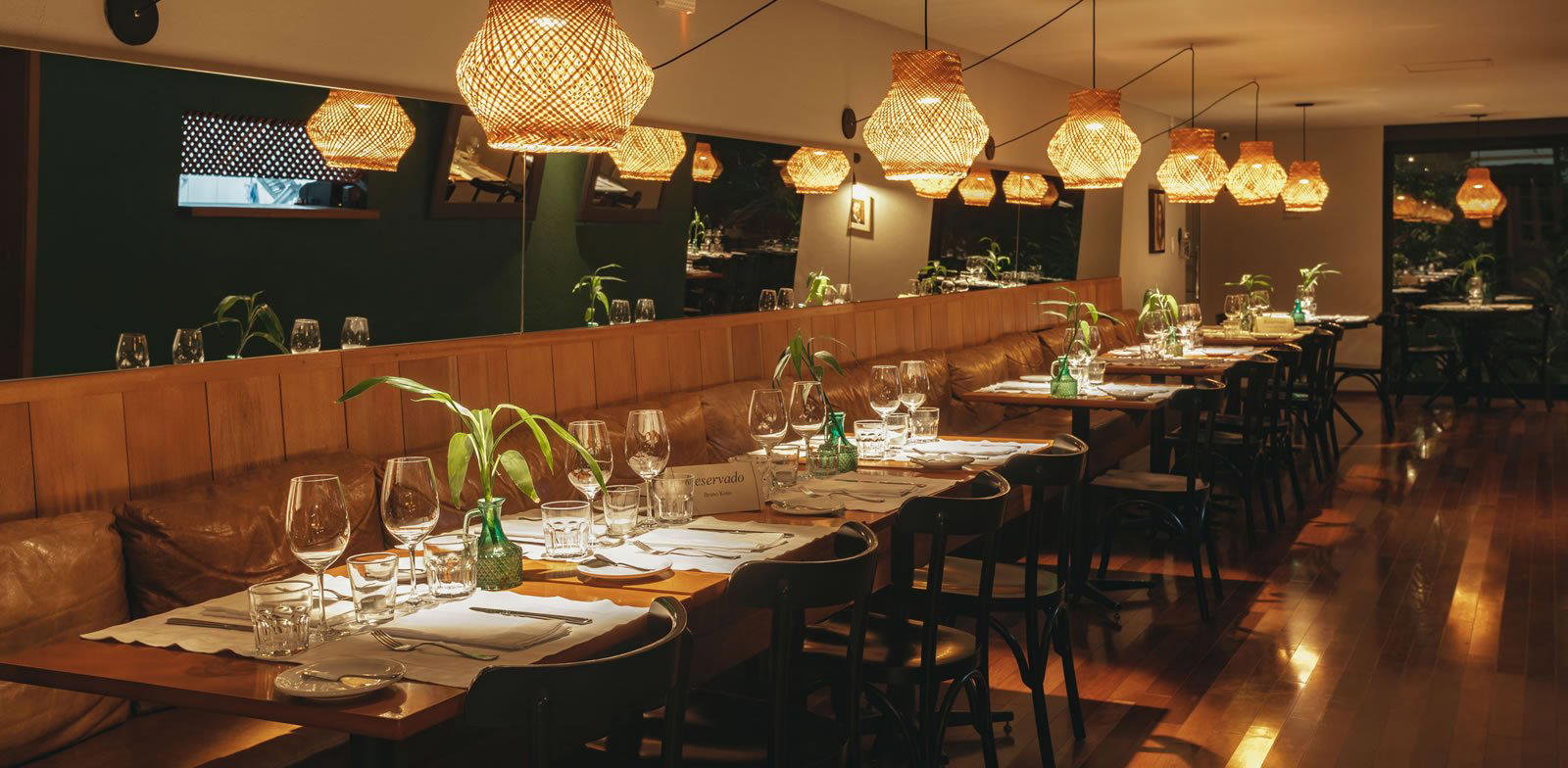
The menu
What to order
- Pirarucu Risotto with Jambu
- Pirarucu Ceviche
- Pirarucu Gratin with Shrimp
- Pacován Banana Gnocchi
- Steak Tartare with Macacheira Chips
- Petit Gateau with Cumaru Ice Cream
Where the Amazon Arrives at the Table
Centro Manaus is not a neighbourhood that announces itself through polished shopfronts. Rua 10 de Julho runs through a part of the city shaped by river trade, colonial-era architecture, and the practical rhythms of a port that has served as a gateway to the Amazon basin for more than a century. It is in this district that Bistro Fitz Carraldo sits, at number 315, in a location that says something specific about the kind of restaurant it chooses to be. In a city where the most consequential cooking is increasingly found away from tourist-facing promenades, an address in Centro signals a deliberate orientation toward local life and local diners.
The name itself carries weight. Werner Herzog's 1982 film Fitzcarraldo was shot in and around Manaus and the broader Amazonian interior, and its story of obsessive ambition in the jungle has become part of the city's cultural mythology. A bistro borrowing that name is not reaching for generic branding; it is placing itself inside a specific imaginative tradition, one that treats the Amazon not as backdrop but as defining force.
Amazonian Cooking as a Serious Discipline
Manaus occupies a position in Brazil's food conversation that its size and geographic remoteness have historically obscured. While São Paulo and Rio de Janeiro drew the attention of international critics and the Michelin Guide's Brazilian expansion, the Amazon basin was quietly producing some of the country's most distinctive culinary raw material: tucunaré, tambaqui, pirarucu, jambu, tucupi, açaí in forms unrecognisable to the freeze-dried export version. The restaurants now doing the most interesting work in Manaus are those treating this larder with the same rigour that chefs in southern Brazil or abroad apply to their own regional ingredients.
That shift has a reference point: Restaurant Banzeiro brought sustained national and international attention to Amazonian cuisine, demonstrating that the region's ingredients could anchor a fine dining proposition serious enough to draw visitors from other continents. The broader scene now includes addresses like Caxiri, which approaches indigenous ingredients from a different angle, and Barollo, which sits in a different tier of the local dining mix. Bistro Fitz Carraldo enters this conversation as a bistro-format proposition in Centro, a format that implies a certain informality without necessarily abandoning ambition.
The bistro format matters in this context. Across Brazil, the bistro label has been adopted by restaurants that want to signal approachability, generous portions, and cooking that prioritises flavour over ceremony. In a city like Manaus, where the casual end of the market is served by churrascarias such as Churrascaria Coqueiro Verde Praça 14 and the more formal end has developed its own identity, a mid-register bistro proposition occupies a gap that the city's growing food-conscious visitor base has been looking to fill.
The Broader Brazilian Context
Understanding Bistro Fitz Carraldo requires understanding where Manaus sits in Brazil's wider restaurant geography. The country's food scene has diversified significantly in the past decade. D.O.M. in São Paulo built a global reputation on the thesis that Amazonian ingredients deserved the same platform as any European luxury product, a thesis that has since filtered down into regional markets. Oteque in Rio de Janeiro took a different path toward technical precision. Further from the major urban centres, restaurants like Manu in Curitiba and Birosca S2 in Belo Horizonte have developed distinct regional identities of their own.
What makes Manaus different from all of these is geography. The city sits at the confluence of the Rio Negro and the Amazon, deep inside a basin that covers roughly 40 percent of South America. Ingredients that appear on menus here as everyday items, among them fresh pirarucu, regional peppers, and wild-harvested river fish, are rare or expensive everywhere else. A bistro operating in this environment with genuine curiosity about its ingredient base has access to a larder that restaurants in Campinas, Gramado, or even New York City cannot replicate.
Brazilian dining culture in smaller regional cities also tends to operate on shorter booking windows than the major urban centres, and restaurants in Manaus's Centro district are generally accessible without the weeks-out reservation discipline required at destination restaurants elsewhere. Visitors from outside the Amazon region are advised to treat the local fish-based dishes as a priority, since the same species prepared with the same river-fresh provenance simply cannot be found on menus outside the basin. The Restaurante Alentejo offers a different angle on the city's dining range, drawing on Portuguese influence, which contextualises how varied Manaus's mid-range scene has become. For a comprehensive overview of where Bistro Fitz Carraldo fits within Manaus's wider table, see our full Manaus restaurants guide.
Further afield in northern Brazil, Orixás North Restaurant in Itacaré works within a different regional tradition while sharing the same broad commitment to northern Brazilian ingredients. Restaurants in southern and southeastern states, from Castelo Saint Andrews in Vale do Bosque to Mina in Campos do Jordão and Lazy Bear in San Francisco working in a different hemisphere entirely, each illustrate how place-specific cooking, when handled with conviction, creates a proposition that travel cannot substitute. Bistro Fitz Carraldo operates on the same logic. Manaus is not a stop on the way to somewhere else; for this kind of cooking, it is the destination. The regional cooking traditions of Espírito Santo offer a useful parallel: ingredients tied to a specific geography can anchor an entire food identity when treated with seriousness.
Planning Your Visit
Bistro Fitz Carraldo is located at Rua 10 de Julho, 315, in Manaus's Centro district, reachable by taxi or rideshare from the city's main hotels in under fifteen minutes during off-peak hours. Centro can be congested during business hours, so early evening arrivals tend to work more smoothly.
Frequently asked questions
How do I find Bistro Fitz Carraldo?
Bistro Fitz Carraldo is located at Rua 10 de Julho, 315 - Centro, Manaus - AM, 69010-060, Brazil, Manaus.
Is Bistro Fitz Carraldo a good option for experiencing regional Amazonian cooking rather than mainstream Brazilian cuisine?
The bistro's location in Manaus's Centro district, at the geographic heart of the Amazon basin, positions it within a city where regional ingredients, river fish, native fruits, jungle herbs, are the default rather than the novelty. Manaus sits roughly 1,500 kilometres from the nearest major culinary centre, which means kitchens here draw on supply chains and culinary traditions that São Paulo or Rio restaurants can only approximate. For a traveller whose primary interest is Amazonian cooking on its own terms, Manaus is the correct city, and a neighbourhood bistro format like Fitz Carraldo offers that in a less formal register than the destination addresses that have attracted national press attention.
What's the must-try dish at Bistro Fitz Carraldo?
EP Club does not hold verified dish-level detail for Bistro Fitz Carraldo at this time. Manaus kitchens working with Amazonian produce typically anchor menus around river fish, tambaqui and pirarucu appear across the city's serious cooking addresses. Cross that general frame with the bistro format at Rua 10 de Julho, 315, and the expectation is proteins treated with regional technique rather than São Paulo-facing fusion.
Do they take walk-ins at Bistro Fitz Carraldo?
Manaus's bistro tier, particularly in the Centro district, has historically been more permissive about same-day seating than Brazil's high-end destination restaurants. Calling ahead or arriving early in service remains the practical approach until confirmed booking information is available.
Budget Reality Check
Comparable venues nearby, for context on price, style, and recognition.
| Venue | Cuisine | Price | Notes |
|---|---|---|---|
| Bistro Fitz CarraldoThis venue (the venue you are viewing) | Amazonian-International Bistro | $30–50 | Not listed |
| Barollo | Modern Brazilian Gastropub | $30–50 | Nossa Sra. das Gracas, Modern Brazilian Gastropub |
| Caxiri | Modern Amazonian Brazilian | $30–50 | Centro, Modern Amazonian Brazilian |
| Restaurant Banzeiro | Amazonian Brazilian Seafood | $50–100 | Nossa Sra. das Graças, Amazonian Brazilian Seafood |
| Churrascaria Coqueiro Verde Praça 14 - Carne de Sol | Brazilian Churrascaria | $10–20 | Praça 14 de Janeiro, Brazilian Churrascaria |
| Restaurante Alentejo | Traditional Portuguese Fine Dining | $50–100 | Vieiralves, Traditional Portuguese Fine Dining |
Continue exploring
More in Manaus
Details
- Elegant
- Cozy
- Sophisticated
- Romantic
- Date Night
- Business Dinner
- Group Dining
- Family
- Special Occasion
- Hotel Restaurant
- Historic Building
- Open Kitchen
- Craft Cocktails
- Beer Program
- Local Sourcing
- A La Carte
- Signature Cocktails
- Local Beer
- Wine Selection
- Vegetarian Friendly
- Vegan Options
- Gluten Free Options
Current opening hours
- Monday
- 12–3 PM, 7–11 PM
- Tuesday
- 12–3 PM, 7–11 PM
- Wednesday
- 12–3 PM, 7–11 PM
- Thursday
- 12–3 PM, 7–11 PM
- Friday
- 12–3 PM, 7–11 PM
- Saturday
- 12–4 PM, 7–11 PM
- Sunday
- 12–4 PM, 7–11 PM
Hours can change for holidays and private events. Hours as of .
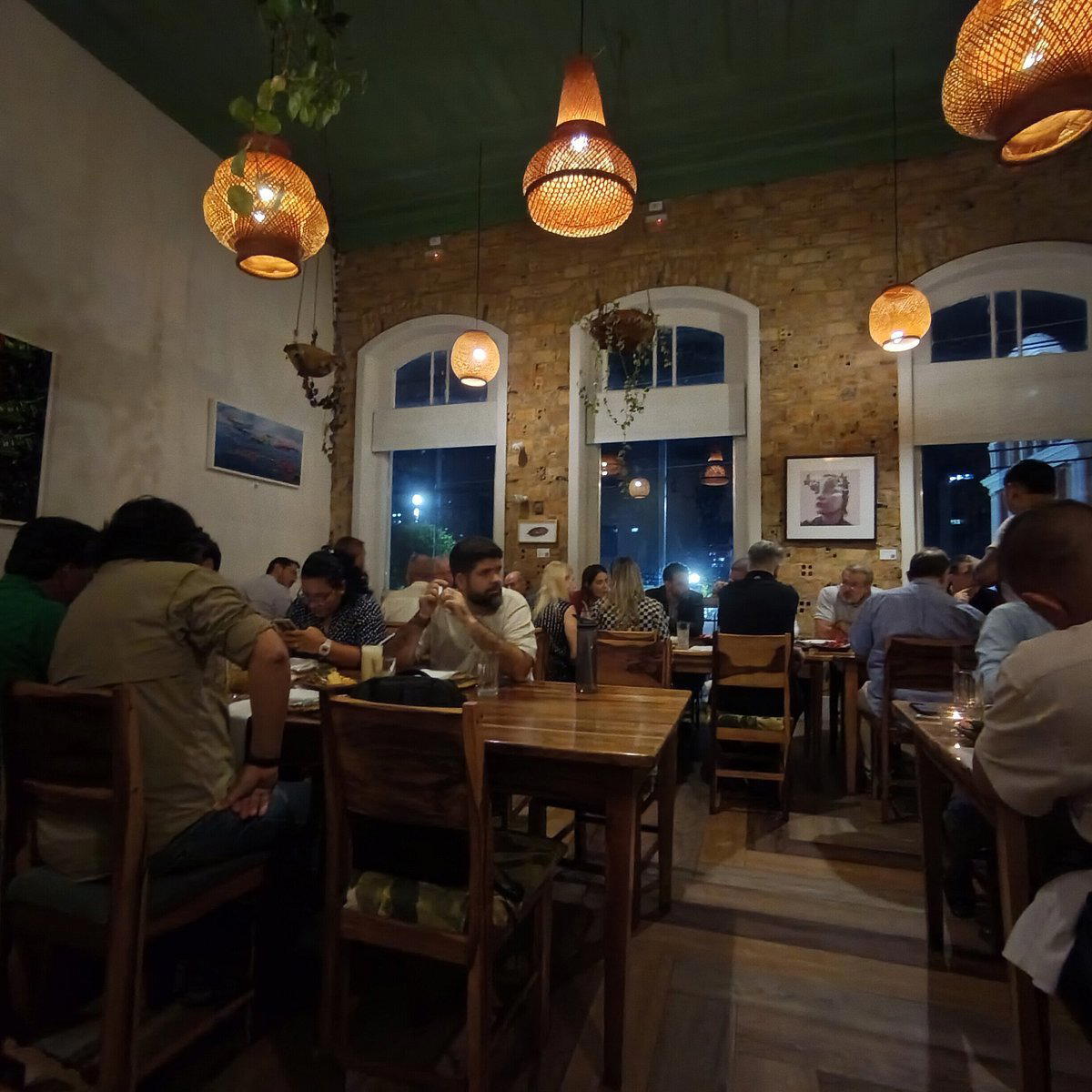
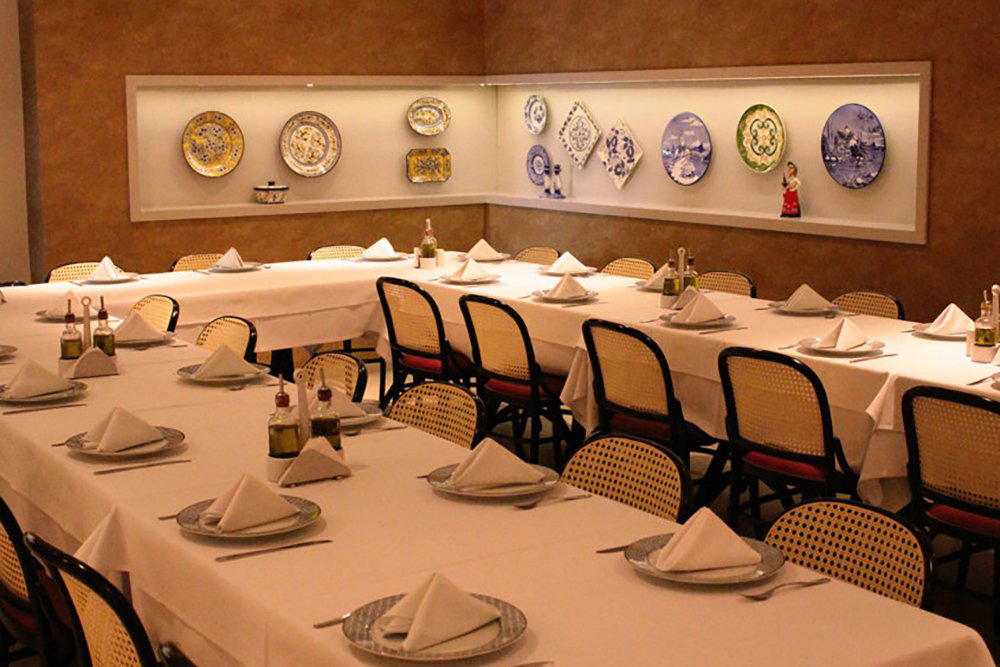
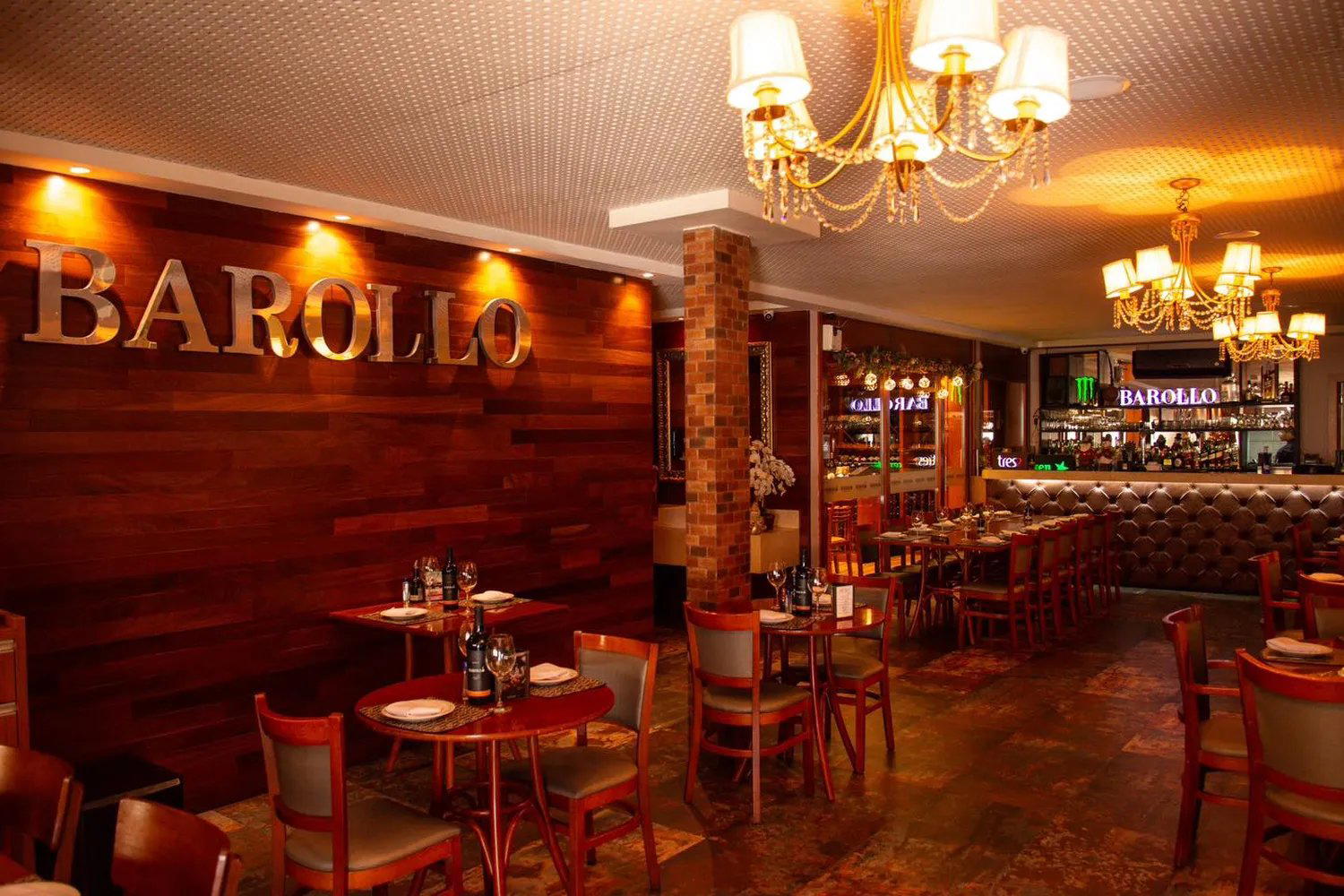
Charming and contemporary setting with a mix of historic and modern design elements; part of the dining space is in the original 1907 mansion wing while another section occupies the newer hotel block, creating an elegant yet relaxed atmosphere.