.Org Bistrô
Situated on Av. Olegário Maciel in Barra da Tijuca,. Org Bistrô occupies a corner of Rio's western zone where the bistro format has found steady footing among residents who prioritise provenance over spectacle. The address places it at a remove from the city's fine-dining corridor, which is precisely the point: this is neighbourhood cooking with a sourcing conscience, in a district increasingly attentive to what ends up on the plate.
Pearl is the En Primeur Club membership app — saves, bookings, and concierge access live there. Same editors, same standards.
- Address
- Av. Olegário Maciel, 175 - loja g - Barra da Tijuca, Rio de Janeiro - RJ, 22621-200, Brazil
- Phone
- +552124931791
- Website
- orgbistro.com.br
- Directions
- Get directions
 Saves & bookings on Pearl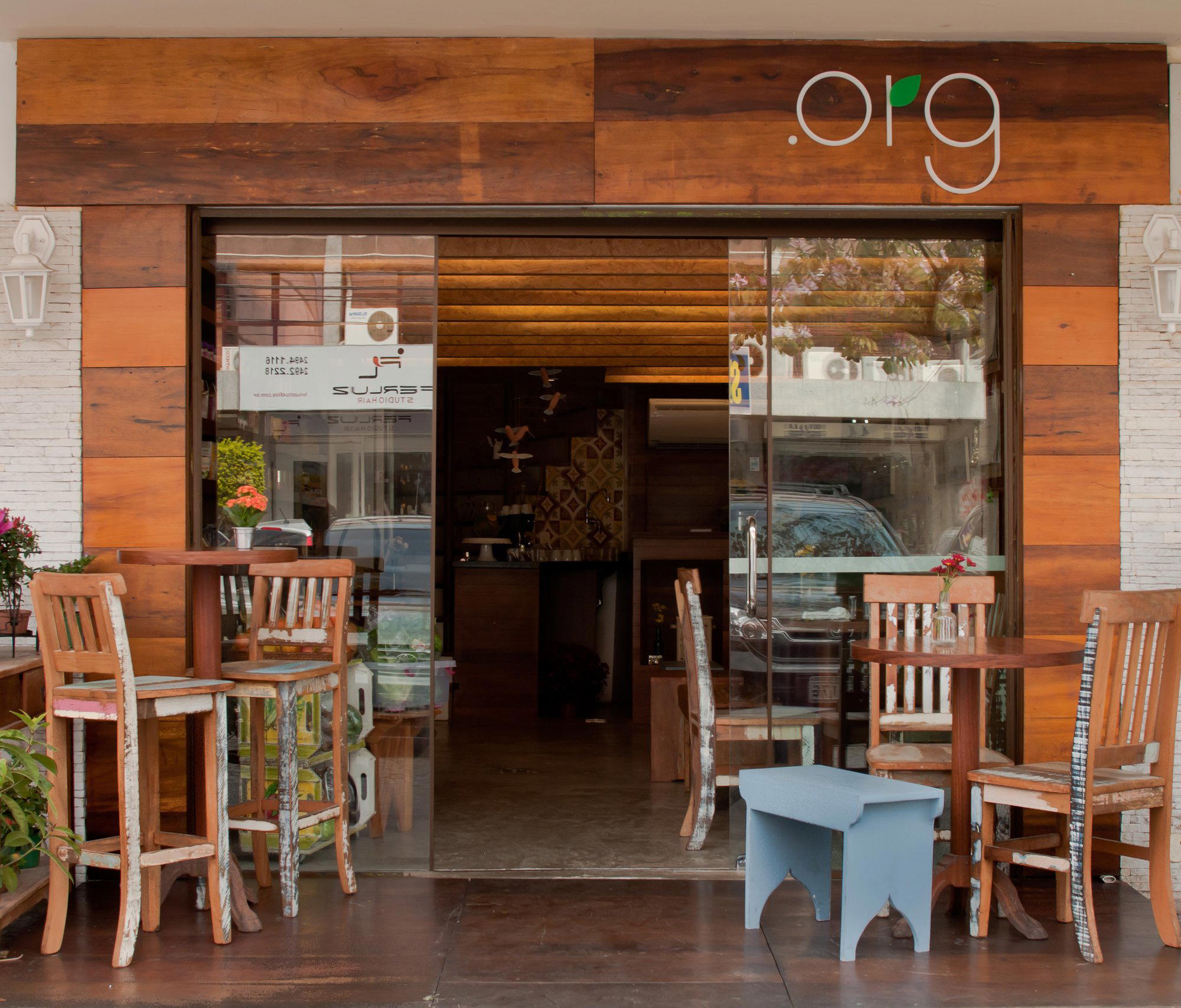
Barra da Tijuca and the Sourcing-Led Bistro
Rio de Janeiro's dining conversation has long centred on the Zona Sul: Leblon, Ipanema, Botafogo. The city's most-discussed restaurants, from the tasting-menu format of Lasai to the modernist Brazilian cooking at Oteque, cluster in that band of the city. Barra da Tijuca operates on different terms. The neighbourhood is larger, more car-dependent, and draws a residential clientele that tends to judge a restaurant by repeat visits rather than opening-night coverage. That context matters when reading. Org Bistrô, which sits on Av. Olegário Maciel at number 175, in a loja-g unit that signals bistro scale rather than fine-dining ambition.
The bistro format, as it has evolved in Brazilian cities over the past decade, occupies a productive middle ground.. Org Bistrô is a Modern Organic Vegetarian Bistro in Barra da Tijuca, Rio de Janeiro, with. It is neither the high-investment tasting-menu experience associated with São Paulo's D.O.M. nor the casual per-kilo lunch that defines much of Brazilian everyday eating. In Rio, venues operating in this register compete on consistency, sourcing transparency, and a sense of place that justifies the return visit.. Org Bistrô's name carries an implied position: the dot-org suffix, borrowed from organisational domain convention, reads as a statement of intent about purpose-led operation rather than purely commercial orientation.
What Ingredient Sourcing Signals in This Context
Across Brazil's more considered bistro tier, sourcing has become the primary differentiator separating credible neighbourhood operators from those simply presenting familiar dishes at accessible prices. The country's agricultural diversity, from the cerrado's native fruits to coastal seafood corridors and southern highland dairy, gives kitchens working at bistro scale genuine material to draw from, provided the supply relationships are in place. Restaurants that make sourcing central to their identity tend to change their menus with some frequency, following what is available rather than printing fixed cards that hold for months.
This approach is not exclusive to Rio. It runs through a cohort of Brazilian operators at various price points, from the formal sourcing commitments visible at Lasai to the regional-produce emphasis that defines cooking in smaller cities. What distinguishes venues that do this credibly is the specificity of the relationship: named producers, defined regions, seasonal windows that are actually observed. The name alone does not confirm those relationships are in place, but it does position the venue in a conversation that Rio's dining public increasingly expects restaurants to engage with honestly.
The Physical Register of the Space
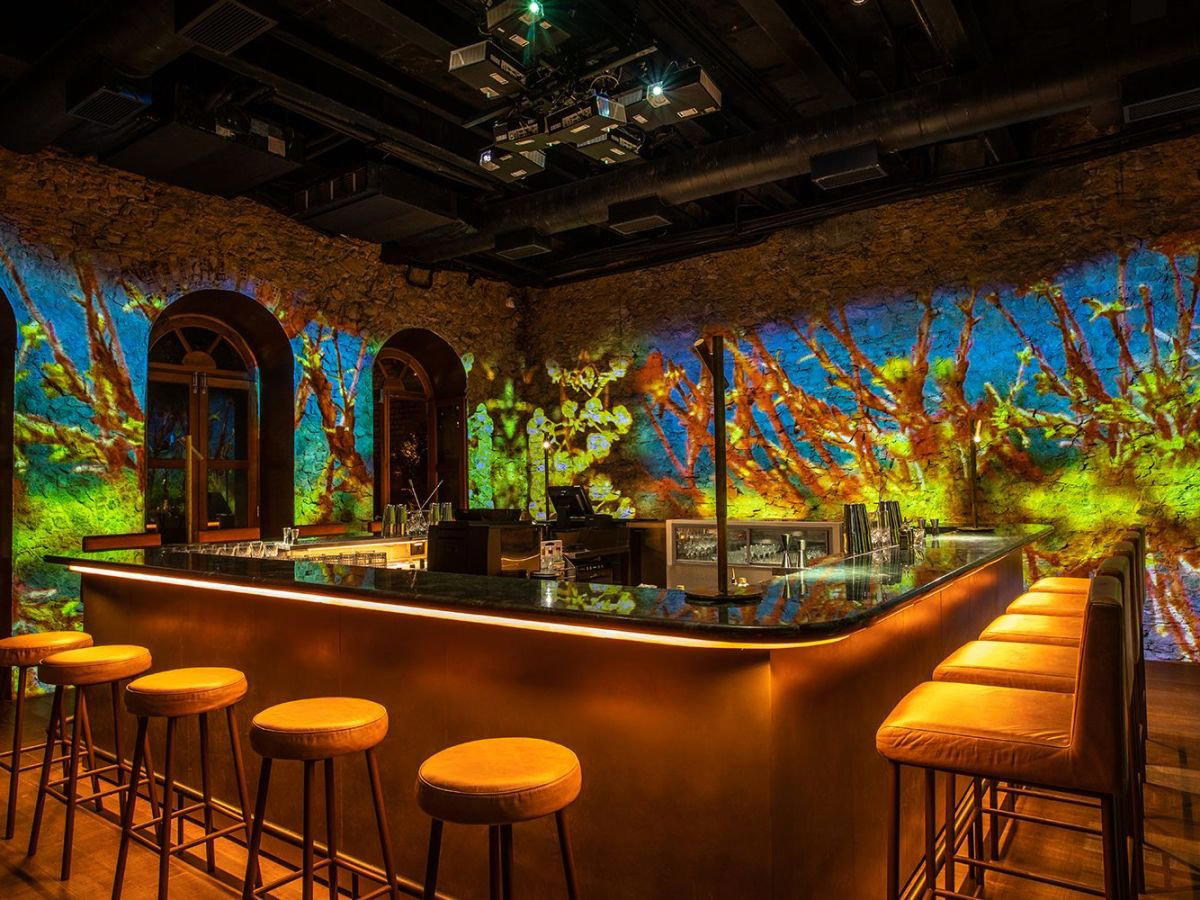
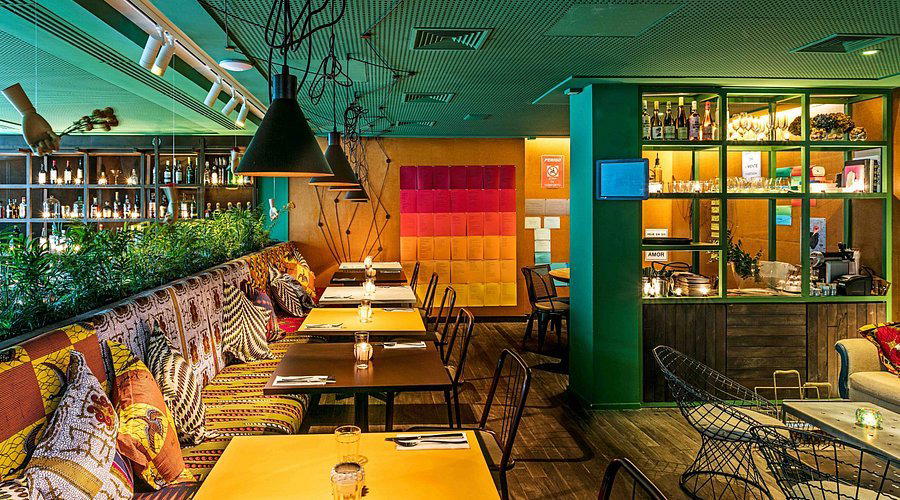
Barra da Tijuca is largely a mid-to-late twentieth century district, built around wide avenues and shopping infrastructure rather than the tile-fronted colonial blocks of Santa Teresa or the beachfront density of Ipanema. A loja-g address on Av. Olegário Maciel places. Org Bistrô in a ground-floor retail unit, the format that characterises most neighbourhood bistros in the district. These spaces tend toward compact dining rooms: exposed services or whitewashed walls, close-set tables, a kitchen that opens or semi-opens toward the dining area. The ambient register is typically low-key: conversation rather than sound design, natural light where the unit allows it.
That physical modesty is part of the bistro contract. In neighbourhoods like Barra, the restaurants that earn loyalty are rarely the ones with elaborate fit-outs. They are the ones where the food justifies the return, where you can book with reasonable notice rather than months ahead, and where the bill does not require planning the way a tasting menu at Oro or Casa 201 does.. Org Bistrô sits in that practical register, which is a feature rather than a limitation.
Rio's Wider Bistro and Mid-Range Context
The bistro tier in Rio has grown more coherent over the past several years, partly because the tasting-menu bracket has pulled sharply upward in price, venues like Oteque and Lasai now operate at the R$400-per-person-and-above level for their full experience, leaving a gap that neighbourhood bistros fill for the diner who wants considered cooking without the occasion-dining infrastructure. Brazilian cities more broadly have seen this dynamic: as the headline restaurants become more expensive and more ceremonial, the bistro and casual-formal middle tier absorbs the weekly dining demand.
For readers exploring Rio's dining range, Barra da Tijuca sits out into the western districts of the city. The city's Italian offer, represented at the high end by Cipriani, also has bistro-scale equivalents in multiple neighbourhoods. Comparison across Brazil's other cities, from the regional cooking visible at venues like Bistro Fitz Carraldo in Manaus to the Italian-Brazilian tradition at Cantina Pozzobon in Santa Maria, shows how the bistro format adapts to local ingredient cultures across the country's regions.
Planning a Visit
Barra da Tijuca is most practically reached by car or rideshare from central Rio, as the neighbourhood sits well west of the metro's primary coverage. Av. Olegário Maciel is a main artery, making the address direct to locate. For visitors staying in the Zona Sul, the journey can take around 30 to 40 minutes by car depending on traffic. Check opening hours before visiting, especially on Sunday, when the restaurant is closed.
Quick Comparison
Comparable venues nearby, for context on price, style, and recognition.
| Venue | Cuisine | Price | Awards | Notes |
|---|---|---|---|---|
| . Org Bistrô | Modern Organic Vegetarian Bistro | $$$ | Not listed | Itanhangá |
| Zazá Bistrô Tropical | Tropical Brazilian Fusion Bistro | $$$ | Not listed | Ipanema |
| Puro | Contemporary Brazilian | $$$ | Not listed | Jardim Botânico |
| Julieta | Modern Brazilian | $$$ | Not listed | Flamengo |
| Emiliano Rio | Contemporary Brazilian | $$$$ | Not listed | Copacabana |
| Lilia | Modern Brazilian Creative | $$$ | Michelin Plate | Centro |
Continue exploring
More in Rio de Janeiro
Restaurants in Rio de Janeiro
Browse all →
Bars in Rio de Janeiro
Browse all →



At a Glance
- Cozy
- Modern
- Minimalist
- Casual Hangout
- Organic
- Local Sourcing
Current opening hours
- Monday
- 12–3:30 PM
- Tuesday
- 12–3:30 PM
- Wednesday
- 12–3:30 PM
- Thursday
- 12–3:30 PM
- Friday
- 12–3:30 PM
- Saturday
- 12–4 PM
- Sunday
- Closed
Hours can change for holidays and private events. Last verified .
Small, minimalist, and welcoming atmosphere with colorful dishes in a cozy setting.