San Omakase

1 Michelin Star
Our verdict
Rio de Janeiro's only Michelin-starred Japanese counter, San Omakase holds back-to-back stars for 2024 and 2025 and sits at the sharp end of Leblon's fine-dining corridor.

Pearl is the En Primeur Club membership app — saves, bookings, and concierge access live there. Same editors, same standards.
- Address
- Rua Conde de Bernadotte, 26 - Leblon, Rio de Janeiro - RJ, 22430-200, Brazil
- Phone
- +55 21 2112-5199
- Hours
- Mon ClosedTue–Thu 8–10 PMFri–Sat 7–11:30 PMSun Closed
- Website
- exploretock.com
- Directions
- Get directions
- Booking
- Book on Tock
The menu
What to order
- Otoro nigiri
- A5 wagyu gyoza
- Tree dessert
A Counter in Leblon, Calibrated to a Different Clock
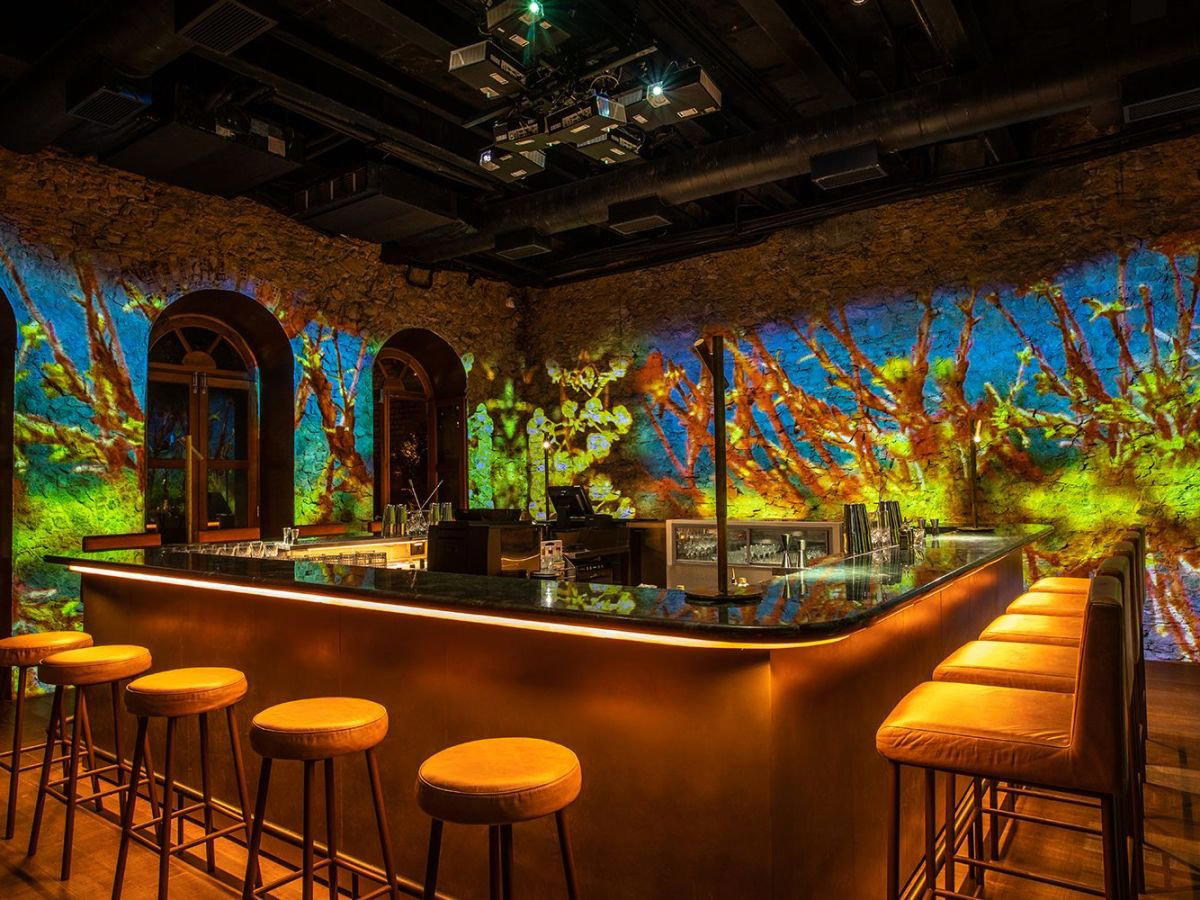
Leblon's fine-dining strip operates at a pace that is distinctly carioca: long tables, extended evenings, the kind of social rhythm where the meal is a backdrop to conversation rather than its focus. San Omakase sits on Rua Conde de Bernadotte and runs on a different register entirely. The omakase format imposes its own tempo — a counter, a sequence, a chef in control of pacing — and that contrast with the neighbourhood around it is part of what makes the restaurant legible as a serious address. You are not in a room designed for lingering over cocktails. You are in a room designed for attention.
That discipline is not incidental. The omakase counter format, as it has evolved from its Tokyo origins, is built around the transfer of authority from diner to chef. In Japan's most technically exacting rooms, places like Myojaku or Azabu Kadowaki in Tokyo, that transfer is total: the menu is unannounced, the timing is fixed, and the interaction is governed by the rhythm of the kitchen. San Omakase imports that structure into a city where dining has historically resisted those kinds of constraints, and where the Michelin Guide only began operating in 2015.
Where Rio's Japanese Counter Scene Actually Sits
Rio has a Japanese-Brazilian food culture with deep roots, the Nikkei community in Brazil is among the largest outside Japan, and its influence on the city's cooking extends well beyond sushi bars into the broader vocabulary of seafood preparation. But the dedicated omakase counter, in the strictest sense of the format, remains a smaller category here than in São Paulo, where the concentration of high-end Japanese restaurants more closely mirrors the density of comparable cities in Asia or North America.
Within Rio, the contrast between San Omakase and the neighbourhood's other Japanese options is instructive. Sushi Leblon and Haru Sushi Bar operate in formats that blend Japanese technique with the social dynamics of a Rio dining room, à la carte, table service, the kind of flexibility that allows a group to arrive and negotiate the evening as it unfolds. San Omakase does not offer that flexibility. That positioning is confirmed by two consecutive stars in 2024 and 2025, making it the only Michelin-starred Japanese counter in Rio de Janeiro.
The Tokyo-Kyoto Axis, Transposed to Rio
The distinction that runs through Japanese fine dining, between the metropolitan speed of Tokyo's kaiseki-influenced omakase culture and the slower, more ceremony-oriented approach associated with Kyoto, plays out in different ways when the format is transplanted to other cities. Tokyo-style omakase tends to reward precision and innovation within a tight sequence; Kyoto-style kaiseki moves more ceremonially, with greater attention to seasonal framing and the pause between courses. What cities outside Japan tend to adopt, when they build serious omakase programs, is closer to the Tokyo model: technically demanding, chef-led, focused on the quality and handling of ingredients rather than on elaborate seasonal narrative.
San Omakase under Chef Laurent Cherchi operates within that Tokyo-inflected tradition. The format is counter-based and sequenced, with the kitchen setting the terms. What distinguishes its position within that tradition is the Brazilian context it operates in: access to South Atlantic seafood, proximity to tropical produce, and a dining culture where the boundary between Japanese discipline and local ingredient availability creates a different set of decisions than a chef would face in Ginza or Shinjuku. The Michelin recognition, awarded in both 2024 and 2025, suggests those decisions are being made at a level that the Guide's inspectors find consistent with its starred tier, not simply as an interesting cultural experiment but as serious cooking.
Rio's Michelin Tier: The Company San Omakase Keeps
Rio's current Michelin constellation includes a small number of restaurants operating at the $$$$ price tier with recognition from the Guide. Lasai and Oteque represent the modern Brazilian fine-dining pole, tasting menus rooted in regional ingredient sourcing and contemporary technique. Oro operates at the intersection of Italian and Brazilian cooking. San Omakase is the only representative of Japanese counter cuisine in that tier, which means it does not have a direct local comparator. Its Michelin peers are eating a different kind of food in a different format, and that isolation is both its constraint and its distinction.
For context on how Brazil's broader starred Japanese tier looks, São Paulo offers the more developed reference point. Evvai in São Paulo represents a different strand of that city's Michelin recognition, rooted in Italian-Brazilian technique rather than Japanese form. Elsewhere in Brazil, the starred scene extends to properties like Manga in Salvador, Mina in Campos do Jordão, Primrose and Castelo Saint Andrews in Gramado, and Orixás North Restaurant in Itacaré, a geographically dispersed and stylistically varied cohort that underscores how diffuse Brazil's fine-dining recognition has become. San Omakase's position within that cohort, as the sole Rio representative of Japanese counter cuisine, reflects both the city's relative underdevelopment in that format and the restaurant's success in establishing itself within it.
At that volume, a perfect average typically indicates either a highly curated experience that filters out disappointed guests by design, which the omakase format achieves structurally, since guests self-select into a format with no à la carte fallback, or a level of execution consistent enough that the format's inherent rigidity rarely produces the kind of mismatch that generates negative feedback. Both conditions apply here. The omakase counter draws guests who have already accepted the terms of the experience, and the Michelin stars provide an advance signal of quality that shapes expectations before arrival.
Planning Your Visit
San Omakase is located at Rua Conde de Bernadotte, 26, in Leblon, one of Rio's most organised and walkable fine-dining neighbourhoods. The $$$$ price tier aligns with Rio's leading tasting-menu tier, and the Michelin recognition means demand consistently outpaces availability. Booking well in advance is the operative assumption for any serious attempt to secure a seat. Chef Laurent Cherchi leads the kitchen. Phone and online booking details are best confirmed through direct contact with the restaurant, as policies at counter-format venues in this tier are subject to change. For broader context on where San Omakase sits within the city's eating and drinking options, see our full Rio de Janeiro restaurants guide, as well as our guides to Rio de Janeiro hotels, bars, wineries, and experiences.
Frequently asked questions
What awards or recognition does San Omakase have?
San Omakase has received recognition including: Michelin 1 Star (2025); Michelin 1 Star (2024).
What does dinner at San Omakase typically cost?
Pricing at San Omakase is listed as $$$$.
What's the signature dish at San Omakase?
San Omakase operates as a counter-format omakase, meaning the sequence is determined by the kitchen rather than drawn from a fixed menu. The format places the decision-making entirely with chef Laurent Cherchi. Given the two consecutive Michelin Stars (2024, 2025), the kitchen's output is assessed course by course rather than anchored to a single calling-card dish.
Is San Omakase focused on a specific cuisine style?
Where is San Omakase located?
San Omakase is located at Rua Conde de Bernadotte, 26 - Leblon, Rio de Janeiro - RJ, 22430-200, Brazil, Rio de Janeiro.
Who's behind the kitchen at San Omakase?
The chef associated with San Omakase is Laurent Cherchi.
Cuisine and Recognition
| Venue | Cuisine | Price | Awards | Notes |
|---|---|---|---|---|
| San OmakaseThis venue — the venue you are viewing | Traditional Japanese Omakase | Not listed | 1 Michelin Star | Not listed |
| Lasai | Modern Brazilian Fine Dining | Not listed | 2 Michelin Stars · World's 50 Best #28 | Regional Brazilian, Modern Cuisine |
| Oteque | Modern Seafood Fine Dining | $100–150 | 1 Michelin Star · World's 50 Best #38 | Modern Brazilian, Modern Cuisine |
| Oro | Brazilian Vanguard Fine Dining | Not listed | 2 Michelin Stars · La Liste Top Restaurants | Contemporary Italian, Brazilian, Modern Italian |
| Lilia | Modern Brazilian Creative | $20–30 | Michelin Plate | Italian, Brazilian |
| Casa 201 | Modern French with Brazilian Ingredients | $150–200 | 1 Michelin Star | French |
Recognition history
Dated appearances from independent guides and award organizations, with the underlying list record or original source where available.
Michelin 1 Star
Michelin
Full recognition history (3 entries)
Michelin 1 Star
Michelin
Michelin 1 Star
Michelin