Oteque






1 Michelin Star · World's 50 Best #38 · La Liste Top Restaurants
Our verdict
Oteque places Rio’s contemporary dining conversation in a sharper register: tasting-menu discipline, seafood-led Modern Brazilian cooking, and international recognition without turning Botafogo into a stage set. Alberto Landgraf’s restaurant carries a Michelin star for 2025, La Liste points, and repeat appearances on the World’s 50 Best Restaurants extended list, making it a serious reference point for a high-budget Rio dinner.

Pearl is the En Primeur Club membership app, where members save venues, book tables and use the concierge.
The menu
What to order
- Oyster brazil nut milk green apple
- Foie gras boudin
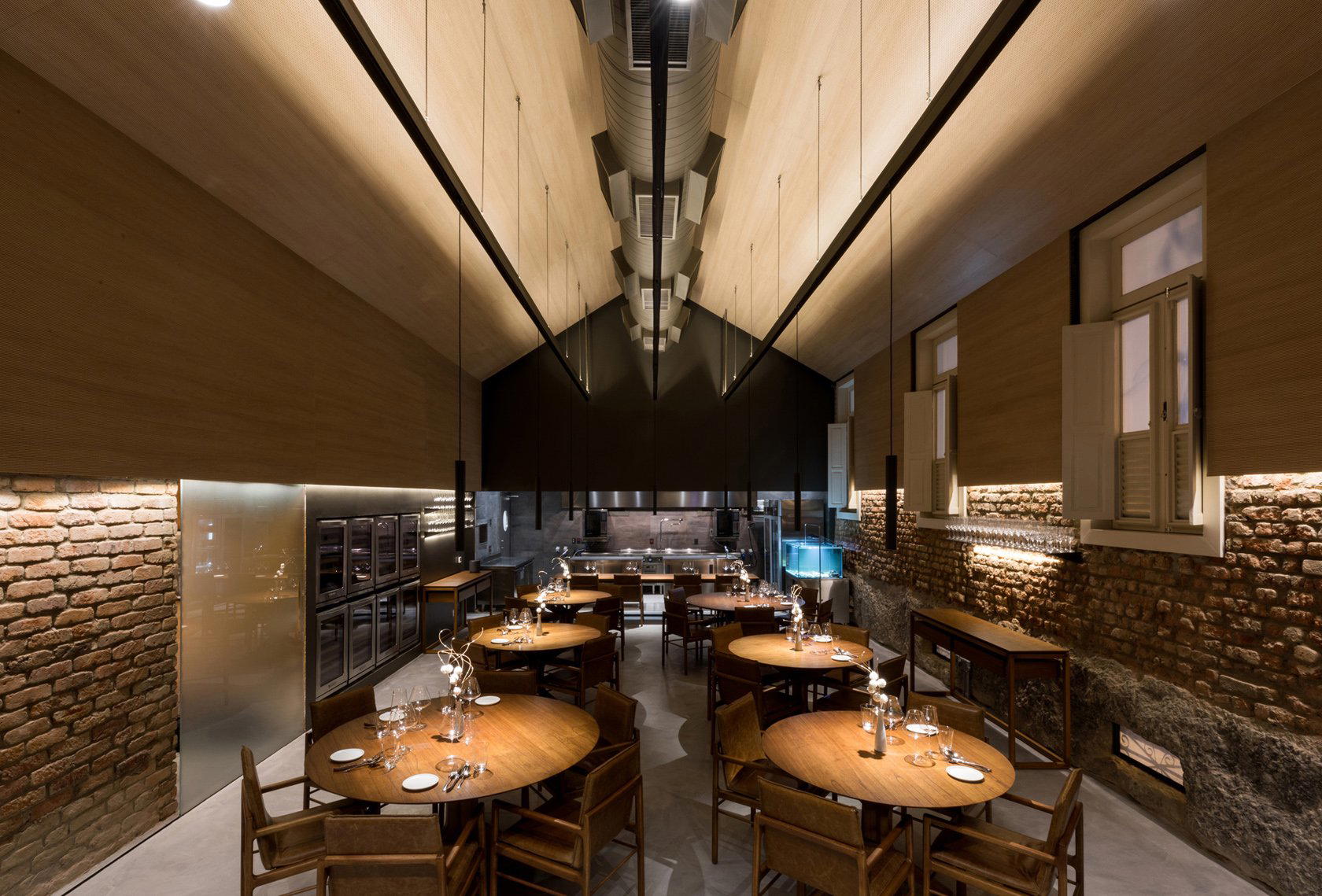
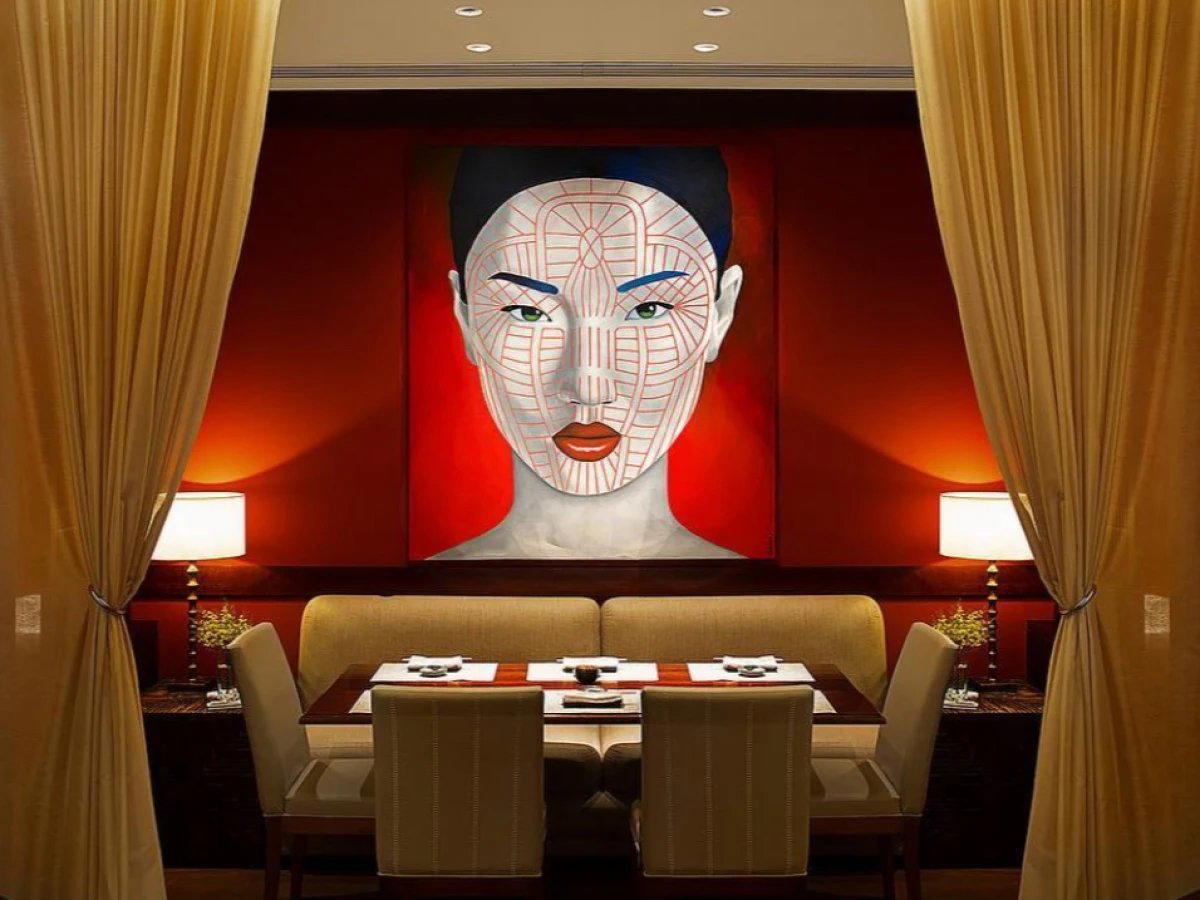
Behind a discreet Rio de Janeiro façade, the first signal is restraint. Rio fine dining can perform loudly; this room works lower: controlled lighting, a measured dinner rhythm, and a kitchen more interested in precision than spectacle. Oteque belongs to the city’s more serious dining tier, treating the meal as structure rather than display.
That matters in a city whose dining imagination often splits between beachside ease, old-school comfort, and international polish. Rio de Janeiro can hold all three without forcing one identity. For the wider spread, our full Rio de Janeiro restaurants guide maps the city beyond beachfront shorthand, while nearby categories in Rio hotels, Rio bars, Rio wineries, and Rio experiences show hospitality increasingly organized by neighbourhood and format, not postcard view alone.
Modern Rio dining, without the folklore filter
Contemporary dining in Rio de Janeiro is often misread from outside the city as a set of obvious signatures and scenic clichés. More interesting restaurants ask a quieter question: how does a local dining room behave under contemporary discipline? At Oteque, the answer is a focused sequence the diner follows rather than a comfort-driven list.
The useful contrast is not with a single ingredient or imported framework, but with the way serious restaurants turn place into form. Some dining cultures begin from a clearly codified staple or technique; Rio’s more ambitious rooms can work through a looser, more urban grammar. Oteque’s relevance is not borrowing another country’s logic, but showing how a Rio de Janeiro restaurant can build seriousness from its own context. The local setting is not a prop; it is the structure beneath the meal.
Oteque’s name gives the room authorial weight, but the broader point is the category it represents. Rio’s ambitious restaurants are no longer judged only against local celebration dining; they are read within a wider circuit where tasting-menu fluency, service, sourcing, and international guide attention shape the conversation. Opinionated About Dining included Oteque in its 2026 restaurant source, an external signal from a guide that tracks chef-driven dining closely.
Rio de Janeiro's serious-dinner lane
Rio de Janeiro suits this restaurant because it is not just a luxury postcard. The city has enough residential texture, office traffic, and after-dark movement to support destination-driven restaurants without sealing them off from everyday life. A structured dinner here reads less escapist, more urban, and closer to Rio’s working restaurant culture than it might inside a resort zone.
That context separates Oteque from softer luxury dining built on view, décor, or imported prestige cues. Its value proposition sits in format and recognition: a carefully paced dinner, a contemporary interpretation of its setting, and guide attention that places it in a broader conversation. Those signals do not make the meal self-explanatory, but they clarify the tier. This is dinner for travelers who care where Rio’s contemporary kitchen sits in relation to the wider dining conversation, not just where to celebrate.
Rio still rewards range. Other Rio de Janeiro dining rooms speak to comfort, local appetite, setting, breadth, and the varied restaurant grammar that exists beyond beachfront clichés. Oteque occupies the formal, internationally legible end of that spread, where structure and guide recognition frame the meal before the first course.
For travelers building a Brazil itinerary, the comparison also works nationally. The country’s dining map runs from casual regional formats to ambitious city restaurants and specialist rooms, showing how broad the table is before fine dining narrows the lens. Oteque is part of that narrowing, not a replacement for the wider appetite.
Who should put it on a Rio itinerary
Oteque’s strongest case is for diners who want Rio in a contemporary idiom: a structured format handled with the formality implied by its recognition. It is less persuasive for travelers seeking a relaxed family meal, a quick introduction to local classics, or a night of casual sharing. The format asks for attention, making it a planned anchor dinner, not an incidental booking.
That role affects sequencing. Put it after a day that does not require rushing across the city, and let other meals carry Rio’s looser side: casual bar culture, easy lunches, neighborhood dining, and simpler plates. For visitors continuing beyond Brazil, it also pairs intellectually with specialist dining outside the country, because those places likewise show how a narrow format can reveal a wider food culture.
The editorial read is clear: Oteque is not the place to understand every dimension of Rio dining. It is where a Rio kitchen translates local context into international dining language without reducing the city to scenery. In a city often sold through views, that discipline is its own argument.
Frequently asked questions
Is Oteque good for families?
Oteque is geared more toward focused adult dinners than casual family meals, with a structured format and a serious dining-room tone in Rio de Janeiro.
What's the vibe at Oteque?
The room aims for an elegant but restrained tone, with a focus on control rather than showy staging. In Rio de Janeiro, it reads as a polished dinner spot, with a structured pace that keeps the meal deliberate.
What cuisine category does Oteque fall under?
Oteque is best understood as a contemporary Rio de Janeiro restaurant with a refined, structured format.
Is Oteque more mid-range or high-end?
Oteque reads as a high-end, planned dinner rather than a casual or mid-range stop.
Cuisine Context
| Venue | Cuisine | Price | Awards | Notes |
|---|---|---|---|---|
| OtequeThis venue (the venue you are viewing) | Modern Seafood Fine Dining | $100–150 | 1 Michelin Star · World's 50 Best #38 | Not listed |
| Lasai | Modern Brazilian Fine Dining | Not listed | 2 Michelin Stars · World's 50 Best #28 | Not listed |
| Oro | Brazilian Vanguard Fine Dining | Not listed | 2 Michelin Stars · La Liste Top Restaurants | Not listed |
| Lilia | Modern Brazilian Creative | $20–30 | Michelin Plate | Not listed |
| Casa 201 | Modern French with Brazilian Ingredients | $150–200 | 1 Michelin Star | French |
| Cipriani | Michelin-Starred Modern Italian | Not listed | 1 Michelin Star | Italian |
Recognition history
Dated appearances from independent guides and award organizations, with the underlying list record or original source where available.
Michelin 1 Star
Michelin
World's 50 Best Latin America's Best Restaurants #38
World's 50 Best
La Liste Top Restaurants
La Liste
Opinionated About Dining Top Restaurants in South America Ranked #14
Opinionated About Dining
The Best Chef Two Knives
The Best Chef
Full recognition history (16 entries)
La Liste Top Restaurants
La Liste
Michelin 1 Star
Michelin
Opinionated About Dining Top Restaurants in South America Ranked #12
Opinionated About Dining
World's 50 Best Restaurants #81
World's 50 Best
Michelin 1 Star
Michelin
Opinionated About Dining Top Restaurants in South America Ranked #17
Opinionated About Dining
World's 50 Best Restaurants #37
World's 50 Best
Opinionated About Dining Top Restaurants in South America Ranked #22
Opinionated About Dining
World's 50 Best Restaurants #76
World's 50 Best
World's 50 Best Restaurants #47
World's 50 Best
World's Best Wine Lists Awards WBWL 3-Star
World's Best Wine Lists Awards
Continue exploring
More in Rio de Janeiro
Restaurants in Rio de Janeiro
All restaurants in Rio de Janeiro →
Bars in Rio de Janeiro
All bars in Rio de Janeiro →

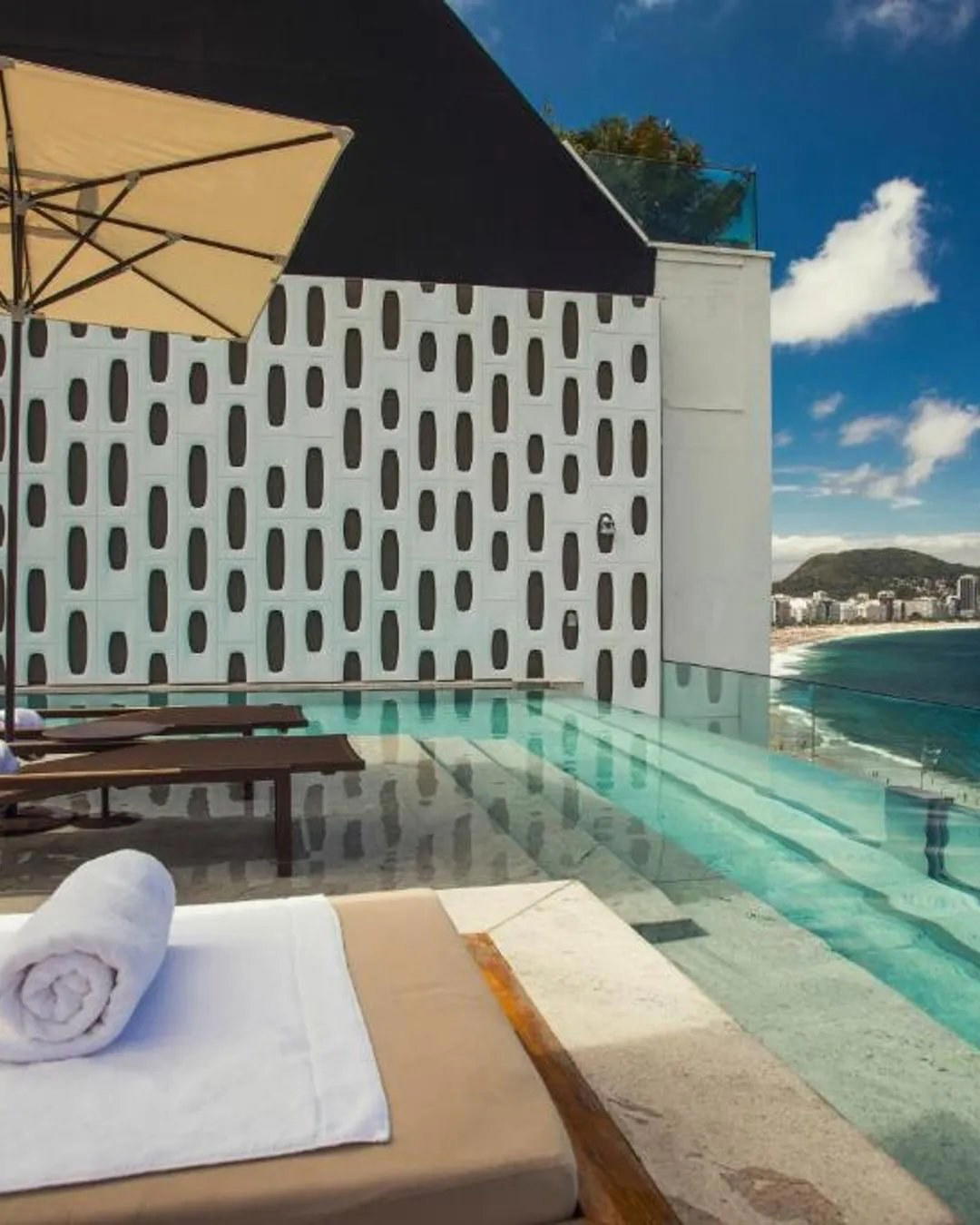
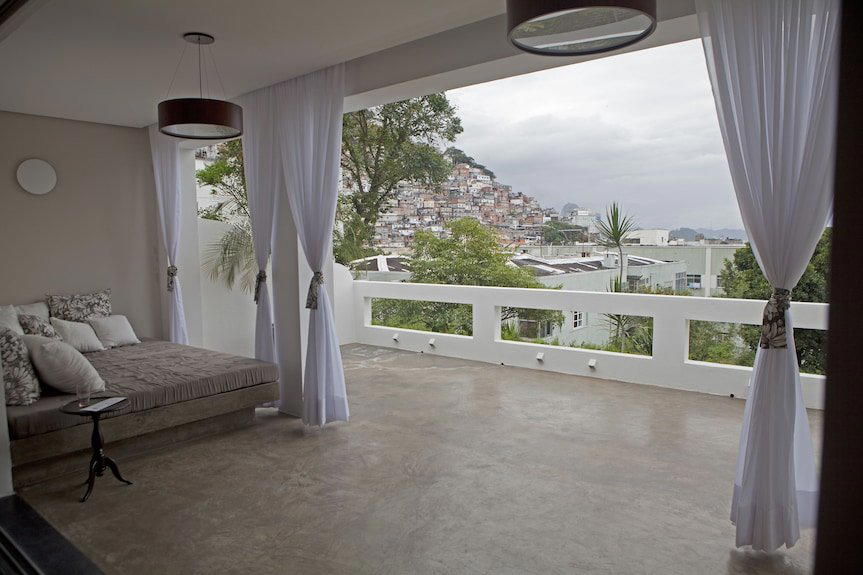
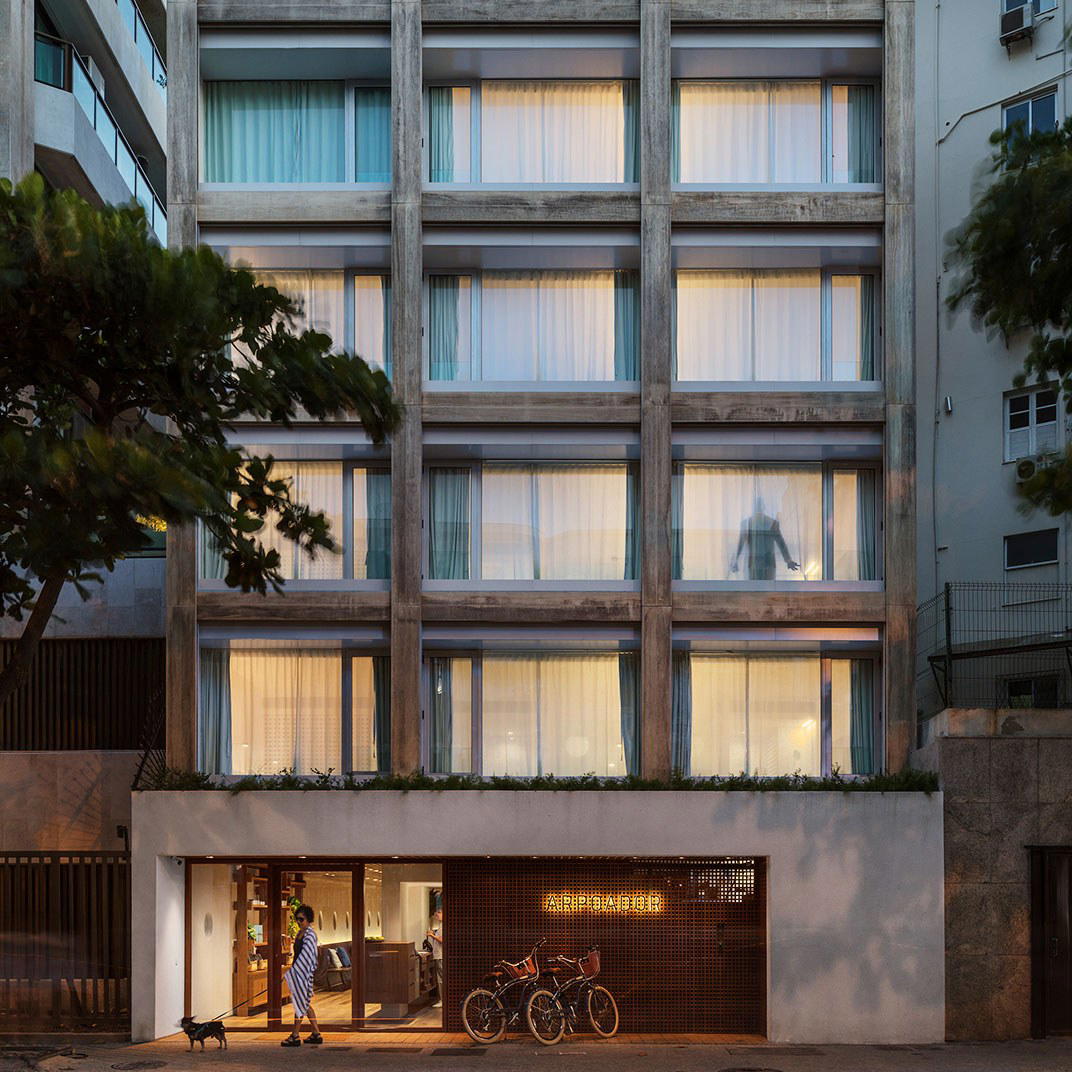
Oteque
The wine
- Wine program
- Deep wine list
- Extensive wine list
- Sake program
Details
- Modern
- Elegant
- Sophisticated
- Minimalist
- Trendy
- Date Night
- Special Occasion
- Celebration
- Open Kitchen
- Chefs Counter
- Extensive Wine List
- Sake Program
- Local Sourcing
- Tasting Menu
- Wine Pairing
- Vegetarian Friendly
Current opening hours
- Monday
- Closed
- Tuesday
- 7–11:30 PM
- Wednesday
- 7–11:30 PM
- Thursday
- 7–11:30 PM
- Friday
- 7–11:30 PM
- Saturday
- 7–11:30 PM
- Sunday
- Closed
Hours can change for holidays and private events. Hours as of .
Minimalist industrial interior with high ceilings, bare brick walls, open kitchen views, and a lively atmosphere featuring rock and roll music.