Ocyá



Michelin Plate · The Best Chef One Knife
Our verdict
Ocyá occupies a Leblon address that positions it squarely within Rio's most competitive dining corridor, where neighbourhood regulars set the pace and return visits reveal layers that first-timers miss. The restaurant draws a loyal crowd to R. Aristides Espínola, a street that quietly concentrates some of the city's most consistent contemporary tables. For those who know the area, Ocyá has earned its place in a rotation that includes the city's most discussed modern Brazilian rooms.

Pearl is the En Primeur Club membership app — saves, bookings, and concierge access live there. Same editors, same standards.
- Address
- R. Aristides Espinola, 88 - Leblon, Rio de Janeiro - RJ, 22440-050, Brazil
- Phone
- +5521972861250
- Hours
- Mon–Sat 12 PM–12 AMSun 12–8 PM
- Website
- ocya.com.br
- Directions
- Get directions
The menu
What to order
- Linguiça de peixe
- Polvo super macio
- Matured Fish Necklace
Leblon's Dining Gravity and Where Ocyá Sits
Leblon has long functioned as Rio de Janeiro's most self-contained dining neighbourhood: wealthy, walkable, and watched closely by the city's most active restaurant-goers. The strip running through and around R. In that context, a restaurant earns its regulars not through novelty but through consistency across many visits, and it is that consistency that defines how Ocyá is read by the people who eat there most often.
Rio's contemporary dining scene has fractured in productive ways over the past decade. At one pole, internationally recognised tasting-menu rooms like Lasai and Oteque pursue a formal, course-driven format with Michelin acknowledgment and international press attention. At another, neighbourhood addresses in Leblon and Ipanema have built quieter authority through repeat custom rather than award cycles. Ocyá operates in that second register, on a street that rewards those who arrive knowing what they want rather than those seeking spectacle.
The Regulars' Logic
The pattern that defines a genuine neighbourhood restaurant in Rio, as distinct from a destination room, is the proportion of familiar faces at any given service. In Leblon, that proportion is high. Residents with proximity to R. Aristides Espínola treat their shortlist of preferred addresses as an extension of domestic life, and a table at Ocyá functions within that logic: somewhere specific enough to feel considered, consistent enough to return to without deliberation.
What keeps regulars returning to any restaurant in this bracket is rarely one thing. In Rio's more competitive neighbourhood rooms, it tends to be a combination of format reliability, kitchen discipline across the full menu rather than just the headline dishes, and the kind of floor awareness that means a returning guest does not need to re-explain preferences. These are the qualities that separate a room with local loyalty from one that chases visiting tourists or seasonal press attention.
Oro operates a contemporary Italian-Brazilian format at the leading price tier, drawing a similar Leblon-adjacent crowd. Casa 201 runs a French-inflected room at the $$$$ bracket. Cipriani brings institutional Italian weight to the area. Ocyá's position within this field is as a neighbourhood address with its own loyal constituency rather than as a challenger to the tasting-menu tier.
Rio's Broader Restaurant Context
Understanding where Ocyá fits requires some sense of how Rio's restaurant culture is stratified. The city's most-discussed addresses in recent years have tended to cluster around two poles: the modernist Brazilian kitchens with documented chef pedigrees, and the long-standing institutional rooms that trade on history and setting. Lasai's farm-sourced tasting menus and Oteque's technically precise contemporary Brazilian cooking occupy the first category. Cipriani's Copacabana Palace address belongs to the second.
Between those poles, the Leblon neighbourhood table operates on different terms entirely. It does not compete directly with the tasting-menu rooms for critical attention, and it does not rely on the institutional weight of a hotel address. Its authority comes from the ground up: from the accumulation of returned visits, from word passed between people who live within a short walk, from the kind of local credibility that takes years to establish and does not transfer easily to newcomers.
Brazil's restaurant culture more broadly has become more geographically diverse in the past decade. D.O.M. in São Paulo set a template for how Brazilian ingredients could anchor internationally recognised fine dining, and that template has been interpreted and adapted across the country, from Bistro Fitz Carraldo in Manaus to Cantina Pozzobon in Santa Maria and Casa da Flor Restaurante in Dourados. Rio's neighbourhood rooms sit outside the fine-dining conversation but reflect a different kind of local food culture, one organised around the rhythms of residential life rather than international culinary ambition.
Planning a Visit
Ocyá is located at R. Aristides Espínola, 88, in Leblon, one of Rio's most walkable dining neighbourhoods. Leblon sits between Ipanema to the east and the Dois Irmãos hills to the west, and the immediate area around R. Aristides Espínola is dense with restaurant options at various price points, making it direct to build an evening around a meal here. For visitors staying in Ipanema or Leblon, the address is within walking distance of most hotels. Those arriving from further afield, including from Santa Teresa or the Centro historic district, should expect a 20-to-30-minute taxi or rideshare journey depending on traffic conditions, which in Rio can vary significantly between early evening and late-night services. Booking details, current hours, and pricing are best confirmed directly through current local sources, as these specifics are subject to change.
For visitors building a wider Rio itinerary, the full Rio de Janeiro restaurants guide maps the city's full range of options across neighbourhoods and price tiers. Those whose travels extend to the wider Brazilian interior will also find editorial coverage across the country, from Aero Burguer e Grill in Santa Cruz do Sul to Arte e Café Imperial in Angra dos Reis, Casa da Dika Restô in Bragança, Casa da Picanha Penedo in Itatiaia, Famosa Pizza in Ribeirão Preto, and Fornazzo Pizzaria in Passo Fundo.
Frequently asked questions
Where do I go for Ocyá?
Ocyá is located at R. Aristides Espinola, 88 - Leblon, Rio de Janeiro - RJ, 22440-050, Brazil, Rio De Janeiro.
Is Ocyá suitable for a first-time visitor to Rio de Janeiro's dining scene, or does it skew toward local regulars?
Ocyá sits in Leblon, Rio's most self-contained and walkable dining neighbourhood, which makes it geographically accessible to any visitor staying in the Zona Sul. The restaurant's draw, however, is rooted in a repeat-visitor dynamic rather than destination positioning, meaning the room tends to reflect the local clientele that defines Leblon's restaurant culture. First-time visitors to Rio who want a read on how the city actually eats, rather than how it performs for tourists, will find that context genuinely useful.
What's the signature dish at Ocyá?
What the restaurant is known for, within Leblon's dining circuit, is a kitchen approach that draws regulars back repeatedly rather than chasing seasonal press cycles. For the most current menu picture, visiting the address at R. Aristides Espínola, 88 directly or checking with the restaurant is the reliable route.
What's the best way to book Ocyá?
Ocyá does not publish a reservation phone number or booking website in current listings. For a Leblon restaurant of this neighbourhood standing, showing up in person during off-peak hours or asking your hotel concierge to reach out directly tends to be the most effective approach. Leblon's dining strip is compact and walkable, so scouting the address at R. Aristides Espínola, 88 in advance is straightforward.
Cuisine Context
Comparable venues nearby, for context on price, style, and recognition.
| Venue | Cuisine | Price | Awards | Notes |
|---|---|---|---|---|
| OcyáThis venue — the venue you are viewing | Modern Brazilian Seafood | $50–100 | Michelin Plate · The Best Chef One Knife | Not listed |
| Shiso | Modern Japanese Fusion | $30–50 | Not listed | Barra da Tijuca |
| COLTIVI ☕️Café & 🍕Pizzaria | Italian Pizza Café | $20–30 | 50 Top Pizza Latin America #23 | Humaitá |
| Emiliano Rio | Contemporary Brazilian | $150–200 | Not listed | Copacabana |
| Café do Alto | Northeastern Brazilian Cafe | $10–20 | Not listed | Lapa |
| Naga | Modern Japanese Sushi | $30–50 | Not listed | Barra da Tijuca |
Recognition history
Dated appearances from independent guides and award organizations, with the underlying list record or original source where available.
Michelin Plate
Michelin
Opinionated About Dining Top Restaurants in South America Ranked #55
Opinionated About Dining
The Best Chef One Knife
The Best Chef
Full recognition history (5 entries)
Michelin Plate
Michelin
Michelin Plate
Michelin
Continue exploring
More in Rio de Janeiro
Restaurants in Rio de Janeiro
Browse all →
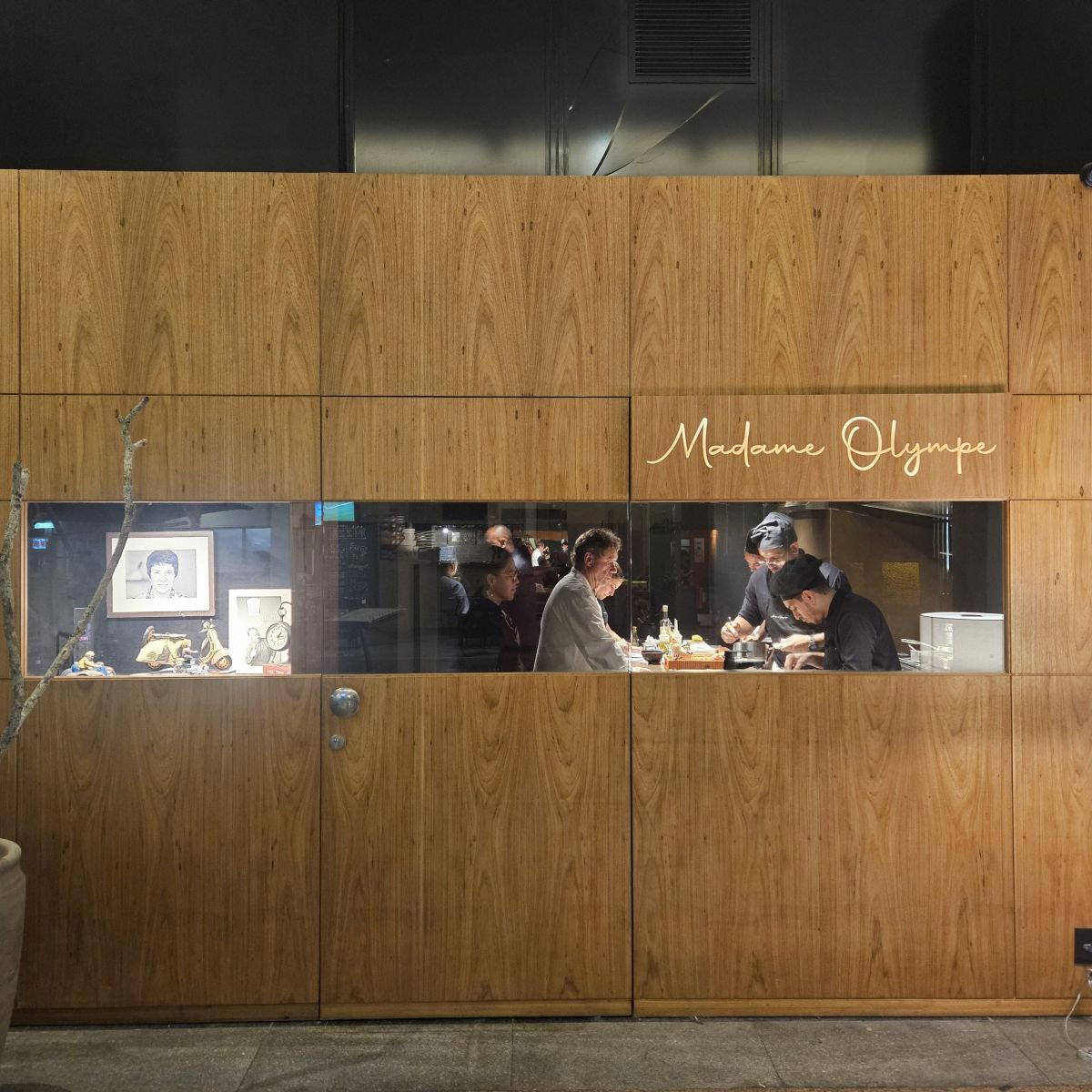
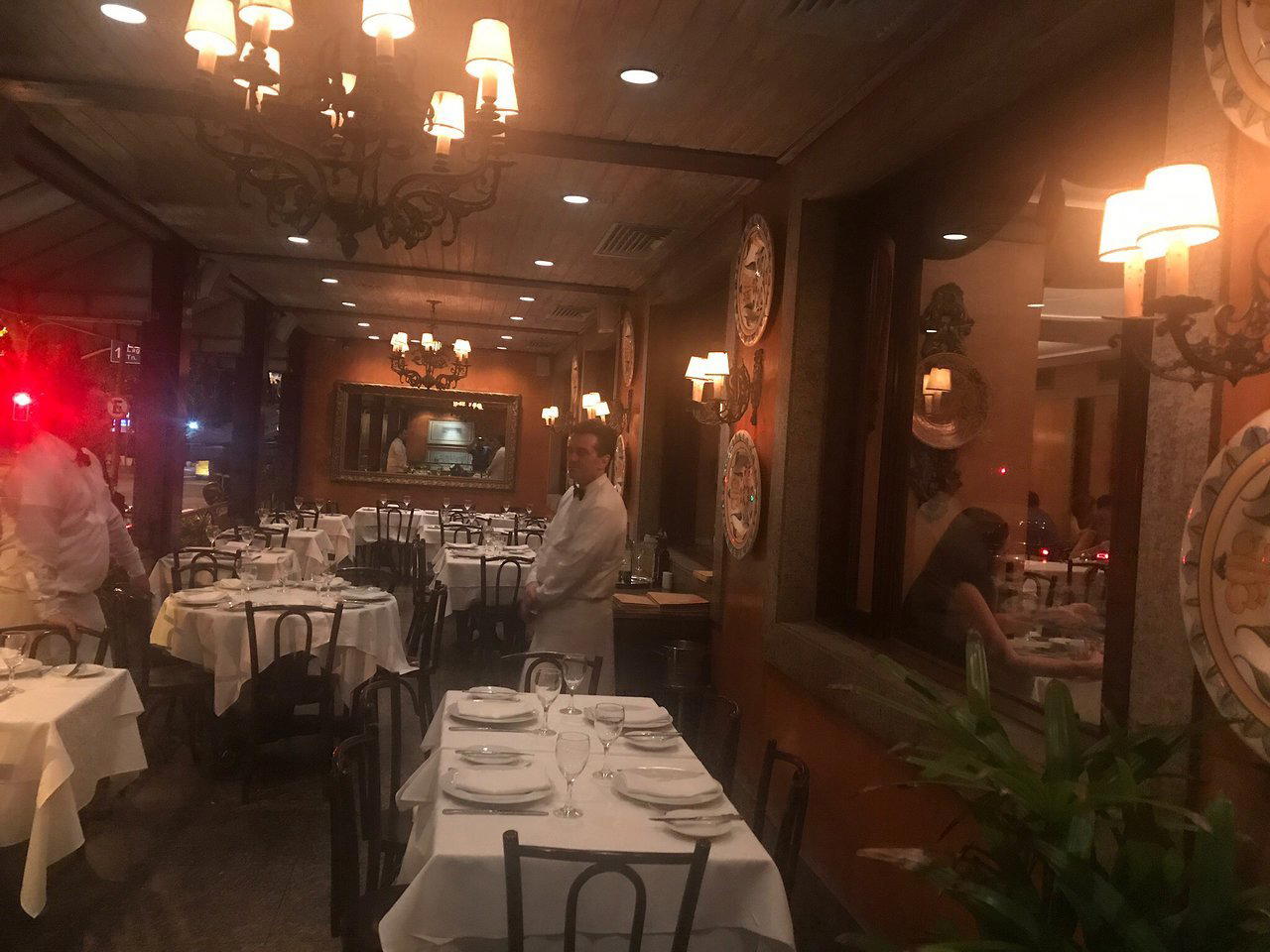
Bars in Rio de Janeiro
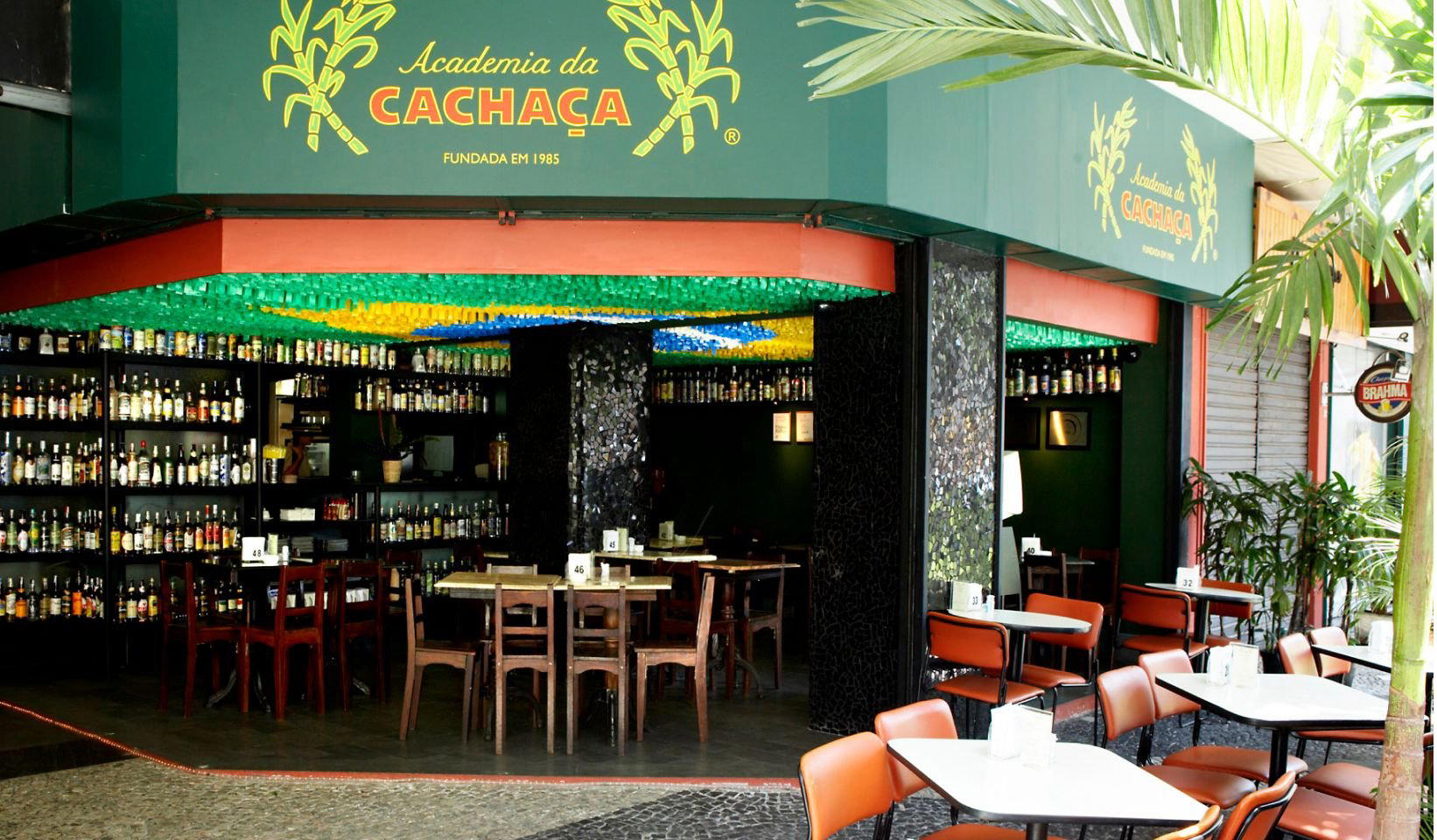
Browse all →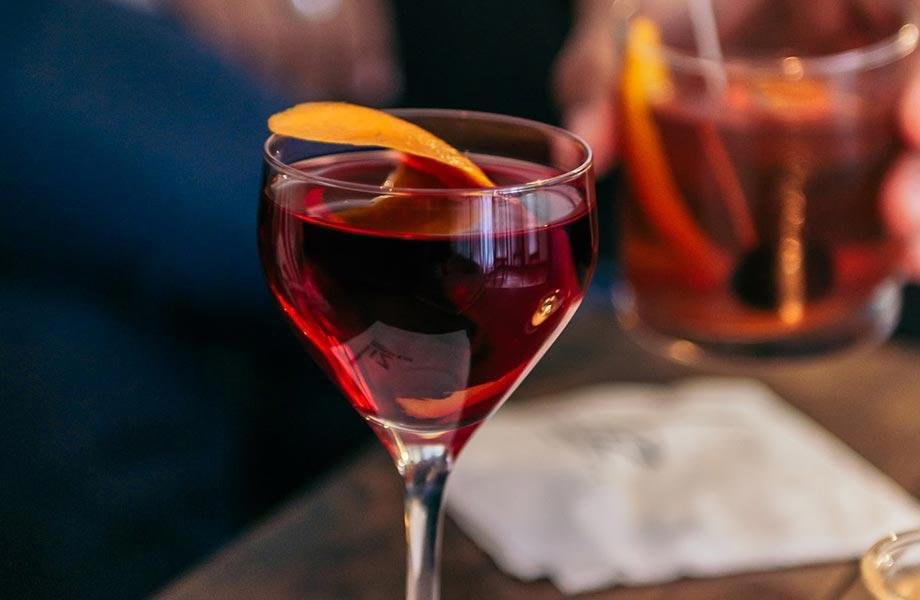


Ocyá
The wine
- Wine program
- Curated wine list
- Extensive wine list
Details
- Elegant
- Relaxed
- Scenic
- Modern
- Date Night
- Special Occasion
- Waterfront
- Open Kitchen
- Terrace
- Extensive Wine List
- Local Sourcing
- Sustainable Seafood
- Waterfront
- A La Carte
- Small Plates
Current opening hours
- Monday
- 12 PM–12 AM
- Tuesday
- 12 PM–12 AM
- Wednesday
- 12 PM–12 AM
- Thursday
- 12 PM–12 AM
- Friday
- 12 PM–12 AM
- Saturday
- 12 PM–12 AM
- Sunday
- 12–8 PM
Hours can change for holidays and private events. Last verified .
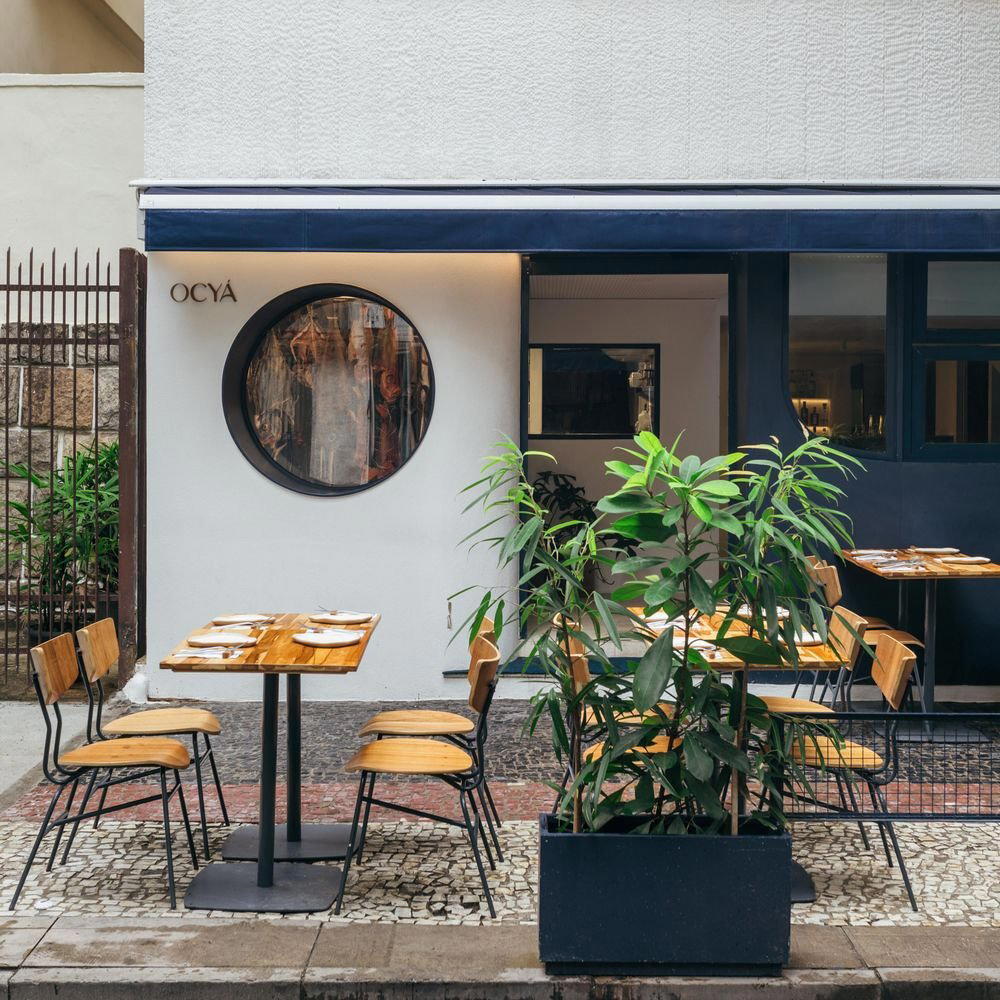
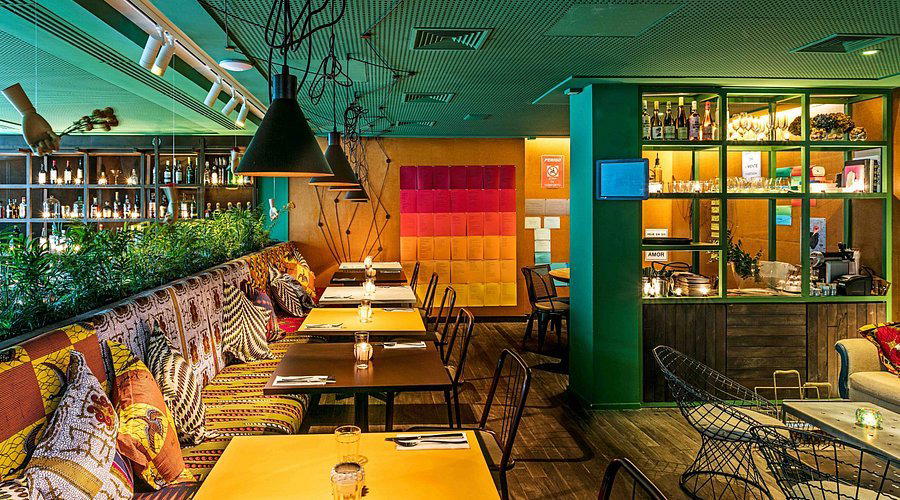
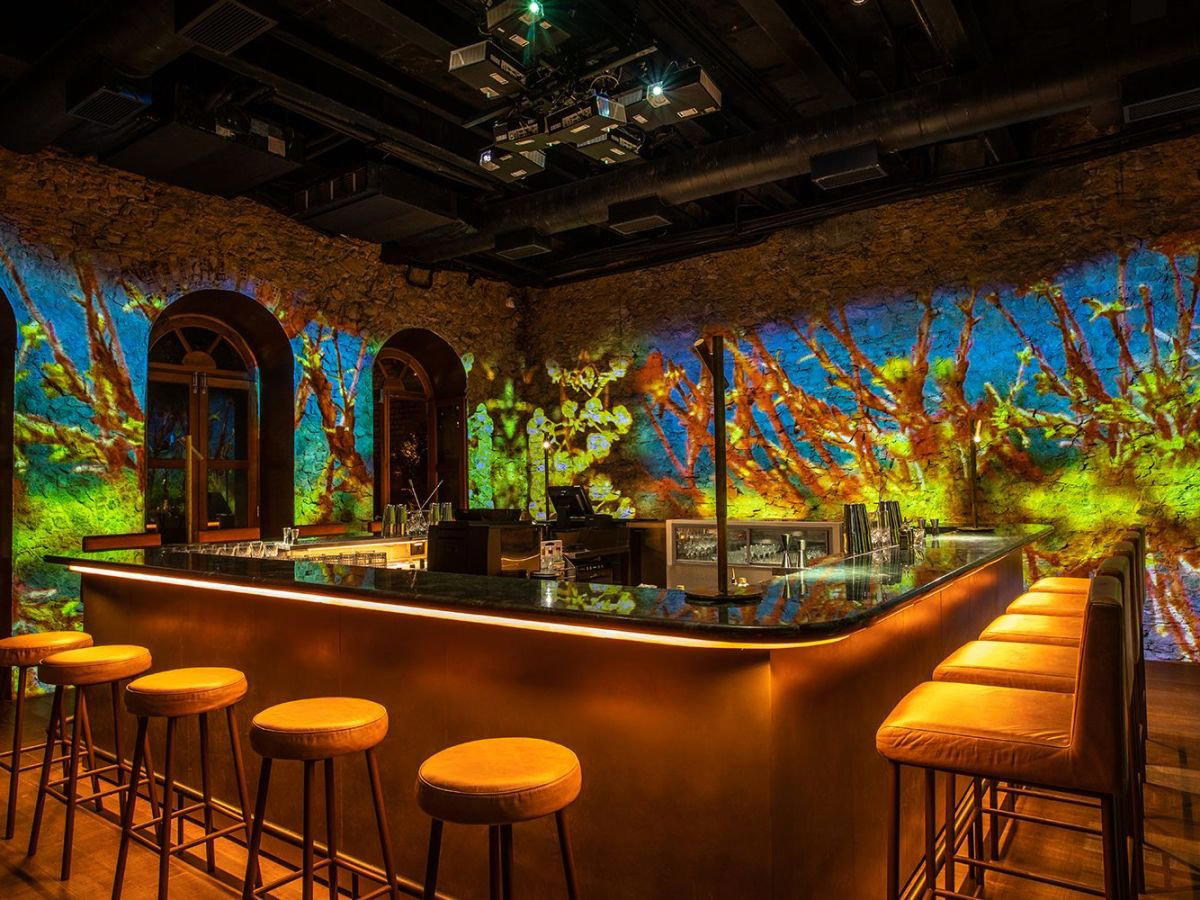
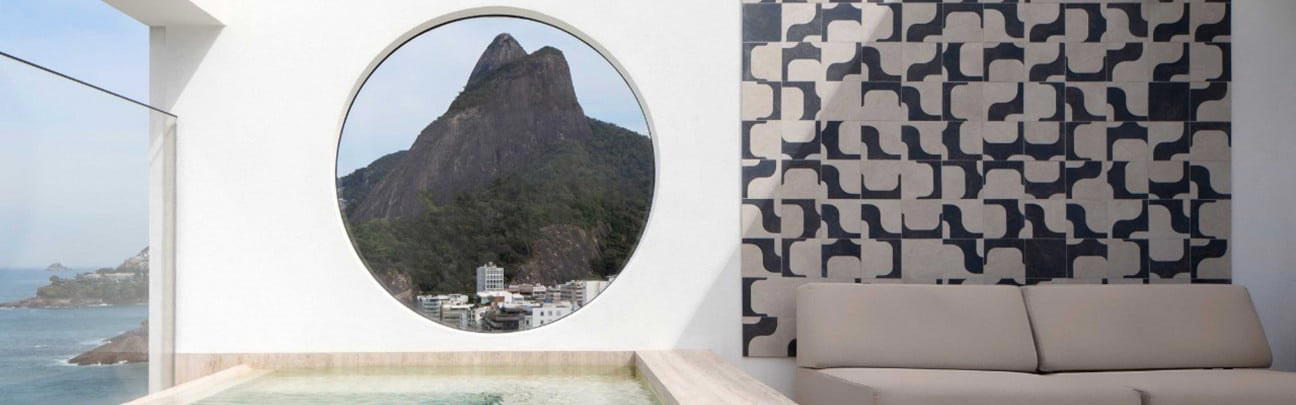
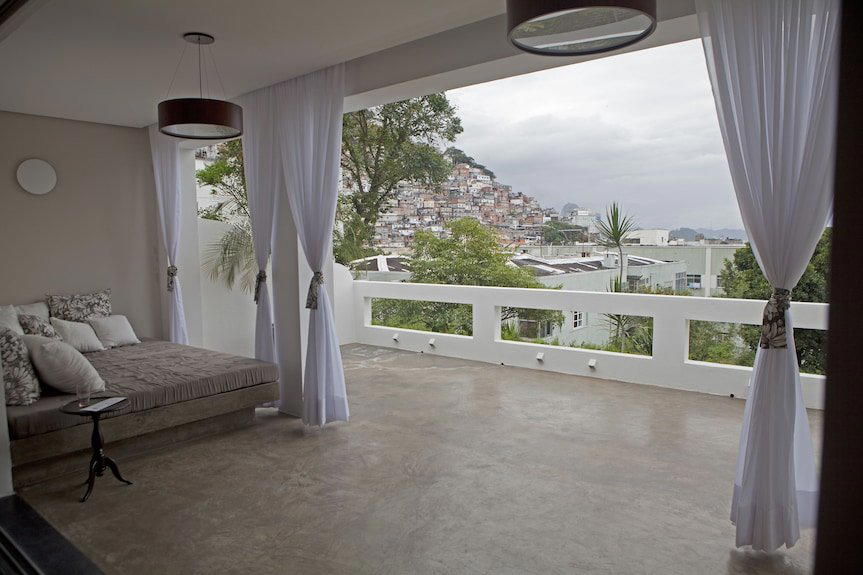
Relaxed atmosphere with natural light, modern decor, glass-fronted fish maturing cabinet, and dramatic waterfront sunsets.