Our verdict
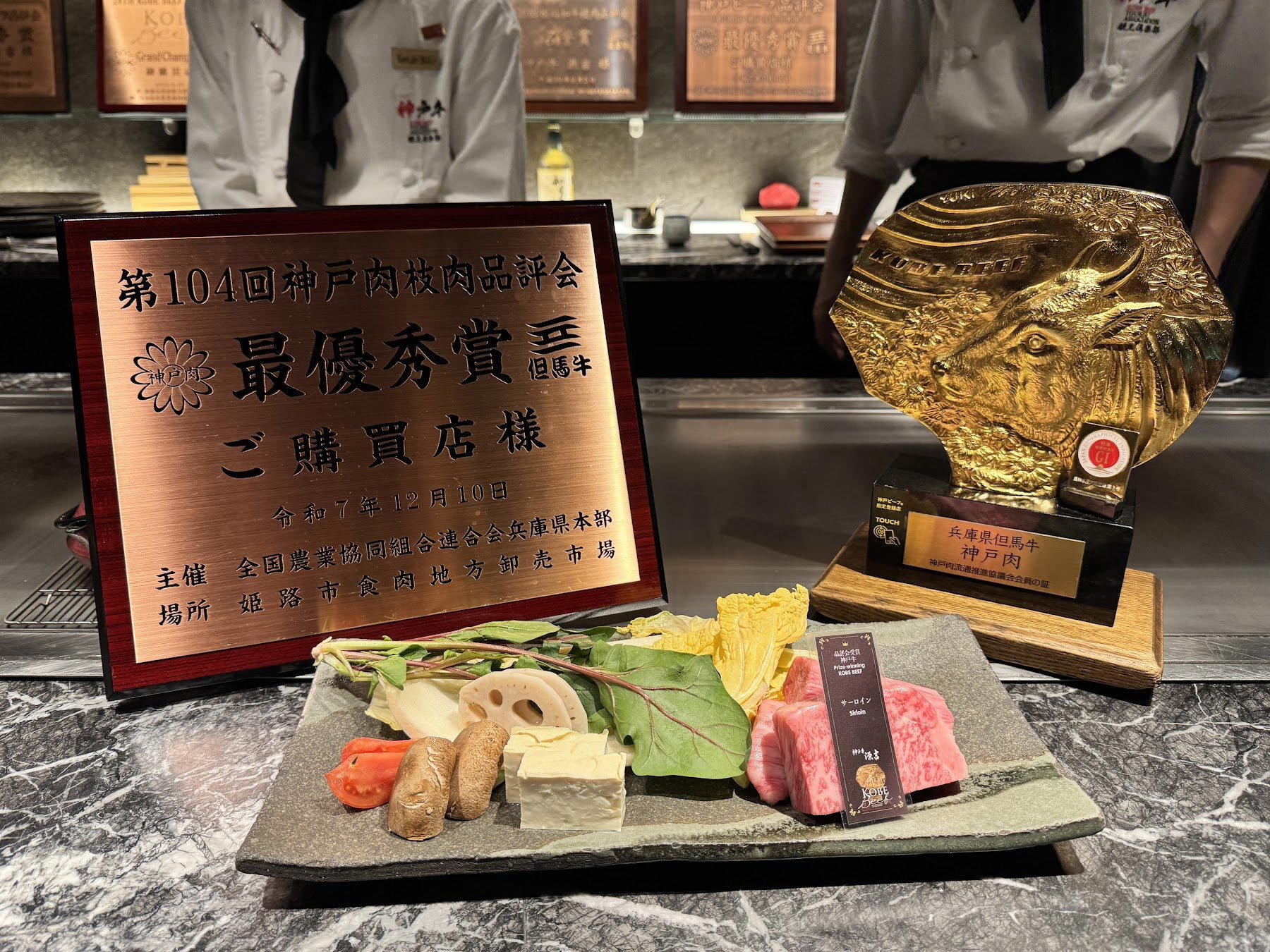
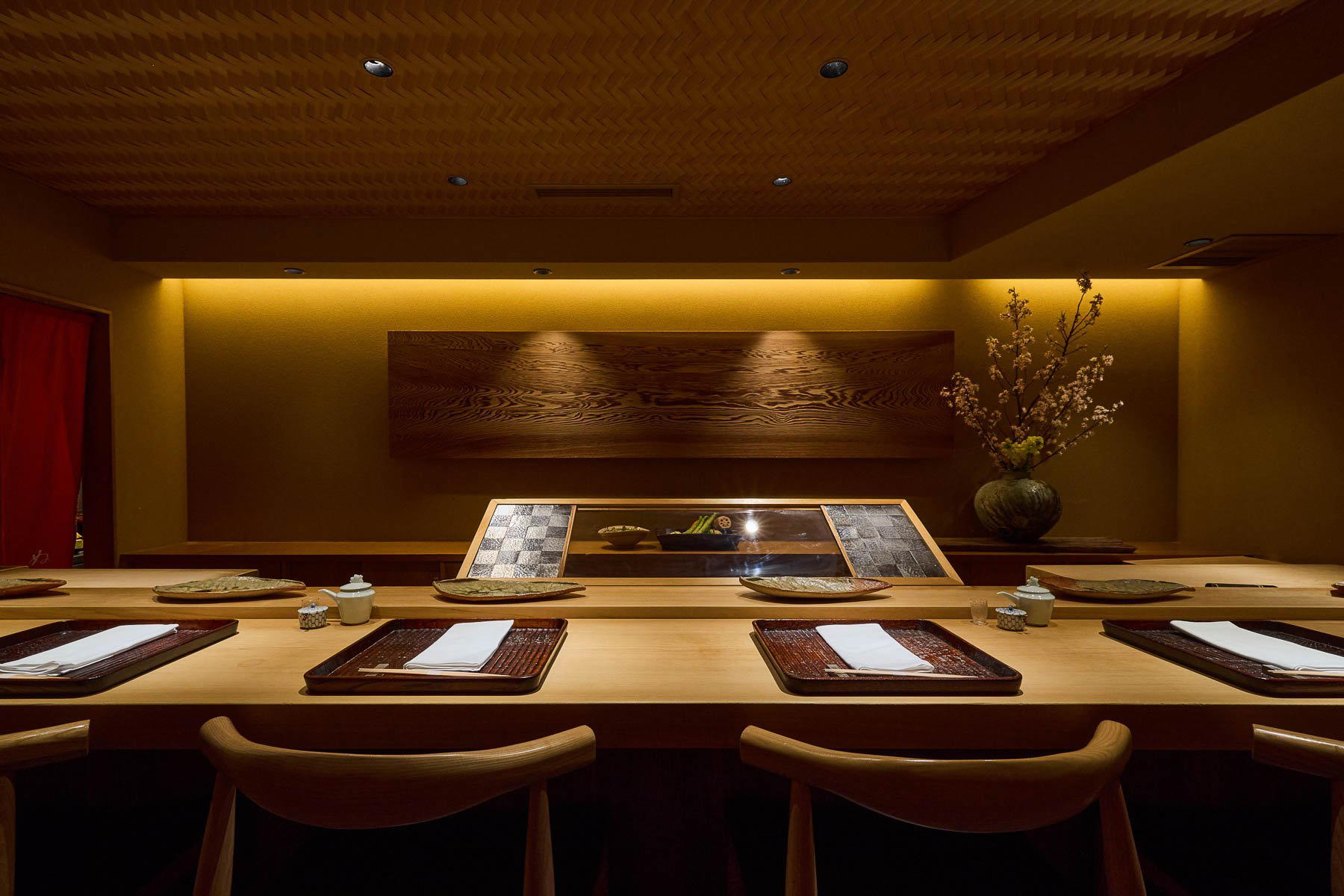
Kobe Beef GENKICHI serves Kobe Beef Teppanyaki with a chefs counter, open kitchen, formal service, and a quiet, leisurely pace for dinner, plus a sake program and Kobe sirloin steak.

Pearl is the En Primeur Club membership app — saves, bookings, and concierge access live there. Same editors, same standards.
- Address
- Japan, 〒650-0004 Hyogo, Kobe, Chuo Ward, Nakayamatedori, 1 Chome−4−23 レインボービル 1階
- Phone
- +81783339110
- Hours
- Daily 11 AM–10 PM
- Website
- koubegyuu.com
- Directions
- Get directions
Arriving in Kobe's Beef Quarter
Nakayamatedori, the tree-lined stretch connecting Sannomiya to Kitano, carries a particular density of specialty beef restaurants. This is Kobe's high ground for wagyu, where the city's defining export becomes a structured dining event rather than a casual addition to a menu. Kobe Beef GENKICHI occupies the first floor of Reinbode Building at 1-4-23 Nakayamatedori in Chuo Ward, positioned in the part of the neighbourhood where the kaiseki corridor meets the beef specialist strip. The address places it within walking distance of several of Kobe's better-known Western and Japanese dining rooms, including the long-established grill at Aragawa and the more contemporary Ash Restaurant.
The Context for Kobe Beef Dining in Japan
To understand what a dedicated Kobe beef restaurant is selling, it helps to understand what Kobe beef actually is. Tajima-strain Kuroge Washu cattle certified under the Kobe Beef Marketing and Distribution Promotion Association's strict grading criteria represent one of the tightest protected designations in Japanese food. The cattle must be raised in Hyogo Prefecture, must grade at BMS 6 or above on the beef marbling standard, and must meet minimum yield, weight, and meat quality thresholds. The result is a product that exists in a genuinely narrow supply band. Certified Kobe beef restaurants in the city itself operate with a different cost structure and sourcing relationship than restaurants in Tokyo or Osaka that add Kobe beef to an otherwise broad menu.
That scarcity context matters when planning a visit. Restaurants that build their entire identity around a single certified product tend to price accordingly, and they tend to attract visitors who have made the choice to eat Kobe beef specifically, in the city where it is produced, rather than encountering it as one option among many. Compare this with the kaiseki trajectory of Gion Sasaki in Kyoto or the precision-led tasting format at HAJIME in Osaka: the single-product specialist operates on a fundamentally different logic, where sourcing and preparation method become the editorial content of the meal.
What to Expect from the Format
Beef specialists in Kobe typically offer multiple preparation formats, often dividing the menu between teppanyaki (the flat iron griddle), shabu-shabu (thin-sliced beef briefly cooked in hot broth), and sukiyaki (simmered in sweet soy). Each method surfaces different qualities in the marbled meat. Teppanyaki allows direct heat control and produces a seared crust while keeping interior fat intact; shabu-shabu strips the beef down to its clearest flavour by letting the diner cook each slice briefly; sukiyaki builds a richer, sweeter profile by concentrating the broth over multiple pieces. Dedicated Kobe beef restaurants in Chuo Ward tend to position these methods at different price points, with teppanyaki generally occupying the higher bracket given the theatre and technique involved.
Visitors comparing Kobe's beef specialist scene with peer formats elsewhere in Japan should note that the Kansai region maintains a different relationship to beef than Tokyo. Kobe, Kyoto, and Osaka developed beef culture earlier and outside the influence of Tokyo's yakitori and sushi corridors. The Fushin approach to local ingredients and the broader Kobe dining conversation, which includes Spanish-influenced rooms like Ca Sento and international formats at fuxing, reflects a port-city openness to non-Japanese culinary registers that other Japanese cities have not absorbed in quite the same way.
Planning a Table: The Booking Dimension
The editorial angle that matters most when visiting a Kobe beef specialist in peak season is timing. Kobe draws significant domestic tourism from Osaka and Kyoto, both within forty minutes by rail, and the city's beef restaurant tier fills faster than its kaiseki counterparts because the category has built international recognition among food-oriented visitors. Booking well ahead, particularly for weekend evenings and for October through April when the weather draws visitors to Kitano and the waterfront, is the operationally sound approach.
This is not unusual for smaller specialist rooms in this part of Chuo Ward. The absence of an English-language online presence is itself informative: restaurants at this tier that have not invested in multilingual booking infrastructure often rely on referral and concierge relationships rather than direct international traffic. Budget for that friction as part of the planning process. Travellers who have successfully navigated reservation logistics for rooms like Harutaka in Tokyo or akordu in Nara will recognise the pattern.
Walk-ins are possible at some beef specialist rooms during lunch service on weekdays, but this cannot be relied upon for a meal that has driven travel decisions. The Reinbode Building address in lower Nakayamatedori suggests a ground-floor room, which in Kobe typically means a compact space rather than a sprawling multi-floor operation.
Where GENKICHI Sits in the Kobe Specialist Map
Kobe's beef restaurant tier is internally competitive. The city has enough dedicated Kobe beef specialists that each room is implicitly positioned against the others on preparation method, price bracket, format (counter versus table versus private room), and the degree to which it courts international visitors versus domestic clientele. Rooms that appear in translated guides or on international booking platforms occupy one part of that spectrum; rooms like GENKICHI, operating without a confirmed English-language web presence, occupy the part that rewards local knowledge or concierge access. This does not imply superior quality, but it does mean the experience is likely to feel less curated for tourists and more grounded in the restaurant's regular clientele. Across Japan's specialist dining scene, from Goh in Fukuoka to the beef-forward traditions in rooms like Birdland in Sakai, that distinction between tourist-facing and locals-first operations is a genuine differentiator in experience, not just atmosphere.
For the full range of dining options across the city, the EP Club Kobe restaurants guide maps the scene from beef specialists through to kaiseki, sushi, and international formats. Regional context from specialist rooms in Nanao, Sapporo, Takashima, and Nishikawa Machi helps calibrate how Kobe's beef culture compares with Japan's wider regional specialist dining patterns. International comparison points from Le Bernardin in New York or Atomix in New York City illustrate how different cities treat the single-product or single-cuisine specialist format at the premium end.
Practical Notes for the Visit
The address at 1-4-23 Nakayamatedori, Chuo Ward, Kobe, puts GENKICHI within a ten-minute walk of Sannomiya Station, which is served by the JR, Hankyu, and Hanshin lines, as well as the Kobe Municipal Subway.
Frequently asked questions
What's the address for Kobe Beef GENKICHI?
Kobe Beef GENKICHI is located at Japan, 〒650-0004 Hyogo, Kobe, Chuo Ward, Nakayamatedori, 1 Chome−4−23 レインボービル 1階, Kobe.
Is Kobe Beef GENKICHI suitable for visitors who have never eaten certified Kobe beef before?
Nakayamatedori specialists like GENKICHI sit in the part of Kobe where the dining is built entirely around certified Tajima-strain Kuroge Washu, so first-time Kobe beef diners are the core audience rather than the exception. Teppanyaki format, common at restaurants in this corridor, is generally the most accessible entry point because portions are grilled to order in front of the table and staff can explain marbling grades and cooking stages as the meal progresses. Visitors unfamiliar with Kobe beef grading should note that the certification standard covers specific criteria including beef marbling score, yield grade, and origin within Hyogo Prefecture.
What should I order at Kobe Beef GENKICHI?
Kobe beef specialists on Nakayamatedori typically structure their menus around preparation format rather than cuts alone, giving diners a choice between teppanyaki, shabu-shabu, and sukiyaki. The teppanyaki counter is usually the entry point for first-time visitors, as it puts the cooking process in plain view and lets the marbling of certified Tajima-strain Kuroge Washu do the talking. Specific current dishes and set course compositions for GENKICHI are best confirmed directly at the venue or through your hotel concierge before arrival.
How hard is it to get a table at Kobe Beef GENKICHI?
GENKICHI sits at 1-4-23 Nakayamatedori, within a corridor that draws significant domestic tourism from Osaka and Kyoto on weekends and public holidays, which tightens availability across the whole strip. No online booking platform or published reservation contact currently appears in widely accessible records, so securing a table requires going through a hotel concierge or arriving in person to check walk-in capacity. Planning at least a few days ahead is advisable during peak domestic travel periods.
What has Kobe Beef GENKICHI built its reputation on?
GENKICHI's position on Nakayamatedori places it inside the concentrated corridor that carries the majority of Kobe's certified beef dining, where each venue is implicitly measured against its neighbours. In that context, longevity on the strip and consistent service of certified Tajima-strain Kobe beef are the baseline credentials that separate the established rooms from more transient operators. The address in Chuo Ward, roughly ten minutes on foot from Sannomiya Station, keeps it accessible to visitors arriving by JR, Hankyu, or Hanshin lines.
What if I have allergies at Kobe Beef GENKICHI?
No direct phone number or website for GENKICHI appears in current accessible records, which means advance allergy communication is most reliably handled through a hotel concierge who can contact the venue on your behalf. Beef-specialist restaurants in Kobe often use shared broths, sauces, and accompaniments that can carry common allergens including soy, wheat, and sesame, so pre-visit disclosure is particularly important. Arriving early and speaking directly with staff before being seated is a reasonable fallback for visitors who cannot arrange prior contact.
Side-by-Side Snapshot
Comparable venues nearby, for context on price, style, and recognition.
| Venue | Cuisine | Price | Awards | Notes |
|---|---|---|---|---|
| Kobe Beef GENKICHIThis venue — the venue you are viewing | Kobe Beef Teppanyaki | Not listed | Not listed | Not listed |
| Kobe Plaisir Honten | Kobe beef teppanyaki & Hyogo vegetables | $50–100 | Tabelog 100 #66 | Chūō |
| Aragawa | Kobe Beef Steakhouse | $300–500 | Not listed | Chuo-ku |
| Kobe Beef Yakiniku Yazawa Nankinmachi Branch | Kobe Beef Yakiniku | $50–100 | Not listed | Chūō |
| Kobe Kikusui Teppanyaki Restaurant | Teppanyaki Kobe Beef Steakhouse | $100–150 | Not listed | Chūō |
| Setsugekka | Kobe Beef Teppanyaki | $100–150 | Not listed | Chūō |
Continue exploring
More in Kobe
Restaurants in Kobe
Browse all →
Bars in Kobe
Browse all →
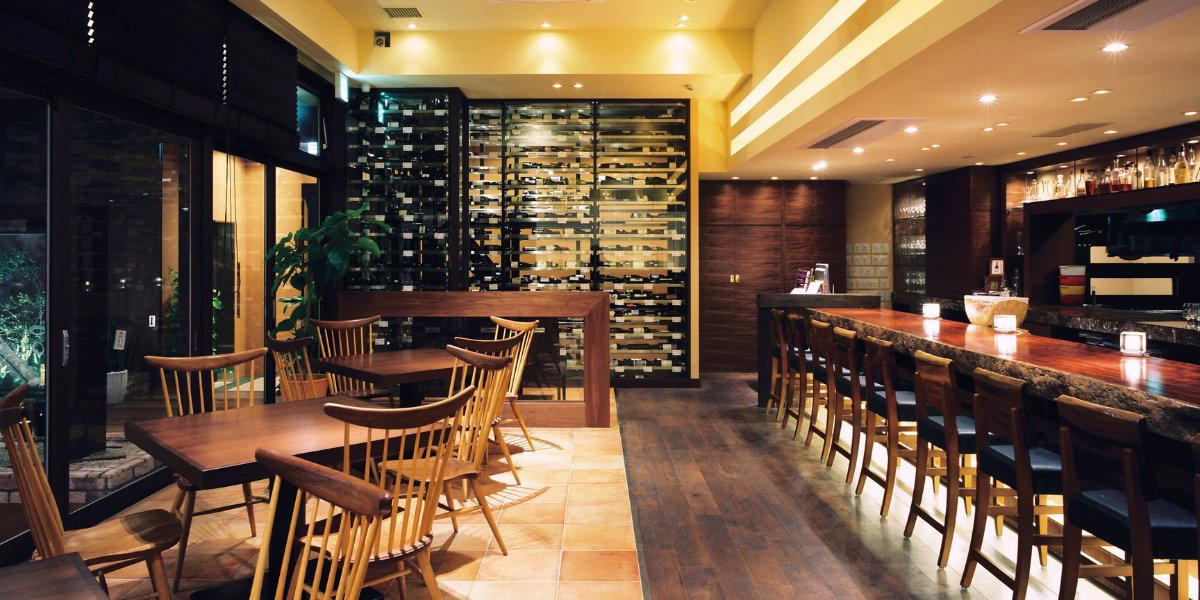
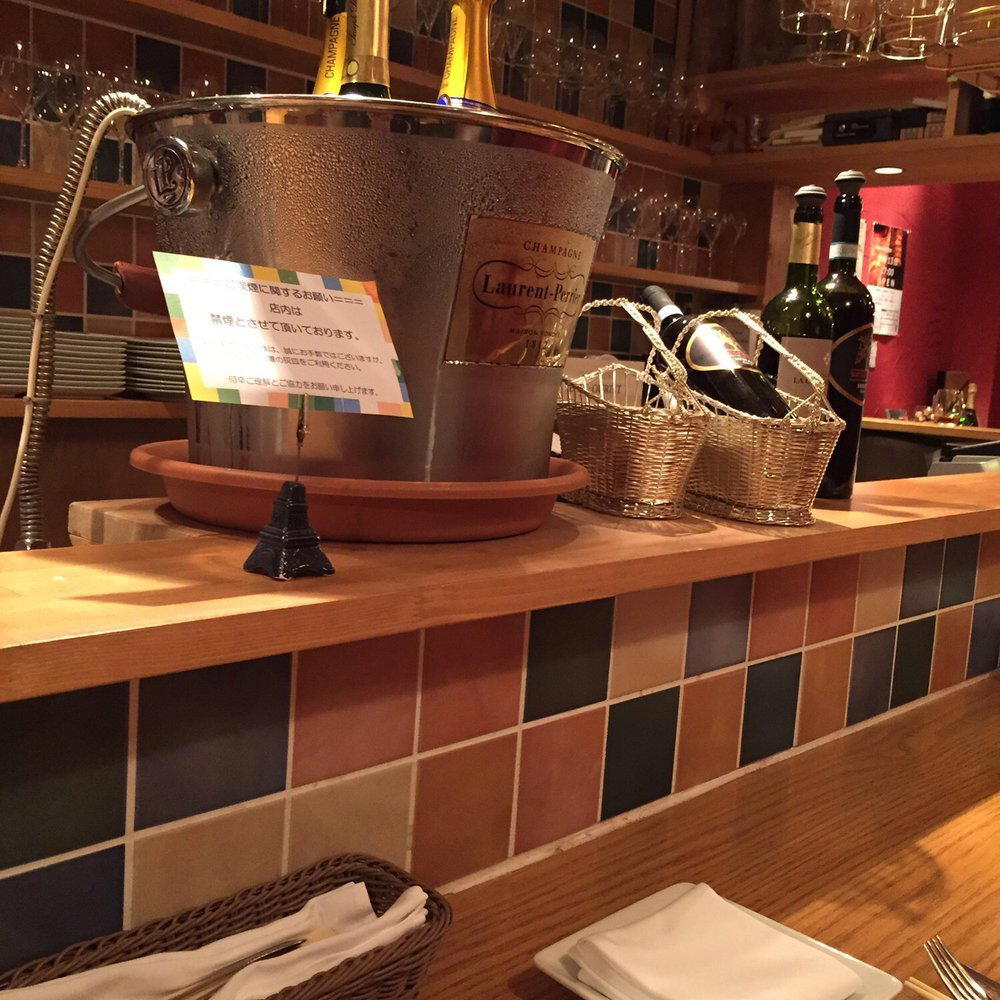
Hotels in Kobe
Browse all →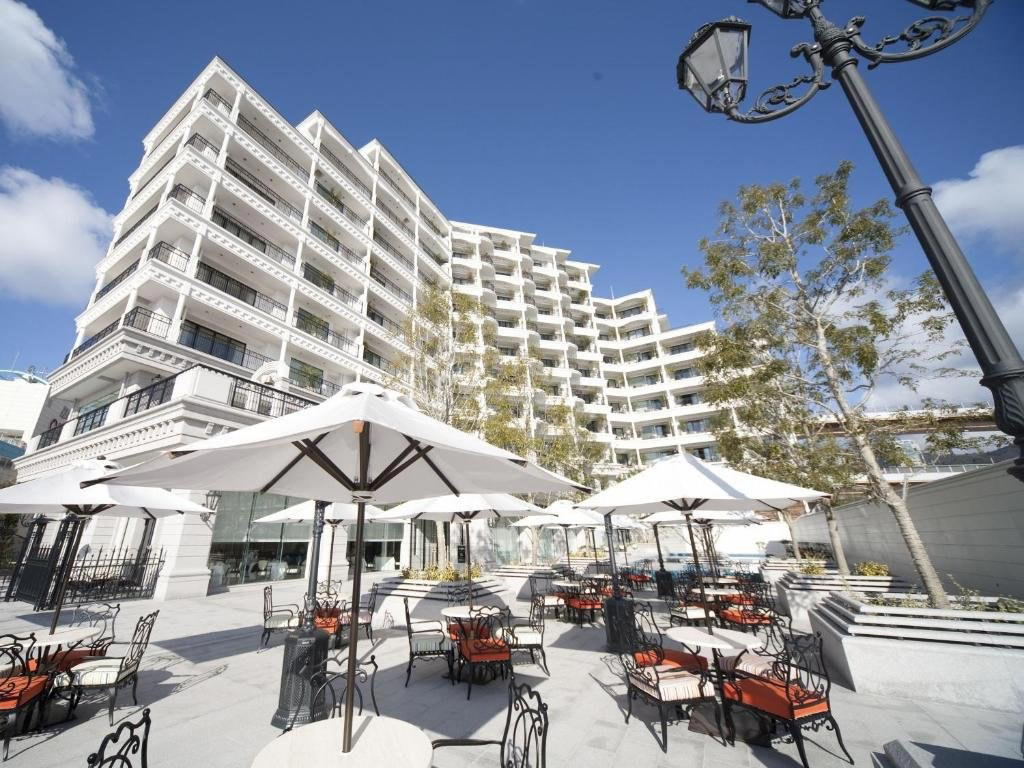
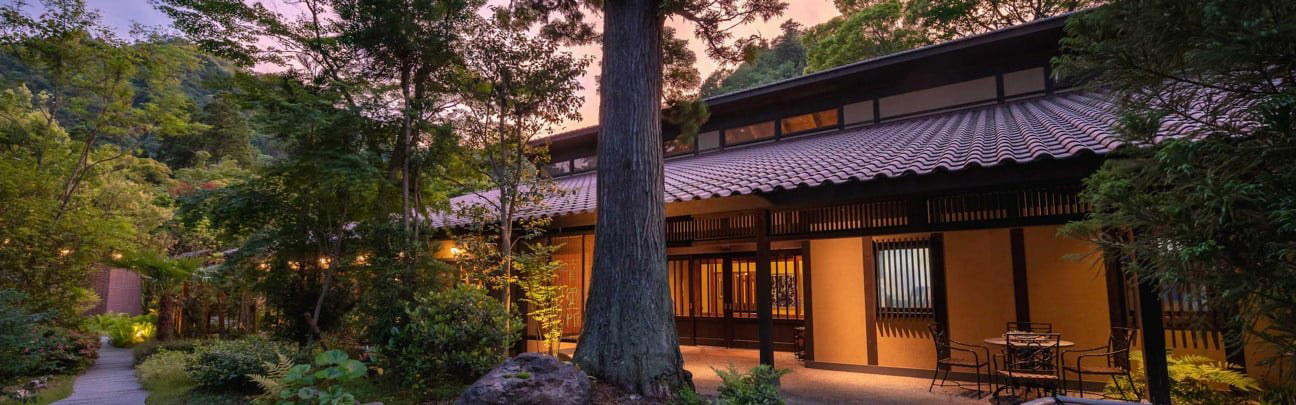


Details
- Intimate
- Elegant
- Sophisticated
- Cozy
- Special Occasion
- Date Night
- Chefs Counter
- Open Kitchen
- Sake Program
- Counter Dining
- Gluten Free Options
Current opening hours
- Monday
- 11 AM–10 PM
- Tuesday
- 11 AM–10 PM
- Wednesday
- 11 AM–10 PM
- Thursday
- 11 AM–10 PM
- Friday
- 11 AM–10 PM
- Saturday
- 11 AM–10 PM
- Sunday
- 11 AM–10 PM
Hours can change for holidays and private events. Last verified .
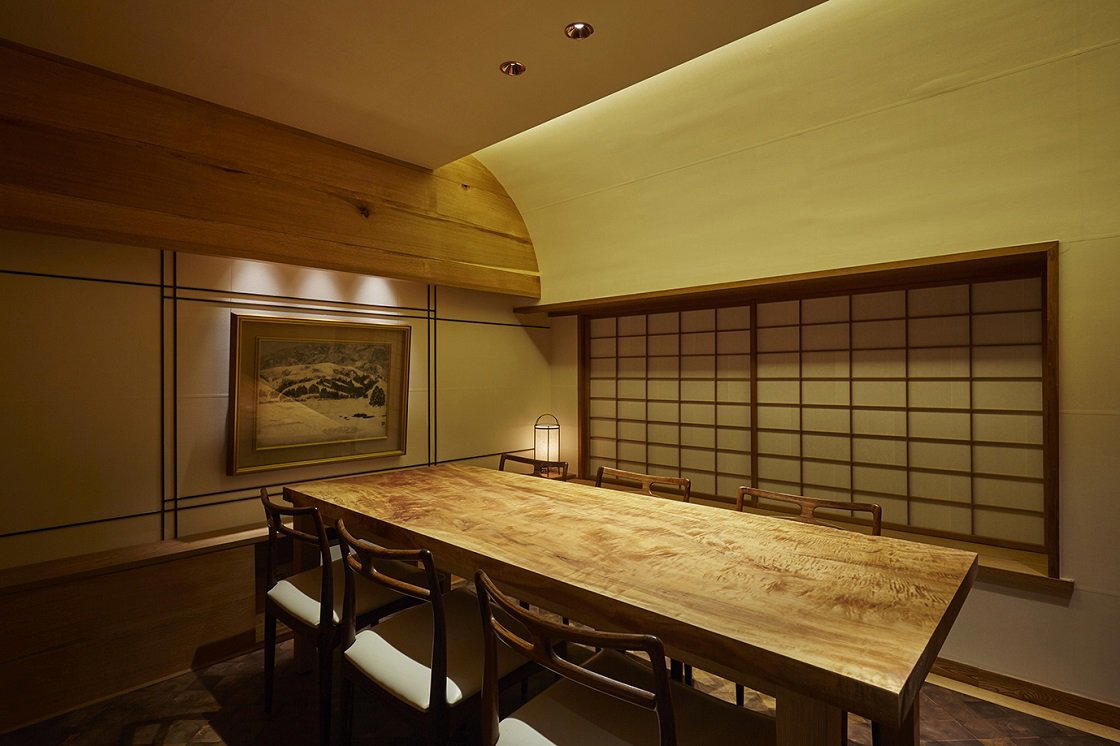
Cozy yet refined atmosphere with warm lighting, traditional Japanese elements, and an open kitchen design that adds theatrical elements to the meal.