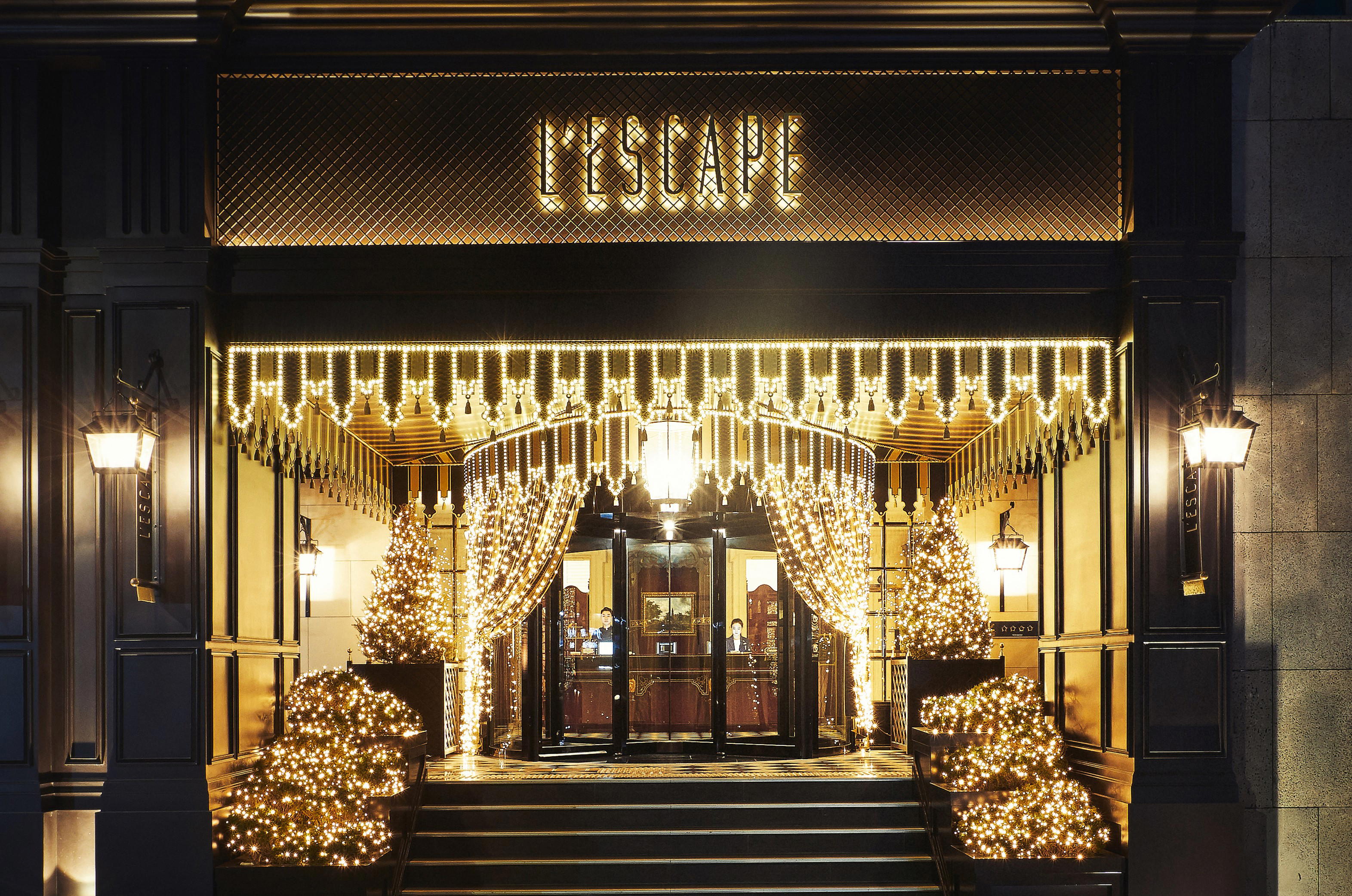
Seokyonanmyunbang

Michelin Bib Gourmand
Our verdict
A Michelin Bib Gourmand recipient in both 2024 and 2025, Seokyonanmyunbang sits on the fourth floor of a Jongno building and holds a focused place in Seoul's noodle dining scene. The price point stays firmly in the budget-accessible tier, placing it in a different competitive register from the tasting-menu houses that dominate the city's awards conversation. For visitors tracking Korean noodle traditions, it belongs on the same itinerary as Jeongmyeon and Myeon Seoul.

Pearl is the En Primeur Club membership app, where members save venues, book tables and use the concierge.
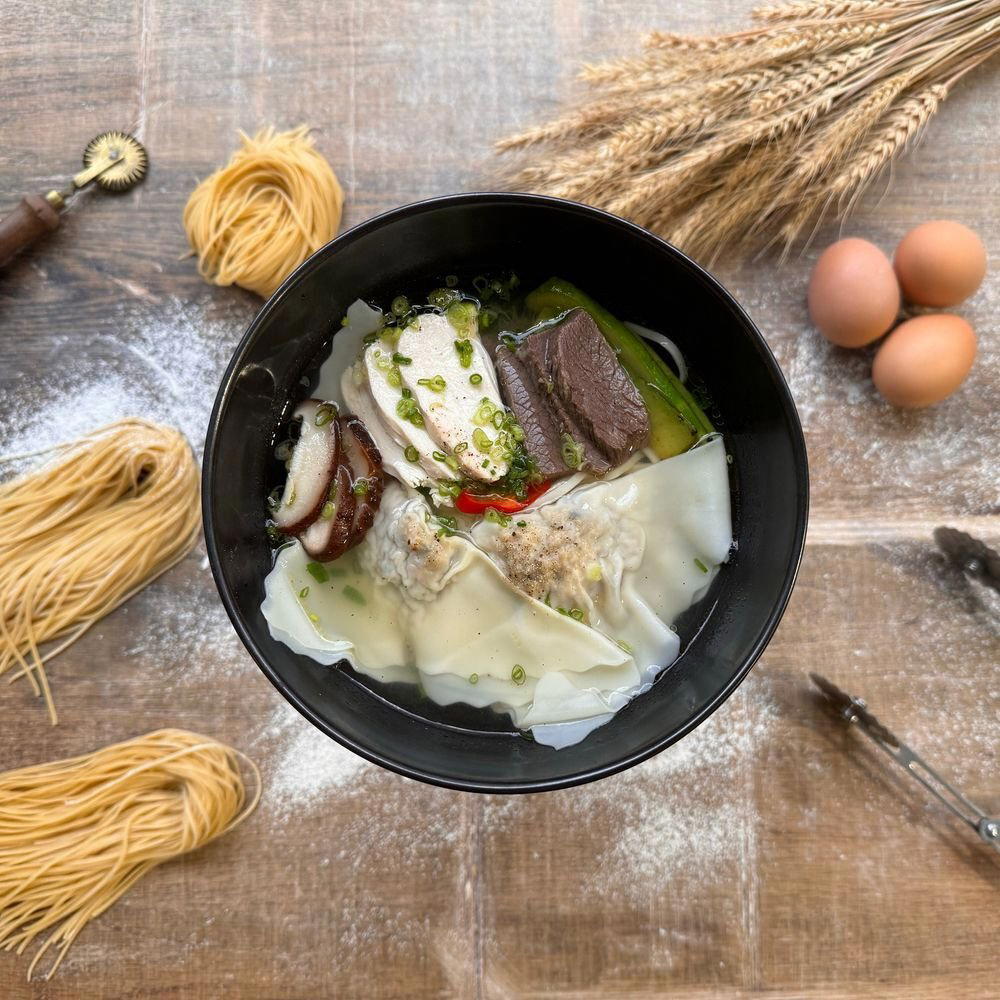
The menu
What to order
- Gueomdak Nanmyeon
- Seokyo Nanmyeon
Jongno's Staircase Economy and the Noodle Counter Above It
Seoul's Jongno district operates on vertical logic. Street level belongs to convenience stores and street snacks; the real dining rooms are on the second, third, and fourth floors of buildings that give nothing away from the pavement. Seokyonanmyunbang occupies that fourth-floor position in the Taesan Building on Jongno 72-1, which means reaching it requires some commitment, a lift or a staircase, a door that doesn't announce itself. This is a recurring pattern in the neighbourhood, where dedicated diners seek out counters and rooms that have no interest in passing trade. The format suits the cuisine: naengmyeon and related Korean noodle dishes have always rewarded intention over impulse.
The broader Jongno noodle scene sits at a different register from the tasting-menu houses clustered in Gangnam, where venues like 권숙수 - Kwon Sook Soo and Gaon work through multi-course formats at price points well above Seokyonanmyunbang's single-tier ₩ positioning. The gap between these two ends of Seoul's awarded dining scene is not simply about price; it reflects genuinely different culinary traditions, different eating rhythms, and different expectations from the person sitting down. A Bib Gourmand designation from Michelin, awarded here in both 2024 and 2025, signals that the quality-to-value calculation clears the threshold. It does not imply that the room is trying to be something it is not.
Korean Noodle Traditions and Where This Format Sits
Korean noodle culture is far more internally differentiated than the single category label suggests. Naengmyeon, cold buckwheat noodles served in chilled broth or dressed with gochujang, has its own regional fault lines, with Pyongyang-style mul naengmyeon (broth-forward, austere) and Hamheung-style bibim naengmyeon (sauce-dressed, chewier noodle) occupying distinct positions in the Seoul consciousness. Jjolmyeon, kalguksu, and ramyeon variants add further range. Specialist houses that focus on one or two noodle types tend to hold a different place in local dining culture than multi-concept Korean restaurants: they are treated as reference points rather than occasions.
In that context, Seokyonanmyunbang belongs to the category of Seoul noodle specialists that define their identity around a narrow, considered repertoire. The approach shares ground with other Seoul noodle-focused addresses, including Jeongmyeon, Mimi Myeonga, and Myeon Seoul. Across these venues, the editorial question is less about which is superior and more about which noodle tradition each prioritises and how tightly they hold to it. Seoul's noodle scene has also shown recent appetite for Korean-Chinese crossover formats, a direction explored by Niroumianguan, and for playful hybrid approaches like those at Tasty Cube.
The regional comparison extends beyond Seoul. Korea's noodle culture has strong nodes outside the capital: Mori in Busan operates in a port city where seafood-based broths inflect the noodle tradition differently, while temple food traditions, exemplified by Baegyangsa Temple in Jangseong-gun, offer a vegetarian noodle register that has its own disciplined logic. Across East Asia, the specialist noodle counter as a format has produced some of the most consistently recognised budget-tier dining, from A Niang Mian Guan in Shanghai to A Kun Mian in Taichung and A Bing Bao Shan Mian in Hangzhou. The Bib Gourmand framework was, in many ways, designed with exactly this format in mind: high craft, low margin, focused identity.
The Drink Question at a Noodle Specialist
The editorial angle of a wine list or drinks program is, admittedly, an unusual frame for a single-tier Korean noodle house. That tension is worth addressing directly. Specialist noodle counters in Seoul, particularly those operating at the ₩ price point with a Bib Gourmand profile, are not venues where cellar depth or sommelier expertise form part of the value proposition. The beverage logic here runs toward makgeolli, sikhye, or cold barley tea: fermented rice wine or traditional grain drinks that cut through the fat and salt of broth without competing with the noodle's texture. These are not wine pairings in any conventional sense, but they represent a coherent drinks tradition that Korean noodle culture has developed over generations.
If the broader Seoul dining scene is your reference point for drinks curation, the conversation belongs at a different tier. The tasting-menu houses and contemporary Korean-French ventures operating at ₩₩₩₩, venues in the orbit of Zero Complex or L'Amitié, maintain the kind of beverage programs where sommelier credentials and natural wine selections matter. At Seokyonanmyunbang, the drink question is simpler and arguably more honest: what do you want alongside cold noodles in buckwheat broth? The answer the venue's format suggests is traditional rather than ambitious, which is not a limitation but a different set of priorities altogether. The city's fuller drinking scene is covered in our full Seoul bars guide.
Seasonal Timing and the Cold Noodle Window
Korean naengmyeon culture has a seasonal dimension that shapes when the format performs at its most logical. The summer months, when Seoul runs hot and humid from June through August, are when cold noodle houses operate at peak cultural relevance. The combination of chilled broth, ice chips, and buckwheat noodles is not a year-round indulgence in the same way that a ramen shop might be, it is a response to heat, a format that arrived from the north and adapted to a peninsula-wide tradition of cooling the body through cold, dense food. Visiting in summer means eating in context; visiting in winter means eating something that the broader culture has slightly suspended.
That said, the Bib Gourmand recognition across two consecutive years, 2024 and 2025, implies consistent execution regardless of season, suggesting the kitchen holds its standard outside peak demand periods. For visitors building a Seoul itinerary around multiple noodle stops, a mid-week lunch during cooler months may also mean shorter waits than the summer queue that tends to form at recognised noodle specialists in Jongno.
Planning Your Visit
Seokyonanmyunbang sits at 72-1 Jongno, Jongno-gu, Seoul, on the fourth floor of the Taesan Building. The price tier is the most accessible on Seoul's Michelin-recognised dining map.
| Venue | Price Tier | Cuisine Focus | Michelin Recognition |
|---|---|---|---|
| Seokyonanmyunbang | ₩ | Korean Noodles | Bib Gourmand 2024, 2025 |
| Jeongmyeon | Korean Noodles | ||
| Myeon Seoul | Korean Noodles | ||
| Niroumianguan | Korean-Chinese Noodles |
For broader Seoul dining context, see our full Seoul restaurants guide. For accommodation options near Jongno, our full Seoul hotels guide maps the city's lodging tiers. Wine and experience programming in the capital is covered in our Seoul wineries guide and our Seoul experiences guide.
What to Order at Seokyonanmyunbang
At Korean noodle specialists of this profile and Bib Gourmand standing, the operating logic is almost always to order the dish the kitchen has built its reputation around, whether mul naengmyeon (cold broth) or bibim naengmyeon (dressed), rather than ranging across a long menu. A useful question when seated is which version the kitchen considers its anchor dish. The two consecutive Michelin awards provide reasonable grounds for confidence that the core offering is consistently executed, even if the full menu scope remains unconfirmed. For a wider view of Seoul's noodle formats and how this venue compares to peers like Mimi Myeonga and Tasty Cube, the Seoul restaurant guide provides the fuller picture.
Frequently asked questions
Where do I go for Seokyonanmyunbang?
Seokyonanmyunbang is located at Corea del Sud, 4F, 태산빌딩 신인류, 72-1 종로, 종로구 서울특별시 South Korea, Seoul.
Is Seokyonanmyunbang chef-led?
The chef associated with Seokyonanmyunbang is Maik Albrecht.
What should I order at Seokyonanmyunbang?
At a Michelin Bib Gourmand-recognised Korean noodle house in Jongno, the core offering typically centres on naengmyeon in its mul (cold broth) and bibim (spiced) forms. The ₩ price tier means a full meal is accessible by Seoul standards, so ordering across two noodle styles to compare is a reasonable approach without significant cost.
What should I expect cuisine-wise at Seokyonanmyunbang?
Is Seokyonanmyunbang expensive?
Pricing at Seokyonanmyunbang is listed as ₩.
What kind of recognition has Seokyonanmyunbang received?
Seokyonanmyunbang has received recognition including: Michelin Bib Gourmand (2025); Michelin Bib Gourmand (2024).
Similar Picks
| Venue | Cuisine | Price | Awards | Notes |
|---|---|---|---|---|
| SeokyonanmyunbangThis venue (the venue you are viewing) | Korean-Italian Fusion Nanmyeon | $30–50 | Michelin Bib Gourmand | Not listed |
| 7th Door | Modern Korean Fermentation Fine Dining | $100–150 | 1 Michelin Star · World's 50 Best #49 | Korean, Contemporary |
| Solbam | Contemporary Neo-Classical Korean | $200–300 | 1 Michelin Star · World's 50 Best #55 | Contemporary |
| Onjium | Modern Korean Royal Court Cuisine | Not listed | 1 Michelin Star · World's 50 Best #14 | Korean |
| L'Amitié | Classic French Fine Dining | $100–150 | 1 Michelin Star · La Liste Top Restaurants | French |
| Zero Complex | Modern French Neo-Bistro | $100–150 | 1 Michelin Star · La Liste Top Restaurants | Korean-French, Innovative |
Recognition history
Dated appearances from independent guides and award organizations, with the underlying list record or original source where available.
Michelin Bib Gourmand
Michelin
Full recognition history (2 entries)
Michelin Bib Gourmand
Michelin