Mimi Myeonga

Michelin Plate
Our verdict
A Michelin Plate-recognised noodle specialist in Gangnam, Mimi Myeonga earns its place in Seoul's increasingly serious approach to bowl-format dining. For noodle traditions done with care, this is a reliable Gangnam address.

Pearl is the En Primeur Club membership app, where members save venues, book tables and use the concierge.
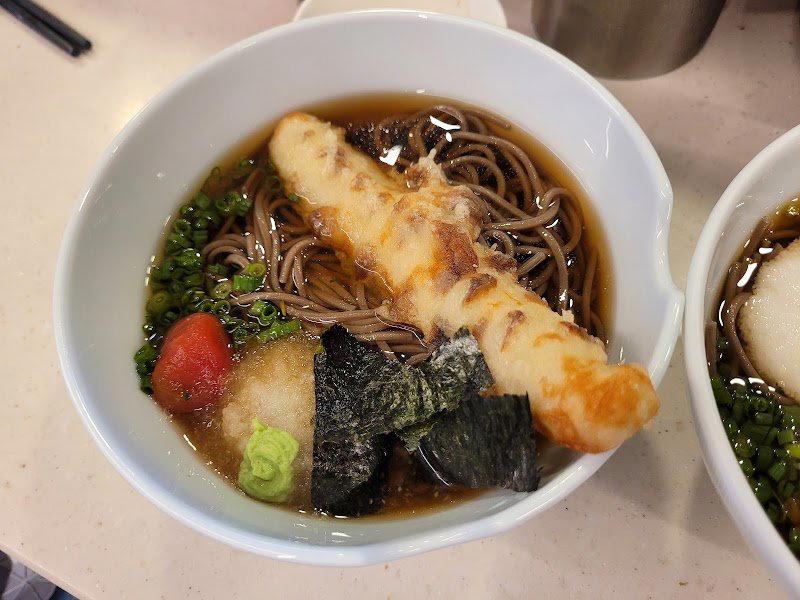
The menu
What to order
- Sea Urchin with Sweet Shrimp Soba
- Tempura Eel Soba
Where Gangnam's Bowl Culture Gets Serious
Step into the Gangnam-daero corridor on a weekday afternoon and the scene sorts itself quickly: high-spec tasting menus behind heavy doors, mid-tier Korean barbecue houses filling the ground floors of office towers, and, less conspicuously, a smaller tier of bowl specialists where the discipline is focused entirely on broth, noodle, and topping. Mimi Myeonga occupies that third category, at an address on Gangnam-daero 160-gil that places it within walking distance of Gangnam's commercial core without sitting in its loudest stretch.
The broader context matters here. Seoul's noodle culture has long operated in a peculiar split: pojangmacha stalls and cheap lunch counters on one side, and a handful of technically serious houses on the other, with relatively little in between. Michelin's Plate designation, awarded to Mimi Myeonga in both 2024 and 2025, sits at the entry level of the Guide's recognition framework, but in a category as ingredient-forward as noodles, it signals something specific: consistency of execution, sourcing attention, and a kitchen that is not coasting on habit.
Noodle Discipline in a City That Takes Bowls Seriously
Korean noodle tradition encompasses a wide range of regional and technical approaches. Cold naengmyeon, built around buckwheat or starch noodles in chilled broth, is perhaps the most formally studied. Kalguksu, hand-cut wheat noodles in anchovy or clam stock, represents a plainer vernacular. Myeonga in a restaurant name carries a specific cultural weight in Korean: it implies a house of recognised tradition, a place where a single dish or format has been refined over time rather than rotated through seasonal reinvention.
For comparison: Gaon in Seoul, Korea and 권숙수 - Kwon Sook Soo in Gangnam-gu operate several price tiers above, in the formal hansik register. Mimi Myeonga's single-₩ pricing puts it in a different conversation entirely, one about value, accessibility, and the democratic tradition of Korean noodle culture.
Across Seoul, noodle specialists that earn Michelin attention tend to succeed on two axes: sourcing and repetition. The leading broth-based kitchens source regionally consistent ingredients, specific buckwheat varieties, particular grades of beef bone, and repeat the same production process with enough discipline that the bowl arriving in February tastes like the bowl that arrived in October.
The Sustainability Angle in Korean Noodle Kitchens
The editorial conversation around sustainability in fine dining tends to centre on tasting-menu restaurants with named foragers and printed provenance notes. Korean noodle culture operates in a different register, but its environmental logic is quietly coherent. Broth-based cooking is, structurally, a zero-waste format: bones, vegetable trimmings, and secondary cuts that would otherwise be discarded become the base of the bowl. The long simmer that produces a clean, collagen-rich broth is a tradition of using everything, not a recent ethical retrofit.
In the context of a single-₩ restaurant earning Michelin recognition, this matters because the economics of low-price, high-execution cooking depend on ingredient efficiency. There is no margin in a budget noodle house for waste. The kitchens that sustain this model over years, and Michelin's repeat recognition in 2024 and 2025 suggests Mimi Myeonga is doing exactly that, are typically those that have internalised a whole-product approach not as a marketing position but as an operational necessity. That alignment of ethics and economics is, in practice, more durable than sustainability programs built as add-ons to high-margin menus.
Seoul's noodle scene is not unique in this respect. Comparable dynamics appear at broth-forward addresses elsewhere in East Asia, at A Bing Bao Shan Mian, Noodles in Hangzhou, A Kun Mian, Noodles in Taichung, and A Niang Mian Guan, Noodles in Shanghai, where similar models of ingredient discipline underpin accessible pricing and sustained recognition.
Where It Sits in Seoul's Noodle Circuit
Gangnam's dining offer trends heavily toward the expensive and the formal. The district's Michelin count skews toward contemporary Korean and French-influenced tasting menus, the kind of addresses represented by comparison venues like 7th Door, Solbam, and Zero Complex, all priced at ₩₩₩₩. Finding Michelin-recognised noodle work at single-₩ pricing in this part of the city is worth noting for readers building a longer Seoul itinerary.
For readers specifically tracking Seoul's noodle circuit, the relevant peer addresses include Jeongmyeon, Myeon Seoul, Niroumianguan, Seokyonanmyunbang, and Tasty Cube. Each approaches the bowl format from a different regional or technical angle, and building a day around two or three of these addresses, particularly if they sit in different districts, gives a more complete read on where Seoul's noodle culture is in 2025 than a single visit allows.
Beyond Seoul's noodle scene, the broader Korean dining picture is well covered across EP Club's city guides. Our full Seoul restaurants guide maps the complete range from budget bowl houses to three-star formal dining. For planning around accommodation and evening programming, our full Seoul hotels guide, bars guide, and experiences guide provide the surrounding infrastructure. Readers extending into the wider peninsula will find relevant context at Mori in Busan and Baegyangsa Temple in Jangseong-gun, as well as at 더 플라잉 호그 - The Flying Hog in Seogwipo on Jeju.
Know Before You Go
Address: 29 Gangnam-daero 160-gil, Gangnam District, Seoul, South Korea
Cuisine: Noodles (Korean tradition)
Price range: ₩ (budget-accessible)
Awards: Michelin Plate 2024; Michelin Plate 2025
Booking: Contact details not currently listed, walk-in or check local reservation platforms
Getting there: Gangnam Station (Lines 2 and Sinbundang) serves the surrounding district; the address sits off the main Gangnam-daero corridor
Frequently asked questions
What's the signature dish at Mimi Myeonga?
What the Michelin Plate recognition in 2024 and 2025 does confirm is that the kitchen executes its noodle format with enough consistency to warrant repeat inclusion in the Guide. The restaurant's name carries the myeonga marker, implying a house built around a defined, practised dish, which in the Korean noodle tradition typically points toward a broth-based format, whether cold naengmyeon-style or a warm wheat-noodle preparation. For dish-level specifics, checking recent visitor reviews on local platforms before visiting is the most reliable approach. For broader context on how Seoul's noodle specialists approach their formats, see our roundups of [Jeongmyeon](https://www.enprimeurclub.com/restaurants/jeongmyeon-seoul-restaurant) and [Myeon Seoul](https://www.enprimeurclub.com/restaurants/myeon-seoul-seoul-restaurant), as well as our coverage of [our full Seoul restaurants guide](https://www.enprimeurclub.com/restaurants/seoul).
Reputation First
A short peer table to compare basics side-by-side.
| Venue | Cuisine | Price | Awards | Notes |
|---|---|---|---|---|
| Mimi MyeongaThis venue (the venue you are viewing) | Traditional Japanese Soba Noodles | $10–20 | Michelin Plate | Not listed |
| 7th Door | Modern Korean Fermentation Fine Dining | $100–150 | 1 Michelin Star · World's 50 Best #49 | Korean, Contemporary |
| Solbam | Contemporary Neo-Classical Korean | $200–300 | 1 Michelin Star · World's 50 Best #55 | Contemporary |
| Onjium | Modern Korean Royal Court Cuisine | Not listed | 1 Michelin Star · World's 50 Best #14 | Korean |
| L'Amitié | Classic French Fine Dining | $100–150 | 1 Michelin Star · La Liste Top Restaurants | French |
| Zero Complex | Modern French Neo-Bistro | $100–150 | 1 Michelin Star · La Liste Top Restaurants | Korean-French, Innovative |
Recognition history
Dated appearances from independent guides and award organizations, with the underlying list record or original source where available.
Michelin Plate
Michelin
Full recognition history (2 entries)
Michelin Plate
Michelin
Continue exploring
More in Seoul
Restaurants in Seoul
All restaurants in Seoul →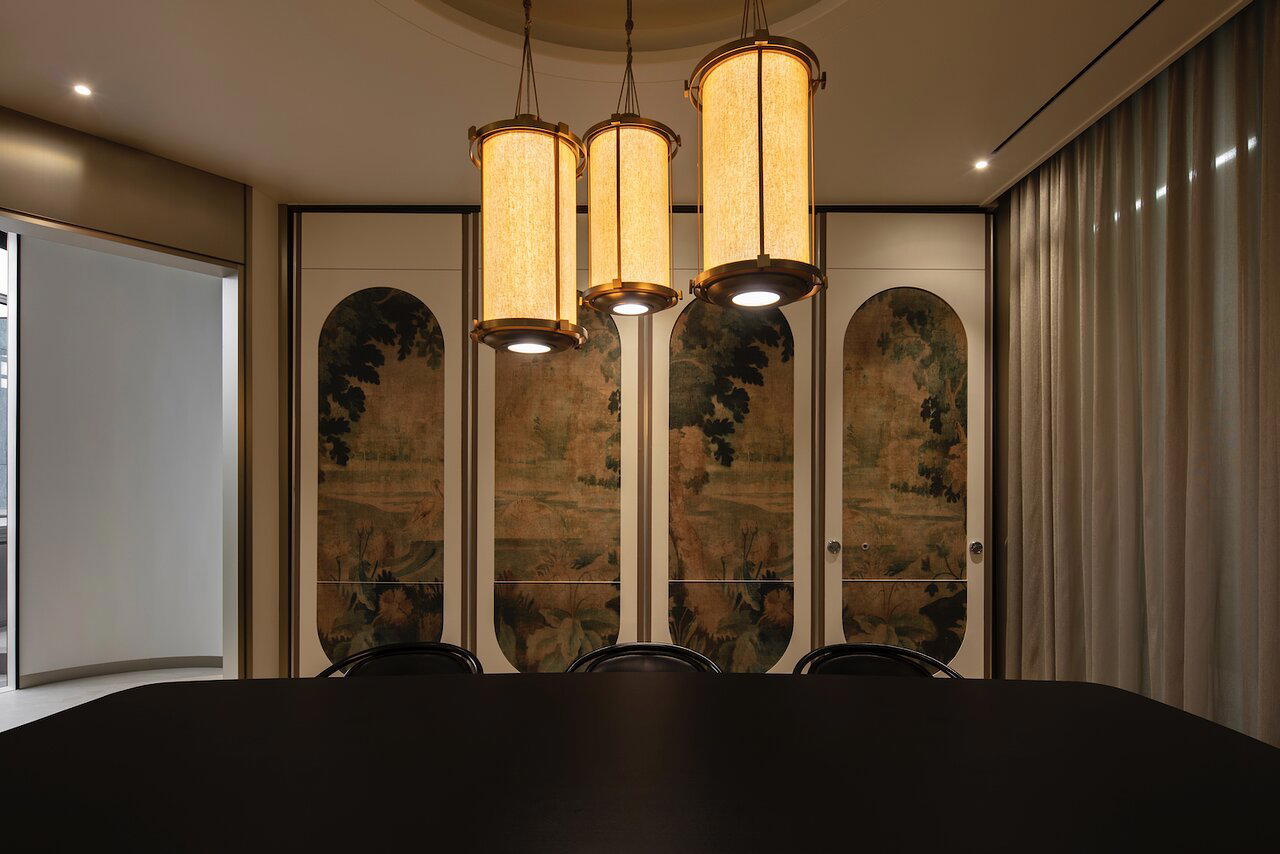
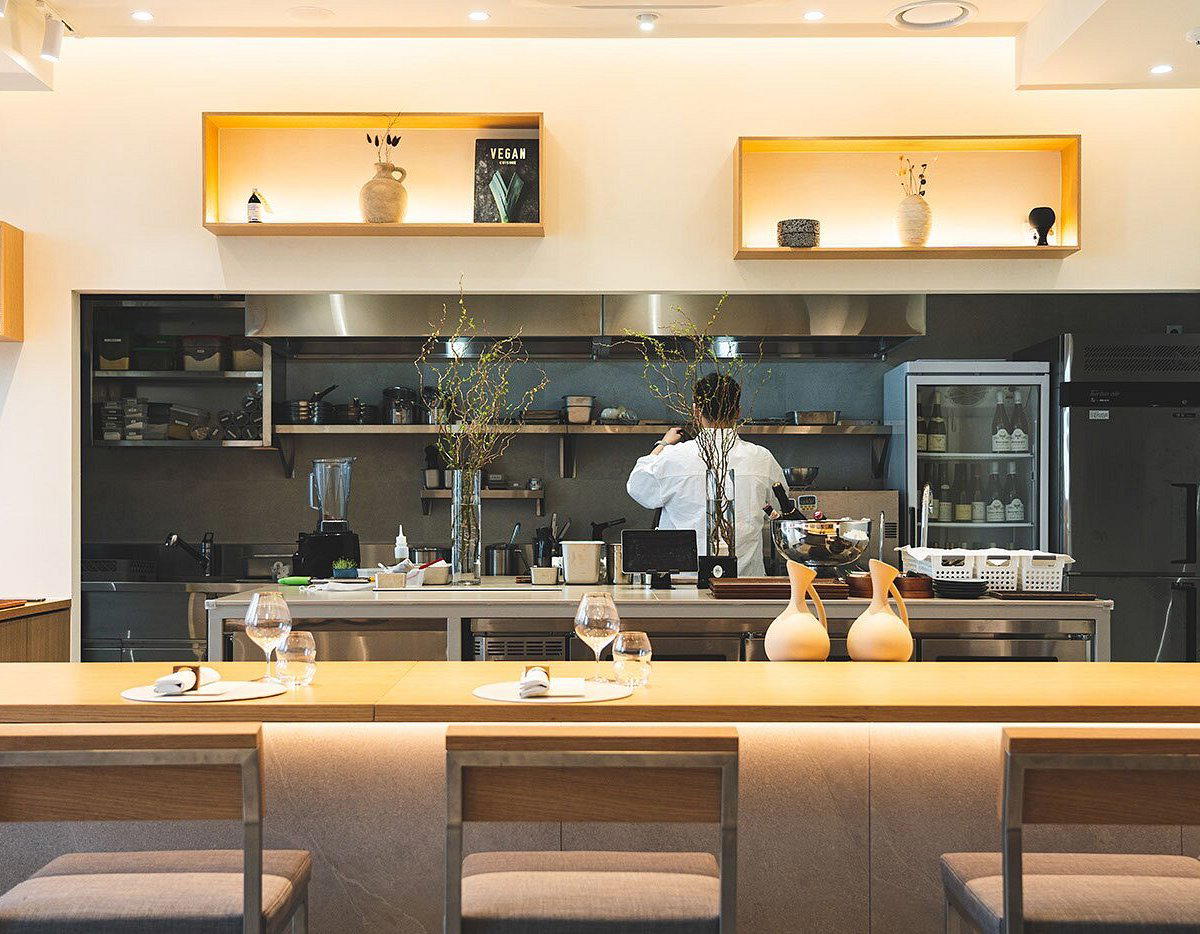
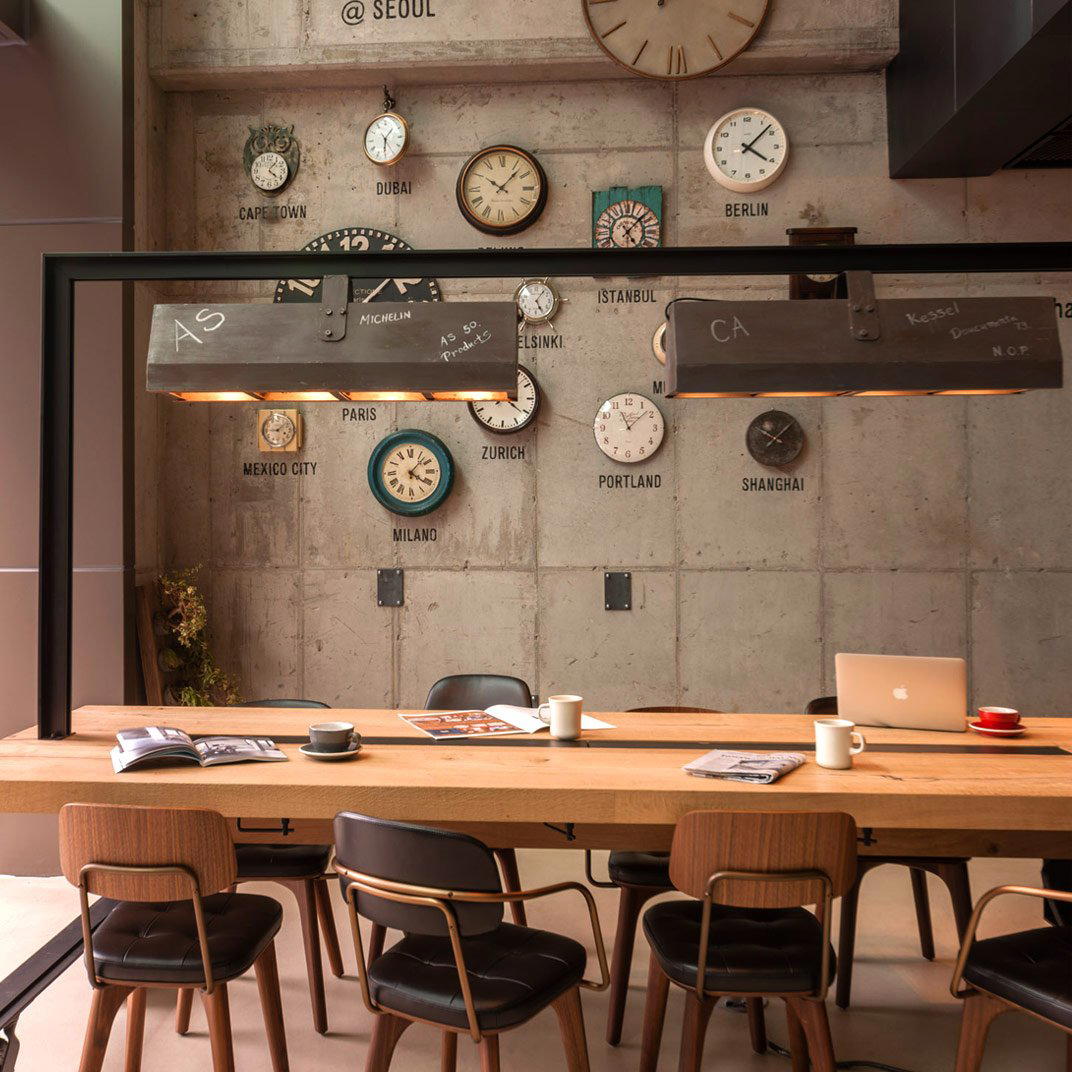
Bars in Seoul
All bars in Seoul →

Details
- Cozy
- Intimate
- Casual Hangout
- A La Carte
Current opening hours
- Monday
- 11:30 AM–2:30 PM, 5:30–9 PM
- Tuesday
- 11:30 AM–2:30 PM, 5:30–9 PM
- Wednesday
- 11:30 AM–2:30 PM, 5:30–9 PM
- Thursday
- 11:30 AM–2:30 PM, 5:30–9 PM
- Friday
- 11:30 AM–2:30 PM, 5:30–9 PM
- Saturday
- 11:30 AM–2:30 PM, 5:30–9 PM
- Sunday
- 11:30 AM–2:30 PM, 5–8:30 PM
Hours can change for holidays and private events. Hours as of .
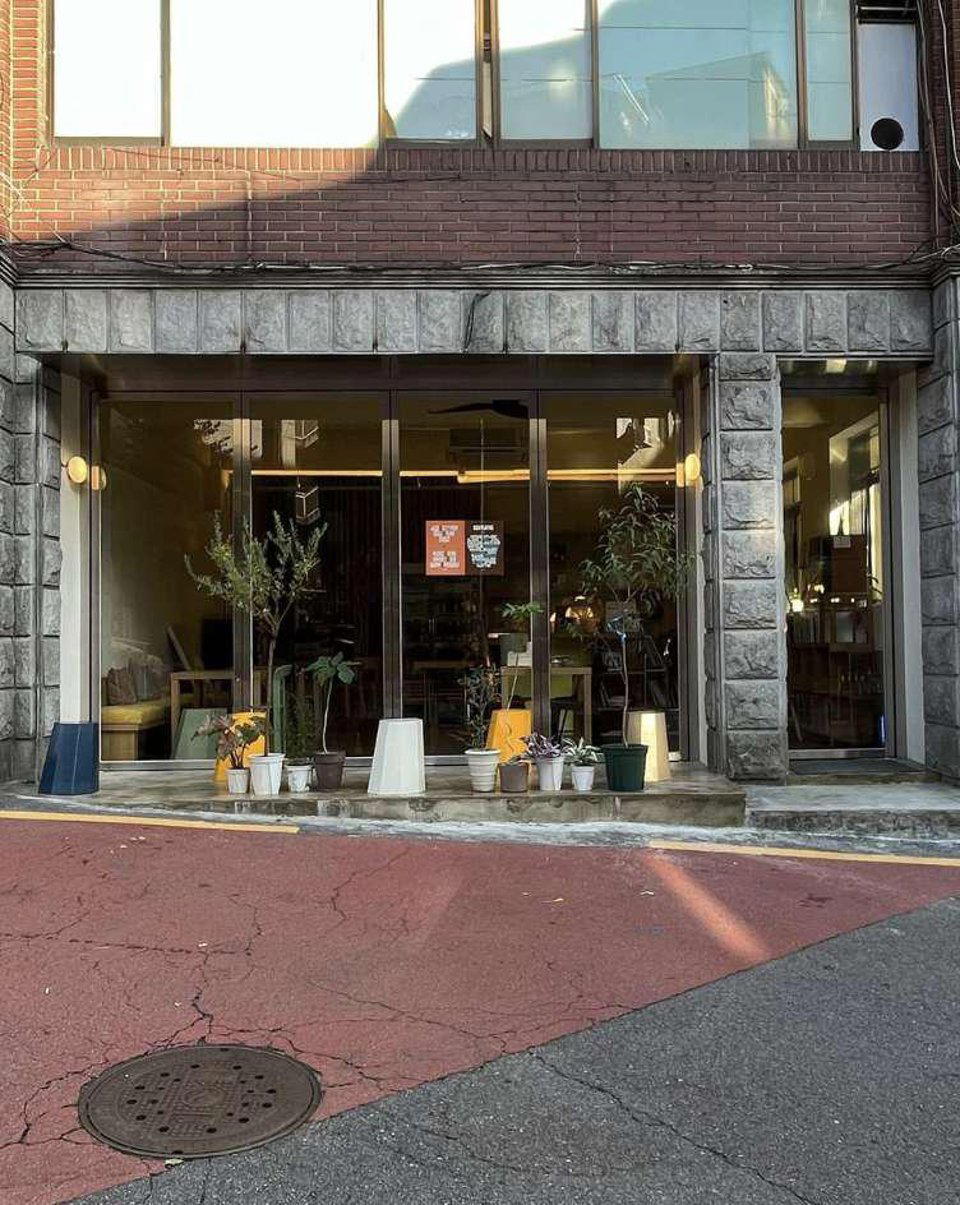
Small, cozy, and comfy atmosphere with efficient quick-service.