
A Niang Mian Guan on Sinan Road holds consecutive Michelin Bib Gourmand recognition for 2024 and 2025, placing it among a small group of noodle shops in Shanghai that the guide considers worth a special trip at their price point. Operating in the ¥ tier in one of the city's most storied residential neighbourhoods, it represents the Shanghainese tradition of neighbourhood noodle culture at its most considered.
Pearl is the En Primeur Club membership app — saves, bookings, and concierge access live there. Same editors, same standards.
- Address
- 36 Sinan Rd, Huangpu, Shanghai, China, 200041
- Phone
- +86 21 5306 6604
- Website
- davidwin.net
- Directions
- Get directions
 Saves & bookings on Pearl
Sinan Road and the Architecture of the Everyday
Sinan Road in Huangpu is one of Shanghai's few stretches where the pre-war French Concession fabric has survived more or less intact. The plane trees close overhead. The lane houses set back behind low walls carry the particular weathered authority of streets that have been continuously lived in, not restored for effect. It is the kind of neighbourhood where residents have strong opinions about where to eat breakfast, and where a noodle shop's reputation is built not on press coverage but on the loyalty of people who walk past it twice a day. A Niang Mian Guan, at number 36, operates inside that logic.
The address matters here in a way that it might not in a more anonymous part of the city. Huangpu's Sinan Road corridor sits close enough to the commercial centre to be accessible, but retains the residential density that sustains the kind of repeat-patronage economy on which serious noodle shops depend. The clientele is not primarily tourist. It is neighbourhood. That distinction shapes everything from the pace of service to the assumptions the kitchen makes about what a bowl should taste like.
Where A Niang Mian Guan Sits in Shanghai's Noodle Economy
Shanghai's noodle scene operates across a wide price spectrum, but one culturally embedded tier is the one priced at a single ¥, roughly the range where a full bowl costs less than a metro fare in most Western cities. This is also the tier the Michelin Bib Gourmand programme is designed to identify: places where cooking quality outpaces price expectations by a meaningful margin. A Niang Mian Guan earned the Bib Gourmand designation in both 2024 and 2025, making it one of the few noodle-focused addresses in the city to hold back-to-back recognition at this level.
The Bib Gourmand's repetition is worth noting. A single year's listing can reflect novelty or the guide's rotation logic. Two consecutive years suggests the kitchen is consistent, not just momentarily on form. In the context of Shanghai's competitive noodle market, where shops like Jingmei Wuxi Noodles in Jingan, Lao Di Fang Mian Guan, Rongjia Noodles Soup with Yellow Croaker, Wei Xiang Zhai on Yandang Road, and Xiao Tao Mian Guan each occupy distinct sub-niches, sustained recognition at this level positions the restaurant in the upper tier of the city's affordable noodle addresses.
For context on how the ¥ noodle category sits within Shanghai's broader dining hierarchy: the city's upper-end Chinese addresses, think the vegetarian fine-dining format at the ¥¥¥¥ level, or Cantonese rooms holding Michelin stars, operate in an entirely different register. The Bib Gourmand programme runs perpendicular to that hierarchy, identifying value-to-quality outliers regardless of format. The restaurant's recognition places it in a comparable set defined not by price tier relative to fine dining, but by cooking quality relative to everything else in the ¥ bracket across the city.
The Shanghainese Noodle Tradition
Shanghainese noodle culture is distinct from the louder regional traditions, the dry-tossed noodles of Chongqing, the knife-cut wheat of Shanxi, the cold sesame preparations of Sichuan. Shanghai's version tends toward soup-based bowls where the broth carries most of the work: pork-based stocks reduced long enough to turn opaque and rich, braised toppings of eel or pork or crab roe depending on season, and a noodle texture calibrated to remain distinct inside the liquid rather than softening into it. The craft is in balance and restraint rather than intensity.
This tradition also carries strong seasonal logic. Autumn crab roe noodles, winter red-braised pork toppings, spring shepherd's purse preparations: the Shanghainese noodle kitchen has historically tracked the market calendar in ways that more industrialised operations have abandoned.
Noodle formats with similar cultural depth appear across the region. A Bing Bao Shan Mian in Hangzhou operates in a comparable register of affordable local tradition, and A Kun Mian in Taichung represents a parallel noodle-shop culture across the strait. The form travels, but the specific broth logic of the Shanghainese version remains its own thing.
Planning a Visit
The address at 36 Sinan Road places the restaurant in a walkable section of Huangpu, accessible from several metro lines serving the former French Concession area. The ¥ price tier means the full cost of a meal sits at the low end of what any dining budget needs to accommodate, which also means the shop functions well as an opening or closing meal on a longer eating day rather than a dedicated destination in isolation. Pairing it with an afternoon along the Sinan Road heritage corridor, or with a visit to Fuxing Park a short walk away, gives the meal a neighbourhood context that the food itself is designed around.
For a shop operating in this format and price bracket, reservations are unlikely to be the mechanism; the model is almost certainly walk-in. Peak periods on weekends will reflect the residential-tourist mix of the neighbourhood.
For a broader view of where the restaurant sits in Shanghai's full dining picture, see our full Shanghai restaurants guide. Those extending their trip across China will find context in the dining programmes of other cities: Xin Rong Ji in Beijing, Ru Yuan in Hangzhou, Xin Rong Ji in Chengdu, and Imperial Treasure Fine Chinese Cuisine in Guangzhou. Further afield, Chef Tam's Seasons in Macau and Dai Yuet Heen in Nanjing offer reference points for the broader Chinese fine-dining register. For everything else in the city, our Shanghai hotels guide, bars guide, wineries guide, and experiences guide cover the full picture.
The Essentials
Comparable venues nearby, for context on price, style, and recognition.
| Venue | Cuisine | Price | Notes |
|---|---|---|---|
| A Niang Mian GuanThis venue — the venue you are viewing | Da Pu Qiao, Shanghai-Style Noodles | $ | Not listed |
| Qiao Ai Lai Lai Xiao Long (Huangpu) | Not listed | $ | Huangpu, Shanghai Xiao Long Bao (Soup Dumplings) |
| Xiao Tao Mian Guan | Not listed | $ | Yanqiao Xiang, Shanghai-Style Scallion Oil Noodles |
| Chun | Not listed | $$ | Da Pu Qiao, Authentic Shanghainese Home-Style Cooking |
| Da Hu Chun (Middle Sichuan Road) | Not listed | $$ | Lan Ni Du, Traditional Shanghainese Shengjianbao |
| Yu Du Lao Wei Mian (Huangpu) | Yanqiao Xiang, Zhoushan Seafood Noodles | $$ | Not listed |
Recognition history
Dated appearances from independent guides and award organizations, with the underlying list record or original source where available.
Michelin Bib Gourmand
Michelin
Michelin Bib Gourmand
Michelin


At a Glance
- Classic
- Casual Hangout
- Open Kitchen
- Local Sourcing
Current opening hours
- Monday
- 10:30 AM–10 PM
- Tuesday
- 10:30 AM–10 PM
- Wednesday
- 10:30 AM–10 PM
- Thursday
- 10:30 AM–10 PM
- Friday
- 10:30 AM–10 PM
- Saturday
- 10:30 AM–10 PM
- Sunday
- 10:30 AM–10 PM
Hours can change for holidays and private events. Last verified .
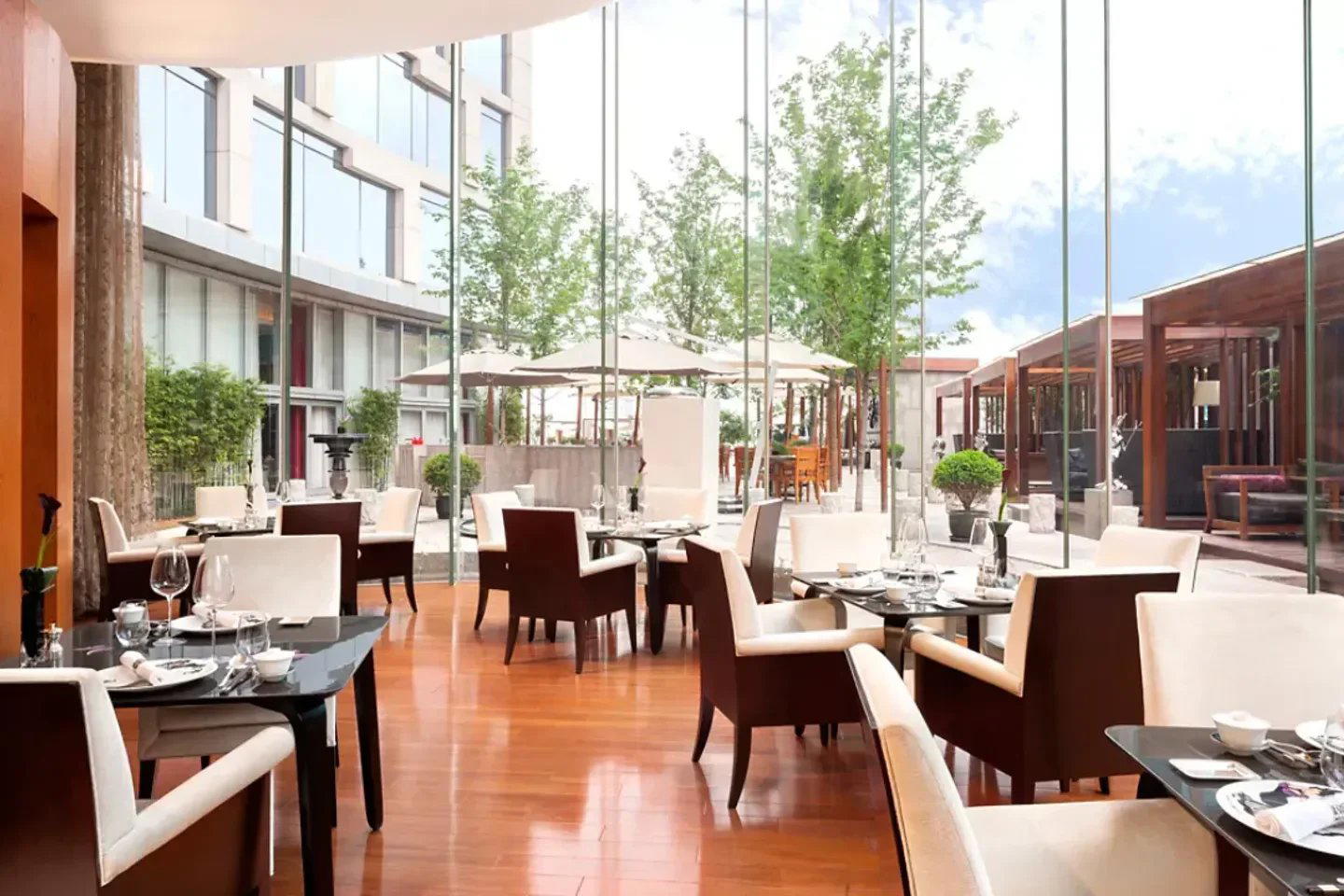
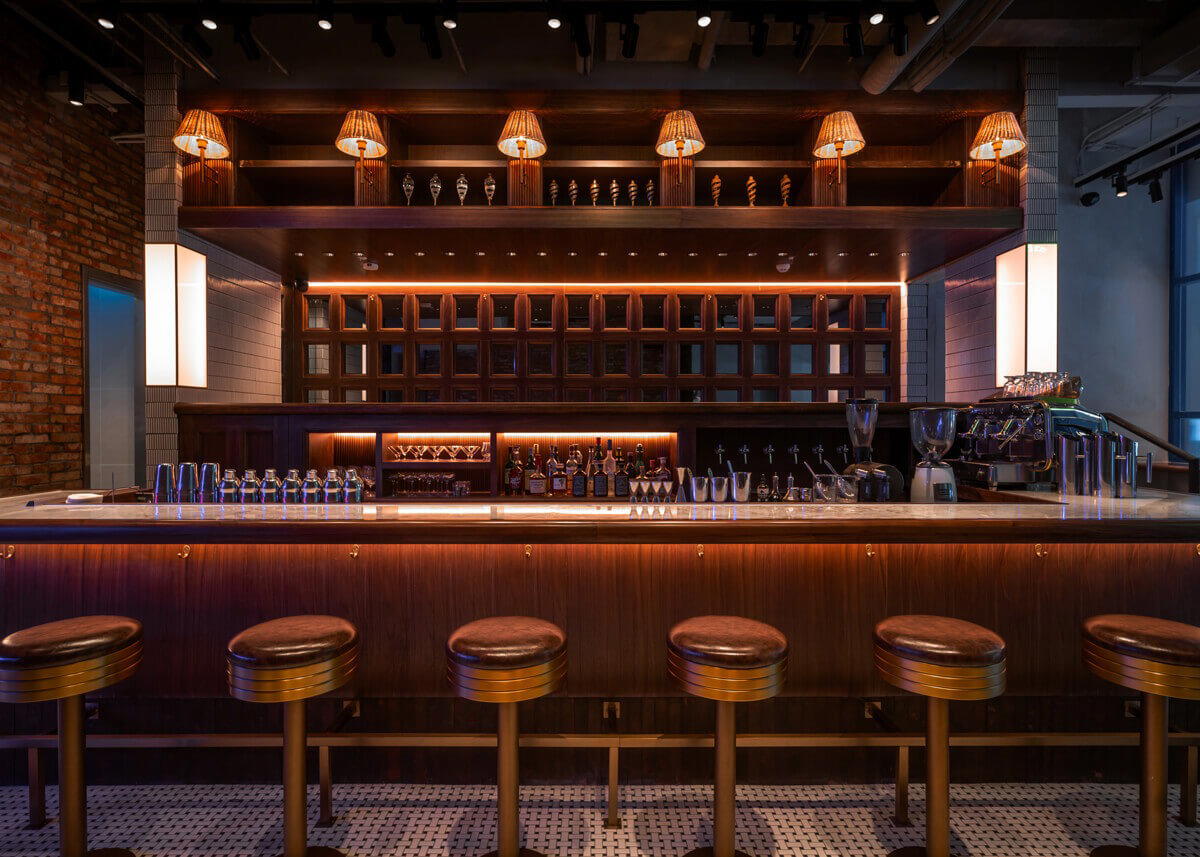
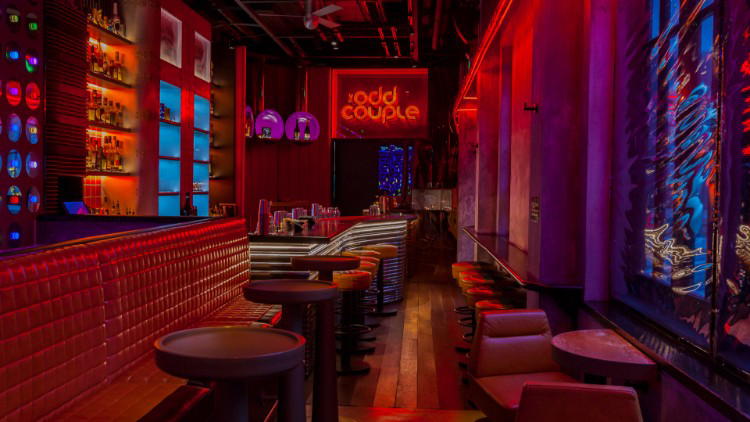
Pared-back, efficient canteen-style space with compact communal seating and a humming energy of anticipation.