Niroumianguan

Michelin Bib Gourmand
Our verdict
Niroumianguan on Cheonggyecheon-ro holds consecutive Michelin Bib Gourmand recognition for 2024 and 2025, placing it among Seoul's most critically noted noodle specialists. Under chef Koga Hiroshi, the kitchen operates at the precise intersection where Japanese noodle craft meets Korean appetite.

Pearl is the En Primeur Club membership app, where members save venues, book tables and use the concierge.
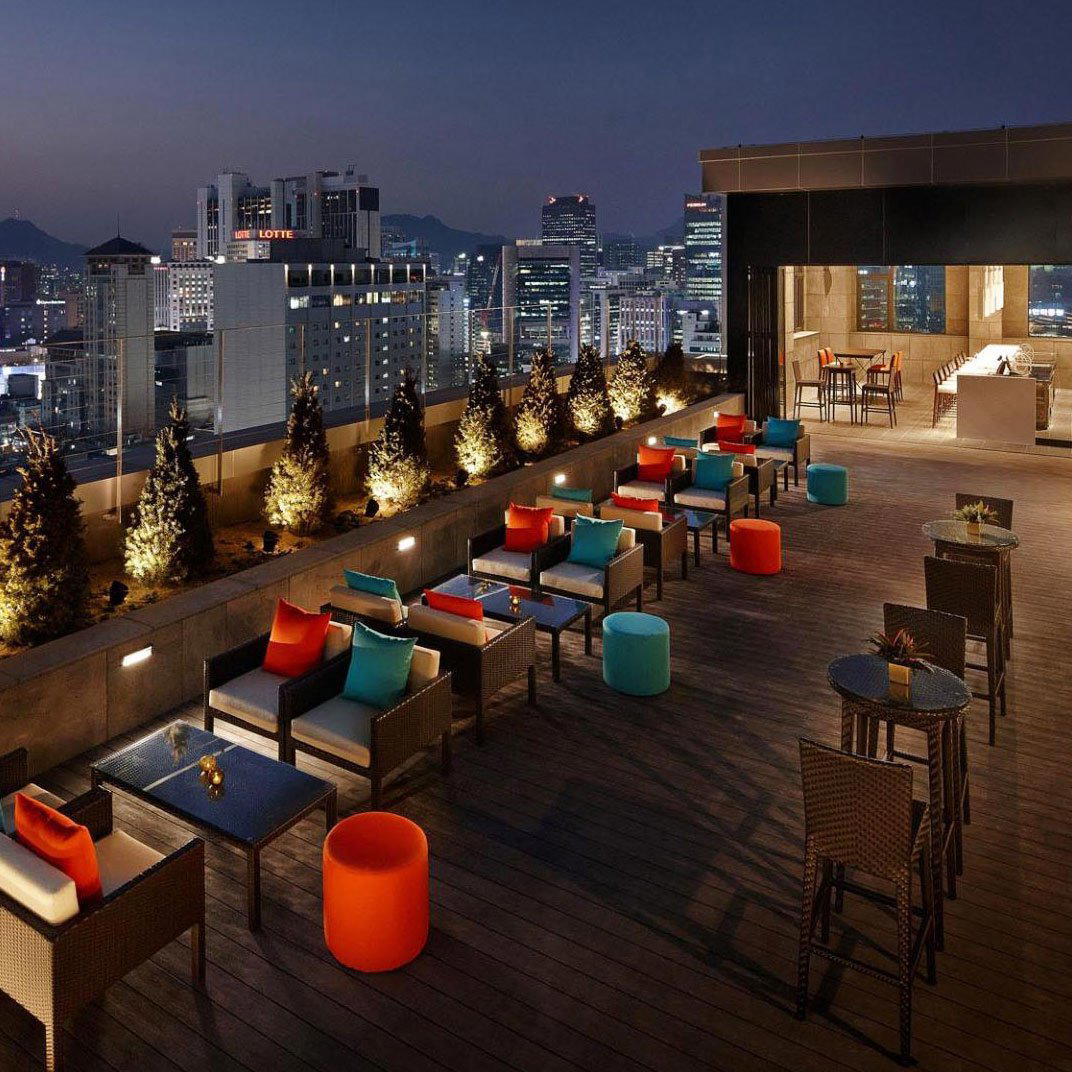
Where Cheonggyecheon Meets the Bowl
The stretch of Cheonggyecheon-ro running through Jongno District is old Seoul in the most literal sense: a corridor where traditional commercial districts survive alongside the restored stream that became the city's most-discussed urban rehabilitation project. Dining here sits in a different register from the haute-Korean rooms of Gangnam or the fine-dining belt near Gyeongbokgung. Rents are lower, expectations are grounded, and the clientele tends to be local rather than visitor-facing. In that context, a noodle counter drawing enough consistent critical attention to earn back-to-back Michelin Bib Gourmand citations is a meaningful signal, not a curiosity.
Niroumianguan occupies a specific niche within Seoul's noodle scene, one that has been quietly broadening over the past decade. Seoul's appetite for Japanese-style ramen and its variants has grown from a trend into an established category, with specialist counters appearing across Mapo, Hongdae, and now Jongno. What the Bib Gourmand designation marks, across its two consecutive years in 2024 and 2025, is sustained rather than momentary quality: Michelin's value-tier recognition rewards consistency over spectacle, and a second consecutive citation carries more weight than the first.
Critical Reception and What It Signals
The Michelin Bib Gourmand framework is worth contextualising. Unlike the star system, which rewards ambition and technical precision at the haute end, the Bib Gourmand specifically flags restaurants offering good cooking at a price that doesn't require advance financial planning. The ₩ price bracket at Niroumianguan confirms this: the kitchen is operating at the accessible end of Seoul's dining spectrum. To hold Bib Gourmand status twice in succession means Michelin's inspectors returned and found the same standard holding. That continuity is harder to sustain than the original recognition.
For comparative context, Seoul's Michelin-recognised noodle and casual Korean dining tier includes several counters across the city, but comparatively few in the Jongno District. Across the noodle-specialist category in Seoul, that combination of critical citation and sustained public rating is the mark of a kitchen that has found its register and held it.
For readers building a broader picture of Seoul's noodle scene, the comparison is instructive. Venues like Jeongmyeon, Mimi Myeonga, and Myeon Seoul each occupy different positions within the city's noodle tradition, from heritage mul-naengmyeon counters to contemporary interpretations. Seokyonanmyunbang and Tasty Cube represent further reference points in this category. Niroumianguan's position within that set is defined by its Japanese-influenced craft approach and its Jongno location, both of which differentiate it from the Mapo-centric ramen cluster.
The Kitchen's Craft Orientation
Chef Koga Hiroshi's name signals a Japanese culinary lineage in a city where Korean-Japanese noodle crossovers have become one of the more interesting micro-categories in casual dining. The broader pattern across East Asian noodle traditions is that the most consistently noted kitchens tend to operate with unusual discipline around broth construction, noodle texture, and timing. These are not front-of-house theatrics or plating exercises; they are craft decisions made before the restaurant opens each day. The Bib Gourmand's implicit criteria, cooking quality relative to price, reward exactly that kind of operational commitment.
Seoul's noodle category has historically sat in a bifurcated market: at one end, high-volume chains and convenience formats; at the other, a small tier of specialist rooms where the craft is taken seriously enough to attract critical attention. Niroumianguan operates in the latter bracket while maintaining the pricing of the former, which is precisely the combination the Bib Gourmand designation is designed to identify.
Beyond the noodle category, Seoul's broader critical dining environment is worth noting for orientation. The city's Michelin-starred Korean fine-dining rooms, including Gaon and Kwon Sook Soo, operate at a price point and formality level that occupies an entirely different decision for the visitor. Niroumianguan answers a different question: where, in Seoul, can you eat food that has earned genuine critical recognition without the formal commitment of a tasting menu?
Jongno District as Dining Context
Jongno is among Seoul's oldest administrative and commercial districts, and its dining character reflects that history. The area's food scene leans traditional and workaday rather than destination-facing: samgyetang specialists, pojangmacha culture, and multi-generational Korean institutions dominate. Against that backdrop, a noodle kitchen with Japanese craft credentials and two consecutive Michelin citations represents a specific kind of anomaly, the kind that tends to develop loyal local followings before it registers on the wider food-press radar.
The Cheonggyecheon stream, restored in 2005 after decades as a covered highway, now functions as a linear public space connecting central Seoul from west to east. The restaurants and businesses along Cheonggyecheon-ro benefit from foot traffic that is civic and residential rather than purely tourist-driven. That audience mix tends to produce more honest review distributions than venues positioned primarily for visitors, which makes Niroumianguan's 4.7 aggregate across over 2,200 ratings a more meaningful data point than it might appear at face value.
Planning Your Visit
The comparison below positions Niroumianguan within its competitive set for practical planning purposes. Note that comparison venues operate in different cuisine categories and price tiers; the table is intended for orientation, not direct equivalence.
| Venue | Cuisine | Price | Awards / Recognition |
|---|---|---|---|
| Niroumianguan | Noodles | ₩ | Michelin Bib Gourmand 2024, 2025 |
| Onjium | Korean | ₩₩₩₩ | Michelin-recognised |
| L'Amitié | French | ₩₩₩ | Michelin-recognised |
| 7th Door | Korean Contemporary | ₩₩₩₩ | Michelin-recognised |
| Zero Complex | Korean-French | ₩₩₩₩ | Michelin-recognised |
Niroumianguan is located at 75-2 Cheonggyecheon-ro, Gwancheol-dong, Jongno District. No booking method, dress code, or opening hours are listed in available data; given the casual format and accessible price point, walk-in visits are a reasonable expectation, though peak lunch and dinner windows at Bib Gourmand venues in Seoul typically see queues. Visiting mid-week or at off-peak hours reduces wait times at comparable counters in this category.
For further reading on Seoul's dining scene across price tiers and cuisine categories, see our full Seoul restaurants guide. For accommodation, the Seoul hotels guide covers the full range from design properties to heritage stays. Those building a wider Korea itinerary may find value in Mori in Busan and Baegyangsa Temple in Jangseong-gun as regional counterpoints. Evening options in Seoul are covered in the Seoul bars guide, with cultural programming in the Seoul experiences guide.
For those interested in the broader noodle-specialist category across the region, A Bing Bao Shan Mian in Hangzhou, A Kun Mian in Taichung, and A Niang Mian Guan in Shanghai offer useful comparisons across Chinese noodle traditions. The Seoul wineries guide and the Jeju entry at The Flying Hog in Seogwipo round out the broader South Korea picture for those planning multi-city travel.
Frequently asked questions
How much does it cost to eat at Niroumianguan?
Pricing at Niroumianguan is listed as ₩.
Cuisine Lens
| Venue | Cuisine | Price | Awards | Notes |
|---|---|---|---|---|
| NiroumianguanThis venue (the venue you are viewing) | Authentic Chinese Beef Noodle Soup | $10–20 | Michelin Bib Gourmand | Not listed |
| 7th Door | Modern Korean Fermentation Fine Dining | $100–150 | 1 Michelin Star · World's 50 Best #49 | Korean, Contemporary |
| Solbam | Contemporary Neo-Classical Korean | $200–300 | 1 Michelin Star · World's 50 Best #55 | Contemporary |
| Onjium | Modern Korean Royal Court Cuisine | Not listed | 1 Michelin Star · World's 50 Best #14 | Korean |
| L'Amitié | Classic French Fine Dining | $100–150 | 1 Michelin Star · La Liste Top Restaurants | French |
| Zero Complex | Modern French Neo-Bistro | $100–150 | 1 Michelin Star · La Liste Top Restaurants | Korean-French, Innovative |
Recognition history
Dated appearances from independent guides and award organizations, with the underlying list record or original source where available.
Michelin Bib Gourmand
Michelin
Full recognition history (2 entries)
Michelin Bib Gourmand
Michelin
Continue exploring
More in Seoul
Restaurants in Seoul
All restaurants in Seoul →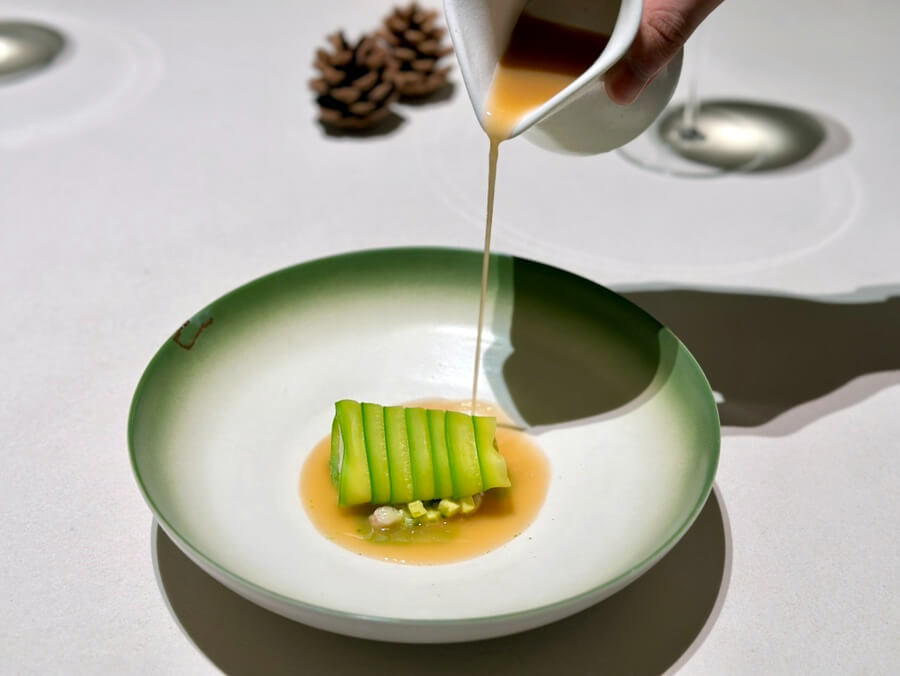
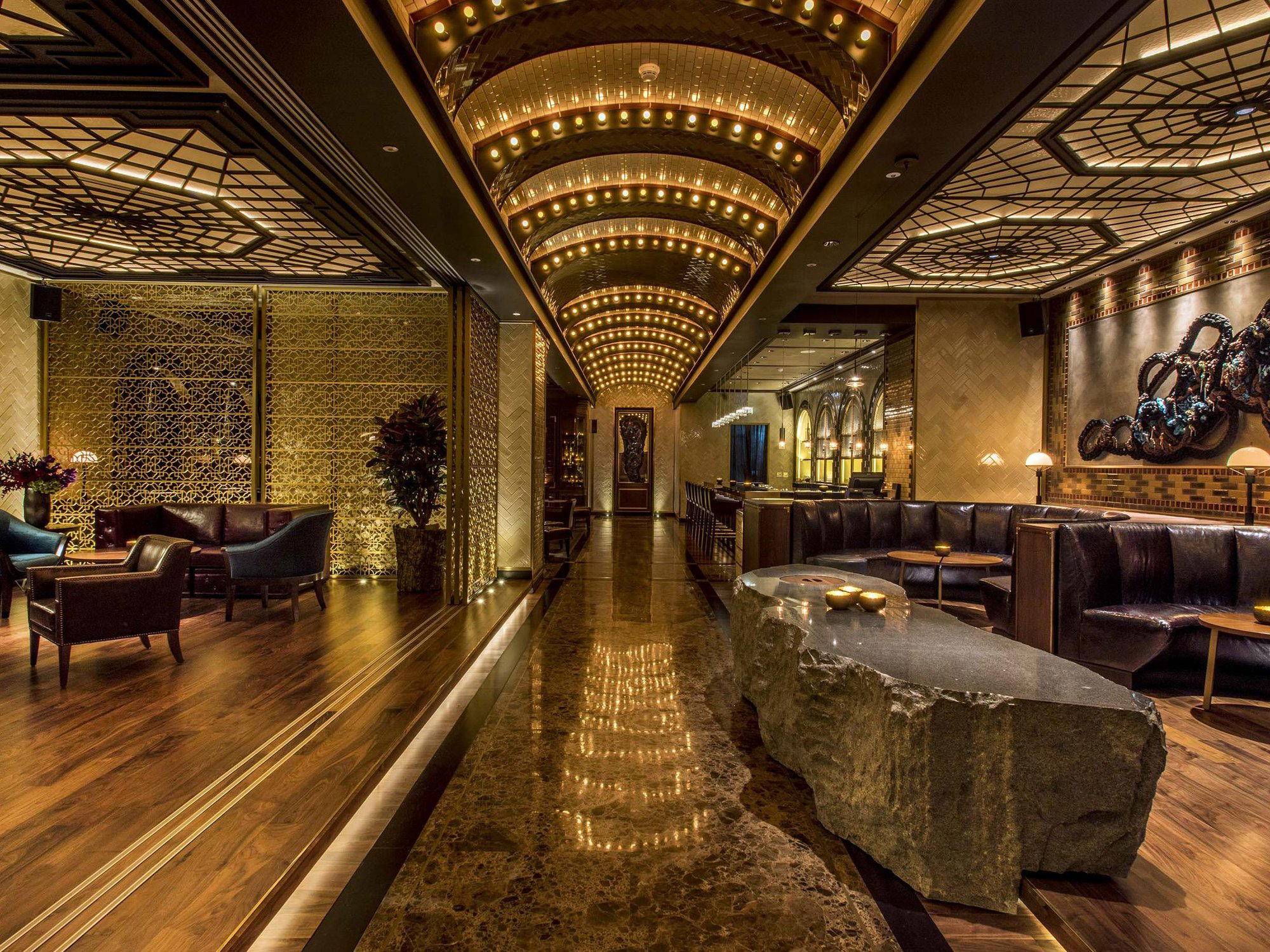
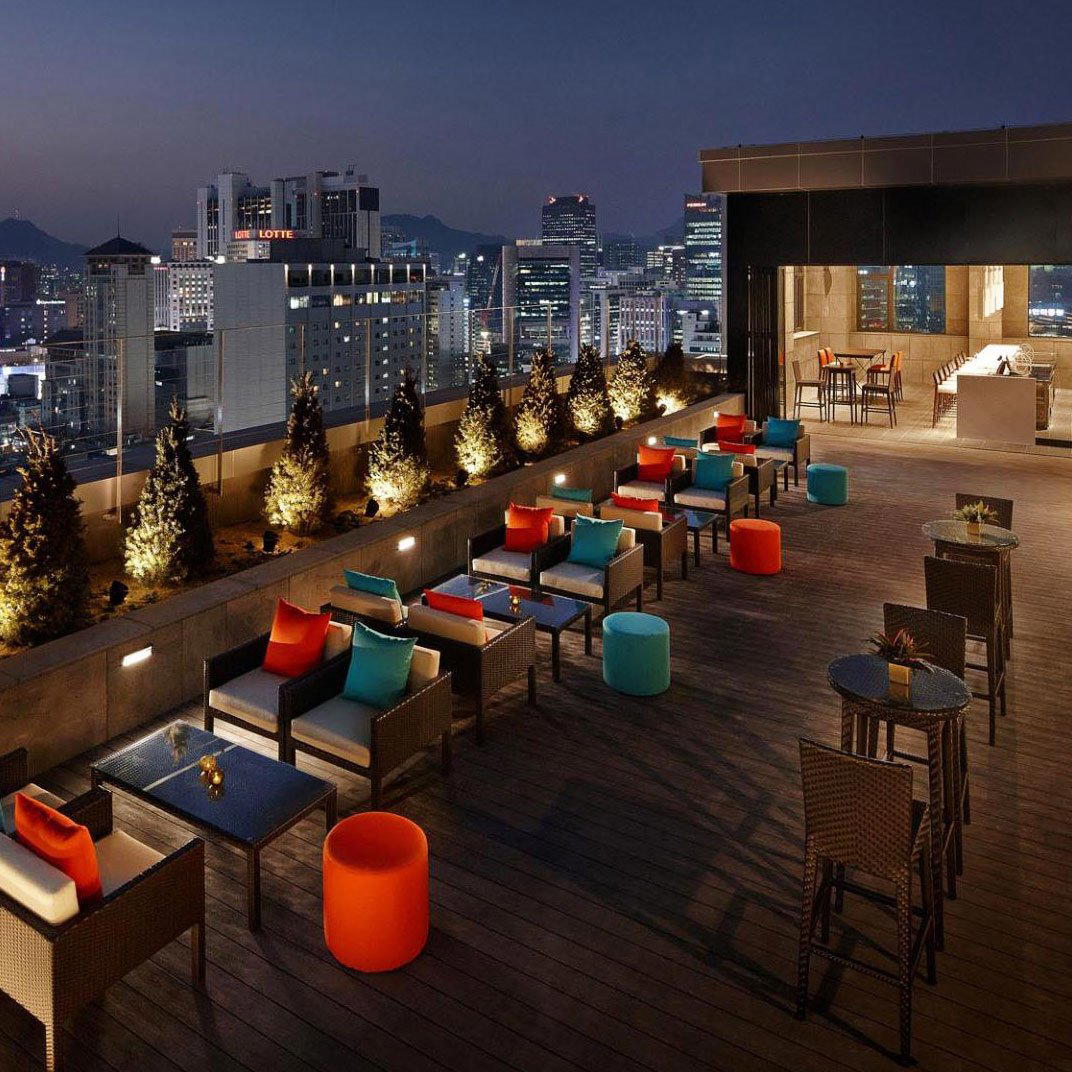
Bars in Seoul
All bars in Seoul →
Details
- Cozy
- Modern
- Casual Hangout
- Open Kitchen
- Street Scene
- A La Carte
Current opening hours
- Monday
- 11 AM–9 PM
- Tuesday
- 11 AM–9 PM
- Wednesday
- 11 AM–9 PM
- Thursday
- 11 AM–9 PM
- Friday
- 11 AM–9 PM
- Saturday
- 11 AM–9 PM
- Sunday
- 11 AM–9 PM
Hours can change for holidays and private events. Hours as of .
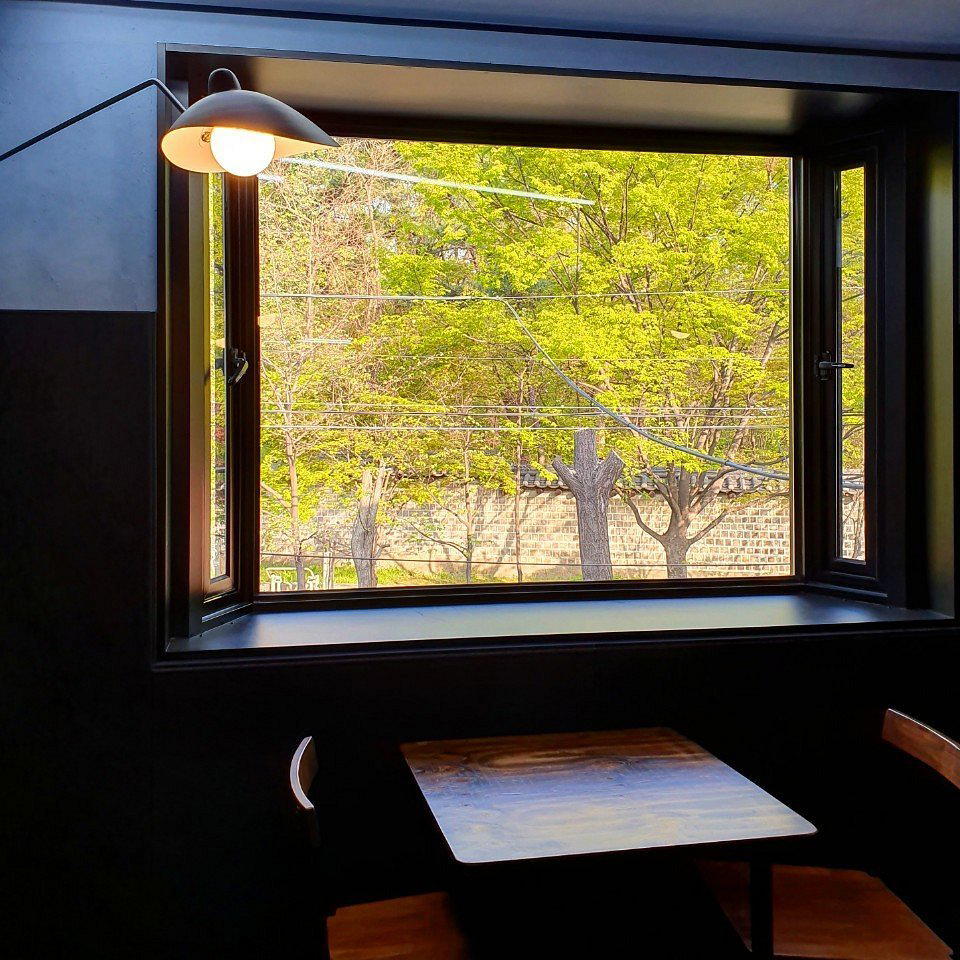
Clean white and lively rust-colored decor creating a modest, cozy atmosphere with lively yet relaxed energy and views of Cheonggyecheon stream.