Tasty Cube

Michelin Bib Gourmand
Our verdict
Few noodle counters in Seoul sit at the intersection of Chinese and Southeast Asian technique the way Tasty Cube does. Operating under the Korean name Jeongyukmyeonche and holding a 2024 Michelin Bib Gourmand, this Seodaemun-gu bar-seat spot builds its menu around beef noodle soup and sesame-paste dressed noodles, with a stated ambition to expand across noodle traditions from multiple culinary cultures.

Pearl is the En Primeur Club membership app, where members save venues, book tables and use the concierge.
The menu
What to order
- Hong Tantanmen
- Baek Tantanmen
- Kkaebusu-myeon
Bar Seating, Open Kitchen, Full Attention
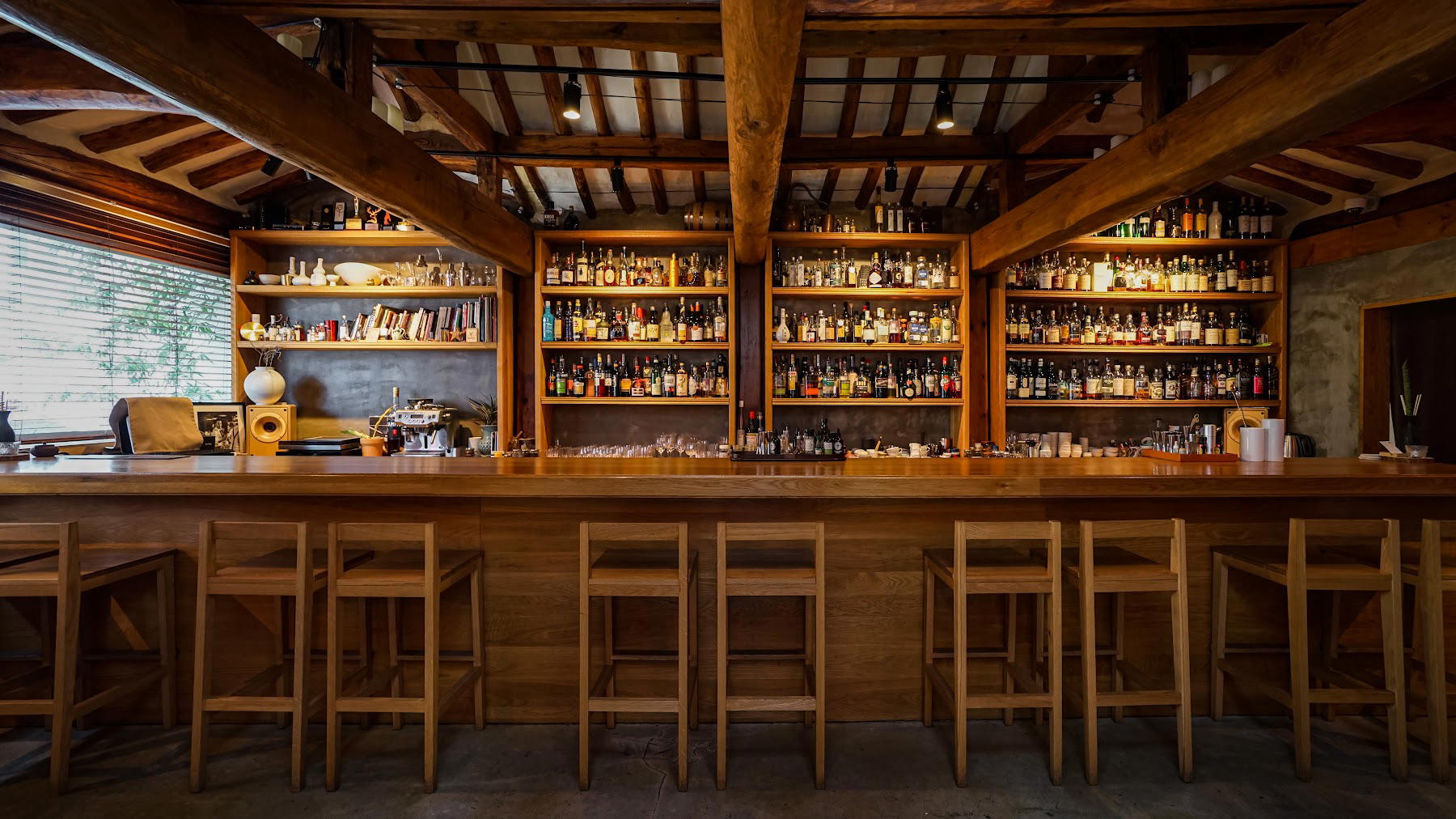
Walk into Jeongyukmyeonche, the full Korean name behind the venue known to many as Tasty Cube, and the format announces itself immediately. There is no main dining room to scan, no table to retreat to. The seating runs along a counter facing the open kitchen, which means the cooking is always visible and the meal begins the moment you sit down. This kind of counter arrangement, common in Japanese omakase and Korean pojangmacha culture alike, imposes a particular rhythm on the experience: the kitchen sets the pace, and the diner adjusts to it.
That physical setup is not incidental. Seoul has developed a strong appetite for counter dining across price points, from the high-end omakase tier, where venues like Gaon in Seoul and Kwon Sook Soo in Gangnam-gu command multi-course prestige, down to casual but serious single-dish spots where the counter functions as a direct line between cook and customer. Jeongyukmyeonche operates firmly in the latter register. The price point is a single ₩ tier, the space is cozy, and the counter format here signals proximity and informality rather than ceremony.
The Name as a Menu in Four Characters
The four Chinese characters that make up Jeongyukmyeonche translate to heart, meat, noodles, and restaurant, a compact declaration of intent. In a city where restaurant names often carry layered meaning or signal a chef's lineage, this one leads with product. The noodle is the subject. Everything else supports it.
That clarity of focus places this venue inside a broader pattern visible across East Asian noodle culture. From the focused beef noodle shops of Taiwan to the A Niang Mian Guan tradition in Shanghai and the sesame-forward noodle counters of Hangzhou, there is a long-established model of the specialist noodle house that earns its reputation by mastering a narrow range rather than broadcasting range. Jeongyukmyeonche fits that model while applying it inside Seoul's Seodaemun-gu, a neighbourhood that sits adjacent to Yonsei University and carries a more lived-in, less trend-chasing character than the dining clusters of Gangnam or Itaewon.
The Menu: Chinese and Southeast Asian Technique at Present
The current menu leans into Chinese and Southeast Asian noodle traditions. Two dishes anchor the offering: a beef noodle soup and noodles dressed with zhi ma jiang, the savory sesame paste that forms the backbone of numerous Chinese cold and room-temperature noodle preparations. Zhi ma jiang is distinct from the Japanese sesame sauce or the Korean chamgireum (sesame oil) traditions, it is richer, denser, and produces a coating rather than a dressing when applied to noodles. That specificity of technique matters. A venue choosing this as a signature is making a deliberate regional call, not a generic pan-Asian gesture.
The owners have indicated the plan extends further: noodle dishes from other culinary cultures are intended to join the menu over time. That stated ambition makes the current format feel like a foundation rather than a fixed identity. For diners visiting now, the Chinese and Southeast Asian backbone is what's on offer, and it earned a Michelin Bib Gourmand in 2024, the guide's recognition for places delivering high quality at moderate prices. Within Seoul's noodle category, that places Jeongyukmyeonche alongside venues like Jeongmyeon, Mimi Myeonga, and Myeon Seoul in a tier that takes the form seriously without pricing it beyond reach.
How the Dining Ritual Works Here
Counter-facing-kitchen arrangement shapes how a meal unfolds at Jeongyukmyeonche in ways that differ from both tasting-menu counters and the quick-turnover bowl format of a busy ramen chain. You are watching the preparation of your food, which creates a natural orientation toward process. In a noodle context, this means attention to the broth's colour and consistency, the moment noodles are pulled or dropped, the construction of each bowl. It is a more engaged eating posture than a table allows.
Dining ritual at this type of specialist counter follows its own conventions. There is typically no extensive back-and-forth with a menu; the range is tight and the regulars know what they want. For first-time visitors, the sequence is direct: identify the two or three core dishes, order, observe, eat while the food is at the right temperature. Noodles do not wait. The broth, particularly in a beef noodle soup preparation, has a temperature window, and the sesame-paste dressed noodles will begin to clump if left too long. Eating with focus rather than grazing over conversation is part of the contract the format implies.
This ritual sensibility is common across the noodle counter tradition in cities like Taipei, Taichung, and increasingly Seoul, where a generation of operators has imported precision and product focus from East Asian noodle culture into a Korean dining context. The comparison is not incidental: venues like Niroumianguan in Seoul and Seokyonanmyunbang operate in related territory, each approaching noodle specificity from a different regional angle. Together, they form a small but increasingly coherent noodle counter scene in Seoul that sits well apart from the Korean-French innovation tier or the grand Korean dining formats seen at venues like Gaon.
Seodaemun-gu and the Surrounding Context
The address on Yonsei-ro 5da-gil places the restaurant within walking distance of Yonsei University, in a part of Seoul that runs on a different logic than the dining destination zones further south. Seodaemun-gu attracts students, locals, and people who know where they are going rather than diners working through a neighbourhood list. That context suits the format: a cozy, bar-seated, single-price-tier noodle counter is at home here in a way it might not be in the more self-conscious environments of Apgujeong or Hannam-dong. The neighbourhood provides cover for a place that wants to be taken seriously without performing seriousness.
For visitors staying elsewhere in Seoul, the trip to Seodaemun-gu is part of the experience. It is not an area that rewards casual strolling through a dense dining block the way Euljiro or Mangwon-dong might. You come with a destination, eat well at the counter, and assess the noodle work on its own terms.
Planning Your Visit
For wider Seoul dining context, see our full Seoul restaurants guide, our full Seoul hotels guide, our full Seoul bars guide, our full Seoul wineries guide, and our full Seoul experiences guide. For noodle-focused dining beyond Seoul, Mori in Busan and Baegyangsa Temple in Jangseong-gun offer points of comparison in other Korean regions. And for the more casual end of Korean dining further afield, the range across the peninsula is considerable.
Address: 22-8 Yonsei-ro 5da-gil, Seodaemun-gu, Seoul. Budget: Single ₩ tier, the Bib Gourmand designation confirms value relative to quality at this price range. Reservations: Awards: Michelin Bib Gourmand 2024.
What Regulars Order at Tasty Cube
The two dishes that appear consistently as the core of any visit are the beef noodle soup and the noodles dressed with zhi ma jiang. The beef noodle soup belongs to a Chinese tradition, specifically the Taiwanese and mainland Chinese forms that have spread across East Asia, where the broth is built from braised beef and the balance between fat, acid, and umami defines the quality ceiling. The zhi ma jiang noodles, dressed in crushed sesame paste, represent a different register: denser, more aromatic, and less dependent on broth temperature. Both dishes reflect the Chinese technique emphasis that dominates the current menu. For regulars, the sesame paste noodles in particular appear to drive repeat visits, given that zhi ma jiang preparations are relatively rare in Seoul's wider dining scene, which makes the specificity here a point of distinction.
Frequently asked questions
Who runs the kitchen at Tasty Cube?
The chef associated with Tasty Cube is Ronald Thelemann.
What distinctions does Tasty Cube have?
Tasty Cube has received recognition including: A combination of Chinese characters for heart, meat, noodles and restaurant make up the four-syllable name Jeongyukmyeonche. The cozy space, which only offers bar seating facing the open kitchen, is the brainchild of a group of friends who ….
What do regulars order at Tasty Cube?
The two core dishes are the beef noodle soup and the noodles dressed with zhi ma jiang, a savory paste made from crushed sesame seeds. Both appear consistently as the anchors of any visit and reflect the Chinese technique that currently dominates the menu. The 2024 Michelin Bib Gourmand recognition singles out the restaurant at this ₩ price point, which makes those two dishes the logical starting point for any first or returning visit.
A Lean Comparison
| Venue | Cuisine | Price | Awards | Notes |
|---|---|---|---|---|
| Tasty CubeThis venue (the venue you are viewing) | Chinese & Southeast Asian Noodle Bar | $10–20 | Michelin Bib Gourmand | Not listed |
| 7th Door | Modern Korean Fermentation Fine Dining | $100–150 | 1 Michelin Star · World's 50 Best #49 | Korean, Contemporary |
| Solbam | Contemporary Neo-Classical Korean | $200–300 | 1 Michelin Star · World's 50 Best #55 | Contemporary |
| Onjium | Modern Korean Royal Court Cuisine | Not listed | 1 Michelin Star · World's 50 Best #14 | Korean |
| L'Amitié | Classic French Fine Dining | $100–150 | 1 Michelin Star · La Liste Top Restaurants | French |
| Zero Complex | Modern French Neo-Bistro | $100–150 | 1 Michelin Star · La Liste Top Restaurants | Korean-French, Innovative |
Recognition history
Dated appearances from independent guides and award organizations, with the underlying list record or original source where available.
Michelin Bib Gourmand
Michelin
Full recognition history (2 entries)
Michelin Bib Gourmand
Michelin
Continue exploring
More in Seoul
Restaurants in Seoul
All restaurants in Seoul →
Bars in Seoul
All bars in Seoul →
Details
- Cozy
- Intimate
- Modern
- Solo
- Casual Hangout
- Open Kitchen
- A La Carte
Cozy space with bar seating facing the open kitchen, offering an intimate dining experience.