Our verdict
SAVOY occupies a ground-floor address in Shimouma, Setagaya, at a remove from the concentrated dining corridors of central Tokyo. The venue draws visitors willing to travel beyond the obvious circuits, fitting a pattern of neighbourhood-anchored dining that has quietly expanded across Tokyo's residential wards over the past decade.

Pearl is the En Primeur Club membership app, where members save venues, book tables and use the concierge.
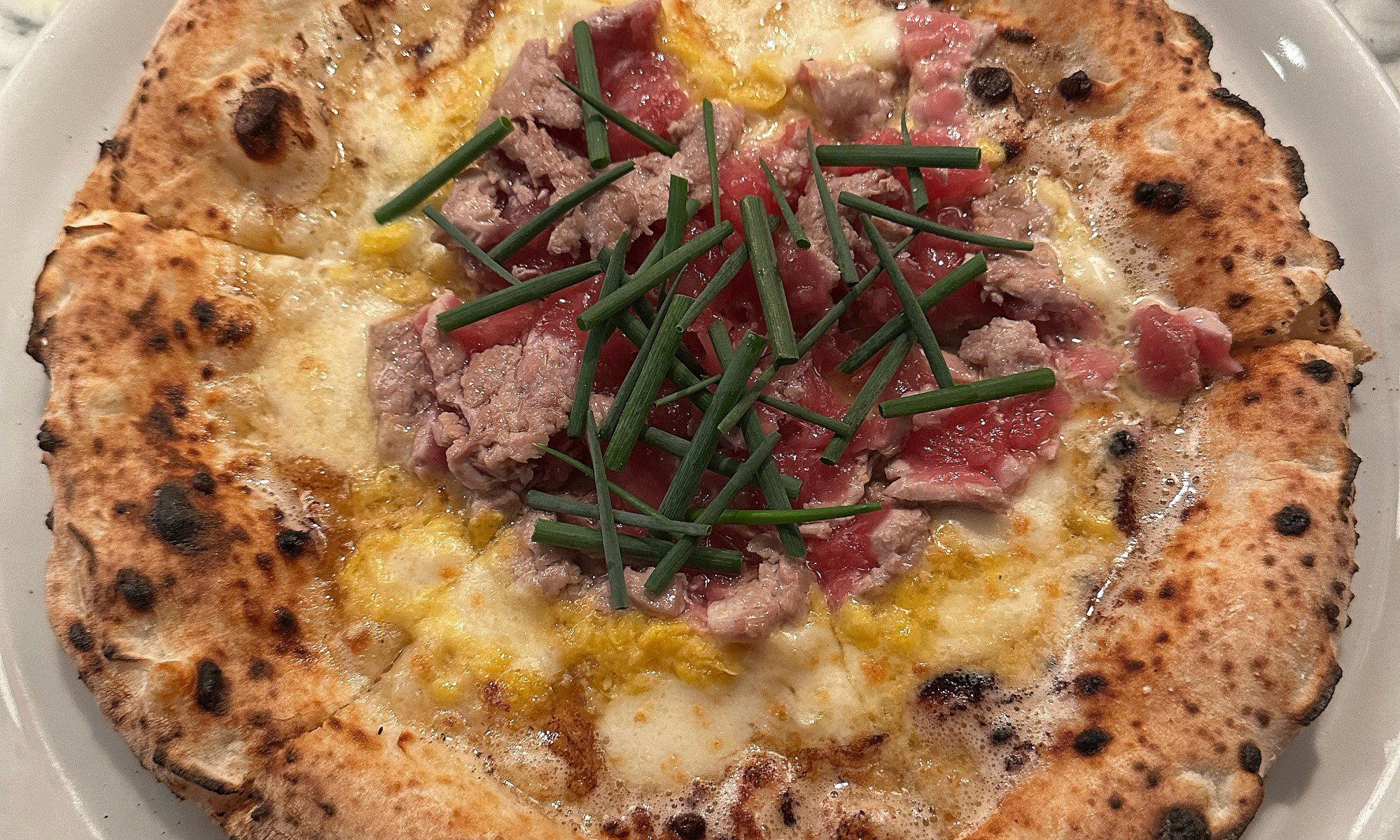
Setagaya and the Residential Dining Shift
Tokyo's restaurant map has been redrawing itself for years. The gravitational pull of Ginza, Minami-Aoyama, and Roppongi remains strong, but a parallel circuit has grown in the residential wards to the south and west of the Yamanote Line. Setagaya, the city's most populous ward, sits at the heart of this shift. Its sub-neighbourhoods, including Sangenjaya, Nakameguro-adjacent pockets, and the quieter stretches around Shimouma and Yutenji, have accumulated a layer of serious eating that owes little to the Michelin-anchored visibility of the centre. SAVOY occupies a ground-floor unit in this zone, at an address in Shimouma that places it firmly within this residential-ward dining pattern rather than the high-profile downtown tier.
The broader trend is worth understanding before arriving. In major Japanese cities, the split between landmark destination dining and neighbourhood-specialist dining has widened. At one end sit the multi-starred counters of Harutaka in the sushi category and the French-inflected precision of L'Effervescence, both operating in the capital's most competitive upper tier. At the other end, a different kind of restaurant holds its position through repeat local clientele, lower overhead, and a format that does not depend on international visibility to fill seats. SAVOY sits closer to the second category by geography alone, in a building called Fertel Loire Yutenji, in a part of Setagaya where foot traffic is residential rather than tourist.
Approaching the Address
Shimouma is not a neighbourhood that announces itself. Coming from Yutenji Station on the Tokyu Toyoko Line, the streets narrow quickly from the commercial strip around the station exit into the quieter residential blocks to the north and east. The area carries the low-key density of the leading Setagaya pockets: low-rise buildings, local grocers, the occasional cafe or izakaya operating without signage visible from the main road. A restaurant in this context tends to read differently than one positioned on a named dining street. You arrive because you know where you are going.
That spatial experience matters because it shapes the meal before it begins. Tokyo's premium restaurant tradition has long produced spaces designed to manage transition, from street to counter, from ambient noise to focused quiet. The kaiseki format, as practiced at RyuGin, builds this into multi-course architecture. French-inflected tasting formats, visible at Sézanne and Crony, do the same through pacing and room design. A neighbourhood room, even one operating without the infrastructure of a hotel or destination block, participates in this tradition by the simple fact of what its location removes: the crowd, the noise, the performance of being seen dining somewhere prominent.
The Meal as a Sequence
The tasting progression format rewards attention in a way that à la carte dining does not. Each course arrives as part of an argument the kitchen is making about the season, the ingredient, or the technique. At counters like Harutaka, that argument is built around the shari-neta relationship specific to sushi. At kaiseki rooms like Gion Sasaki in Kyoto, it tracks the calendar with strict fidelity. For visitors exploring Japan's broader restaurant geography, the comparison extends beyond Tokyo: HAJIME in Osaka, akordu in Nara, and Goh in Fukuoka each demonstrate how the sequential meal format adapts to different cities and kitchen philosophies. SAVOY's neighbourhood setting in Setagaya places it in a related conversation, albeit at a more local register.
The Wider Japan Dining Circuit
Restaurants outside the major city centres have demonstrated, with growing consistency, that geography is not a ceiling on quality. 一本木 名川制 in Nanao, 古代山乃 in Sapporo, 琵琶湖畔 in Takashima, and 庄羽屋 in Nishikawa Machi all operate at distances from the capital that would have historically limited their recognition. The same pattern holds for Birdland in Sakai and Bistro Ange in Toyohashi. In Tokyo itself, Setagaya's dining rooms participate in an analogous dynamic: distance from the centre creates the conditions for a different kind of focus.
For readers who have tracked similar dynamics in other food cities, the comparison to New York is instructive. Restaurants like Le Bernardin and Atomix anchor the high-recognition tier in Manhattan, but the outer-borough and neighbourhood restaurant conversation has its own logic and loyal audience. Tokyo's residential ward dining operates on a similar principle, and Setagaya, with its combination of density, purchasing power, and relative distance from the tourist circuit, is one of the more productive places to trace it. See our full Tokyo restaurants guide for a wider map of the city's dining tiers.
Planning Your Visit
Public records for SAVOY are sparse at this time. Address: 1 Chome-23-13 Shimouma, Setagaya City, Tokyo, ground floor of Fertel Loire Yutenji. Access: Yutenji Station on the Tokyu Toyoko Line is the closest rail point. Reservations: No booking platform or phone number is confirmed in the public record; visiting in person or monitoring local dining platforms for updated contact information is the most reliable approach. Hours and pricing: Not confirmed; direct enquiry is recommended before making the trip. Seasonal note: Setagaya's neighbourhood restaurants, like much of Tokyo's serious dining scene, often adjust their menus in line with seasonal produce cycles, with late autumn and winter menus frequently drawing on different ingredients than spring and summer formats.
Frequently asked questions
Do they take walk-ins at SAVOY?
What makes SAVOY worth seeking out?
Can SAVOY adjust for dietary needs?
Should I splurge on SAVOY?
How does SAVOY fit into a broader Setagaya or south-west Tokyo dining itinerary?
Peers Worth Knowing
Comparable venues nearby, for context on price, style, and recognition.
| Venue | Cuisine | Price | Awards | Notes |
|---|---|---|---|---|
| SAVOYThis venue (the venue you are viewing) | Neapolitan-Style Pizza | $10–20 | Not listed | Not listed |
| MASSIMOTTAVIO | Neapolitan Pizza | Not listed | 50 Top Pizza Asia-Pacific #32 · Tabelog 100 #89 | Suginami |
| CASA BELLA | Cozy Italian pasta and wine bar | Not listed | Tabelog 100 #77 | Shinjuku |
| Gelateria Acquolina | Artisanal Italian Gelato | $10–20 | Tabelog 100 #58 | Meguro |
| Pizzeria Bakka M'unica | Neapolitan-Style Pizza | $20–30 | Tabelog 100 #3 | Shinagawa |
| pizzeria GG Kichijouji | Traditional Neapolitan Pizzeria | $20–30 | Tabelog 100 #26 | Kichijoji |
Continue exploring
More in Tokyo
Restaurants in Tokyo
All restaurants in Tokyo →


Bars in Tokyo
All bars in Tokyo →




Details
- Trendy
- Modern
- Intimate
- Casual Hangout
- Open Kitchen
- A La Carte
- Vegetarian Friendly
Current opening hours
- Monday
- 11:30 AM–2 PM, 5:30–8:30 PM
- Tuesday
- 11:30 AM–2 PM, 5:30–8:30 PM
- Wednesday
- Closed
- Thursday
- Closed
- Friday
- 11:30 AM–2 PM, 5:30–8:30 PM
- Saturday
- 11:30 AM–2:30 PM, 5:30–8:30 PM
- Sunday
- 11:30 AM–2:30 PM, 5:30–8:30 PM
Hours can change for holidays and private events. Hours as of .
Casual and energetic atmosphere centered around the open kitchen and hulking wood-fired pizza oven, with a perpetual lunch queue and quick turnover.