Michelin Plate · Tabelog Silver #116
Our verdict
A Tabelog Silver Award winner three consecutive years running (2024–2026) and a Michelin Plate holder, Sanwa operates from an eleven-seat basement room in Shirokanedai, Minato. The kitchen runs charcoal-grilled meat and seasonal ingredients through a prix fixe format that limits each dish to three primary components, with the meal traditionally closing on pasta. Dinner runs from JPY 20,000 to JPY 29,999 before service charge.

Pearl is the En Primeur Club membership app, where members save venues, book tables and use the concierge.
A Neighbourhood Room That Keeps Winning
Shirokanedai is not where Tokyo goes to be seen. The residential stretch of Minato-ku, a short walk from the eponymous subway station, runs quieter than Roppongi or Ginza, and its dining rooms tend to reflect that: smaller, less theatrical, and drawing on a local following rather than tourists or corporate expense accounts. It is exactly the kind of address where the trattoria tradition, imported from Italian neighbourhood dining and quietly adapted to Tokyo's precision cooking culture, has found some of its most coherent expressions. Sanwa, which opened on 28 October 2021 in the basement of the Shirokanedai THE1000 building, sits inside that tradition and has accumulated a record that the surrounding quietness does nothing to obscure.
The restaurant has held the Tabelog Silver Award in three consecutive years, 2024, 2025, and 2026, and carries a current Tabelog score of 4.47. It has been selected for the Tabelog Italian TOKYO "Tabelog 100" in both 2023 and 2025, placing it among the hundred most-rated Italian restaurants in the city by user review volume and quality. The Michelin Guide has issued a Plate recognition for both 2024 and 2025. For a room that seats eleven people and opened less than four years ago, those signals cluster unusually fast. In a city where Italian restaurants number in the thousands, the sustained Tabelog 100 selection across multiple cycles is a reliable indicator of repeat patronage rather than novelty traffic. For context, other Tokyo Italian rooms EP Club covers, including Aroma Fresca and Principio, operate in a different register of scale and formality. Sanwa's eleven seats position it as a counter-and-table operation with the intimacy of a private dining room and the informality of a local trattoria.
The Logic of Three
Tokyo's Italian dining scene has split, over the past decade, into roughly two camps. On one side sit the white-tablecloth rooms where European-trained chefs execute technically elaborate tasting menus priced at the same tier as kaiseki. On the other sit smaller, less ceremonial operations that take Italian technique seriously but frame it through the neighbourhood-restaurant logic of warmth, approachability, and cooking that connects producers to the people eating their ingredients. Sanwa operates in the second camp, but its award record places it at the more rigorous end of it.
The name itself signals the approach. "Sanwa" translates as "three-part harmony": between producers, the kitchen, and guests. That philosophy shapes the menu format directly. Each dish is built around a maximum of three primary ingredients, a constraint that forces clarity over complexity. The kitchen names its producers on the menu, creating a traceable line from farm or supplier through to the plate. This producer-visible format has become more common across premium Japanese dining generally, from kaiseki rooms to high-end ramen counters, but it remains less standard in Tokyo's Italian category. At Sanwa, it functions as both an ethical position and a culinary discipline: if you are limited to three components, the quality of each one carries the full weight of the dish.
The prix fixe structure follows a recognisable Italian sequence with a Japanese interpretation. Service opens with dry-cured ham and gnocco fritto, the fried dough typical of Emilia-Romagna and one of the more honest indicators of a kitchen's approach to fat and timing. Meat courses, including venison and beef, arrive cooked over charcoal. The meal closes with pasta, a structural decision that inverts the conventional European course order and aligns with a broader Japanese approach to placing rice or carbohydrate at the end of a meal as a moment of satisfying completion. That inversion is not accidental. It reflects the kind of confident localisation that distinguishes Tokyo's better Italian rooms from those that simply replicate Italian formats without adapting them to the city's dining culture.
The Room and How It Sits in the Neighbourhood
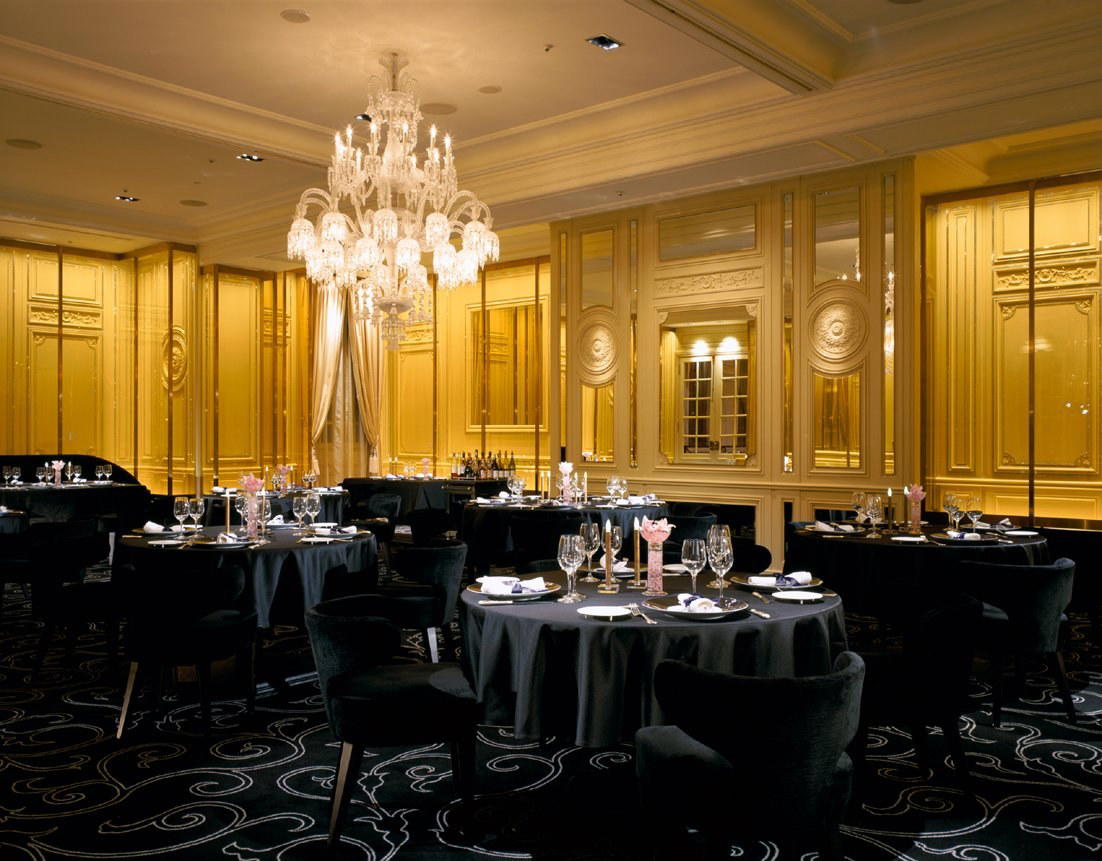
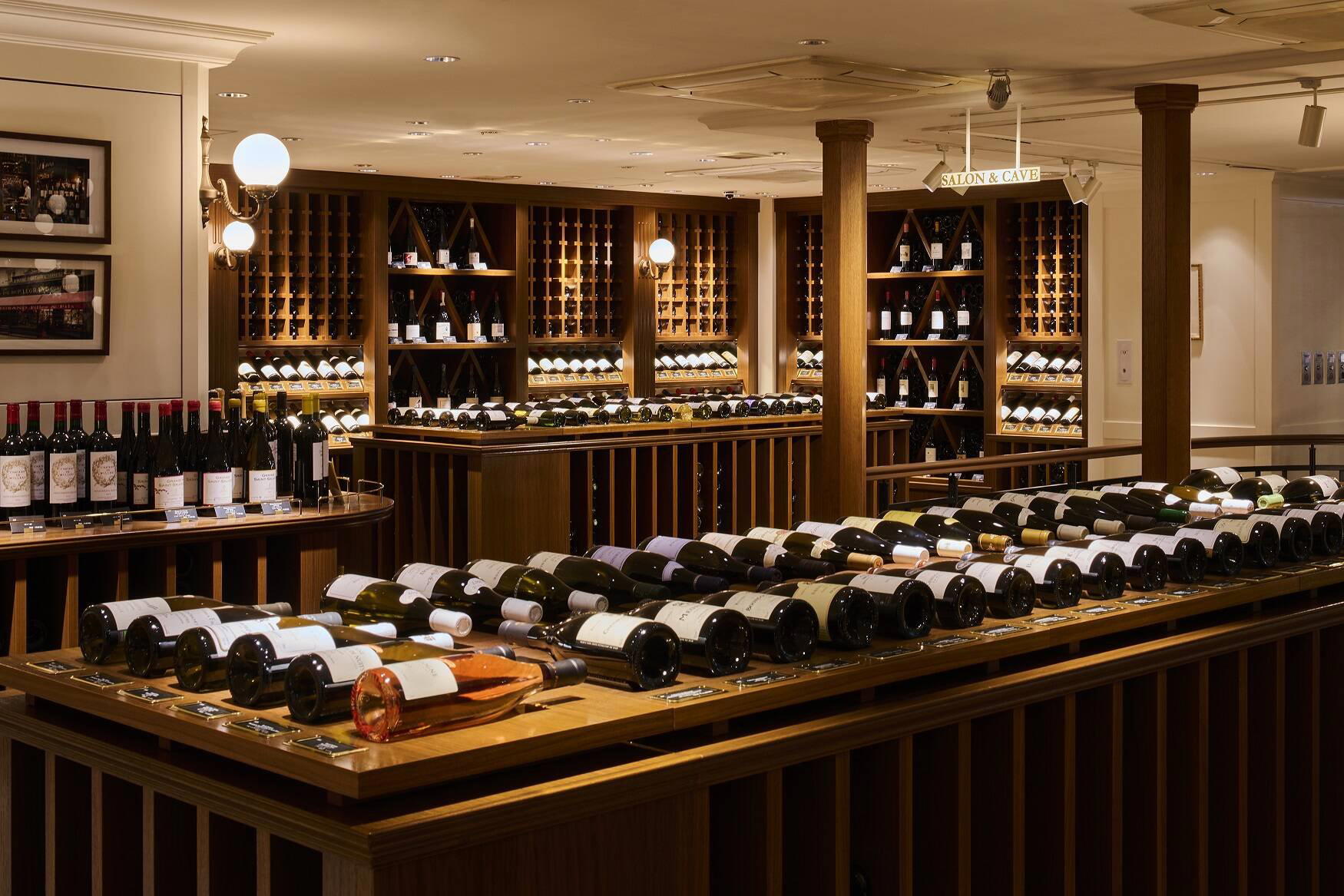
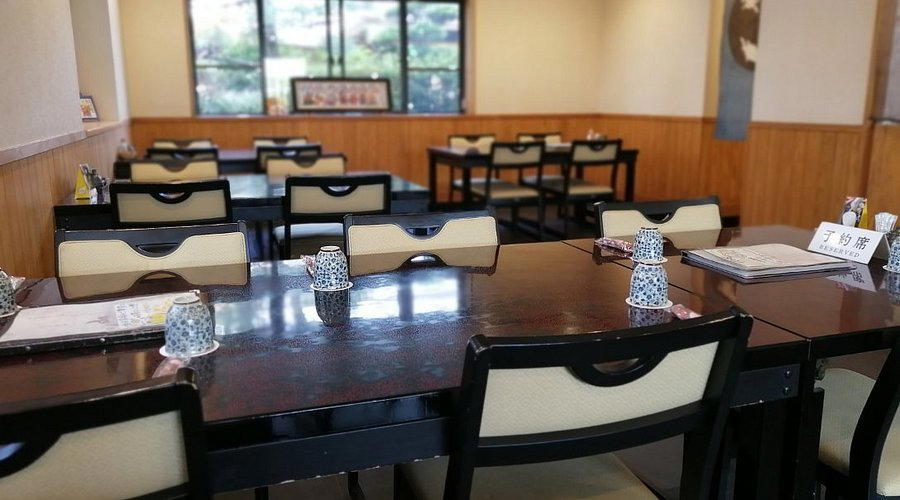
Eleven seats across a five-seat counter and a six-seat table section is a format that does specific things to a dining room. It constrains noise, limits turn times, and makes service essentially personal. Tokyo's most awarded small-format restaurants, across every cuisine category, tend to use this scale not because it signals exclusivity but because it allows a level of cooking consistency and guest attention that larger rooms make difficult. Compare this to the different competitive positions of rooms like PRISMA or Gucci Osteria da Massimo Bottura Tokyo, which operate with more theatrical intent and a higher international profile. Sanwa's basement location in Shirokanedai carries none of that institutional framing. The room is described as stylish and relaxing, with counter seating as a central feature, and the wine program is treated as a serious component rather than an afterthought.
Shirokanedai's dining character rewards those who look for it. The neighbourhood has accumulated a cluster of considered small restaurants over the past decade, and Sanwa fits that pattern. The 292-metre distance from Shirokanedai station makes it accessible without advertising the fact. Within Tokyo's Italian category, AlCeppo operates in a related neighbourhood-rooted mode, and the comparison is useful for understanding where Sanwa sits: both are rooted in a local rather than destination-restaurant logic, but Sanwa's award acceleration since 2021 suggests a kitchen operating at a higher register of ambition.
For those mapping Tokyo's Italian dining against European comparisons, cenci in Kyoto offers a useful parallel in terms of scale and philosophical approach, though the two kitchens work with different regional Italian references. Internationally, 8½ Otto e Mezzo Bombana in Hong Kong represents what the high end of Asia's Italian category can look like at greater scale and formality, a different proposition entirely.
Japan's broader fine-dining geography provides further context: HAJIME in Osaka, Gion Sasaki in Kyoto, akordu in Nara, Goh in Fukuoka, 1000 in Yokohama, and 6 in Okinawa all sit in a different cuisine register but share the small-format, producer-connected ethos that defines Sanwa's approach at the Italian end of Tokyo's dining scene.
Planning Your Visit
Reservations: Available by phone; reservation phone support runs 12:00–16:00. Book ahead, particularly for weekend evenings, given the eleven-seat capacity. Hours: Monday, Tuesday, Thursday, Friday, Saturday, Sunday 18:00–00:00; closed Wednesday. Budget: Listed dinner average JPY 20,000–29,999; review-based spending data suggests JPY 30,000–39,999 including wine. A 10% service charge applies. Payment: Credit cards accepted (Visa, Mastercard, JCB, Amex, Diners). Electronic money and QR code payments not accepted. Dress: No formal dress code listed. Shirokanedai's general tone is relaxed but considered; smart-casual is appropriate. Access: B1F, 5-13-14 Shirokanedai, Minato-ku, Tokyo; approximately 292 metres from Shirokanedai station. No parking available on site.
For further reading on Tokyo dining, EP Club's full Tokyo restaurants guide covers the full range across cuisine categories. Our Tokyo hotels guide, Tokyo bars guide, Tokyo wineries guide, and Tokyo experiences guide complete the city overview.
Frequently asked questions
Is Sanwa good for families?
With only 11 seats split between a five-seat counter and a six-seat table section, Sanwa runs as a quiet, unhurried room where volume and pace are controlled. Private rooms are unavailable, and the format suits two or four adults rather than large or multigenerational groups. Dinner runs from ¥20,000 per person upward.
Is Sanwa formal or casual?
No dress code is listed in Sanwa's venue details, but a Tabelog Silver Award held consecutively from 2024 through 2026 and dinner prices averaging ¥30,000–¥39,000 based on reviewer data position it firmly in the considered end of Tokyo's Italian dining. The room is described as stylish and relaxing rather than ceremonial, and the counter format keeps the experience grounded rather than stiff.
Is Sanwa Michelin-listed?
Sanwa has received recognition including:
What's the must-try dish at Sanwa?
Sanwa's philosophy limits each dish to three primary ingredients, with charcoal-grilled venison and beef among the meat courses and a pasta course closing the meal as a structural rule of the menu. The prix fixe opens with dry-cured ham and gnocco fritto. Given how the kitchen frames its identity around that three-ingredient constraint, the charcoal meat course is the clearest expression of what Sanwa is doing.
What type of food is Sanwa known for?
Standing Among Peers
Comparable venues nearby, for context on price, style, and recognition.
| Venue | Cuisine | Price | Awards | Notes |
|---|---|---|---|---|
| SanwaThis venue (the venue you are viewing) | Modern Italian with Japanese influences | $150–200 | Michelin Plate · Tabelog Silver #116 | Not listed |
| Orchestra | Modern Italian with Japanese Ingredients | $500+ | Michelin Plate | Shibuya |
| ALTER EGO | Italian Cuisine with Japanese Ingredients | $150–200 | Michelin Plate · Star Wine List | Chiyoda |
| Osteria da K. [káppa] | Modern Italian Seafood Osteria | $100–150 | Michelin Bib Gourmand | Chūō |
| TACUBO Shirokanedai | Wood-Fired Italian | $200–300 | Michelin Plate · Tabelog 100 #95 | Minato |
| DA PEPI | Tuscan Italian Trattoria | $50–100 | Michelin Plate · Gambero Rosso 1 Forchetta | Bunkyō |
Recognition history
Dated appearances from independent guides and award organizations, with the underlying list record or original source where available.
Michelin Plate
Michelin
Opinionated About Dining Top Restaurants in Japan Recommended
Opinionated About Dining
Tabelog Silver #116
Tabelog
Full recognition history (7 entries)
Michelin Plate
Michelin
Tabelog 100 #79 · No. 79
Tabelog · Tabelog 100 - Italian - TOKYO - 2025
Tabelog Silver
Tabelog
Michelin Plate
Michelin