
Michelin Bib Gourmand
Our verdict
A Michelin Bib Gourmand-recognised osteria on the fifth floor of a Ginza building, Osteria da K. [káppa] occupies a singular position in Tokyo's Italian dining scene: a restaurant grown out of a sushi shop, where Italian technique and Japanese seafood procurement meet in dishes like kombu-infused acqua pazza and abalone-cut ragù pasta. The ¥¥ price point is unusually low for the address.

Pearl is the En Primeur Club membership app, where members save venues, book tables and use the concierge.
![Osteria da K. [káppa] restaurant in Tokyo, Japan](https://cdn.enprimeurclub.com/storage/v1/object/public/images/locations/rec9NFErU3gl9HKas/hero3.jpg?width=3840&quality=75)
Where the Sushi Counter Ends and the Pasta Begins
Ginza's Italian restaurants occupy a peculiar tier in Tokyo's dining hierarchy. At the leading end, addresses like Aroma Fresca, PRISMA, and Gucci Osteria da Massimo Bottura Tokyo compete on ceremony and price point; further down, casual trattorias fill the neighbourhood lunch trade. The middle register, technically serious but accessible in cost, is harder to find. Osteria da K. [káppa], which earned a Michelin Bib Gourmand in 2024, operates in that gap: Italian cooking shaped by Japanese seafood culture, positioned at ¥¥ in a district where ¥¥¥¥ is the default for anything with a Michelin mention.
The restaurant's origin is the detail that explains everything on the plate. It grew out of a sushi shop on the same premises, and chef Andi Preuss, who trained in Italy before returning to assist the sushi operation, eventually took charge of the Italian side. That shared roof with a sushi counter is not a gimmick. It is the supply chain. Preuss sources seafood through personal channels, and the ingredients that define the menu, abalone, fish of high quality, shellfish suited to long cooking, arrive through a network built for raw Japanese preparation, then redirected toward Italian technique.
The Logic of the Menu
In Italian coastal cooking, cucina povera discipline has always produced the more interesting dishes: off-cuts braised long and slow, cooking liquids used twice, nothing discarded that still holds flavour. Osteria da K. [káppa] follows that logic with Japanese specificity. The cut ends of abalone and fish that might otherwise be trimmed away become the base of a seafood ragù for pasta, a dish that, according to the Michelin record, originated in staff meals prepared for sushi shop employees. That provenance matters. Staff-meal cooking at a serious Japanese restaurant tends toward honest, deeply seasoned food with no audience to perform for. What started as practical cooking for the team became the menu's anchor.
The acqua pazza is equally indicative of how the kitchen operates. The Italian original is a simple poached-fish preparation, white fish, tomatoes, olive oil, water, herbs. Here, the cooking liquid incorporates kombu water, which adds a different kind of depth: not a fusion flourish but a considered adjustment to the mineral content of the broth that changes how the fish registers on the palate. It is the kind of intervention that requires knowing both traditions well enough to know where they can meet without losing either.
For reference on where Japanese-Italian integration sits more broadly across the country, cenci in Kyoto represents a higher-price-point version of the same dialogue, and akordu in Nara extends the conversation into Spanish-Japanese territory.
Planning Your Visit: What to Know Before You Book
The Bib Gourmand designation in Michelin's 2024 Tokyo guide is a specific signal: good cooking at a price point the inspectors considered notably reasonable for the quality delivered. At a ¥¥ restaurant in Ginza carrying that recognition, demand reliably runs ahead of capacity. The restaurant sits on the fifth floor of the Ginza Fujii Building at 8-chome, Ginza, a low-profile address by Ginza standards, which contributes to the booking dynamic. Diners who know about it tend to book in advance; those who arrive expecting to walk in on a weekday evening will often find no seats available.
Phone and website details are not publicly listed through standard directories, which makes this one of those Tokyo restaurants where discovery through local recommendation or specialist booking services matters more than a quick Google search. EP Club members planning a Ginza evening should factor in this access constraint: this is not a restaurant where a same-day decision will typically result in a table.
| Venue | Cuisine | Price Range | Michelin Recognition | Booking Accessibility |
|---|---|---|---|---|
| Osteria da K. [káppa] | Italian (Japanese seafood focus) | ¥¥ | Bib Gourmand 2024 | Advance booking required; no public phone/web listed |
| Principio | Italian | ¥¥¥ | Michelin recognised | Standard advance booking |
| AlCeppo | Italian | ¥¥¥ | Michelin recognised | Standard advance booking |
| Aroma Fresca | Italian | ¥¥¥¥ | Multiple stars | High demand; weeks ahead |
| PRISMA | Italian | ¥¥¥¥ | Michelin starred | High demand; weeks ahead |
The gap between Káppa's ¥¥ position and the Michelin recognition it carries is the clearest practical argument for booking ahead. In Tokyo's Italian tier, that combination does not sit unclaimed for long.
The Ginza Address in Context
Ginza concentrates an unusual density of serious restaurants within a tight grid, kaiseki counters at ¥¥¥¥, sushi operations of similar weight, and a French contingent that includes long-established addresses. Italian has always occupied a smaller share of that real estate. The presence of a Bib Gourmand-level Italian restaurant in Ginza proper, rather than in the slightly looser territory of Shinjuku or Shibuya where mid-tier Italian is more common, reflects both the demand from Ginza's working and dining population and the specific logic of a restaurant that grew from an existing seafood operation in the same building.
For readers building a broader Japan itinerary around food, the Italian-Japanese conversation runs through multiple cities. HAJIME in Osaka works at the intersection of French and Japanese at a higher register; Gion Sasaki in Kyoto and Goh in Fukuoka demonstrate how regional Japanese kitchens absorb European influence differently depending on local ingredient culture. Further afield, 8½ Otto e Mezzo Bombana in Hong Kong remains the reference point for Italian cooking operating at the top tier in an Asian seafood context. Káppa sits far closer to the ground than any of those addresses, which is precisely what makes it worth the effort of securing a table.
EP Club's full coverage of the city is available through our Tokyo restaurants guide, with additional city-wide resources for hotels, bars, wineries, and experiences. Regional guides covering 1000 in Yokohama and 6 in Okinawa extend the picture for those moving beyond the capital.
What Regulars Order
Given the kitchen's supply chain, the answer to what regulars order anchors firmly in seafood. The abalone ragù pasta is the dish most closely tied to the restaurant's identity: it uses cut ends of abalone and fish that the sushi side of the operation would not use in their raw preparations, slow-cooked into a pasta sauce that carries the mineral intensity of high-grade Japanese seafood without any of the delicacy-display that defines raw service. The kombu-enhanced acqua pazza follows as the second reliable order, poached fish in a broth that combines Italian simplicity with the depth that kombu adds to Japanese dashi. Both dishes read as direct on paper and reveal their complexity only through the quality of the source ingredients. That is, broadly, the kitchen's working principle: Italian structure, Japanese procurement, results that neither tradition would produce alone.
Frequently asked questions
What type of food is Osteria da K. [káppa] known for?
Osteria da K.
Who is the chef connected to Osteria da K. [káppa]?
The chef associated with Osteria da K. [káppa] is Andi Preuss.
What do regulars order at Osteria da K. [káppa]?
The abalone ragù pasta is the dish most closely associated with the kitchen's identity: cut ends of abalone and fish are combined into a seafood ragù, a preparation that originated as staff meals before making it onto the menu. The acqua pazza, prepared with kombu water rather than a standard broth, is the other anchor order. Both dishes reflect the kitchen's dual supply chain, sourced directly through the chef's personal contacts rather than conventional wholesale routes.
What does dinner at Osteria da K. [káppa] typically cost?
Pricing at Osteria da K. [káppa] is listed as ¥¥.
Same-City Peers
Comparable options at a glance, pulled from our tracked venues.
| Venue | Cuisine | Price | Awards | Notes |
|---|---|---|---|---|
| Osteria da K. [káppa]This venue (the venue you are viewing) | Modern Italian Seafood Osteria | $100–150 | Michelin Bib Gourmand | Not listed |
| Harutaka | Edo-Style Omakase Sushi | $200–300 | 3 Michelin Stars · World's 50 Best #76 | Sushi |
| RyuGin | Modern Kaiseki | $500+ | 3 Michelin Stars · World's 50 Best #41 | Kaiseki, Japanese |
| L'Effervescence | Modern French with Japanese Influences | $200–300 | 3 Michelin Stars · World's 50 Best #69 | French |
| HOMMAGE | Modern French with Japanese Influences | $150–200 | 2 Michelin Stars · World's 50 Best #78 | Innovtive French, French |
| MAZ | Innovative Peruvian-Japanese Fusion | $150–200 | 2 Michelin Stars · World's 50 Best #28 | Innovative |
Recognition history
Dated appearances from independent guides and award organizations, with the underlying list record or original source where available.
Michelin Bib Gourmand
Michelin
Full recognition history (2 entries)
Michelin Bib Gourmand
Michelin
Continue exploring
More in Tokyo
Restaurants in Tokyo
All restaurants in Tokyo →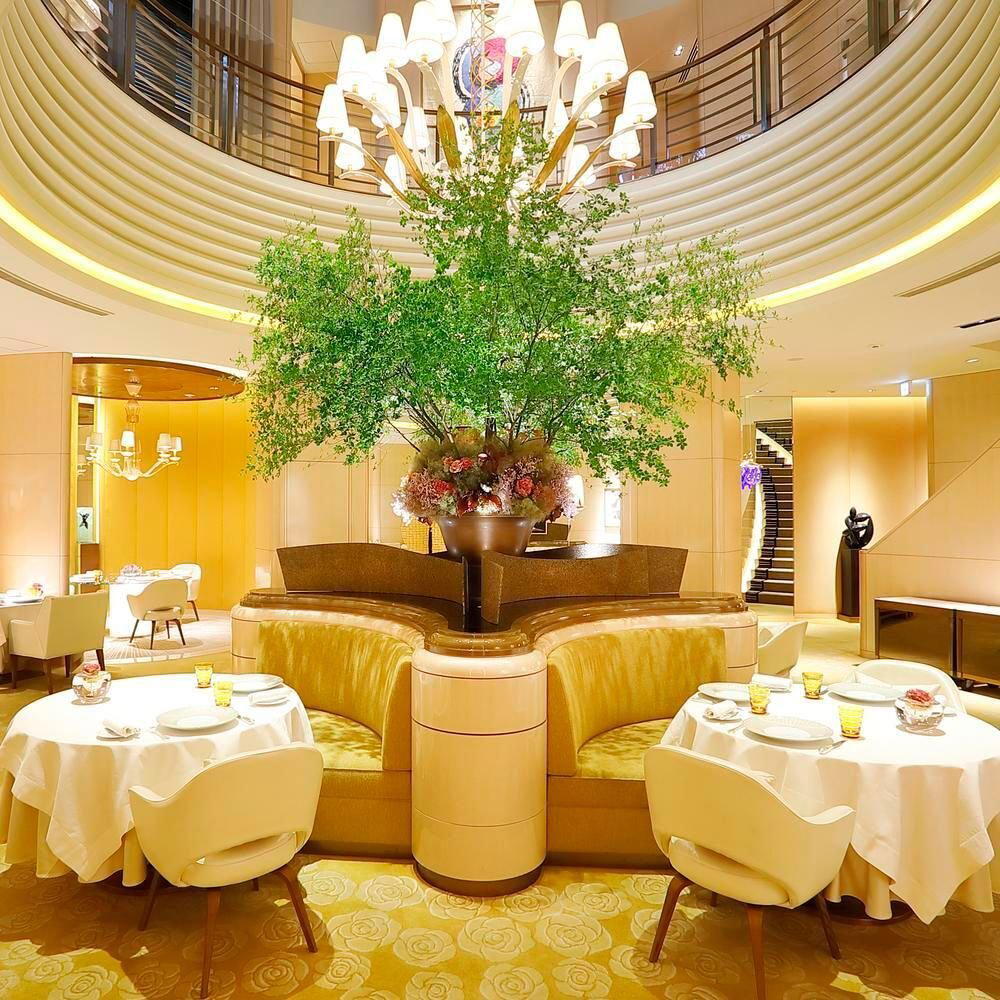
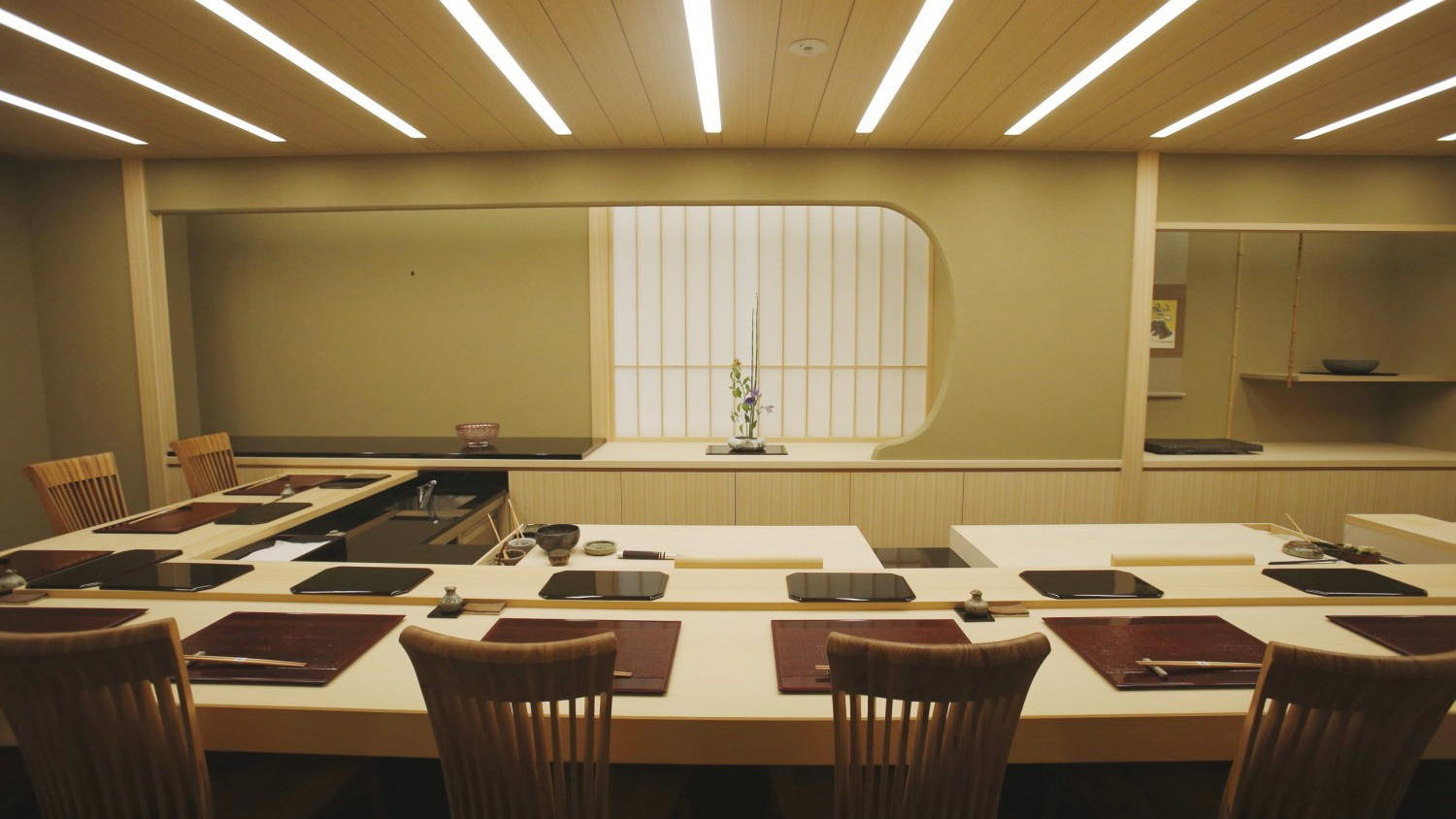

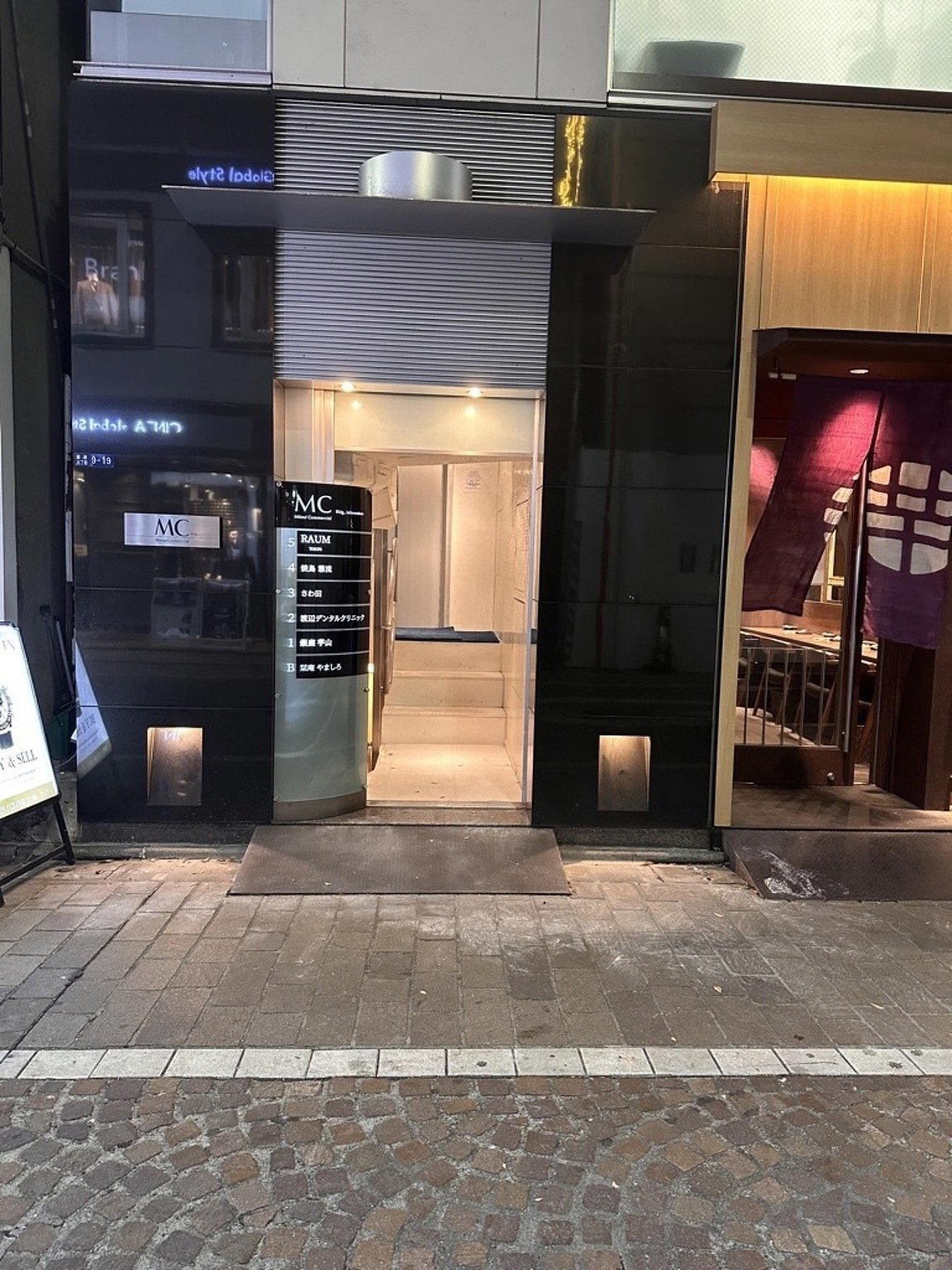
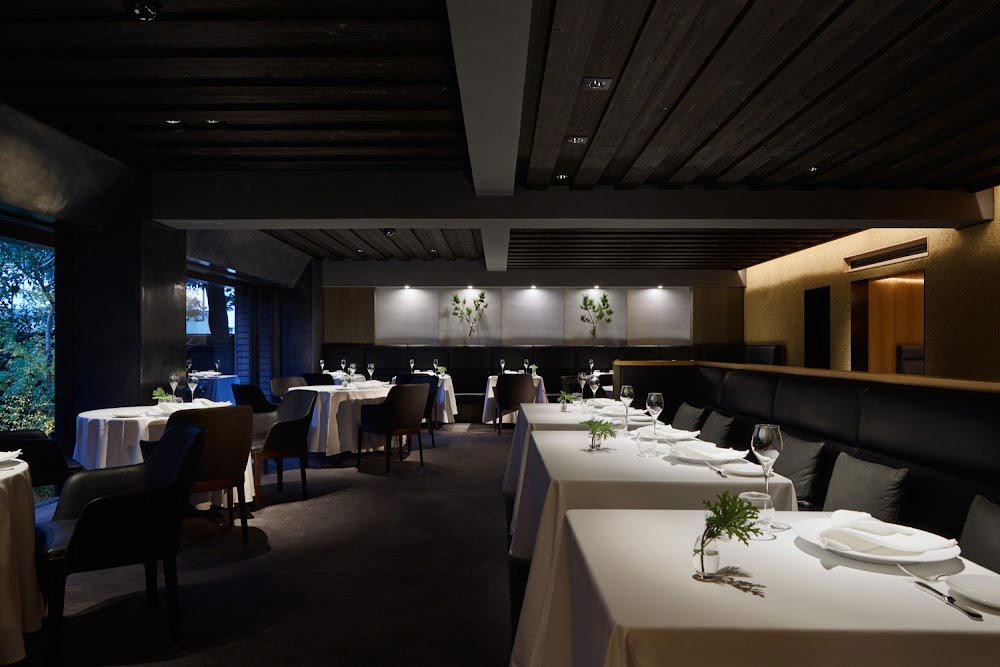
Bars in Tokyo
All bars in Tokyo →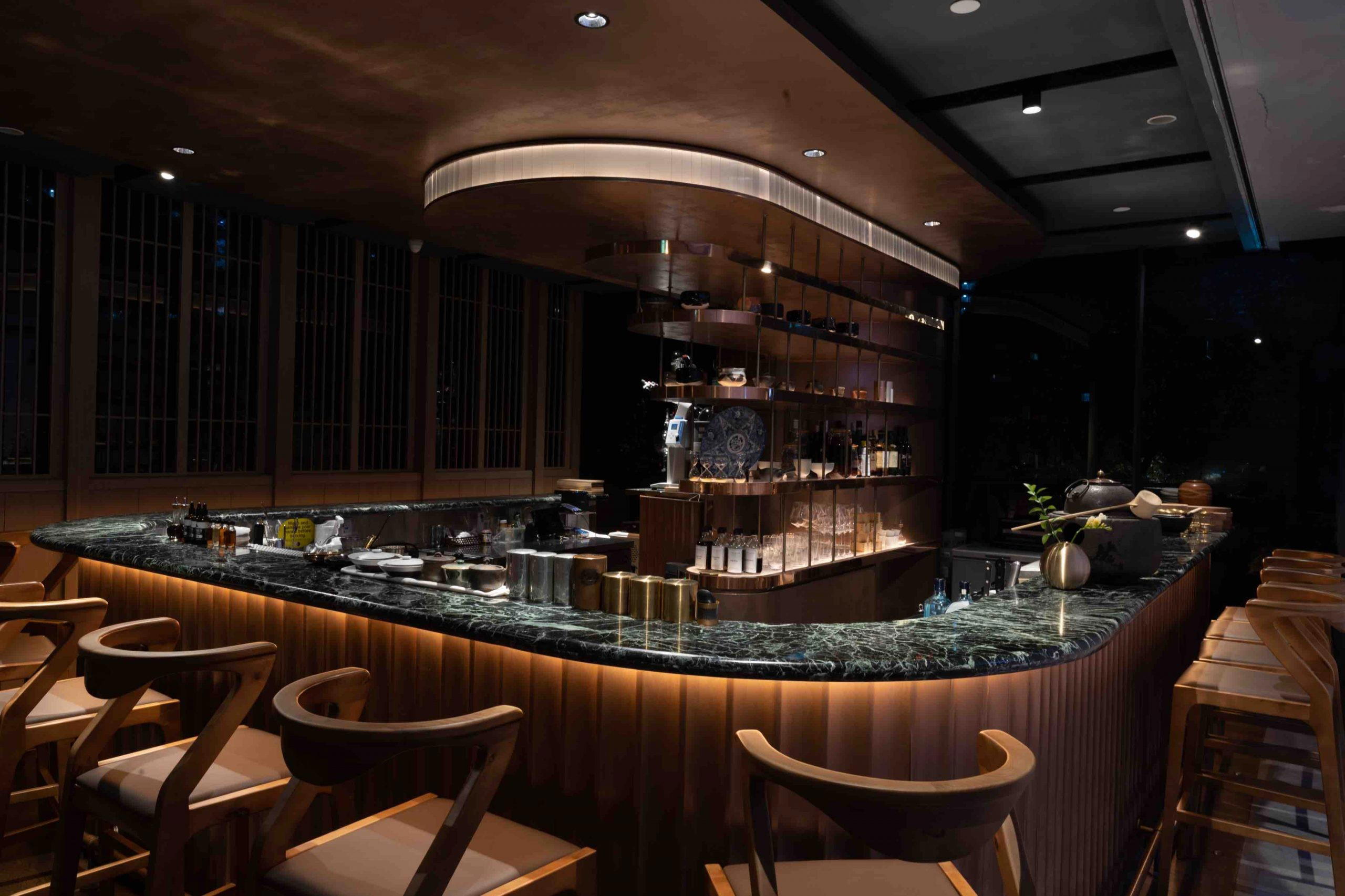


Details
- Intimate
- Cozy
- Elegant
- Solo
- Date Night
- After Work
- Business Dinner
- Open Kitchen
- Sake Program
- Extensive Wine List
- Sustainable Seafood
- A La Carte
Current opening hours
- Monday
- 6–10 PM
- Tuesday
- 6–10 PM
- Wednesday
- 6–10 PM
- Thursday
- 6–10 PM
- Friday
- 6–10 PM
- Saturday
- 5–9 PM
- Sunday
- Closed
Hours can change for holidays and private events. Hours as of .
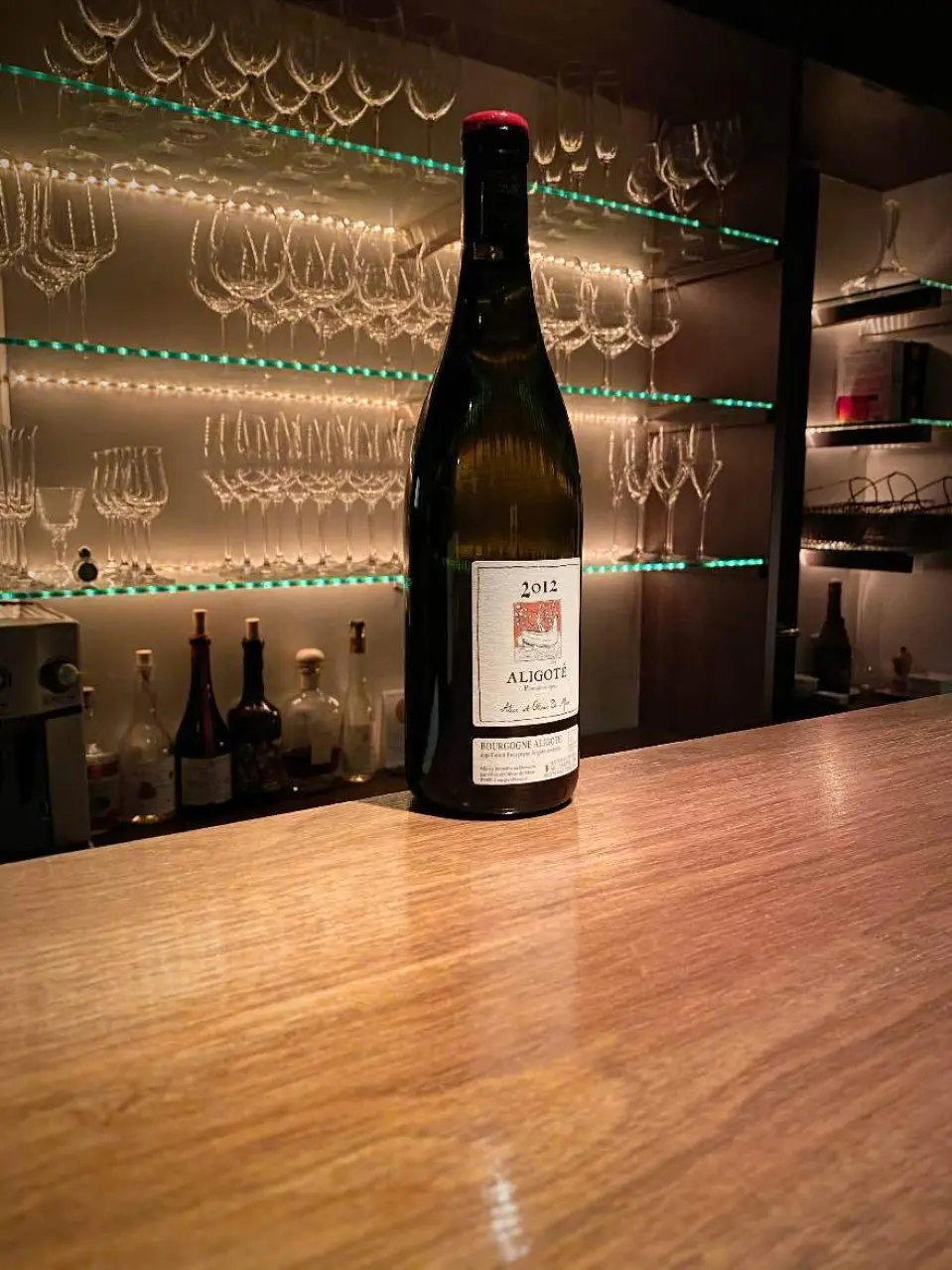
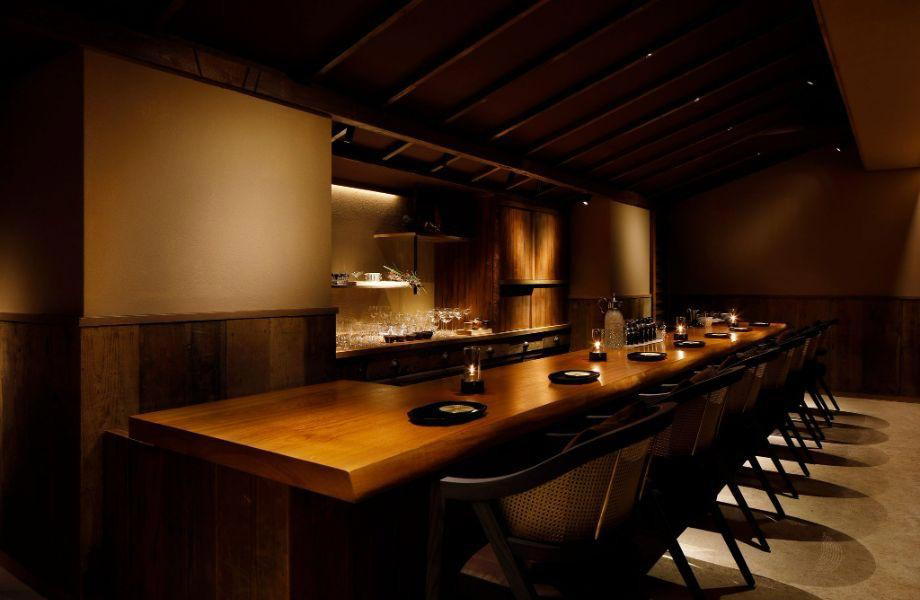
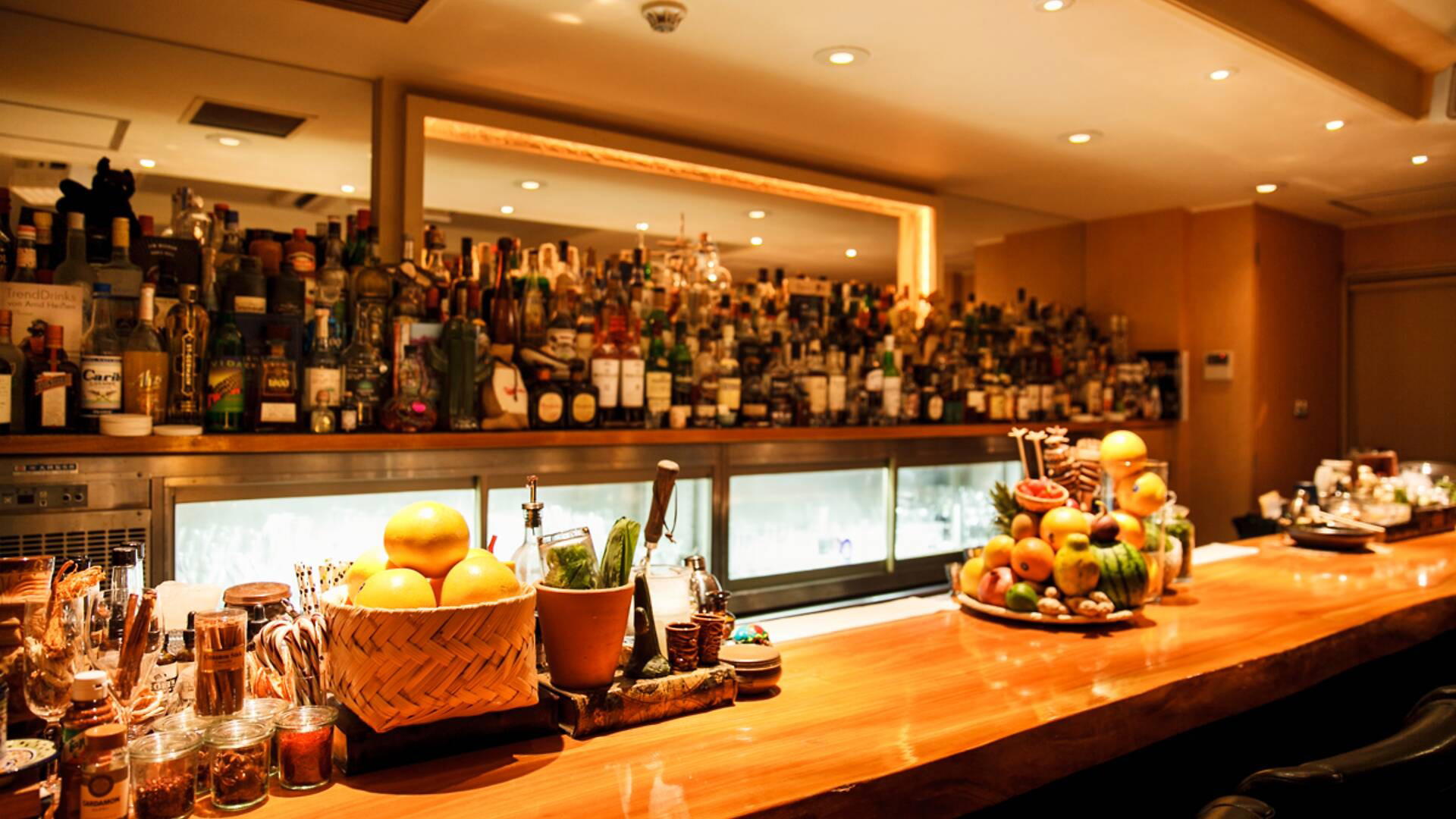
Intimate and relaxing stylish space with counter seating, well-suited for solo diners after work.