


In Tokyo's Jimbocho book district, Alter Ego occupies a former sake merchant's premises, its cedar ball still hanging from the eaves. The kitchen operates under a framework established by Milan-based chef Yoji Tokuyoshi: Italian technique applied to Japanese seasonal ingredients, served à la carte rather than omakase. A Michelin Plate holder since 2024 and ranked 144th in Opinionated About Dining's Japan list that same year.
Pearl is the En Primeur Club membership app — saves, bookings, and concierge access live there. Same editors, same standards.
- Address
- 2 Chome-2-32 Kanda Jinbocho, Chiyoda City, Tokyo 101-0051, Japan
- Phone
- +81 3-6380-9390
- Website
- alterego.tokyo
- Directions
- Get directions
 Saves & bookings on Pearl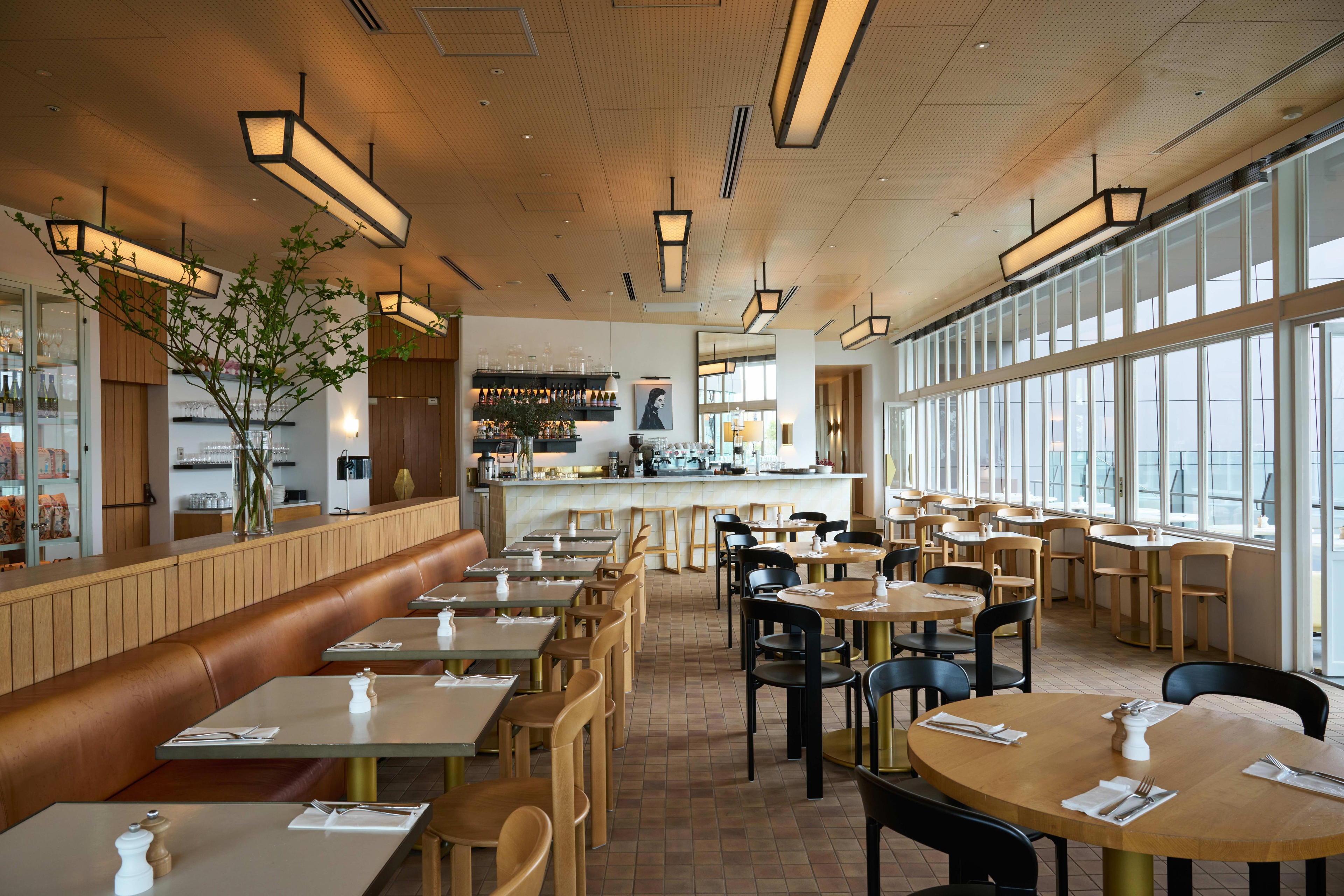
A Milanese Idea in a Tokyo Book District
The category of Italian food in Tokyo has grown complicated over the past decade. At one end sit the heritage houses, places like Aroma Fresca and AlCeppo, working from a broadly Italian canon with Japanese product substitutions. At the other end, a smaller cohort of kitchens has inverted the equation: Japanese culinary instinct as the primary logic, Italian technique as the grammar. Alter Ego belongs firmly to the second group, and its location makes that positioning feel intentional. Jimbocho, Tokyo's antiquarian book district in Chiyoda, is not a neighbourhood that attracts restaurant tourists. It draws readers, scholars, and residents of the surrounding ward. A restaurant choosing that address over Ginza, Minami-Aoyama, or Nishi-Azabu is making a statement about who it wants to serve and how it wants to be found.
The physical approach to Alter Ego reinforces the idea. A sugidama, the traditional cedar ball that once marked the premises of sake brewers to signal a new batch, hangs from the eaves of a building finished in a distinctive green. The cedar ball here functions as a signal of continuity: the site's previous tenant was a modern kaiseki house, and the current kitchen is making its own claim on seasonal, ingredient-led cooking, just in a different language. That detail also places Alter Ego in a wider Japanese tradition where restaurants communicate through material symbols rather than signage, a habit more common to Kyoto's back streets than central Tokyo.
The Milanese Framework and What It Means in Practice
Concept was established by Yoji Tokuyoshi, a Japan-born chef who built his reputation in Milan, most notably through his tenure at Massimo Bottura's Osteria Francescana before opening his own eponymous restaurant in the city. The framework he brought to the restaurant is identifiably Milanese rather than Roman or Neapolitan: restrained preparations, respect for the primary ingredient, and an avoidance of the heavy tomato and garlic registers that define southern Italian cooking. Northern Italian kitchens, particularly those from Lombardy, tend to prize texture, fat, and seasonality over acidity and heat. That sensibility maps cleanly onto washoku principles, Japanese cuisine's own emphasis on seasonal produce, restraint in seasoning, and the integrity of a single ingredient.
Result is an à la carte format, which in Tokyo's Italian dining scene is more significant than it sounds. Much of the city's serious Italian cooking has drifted toward tasting menus, fixed sequences that give kitchens control over pacing and cost. The restaurant's menu focused on à la carte selections inverts that structure, returning agency to the guest and implying confidence in the individual dish rather than the composed arc. Comparable peers like Principio and PRISMA operate within Tokyo's broader Italian fine dining bracket, while Gucci Osteria da Massimo Bottura Tokyo occupies a separate tier defined as much by brand context as by cuisine. The restaurant sits outside both of those reference points, no flagship association, no omakase scaffolding, just a seasonal card that changes as Japanese produce dictates.
Recognition and Where It Places the Restaurant
The restaurant has held a Michelin Plate in both 2024 and 2025, a designation that signals quality cooking without the full star apparatus. In the context of Tokyo's Italian dining, the Plate is a meaningful marker: it indicates a kitchen operating above the casual trattoria register but outside the compressed, highly controlled world of starred tasting menus. Opinionated About Dining, which applies a data-aggregated scoring model across contributor networks, ranked the restaurant 144th among Japan's restaurants in 2024, moving to 154th in 2025. That slight reordering in a field of hundreds reflects the competitive density of Tokyo's dining scene rather than any qualitative deterioration. The restaurant carried an OAD Highly Recommended designation in 2023 before entering the ranked list, suggesting a trajectory of growing recognition over three consecutive years.
For comparison, other Italian-Japanese crossover kitchens operating at the intersection of European technique and Japanese ingredients have found audiences across the country. cenci in Kyoto works a similar conceptual territory from a different neighbourhood register, while akordu in Nara applies European framework to hyper-local Yamato produce. In Hong Kong, 8 1/2 Otto e Mezzo Bombana represents the more classical Italian fine dining model that has found a foothold across Asia. The restaurant is doing something distinct from all three: it is neither Japanified Italian nor Italianified Japanese but a genuinely bilateral conversation between the two traditions, with northern Italian restraint as the mediating voice.
Practical Considerations for Visitors
The restaurant is closed on Sundays and Mondays, a schedule typical of independent, chef-driven houses in Tokyo that prioritise kitchen preparation and sourcing over maximum cover turnover. The Saturday lunch slot is relatively rare in Tokyo's serious Italian dining tier and represents a different kind of visit: quieter, more contemplative, and oriented toward the neighbourhood rather than an evening occasion. The address at 2 Chome-2-32 Kanda Jinbocho, Chiyoda City, places it within the Jimbocho area, well served by the Hanzomon, Toei Shinjuku, and Toei Mita subway lines at Jimbocho Station. The pricing sits at about $150 per person, positioning it in Tokyo's upper tier for à la carte dining.
Jimbocho itself rewards an extended visit. The neighbourhood's density of second-hand bookshops, specialist publishers, and low-key coffee houses makes it an afternoon destination before dinner, unlike the purely transactional restaurant districts of Ginza or Roppongi. For dining beyond Tokyo, kitchens like HAJIME in Osaka, Gion Sasaki in Kyoto, Goh in Fukuoka, 1000 in Yokohama, and 6 in Okinawa round out the national picture.
- Tajarin
- Polenta Fritta
- Prosciutto and Burrata Cheese
- Bonito Carpaccio
- Tagliatelle Bolognese
- Beef Tagliata
Awards and Standing
Comparable venues nearby, for context on price, style, and recognition.
| Venue | Cuisine | Price | Awards | Notes |
|---|---|---|---|---|
| ALTER EGOThis venue — the venue you are viewing | Italian Cuisine with Japanese Ingredients | $$$$ | Michelin Plate | Not listed |
| Pellegrino | Parma Italian Fine Dining | $$$$ | Not listed | Shibuya |
| ess. | Classic Italian with Seasonal Ingredients | $$$$ | Michelin Plate | Shibuya |
| TRATTORIA BUCA'MASSIMO | Italian Trattoria | $$$ | Bib Gourmand | Kōtō |
| JINBO MINAMI AOYAMA | Modern Italian with Japanese Seasonal Ingredients | $$$$ | Michelin Plate | Minato |
| Ristorante HONDA | Modern Italian with Japanese Seasonal Ingredients | $$$$ | Michelin Plate | Minato |
Recognition history
Dated appearances from independent guides and award organizations, with the underlying list record or original source where available.
Michelin Plate
Michelin
Opinionated About Dining Top Restaurants in Japan Recommended
Opinionated About Dining
Star Wine List
Star Wine List
Michelin Plate
Michelin
Opinionated About Dining Top Restaurants in Japan Ranked #154
Opinionated About Dining
Michelin Plate
Michelin
Opinionated About Dining Top Restaurants in Japan Ranked #144
Opinionated About Dining
Opinionated About Dining Top Restaurants in Japan Highly Recommended
Opinionated About Dining








At a Glance
- Trendy
- Sophisticated
- Elegant
- Modern
- Date Night
- Special Occasion
- Business Dinner
- Group Dining
- Open Kitchen
- Chefs Counter
- Private Dining
- Extensive Wine List
- Sommelier Led
- Local Sourcing
Current opening hours
- Monday
- Closed
- Tuesday
- 5–10:30 PM
- Wednesday
- 5–10:30 PM
- Thursday
- 5–10:30 PM
- Friday
- 5–10:30 PM
- Saturday
- 12–1:30 PM, 5–10:30 PM
- Sunday
- Closed
Hours can change for holidays and private events. Last verified .
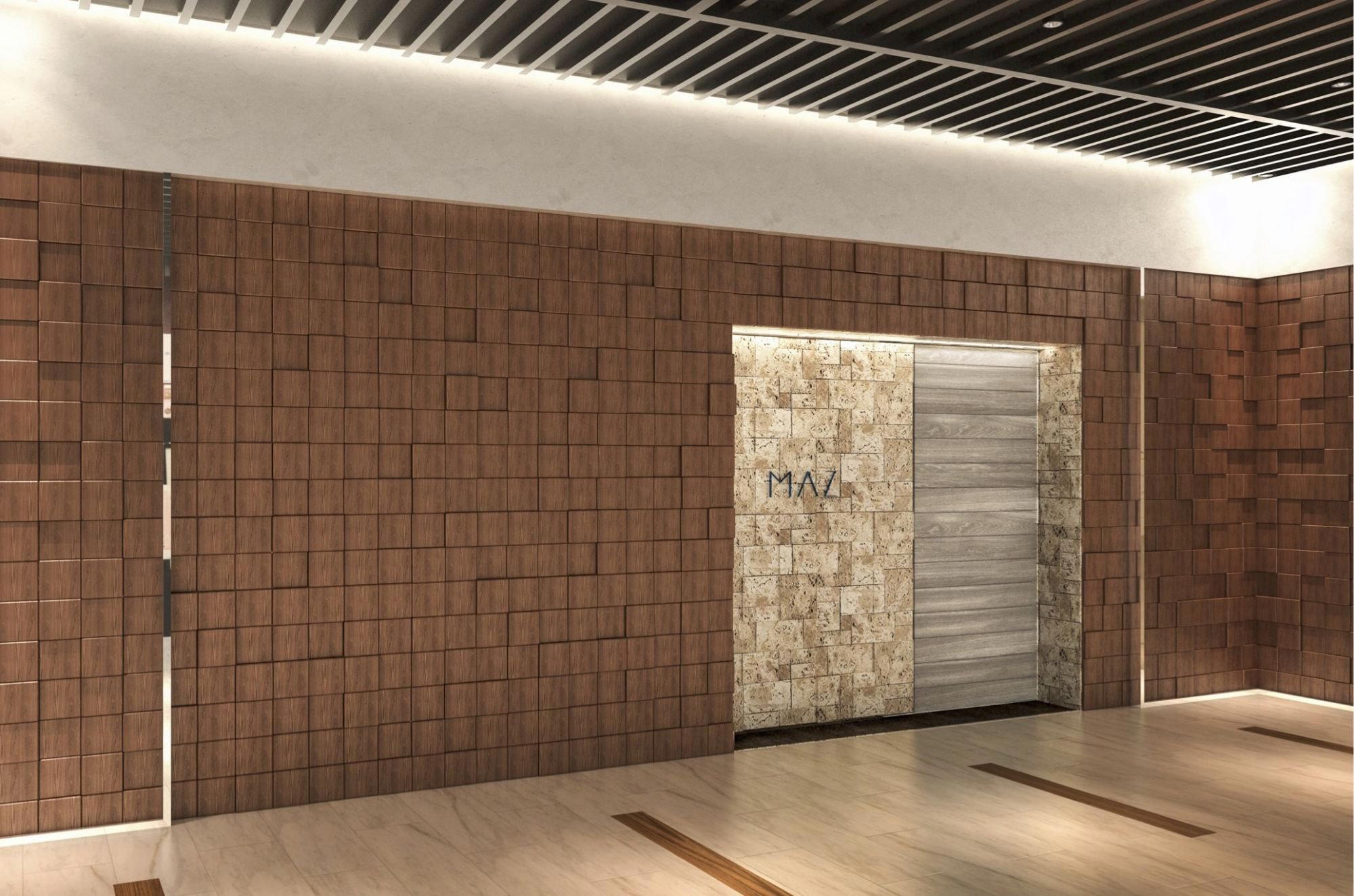
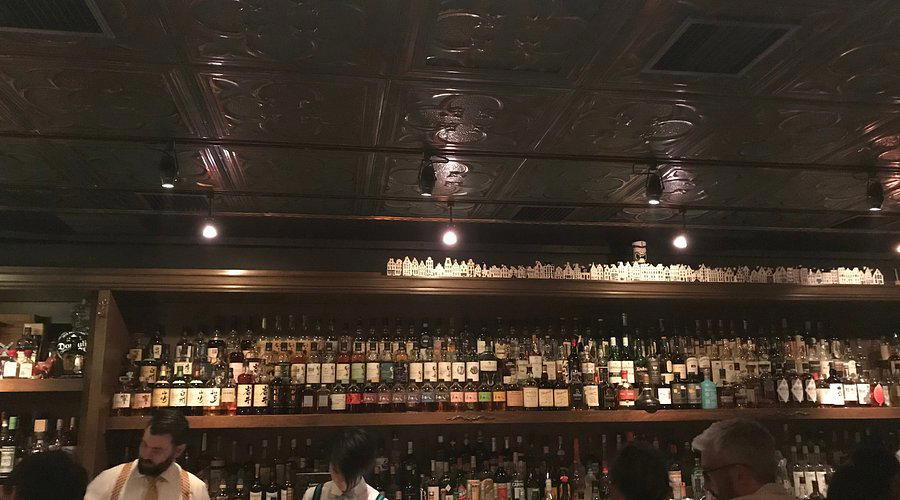
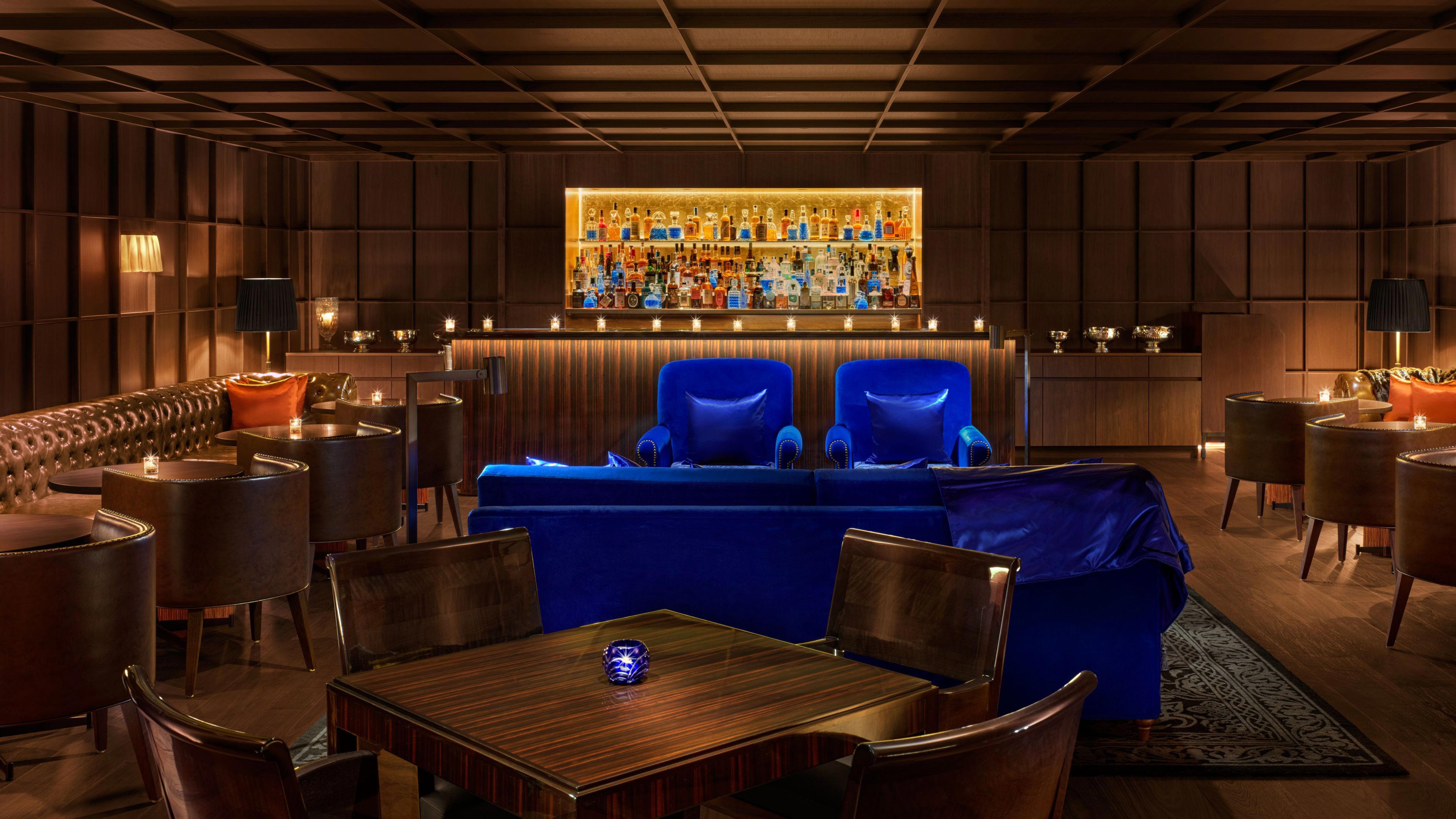
Sophisticated and lively counter dining with a distinctive green exterior featuring traditional Japanese cedar décor, creating an intimate yet energetic atmosphere.