SAN occupies a distinctive position in Berlin's Mitte dining scene, with an address on Weydingerstraße placing it within reach of the neighbourhood's concentrated wave of serious restaurants. The question worth asking before any booking is what kind of menu architecture the kitchen has chosen, and what that structure signals about where this restaurant sits relative to Berlin's broader fine-dining tier.
Pearl is the En Primeur Club membership app — saves, bookings, and concierge access live there. Same editors, same standards.
- Address
- Weydingerstraße 22, 10178 Berlin, Germany
- Phone
- +493030344140
- Website
- 3berlin.com
- Directions
- Get directions
 Saves & bookings on Pearl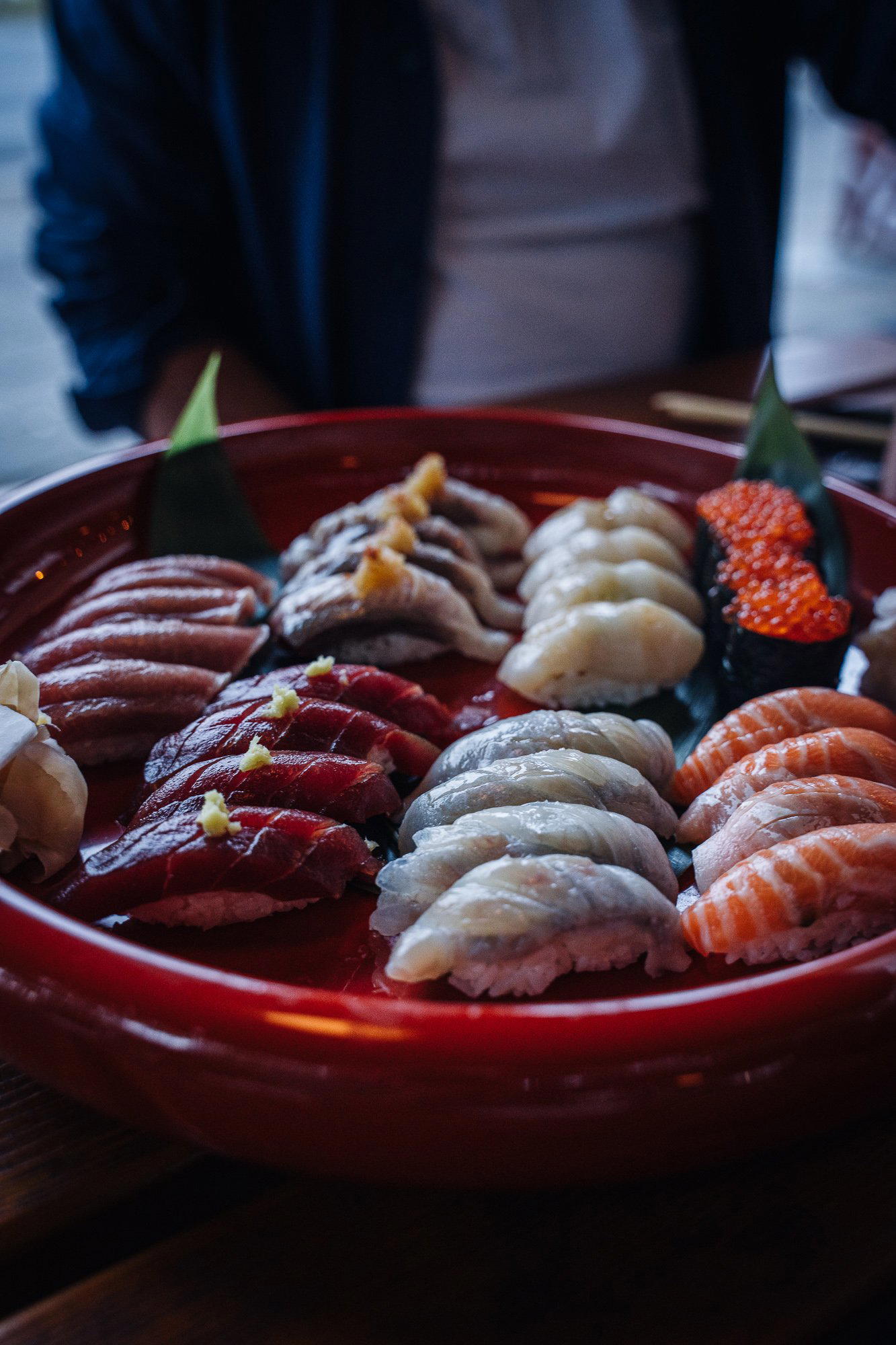
Where Mitte Eats Seriously
Berlin's Mitte district has, over the past decade, become one concentrated zone for ambitious dining in a city that otherwise spreads its culinary energy across Prenzlauer Berg, Kreuzberg, and Charlottenburg. Weydingerstraße 22 sits within that Mitte cluster, and the address alone places SAN in conversation with a peer group that includes some of Germany's most-watched restaurant programs.
Reading the Menu as Architecture
The way a kitchen arranges its menu is among the more legible signals of a restaurant's position and philosophy. At the upper tier, menus tend to divide into two broad structural types: the tightly sequenced tasting format, in which the kitchen controls pace and portion entirely, and the more permissive format that builds in degrees of guest agency through à la carte selection or modular courses. Both carry distinct arguments about hospitality and about what the kitchen believes it does leading.
Berlin's current wave of serious restaurants has largely committed to the tasting-menu model. CODA Dessert Dining extends that logic to an extreme, building an entire tasting arc around dessert-led courses that challenge the conventional savoury-to-sweet sequence entirely. Nobelhart & Schmutzig enforces a strict regional-produce doctrine through a fixed menu with almost no substitution. Rutz and FACIL each operate tasting formats that foreground wine pairings as structural co-authors of the meal. What unites them is a conviction that the kitchen's editorial authority over sequence matters as much as individual dish quality.
SAN, situated in the same neighbourhood radius, enters this environment with an address that demands a clear structural answer to the same question. The name itself offers a starting point: compact, three-letter restaurant names in this tier frequently signal an internationalist sensibility, a resistance to descriptive venue names that might anchor the kitchen too firmly to a single cuisine tradition. Whether that internationalism is expressed through Japanese technique, Korean ingredients, or a European base with Asian seasoning logic, the structural implications differ substantially. A Japanese-inflected kitchen typically organises around small-plate succession and seasonal restraint. A Korean-influenced format might build around shared centrepieces. A classically European tasting structure imposes a different tempo altogether.
The Berlin Context SAN Operates In
Germany's fine-dining geography has traditionally concentrated its highest-profile restaurants outside the capital: Aqua in Wolfsburg, Schwarzwaldstube in Baiersbronn, Vendôme in Bergisch Gladbach, Victor's Fine Dining by Christian Bau in Perl, and Waldhotel Sonnora in Dreis have historically defined the country's upper tier more than any single Berlin address. That pattern has been shifting. The past several years have seen Berlin earn greater recognition as a serious dining destination, with addresses like Restaurant Tim Raue demonstrating that the city can sustain internationally recognised kitchens with a distinct point of view. Raue's Chinese-influenced format proved that Berlin diners would support a tasting menu built around a non-European culinary grammar, a precedent that opened space for other kitchens to work outside the French and Modern European defaults.
The broader German fine-dining conversation now includes strong regional programs from JAN in Munich, Restaurant Haerlin in Hamburg, Schanz in Piesport, Bagatelle in Trier, and ES:SENZ in Grassau. Against that national field, a Berlin restaurant at serious ambition level competes not only with its neighbourhood peers but also with the expectation that it provides something the German provincial circuit does not: the energy, diversity, and internationalist edge that capital cities generate. Internationally, the reference points for menu architecture of SAN's apparent type extend to counters like Atomix in New York City, which built its reputation on a tasting format that layers Korean culinary logic with European fine-dining structure, and Le Bernardin in New York City, whose enduring influence on ingredient-led tasting menus remains a reference point for kitchens that prioritise product clarity over technical showmanship.
What the Address Tells You
Weydingerstraße runs through the Mitte section that borders Hackescher Markt, a neighbourhood that has matured from its post-reunification identity as a creative district into something with more considered hospitality infrastructure. The restaurants that have embedded themselves in this corridor in recent years tend to operate at a price tier that reflects the city's rising real estate costs and the growing audience willing to spend at European fine-dining rates. Booking difficulty at this level of Berlin dining has increased as international visitor numbers have risen and local appetite for serious tasting-menu formats has deepened. For the comparable set that SAN belongs to by location, three-to-four-week advance reservations are a reasonable working assumption for weekend tables, with midweek availability generally less constrained. Visitors planning around a Berlin trip should consult our full Berlin restaurants guide to map this neighbourhood within a broader dining itinerary.
Planning a Visit
SAN is recommended for reservations, serves dinner Monday through Saturday, and is closed Sunday. Expect about $50 per person. Reservations are recommended. Location: Weydingerstraße 22, 10178 Berlin, near Hackescher Markt S-Bahn. Dress code: smart casual.
Comparison Snapshot
Comparable venues nearby, for context on price, style, and recognition.
| Venue | Cuisine | Price | Notes |
|---|---|---|---|
| SANThis venue — the venue you are viewing | Modern Japanese Sushi | $$$ | Not listed |
| SUSHI GANG | Japanese-Latin Fusion Sushi | $$$ | Kreuzberg |
| Niko Niko Ramen | Authentic Japanese Ramen | $$ | Friedrichshain |
| Kumami | Traditional Japanese Omakase | $$$$ | Köpenick |
| Cocolo Ramen | Authentic Japanese Ramen | $$ | Mitte |
| KUCHI Mitte | Japanese Asian Fusion Sushi | $$ | Mitte |
Continue exploring
More in Berlin
Restaurants in Berlin
Browse all →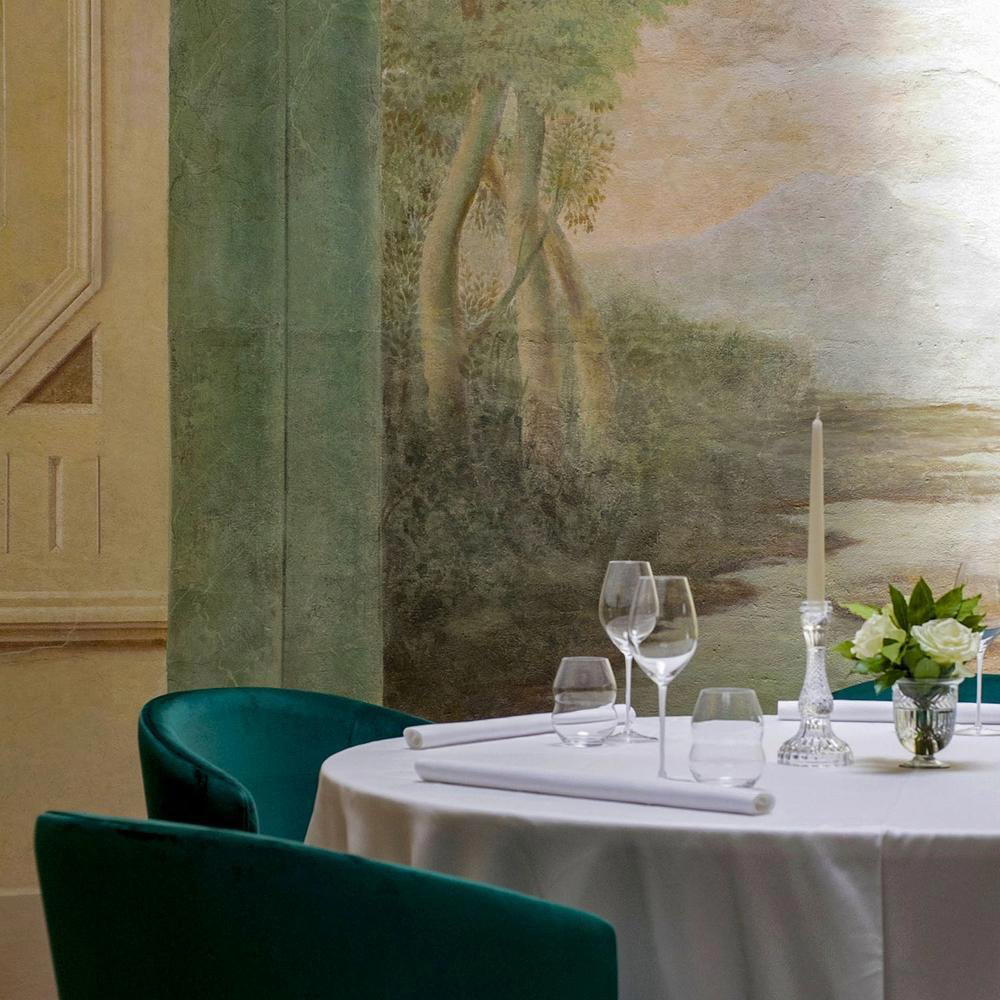
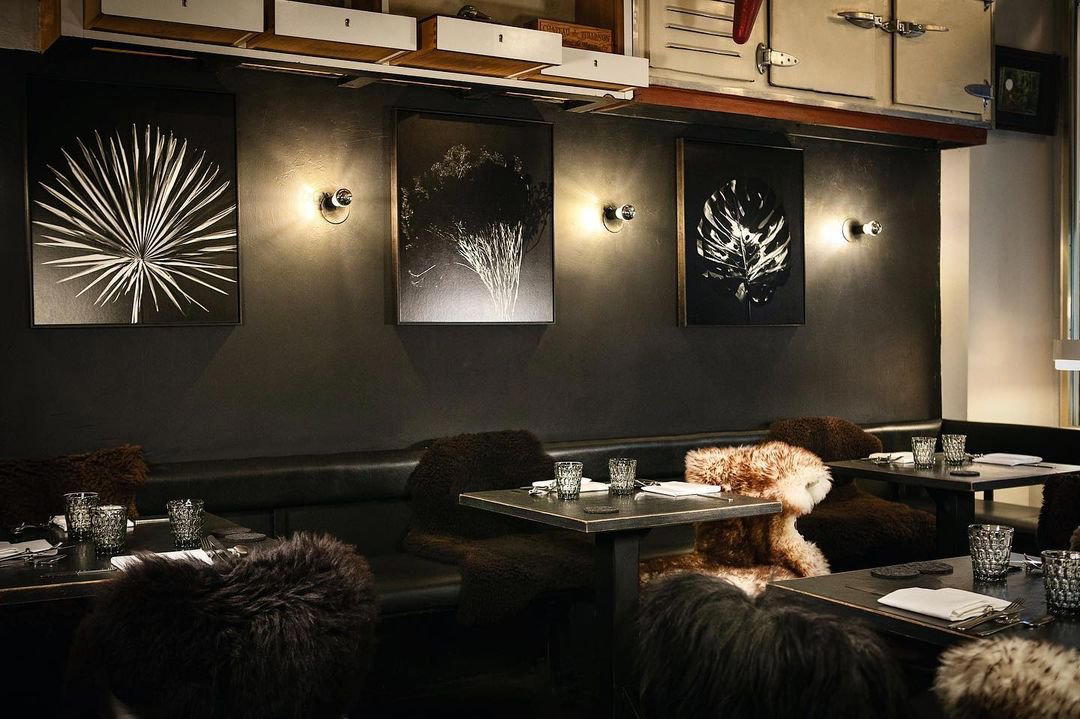
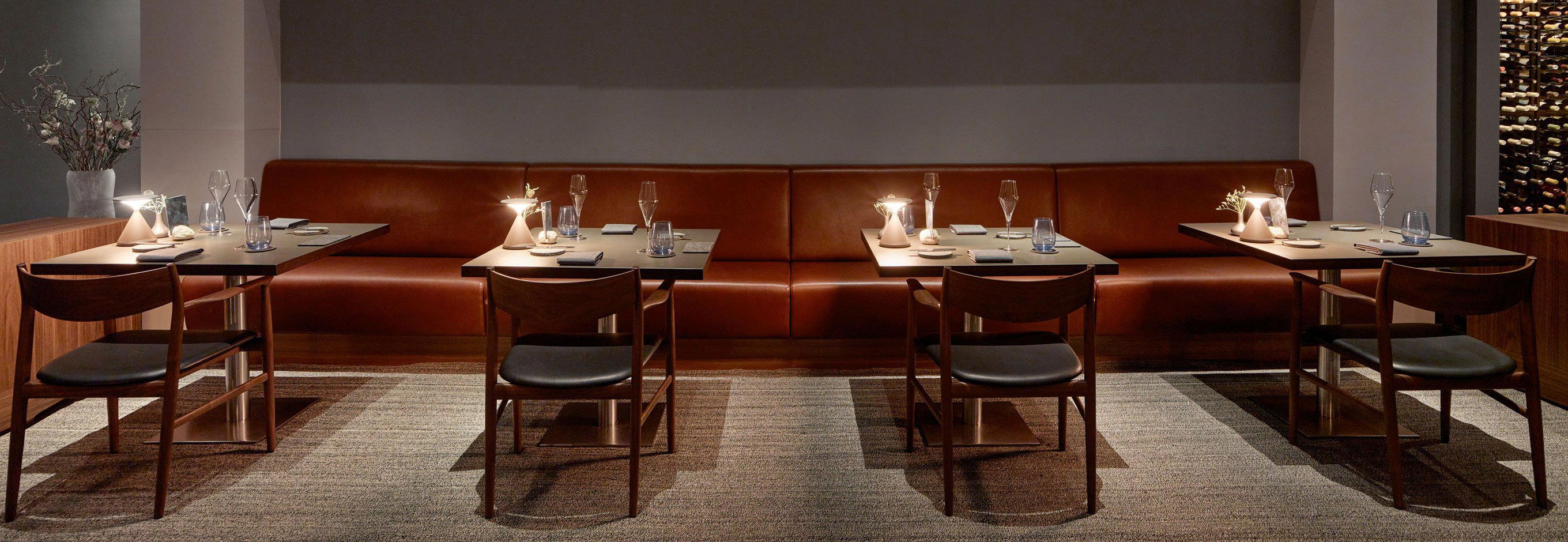
Bars in Berlin
Browse all →
Hotels in Berlin
Browse all →
Wineries in Berlin
Browse all →
At a Glance
- Minimalist
- Modern
- Date Night
- Solo
- Open Kitchen
- Sake Program
Current opening hours
- Monday
- 6:30–10 PM
- Tuesday
- 6:30–10 PM
- Wednesday
- 6:30–10 PM
- Thursday
- 6:30–10 PM
- Friday
- 6:30–11 PM
- Saturday
- 6:30–11 PM
- Sunday
- Closed
Hours can change for holidays and private events. Last verified .
Minimalist decor and open kitchen create a casual, welcoming atmosphere.