




3 Michelin Stars · La Liste Top Restaurants · Falstaff Restaurant - 99 Falstaff Points
Our verdict
In the Moselle hills outside Trier, Waldhotel Sonnora holds three Michelin stars and a 99-point La Liste score across consecutive years, placing it among a very small tier of Franco-German fine dining rooms operating at the classical end of the spectrum. The kitchen, led by Clemens Rambichler, works within a tradition that treats French technique as the grammar and regional German produce as the vocabulary. Thursday through Sunday only, advance planning is mandatory.

Pearl is the En Primeur Club membership app, where members save venues, book tables and use the concierge.
The menu
What to order
- Potato rösti with beef tartare and caviar
The Eifel as Dining Destination
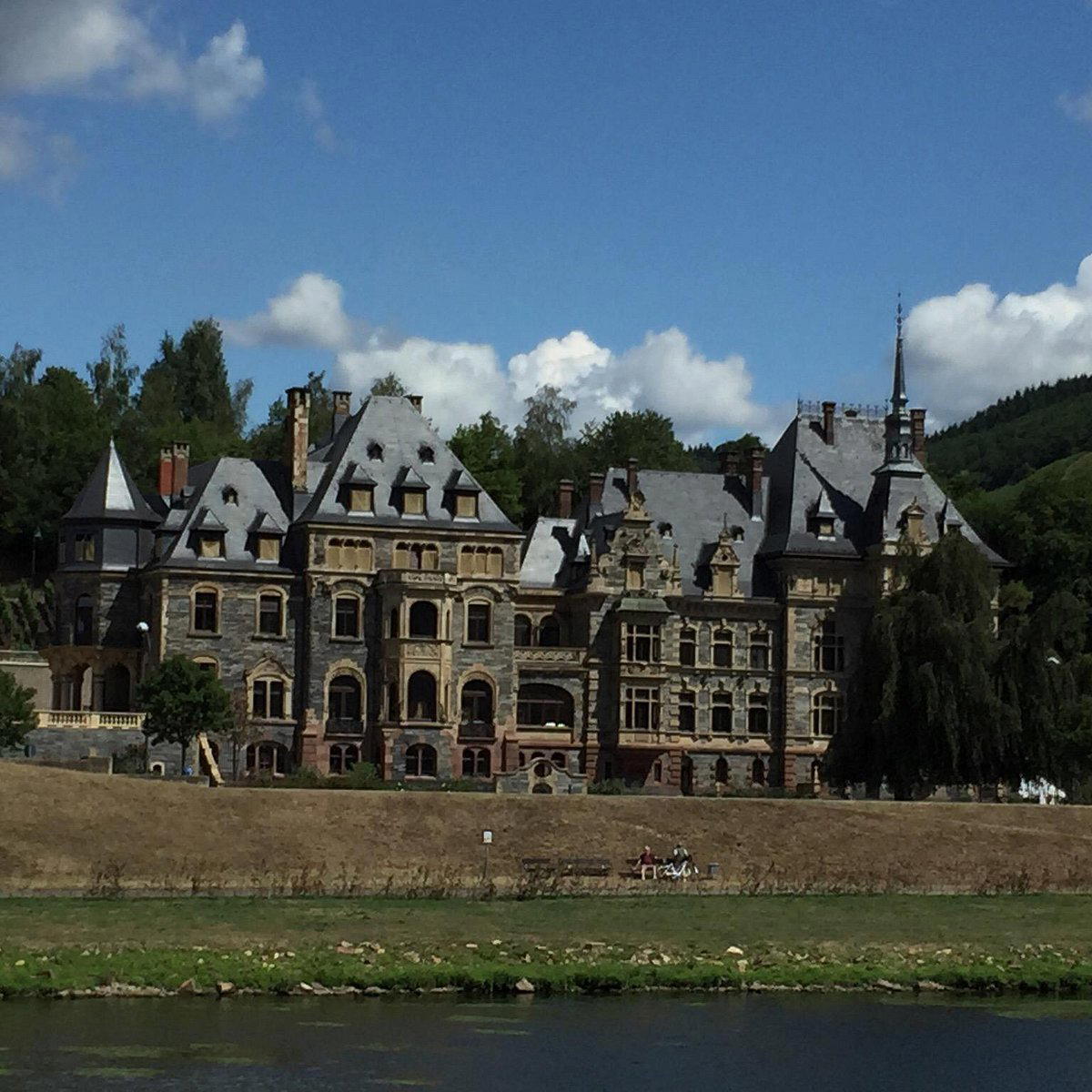
Germany's three-star tier is distributed across the country in a way that consistently surprises visitors expecting all serious cooking to concentrate in Frankfurt or Munich. Some of the country's most sustained fine dining reputations have built up in smaller towns and rural hotel settings, where the economics of a dedicated kitchen can be supported by accommodation revenue and a clientele willing to travel specifically for the table. Dreis, a village in the Eifel hills south of the Moselle, is one of those places. The Waldhotel Sonnora sits within this pattern: a destination restaurant where the surrounding countryside is not incidental backdrop but part of the proposition. The drive in from Trier, roughly 35 kilometres through forested hills, is the beginning of the experience rather than an inconvenience. For our full Dreis restaurants guide, additional context on the area's dining scene is available, alongside our full Dreis hotels guide for accommodation options in the region.
Franco-German Classicism: What the Style Actually Means
The term "French-German" applied to a kitchen of this calibre describes something more specific than fusion. In the classical tradition that Waldhotel Sonnora represents, French technique, the architecture of sauces, the precision of timing, the grammar of a multi-course progression, provides the structure, while the pantry draws on German and regional sources: game from the Eifel forests, river fish, root vegetables from the surrounding agricultural land, the dairy and grain cultures of this part of Rhineland-Palatinate. This is the same duality that defines other restaurants working in the Franco-German classical register across the country, from Schwarzwaldstube in Baiersbronn to Schwarzer Adler in Vogtsburg im Kaiserstuhl. The Sonnora kitchen operates in that tradition with a consistency that has been recognised across multiple award cycles.
Clemens Rambichler leads the kitchen. In the broader context of German three-star cooking, that name carries institutional weight: the Sonnora has maintained Michelin recognition over a period when the French-classical register has come under pressure from more concept-driven formats, the kind represented by places like CODA Dessert Dining in Berlin or Aqua in Wolfsburg. The fact that a classically framed room in a small Eifel village continues to score 99 points at La Liste in both 2025 and 2026 is evidence of how the format translates to the evaluative criteria that reward depth over novelty.
Terroir and the Eifel Kitchen
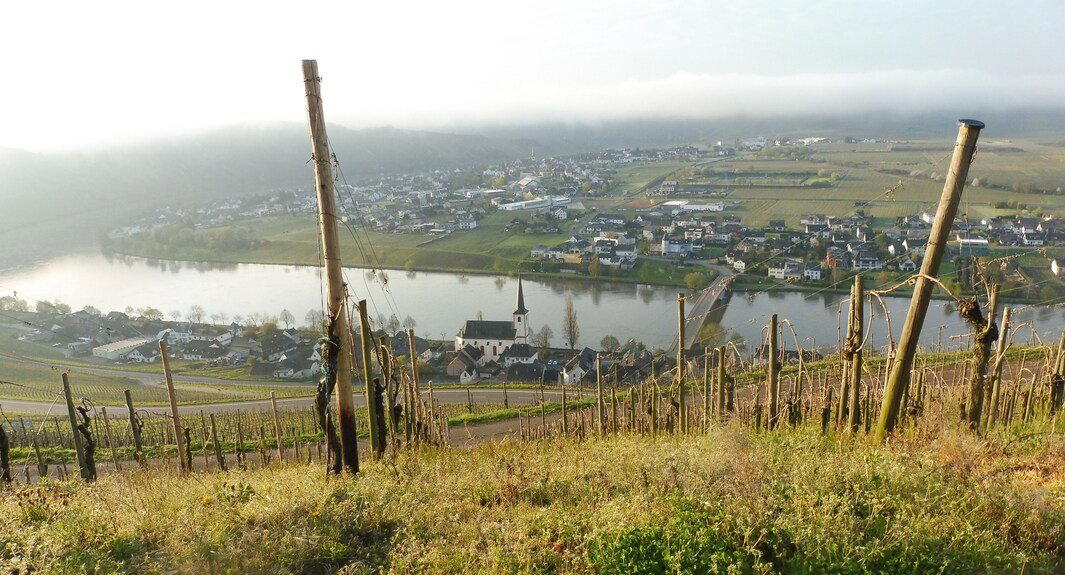
The Eifel is not a region with the immediate gastronomic brand recognition of, say, the Rhine Valley or the Kaiserstuhl. It is an upland plateau, predominantly forested, with a climate that produces excellent game and foraged ingredients rather than the vine-dominant agriculture of the Moselle just to the east. This matters for understanding what a kitchen at Sonnora's level actually draws from its surroundings. The provenance argument here is not about wine-country glamour but about proximity to wild and agricultural sources that have fewer intermediaries between land and plate.
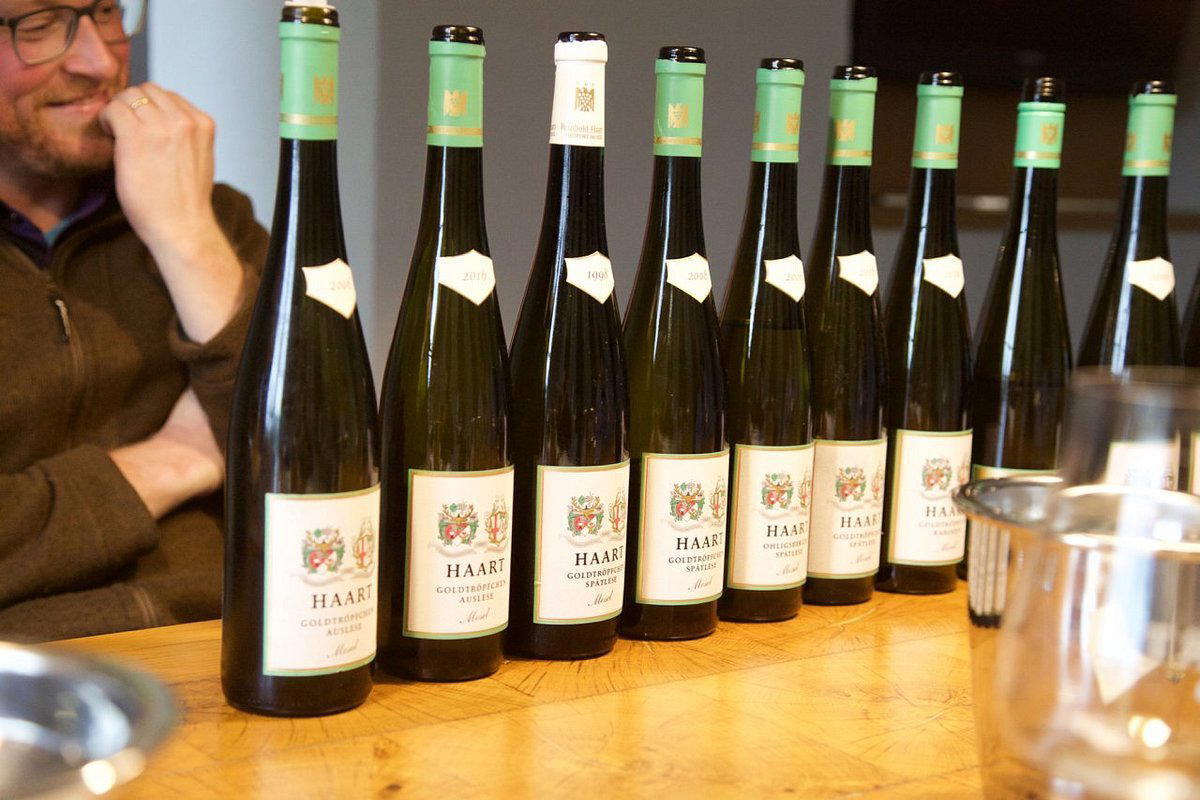
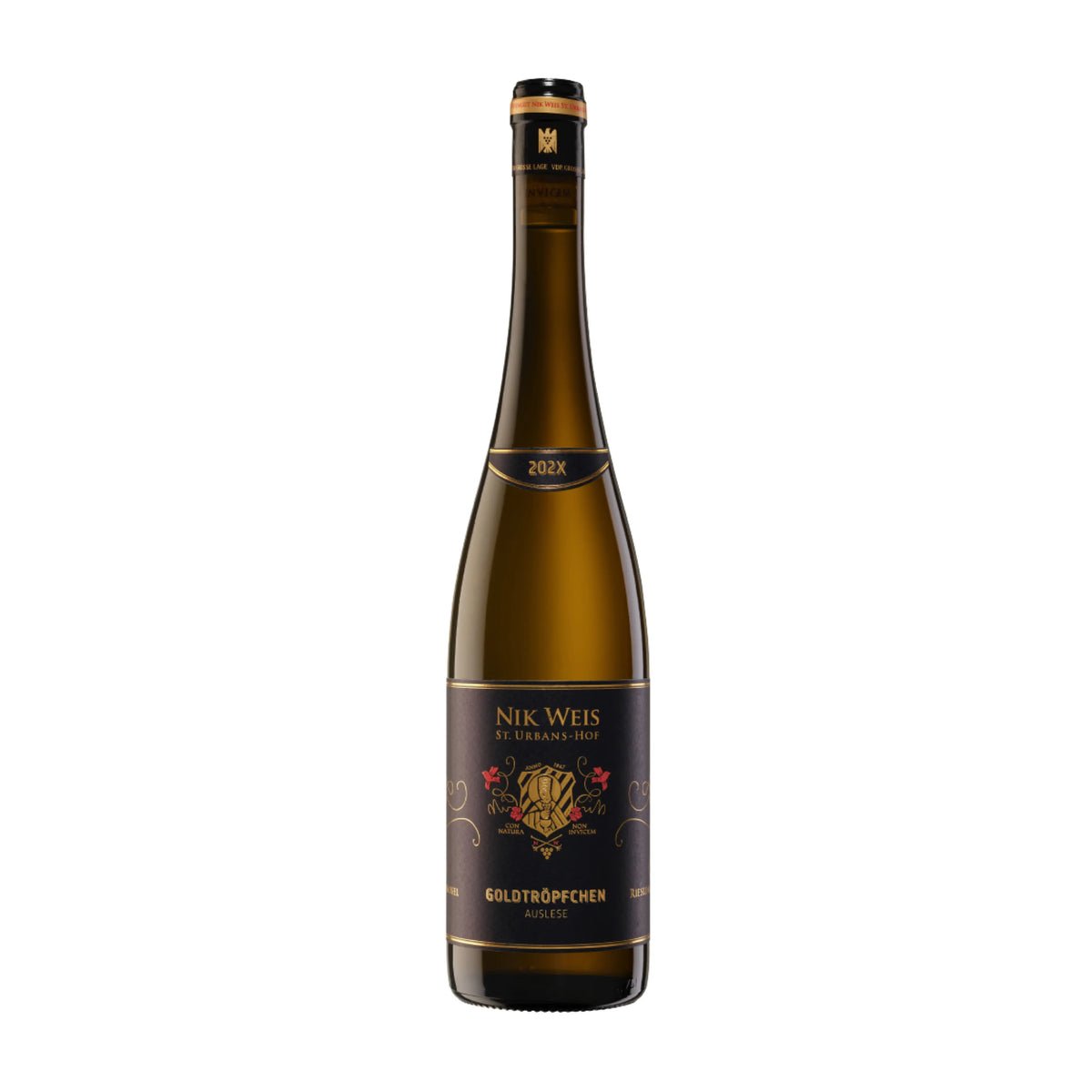
The Moselle connection is, however, significant on the wine side. Proximity to one of Germany's most distinguished wine regions means a cellar built on Riesling in its various expressions, from the steely Saar interpretations to the richer, fruit-forward Moselle styles, alongside the capacity to support French-trained food with French wine depth. The region's geographic position, sitting between the Moselle, the Rhine, and the Saar tributaries, creates a wine programme context that few rural German restaurants can match. For visitors who want to extend the wine focus, our full Dreis wineries guide maps the broader regional options.
The Award Record in Context
At the top end of European classical dining, the gap between three-star Michelin status and La Liste scores in the upper 90s represents a very small number of kitchens. The Sonnora's record across the 2023-2026 period is among the more consistent in the German-speaking world: three stars in both 2024 and 2025, 99 La Liste points in both 2025 and 2026, and a steady presence in the Opinionated About Dining Classical in Europe rankings, moving from 25th in 2023 to 44th in 2024 and then 33rd in 2025.
The relevant peer group within Germany includes rooms like Vendôme in Bergisch Gladbach, JAN in Munich, and Restaurant Haerlin in Hamburg. In the immediately surrounding Moselle-Saar geography, Schanz in Piesport and Victor's Fine Dining by Christian Bau in Perl operate in the same regional dining corridor, making a combined itinerary across the Moselle area feasible for visitors based in Trier. Bagatelle in Trier offers a different register for those extending the stay into the city itself.
For a broader comparative view, the classical French tradition that underpins the Sonnora's kitchen has its international reference points in rooms like Le Bernardin in New York City, where sustained technical classicism has similarly resisted the pressure to reinvent format with each new season. And for those exploring the southern German fine dining circuit more widely, ES:SENZ in Grassau and ammolite in Rust round out the three-star geography of the region.
Planning a Visit: What You Need to Know
The Sonnora operates on a compressed schedule: closed Monday and Tuesday, with Thursday evenings only and then a lunch-and-dinner pattern from Friday through Sunday. This four-day window compresses demand significantly, and at the three-star level with a 99-point La Liste score, tables at short notice are not realistic to expect. Booking well in advance is not a precaution but a practical requirement. The hotel component matters here: staying on-site removes the question of a rural drive after a long tasting menu with wine, and the Waldhotel format is specifically designed around that combination of room and restaurant as a single package. For broader accommodation context, our full Dreis hotels guide covers the options in the area.
The price point sits at the top tier of the German dining market (€€€€), consistent with its three-star peers across the country and with the multi-course, wine-paired format that this class of room typically operates. For visitors planning a broader trip through the region, Trier is the nearest city of scale, roughly 35 kilometres to the northeast, with the full range of transport links and accommodation that the village itself cannot provide. Bars and experiences in the immediate Dreis area are covered in our full Dreis bars guide and our full Dreis experiences guide.
Frequently asked questions
Would Waldhotel Sonnora be comfortable with kids?
Waldhotel Sonnora is a three-Michelin-star property operating a compressed Thursday-to-Sunday schedule with formal dinner sittings. The kitchen focuses on classical French-German cooking at the highest tier, a 99-point La Liste score in both 2025 and 2026, and the format is built around long, structured meals. Families with very young children would find this a poor fit; older children comfortable with extended fine dining service are a different matter.
What's the vibe at Waldhotel Sonnora?
The Sonnora sits in the Eifel uplands outside the village of Dreis, which means no urban backdrop and no passing trade, guests come deliberately, from some distance. That isolation shapes the atmosphere: composed, unhurried, and focused entirely on the table. Three Michelin stars and consecutive La Liste scores of 99 points attract a European clientele that takes classical dining seriously, and the room reflects that without being stiff.
What distinctions does Waldhotel Sonnora have?
Waldhotel Sonnora has received recognition including: La Liste Top Restaurants (2026): 99pts; Opinionated About Dining Classical in Europe Ranked #33 (2025); Chef: Clemens Rambichler.
What's the best thing to order at Waldhotel Sonnora?
The kitchen under Clemens Rambichler works in a classical French-German register, which at three-Michelin-star level means the full menu is the point, not individual dishes. Arriving for lunch or dinner on one of the four operating days (Thursday through Sunday) and following the tasting format is how the restaurant is designed to be experienced. Selecting individual courses would cut against the kitchen's logic at this tier.
Quick Comparison
| Venue | Cuisine | Price | Awards | Notes |
|---|---|---|---|---|
| Waldhotel SonnoraThis venue (the venue you are viewing) | Classical French Mediterranean Fine Dining | $300–500 | 3 Michelin Stars · La Liste Top Restaurants | Not listed |
| Schwarzwaldstube | Modern French Fine Dining | $150–200 | 3 Michelin Stars · World's 50 Best #47 | French, Classic French |
| Aqua | Contemporary German, Italian/Japanese, Creative | Not listed | Michelin 3 Star | Not listed |
| CODA Dessert Dining | Dessert-Inspired Fine Dining | $200–300 | 2 Michelin Stars · World's 50 Best #79 | Creative |
| Tantris | Modern French, French Contemporary | Not listed | Michelin 2 Star | Not listed |
| Vendôme | Modern German Haute Cuisine | $200–300 | 2 Michelin Stars · World's 50 Best #47 | Modern European, Creative |
Recognition history
Dated appearances from independent guides and award organizations, with the underlying list record or original source where available.
Michelin 3 Stars
Michelin
La Liste Top Restaurants
La Liste
Falstaff Restaurant - 99 Falstaff Points
Falstaff
Opinionated About Dining Classical in Europe Ranked #36
Opinionated About Dining
The Best Chef Two Knives
The Best Chef
Full recognition history (11 entries)
La Liste Top Restaurants
La Liste
Michelin 3 Stars
Michelin
Opinionated About Dining Classical in Europe Ranked #33
Opinionated About Dining
Michelin 3 Stars
Michelin
Opinionated About Dining Classical in Europe Ranked #44
Opinionated About Dining
Opinionated About Dining Classical in Europe Ranked #25
Opinionated About Dining
Continue exploring
More in Dreis
Restaurants in Dreis
All restaurants in Dreis →
Hotels in Dreis
Browse all →

Waldhotel Sonnora
The wine
- Wine program
- Deep wine list
- Extensive wine list
- Sommelier-led
Details
- Elegant
- Sophisticated
- Cozy
- Scenic
- Special Occasion
- Date Night
- Hotel Restaurant
- Extensive Wine List
- Sommelier Led
- Mountain
- Street Scene
- Tasting Menu
- A La Carte
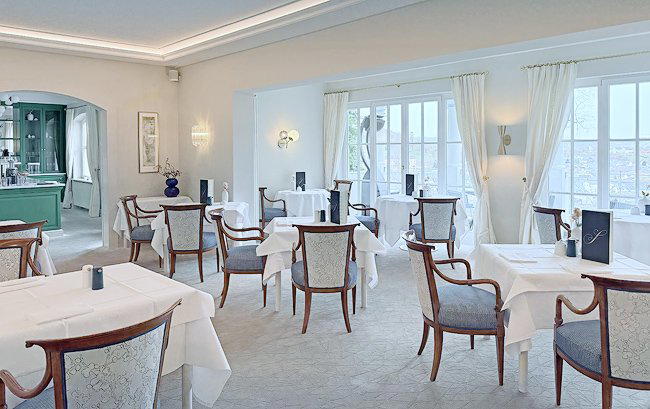
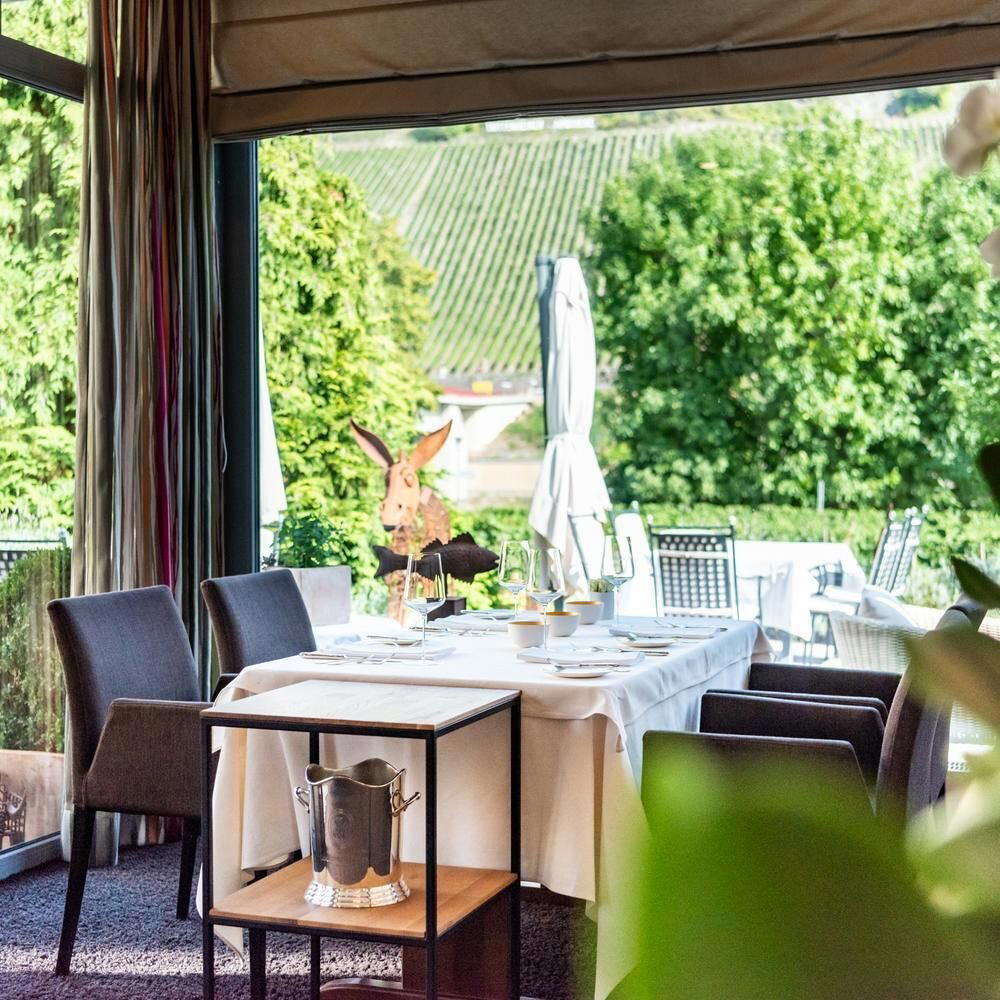
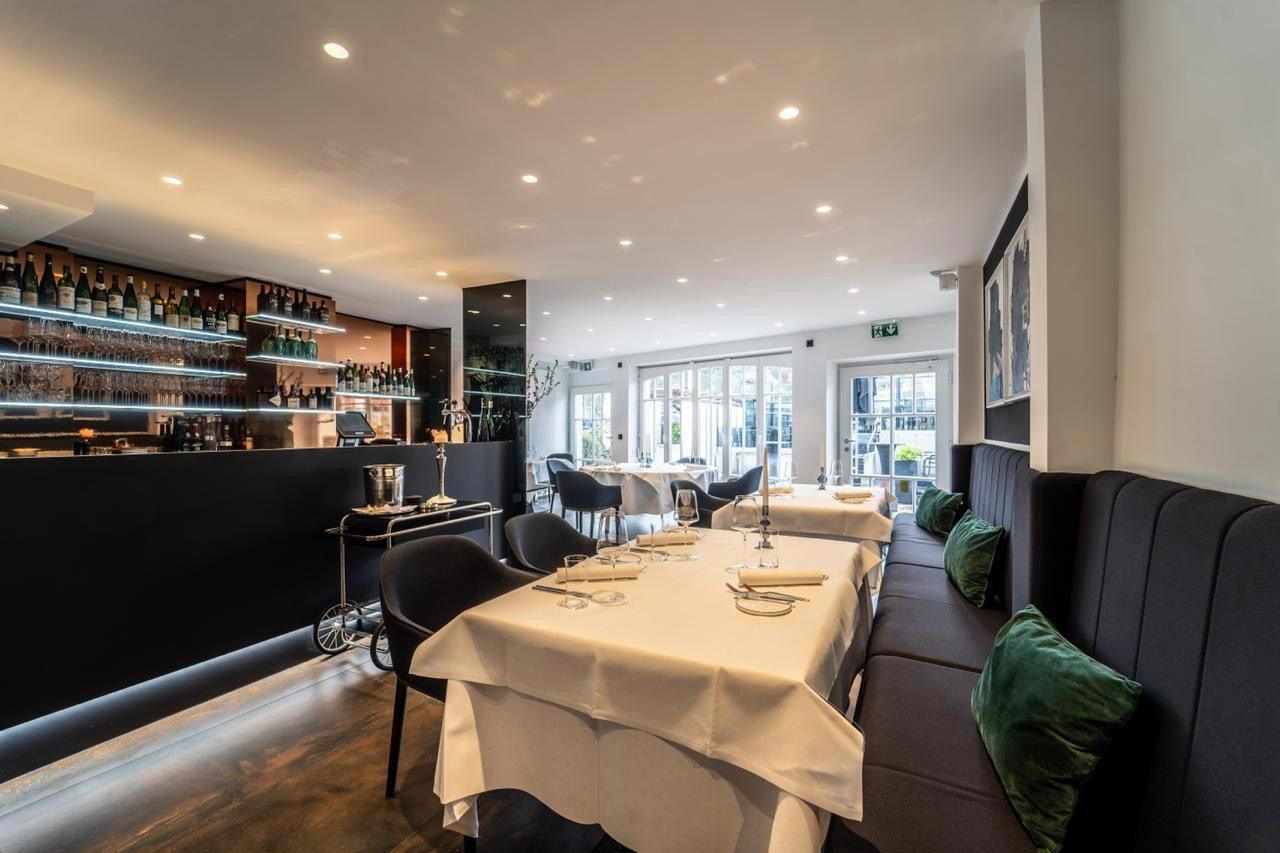
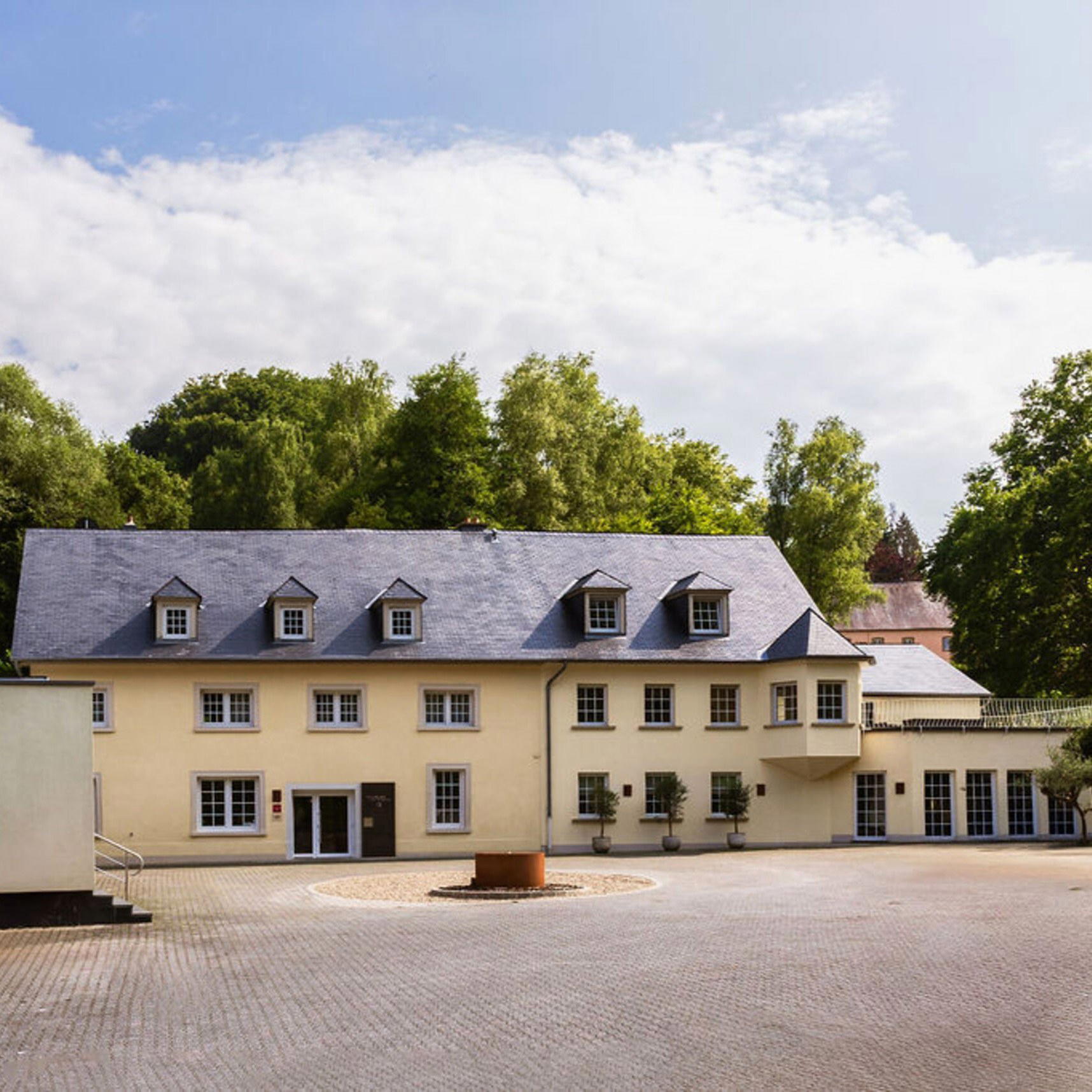
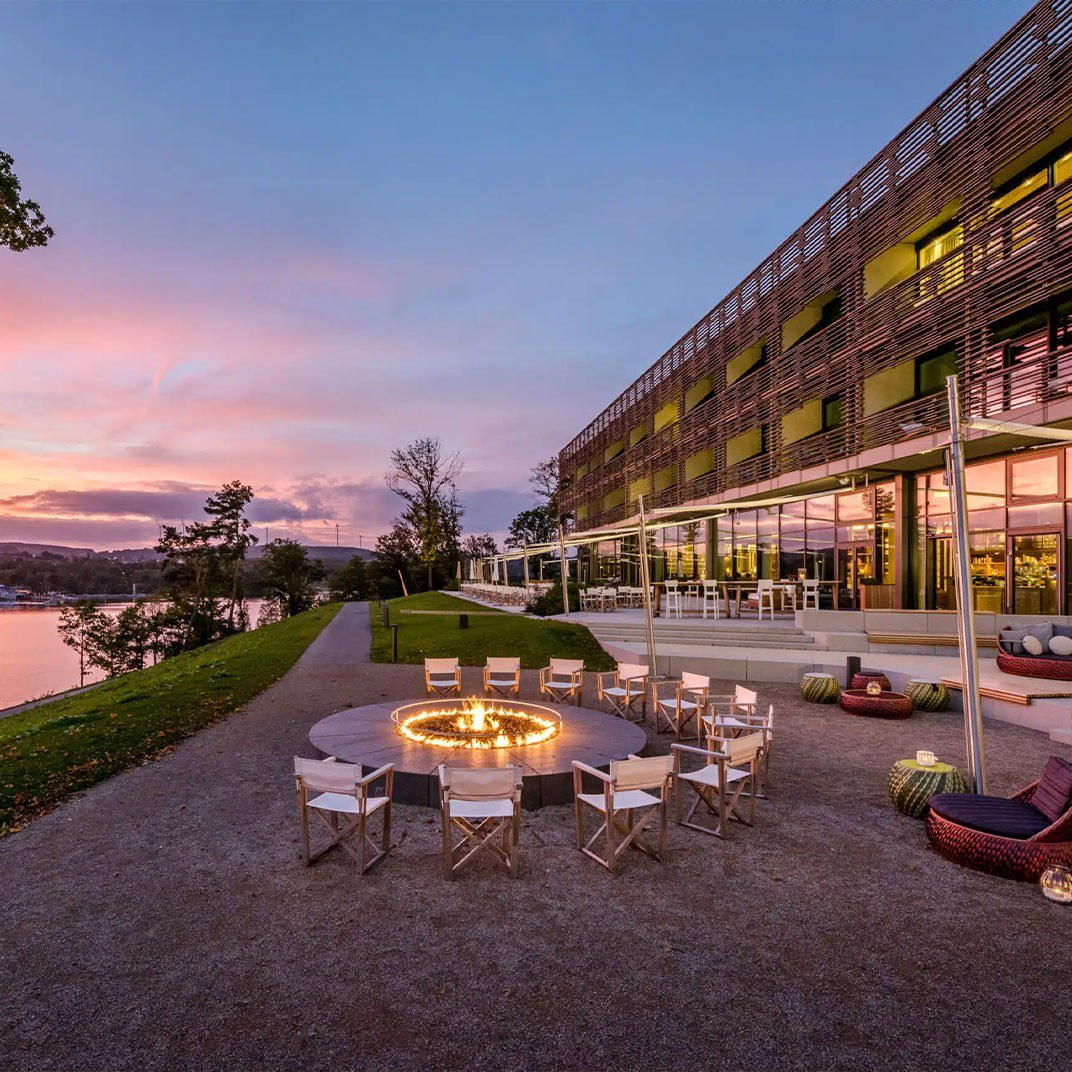
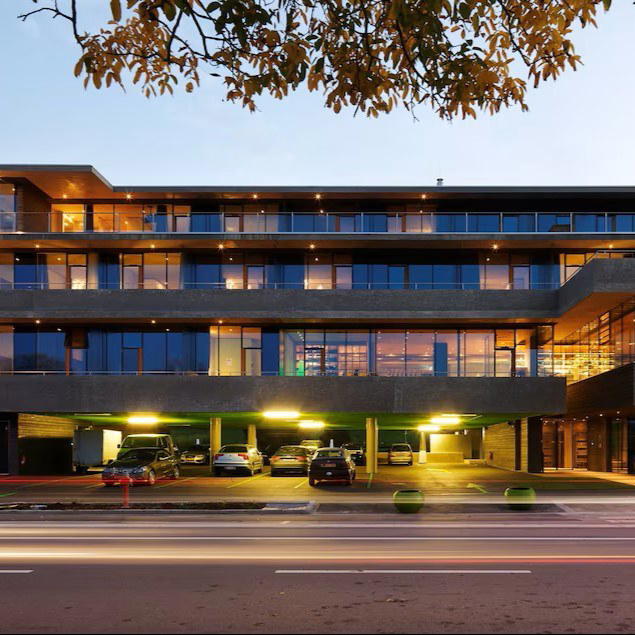
Formal, modern, clean dining room with stylish, elegant, and discreetly modern decor, well-spaced tables, and a quiet, sophisticated atmosphere.