
Star Wine List
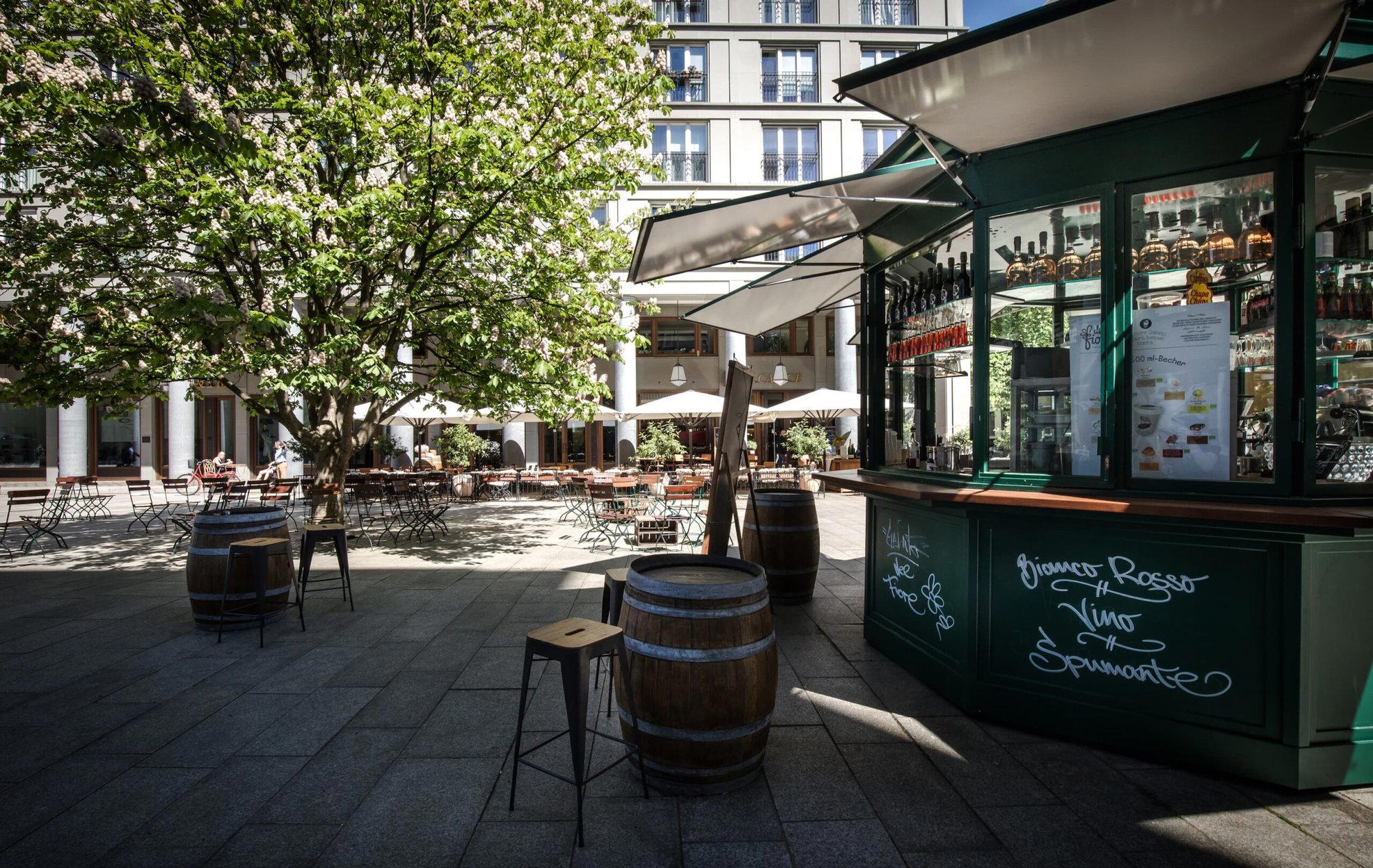
A small French wine bar beside Clärchens Ballhaus on Auguststraße, Der Kleine August brings a focused, quality-led approach to Mitte's drinking scene. The format is intimate and deliberate: precise pours, warm service, and a room with enough character to make the wine taste better. In a district full of concept-heavy openings, this one earns attention through restraint.

Pearl is the En Primeur Club membership app — saves, bookings, and concierge access live there. Same editors, same standards.
- Address
- Auguststraße 23, 10117 Berlin, Germany
- Phone
- +49 171 4156617
- Hours
- Mon ClosedTue–Sat 5 PM–12 AMSun Closed
- Website
- derkleineaugust.de
- Directions
- Get directions
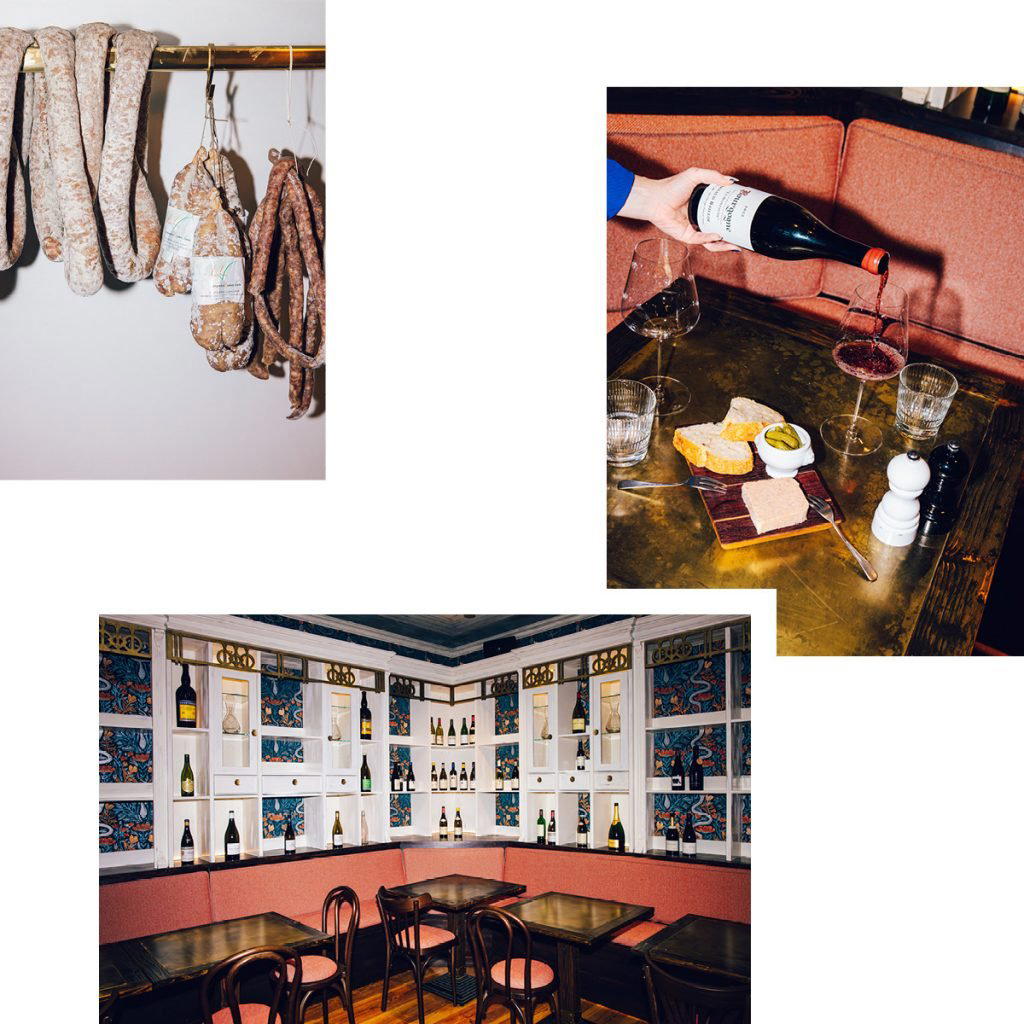
A French Wine Bar Takes Root in the Heart of Mitte
Auguststraße runs through the middle of Berlin-Mitte like an argument for how a city street should age: galleries beside ballrooms, plaster facades holding their ground against renovation pressure, the old and the recent in close, productive tension. Der Kleine August sits along this stretch, directly beside Clärchens Ballhaus, one of Berlin's most photographed and most genuinely beloved dance halls. The address alone does editorial work. A French wine bar at this particular junction is not arriving in a vacuum — it is placing itself inside a conversation about what the neighbourhood wants from its evenings.
The format is small and deliberate. This is not a wine bar trying to be a restaurant that happens to have a list, nor a bar that has imported a few natural bottles as credibility signals. The promise at Der Kleine August is specific: quality, precision, and warm hospitality. That compression of priorities matters in a city where the drinking scene has fragmented across many competing identities.
Where French Wine Bar Culture Meets Berlin's Appetite for the Specific
French wine bar culture has a particular grammar. It prioritises the producer over the region, the glass over the bottle as the primary unit of engagement, and the plate — when food appears, as something that earns its place by complementing the wine rather than competing with it. The leading versions of this format, whether in Paris's 11th arrondissement or in the wine-focused rooms that have opened across northern European cities over the past decade, share a commitment to sourcing that shows in the glass rather than on a printed certificate on the wall.
In Berlin, that approach has found traction in a city already comfortable with the idea that a small room with a focused offer can outlast a large room with ambition spread thin. The bars and drinking rooms that have built lasting reputations here, including Buck & Breck, with its tight counter format and precise cocktail program, and Stagger Lee, which has made specificity of atmosphere into a kind of signature, demonstrate that Berlin rewards rooms willing to commit to a clear identity and hold it. Der Kleine August is making a version of the same bet, in a different category.
Sourcing as the Editorial Statement
In any serious wine bar, sourcing is the argument. The selection on a list tells you what the room believes about wine: which producers are working with integrity, which regions are being paid attention, and whether the person assembling the offer has a point of view or is simply buying what the distributor recommends. A French-focused list built with precision implies growers rather than negotiants, appellations chosen for what they say rather than what they cost to brand, and a willingness to include wines that require some explanation rather than wines that sell themselves on the label alone.
This matters for the guest in practical terms: a well-sourced by-the-glass program means that the opening pour is already interesting, not merely inoffensive. It means the staff have something to say about what is in the glass. And it means the room has a position, which is increasingly what separates drinking destinations from drinking facilities.
Comparable venues in other German cities show how this can work at different scales. Le Lion Bar de Paris in Hamburg has built a French-inflected identity around precision and longevity. Goldene Bar in Munich demonstrates that a room with strong editorial identity can hold its position across years. The Parlour in Frankfurt on the Main works a similarly intimate format. These are not identical venues, but they share a structural similarity: they are smaller rooms that have traded capacity for character and made it work. Der Kleine August enters that cohort as Berlin's version of the format.
Mitte After Dark: The Neighbourhood Context
Mitte has spent twenty years being described as Berlin's most central district in the geographic sense while the city's actual energy has frequently relocated itself elsewhere. That has changed in recent years. The stretch of Auguststraße and its surrounding blocks now supports a density of serious hospitality operations, bars, restaurants, and wine rooms operating at a standard that competes with openings in districts that once had a monopoly on ambition. Der Kleine August arrives into a neighbourhood that is paying attention again.
Berlin's cocktail bars have continued to develop their own vocabulary during this period. Lebensstern and Velvet represent the more cocktail-forward end of the city's evening drinking options. Der Kleine August operates in a different register, one where the wine list is the primary text and the atmosphere is a supporting argument rather than the main event. That distinction is worth holding clearly: the two modes of evening drinking serve different needs, and Berlin is large enough to accommodate both without competition.
For visitors arriving in Mitte specifically, the density of options on and around Auguststraße means that an evening can be assembled from short walks rather than cross-city logistics. The proximity to Clärchens Ballhaus, which draws its own crowd for dancing and events, means the block already has evening rhythm. A wine bar at that junction catches the before-and-after traffic without needing to generate its own footfall from scratch.
Planning a Visit
Der Kleine August is located at Auguststraße 23, 10117 Berlin, in the Mitte district, adjacent to Clärchens Ballhaus. As a small wine bar, the room is leading approached with the expectation that intimacy is the point: arrive expecting a counter or close tables, a list that rewards engagement, and staff who have something to say about what they are pouring. For those building a broader Berlin drinking itinerary, Bar Trattoria Celentano in Cologne, Uerige in Dusseldorf, and Kieler Brauerei am Alten Markt in Kiel provide useful reference points for how German cities are approaching distinctly local drinking formats. For a full picture of Berlin's eating and drinking scene, see our full Berlin restaurants guide. Those travelling further afield will find Bar Leather Apron in Honolulu an interesting comparison point for how the intimate, sourcing-forward bar format translates across contexts.
Comparison Snapshot
Comparable venues nearby, for context on price, style, and recognition.
| Venue | Cuisine | Price | Awards | Notes |
|---|---|---|---|---|
| Der Kleine AugustThis venue — the venue you are viewing | Bar | $30–50 | Star Wine List | Not listed |
| L’Apéro Bar | cocktail_bar | Not listed | Star Wine List | Kreuzberg |
| Bar 3 | cocktail_bar | Not listed | Not listed | Mitte |
| Mauerwinzer | wine_bar | Not listed | Star Wine List · Falstaff Wine Bar - 88 Falstaff Points | Scheunenviertel |
| Salut! Classic Bar | cocktail_bar | $30–50 | Falstaff Bar - 92 Falstaff Points | Schöneberg |
| Prince Charles | lounge | $20–30 | Not listed | Kreuzberg |
Recognition history
Dated appearances from independent guides and award organizations, with the underlying list record or original source where available.
Star Wine List
Star Wine List
Continue exploring
More in Berlin
Bars in Berlin
Browse all →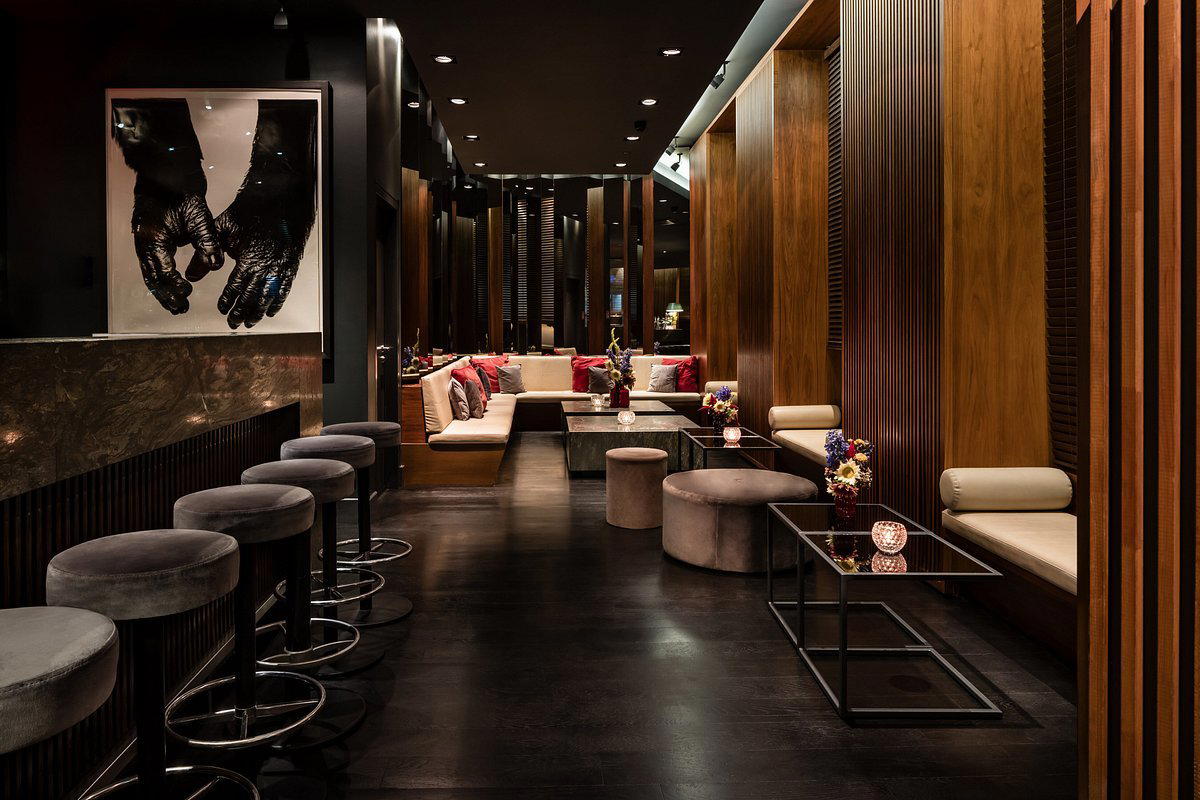
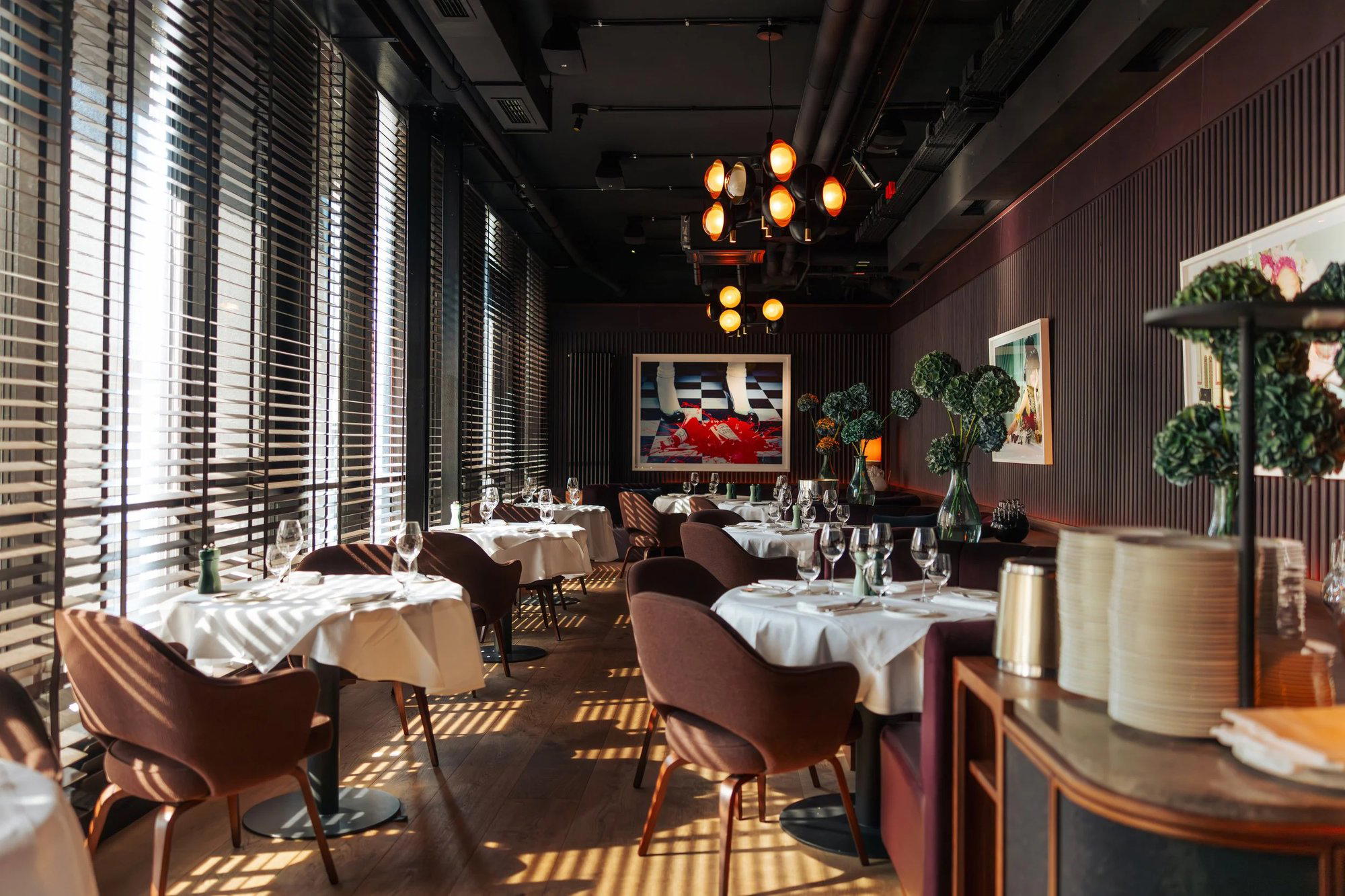
Restaurants in Berlin
Browse all →
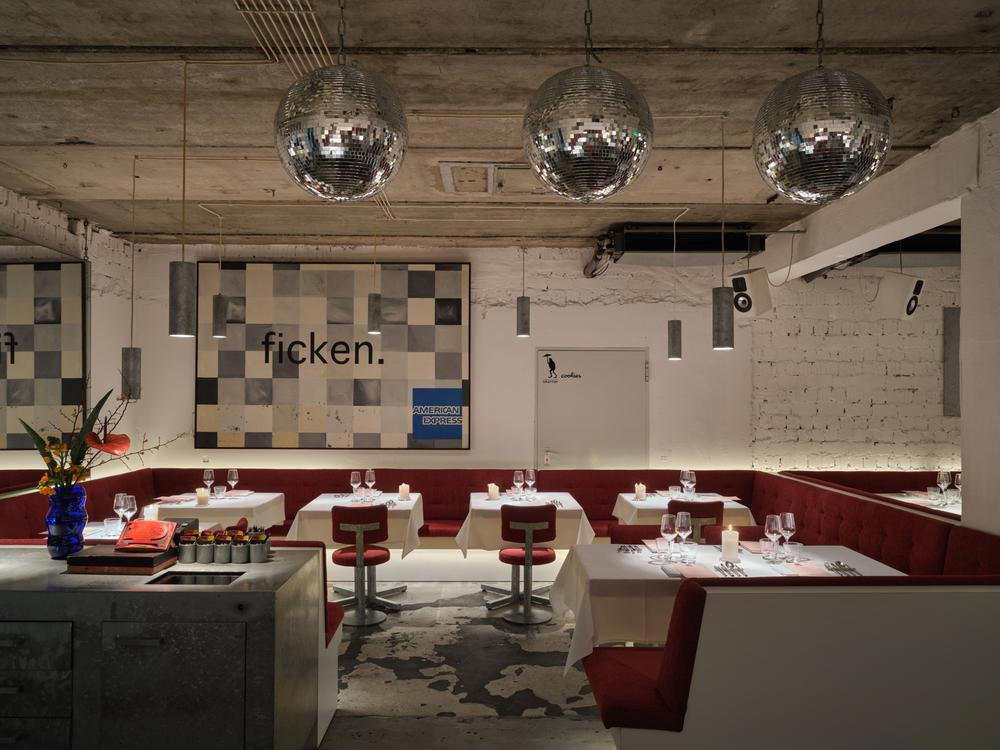
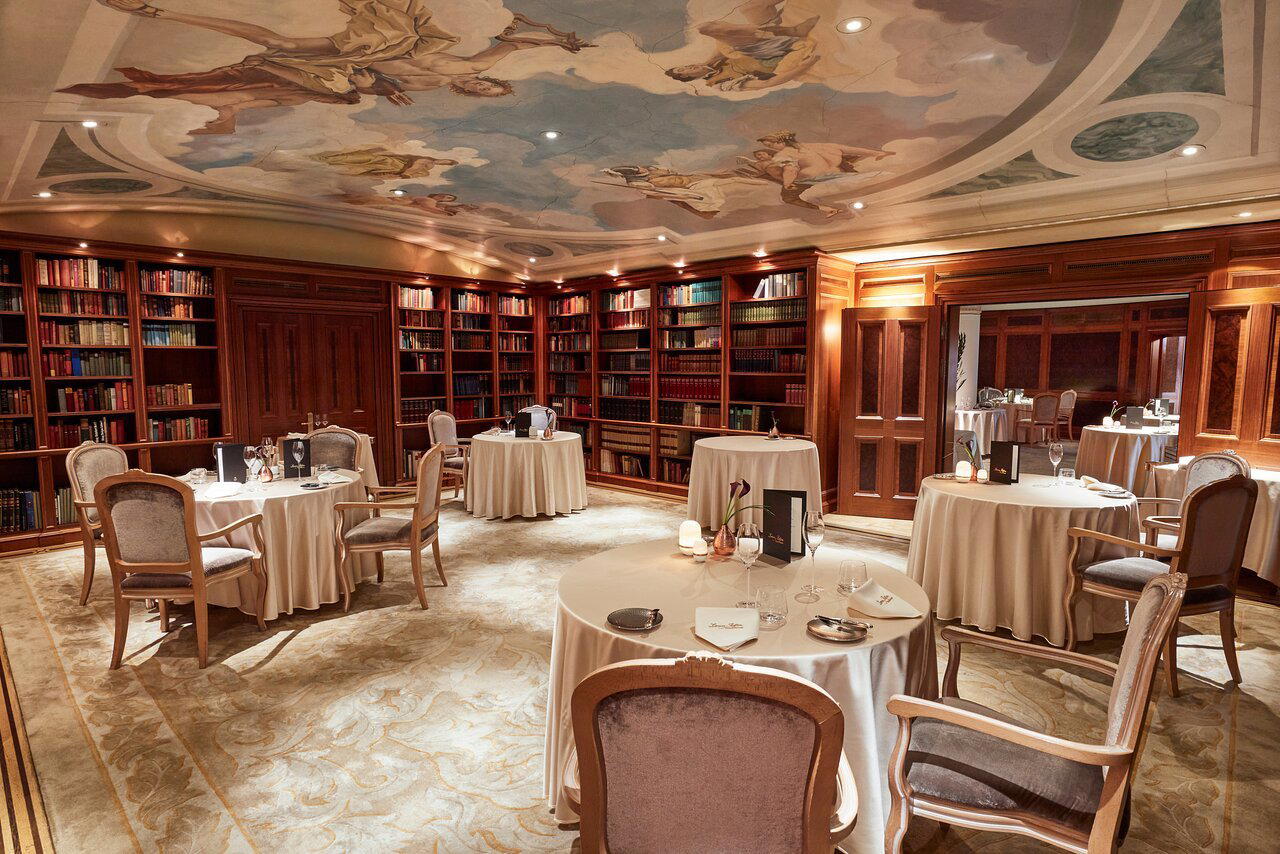
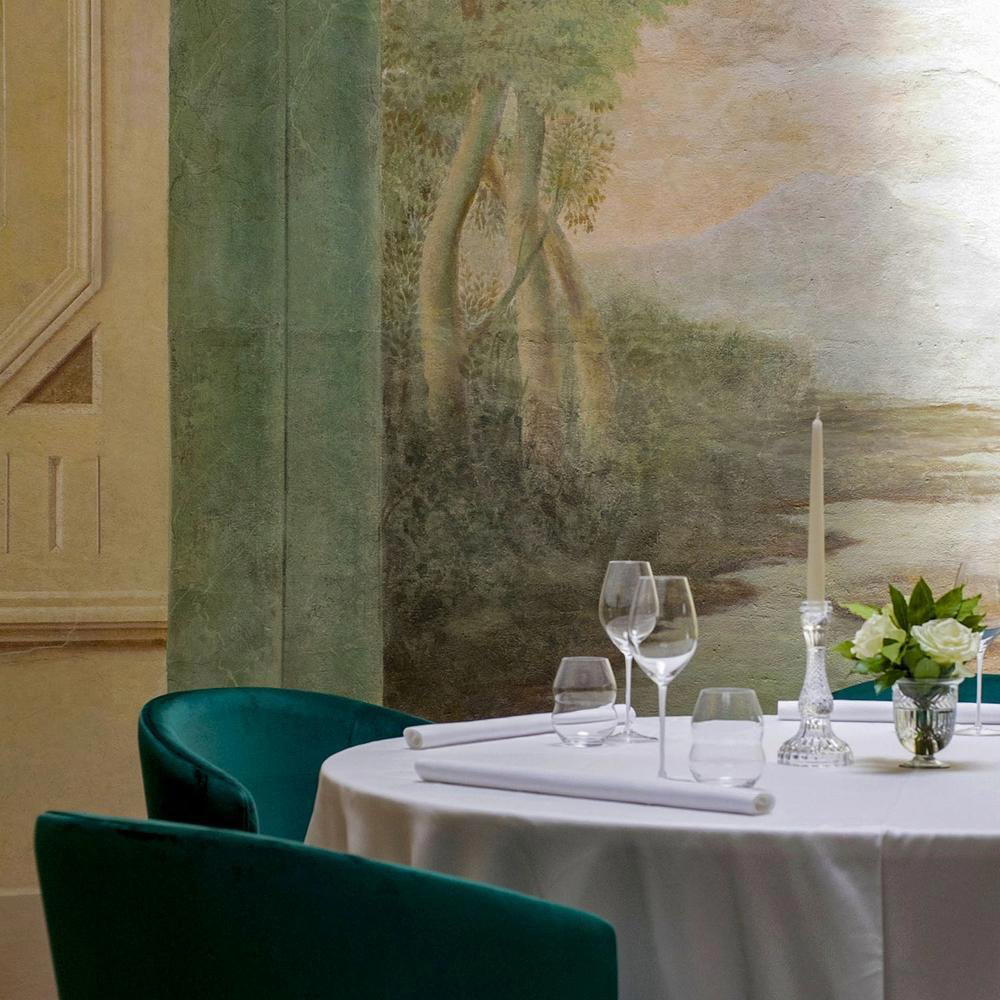
Hotels in Berlin
Browse all →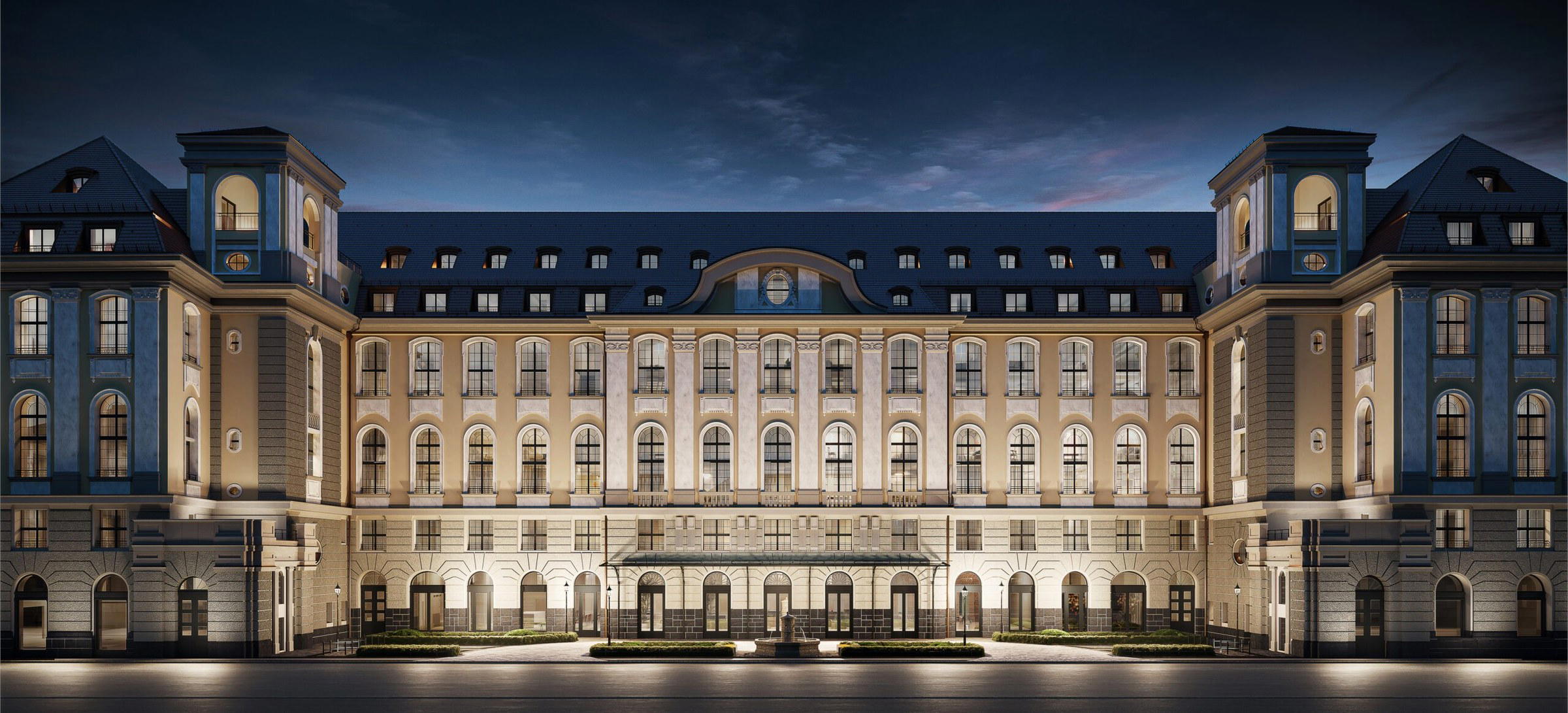


Details
- Cozy
- Whimsical
- Intimate
- Date Night
- Celebration
- Live Music
- Seated Bar
- Lounge Seating
- Classic Cocktails
Current opening hours
- Monday
- Closed
- Tuesday
- 5 PM–12 AM
- Wednesday
- 5 PM–12 AM
- Thursday
- 5 PM–12 AM
- Friday
- 5 PM–12 AM
- Saturday
- 5 PM–12 AM
- Sunday
- Closed
Hours can change for holidays and private events. Last verified .
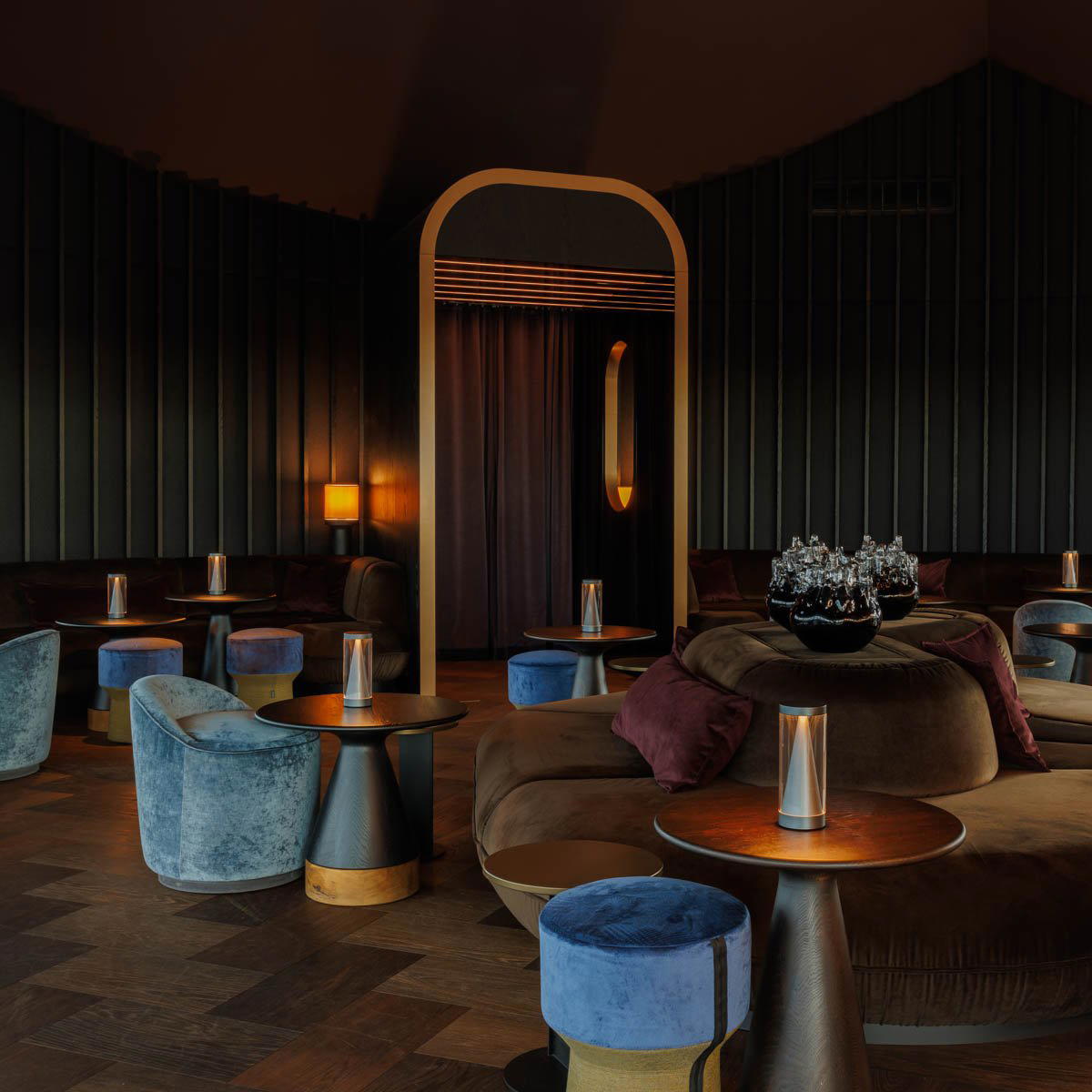
Dimly lit, sexy boudoir-like atmosphere with theatrical decor and lively, welcoming energy.