






3 Michelin Stars · World's 50 Best #33 · La Liste Top Restaurants
Our verdict
Aqua Wolfsburg stands as Germany's culinary crown jewel, where Chef Sven Elverfeld's three-Michelin-starred artistry transforms modern German cuisine into emotional storytelling. Nestled within The Ritz-Carlton's elegant setting, this intimate 40-seat sanctuary delivers nine-course tasting menus featuring bold combinations like Saibling char with caviar and miso, establishing it as Europe's most sophisticated dining destination.
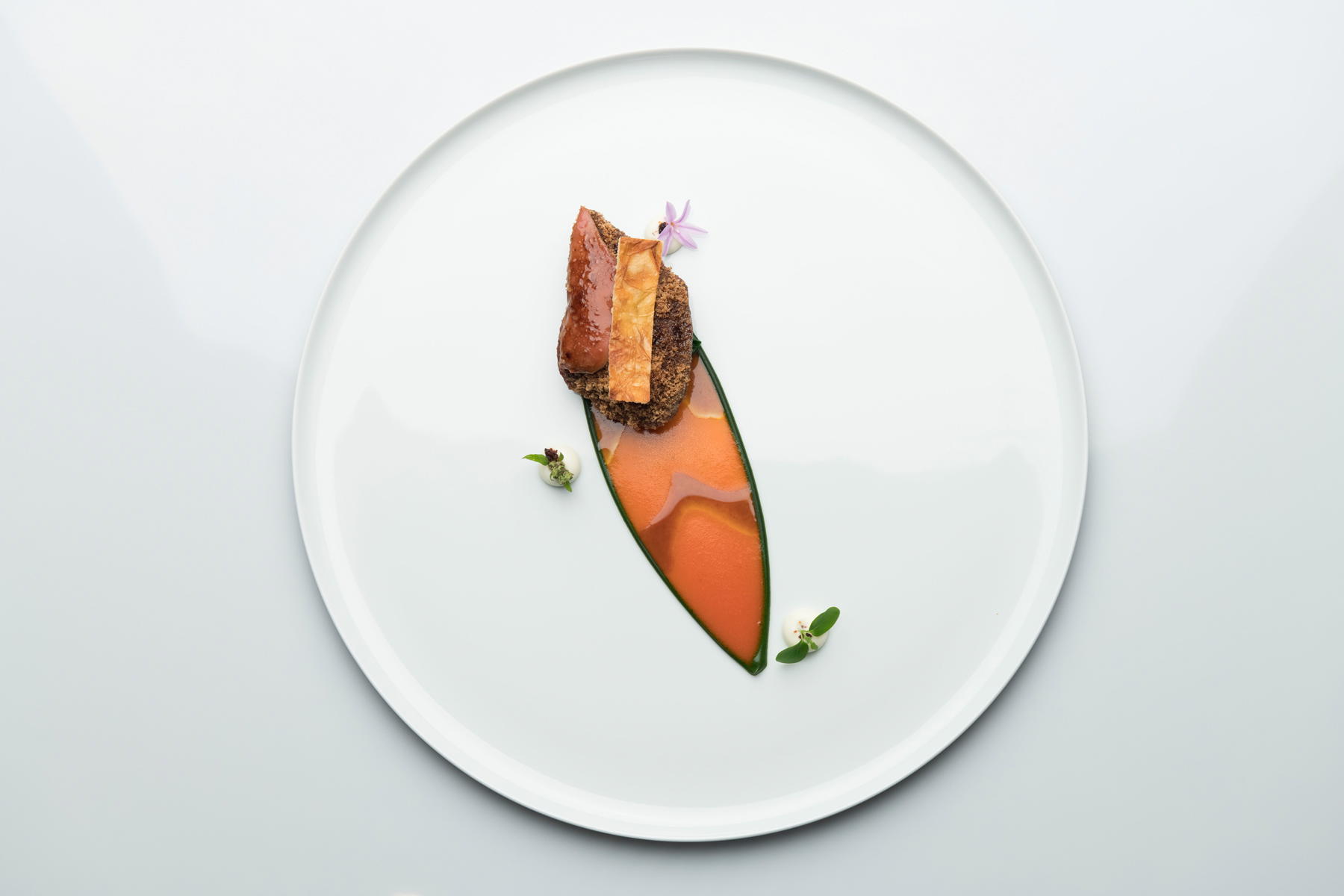
The menu
What to order
- Kalamata olive with goat cheese and anchovy
- Trout with buttermilk
- Char with roe
A Three-Star Counter in an Unlikely City
Wolfsburg is not the first German city that comes to mind when mapping the country's fine dining geography. Its identity is industrial, shaped by the Volkswagen headquarters that anchors the city's economy and defines its skyline. Yet inside the Ritz-Carlton hotel on Parkstraße, the dining room at Aqua has held three Michelin stars continuously and has appeared on the World's 50 Best Restaurants list every year from 2010 to 2015, peaking at number 22 in 2012. La Liste awarded it 99 points in its 2026 ranking, placing it among a small cohort of European restaurants that operate at the top of multiple independent rating systems simultaneously. For Germany's three-star tier, that combination of sustained 50 Best presence and La Liste recognition puts Aqua in direct company with houses like Vendôme in Bergisch Gladbach and Schwarzwaldstube in Baiersbronn, both operating at the €€€€ tier with comparable award profiles.
Germany's top-tier creative restaurants have, over the past decade, moved toward a shared set of principles that echo the Japanese kaiseki tradition without replicating it directly: seasonal sequencing, vegetable integration as a structural element rather than a garnish, and a tension between restraint and intensity within each course. Aqua's cuisine sits inside that broader shift. The kitchen's published description references dishes that are "pure and powerful, full of balance and expression," with vegetables woven through each plate as a compositional element rather than a supporting note. That framing aligns with the kaiseki principle that each course should resolve into a coherent whole, where no single ingredient dominates but every element earns its place.
The Room and What It Signals
The Ritz-Carlton context sets certain baseline expectations: formal service architecture, a room calibrated for quiet conversation, linens and glassware weighted toward occasion dining. What distinguishes Aqua within that setting is the cuisine's positioning. Unlike hotel restaurant kitchens that default to a conservative, internationally legible menu, the cooking here is categorised across three distinct registers, Contemporary German, Italian/Japanese, and Creative, which is a more architecturally complex brief than most single-category three-star operations attempt. It signals a kitchen working across multiple reference points and asking the menu to hold them together rather than defaulting to a single dominant tradition.
The service is dinner-only, operating Wednesday through Saturday from 6 to 8:30 pm, with Sunday and Monday closed. That four-night window is a deliberate constraint common among kitchens working at this level of precision. The Les Grandes Tables du Monde membership, renewed in 2025, places Aqua within a curated international network that applies its own hospitality criteria alongside culinary ones, reinforcing the room's role as part of the experience rather than its backdrop.
Where the Cuisine Sits in Germany's Three-Star Field
Germany's three-star restaurants span a wider stylistic range than their French counterparts. The French template at places like Schwarzwaldstube represents one pole; the dessert-led creative format at CODA Dessert Dining in Berlin represents another. Aqua occupies a middle ground between classical European discipline and the kind of cross-cultural fluency visible in kitchens like JAN in Munich or the German-Japanese synthesis at places such as Victor's Fine Dining by Christian Bau in Perl. The Italian and Japanese references in Aqua's cuisine description are not decorative. They point to a kitchen that applies cross-cultural technique as a structural tool, borrowing precision and lightness where the local tradition might default to weight and richness.
Chef Sven Elverfeld's sustained tenure is itself a data point worth reading carefully. Multi-decade consistency at three-star level is rare in the German system, and the continuous World's 50 Best appearances between 2010 and 2015 reflect a period when the restaurant was registering on the global circuit alongside kitchens in Copenhagen, Tokyo, and New York. Comparable long-run records in Germany belong to a short list. For context, Restaurant Haerlin in Hamburg, Schanz in Piesport, and Waldhotel Sonnora in Dreis each represent different inflections of sustained German fine dining commitment, but Aqua's combination of urban adjacency (a Ritz-Carlton hotel, a city with a single dominant employer) and international rating traction is a configuration that doesn't repeat elsewhere in the country.
The Vegetable Question
One of the more interesting editorial signals in Aqua's award citation language is the specific emphasis on vegetables as a recurring structural element across the menu, not as a dietary accommodation but as a compositional philosophy. In kaiseki terms, this maps to the principle of shun, the discipline of working with seasonal produce at its exact moment of peak character. German cuisine has historically been protein-anchored at the prestige level, so a three-star kitchen that positions vegetables as the intellectual through-line of its menu is making a statement about where the cooking sits relative to that tradition. It is closer to the approach taken at kitchens like ES:SENZ in Grassau, which also works at the intersection of discipline and seasonal specificity, than to the richer, more ingredient-intensive formats associated with classic French three-star cooking.
That positioning has practical implications for how to read the menu. Dishes described as "pure vegetable preparations with surprising combinations" suggest a tasting sequence where the vegetable courses are not interval relief between protein courses but stand-alone statements, carrying the same weight as the main protein plates. For diners accustomed to European multi-course menus where vegetables are transitional, this is a different contract with the kitchen.
Cross-Reference: What the Rating Data Actually Tells You
Guests arriving at Aqua self-select heavily: the price, the booking window, and the location all filter toward diners who have researched the restaurant and are arriving with high baseline knowledge. A near-perfect score under those conditions suggests that the kitchen is meeting informed expectations consistently, which is harder than impressing a first-time walk-in.
The 99-point La Liste score for 2026, up from 98.5 in 2025, signals upward trajectory within the rating system rather than stasis. La Liste's methodology weights both culinary criteria and hospitality factors, so the improvement suggests the full experience, not just the cooking, is tightening. Among European restaurants in the La Liste 99-point bracket, Aqua sits alongside kitchens that operate at significantly higher price points and in cities with denser fine dining infrastructure, which reinforces the geographic anomaly argument: what Aqua has built in Wolfsburg would be notable in any city.
Getting There and Practical Notes
Wolfsburg is accessible by direct ICE train from Berlin Hauptbahnhof in under an hour, and from Hamburg in approximately 90 minutes, making it viable as a dinner excursion from either city without requiring an overnight stay, though the Ritz-Carlton itself offers accommodation for those building a longer visit. For dining context within Wolfsburg, Lang is her and Terra represent the city's modern cuisine tier below the three-star level, useful reference points for understanding how Aqua sits within the local scene rather than in isolation from it. The full picture of eating and drinking in the city is covered in our Wolfsburg restaurants guide, with accommodation options in our Wolfsburg hotels guide, and the wider city offering covered across bars, wineries, and experiences guides.
Reservations at three-star level in Germany typically require advance planning of several weeks to months, particularly for the Thursday-to-Saturday slots that compress demand into a narrow window. The Wednesday opening provides a marginally easier booking window than the weekend nights, and the 6 to 8:30 pm service format means the evening is structured rather than open-ended. Arriving prepared for a sequenced multi-course menu, with the vegetable philosophy in mind as an organising principle rather than a side note, positions you to read the menu on the kitchen's terms rather than your own defaults.
Frequently asked questions
What's Aqua known for in terms of accolades?
Aqua has received recognition including: La Liste Top Restaurants (2026): 99pts; Aqua, situated in the Ritz-Carlton hotel, is one of the illustrious clubs of the 50 best restaurants in the world with top ratings in Michelin and Gault&Millau.; This acknowledgement is owed to the inv….
What should I order at Aqua?
Aqua operates on a single sequenced tasting format, so there is no à la carte selection to navigate. The decision is whether to take the full menu length or a shorter sequence, and which wine pairing tier to add alongside. La Liste's 99-point citation in 2026 specifically highlights Elverfeld's use of vegetables as a structural element across courses, not a garnish, so that throughline will define what arrives regardless of menu length. Book Wednesday through Saturday evenings; those are the only service windows available.
Is Aqua more mid-range or high-end?
Pricing at Aqua is listed as €€€€.
What are the operating hours at Aqua?
Hours at Aqua: Hours: Monday Closed Tuesday Closed Wednesday 6–8:30 pm Thursday 6–8:30 pm Friday 6–8:30 pm Saturday 6–8:30 pm Sunday Closed.
Where is Aqua in Wolfsburg?
Aqua is located at Parkstraße 1, 38440 Wolfsburg, Germany, Wolfsburg.
Is Aqua chef-led?
The chef associated with Aqua is Sven Elverfeld.
Fast Comparison
| Venue | Cuisine | Price | Awards | Notes |
|---|---|---|---|---|
| AquaThis venue (the venue you are viewing) | Modern European Fine Dining | Not listed | 3 Michelin Stars · World's 50 Best #33 | Not listed |
| Schwarzwaldstube | Modern French Fine Dining | $150–200 | 3 Michelin Stars · World's 50 Best #47 | French, Classic French |
| CODA Dessert Dining | Dessert-Inspired Fine Dining | $200–300 | 2 Michelin Stars · World's 50 Best #79 | Creative |
| Tantris | Modern French, French Contemporary | Not listed | Michelin 2 Star | Not listed |
| Vendôme | Modern German Haute Cuisine | $200–300 | 2 Michelin Stars · World's 50 Best #47 | Modern European, Creative |
| Tohru in der Schreiberei | Modern Japanese-European Fusion Fine Dining | $300–500 | Michelin Plate · La Liste Top Restaurants | Modern German - Japanese, Modern Cuisine |
Recognition history
Dated appearances from independent guides and award organizations, with the underlying list record or original source where available.
Michelin 3 Stars
Michelin
World's 50 Best Restaurants #33
World's 50 Best
La Liste Top Restaurants
La Liste
Les Grandes Tables du Monde Member
Les Grandes Tables du Monde
Opinionated About Dining Top Restaurants in Asia Recommended
Opinionated About Dining
Full recognition history (15 entries)
Opinionated About Dining Classical in Europe Ranked #56
Opinionated About Dining
La Liste Top Restaurants
La Liste
The Best Chef Two Knives
The Best Chef
We're Smart World 3 Radishes
We're Smart World
Michelin 3 Stars
Michelin
World's 50 Best Restaurants #28
World's 50 Best
World's 50 Best Restaurants #30
World's 50 Best
World's 50 Best Restaurants #22
World's 50 Best
World's 50 Best Restaurants #25
World's 50 Best
World's 50 Best Restaurants #34
World's 50 Best
Continue exploring
More in Wolfsburg
Restaurants in Wolfsburg
All restaurants in Wolfsburg →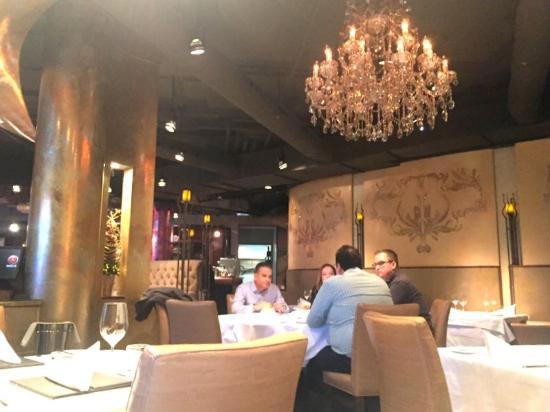
Hotels in Wolfsburg
All hotels in Wolfsburg →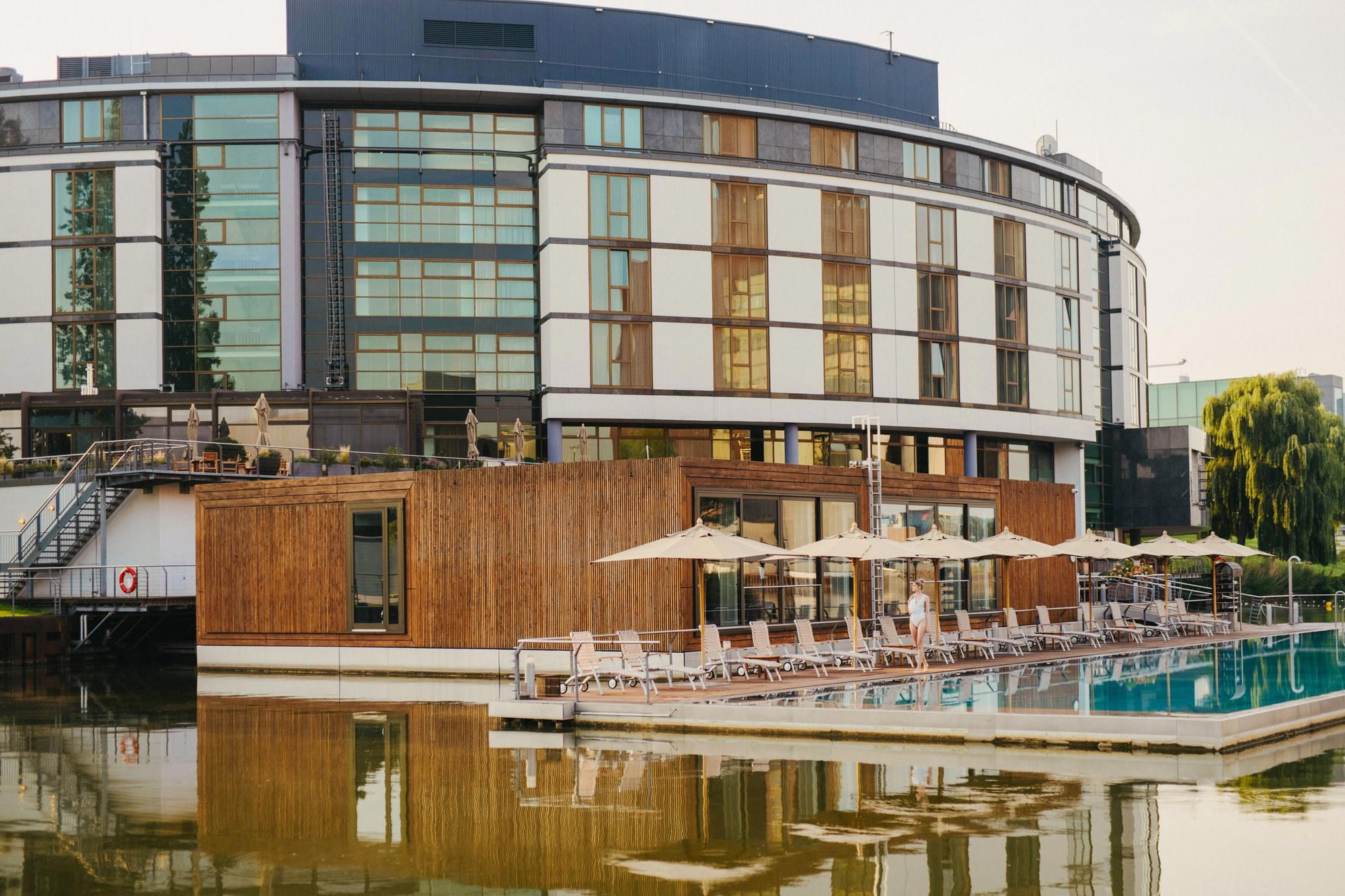
Aqua
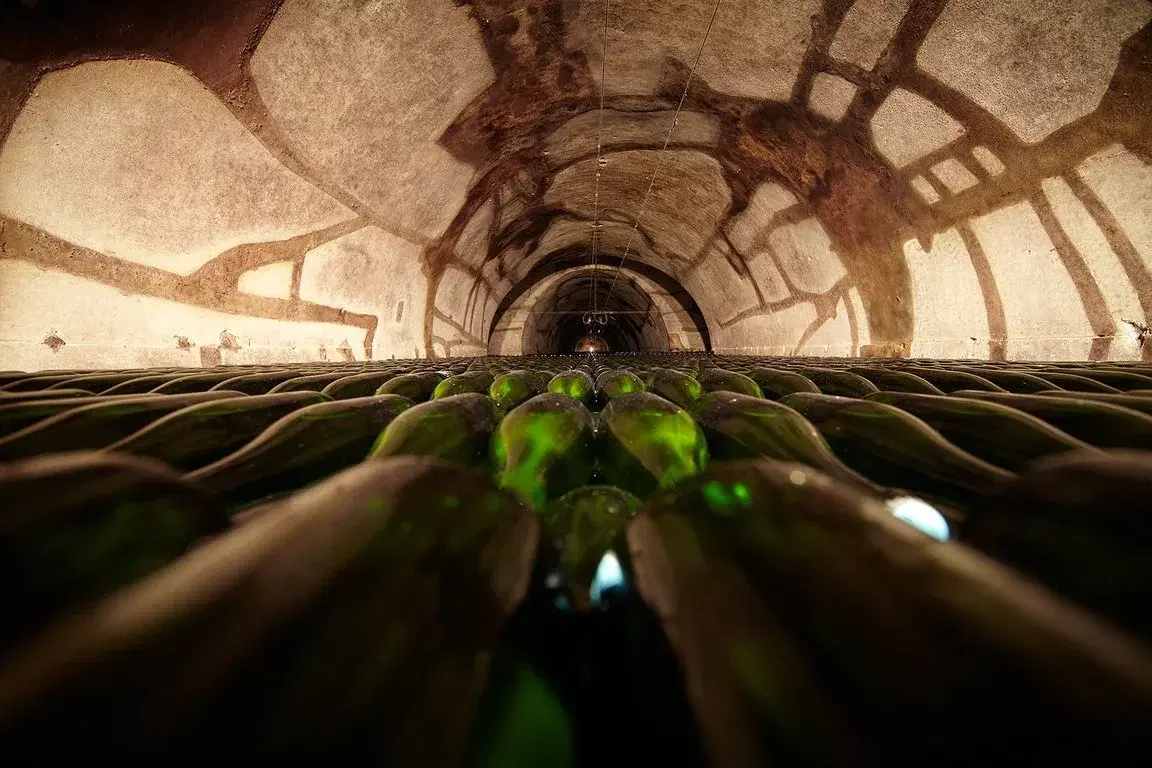
The wine
- Wine program
- Deep wine list
- Extensive wine list
- Sommelier-led
Details
- Elegant
- Sophisticated
- Modern
- Intimate
- Special Occasion
- Date Night
- Celebration
- Hotel Restaurant
- Extensive Wine List
- Sommelier Led
- Tasting Menu
- Vegetarian Friendly
- Vegan Options
- Gluten Free Options
Current opening hours
- Monday
- Closed
- Tuesday
- Closed
- Wednesday
- 6–8:30 PM
- Thursday
- 6–8:30 PM
- Friday
- 6–8:30 PM
- Saturday
- 6–8:30 PM
- Sunday
- Closed
Hours can change for holidays and private events. Hours as of .
Elegant and sleek design with warm tones, natural materials, and understated luxury creating a professional yet charming atmosphere.