Kumami occupies a quiet address on Kietzer Strasse in Berlin's Köpenick district, sitting at a remove from the city's better-known fine dining corridors. The venue places itself within Berlin's growing tier of neighbourhood-rooted restaurants that operate outside the central Michelin circuit, rewarding the reader who plans ahead and makes the trip east.
Pearl is the En Primeur Club membership app — saves, bookings, and concierge access live there. Same editors, same standards.
- Address
- Kietzer Str. 3, 12555 Berlin, Germany
- Website
- kumamiberlin.com
- Directions
- Get directions
 Saves & bookings on Pearl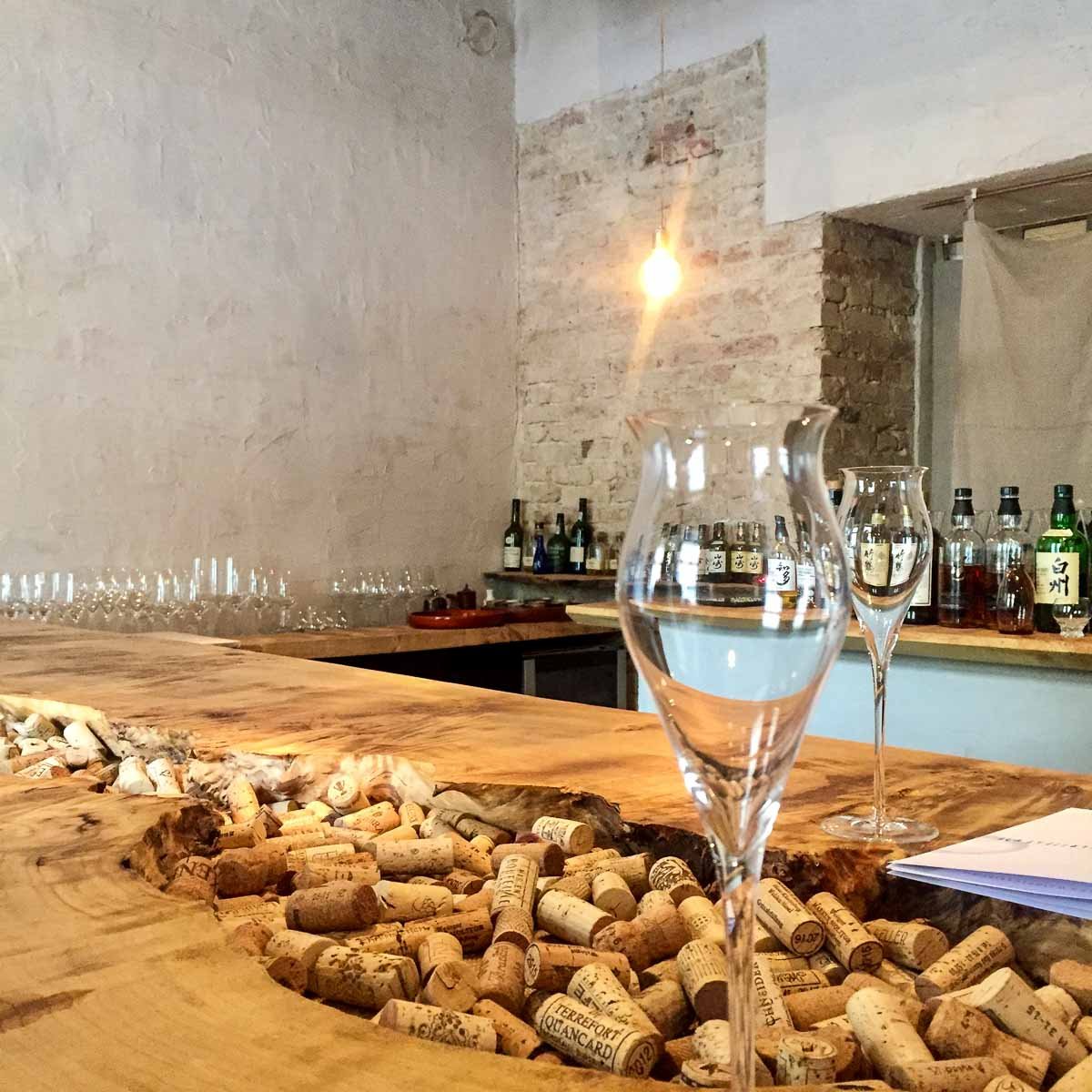
East of the Circuit: Dining in Köpenick's Quieter Register
Berlin's fine dining conversation tends to cluster around Kreuzberg, Mitte, and the Potsdamer Platz corridor, where addresses like Restaurant Tim Raue, Rutz, and FACIL sit within easy reach of each other and of the city's hotel infrastructure. Köpenick, by contrast, sits at the southeastern edge of the city, on a peninsula formed by the Dahme and Spree rivers. It is a neighbourhood defined by its lake culture and its distance from the circuits that produce consistent press coverage. That geography is not incidental to understanding Kumami. A restaurant choosing Kietzer Strasse 3 is choosing a different relationship with its audience: one built on deliberate destination dining rather than foot traffic or hotel proximity.
That pattern, of serious kitchens anchoring themselves in residential or peripheral neighbourhoods, has become one of the more coherent trends in European dining over the past decade. Berlin has seen it play out across multiple districts, with chefs trading central visibility for lower rents, longer leases, and a clientele that arrives with specific intent. The dynamic produces a different kind of service relationship, one less shaped by tourist throughput and more by regulars who follow a kitchen's development across years rather than seasons. Kumami, at its Köpenick address, sits within that pattern.
What the Booking Process Signals
Kumami operates on terms that put the planning burden squarely on the guest. Nobelhart & Schmutzig and CODA Dessert Dining have both cultivated a following that treats the booking process as part of the ritual, with reservations functioning as a form of editorial selection. Restaurants with limited public-facing infrastructure often depend on word-of-mouth pipelines and local press to maintain occupancy, which means that when seats are available, they go quickly to an informed audience.
Kumami requires advance research and advance booking. Arriving without a reservation and expecting a walk-in seat is not a reliable strategy. The distance from central Berlin, a meaningful journey by S-Bahn or car, reinforces the case for confirming a table before making the trip to Köpenick.
That distance also shapes the experience in a structural way. Restaurants in peripheral Berlin locations tend to attract guests who are eating there specifically, not combining the visit with a broader evening in the neighbourhood. The result, at comparable addresses across the city, is a more focused room: guests who arrived with a specific purpose, quieter ambience than you find in more central venues, and a pace set by the kitchen rather than by the street outside. Those conditions suit a certain kind of meal, particularly one built around a progression of courses where attention matters.
Situating Kumami in Germany's Broader Fine Dining Geography
Berlin's dining scene is distributed across many neighbourhoods and cuisine categories. Compared to the concentration of starred kitchens in the Black Forest corridor around Baiersbronn, where Schwarzwaldstube anchors a cluster of destination restaurants, or the Moselle wine country around Piesport and Trier, where Schanz and Bagatelle operate against a backdrop of vineyard tourism, Berlin competes on different terms. The city's dining culture is heterogeneous and distributed, with serious cooking spread across many more neighbourhoods and many more cuisine categories than you find in Germany's more regionally concentrated fine dining zones.
That heterogeneity is part of what makes venues outside the central circuit worth tracking. Germany's most formally decorated kitchens, including Aqua in Wolfsburg, Victor's Fine Dining by Christian Bau in Perl, and Waldhotel Sonnora in Dreis, operate in smaller cities or rural settings where the restaurant is often the primary reason to visit. Berlin reverses that logic: the city itself generates the visitor, and the restaurant earns its place in an itinerary on the strength of its offer rather than its postcode. A neighbourhood address in Köpenick has to work harder for its audience than a hotel restaurant in Mitte, and the kitchens that survive in those conditions tend to have a clear reason for existing.
For comparison across Germany's other major cities, JAN in Munich and Restaurant Haerlin in Hamburg illustrate the range of formats that carry serious culinary ambition in the country's metropolitan tier, from chef-driven personal projects to grand hotel dining rooms. Vendôme in Bergisch Gladbach and ES:SENZ in Grassau add the country house and Alpine resort dimensions. Kumami, at its Köpenick address, slots into none of those established formats, which is itself a signal worth noting when building a picture of where Berlin's restaurant culture is moving.
For a wider Berlin evening, the city's dining tiers and neighbourhoods are spread across many different formats. Points of reference within that broader scene include the dessert-led format at CODA and the regionally sourced modern German cooking at Nobelhart & Schmutzig, both of which occupy the city's upper tier in ways that illuminate the range of approaches a serious Berlin restaurant can take. For a global frame, the precision-led tasting formats at Atomix in New York City and the classical rigour of Le Bernardin offer useful anchors.
Planning the Visit
Kumami's address on Kietzer Strasse 3 in the 12555 postal district places it in Köpenick proper, accessible by S-Bahn on the S3 line from central Berlin, with Köpenick station a short walk from the restaurant. The journey from Alexanderplatz runs around 30 minutes by direct train. One reliable route to a reservation is through a hotel concierge with current Berlin contacts or through a local dining platform that tracks operating status. Confirm opening days and hours before travel. For visitors combining Kumami with broader Berlin fine dining, the city's central addresses require a separate evening: the distance between Köpenick and Kreuzberg or Mitte makes a double-venue night impractical.
Standing Among Peers
Comparable venues nearby, for context on price, style, and recognition.
| Venue | Cuisine | Price | Notes |
|---|---|---|---|
| KumamiThis venue — the venue you are viewing | Traditional Japanese Omakase | $$$$ | Not listed |
| est. | Modern Japanese Fusion | $$$ | Charlottenburg |
| Sachiko Sushi | Creative Japanese Sushi | $$$ | Charlottenburg |
| momiji | Authentic Japanese Street Food & Izakaya | $$ | Charlottenburg |
| SAN | Modern Japanese Sushi | $$$ | Prenzlauer Berg |
| Supper Club Berliner Zimmer Dinner Party by GAiETY | German Contemporary Fusion with Brazilian Influences | $$$$ | Schoneberg |
Continue exploring
More in Berlin
Restaurants in Berlin
Browse all →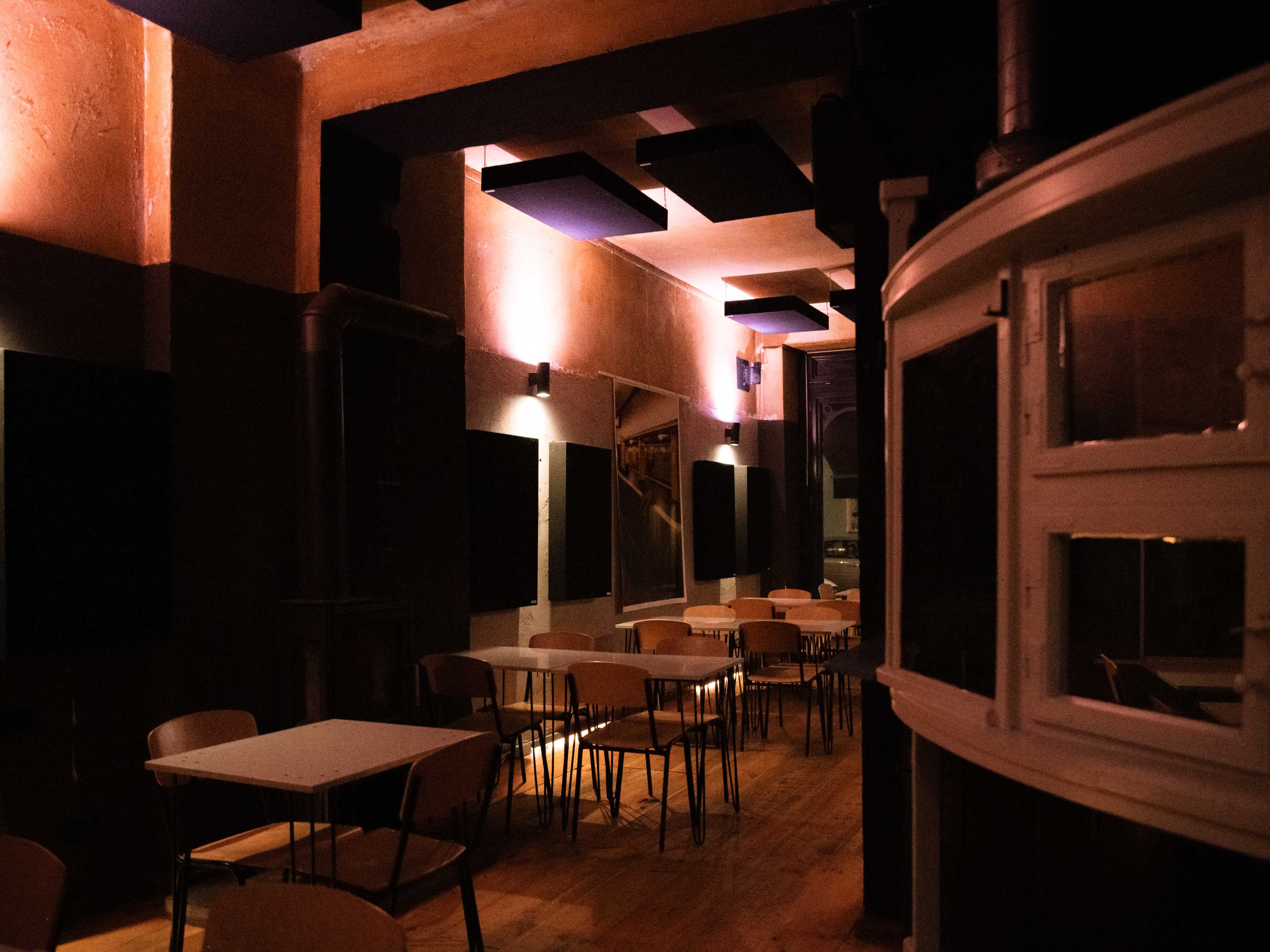
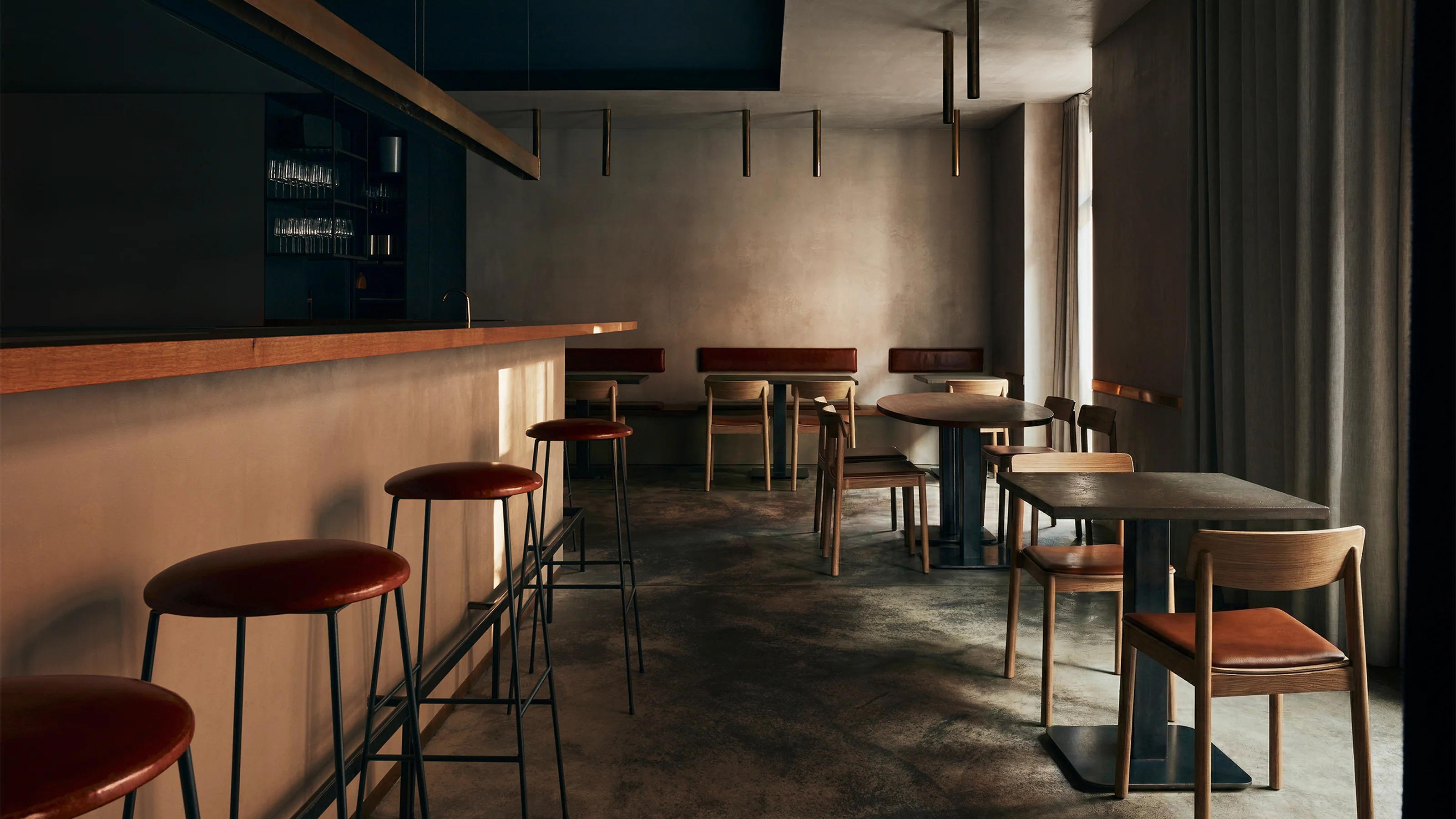
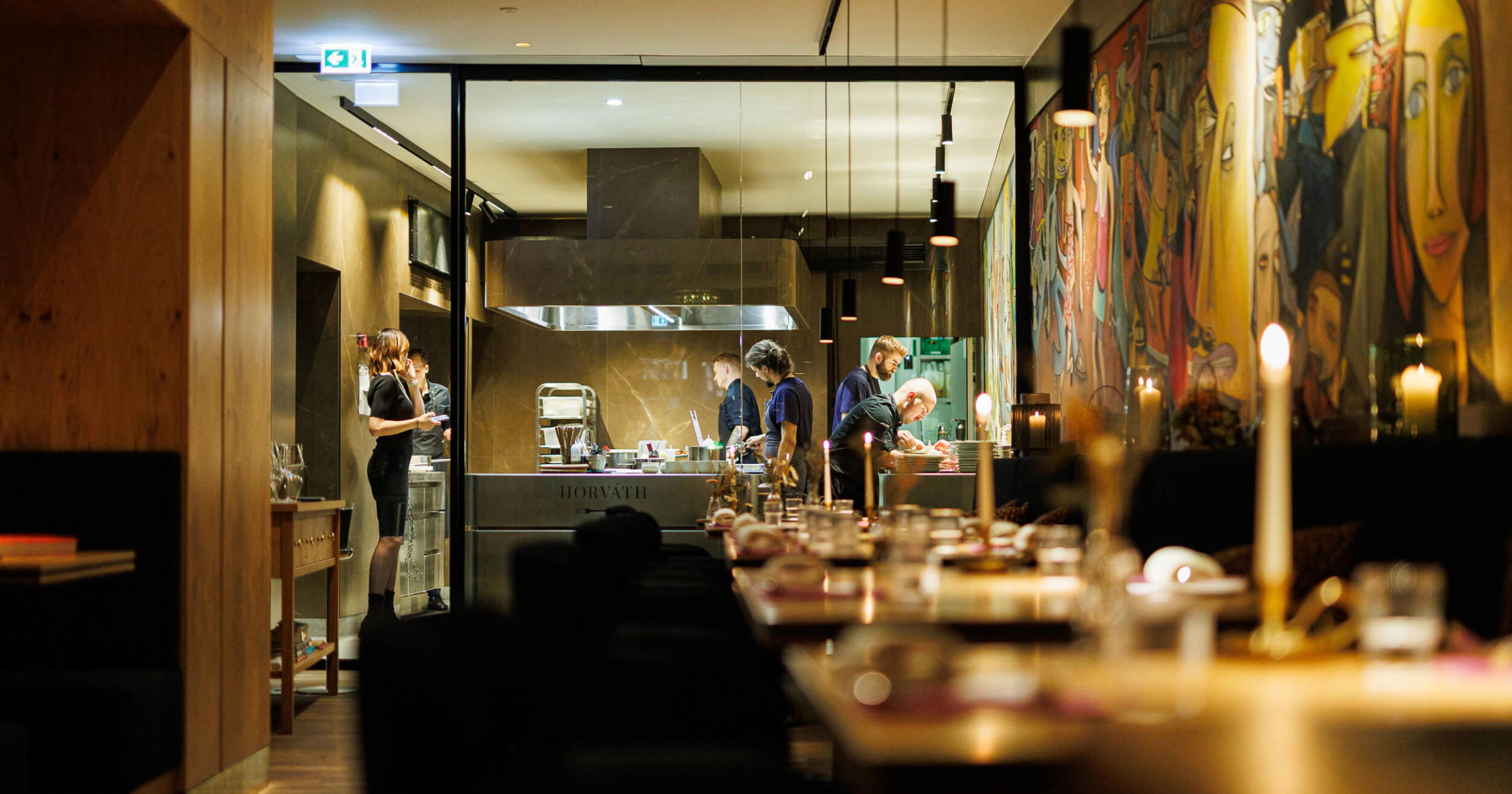
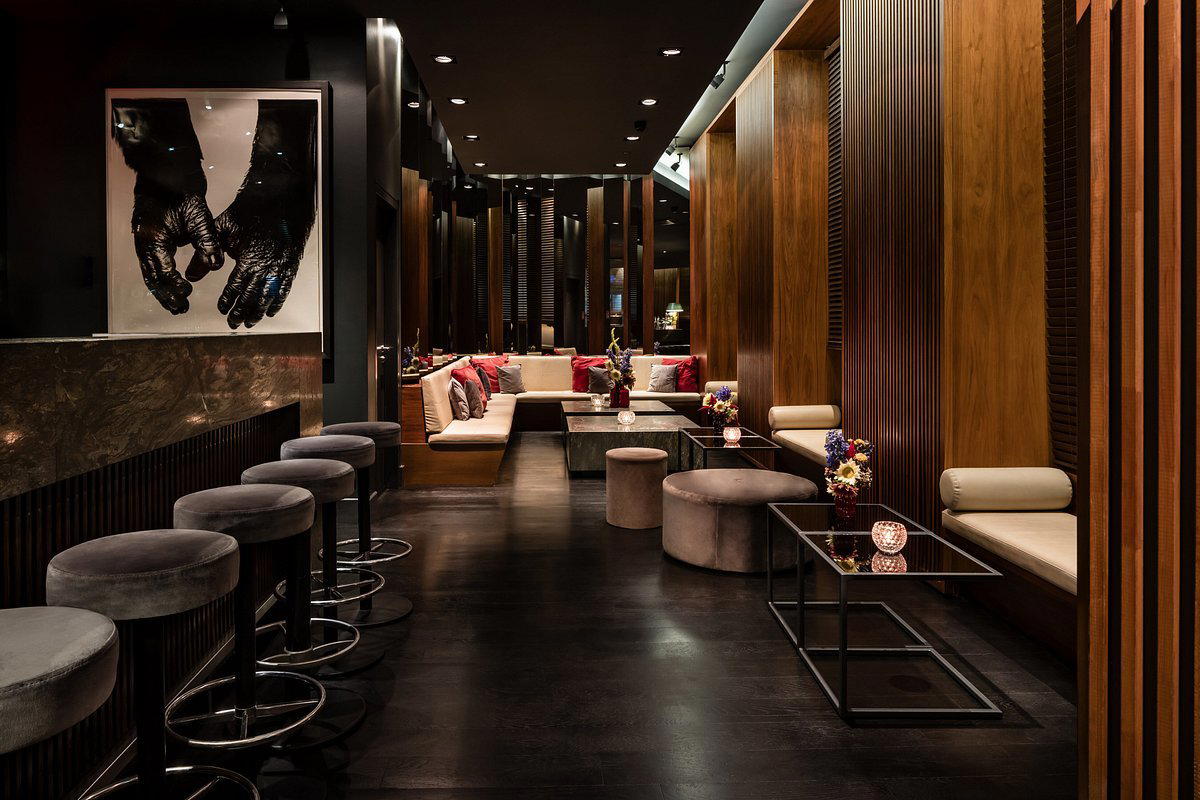
Bars in Berlin
Browse all →
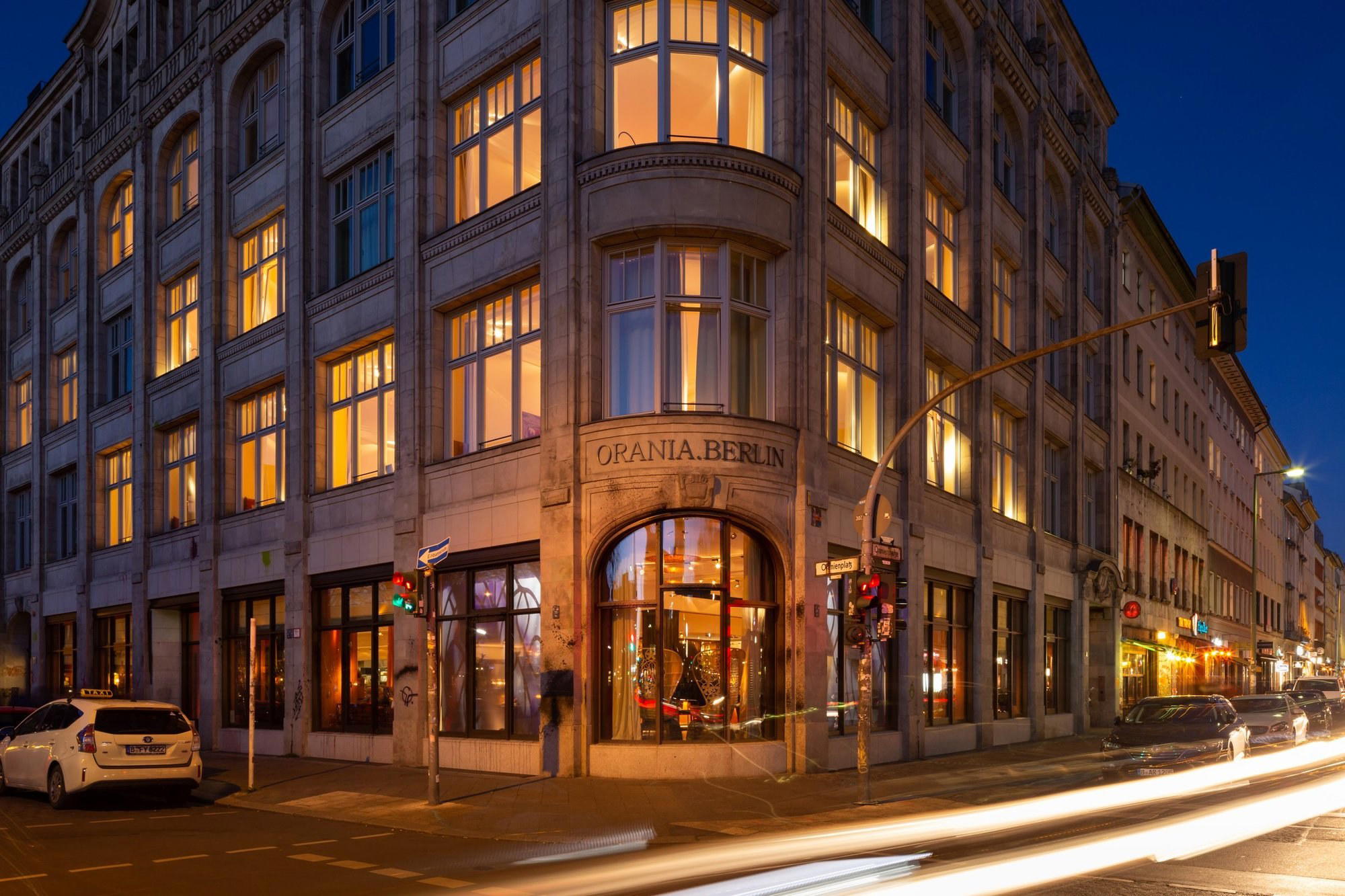
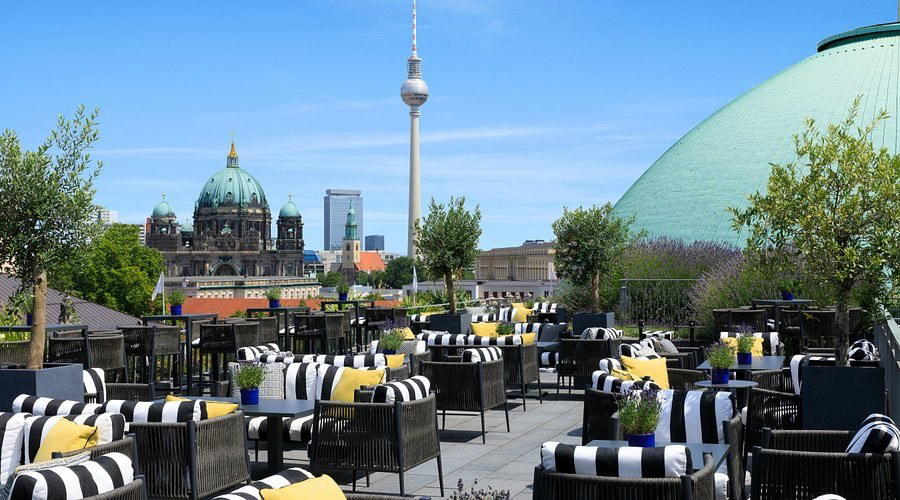
Hotels in Berlin
Browse all →

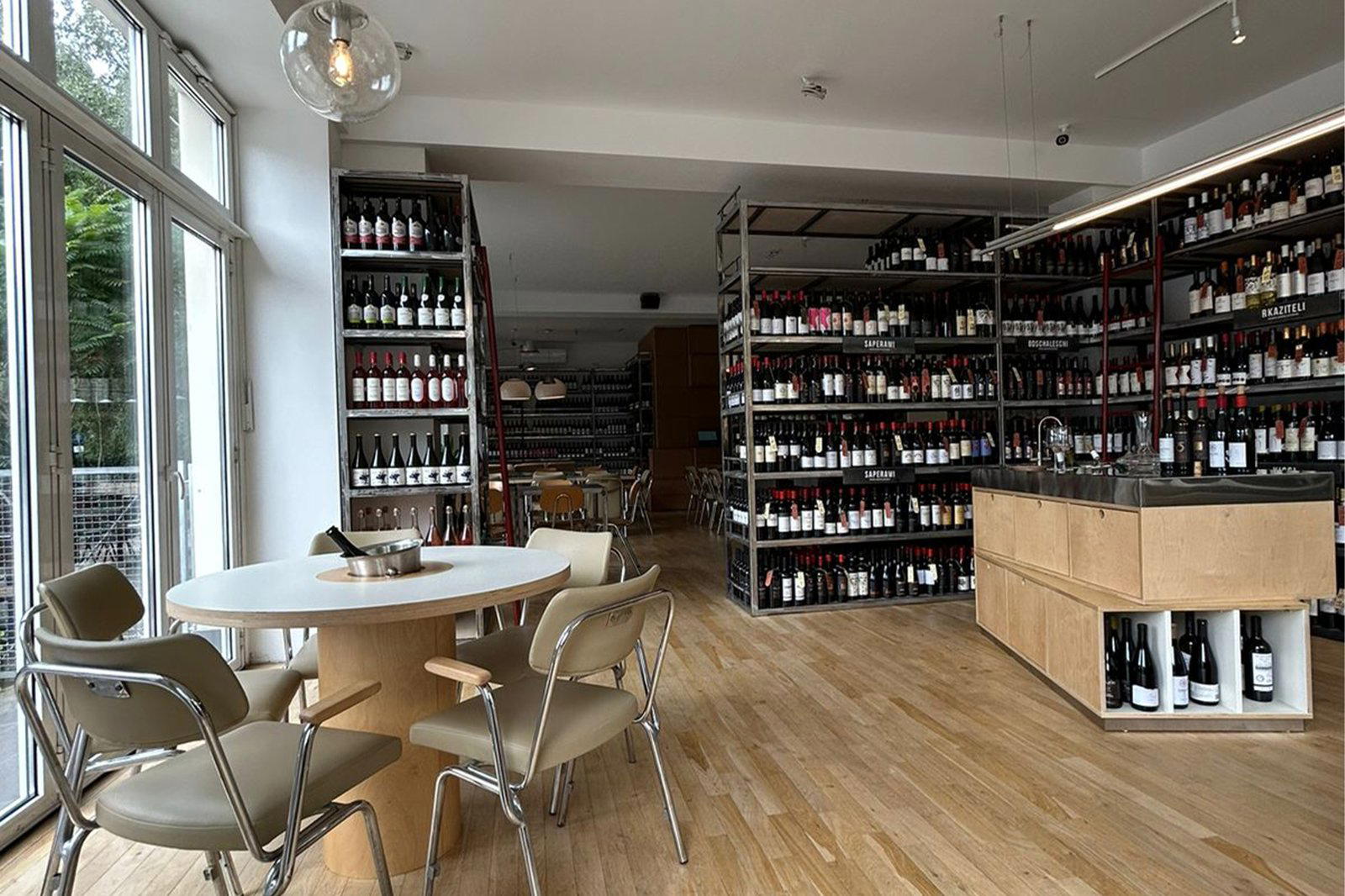
Wineries in Berlin
Browse all →
At a Glance
- Intimate
- Elegant
- Quiet
- Sophisticated
- Special Occasion
- Date Night
- Chefs Counter
- Open Kitchen
- Design Destination
- Sake Program
- Local Sourcing
Current opening hours
- Monday
- Closed
- Tuesday
- Closed
- Wednesday
- Closed
- Thursday
- Closed
- Friday
- 6–10 PM
- Saturday
- 6–10 PM
- Sunday
- 6–10 PM
Hours can change for holidays and private events. Last verified .
Meditative calm with high aesthetics; minimalist interior reflecting creativity and precision. Almost meditative silence creates an exclusive, contemplative dining experience.