KUCHI Mitte on Gipsstraße sits at the intersection of Mitte's casual dining scene and a sourcing-conscious approach to Asian-leaning cooking. The address places it squarely in one of Berlin's most architecturally layered neighbourhoods, where post-reunification redevelopment and pre-war building stock share the same block. For visitors working through Berlin's broader dining range, it offers a mid-register counterpoint to the city's Michelin-weighted upper tier.
Pearl is the En Primeur Club membership app — saves, bookings, and concierge access live there. Same editors, same standards.
- Address
- Gipsstraße 3, 10119 Berlin, Germany
- Phone
- +493028386622
- Website
- kuchi.de
- Directions
- Get directions
 Saves & bookings on Pearl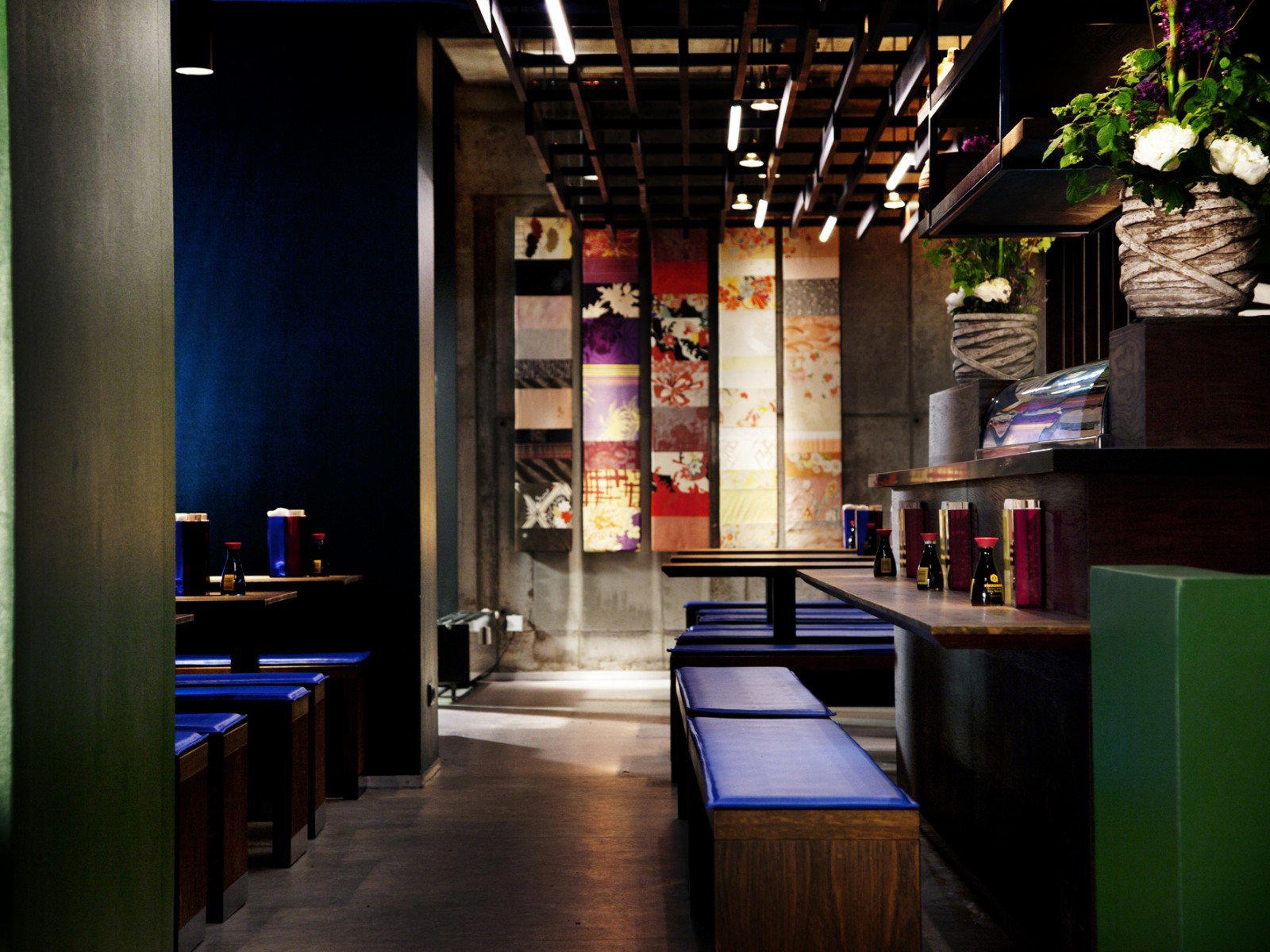
Gipsstraße and the Mitte Dining Context
Mitte has never been a single neighbourhood in any coherent culinary sense. The district runs from the tourist corridors around Alexanderplatz through the gallery-dense blocks of the Scheunenviertel and into the quieter residential streets that brush against Prenzlauer Berg to the north. Gipsstraße sits in the middle of that transition zone, where the density of art spaces and independent restaurants is high enough to sustain a recurring dining public rather than relying on foot traffic from first-time visitors. It is the kind of street where a restaurant earns repeat custom rather than relying on location alone.
Berlin's dining scene has split over the past decade into distinct tiers with relatively little overlap. At the leading, a cluster of Michelin-recognised addresses commands prix-fixe pricing and months-long booking windows: Rutz, Nobelhart & Schmutzig, and FACIL each operate in the €€€€ bracket and anchor their identities around named sourcing commitments or chef-led creative programs. CODA Dessert Dining pushes the format further still, building an entire tasting arc around dessert technique. Below that tier, the mid-register is where most Berliners actually eat most of the time, and it is where KUCHI Mitte has built its position.
What Sourcing Looks Like at the Mid-Register
The sourcing conversation in Berlin fine dining tends to dominate coverage of the city's upper tier. Nobelhart & Schmutzig has made its near-total commitment to Brandenburg produce a defining editorial position; the menu there is structured around what regional suppliers can provide rather than what a chef might want to cook. That approach requires infrastructure, relationships, and a customer base willing to follow the logic wherever it leads. At the mid-register, sourcing commitments are expressed differently: through menu construction that reflects ingredient availability, through consistency in the flavour profiles that a specific supply chain produces, and through the absence of the kind of seasonal drift that marks restaurants chasing whatever is fashionable rather than whatever is fresh.
For a restaurant on Gipsstraße operating in the casual-to-mid bracket, the sourcing question is less about provenance labelling on the menu and more about what ends up on the plate. Asian-leaning kitchens in Berlin have historically faced a more complex supply question than their European-focused counterparts, because the ingredient categories they depend on, fresh aromatics, specific fermented products, particular cuts and preparations, require either specialist importers or domestic producers willing to grow for a niche market. The restaurants that solve this problem well tend to show it through consistency rather than through marketing copy.
KUCHI Mitte in the Berlin Asian Dining Context
Berlin's Asian restaurant scene is broader and more differentiated than its reputation outside Germany suggests. The city has a long-established Vietnamese community concentrated partly in the former East, which has seeded a range of restaurants from cheap pho operations to more considered cooking. Japanese and Korean dining has expanded significantly since 2015, with sushi counters and Korean barbecue formats both finding audiences beyond the expat communities that initially sustained them. Restaurant Tim Raue, which holds two Michelin stars and operates in a distinctly Berlin-inflected register of Chinese and Southeast Asian flavour, sits at the extreme leading of this segment and prices and books accordingly.
KUCHI operates below that tier in both price and formality. The mid-register Asian dining category in Berlin is competitive because it captures the part of the market that wants the flavour profiles of serious Asian cooking without the occasion pricing that surrounds addresses like Tim Raue. Gipsstraße is a logical location for this kind of offer: the neighbourhood's residential density and gallery-going population creates a dining public that eats out frequently and values consistency over spectacle.
Placing KUCHI Within Germany's Broader Restaurant Hierarchy
For readers situating KUCHI against Germany's wider dining range, the context is useful. Germany's highest-concentration fine dining addresses are spread across smaller cities and rural hotel settings rather than clustered in Berlin: Aqua in Wolfsburg, Schwarzwaldstube in Baiersbronn, Vendôme in Bergisch Gladbach, Victor's Fine Dining in Perl, and Waldhotel Sonnora in Dreis represent a tier of cooking that Berlin's scene has not consistently replicated at the leading. JAN in Munich, ES:SENZ in Grassau, Restaurant Haerlin in Hamburg, Schanz in Piesport, and Bagatelle in Trier extend that national picture further. Berlin's contribution to German fine dining is real but operates differently: the city's strengths lie in the density and diversity of its mid-to-upper-mid tier, the breadth of international cuisine represented, and the neighbourhood-level consistency that a large, restaurant-going population sustains.
KUCHI on Gipsstraße belongs to that mid-tier picture. It is not competing with the tasting-menu addresses above, nor is it trying to. Its competitive set is the cluster of credible, consistent casual restaurants that make Mitte worth returning to rather than treating as a one-visit tourist district.
Internationally, readers calibrating Berlin's Asian dining against comparable cities might reference Le Bernardin in New York City or Atomix in New York City as examples of what stronger examples from the category looks like elsewhere, though the comparison is useful for orientation rather than direct equivalence.
Planning a Visit
KUCHI Mitte is located at Gipsstraße 3, 10119 Berlin, in the Scheunenviertel section of Mitte. The address is walkable from both Weinmeisterstraße and Rosa-Luxemburg-Platz U-Bahn stations, placing it at the centre of a neighbourhood with a high density of restaurants, galleries, and bars. The Mitte location is one of multiple KUCHI sites across Berlin, so confirming the Gipsstraße address when booking avoids confusion with other branches.
Comparison Snapshot
Comparable venues nearby, for context on price, style, and recognition.
| Venue | Cuisine | Price | Notes |
|---|---|---|---|
| KUCHI MitteThis venue — the venue you are viewing | Japanese Asian Fusion Sushi | $$ | Not listed |
| Iimori Ramen | Japanese Ramen | $$ | Mitte |
| momiji | Authentic Japanese Street Food & Izakaya | $$ | Charlottenburg |
| Buya Ramen Factory | Japanese Ramen Izakaya | $$ | Kreuzberg |
| Niko Niko Ramen | Authentic Japanese Ramen | $$ | Friedrichshain |
| DASHI | Asian Diner Fusion | $$ | Mitte |
Continue exploring
More in Berlin
Restaurants in Berlin
Browse all →
Bars in Berlin
Browse all →
Hotels in Berlin
Browse all →

Wineries in Berlin
Browse all →

At a Glance
- Cozy
- Modern
- Trendy
- Date Night
- Group Dining
- Business Dinner
- Courtyard
- Open Kitchen
- Sake Program
Current opening hours
- Monday
- Closed
- Tuesday
- 12–11 PM
- Wednesday
- 12–11 PM
- Thursday
- 12–11 PM
- Friday
- 12–11 PM
- Saturday
- 12–11 PM
- Sunday
- Closed
Hours can change for holidays and private events. Last verified .
Stylish and cosy interior with Zen-Pop design, pleasant courtyard seating in summer, and a bustling atmosphere around communal tables.