


Buck & Breck has held a position inside the World's 50 Best Bars every year since 2013, reaching as high as number 16 in 2015. The bar operates as a small-format, appointment-style room in Mitte, where the counter format and craft-focused program sit closer to the Tokyo or New York model than the high-volume Berlin club scene. For serious cocktail seekers, it remains a fixed reference point in a city with many good drinking.
Pearl is the En Primeur Club membership app — saves, bookings, and concierge access live there. Same editors, same standards.
- Address
- Brunnenstraße 177, 10119 Berlin
- Phone
- +49 30 40555994
- Website
- buckandbreck.com
- Directions
- Get directions
 Saves & bookings on Pearl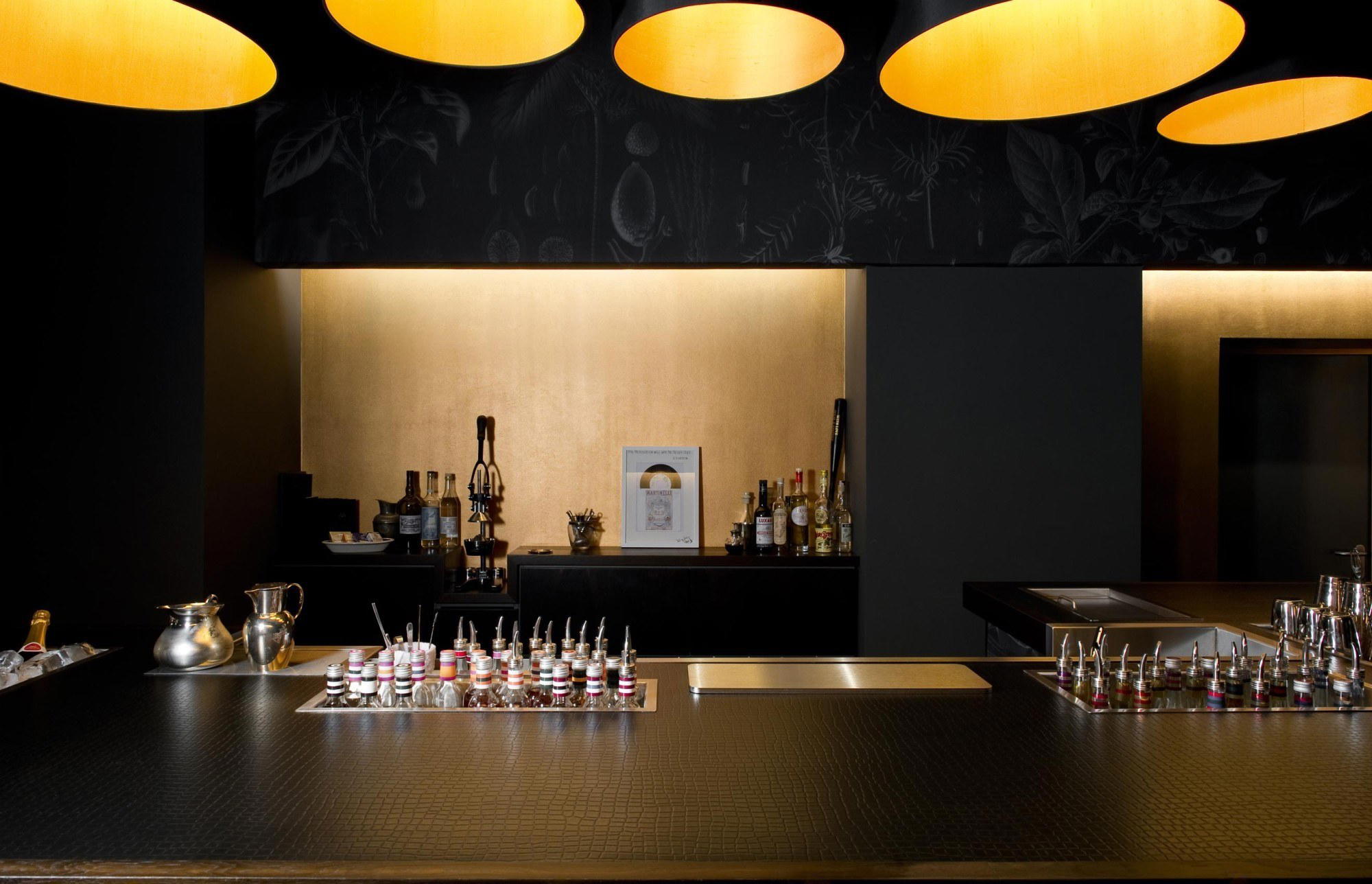
A Room Built Around the Bar
Buck & Breck is a cocktail bar in Berlin's Mitte district at Brunnenstraße 177, ranked No. 16 on the World's 50 Best Bars list in 2015 and priced at about $50 per person. Buck & Breck operates on a fundamentally different logic. The room at Brunnenstraße 177 is small by design — not a limitation, but a structural commitment to the kind of hospitality that requires proximity between bartender and guest. You arrive, you sit at the counter, and the interaction begins from that point. There is no ordering from a distance, no passing cocktails through a crowd. The format creates a specific kind of attention that larger bars cannot replicate regardless of their programs.
This counter model, common in Tokyo's intimate whisky bars and in certain New York cocktail rooms, remains relatively rare in Berlin. Most of the city's celebrated bars succeed through atmosphere, playlist, or sheer scale. Buck & Breck made a different bet, and the World's 50 Best Bars rankings have validated that choice across an unusually long run: number 17 in 2013, number 21 in 2014, number 16 in 2015, number 50 in 2016, number 48 in 2018, and number 37 in 2020. Few bars anywhere maintain that level of sustained recognition across a seven-year span.
The Craft Behind the Counter
Buck & Breck keeps returning to the same word: craft. But that word has been so thoroughly annexed by marketing that it requires specificity to carry any weight. What it means here, in operational terms, is a program built around the bartender as the central figure rather than the menu, the interior, or the brand. The person behind the bar is expected to read the guest, adjust the drink accordingly, and function as host, technician, and guide in the same interaction. That model demands skill, experience, and a specific kind of hospitality intelligence that cannot be trained quickly.
Bars that sustain multiple years inside the World's 50 Best tend to share this characteristic. They are built around personnel rather than concept, which means they age better than trend-driven venues but also means their quality is tied to the strength of the team on any given night. Buck & Breck's extended residency in the rankings suggests the depth of that team has remained consistent, which in a city with high staff mobility is itself a meaningful signal.
For comparison, other German bars recognized for craft-led programs include Le Lion Bar de Paris in Hamburg, which operates a similarly host-forward format, and The Parlour in Frankfurt on the Main, where the program leans heavily on technique. Goldene Bar in Munich takes a different approach, connecting craft cocktails to a cultural institution setting. Each represents a distinct version of serious bartending; Buck & Breck's version is especially compressed and the focused on one-to-one hospitality.
Where It Sits in Berlin's Drinking Scene
Berlin's bar scene is genuinely wide. The city supports everything from raw, unfinished spaces in former industrial buildings to hotel bars with serious wine lists and cocktail programs developed by internationally trained staff. The Mitte corridor around Brunnenstraße and Torstraße has developed a concentration of the latter type over the past decade, with venues that take their programs seriously without abandoning the informality that defines Berlin's broader social character.
Within that geography, Buck & Breck shares a comparable set with bars like Lebensstern, Stagger Lee, Velvet, and Wax On — bars that have each developed identities around specific approaches rather than trying to occupy the full spectrum. The distinction between them matters for the visitor who wants to understand what to expect. Stagger Lee leans into Americana references and a certain theatricality; Velvet operates with an aesthetic precision that extends from the glass to the furniture. Buck & Breck's identity is more austere: the room exists to focus attention on the exchange between bartender and guest, and the design choices reflect that priority.
Ratings systems that aggregate casual visitors alongside cocktail specialists tend to compress the leading, and a 4.2 for a multiple-time 50 Best entry should be read against that context.
What to Drink, and How to Approach the Menu
Buck & Breck's program has never been built around a rigid, printed menu in the conventional sense. The counter format implies a degree of responsiveness, the bartender adjusts based on what the guest describes, what they have already had, or what the bartender reads in the moment. That is not unusual for bars at this level; Bar Leather Apron in Honolulu operates a similar guest-responsive model, and it is a consistent feature of high-ranking bars globally. The menu exists as a framework, not a constraint.
Practically, that means arriving with an open brief works better than arriving with a fixed order. Describe a flavor direction, a spirit preference, or a style (long or short, spirit-forward or citrus-led), and the bar's format is designed to respond to that input. Guests who engage with the bartender in this way tend to get more from the experience than those who order from the card and disengage. The counter format rewards participation.
For guests who find the stripped-back intimacy of Buck & Breck's format appealing but want to explore adjacent approaches elsewhere in Germany, Bar Trattoria Celentano in Cologne offers a different but comparably focused experience, as does Uerige in Dusseldorf in the context of traditional brewing culture. Kieler Brauerei am Alten Markt in Kiel takes yet another angle, anchoring its identity in regional production. The German bar and drinking scene is broader than its international reputation suggests.
Planning Your Visit
Buck & Breck is at Brunnenstraße 177 in the Mitte district, a short walk from Rosenthaler Platz U-Bahn station. The small-format nature of the room means capacity is limited, and arriving early in the evening or mid-week gives a stronger chance of a seat at the counter rather than a wait.
The Short List
Comparable venues nearby, for context on price, style, and recognition.
| Venue | Cuisine | Price | Notes |
|---|---|---|---|
| Buck & BreckThis venue — the venue you are viewing | Mitte, speakeasy | $$$ | Not listed |
| Lebensstern | Not listed | $$$ | Tiergarten, cocktail_bar |
| Wax On | Not listed | $$ | Neukolln, cocktail_bar |
| Stagger Lee | Not listed | $$$ | Schoneberg, cocktail_bar |
| Velvet | Not listed | $$$$ | Neukolln, cocktail_bar |
| Victoria Bar | Not listed | $$$ | Schöneberg, cocktail_bar |
Recognition history
Dated appearances from independent guides and award organizations, with the underlying list record or original source where available.
Falstaff Bar - 95 Falstaff Points
Falstaff
Mixology Bar Awards Bar-Institution Winner
Mixology Bar Awards · Mixology Bar Awards 2026 — Place Winners
Mixology Bar Awards Bartender des Jahres (Vito Nicotra) Winner
Mixology Bar Awards
Top 500 Bars Best Bars #400
Top 500 Bars
World's 50 Best Best Bars #37
World's 50 Best
World's 50 Best Best Bars #48
World's 50 Best
World's 50 Best Best Bars #50
World's 50 Best
World's 50 Best Best Bars #16
World's 50 Best
World's 50 Best Best Bars #21
World's 50 Best
World's 50 Best Best Bars #17
World's 50 Best
Continue exploring
More in Berlin
Bars in Berlin
Browse all →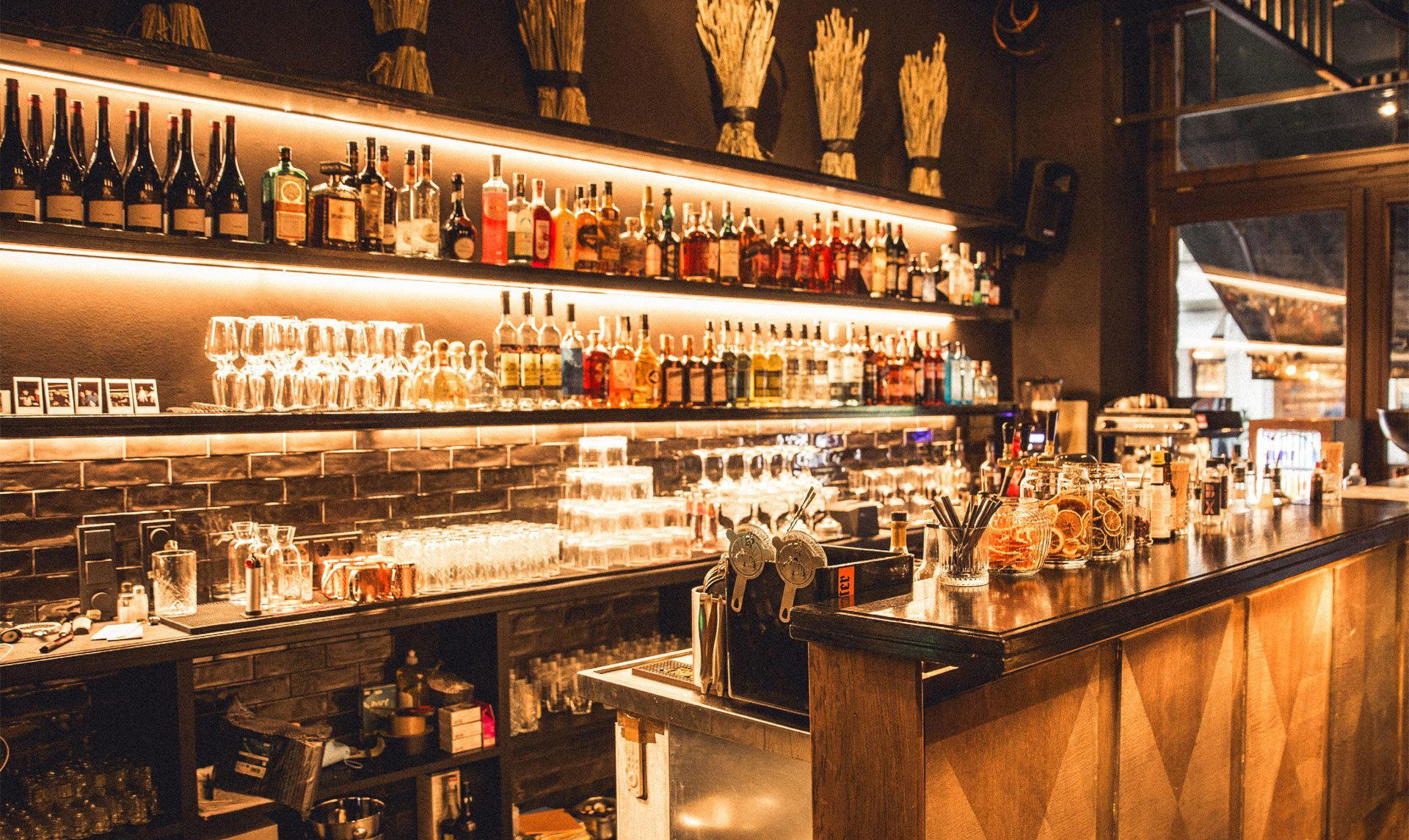
Restaurants in Berlin
Browse all →
Hotels in Berlin
Browse all →
Wineries in Berlin
Browse all →
At a Glance
- Intimate
- Sophisticated
- Cozy
- Date Night
- Special Occasion
- Speakeasy
- Seated Bar
- Classic Cocktails
- Craft Cocktails
Sleek, low-key decor with cozy yet sophisticated lighting, low music, and a vintage speakeasy vibe enhanced by permitted indoor smoking.