
Star Wine List
On Hufelandstraße, one of Prenzlauer Berg's most characterful streets, Cantine Sant'Ambroeus brings a Milanese frame of reference to Berlin's neighbourhood dining culture. Named after Sant'Ambrogio, the patron saint of Milan, it operates as a genuine local gathering place rather than a destination restaurant — the kind of spot where the room fills with regulars before tourists find the address.

Pearl is the En Primeur Club membership app — saves, bookings, and concierge access live there. Same editors, same standards.
- Address
- Hufelandstraße 17, 10407 Berlin, Germany
- Phone
- +49 1521 3332842
- Hours
- Mon–Wed ClosedThu–Fri 4–9 PMSat 11:30 AM–9 PMSun 3–9 PM
- Website
- facebook.com
- Directions
- Get directions
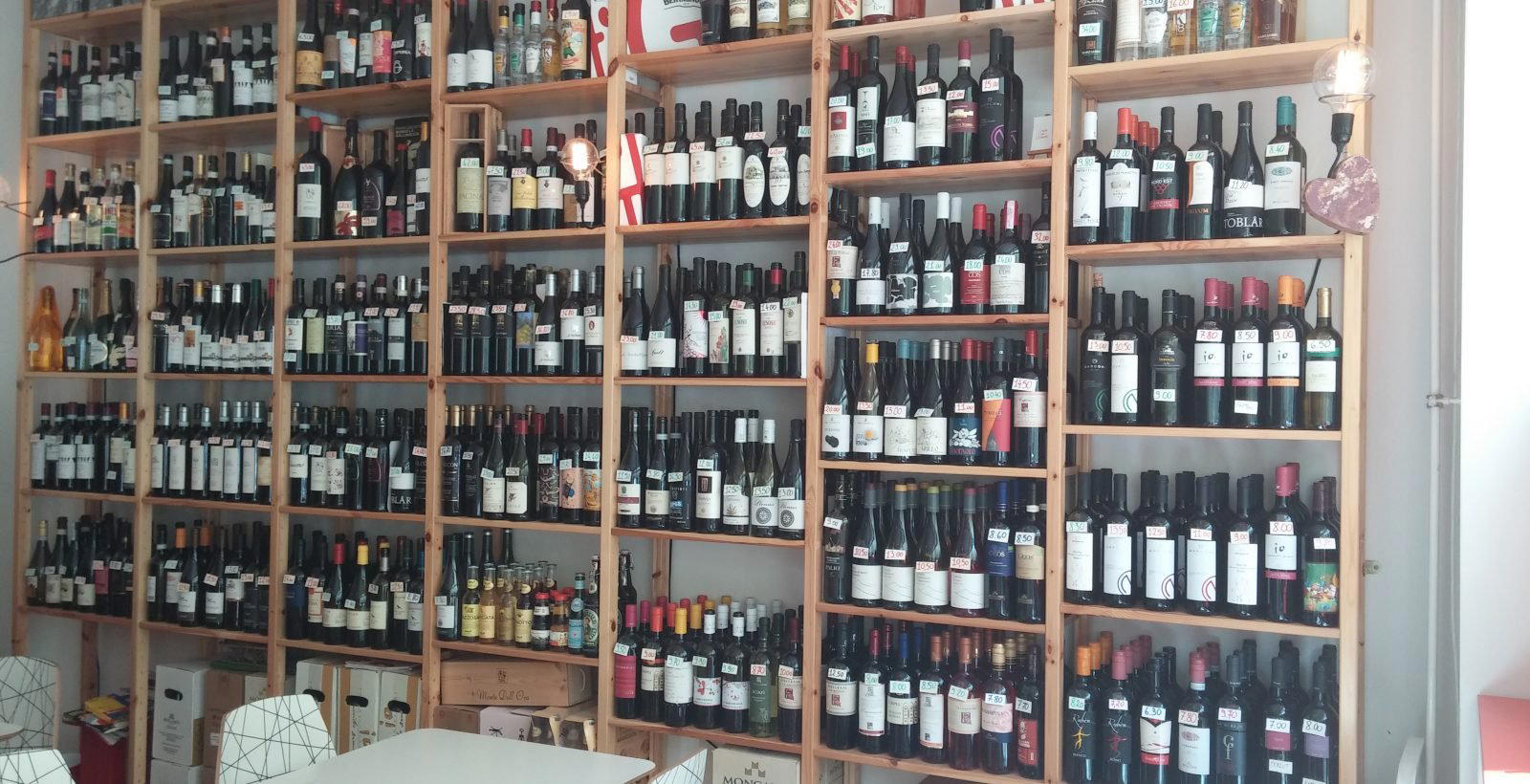
Prenzlauer Berg's Italian Corner
Hufelandstraße has the kind of street energy that Prenzlauer Berg built its reputation on: independent shopfronts, a pace that doesn't rush, and residents who actually use the neighbourhood rather than pass through it. Cantine Sant'Ambroeus arrived on this street carrying a specific cultural reference point — Sant'Ambrogio, the fourth-century bishop who became Milan's patron saint, lends his name to the venue and signals something about the register the place is going for. This is not a pan-Italian trattoria with a generic tricolore sensibility. The Milanese framing is deliberate, and it positions the cantina within a northern Italian tradition that prizes restraint and substance over theatrical presentation.
Berlin's Italian dining scene splits roughly into two camps: the tourist-facing trattorias clustered around Mitte and the western tourist corridors, and the neighbourhood-anchored spots that serve a local clientele and don't advertise hard for footfall. Cantine Sant'Ambroeus belongs firmly to the second category. Prenzlauer Berg, once the bohemian core of post-reunification Berlin and now settled into a more family-oriented but still independent-minded character, provides exactly the right context for a place that functions as much as a community gathering point as it does a restaurant.
The Room and the Register
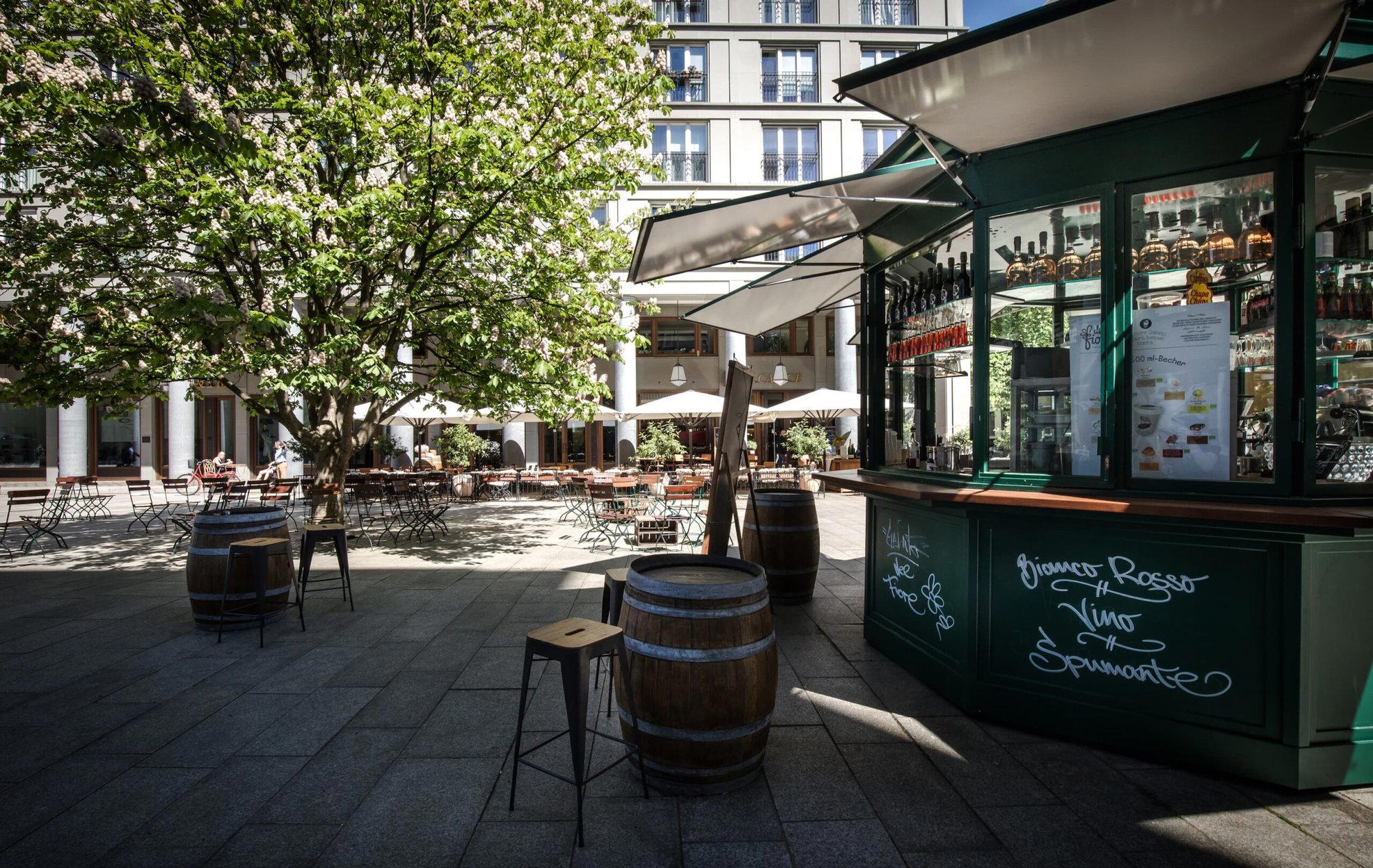
Approaching from Hufelandstraße, the cantina presents itself at the street's scale rather than trying to announce itself above it. The name itself — cantine, the Italian word for wine cellars or informal dining rooms, sets the expectation correctly. These are spaces historically associated with everyday eating and drinking, the kind of place where the wine is poured without ceremony and the food arrives because it's ready, not because the kitchen has choreographed its exit. That informality is an active choice, not an absence of ambition.
The atmosphere inside tracks with Prenzlauer Berg's evolved character: comfortable without being precious, warm without being designed to feel warm. The crowd on any given evening will include families from the surrounding residential blocks, couples who've made it a standing habit, and the occasional visitor who found the address through word of mouth rather than a booking platform. That mix, locals at the bar, tables filling early with people who know what they want, is the atmosphere you're walking into. It is not a late-night scene; it functions on neighbourhood rhythms, which means earlier sittings and a room that reaches full energy before 9pm.
Where Cantine Sant'Ambroeus Sits in Berlin's Broader Drinking and Dining Map
Berlin's bar and restaurant culture has fragmented into highly specific niches over the past decade. On the cocktail side, venues like Buck & Breck, Stagger Lee, and Velvet occupy the technically serious end of the spectrum, while Lebensstern operates in a different register altogether. Cantine Sant'Ambroeus doesn't compete in those categories.
That model is well-established in Italian cities and significantly underrepresented in Berlin, where the dominant Italian dining formats tend toward either fast-casual pizza or white-tablecloth formality. The cantina format, wine-forward, moderate in price, grounded in the cooking traditions of a specific Italian region, occupies a gap in the market. Germany's other major cities have their own versions of Italian-inflected neighbourhood spots: Bar Trattoria Celentano in Cologne works a similar seam, and the tradition of the neighbourhood bar-restaurant crossover shows up in various forms at Le Lion Bar de Paris in Hamburg and Goldene Bar in Munich. What distinguishes Cantine Sant'Ambroeus within this German context is the specific Milanese reference point, which pulls it toward northern Italian cooking rather than the Roman or Neapolitan traditions that dominate most Italian restaurants in German cities.
Planning a Visit
Hufelandstraße 17 sits in the residential heart of Prenzlauer Berg, easily reached from the Prenzlauer Allee or Greifswalder Straße tram lines. The street itself is worth arriving at with time to walk it, the block has a concentration of independent businesses that reflects the neighbourhood's character more accurately than the main commercial thoroughfares. Given the venue's local following and the compact scale typical of cantina-format spaces, arriving earlier in the evening is the more reliable strategy; the kind of room that fills with regulars tends to fill predictably. For a broader picture of where Cantine Sant'Ambroeus fits within Berlin's full dining and drinking options, see our full Berlin restaurants guide. Travellers curious about similarly atmosphere-led drinking spots further afield might also note The Parlour in Frankfurt on the Main, Uerige in Dusseldorf, Kieler Brauerei am Alten Markt in Kiel, and further afield, Bar Leather Apron in Honolulu for a Pacific counterpoint to the European neighbourhood-bar tradition.
Where the Accolades Land
Comparable venues nearby, for context on price, style, and recognition.
| Venue | Cuisine | Price | Awards | Notes |
|---|---|---|---|---|
| Cantine Sant'AmbroeusThis venue — the venue you are viewing | wine_bar | Not listed | Star Wine List | Not listed |
| Mein Haus am See | lounge | $10–20 | Not listed | Mitte |
| Victoria Bar | cocktail_bar | $30–50 | Falstaff Bar - 93 Falstaff Points | Schöneberg |
| Dr Maury Wine Bar | wine_bar | $20–30 | Star Wine List · Falstaff Wine Bar - 85 Falstaff Points | Prenzlauer Berg |
| Jaja | wine_bar | Not listed | Not listed | Neukolln |
| Green Door | cocktail_bar | $20–30 | Mixology Bar Awards Barteam des Jahres Winner · Falstaff Bar - 94 Falstaff Points | Schoneberg |
Recognition history
Dated appearances from independent guides and award organizations, with the underlying list record or original source where available.
Star Wine List
Star Wine List
Continue exploring
More in Berlin
Bars in Berlin
Browse all →
Restaurants in Berlin
Browse all →
Hotels in Berlin
Browse all →
Wineries in Berlin
Browse all →
Details
- Cozy
- Intimate
- Elegant
- Date Night
- Casual Hangout
- Solo
- Standalone
- Seated Bar
- Natural Wine
- Conventional Wine
Current opening hours
- Monday
- Closed
- Tuesday
- Closed
- Wednesday
- Closed
- Thursday
- 4–9 PM
- Friday
- 4–9 PM
- Saturday
- 11:30 AM–9 PM
- Sunday
- 3–9 PM
Hours can change for holidays and private events. Last verified .
Warm, welcoming, home-like atmosphere with a focus on wine education and enthusiasm.