





3 Michelin Stars · La Liste Top Restaurants · Star Wine List
Our verdict
Rutz on Chausseestraße holds three Michelin stars and a 94-point La Liste score for 2026, placing it among Germany's most recognised fine dining addresses. Chef Marco Müller's 'Inspiration' tasting menu builds a clear narrative across courses, drawing on produce including German Wagyu and North Sea squid. The format rewards repeat visitors who track the menu's evolution season by season.

Pearl is the En Primeur Club membership app, where members save venues, book tables and use the concierge.
The menu
What to order
- Celery & sauerkraut
- Scallop & sauerkraut
- Sunflower tofu
What Keeps Regulars Coming Back to Chausseestraße 8
Berlin's fine dining scene has always occupied an unusual position in European gastronomy: a city known for counterculture and affordability that has, over the past fifteen years, quietly assembled one of the most decorated restaurant rosters in Germany. On the northern edge of Mitte, where Chausseestraße runs through a neighbourhood more often associated with tech offices than tasting menus, Rutz has become the kind of address that regulars treat with the same reliability they might give a concert hall with a favourite conductor. You return not to be surprised by the room, but to track the development of a culinary argument over time.
That argument, articulated through the 'Inspiration' tasting menu, is built around clarity rather than provocation. The kitchen under Marco Müller and Dennis Quetsch works with ingredients that carry genuine regional and seasonal weight: German Wagyu beef with its distinctive fat structure, squid from the North Sea, technically an invasive species, which gives its appearance on the menu an ecological logic beyond novelty, and treatments like rabbit tartare and dry-aged carp that place Rutz in a different conversation from the protein-and-sauce formalism of an older generation of German fine dining. For experienced diners, this is precisely the point: the menu rewards the kind of attention that returns to find what has shifted.
Where Rutz Sits in Berlin's Fine Dining Tier
Berlin's highest-end restaurant market runs in a different register from Munich or Hamburg. The comparison venues at the same price tier in the capital, CODA Dessert Dining, Nobelhart & Schmutzig, FACIL, Horváth, GOLVET, each occupy distinct editorial positions: CODA reframes dessert as a full tasting format, Nobelhart enforces a strict regional sourcing ideology, GOLVET leans into urban contemporaneity with a rooftop setting. Rutz operates as the most classically structured of these, with a menu format and service approach that connects to European fine dining conventions while sourcing with the kind of specificity that places it firmly in the present.
Most of those addresses operate in smaller cities or resort contexts, where the surroundings carry part of the experiential weight. Rutz makes its case purely on what happens at the table, in a city where the competition for the diner's attention is constant and the audience tends to be knowledgeable. The 94-point La Liste score for 2026, up from 93.5 in 2025, reflects a trajectory rather than a static position, a distinction that matters to the kind of diner who tracks these lists seriously.
For Modern European fine dining at the same level elsewhere, the comparison extends internationally: The Ledbury in London and Gidleigh Park in Chagford represent the British equivalent of this price tier and format discipline. The contrast is instructive. London's top-end Modern European addresses tend to emphasise luxury sourcing and service theatre; Rutz reads as more architecturally focused on the menu's internal logic, which suits Berlin's cultural tendency toward intellectual rather than theatrical luxury.
The Regulars' Case: What the Menu Rewards Over Time
The award text from both La Liste and Michelin converges on a specific quality: the sense that the kitchen builds a narrative arc across the meal rather than assembling a sequence of impressive dishes. For diners who return multiple times a year, this is the operative distinction. A menu with genuine narrative coherence changes meaning when revisited, the same structural moves produce different sensory results as ingredients shift with the season. The service team's approach, described in Michelin's assessment as relaxed and informal in its explanations, reinforces this: the front of house treats the table as a place for a conversation about the food, not a performance for the diner to receive passively.
The Opinionated About Dining ranking, which placed Rutz 95th among European restaurants in 2024, adds a layer of peer context. OAD rankings are weighted toward frequent, experienced diners rather than single-visit critics, the methodology is specifically designed to surface restaurants that reward return visits rather than those that peak on a first encounter. An OAD position in the European top 100 at this level signals a restaurant with a consistent, technically serious offer that holds up under repeated scrutiny. That is a different kind of trust signal from a single Michelin inspection, and for the diner who understands both systems, it matters.
The Plant-Based Question
La Liste's commentary on Rutz raises a pointed observation about Berlin and vegetable-forward high-end cooking: the city's food culture has moved further than its fine dining room supply toward plant-based eating, and there is a gap at the top of the market for restaurants operating at Michelin three-star level with produce, rather than protein, as the primary material. The La Liste note addresses Rutz directly on this, not as a criticism of what the kitchen currently does, but as an observation about what the talent and context might support. Whether that represents a direction the menu moves in remains to be seen, but it signals a conversation happening around the restaurant that is worth tracking for diners whose interests run in that direction.
Berlin's broader restaurant scene has produced strong plant-forward cooking at lower price points, a pattern visible across the neighbourhoods of Prenzlauer Berg and Kreuzberg, but the €€€€ tier has been slower to follow. tulus lotrek and Barra represent the adjacent conversation in Berlin's decorated dining tier, while Restaurant Tim Raue occupies a different ideological position with its Asian-influenced framework. The gap La Liste identifies is real.
Rutz in the Context of German Fine Dining
Germany's three-star tier has historically concentrated outside its major cities: the Black Forest, the Rhineland, Bavaria, and resort destinations have anchored the country's Michelin topography in ways that France or Spain have not replicated. Berlin, as a city, arrived late to the three-star conversation. JAN in Munich and Restaurant Haerlin in Hamburg represent the other major-city entries in this tier, each operating with a distinct local character. What Rutz adds to Berlin's position in this conversation is a kitchen with a clear stylistic identity, awarded consistently across both the Michelin system and the OAD methodology, in a city that has not always been treated as a serious fine dining capital outside Germany.
At €€€€ in a city with a cost-conscious dining culture, a high volume of positive reviews across a sustained period reflects an audience that arrived with high expectations and found them met at the table level rather than purely at the symbolic level of the awards.
Know Before You Go
- Address: Chausseestraße 8, 10115 Berlin, Germany
- Hours: Monday to Friday, 6–10 pm. Closed Saturday and Sunday.
- Price tier: €€€€
- Awards: Michelin 3 Stars (2024); La Liste Leading Restaurants 94pts (2026); OAD Leading European Restaurants #95 (2024)
- Format: 'Inspiration' tasting menu with table-side explanation from service team
- Seasonal note: A small terrace is available in summer; worth requesting at booking if outdoor seating is a priority
- Chef: Marco Müller and Dennis Quetsch
Planning Your Visit
For the full context of dining and drinking in the German capital, see our full Berlin restaurants guide, our full Berlin bars guide, our full Berlin hotels guide, our full Berlin wineries guide, and our full Berlin experiences guide.
Frequently asked questions
Where is Rutz in Berlin?
Rutz is located at Chausseestraße 8, 10115 Berlin, Germany, Berlin.
City Peers
| Venue | Cuisine | Price | Awards | Notes |
|---|---|---|---|---|
| RutzThis venue (the venue you are viewing) | Modern German Fine Dining | $200–300 | 3 Michelin Stars · La Liste Top Restaurants | Not listed |
| CODA Dessert Dining | Dessert-Inspired Fine Dining | $200–300 | 2 Michelin Stars · World's 50 Best #79 | Creative |
| Nobelhart & Schmutzig | Hyper-Local Modern German Fine Dining | $100–150 | 1 Michelin Star · World's 50 Best #59 | Modern German, Creative |
| FACIL | Modern Fusion Fine Dining | $200–300 | 2 Michelin Stars · La Liste Top Restaurants | Contemporary European, Creative |
| Horváth | Modern Austrian Vegetable Cuisine | $200–300 | 2 Michelin Stars · La Liste Top Restaurants | Modern Austrian, Creative |
| GOLVET | Modern German Fine Dining | $150–200 | 1 Michelin Star · Star Wine List | Modern European, Creative |
Recognition history
Dated appearances from independent guides and award organizations, with the underlying list record or original source where available.
Michelin 3 Stars
Michelin
La Liste Top Restaurants
La Liste
Star Wine List
Star Wine List
Opinionated About Dining Top Restaurants in Europe Recommended
Opinionated About Dining
The Best Chef Three Knives
The Best Chef
Full recognition history (11 entries)
La Liste Top Restaurants
La Liste
Michelin 3 Stars
Michelin
We're Smart World 2 Radishes
We're Smart World
Michelin 3 Stars
Michelin
Opinionated About Dining Top Restaurants in Europe Ranked #95
Opinionated About Dining
Opinionated About Dining Top New Restaurants in Europe Highly Recommended
Opinionated About Dining
Continue exploring
More in Berlin
Restaurants in Berlin
All restaurants in Berlin →
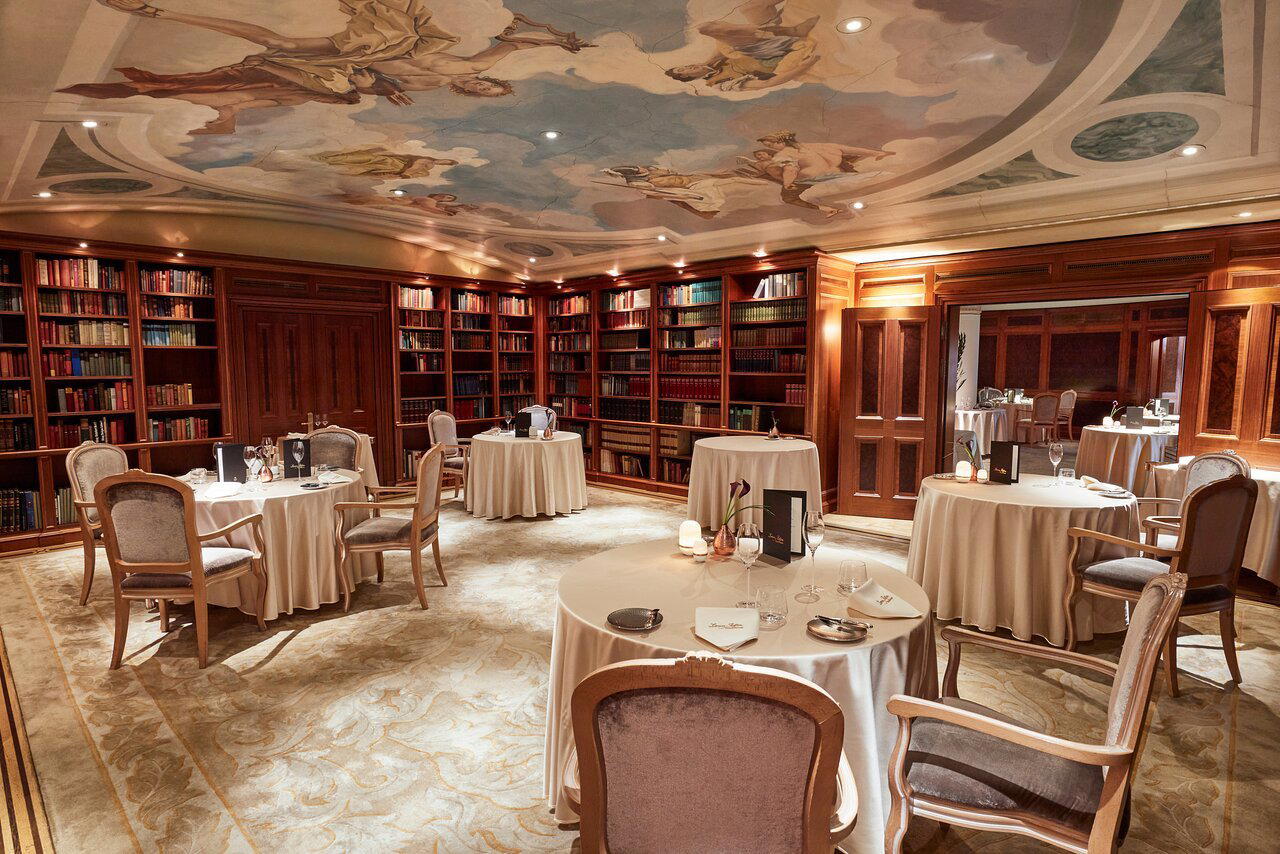
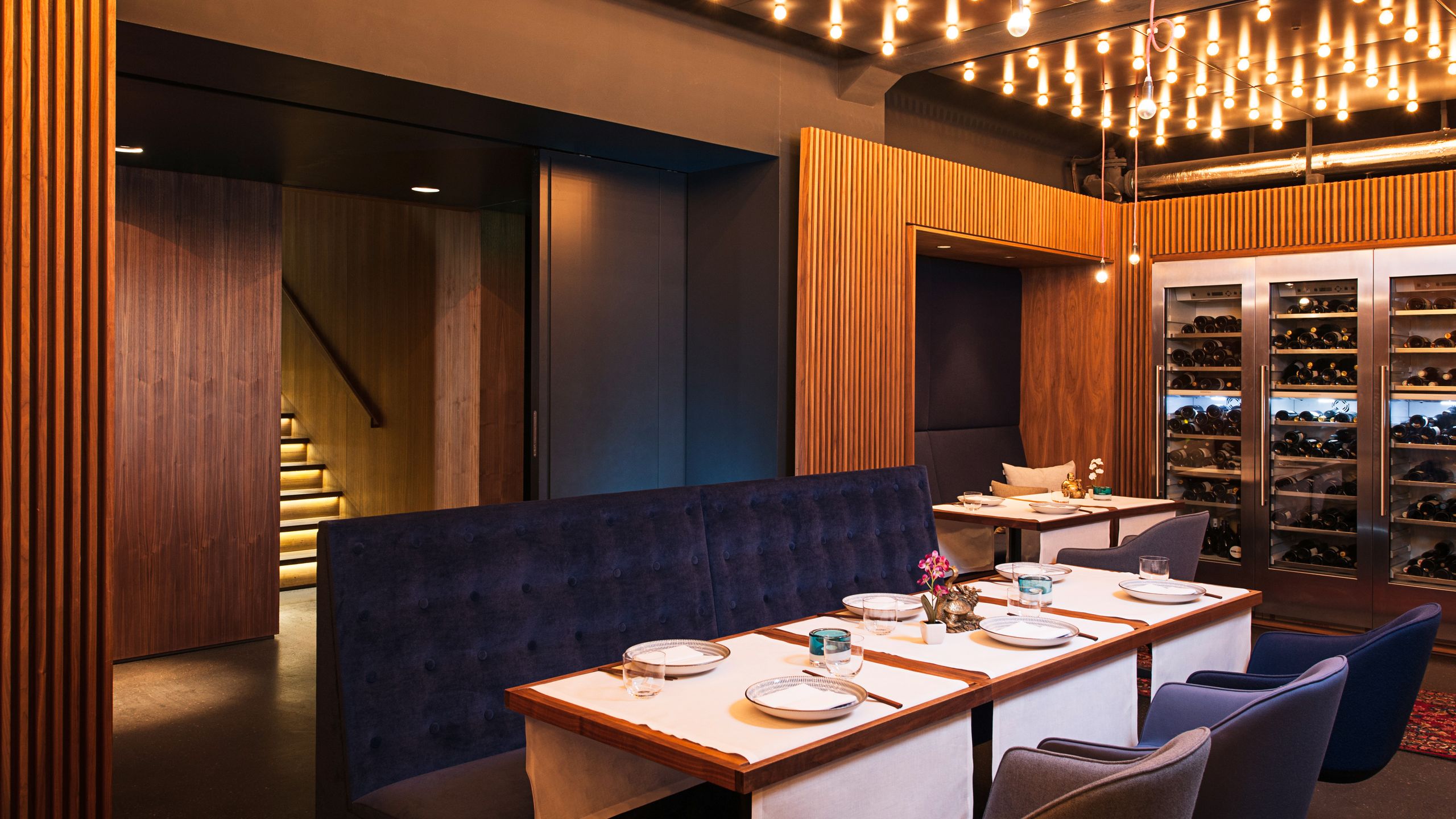
Bars in Berlin
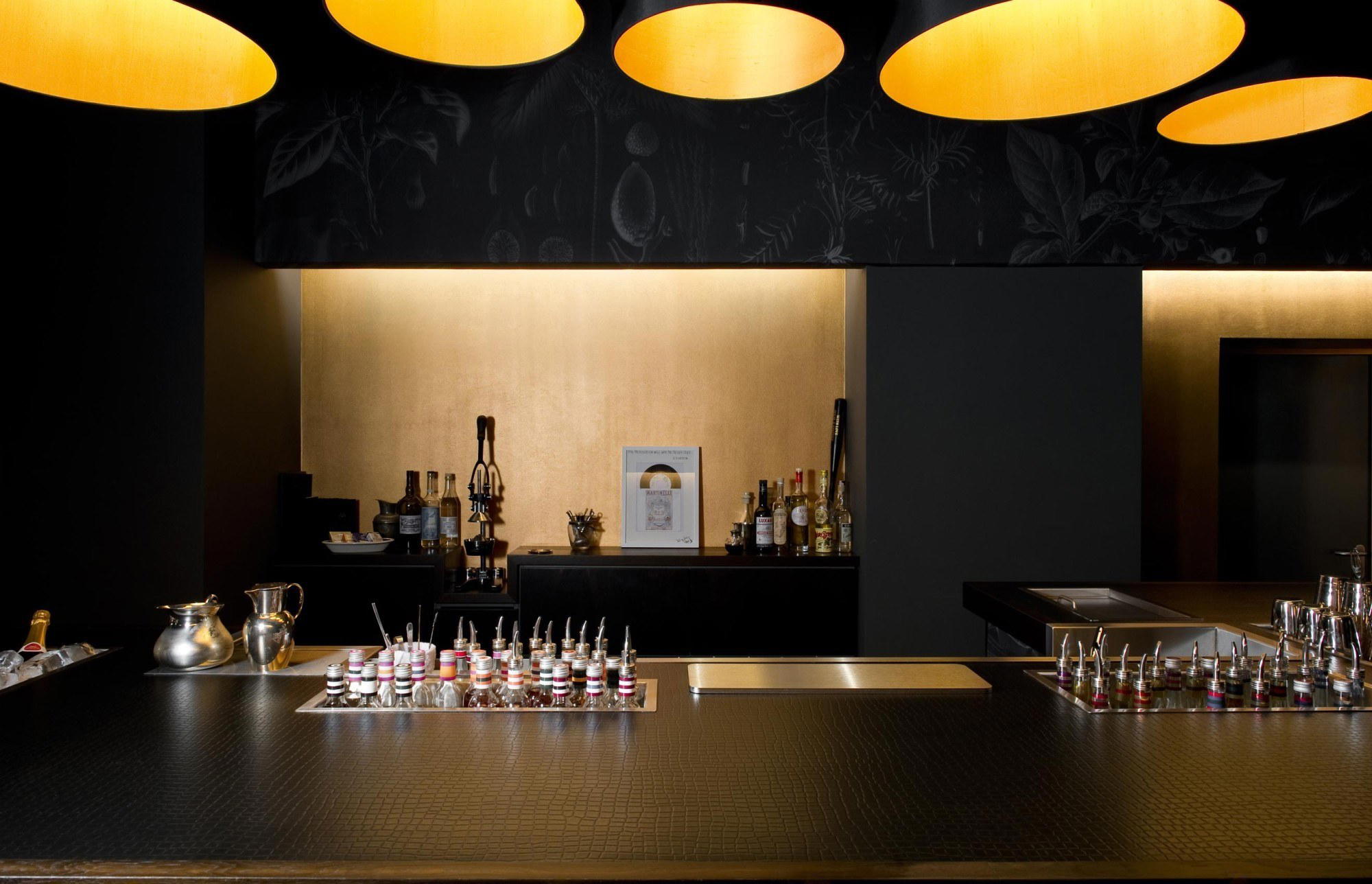
All bars in Berlin →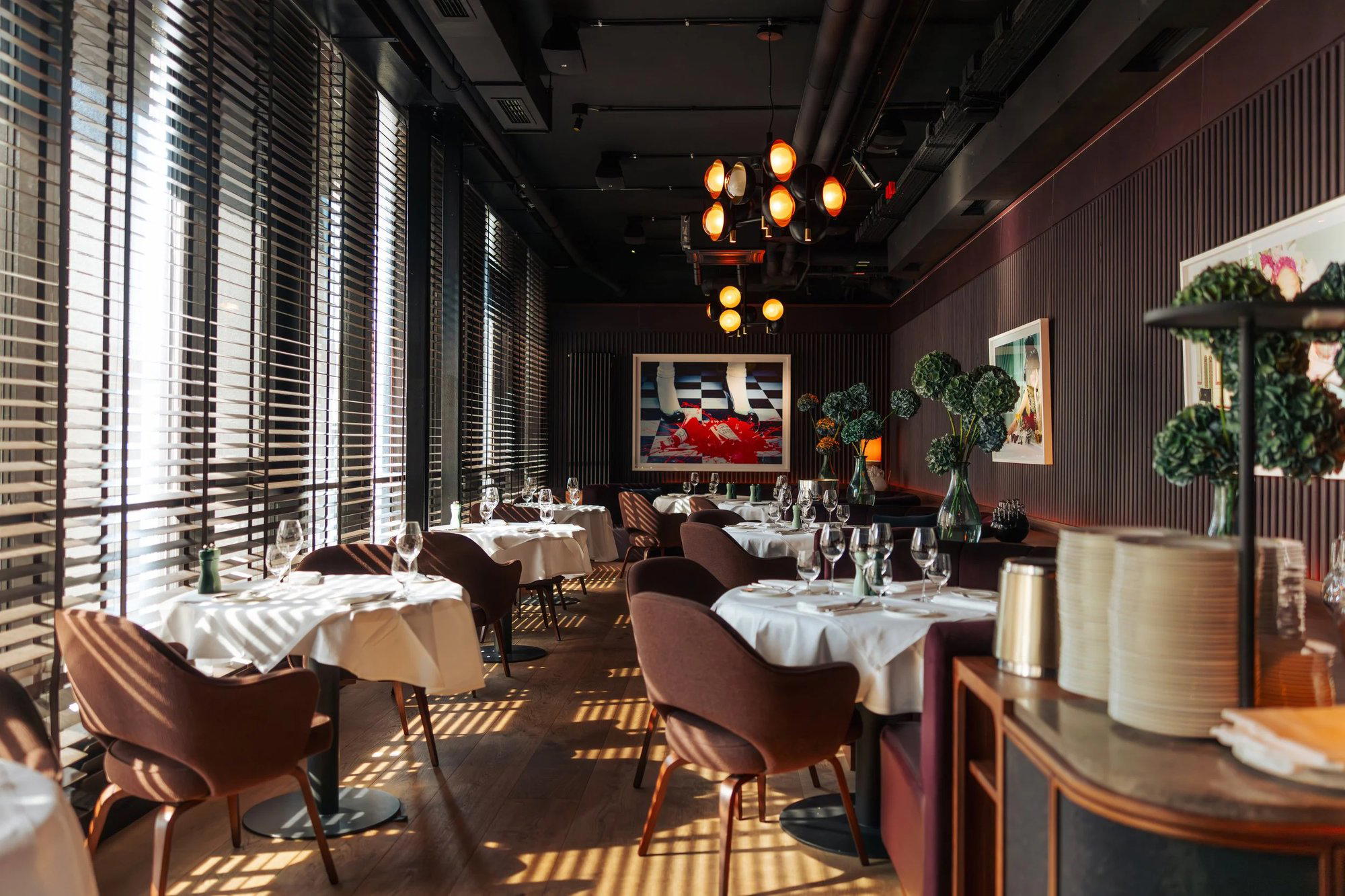

Rutz
The wine
- Wine program
- Deep wine list
- Extensive wine list
- Sommelier-led
Details
- Modern
- Elegant
- Sophisticated
- Casual
- Special Occasion
- Date Night
- Open Kitchen
- Extensive Wine List
- Sommelier Led
- Local Sourcing
- Tasting Menu
- A La Carte
- Wine Pairing
- Gluten Free Options
Current opening hours
- Monday
- 6–11 PM
- Tuesday
- 6–11 PM
- Wednesday
- 6–11 PM
- Thursday
- 6–11 PM
- Friday
- 6–11 PM
- Saturday
- Closed
- Sunday
- Closed
Hours can change for holidays and private events. Hours as of .
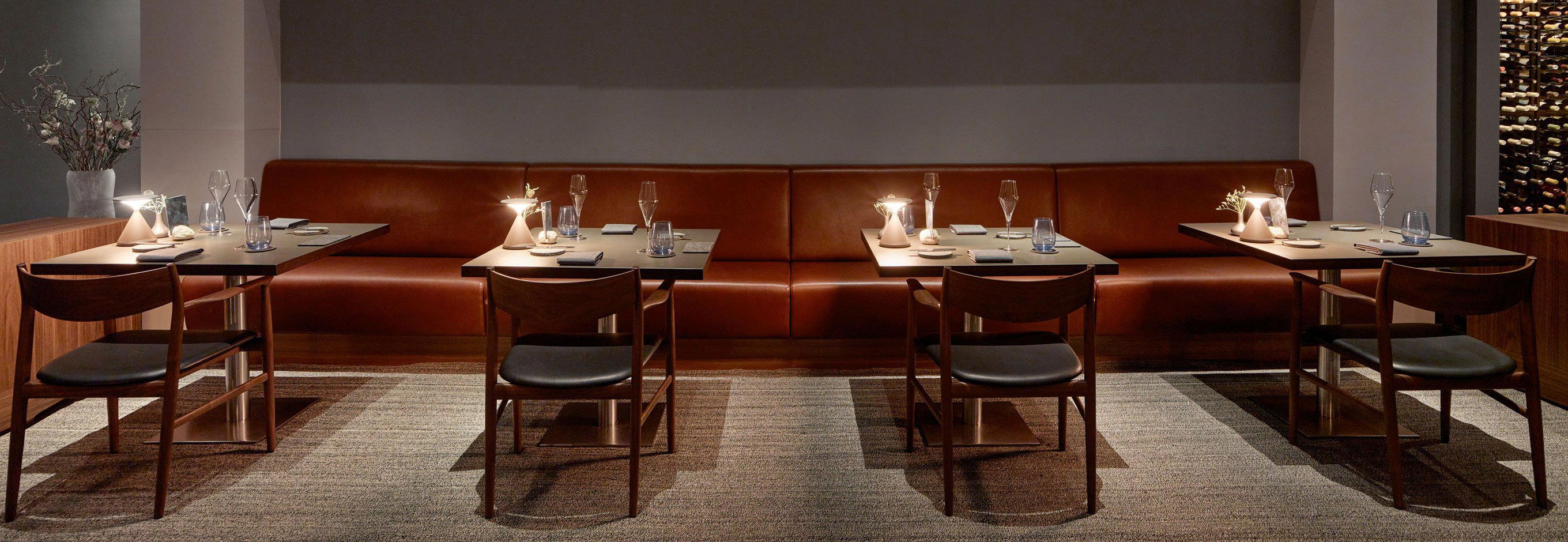
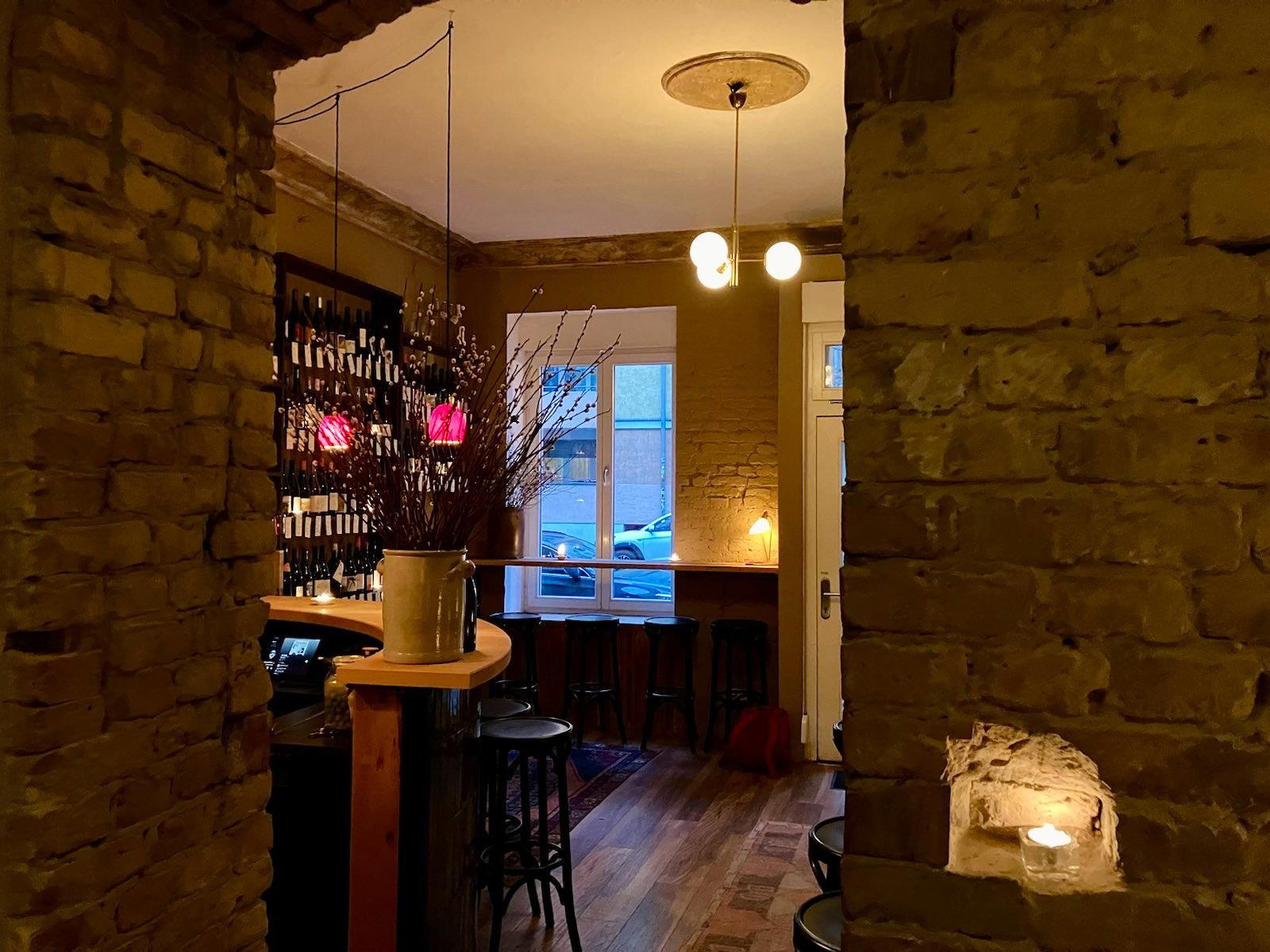
Relaxed casual atmosphere with natural materials, hardwood floors, no white tablecloths, and a modern puristic design creating an elegant yet laid-back high-end hospitality.