Rosewood Hong Kong
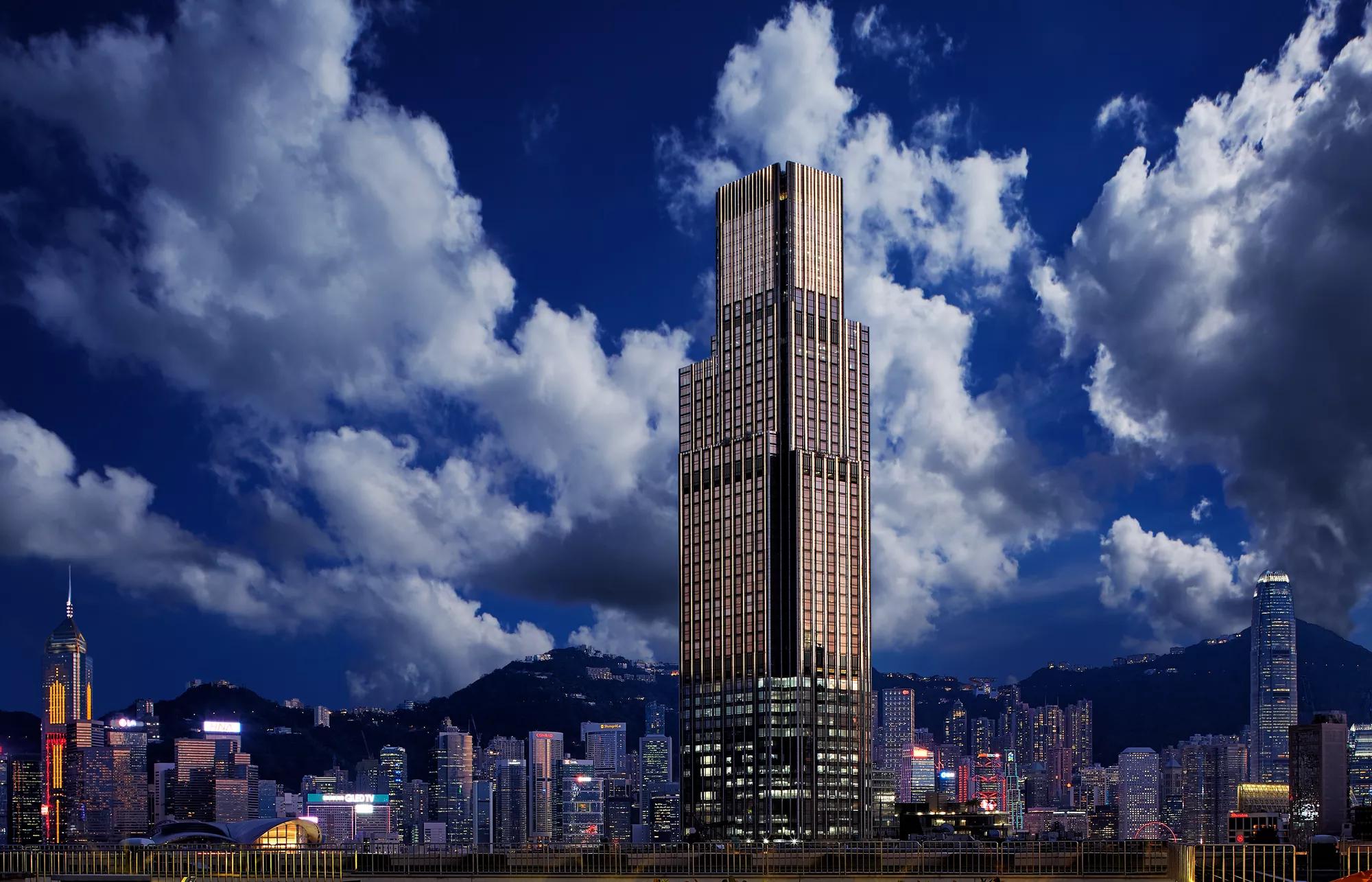
Rosewood Hong Kong occupies a commanding position on Salisbury Road in Tsim Sha Tsui, where the hotel's dining program spans multiple registers across one of the city's most architecturally considered addresses. The property sits at a tier where the harbour view is a given and the question shifts to what the kitchen does with that advantage. Across its restaurants and bars, the offer runs from Cantonese tradition to European contemporary.
 Discover on Pearl
Pearl is the En Primeur Club membership app — saves, bookings, and concierge access live there. Same editors, same standards.
- Address
- 18 Salisbury Rd, Tsim Sha Tsui, Hong Kong
- Phone
- +85238918888
- Website
- rosewoodhotels.com
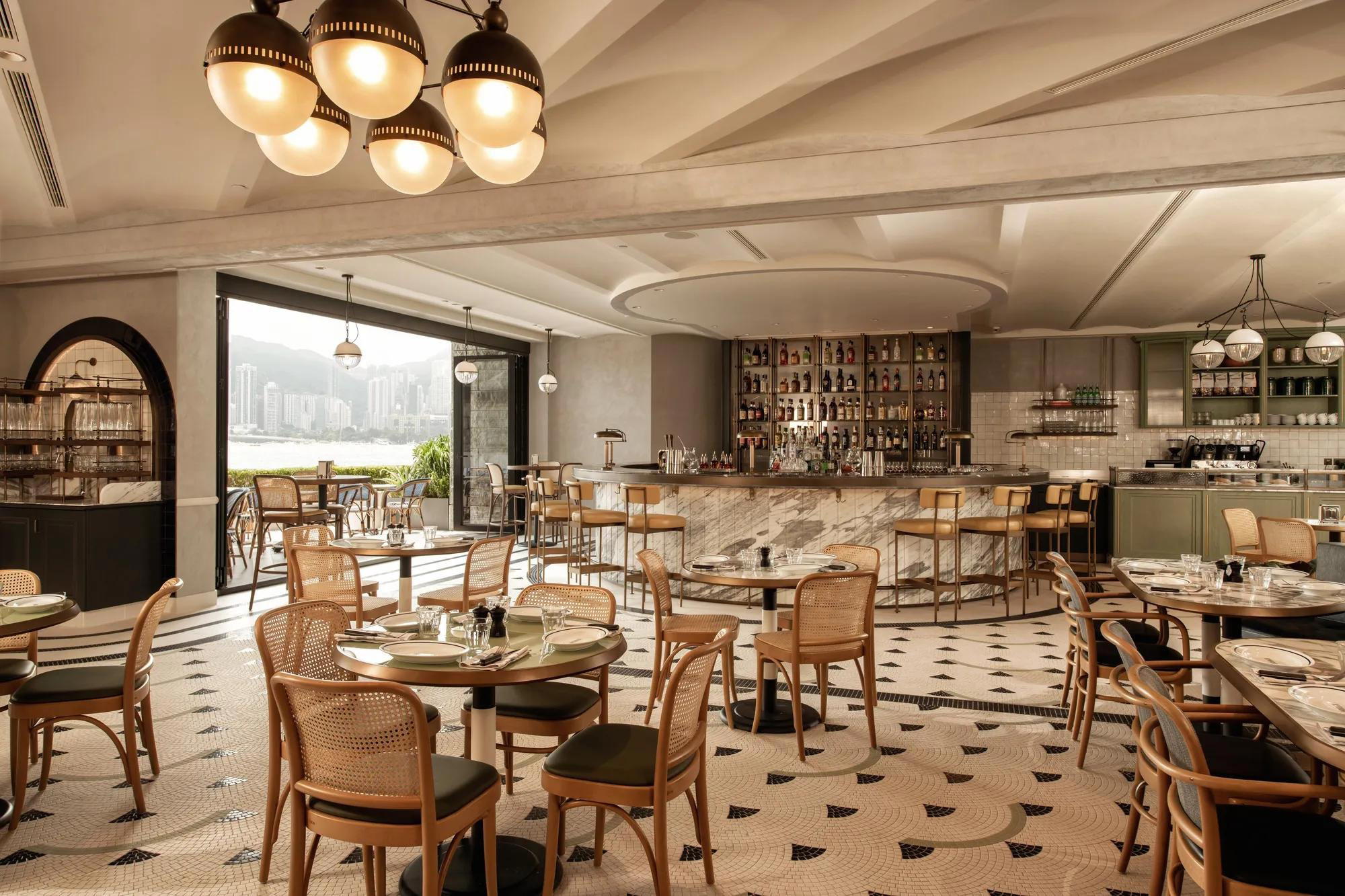
A Harbour Address Where the Menu Does the Architecture's Work
Tsim Sha Tsui's Salisbury Road is one of Hong Kong's most legible luxury corridors. The stretch running from the Cultural Centre toward the Star Ferry terminal concentrates a particular tier of international hotel, properties where the Victoria Harbour view is priced in and expected, and where the dining program is understood to carry the address as much as the room count does. Rosewood Hong Kong at 18 Salisbury Road is a restaurant in Hong Kong's Tsim Sha Tsui district, with a 4.5 Google rating and an average price of about US$150 per person. It sits in a competitive setting with harbour-facing peers around it and the city's broader dining tradition.
Hong Kong hotels at this level have historically run dining programs as collections of distinct concepts rather than a single kitchen with satellite outlets. The logic is pragmatic: the city's food culture is specific enough, and the diner sophisticated enough, that a generic hotel restaurant earns little credibility. The better operators commission separate identities for each outlet, each positioned against a different segment of the Hong Kong restaurant scene. Where that approach works, the hotel becomes less a place with restaurants and more a building containing several restaurants that happen to share a lobby.
The Structural Logic of a Multi-Concept Dining Floor
The multi-concept hotel dining model is a particularly useful lens for Tsim Sha Tsui, where the surrounding neighbourhood already offers formidable competition across every register. Within walking distance of Salisbury Road you can eat wonton noodles that have been refined over decades, dim sum served under fluorescent light with no concessions to atmosphere, and Cantonese roast meats cut to order at street level. A luxury hotel's dining program competing in that context cannot afford to be merely comfortable, it has to offer something the street-level scene cannot: scale, service architecture, or a specific technical register unavailable elsewhere on the Kowloon side.
Properties that get this right tend to do so by segmenting their offer clearly. A Cantonese fine-dining room occupies one tier, drawing from Hong Kong's deep tradition of banquet-style cooking where the technique is exacting and the sourcing of live seafood and aged ingredients carries real prestige. A European room or bar occupies a second tier, positioned against the city's internationally trained chef cohort rather than against local tradition. A casual all-day concept covers a third tier, absorbing the hotel guest's breakfast and light-lunch needs without crowding the more serious rooms. This structural segmentation is what separates a coherent hotel dining program from a scattered one.
Tsim Sha Tsui's Position in Hong Kong's Dining Geography
The neighbourhood context matters more than the address alone. Tsim Sha Tsui has historically been read as the tourist-facing side of the harbour, overshadowed by Central's concentration of Michelin recognition and chef-driven independents. That reading is increasingly dated. The Kowloon side has absorbed significant investment in serious dining over the past decade, and the former gap between the harbours has narrowed. Hong Kong's Michelin Guide now distributes stars across districts with less geographic bias than it once did, and the city's position as a regional dining reference point, drawing from Cantonese, Shanghainese, Chiu Chow, and a range of international traditions, reflects in Tsim Sha Tsui as much as anywhere.
For comparison, the city's most discussed independent tables, including 8 1/2 Otto e Mezzo Bombana (Hong Kong) in Hong Kong, have established that Hong Kong diners at the premium end expect both technical precision and a clear point of view. That expectation applies equally to hotel dining rooms, the Rosewood's restaurants are judged against the city's independent scene, not against an isolated hotel standard. Across the harbour in Hong Kong Island's Central and Western district, venues like Gaia in Central And Western represent the calibre of Italian-European cooking that sets the reference point for hotel European rooms.
Within Yau Tsim Mong itself, the dining spread runs from high-end hotel programming down through neighbourhood specialists. The Cafe category covers the accessible mid-range, while places like Block 18 Doggie's Noodle represent the kind of sharply focused noodle tradition that has made the area a destination for specific dishes. Budaoweng Hotpot Cuisine sits in the communal-format segment, while Carat Fine Indian and Mediterranean Cuisine and Coconut Soup indicate the neighbourhood's breadth across Asian and South Asian registers.
How Harbour-View Hotels Price Their Dining
At the Salisbury Road tier of Hong Kong hotel, the harbour view functions as a pricing signal rather than an amenity. Diners arriving at a restaurant on an upper floor of a property of this standing are implicitly paying for the full stack: service ratio, ingredient sourcing, kitchen brigade size, and the room itself. The same meal at a street-level Kowloon restaurant with no view costs significantly less, and both participants in the transaction understand this. What the premium purchases is a particular version of the meal, one where the pacing, the glassware, and the sight line across to Hong Kong Island are bundled into the same account.
This pricing structure positions Rosewood's dining against international luxury hotel peers globally. For context, European rooms at this tier are benchmarked against the kind of programme seen at properties with technically rigorous kitchens, the standard set by places like Le Bernardin in New York City or Atomix in New York City in their respective categories shapes what well-travelled diners expect when they sit down in a serious hotel restaurant anywhere in the world.
Across Hong Kong's Districts: Broader Context
Rosewood Hong Kong's position makes most sense when read alongside the full scope of Hong Kong's dining geography. The Former Jumbo Floating Restaurant in Aberdeen represents the city's capacity for dining as spectacle, while neighbourhood specialists across the New Territories, from Lei Garden in Sha Tin to Hoi Tin Garden in Tuen Mun, hold the Cantonese tradition at a local-institution level. Further afield, King Of Soybeans in Wong Tai Sin and Habib's Indian and Middle Eastern Food in Kwun Tong reflect the city's depth in specialist, single-focus cooking. The Outlying Islands add another register again: Gangstas in Islands occupies a casual, neighbourhood position distinct from anything the urban core offers. Cross-regional options like I Love Istanbul in Tsuen Wan and One-ThirtyOne in Tai Po demonstrate that the premium dining conversation extends well beyond the harbour districts.
Planning Your Visit
Recognition Snapshot
Comparable venues nearby, for context on price, style, and recognition.
| Venue | Cuisine | Price | Awards | Notes |
|---|---|---|---|---|
| Rosewood Hong KongThis venue — the venue you are viewing | Luxury Global Fine Dining | $$$$ | , | |
| Regent Hong Kong | Michelin-Starred Cantonese | $$$$ | , | Tsim Sha Tsui |
| The Chinese Restaurant | Traditional Hong Kong Dim Sum | $$$ | , | Yau Tsim Mong |
| Coconut Soup | Hainan Coconut Chicken Hotpot & Soups | $ | , | Mong Kok |
| Ichiran | Tonkotsu Ramen | $$ | , | Yau Tsim Mong |
| Cafe | Classic Hong Kong Cha Chaan Teng | $ | , | Yau Ma Tei |
Continue exploring
More in Yau Tsim Mong
Restaurants in Yau Tsim Mong
Browse all →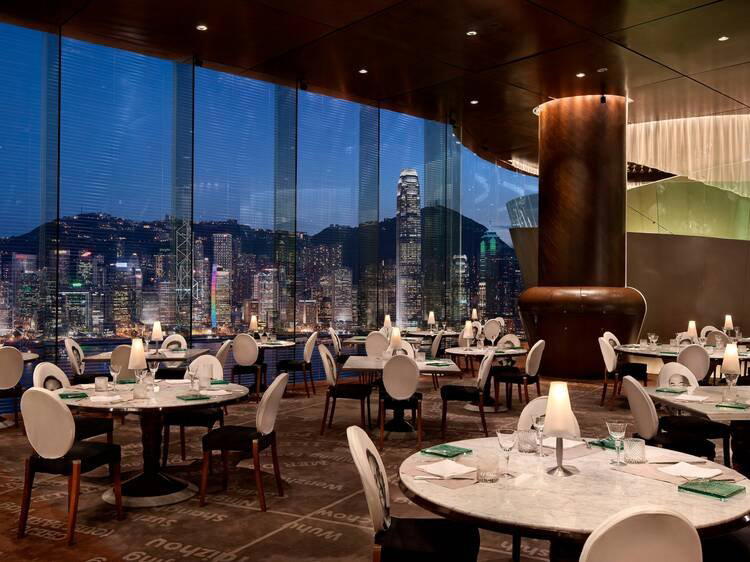
Bars in Yau Tsim Mong
Browse all →
At a Glance
- Elegant
- Sophisticated
- Opulent
- Special Occasion
- Business Dinner
- Date Night
- Hotel Restaurant
- Private Dining
- Panoramic View
- Extensive Wine List
- Craft Cocktails
- Sustainable Seafood
- Waterfront
- Skyline
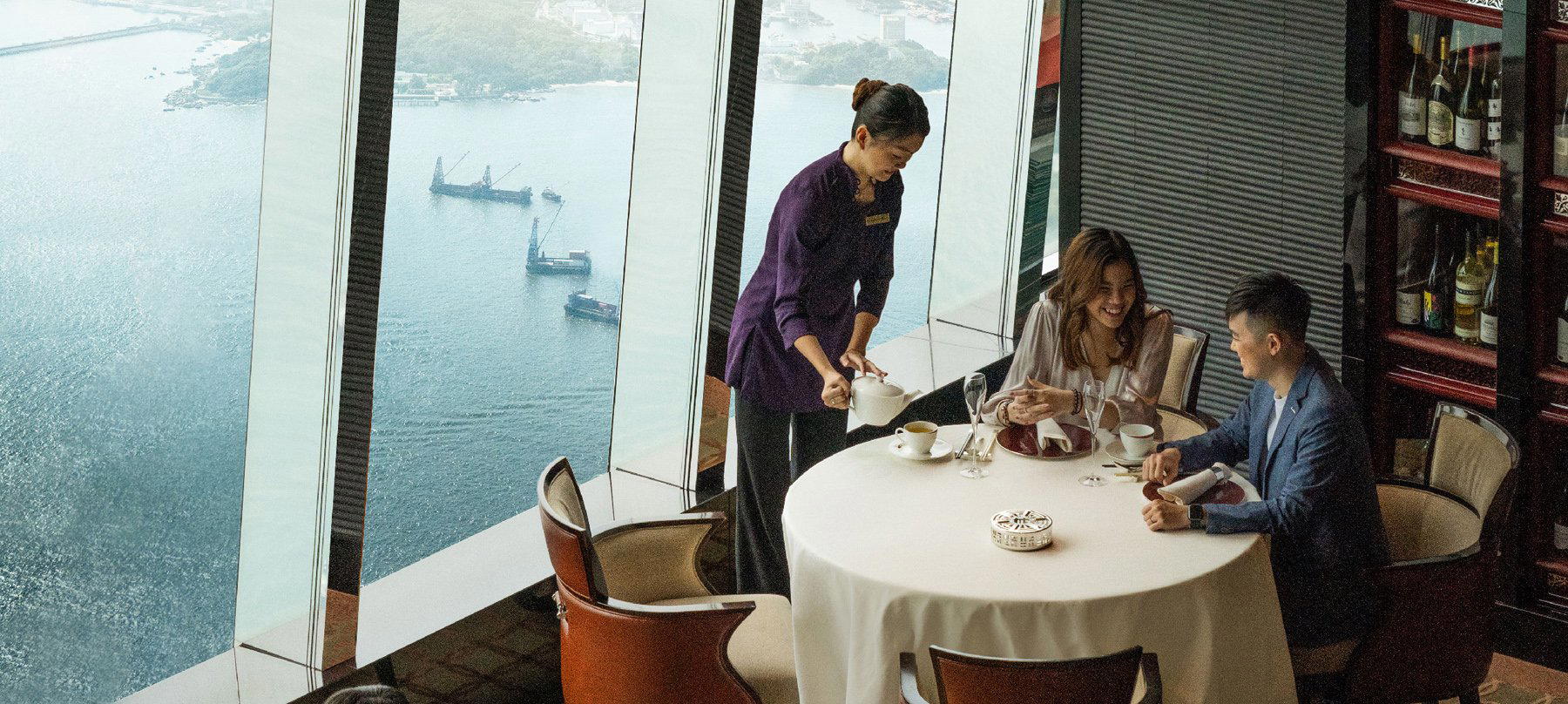
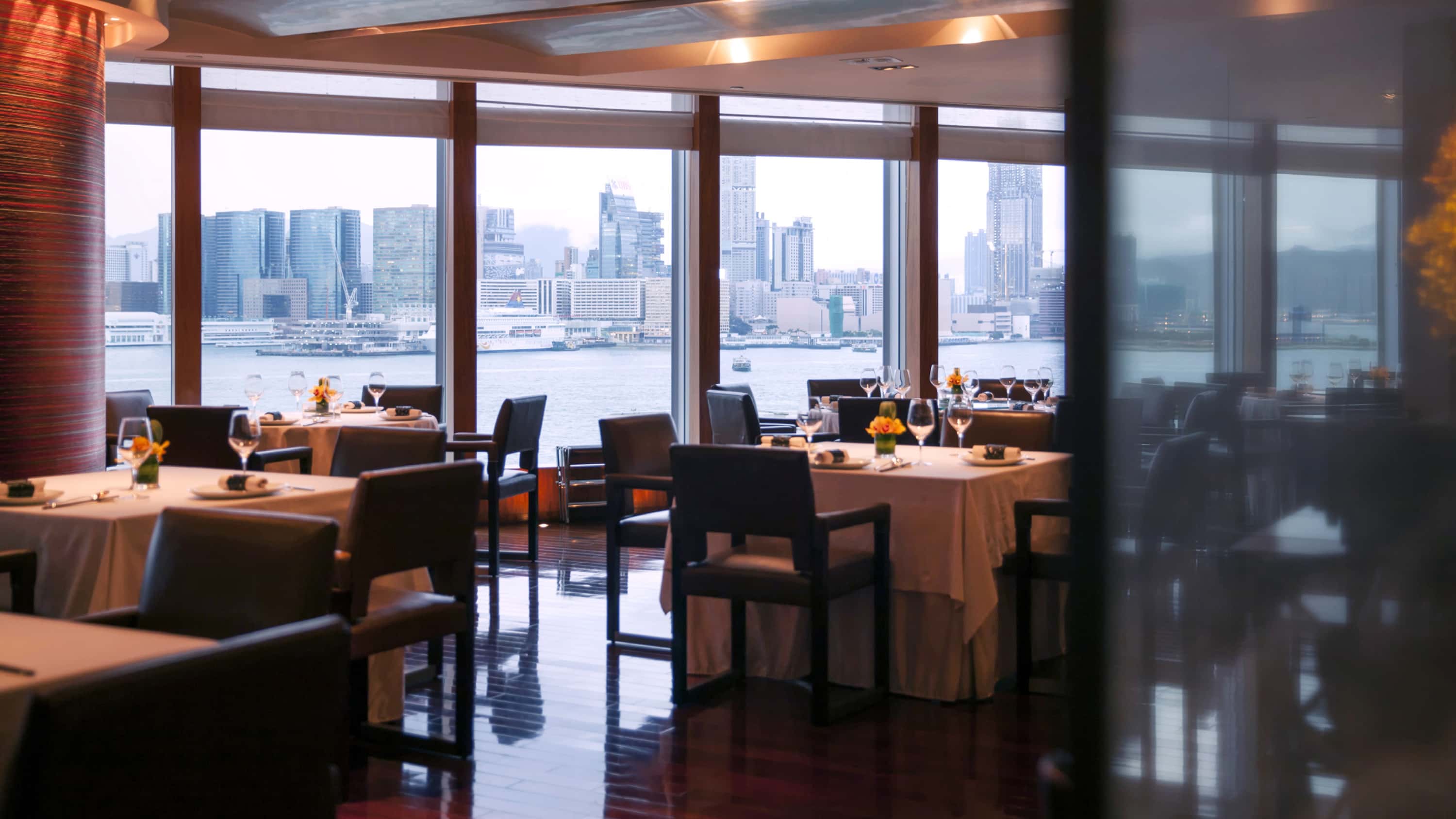
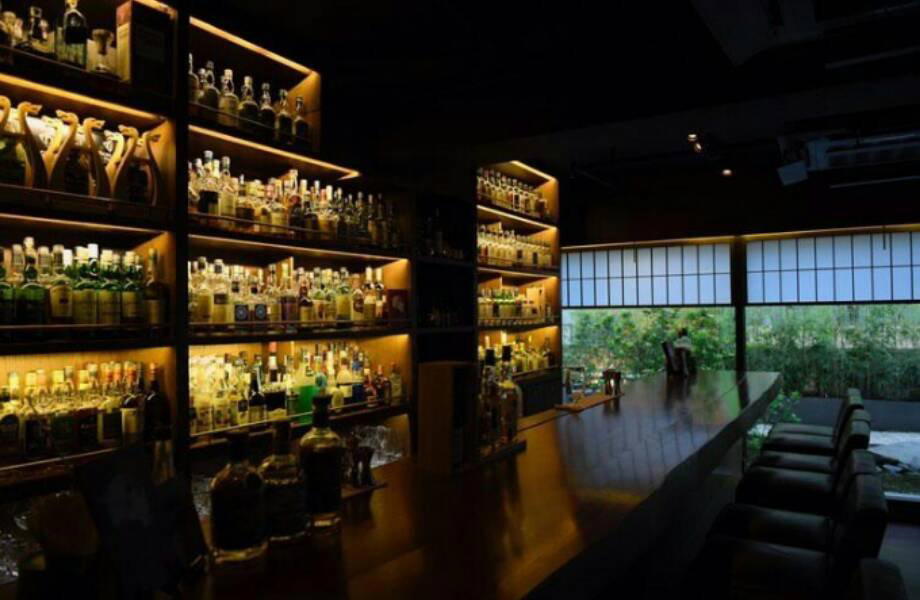
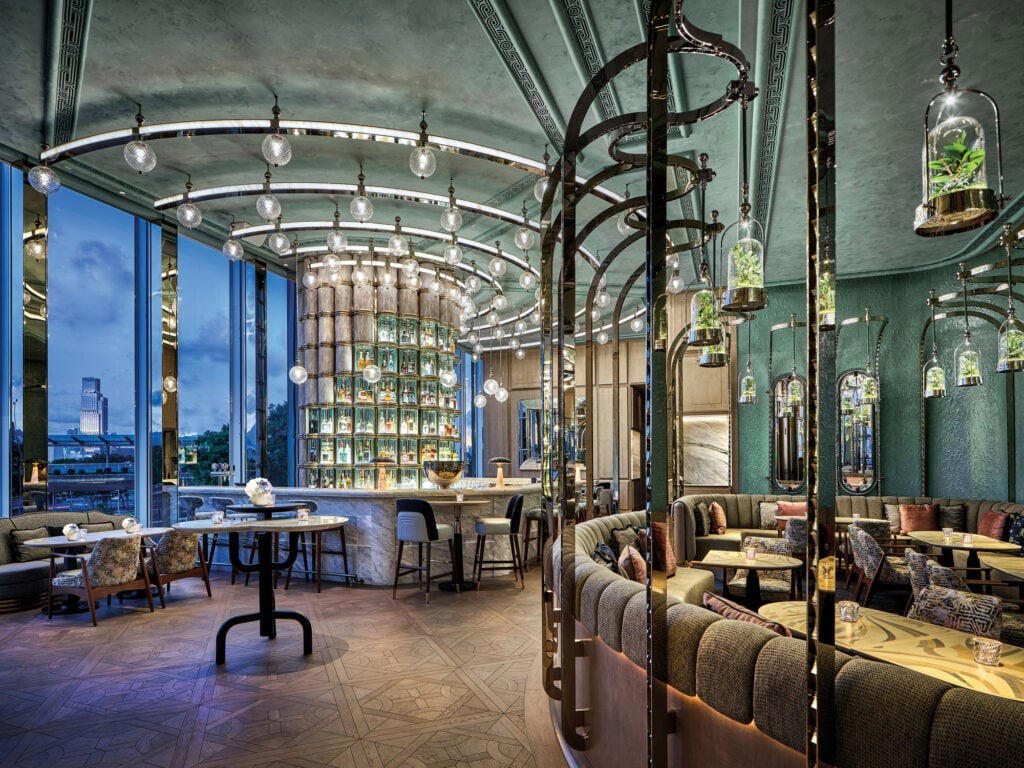
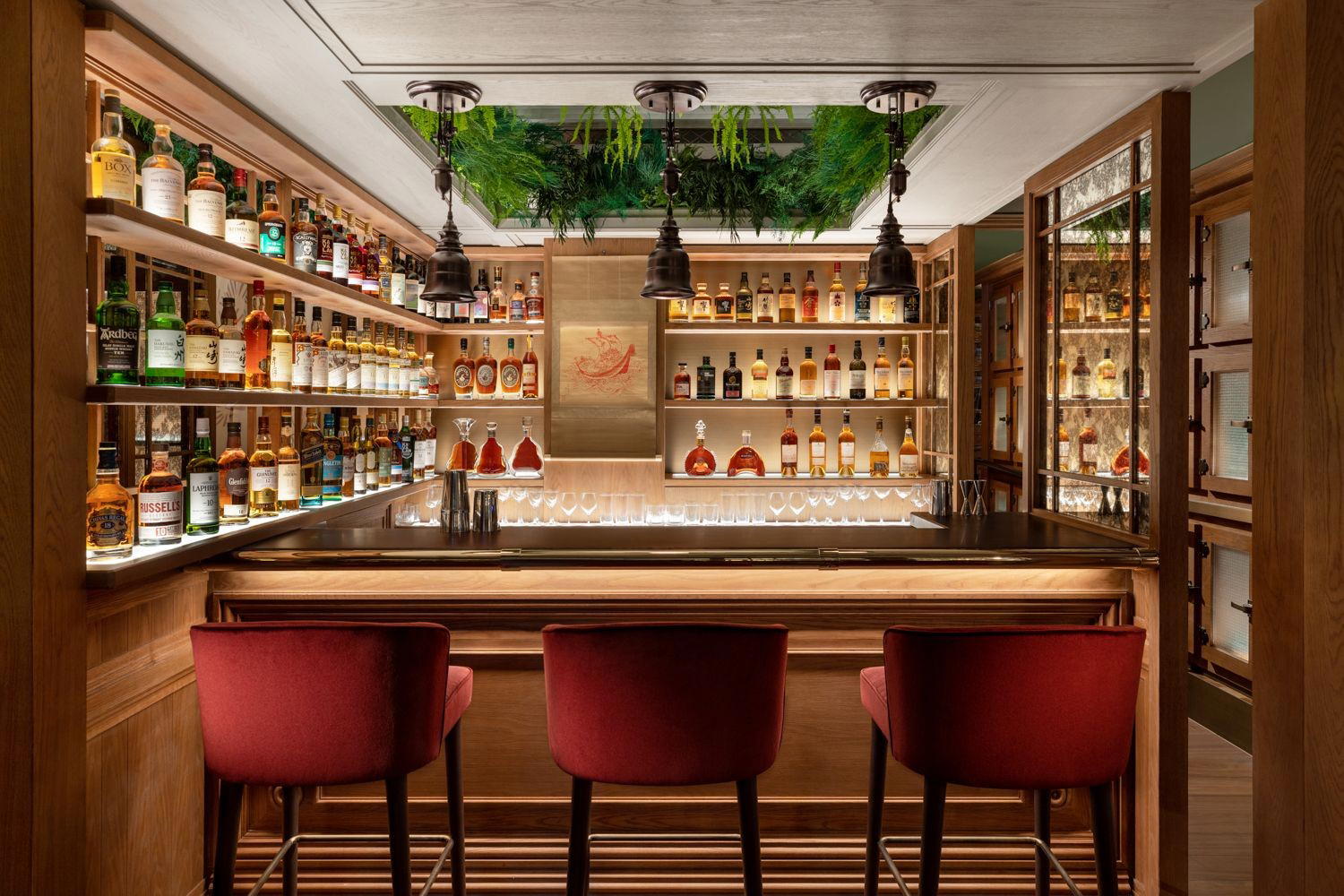
Clubby aesthetic with high ceilings, spacious interiors, and stunning Victoria Harbour views creating an elegant and welcoming atmosphere.