





Rosewood Hong Kong gives Kowloon’s waterfront luxury scene a contemporary reference point: a 65-story vertical estate in Victoria Dockside with 413 rooms, major art holdings, 11 food and beverage venues, and Asaya wellness facilities. Its awards trail is unusually strong, including World’s 50 Best Hotels #1 in 2025, La Liste Top Hotels 2026 at 98.5 points, and Tatler Asia-Pacific recognition for service and city-hotel performance.
Pearl is the En Primeur Club membership app — saves, bookings, and concierge access live there. Same editors, same standards.
- Address
- 18 Salisbury Rd, Tsim Sha Tsui
- Phone
- +852 3891 8888
- Website
- rosewoodhotels.com
- Directions
- Get directions
 Saves & bookings on Pearl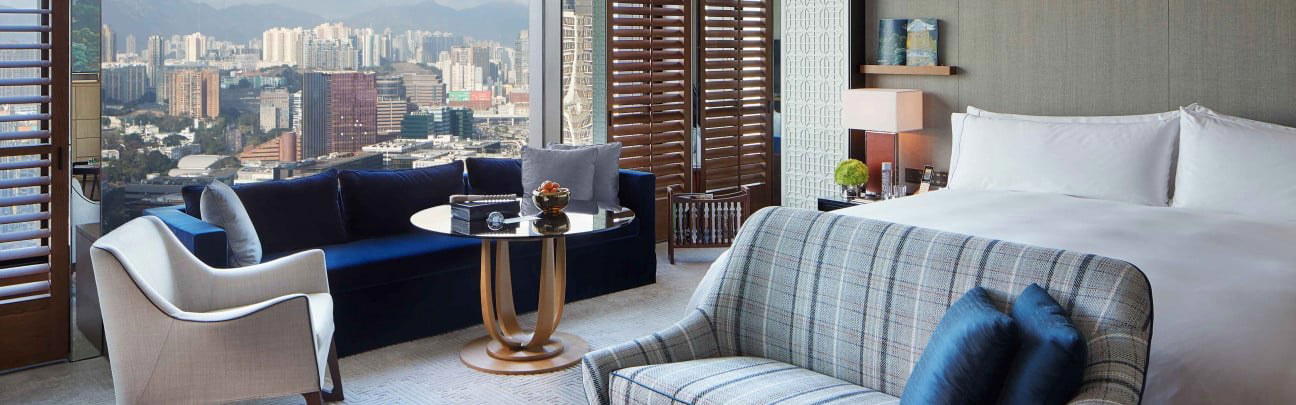
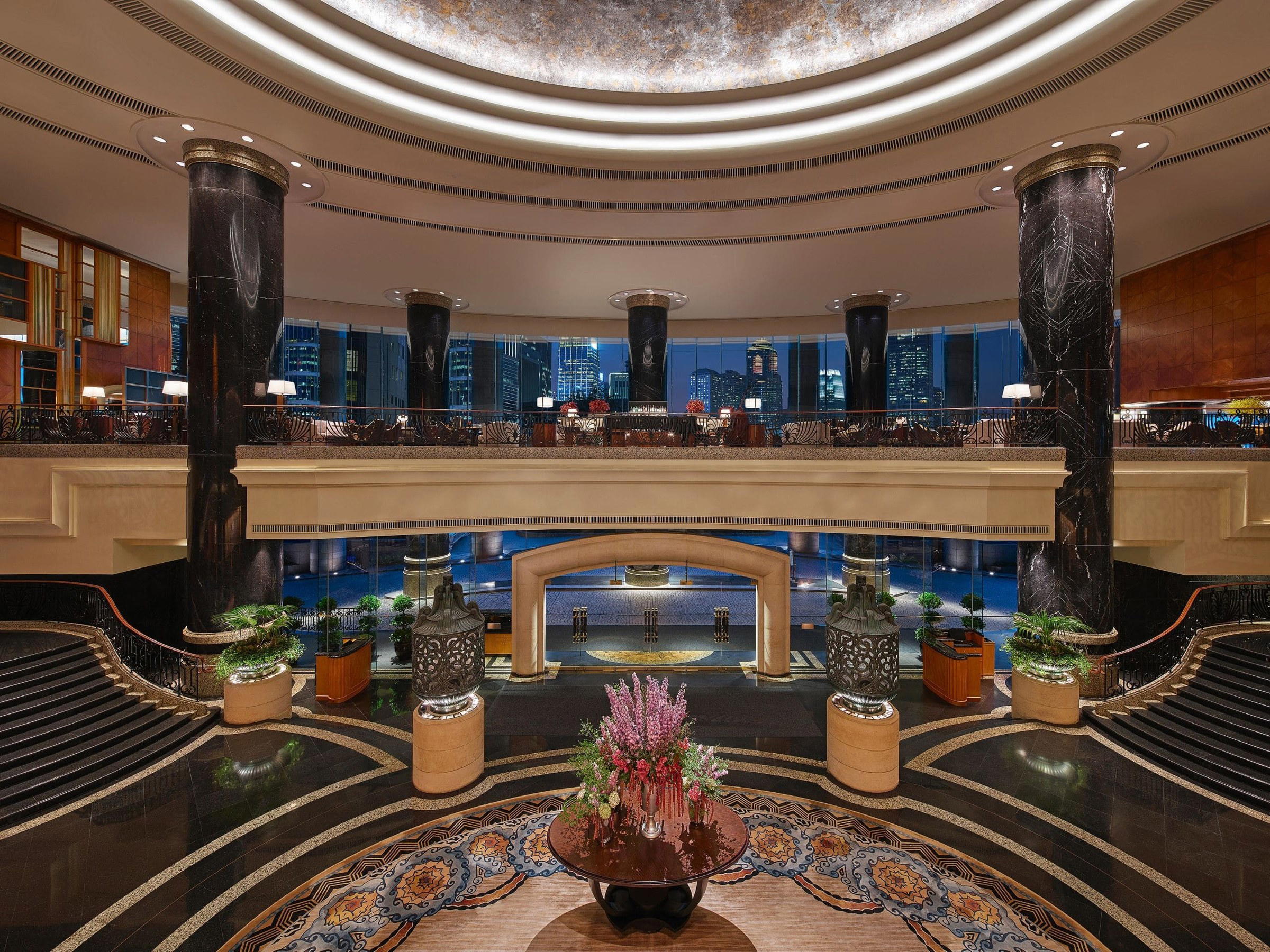
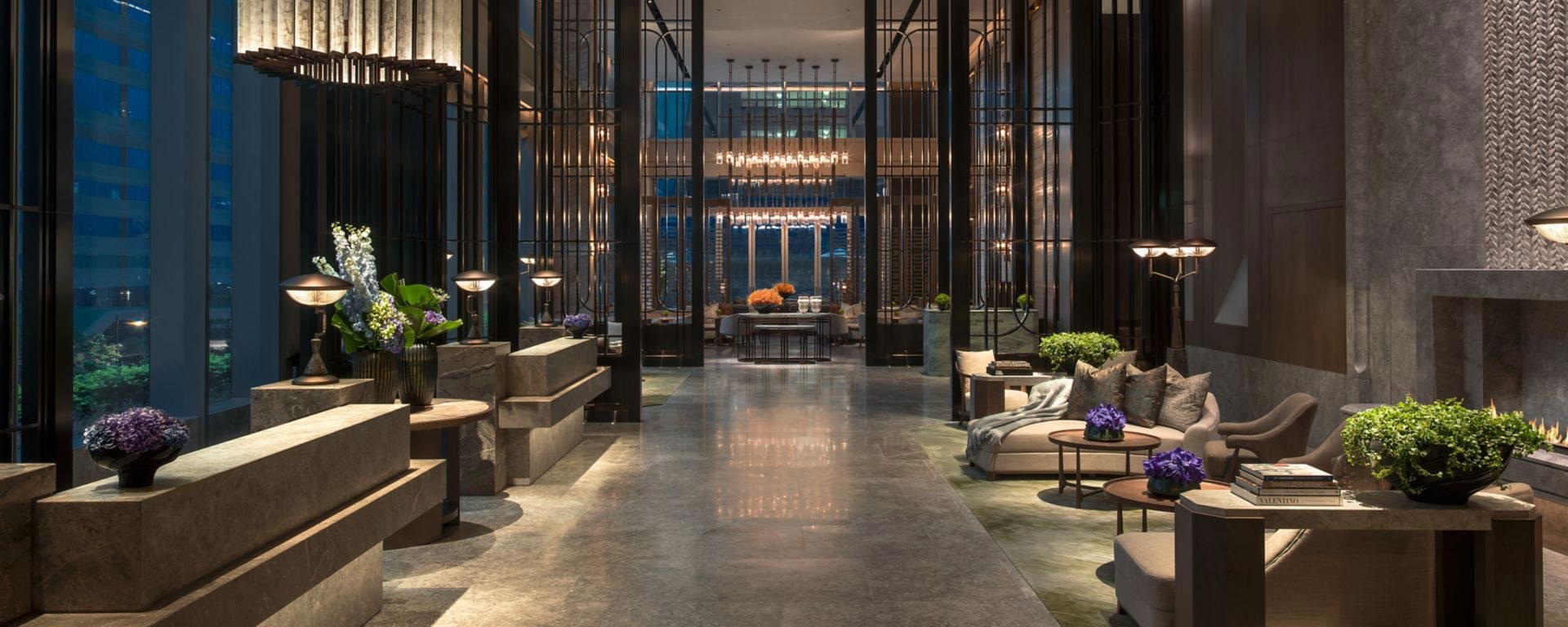
Rosewood Hong Kong is a 5-star hotel in Tsim Sha Tsui, Hong Kong, at 18 Salisbury Rd, and it holds 3 Michelin Keys. Approach the Kowloon waterfront at Salisbury Road and the hotel reads less like a conventional lobby arrival than a staged shift in tempo: harbour traffic outside, a cobblestoned drive, topiary, a forecourt that pulls the eye toward Victoria Harbour, then a 65-story tower rising out of the Victoria Dockside arts and design district. Hong Kong has long treated hotel architecture as part of its civic theatre, but Rosewood Hong Kong belongs to the newer school of high-rise hospitality, where the building is expected to operate as gallery, club, restaurant address, wellness centre and long-stay residence without losing the intimacy of a private house.
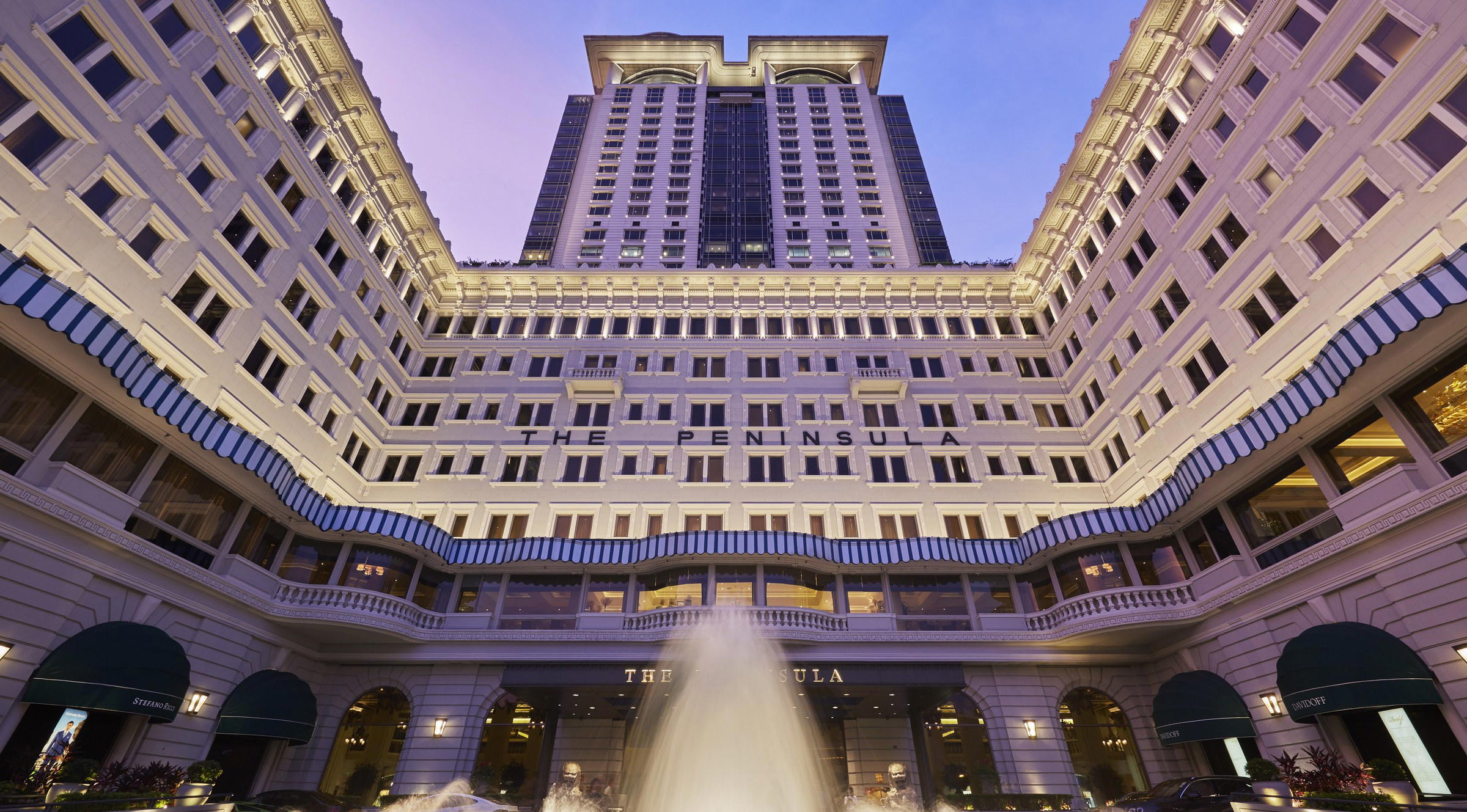
That scale matters because the city’s luxury hotel field is unusually competitive. On Hong Kong Island, Four Seasons Hotel Hong Kong, Mandarin Oriental, Hong Kong, The Landmark Mandarin Oriental, Hong Kong and The Upper House have trained repeat travellers to expect strong service cultures and sharp location logic. Across the harbour, The Peninsula Hong Kong carries a different weight, tied to heritage, ceremony and Tsim Sha Tsui’s older grand-hotel grammar. Rosewood’s argument is architectural and contemporary: it places the city’s current cultural investment on the Kowloon side, then builds a vertical estate around art, views, food and wellness.
Design as the main event
The design story is not an accessory here. Hospitality designer Tony Chi is credited in the available hotel material with marrying traditional Chinese touches to modern sensibilities, a useful shorthand for how the property positions itself against both corporate towers and heritage hotels. The rooms are described as high-luxe-yet-homey rather than overtly formal, with classic European touches, open sitting areas and freestanding bathtubs. At 413 rooms and suites, the hotel is large by boutique standards, yet the language of residential scale is built into the product: oversized accommodations, private-house cues, and the separation of hotel rooms from Rosewood Residences, which add 186 studios, suites and duplexes for longer stays on the tower’s upper floors.
In Hong Kong, view is not decoration; it is part of the room category calculus. Available hotel data states that 80 percent of the 413 rooms and suites feature floor-to-ceiling harbour vistas, while standard guest rooms start at 570 square feet. Suites begin at 1,270 square feet, with larger marble bathrooms, two showers, freeform bathtubs and in-mirror televisions. The practical decision is therefore not simply size versus price, but harbour panorama versus Kowloon cityscape. Many luxury travellers instinctively chase Victoria Harbour, yet the Kowloon Peak View rooms introduce another version of the city: density, mountain backdrop and the urban grain that makes this side of Hong Kong feel more textural than postcard-polished.
The art collection reinforces that civic-house feeling. The record cites pieces by Henry Moore and Damien Hirst, while inspector notes identify Damien Hirst Zodiac paintings in The Butterfly Room and Lynn Chadwick’s Pair of Walking Figures - Jubilee in the lobby. That distinction is important in a city where luxury hotels often use art as surface treatment. Here, the public rooms function as part of Victoria Dockside’s broader cultural pitch, in dialogue with nearby museum and design venues rather than sealed off from them.
Kowloon's new cultural axis
Tsim Sha Tsui has always been a practical base: ferries, museums, shopping, skyline views, cross-harbour movement. The change over the past decade is that the waterfront has been recast around arts infrastructure and design-led retail, especially through Victoria Dockside and K11 Musea. Rosewood Hong Kong benefits from that shift, but it also helps define it. A luxury hotel on this scale gives the district a hospitality anchor that competes with Central and Admiralty not by copying them, but by leaning into the Kowloon waterfront’s theatrical sightlines and cultural foot traffic.
That places it in a different lane from broader business-hotel addresses such as Conrad Hong Kong, neighbourhood-driven alternatives such as Cordis, Hong Kong, newer east-side options including EAST Hong Kong in Hong Kong Island, and district-specific stays like Crowne Plaza Hong Kong Kowloon East. Those comparisons are useful because Hong Kong hotel choice is rarely only about room quality. It is about which version of the city a traveller wants to inhabit: finance-core convenience, heritage glamour, design calm, neighbourhood immersion or cultural-waterfront staging.
The hotel’s recognition suggests that international juries have read this positioning clearly. It was listed as World’s 50 Best Hotels #2 in 2023, #3 in 2024 and #1 in 2025. La Liste Leading Hotels 2026 gives it 98.5 points. Tatler Leading Hotels Asia-Pacific 2025 includes it in City Hotels and records a 2025 Best Service badge, alongside 2024 Hotel of The Year, 2024 Best City Hotel and Tatler Leading Asia: Hotel of the Year. Those are not interchangeable accolades. Together, they indicate durability across design, service and overall city-hotel performance rather than a single launch-year burst.
Food, bars and the hotel-as-neighbourhood model
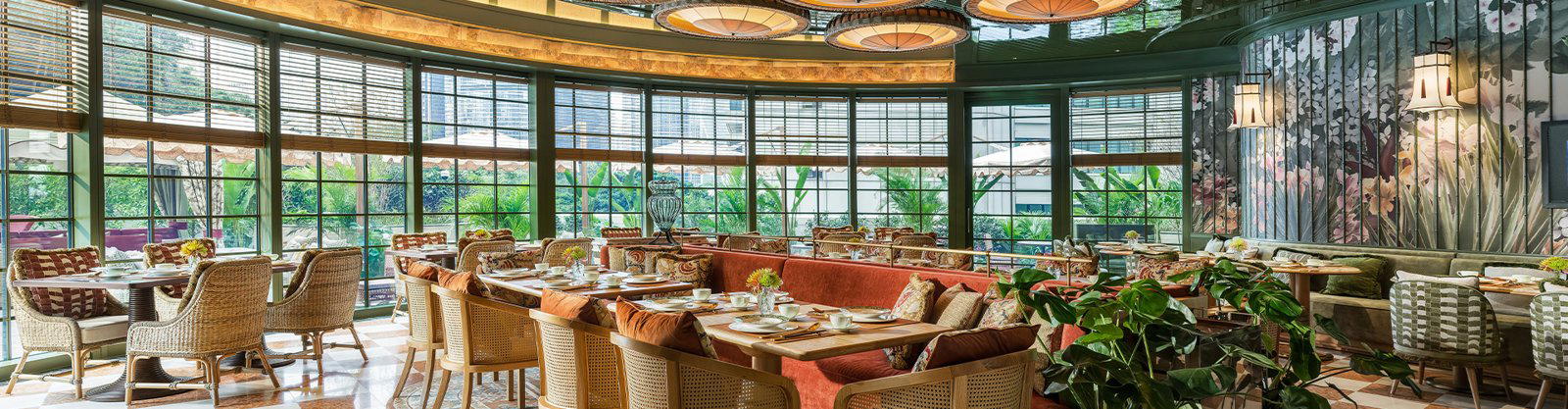
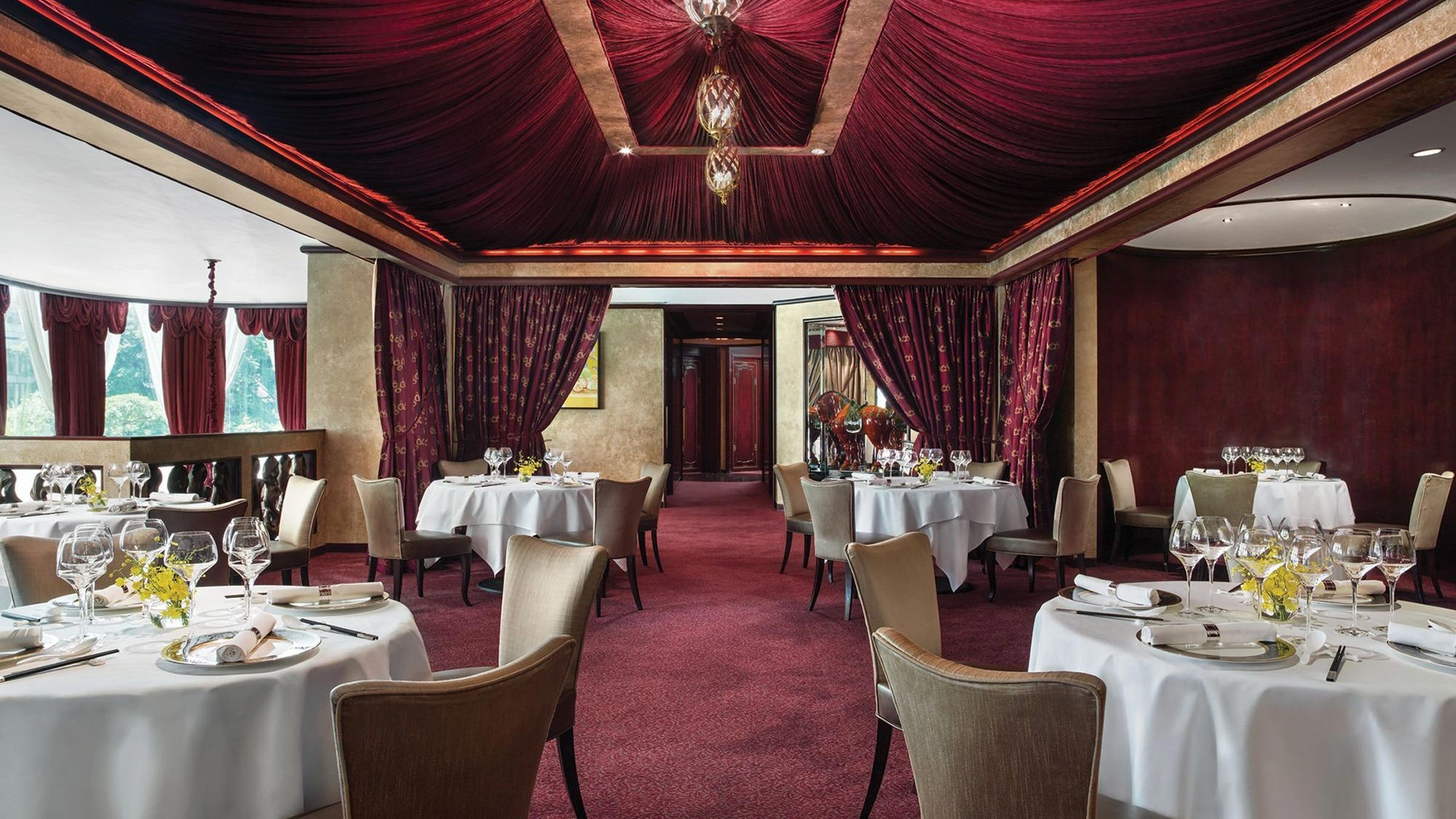
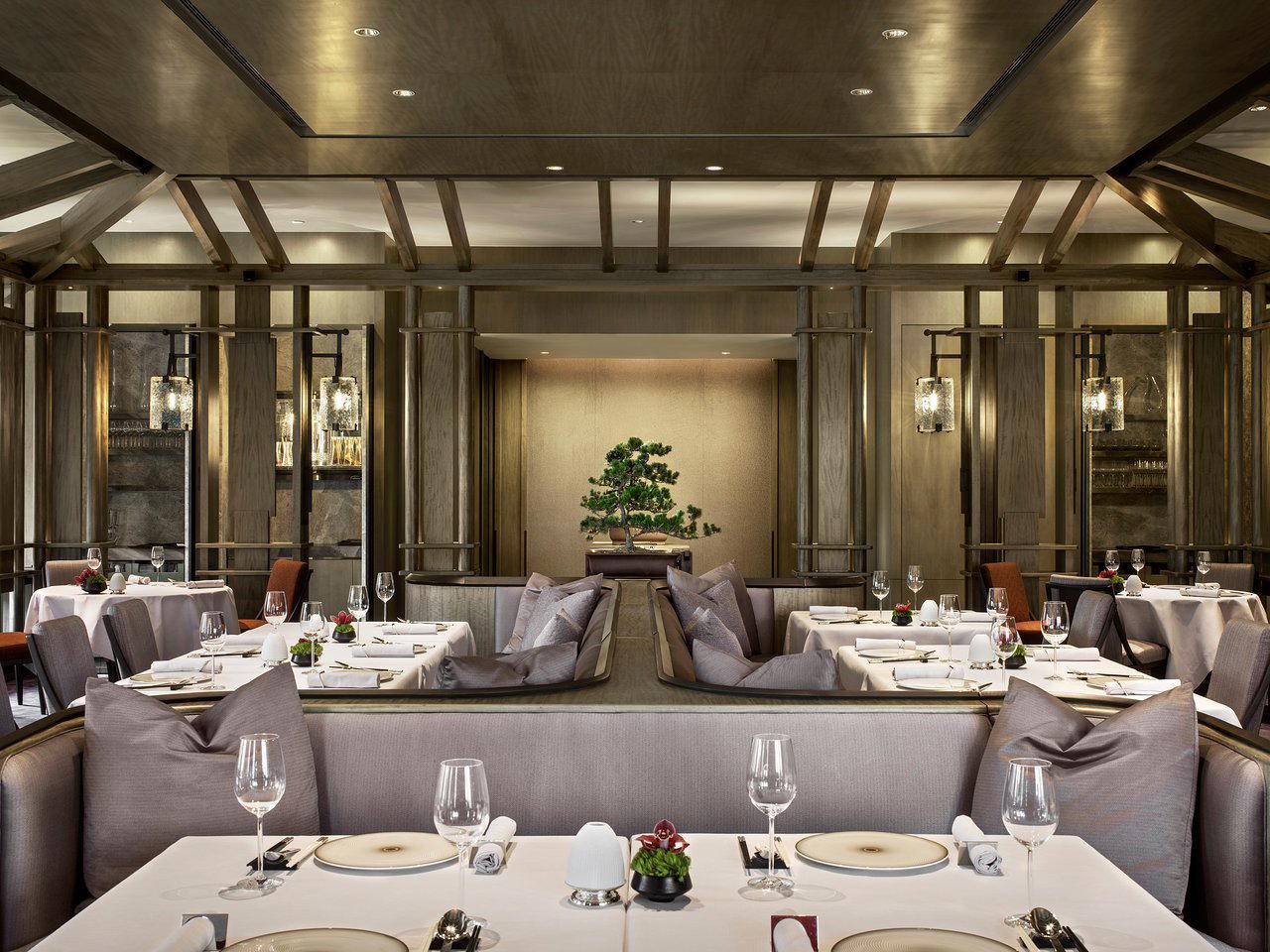
Hong Kong’s grand hotels have long treated dining as a civic function. Locals use them for dim sum, afternoon tea, business lunches, celebrations and late drinks, which means a serious hotel cannot depend solely on in-house guests. Rosewood Hong Kong follows that urban model with 11 food and beverage options, spanning Cantonese cuisine, dim sum, pastries, a tea lounge and bar formats. The Legacy House is named in the available record as the signature Chinese restaurant; The Butterfly Room is associated with afternoon tea and Hirst’s Zodiac paintings; Butterfly Patisserie and DarkSide expand the property’s daytime-to-evening rhythm.
For a broader dining read on the city, the relevant comparison is less hotel restaurant versus street restaurant than occasion type. Hong Kong’s luxury hotel dining culture remains strong because it offers climate control, service choreography, harbour proximity and multi-generational comfort. Independent dining adds different energy, and EP Club’s wider context sits in Our full Hong Kong restaurants guide, but the hotel dining room continues to matter here in a way it does not in every global city. Rosewood’s internal range suits that tradition: Cantonese rooms for formal meals, patisserie and tea for afternoon social rituals, and a late bar that does not require leaving the building after dinner.
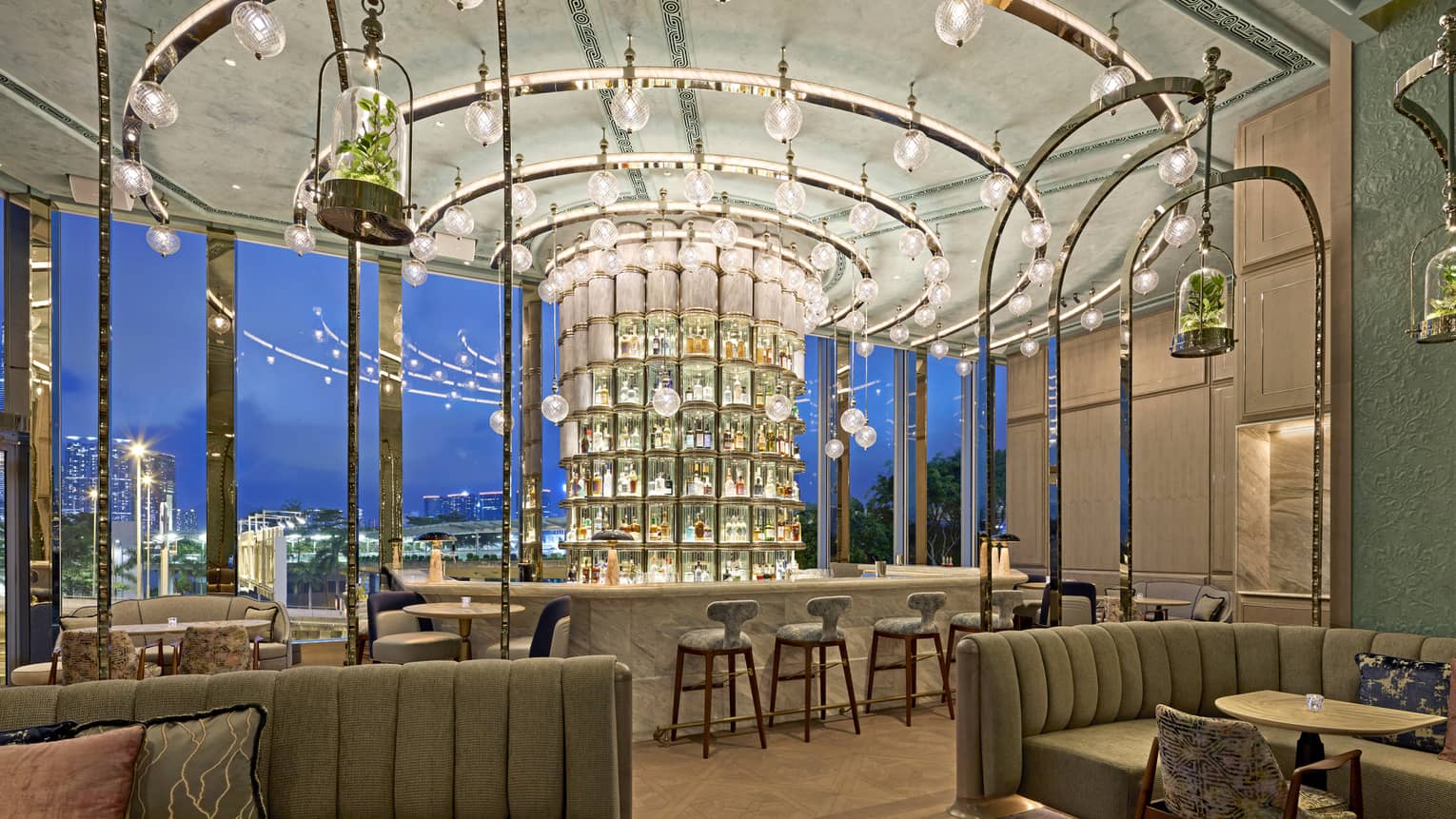
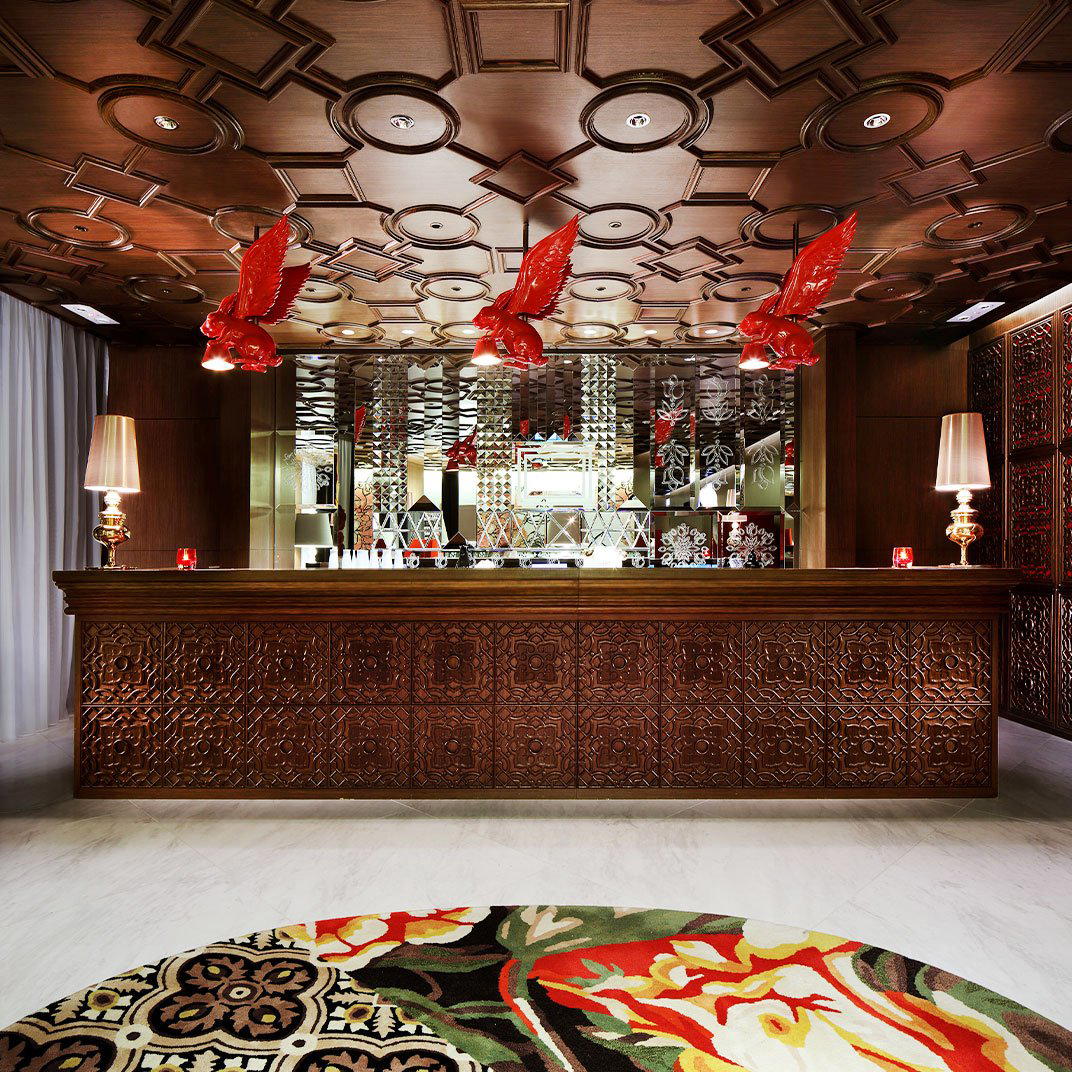
DarkSide is the clearest nightlife signal in the hotel. The available material describes it as a bar for rare whisky, Cuban cigars, live jazz, an inviting terrace and aged spirits, with the name playing on Kowloon’s old local nickname. That is a pointed piece of urban storytelling. Rather than selling Kowloon as secondary to Hong Kong Island, it turns the old label into a bar identity. For travellers comparing cocktail culture beyond the hotel, Our full Hong Kong bars guide gives the wider field, from Central drinking rooms to hotel bars and high-floor lounges.
Wellness, residence and the vertical estate
The term vertical estate can sound inflated until the component parts are counted. The hotel occupies 43 floors of a multi-use tower and includes 413 rooms, 11 food and beverage venues, a fitness centre, a swimming pool, Asaya wellness facilities, meeting and event spaces, and a separate Rosewood Residences offering of 186 longer-stay accommodations. In a dense city, that is the luxury-hotel equivalent of a campus, compressed upward rather than spread over acreage.
Asaya is central to that proposition. The Hong Kong property is set up around spa, gym, outdoor infinity pool and Asaya Kitchen. Inspector notes also point to in-house practitioners and visiting specialists across nutrition, physical training, psychology, mobility, meditation and naturopathy, plus Asaya Lodges on the seventh floor for wellness stays. The distinction from a conventional city spa is scope: this is positioned as an integrated urban wellness facility, not a treatment corridor attached to a gym.
That matters for longer stays and repeat travellers, particularly in Hong Kong, where jet lag, humidity, dense scheduling and cross-harbour movement shape the daily experience. A traveller using the hotel as a base for art appointments, meetings, restaurants and family obligations can treat wellness as infrastructure rather than ornament. The infinity pool over Victoria Harbour gives the property its visual headline, but the broader wellness programming is the more consequential design move.
How it compares beyond Hong Kong
Within the global luxury conversation, Rosewood Hong Kong belongs to a cohort of properties that use architecture and design to turn a hotel into a destination address inside a major city. That places it in dialogue with The Fifth Avenue Hotel in New York City, where interior character drives the stay, and Cheval Blanc Paris in Paris, where riverfront position and fashion-house polish define the frame. The comparison is not about sameness; it is about hotels that ask to be read as cultural objects, not only accommodation.
Other luxury traditions take different routes. Hotel Sacher Wien in Vienna leans into historic continuity; Hotel Du Cap-Eden-Roc in Cap d'Antibes into Riviera estate mythology; The Beverly Hills Hotel in Los Angeles into Hollywood social memory; Castello di Reschio in Lisciano Niccone into restored rural architecture; Hotel Esencia in Tulum and One&Only Mandarina in Riviera Nayarit into beach and nature settings; The Siam in Bangkok into riverside collecting culture; Hotel Plaza Athénée in Paris into couture-era Paris; and Casa Maria Luigia in Modena into culinary-country-house intimacy. Rosewood’s lane is dense-city verticality: a waterfront tower that uses art, restaurants and wellness to create residential depth inside Hong Kong’s urban compression.
Planning the stay
The address is 18 Salisbury Road, Tsim Sha Tsui, Kowloon, placing the hotel close to the Star Ferry, Hong Kong Museum of Art, Space Museum, Avenue of Stars, Victoria Dockside and K11 Musea, according to the available record. The recorded phone number from Tatler data is 3891 8888, and the recorded website is https://www.rosewoodhotels.com/en/hong-kong. A listed reference price of $1,272 places it in the city’s high luxury tier, so the more useful booking question is not whether the hotel is expensive, but which room orientation and access privileges justify the spend for a particular trip.
Suite guests are noted as having access to the Manor Club executive lounge on Level 40, with all-day snacks, cocktails and 360-degree city vistas. A time-sensitive operational detail matters for 2025 planning: the Manor Club on Level 40 is scheduled to close temporarily for renovations from 5 to 23 February 2025, with Manor Club services offered at Botanical Kitchen on Level 6 during that period. Travellers who place lounge access high in the decision should confirm the current arrangement directly when booking, especially around renovation windows or high-occupancy dates.
For Hong Kong planning beyond the property, Our full Hong Kong hotels guide is the relevant hotel comparison page, while category-specific planning sits across restaurants, bars, culture and wine resources, including Our full Hong Kong experiences guide and Our full Hong Kong wineries guide. The editorial recommendation is clear: choose this hotel when the Kowloon waterfront, design density, art access and in-house dining range are part of the trip’s value, not when the sole priority is a short commute to Central office towers.
Price Lens
Comparable venues nearby, for context on price, style, and recognition.
| Venue | Price | Awards | Notes |
|---|---|---|---|
| Rosewood Hong KongThis venue — the venue you are viewing | $$$$ | Michelin 3 Key | Not listed |
| The Upper House | $$$$ | Michelin 2 Key | Central, Refined high-rise apartments with understated luxury and personalized Guest Experience Team service. |
| The Peninsula Hong Kong | $$$$ | Michelin 2 Key | Yau Tsim Mong South, Timeless luxury heritage property blending classic elegance with cutting-edge technology. |
| Mandarin Oriental, Hong Kong | $$$$ | Michelin 1 Key | Central, Well-known urban luxury heritage property with Oriental elegance. |
| Four Seasons Hotel Hong Kong | $$$$ | Michelin 1 Key | Central, Harbourfront luxury tower with resort-like amenities in urban setting |
| The Ritz-Carlton, Hong Kong | $$$$ | Michelin 1 Key | Yau Tsim Mong South, Sky-high luxury hotel in the world's tallest hotel location |
Recognition history
Dated appearances from independent guides and award organizations, with the underlying list record or original source where available.
Cathay Members’ Choice Awards Asia’s Most Iconic Hotel Winner
Cathay Members’ Choice Awards · 2026 Cathay Members’ Choice Awards — Venue Winners
Forbes Recommended
Forbes
La Liste Top Hotels
La Liste
Mr & Mrs Smith Smith Seal of Approval
Mr & Mrs Smith
Virtuoso Luxury Hotel Partner
Virtuoso
Forbes 5-Star
Forbes
Michelin 3 Keys
Michelin
Tatler Listed in Best Hotels Asia-Pacific
Tatler
Tatler Best Service
Tatler
World's 50 Best Best Hotels #1
World's 50 Best
Tatler Best City Hotel
Tatler
Tatler Best Asia: Hotel of the Year
Tatler
Tatler Hotel of The Year
Tatler
World's 50 Best Best Hotels #3
World's 50 Best
World's 50 Best Best Hotels #2
World's 50 Best
Continue exploring
More in Hong Kong
Hotels in Hong Kong
Browse all →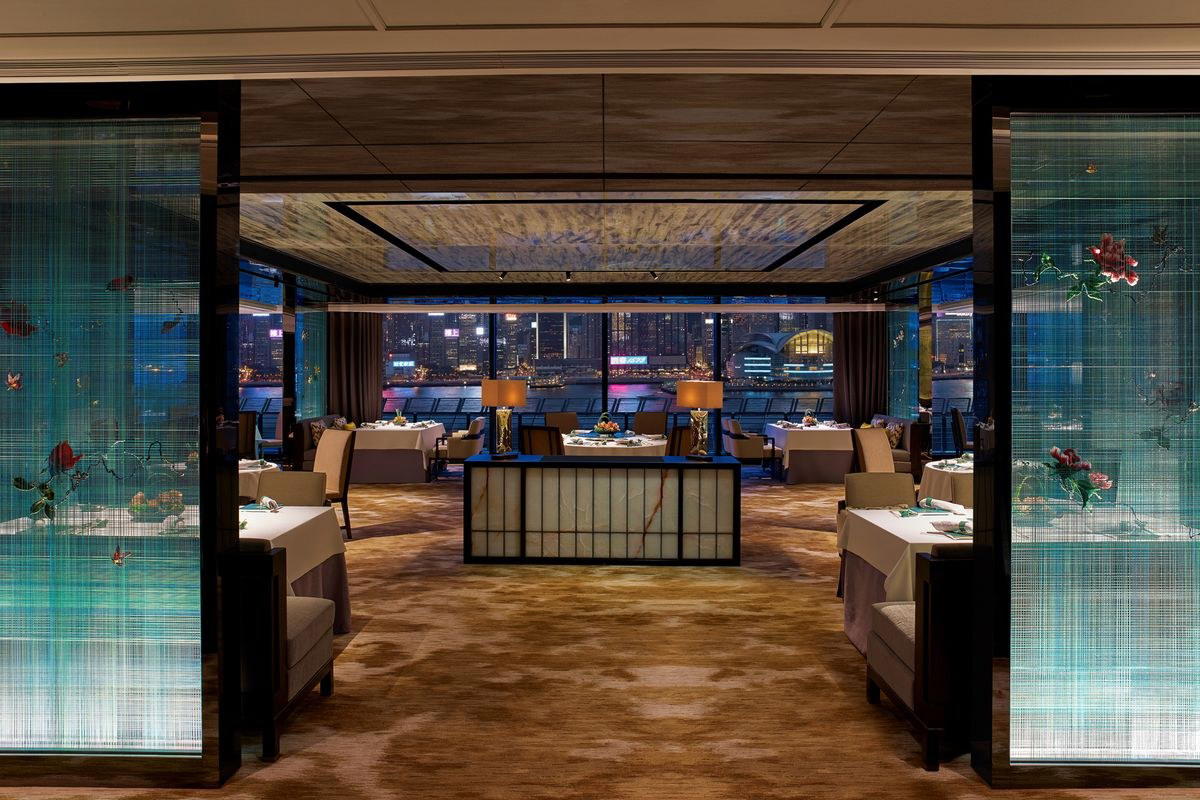
Bars in Hong Kong
Browse all →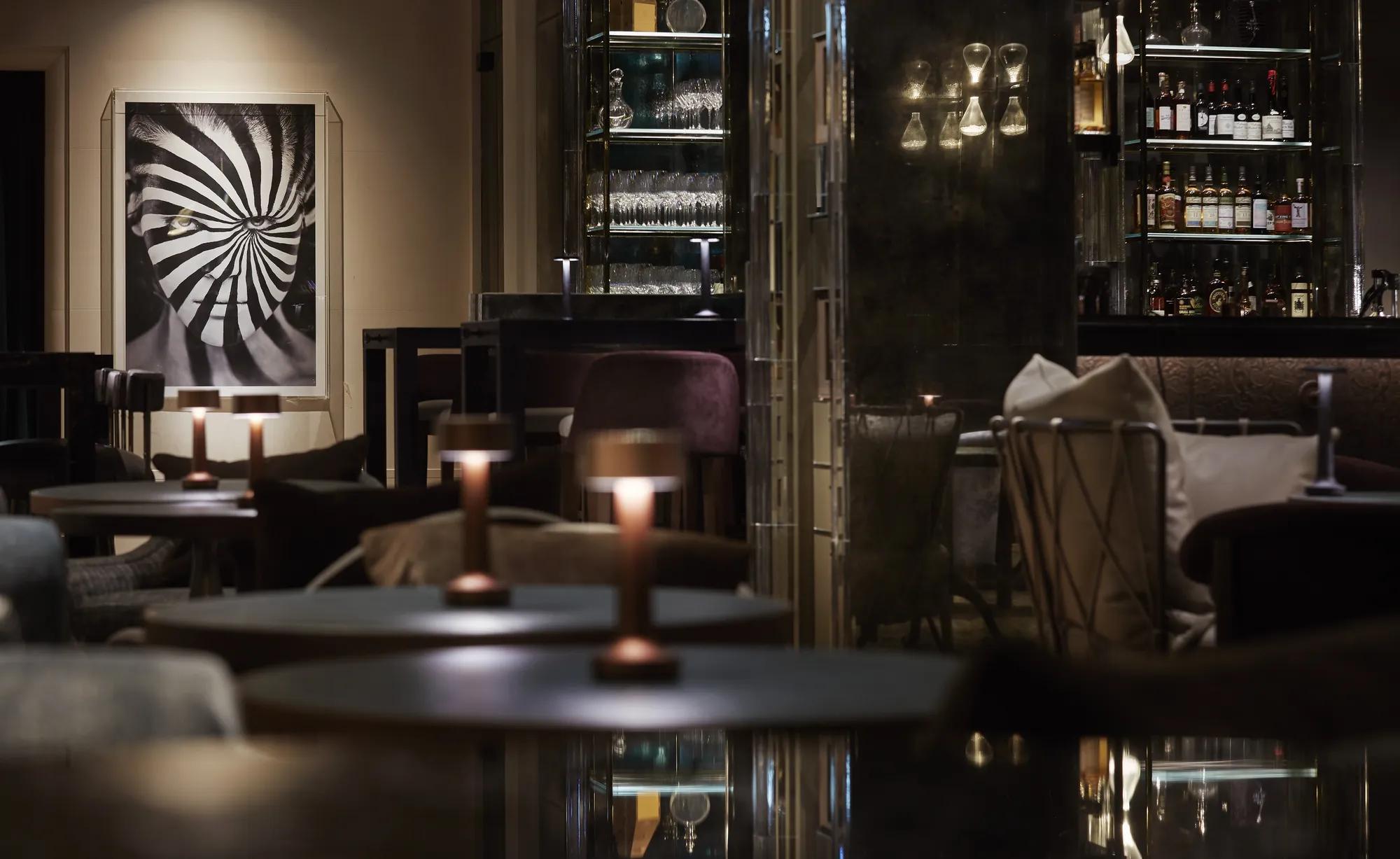
Restaurants in Hong Kong
Browse all →
At a Glance
- Elegant
- Sophisticated
- Modern
- Ornate
- Romantic Getaway
- Business Trip
- Honeymoon
- Rooftop Pool
- Panoramic View
- Butler Service
- Wi Fi
- Pool
- Spa
- Fitness Center
- Room Service
- Concierge
- Valet Parking
- Waterfront
- Skyline
- Wi Fi
- Pool
- Spa
- Fitness Center
- Room Service
- Concierge
- Valet Parking
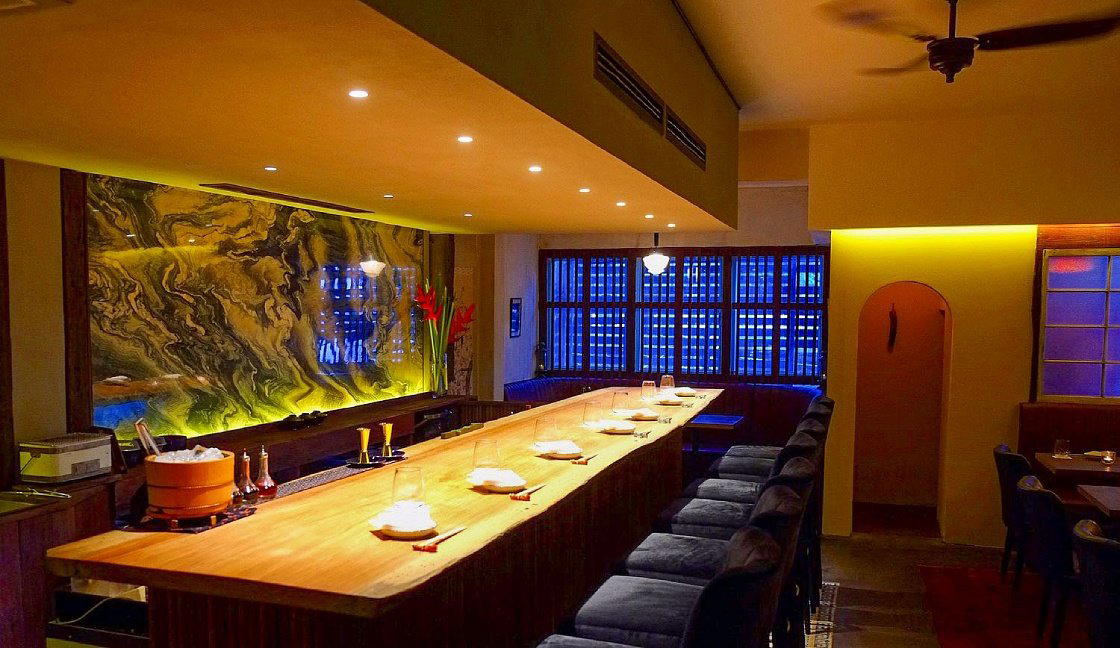
Refined and serene atmosphere with modern aesthetic, natural light from panoramic harbour views, and warm, sophisticated lighting creating an upscale and welcoming feel.