





Three Michelin stars held consecutively through 2024 and 2025, a 93-point La Liste score in 2026, and a Black Pearl 2 Diamond rating position T'ang Court among the most formally recognised Cantonese restaurants in Hong Kong. Spread across two floors of The Langham in Tsim Sha Tsui, the kitchen under Chef Tony Su works a menu anchored in classical technique, marquee ingredients, and a dim sum programme served daily.
 Discover on Pearl
Pearl is the En Primeur Club membership app — saves, bookings, and concierge access live there. Same editors, same standards.
- Address
- 1F and 2F, The Langham, 8 Peking Rd, Tsim Sha Tsui, Hong Kong
- Phone
- +852 2132 7898
- Website
- langhamhotels.com
Where Cantonese Formality Holds Its Ground
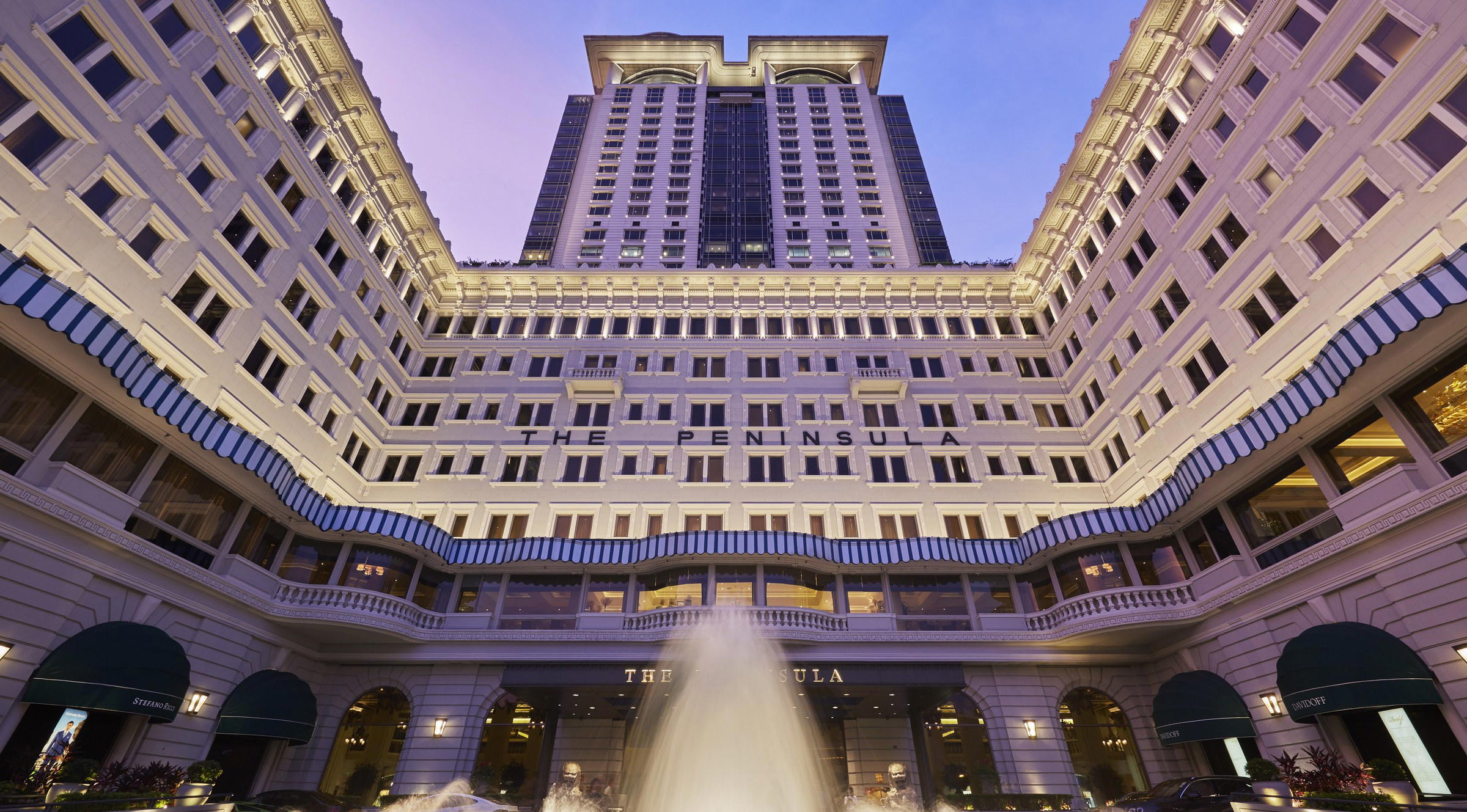
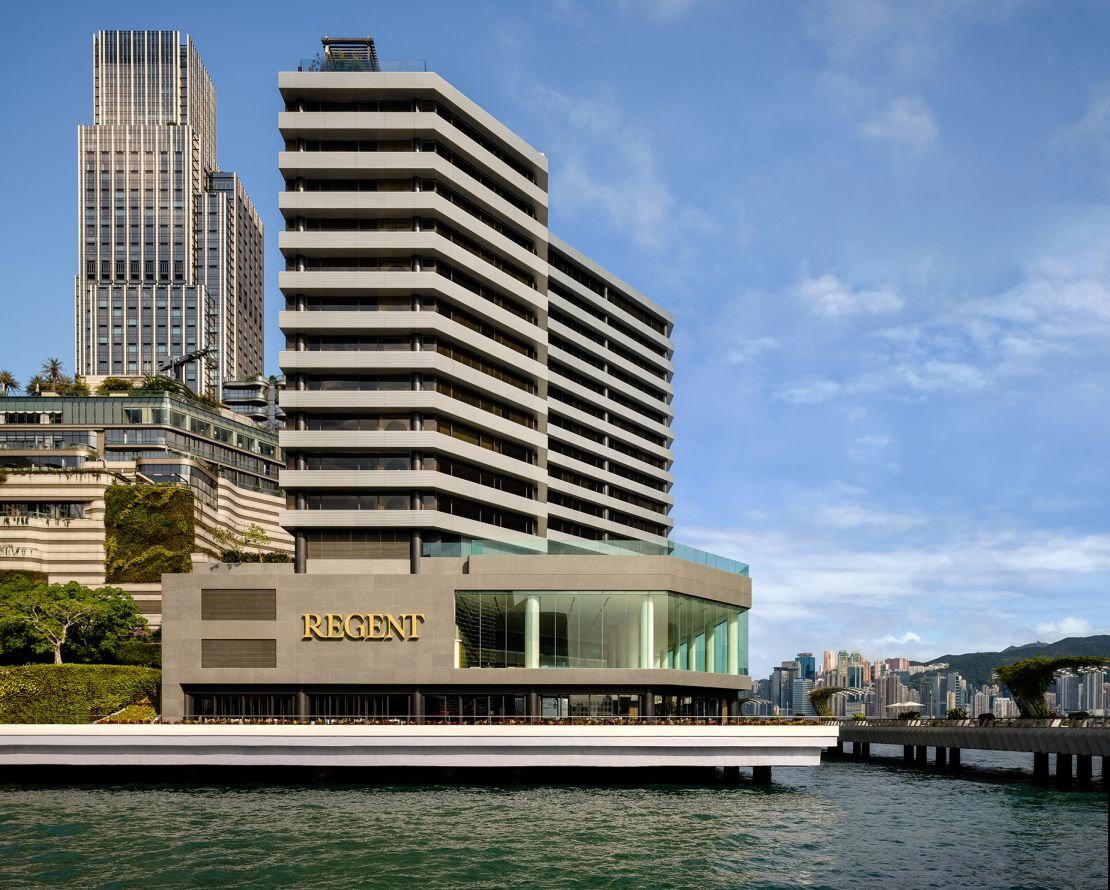
The approach to T'ang Court sets a tone before you sit down. The Langham occupies a block on Peking Road where Tsim Sha Tsui's hotel corridor meets its retail district, and the restaurant's split across the first and second floors gives it a spatial gravity that single-room venues rarely achieve. The dress code enforces this: smart-casual at a minimum. These are not arbitrary rules. They signal that T'ang Court is operating in the register of classical Cantonese fine dining, a category with distinct rules about pacing, service formality, and the weight given to ingredient provenance.
That category has contracted in Hong Kong over the past two decades. The mid-market Cantonese houses that once filled hotel basements have been replaced by casual Canto-bistros on one end and a smaller cluster of three-star operations on the other. T'ang Court sits firmly in that upper bracket, alongside peers such as Lung King Heen, Lai Ching Heen, and Tin Lung Heen. It has held three Michelin stars, and carries a Black Pearl 2 Diamond rating for 2025. The Opinionated About Dining Asia rankings placed it at 105th in 2024 and 125th in 2023, reflecting steady regional recognition across multiple independent assessment systems.
The Menu as a Record of Cantonese Technique
Classical Cantonese cooking treats ingredient quality as its primary statement. Unlike cuisines where elaborate preparation obscures the raw material, Cantonese tradition demands that the ingredient speak clearly and the technique remain largely invisible. Abalone and bird's nest appear on the T'ang Court menu not as luxury gestures but as tests of kitchen calibre: both require precise handling of delicate textures over long preparation times, and neither forgives shortcuts.
The signature dishes on record point toward the same logic. Sautéed prawns and crab roe with golden-fried pork and crab meat puffs layers shellfish preparations in a way that requires each component to be cooked to its own correct point. The crispy T'ang Court chicken is a format with deep roots in Cantonese banquet cooking, where the contrast between shatteringly thin skin and moist meat is achieved through precise temperature control and resting. The stir-fried rib eye with spring onion and wasabi moves outside the strictly traditional register, but the technique involved in wok cooking beef to the correct texture without overcooking is demanding in any context. Baked seafood rice in a crab shell represents the repertoire's more theatrical end, where presentation and flavour are asked to arrive simultaneously.
The dim sum programme is where many diners will encounter the kitchen at its most technically concentrated. Steamed shrimp and bamboo shoot dumplings require thin, translucent wrappers with enough structural integrity to hold without tearing. Pan-fried rice rolls with housemade XO sauce depend on the quality of the sauce itself, a condiment whose complexity takes days to build. Crisp fried glutinous dumplings with pork, shrimp, and leek demand a glutinous dough fried to the precise point where the exterior shatters without the interior losing its moisture.
Ingredient Ethics in a High-End Cantonese Context
Classical Cantonese fine dining has long relied on abalone and other ingredients under sustained ecological scrutiny. The presence of abalone on the T'ang Court menu is documented; shark fin is not mentioned in the record. Across Hong Kong's three-star tier, the last decade has seen a measurable shift away from shark fin, driven partly by international pressure and partly by changing preferences among younger Chinese diners. The restaurants that have maintained their top-tier status through this period, including those in T'ang Court's direct comparable set, have generally done so by deepening their work with other prestige ingredients rather than by retaining controversial ones.
Bird's nest, the other marquee ingredient listed, sits in a more complex position. The sustainability of harvested swiftlet nests varies considerably by source, with farmed house nests carrying a significantly lower ecological cost than wild cliff harvests. At the level of formal Cantonese dining that T'ang Court operates in, sourcing transparency for these ingredients is an area where the broader category has room to improve. What the kitchen's commitment to XO sauce made in-house does suggest is attention to the supply chain at the condiment level, where quality and sourcing are directly connected. For diners for whom ingredient provenance is a primary concern, these are questions worth raising with the floor staff.
The broader pattern in Hong Kong's leading Cantonese tier is a gradual renegotiation of prestige: ingredients once valued purely for rarity are being reassessed against both ecological cost and flavour contribution. T'ang Court's documented menu includes crab, prawn, rib eye, and chicken preparations alongside the marquee delicacies, which suggests a kitchen not wholly dependent on luxury ingredients to carry the menu.
The Wine Programme and Solo Dining Provisions
Hong Kong's leading Cantonese restaurants have historically run wine programmes weighted toward France, partly because Hong Kong eliminated wine duty in 2008 and became a major regional auction and retail hub almost immediately. T'ang Court's list includes Bordeaux and Burgundy, followed by Italy, Australia, and boutique American producers. The range across six continents is notable in a category where many lists stay within a Franco-centric framework. A resident sommelier is available to assist with pairings, which matters more in Cantonese dining than in many other cuisines, where multiple dishes arrive simultaneously and wine selection needs to account for the range rather than any single preparation.
Set menus designed for one or two diners address a structural issue in Chinese restaurant dining. Family-style service, where dishes are ordered in quantities designed for the table and shared, disadvantages the solo diner and the couple who cannot responsibly order the volume that showcases the kitchen. Set menus calibrated for smaller parties allow the kitchen to present a considered sequence without requiring the diner to either over-order or miss significant preparations. This is a thoughtful operational accommodation that positions T'ang Court accessibly against peers like Rùn and Forum, where group dining remains more structurally assumed.
T'ang Court in the Regional Cantonese Picture
Hong Kong's Cantonese three-star tier remains the reference point against which Cantonese fine dining elsewhere in the region is measured. Restaurants such as Jade Dragon and Chef Tam's Seasons in Macau, Le Palais in Taipei, and Summer Pavilion in Singapore operate in the same formal register, while the Shanghai scene, represented by venues including 102 House, Bao Li Xuan, Canton 8 (Huangpu), and Imperial Treasure Fine Chinese Cuisine, works within a different regulatory and ingredient-access environment. The consistency of T'ang Court's award performance across Michelin, La Liste, Black Pearl, and OAD over multiple consecutive years is precisely what distinguishes the Hong Kong tier from its regional competition: independent assessment systems with different methodologies are reaching similar conclusions.
Planning Your Visit
T'ang Court is open for dim sum lunch and Cantonese dinner all seven days of the week, which is broader availability than several of its direct competitors. The dress code applies at all services. Complimentary parking is available to diners: two hours at lunch, three hours at dinner, accessed through The Langham. The restaurant is located at 8 Peking Road, Tsim Sha Tsui, across the first and second floors of the hotel.
How T'ang Court Compares on Logistics
| Venue | Stars | Price Tier | Solo Menu | Days Open |
|---|---|---|---|---|
| T'ang Court | Michelin 3 (2025) | $$$ | Yes | 7 days |
| Lung King Heen | Michelin 3 | $$$$ | Varies | 7 days |
| Lai Ching Heen | Michelin 2 | $$$ | Varies | 7 days |
| Tin Lung Heen | Michelin 2 | $$$$ | Varies | 7 days |
Recognition Snapshot
Comparable venues nearby, for context on price, style, and recognition.
| Venue | Cuisine | Price | Awards | Notes |
|---|---|---|---|---|
| T'ang CourtThis venue — the venue you are viewing | Three Michelin-Star Cantonese | $$$$ | Michelin 3 Star | |
| Andō | Japanese-Argentinian Fusion | $$$$ | Michelin 1 Star | Central |
| Vea | Modern Chinese-French Fusion | $$$$ | Michelin 1 Star | Central |
| Tin Lung Heen | Refined Authentic Cantonese | $$$$ | Michelin 2 Star | Yau Tsim Mong South |
| WING Restaurant | Modern Chinese Fine Dining | $$$$ | Michelin Plate, World's 50 Best #2 | Central |
| Forum | High-end Cantonese | $$$$ | Michelin 3 Star | Wan Chai |
Continue exploring
More in Hong Kong
Restaurants in Hong Kong
Browse all →
Bars in Hong Kong
Browse all →
At a Glance
- Elegant
- Classic
- Opulent
- Sophisticated
- Special Occasion
- Business Dinner
- Celebration
- Hotel Restaurant
- Private Dining
- Extensive Wine List
- Sommelier Led
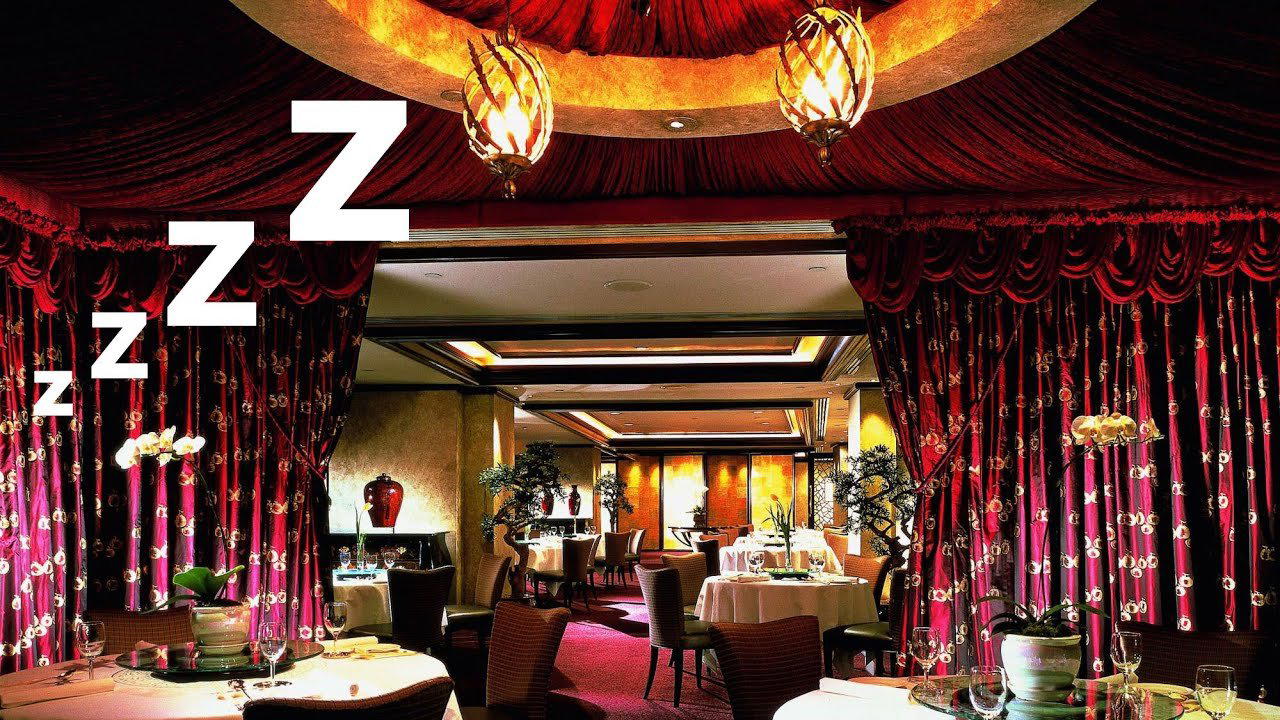
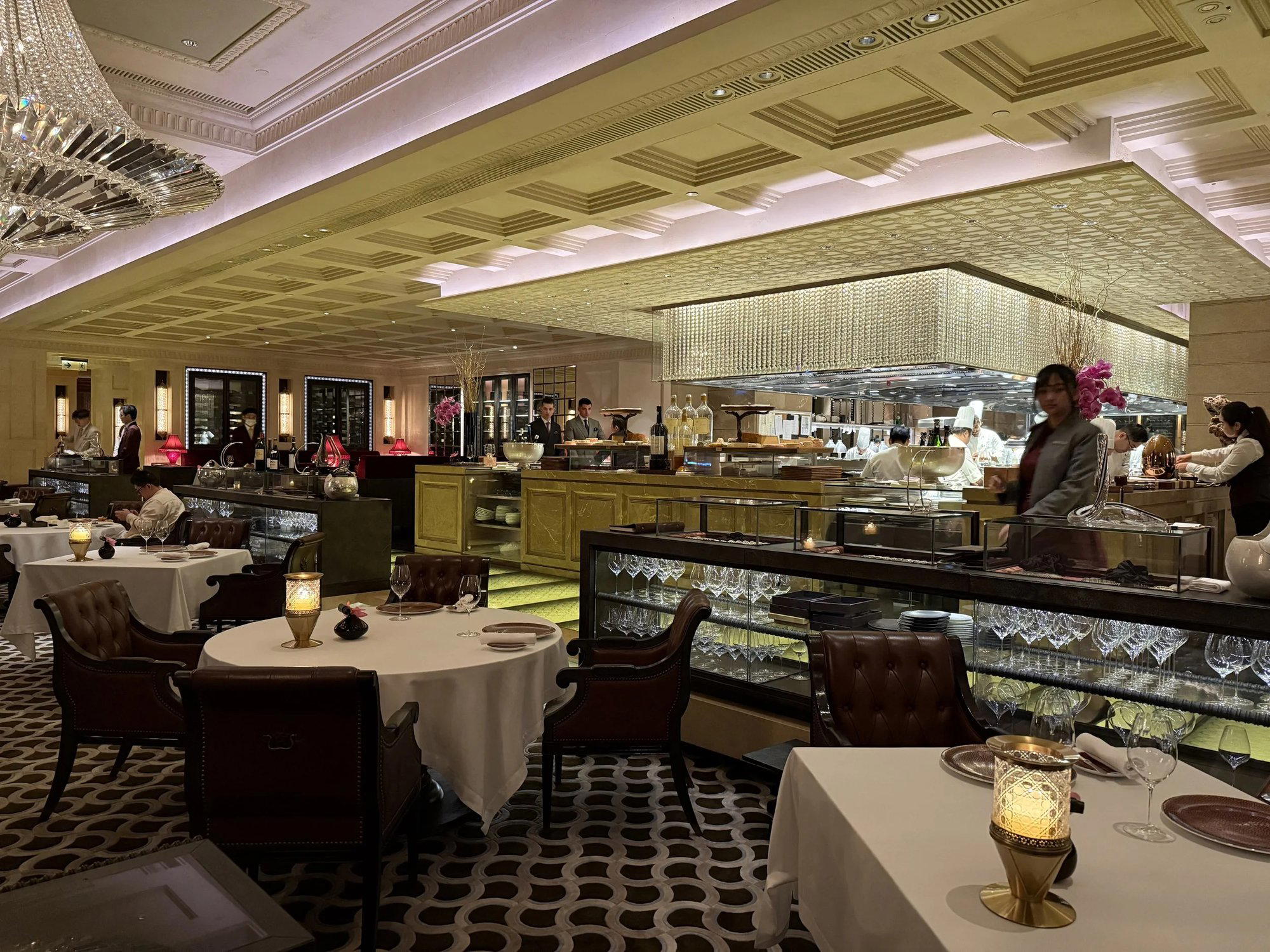
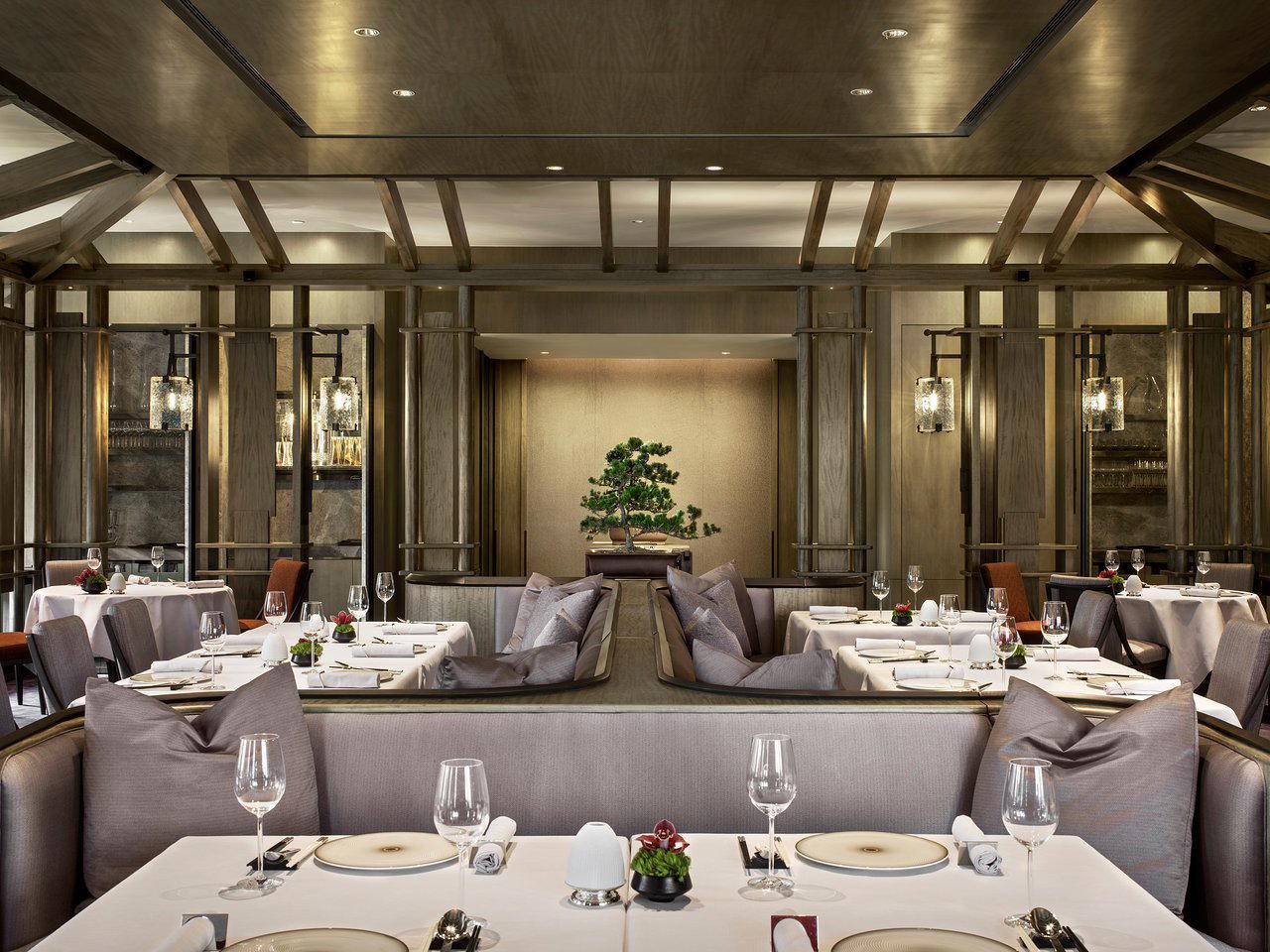
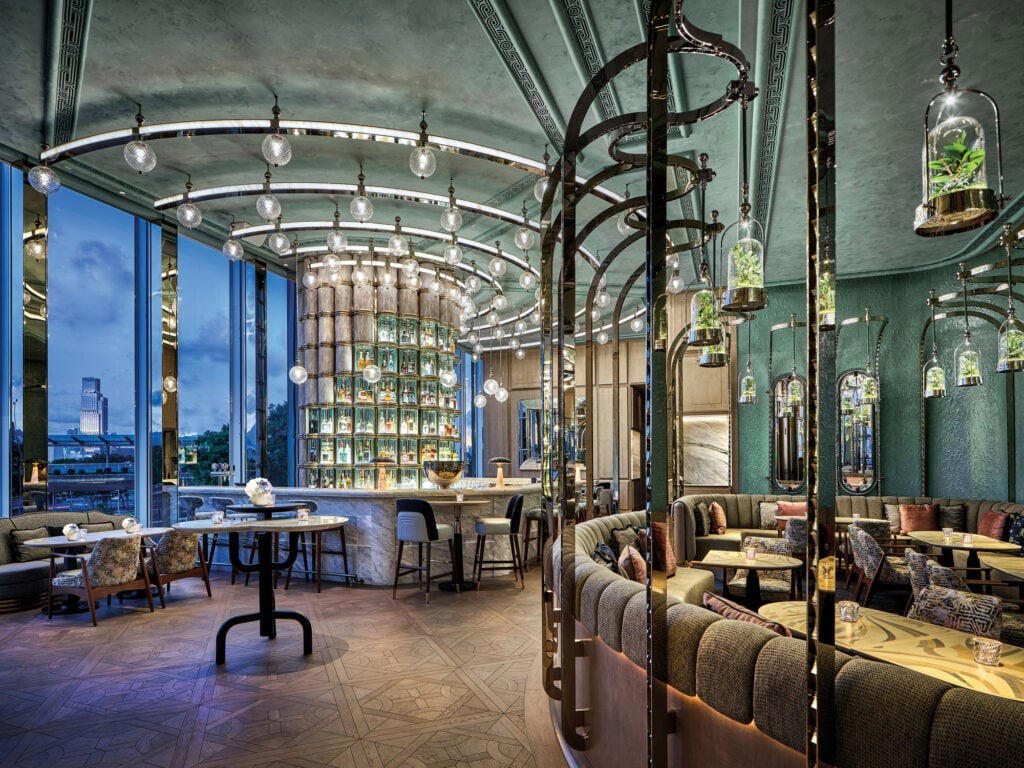
Lavish and luxurious with plush fabrics, beautifully dressed tables, thick burgundy drapes, plush carpet, and Chinese art creating an elegant, timeless atmosphere.