I Love Istanbul occupies an unusual position in Hong Kong's New Territories dining scene: a Turkish-named restaurant on the quieter residential fringes of Ma Wan, where Middle Eastern and Mediterranean culinary traditions rarely surface. Whether the kitchen delivers on that premise requires a visit, but the address alone signals a willingness to operate outside the predictable Cantonese and international circuits that define most of Tsuen Wan's restaurant offer.
Pearl is the En Primeur Club membership app — saves, bookings, and concierge access live there. Same editors, same standards.
- Address
- Ma Wan Rural Committee Rd, Ma Wan, Hong Kong
- Phone
- +85290276970
- Website
- coffeeonthesand.blogspot.com
- Directions
- Get directions
 Saves & bookings on Pearl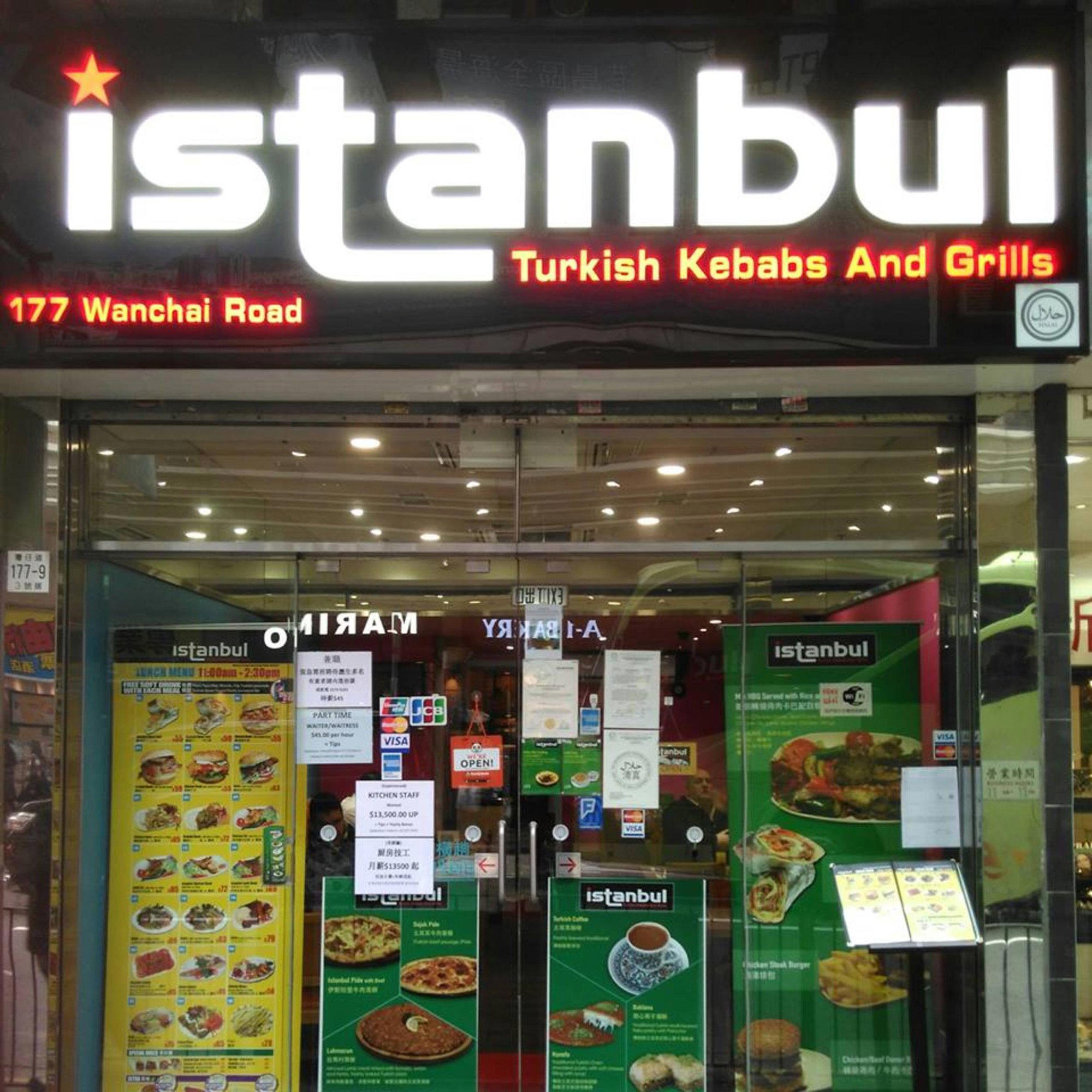
Ma Wan and the Geography of Outlier Dining
Hong Kong's restaurant conversation defaults to Central, Wan Chai, and the Tsim Sha Tsui waterfront. The New Territories, and Ma Wan in particular, operate on a different logic: a largely residential island connected to Tsuen Wan by the Tsing Ma Bridge corridor, where dining exists to serve a community rather than attract destination visitors. I Love Istanbul is a Turkish restaurant in Ma Wan, Hong Kong. Turkish and broader Eastern Mediterranean cuisine has no established footprint in the New Territories the way Cantonese, hot pot, and Southeast Asian cooking do. A restaurant carrying Istanbul in its name, at a Ma Wan address, is either a neighbourhood fixture that has found a loyal local base or a curiosity that has survived on the limited competition its geography provides. Either reading is editorially interesting.
Ma Wan operates entirely outside that ecosystem, which has consequences for what a kitchen can source, who it is cooking for, and what a reasonable expectation looks like on arrival.
Ingredient Geography and What It Means for Turkish Cooking in Hong Kong
Turkish cuisine is ingredient-dependent in many of its most recognisable forms. The depth of a proper lamb doner comes from the specific fat-to-lean ratio and spice profile of the marinade; a genuine lahmacun depends on the grind and seasoning of the meat topping; mezze like haydari and cacik lean on the quality and fat content of the yoghurt base. These are not dishes that translate cleanly when the sourcing defaults to generic supermarket supply chains.
Hong Kong's broader Middle Eastern restaurant scene, which includes venues like Habib's Indian and Middle Eastern Food in Kwun Tong, has navigated this sourcing challenge by leaning into the ingredients that travel or localise well: legumes, spiced ground meats, flatbreads, and cooked vegetable preparations that do not require highly specific provenance. The question any Eastern Mediterranean restaurant in a non-central Hong Kong location faces is whether its supply lines reach the imported Turkish staples, sumac, pul biber, and proper Turkish tea, or whether it is approximating the cuisine with regional substitutes. Neither outcome is automatically a failure, but it produces a materially different dining experience, and an honest assessment of a restaurant in this position requires acknowledging that distinction.
The address at Ma Wan Rural Committee Road places this restaurant within a community where the dining population is predominantly residential rather than tourist or business-oriented. That tends to favour value and familiarity. For reference on how New Territories dining communities build their own distinct restaurant cultures,
The Ma Wan Context: Eating Where Fewer People Are Watching
Dining on Ma Wan requires a deliberate decision. There is no foot traffic, no walk-in tourist market, and no proximity to a major transport interchange that generates casual custom. Restaurants that survive here do so because the local population returns, which is a strong operational signal.
Within the New Territories' broader restaurant ecosystem, the variety is wider than it first appears. From the seafood tradition at Sai Kung Sing Kee in Sai Kung to the Cantonese heritage cooking at Lei Garden in Sha Tin, the territories support a range of formats and cuisines that reflect how densely and diversely populated these areas have become. I Love Istanbul fits that pattern of neighbourhood specificity: a restaurant that probably means something particular to the people who live within walking distance of it, even if it does not map onto the criteria used to evaluate destination dining.
The now-closed Former Jumbo Floating Restaurant in Aberdeen is a useful reference point for thinking about how Hong Kong's more geographically eccentric dining venues build their reputations: location becomes part of the identity, and the journey to reach them becomes part of the narrative. Ma Wan carries a version of that quality, though at a far smaller scale.
Planning a Visit
I Love Istanbul sits on Ma Wan Rural Committee Road in Ma Wan, accessible via the Tsing Ma Bridge from Tsuen Wan. Given Ma Wan's island geography, driving or taking a taxi from the nearest MTR station is the practical route for most visitors; public transport to Ma Wan itself is limited. The restaurant is walk-in friendly and open daily from 11:30 AM to 9 PM, so advance contact is optional. Visitors coming from Hong Kong Island who want to combine the trip with other New Territories stops might cross-reference nearby options before committing to Ma Wan specifically.
How It Stacks Up
Comparable venues nearby, for context on price, style, and recognition.
| Venue | Cuisine | Price | Notes |
|---|---|---|---|
| I Love IstanbulThis venue — the venue you are viewing | Turkish | $$ | Not listed |
| Chin Sik | Hong Kong Cart Noodles | $$ | Tsuen Wan |
| Cuisine Cuisine 國金軒 | Cuisine Cuisine National Gold Award | Not listed | Central And Western |
| Pierre | Dining | Not listed | Central |
| Putien | Authentic Fujian Cuisine | $$ | Wan Chai |
| Sheung Hei | Cantonese Claypot Rice | $$ | Kennedy Town |
Continue exploring
More in Tsuen Wan
Restaurants in Tsuen Wan
Browse all →
Bars in Tsuen Wan
Browse all →
At a Glance
- Casual Hangout
Current opening hours
- Monday
- 11:30 AM–9 PM
- Tuesday
- 11:30 AM–9 PM
- Wednesday
- 11:30 AM–9 PM
- Thursday
- 11:30 AM–9 PM
- Friday
- 11:30 AM–9 PM
- Saturday
- 11:30 AM–9 PM
- Sunday
- 11:30 AM–9 PM
Hours can change for holidays and private events. Last verified .
Welcoming and lively Turkish dining atmosphere.