Set on the ground floor of Grand Millennium Plaza in Sheung Wan, Gaia occupies a well-established address along Queen's Road Central where Mediterranean and Italian-leaning kitchens have long drawn a loyal weekday lunch and dinner crowd. The room positions itself in the mid-to-upper tier of Central and Western's European dining scene, with a format built around sourced ingredients and a menu that shifts with seasonal produce cycles.
Pearl is the En Primeur Club membership app — saves, bookings, and concierge access live there. Same editors, same standards.
- Address
- F, Grand Millennium Plaza, 181 Queen's Road Central unit 01-05, G, Sheung Wan, Hong Kong
- Phone
- +85221678200
- Website
- gaiagroup.com.hk
- Directions
- Get directions
 Saves & bookings on Pearl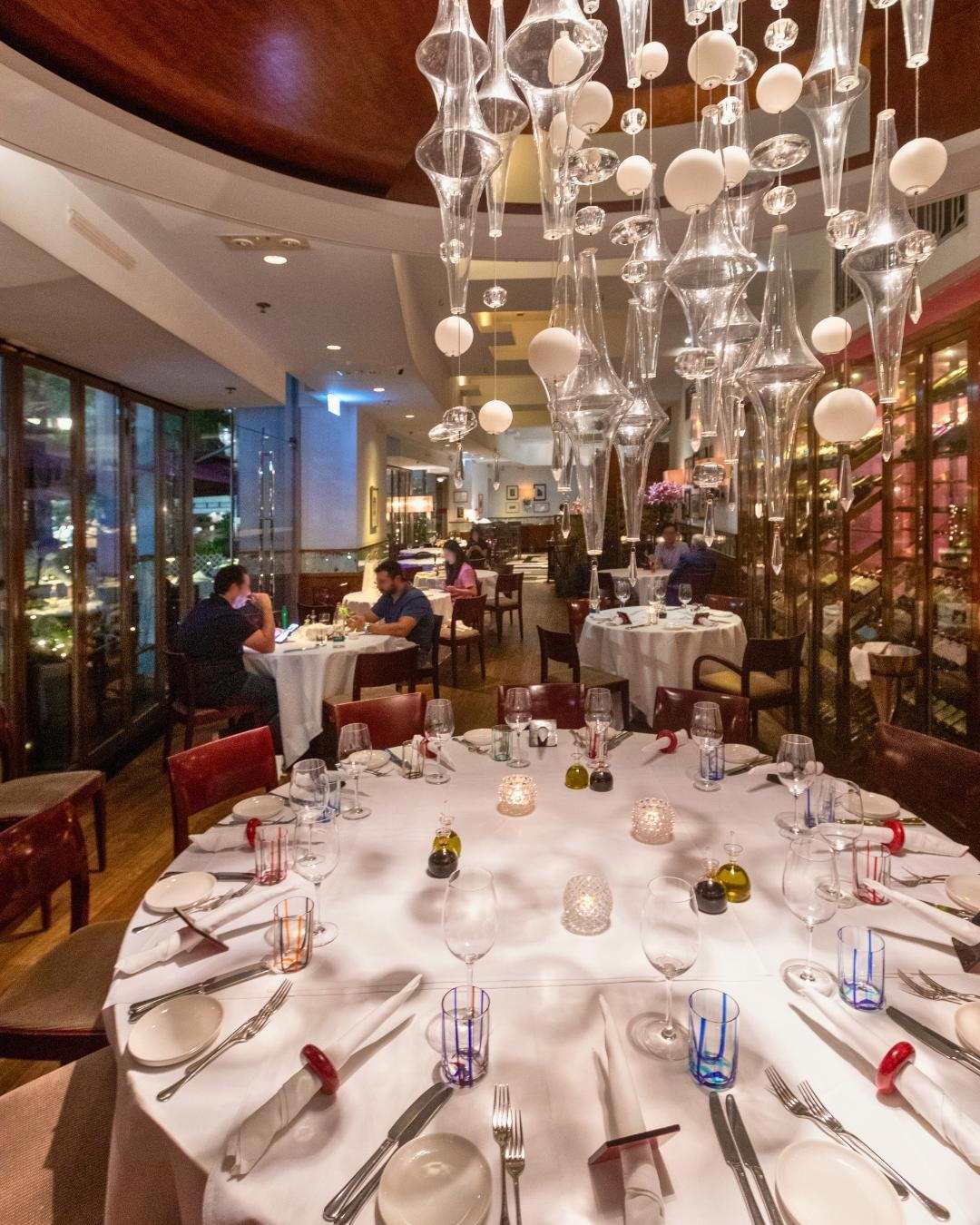
Where Queen's Road Central Meets the Mediterranean Table
Along Queen's Road Central, the stretch between Sheung Wan and Central proper has become one of Hong Kong's more interesting corridors for European-leaning dining. The buildings here mix financial-district footfall with older neighbourhood character, and the result is a restaurant scene that draws both the working lunch crowd and the kind of table that lingers over a long dinner. Gaia sits inside Grand Millennium Plaza, a commercial complex at number 181 on Queen's Road Central. The entrance has the register of a room that expects to be sought out rather than stumbled upon.
The spatial logic of restaurants in this part of Hong Kong rewards a specific kind of confidence. Unlike the theatre of a hotel dining room or the density of a Wan Chai noodle shop, the European-format restaurant in Central and Western tends to make its case through clarity: a considered wine list, service that doesn't rush the second glass, a kitchen whose sourcing decisions are visible on the plate. Gaia operates within that framework, and the address on Queen's Road places it in direct conversation with some of the district's more established European tables. For context on how the neighbourhood's restaurant offering maps across price points and formats, see our full Central And Western restaurants guide.
The Sourcing Argument at the Centre of the Menu
Across Hong Kong's upper-mid tier of European dining, ingredient provenance has become the primary differentiator. A decade ago, the selling point for a European kitchen in Central was often the chef's pedigree or the wine cellar. That calculus has shifted. Diners who regularly book at places like 8½ Otto e Mezzo BOMBANA or Amber in Hong Kong now carry expectations about where the produce originates, how far it travelled, and whether the menu acknowledges seasonality in any substantive way. A restaurant that can answer those questions concretely holds a different position from one that simply imports broadly from Europe and plates well.
Mediterranean and Italian kitchens in particular have become the category where sourcing claims are most scrutinised. The pantry items that define the cuisine, olive oil, aged cheeses, cured meats, specific varietals of tomato or legume, are either sourced with care or they're not, and a table that has eaten in southern Italy or along the Ligurian coast will usually know the difference. This is the competitive register in which Gaia operates. The menu's credibility rests not on novelty but on the integrity of the raw material and the degree to which the kitchen allows that material to carry the dish.
Hong Kong's import infrastructure makes high-quality European sourcing possible but expensive, which is why the pricing tier of a restaurant in this district often reflects sourcing ambition as much as labour or rent. Kitchens that commit to direct-import relationships with small producers, or that rotate their menu against the availability of seasonal goods from specific regions, tend to sit in a higher price bracket than those running a more generalised European menu. That positioning has its own logic: the diner paying for provenance expects it to be audible in the food.
Seasonal Timing and When to Book
The Mediterranean calendar exerts real influence on what appears at tables like Gaia's. Autumn and early winter bring the truffle season, one visible example of a product whose sourcing geography and harvest timing are entirely non-negotiable. Spring shifts the emphasis toward lighter preparations, fresh legumes, early-season vegetables from Italian and Spanish growing regions. Summer menus in this category tend to lean on preserved and cured products alongside whatever fresh produce holds up under Hong Kong's humidity.
For visitors planning around a specific season, the autumn-to-winter window is generally when European-sourced menus in this tier are at their most expressive. The city's dining rhythm in November and December also tends to generate higher demand, so booking ahead carries more weight than it does in, say, February or July. The restaurant is located at Grand Millennium Plaza, 181 Queen's Road Central, accessible from the Sheung Wan MTR exit and within comfortable walking distance of the Central business district. Given the address and the format, the room draws a mix of finance-sector regulars at lunch and a broader evening crowd that includes tourists and long-term residents who treat this part of the island as their home neighbourhood.
For comparison, nearby options in the district span a wide range of formats and cuisines. Aaharn offers Thai cooking at a refined level, while AMMO takes a different approach to the European dining format in the area. Bayi and cafe TOO extend the neighbourhood's range into Chinese and international all-day formats respectively, which gives some sense of the breadth of dining options within a few minutes' walk.
How Gaia Sits in the Wider Hong Kong Picture
Hong Kong's restaurant scene distributes its European fine dining unevenly. Central and Wan Chai hold a strong concentration of European tables, with a smaller cluster in Tsim Sha Tsui across the harbour. Within that geography, the Italian and Mediterranean segment is well-represented but genuinely competitive: a restaurant in this category is measured against a comparable set that includes long-established names with significant investment behind them. The fact that Gaia holds a position in this part of Queen's Road Central signals a certain durability in its offer.
Beyond Central and Western, Hong Kong's dining range extends in directions that have little in common with the European table. Block 18 Doggie's Noodle in Yau Tsim Mong represents the kind of hyper-specific Cantonese specialisation that defines much of the city's non-fine-dining scene. Lei Garden in Sha Tin and Enchanted Garden Restaurant in Islands show how Chinese cooking extends across the territory in forms that have nothing to do with the Central dining cluster. Further afield, Le Bernardin in New York City and Lazy Bear in San Francisco offer reference points for how ingredient-led European cooking operates in other major cities, which is useful context for understanding where Hong Kong's European dining sits in an international frame. Comparisons to Former Jumbo Floating Restaurant in Aberdeen or Le Salon de Thé de Joël Robuchon Hong Kong (ifc mall) in Central further illustrate how diverse the city's offer is across format and price tier.
Elsewhere across Hong Kong's districts, places like Chin Sik in Tsuen Wan, Habib's Indian and Middle Eastern Food in Kwun Tong, Hoi Tin Garden in Tuen Mun, and King Of Soybeans in Wong Tai Sin reflect the geographic spread of the city's food culture well beyond the Central corridor, a reminder that the island's most prominent dining addresses are only one part of a much larger picture.
Practical Notes for Planning Your Visit
Gaia is located at units 01 to 05, G/F, Grand Millennium Plaza, 181 Queen's Road Central, Sheung Wan. The Sheung Wan MTR station provides direct public transport access. For a European-format dinner in this neighbourhood, booking in advance is recommended, particularly for tables of four or more on a Friday or Saturday evening. Lunch on weekdays tends to be more accessible, though the financial district proximity means midday slots fill quickly.
City Peers
Comparable venues nearby, for context on price, style, and recognition.
| Venue | Cuisine | Price | Notes |
|---|---|---|---|
| GaiaThis venue — the venue you are viewing | Modern Italian Trattoria | $$$ | Not listed |
| Dragon Academy HK | Modern Cantonese Noodles & Dim Sum | $$$ | Central |
| AMMO | Italian-Japanese Fusion with Contemporary European Influence | $$$ | Admiralty |
| Fiata Pizza | Authentic Neapolitan Pizza | $$ | Central |
Continue exploring
More in Central And Western
Restaurants in Central And Western
Browse all →
Bars in Central And Western
Browse all →
At a Glance
- Elegant
- Romantic
- Intimate
- Sophisticated
- Date Night
- Business Dinner
- Special Occasion
- Private Dining
- Terrace
- Extensive Wine List
- Street Scene
- Garden
Current opening hours
- Monday
- 12 PM–12 AM
- Tuesday
- 12 PM–12 AM
- Wednesday
- 12 PM–12 AM
- Thursday
- 12 PM–12 AM
- Friday
- 12 PM–12 AM
- Saturday
- 12 PM–12 AM
- Sunday
- 12 PM–12 AM
Hours can change for holidays and private events. Last verified .
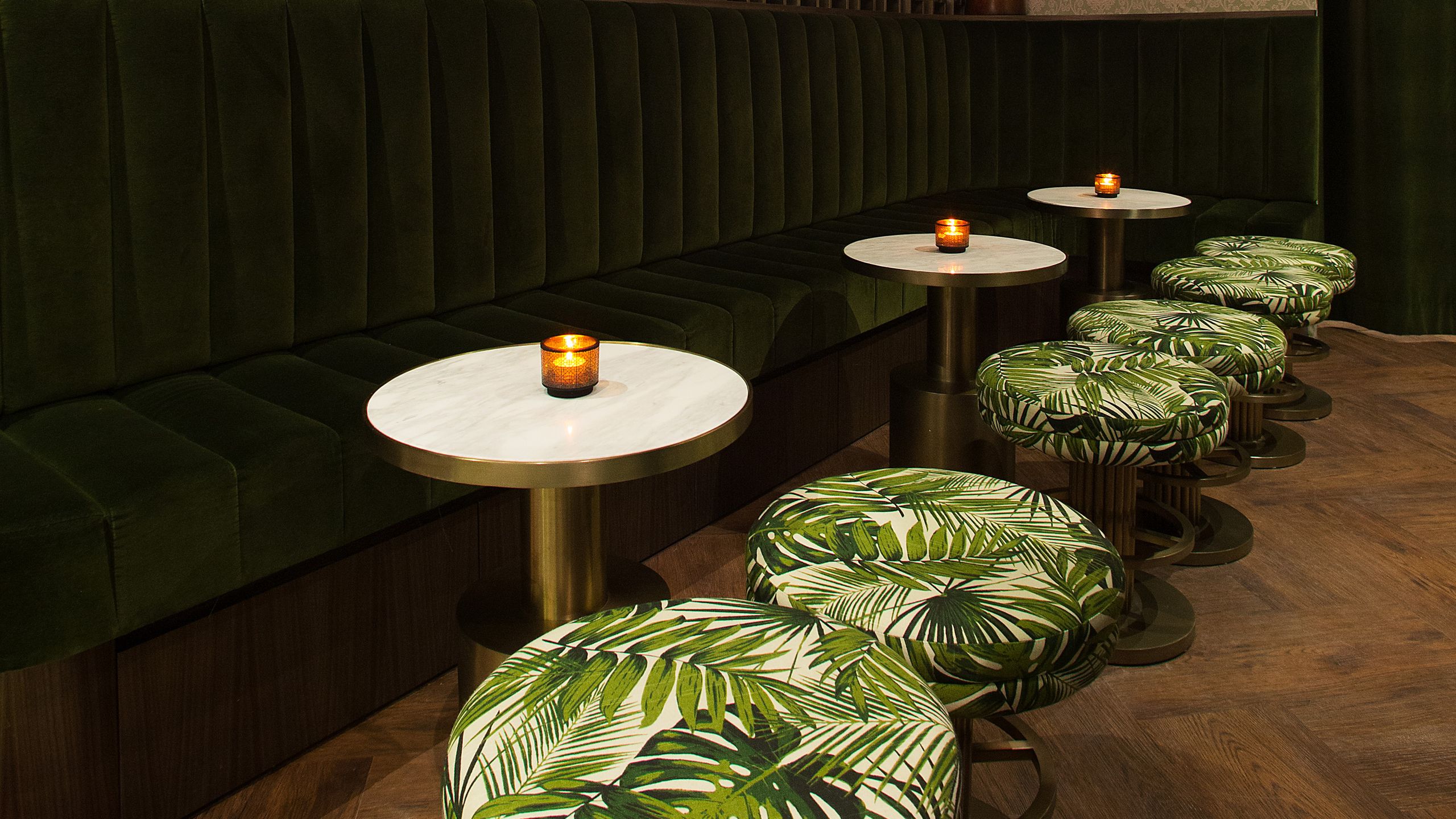
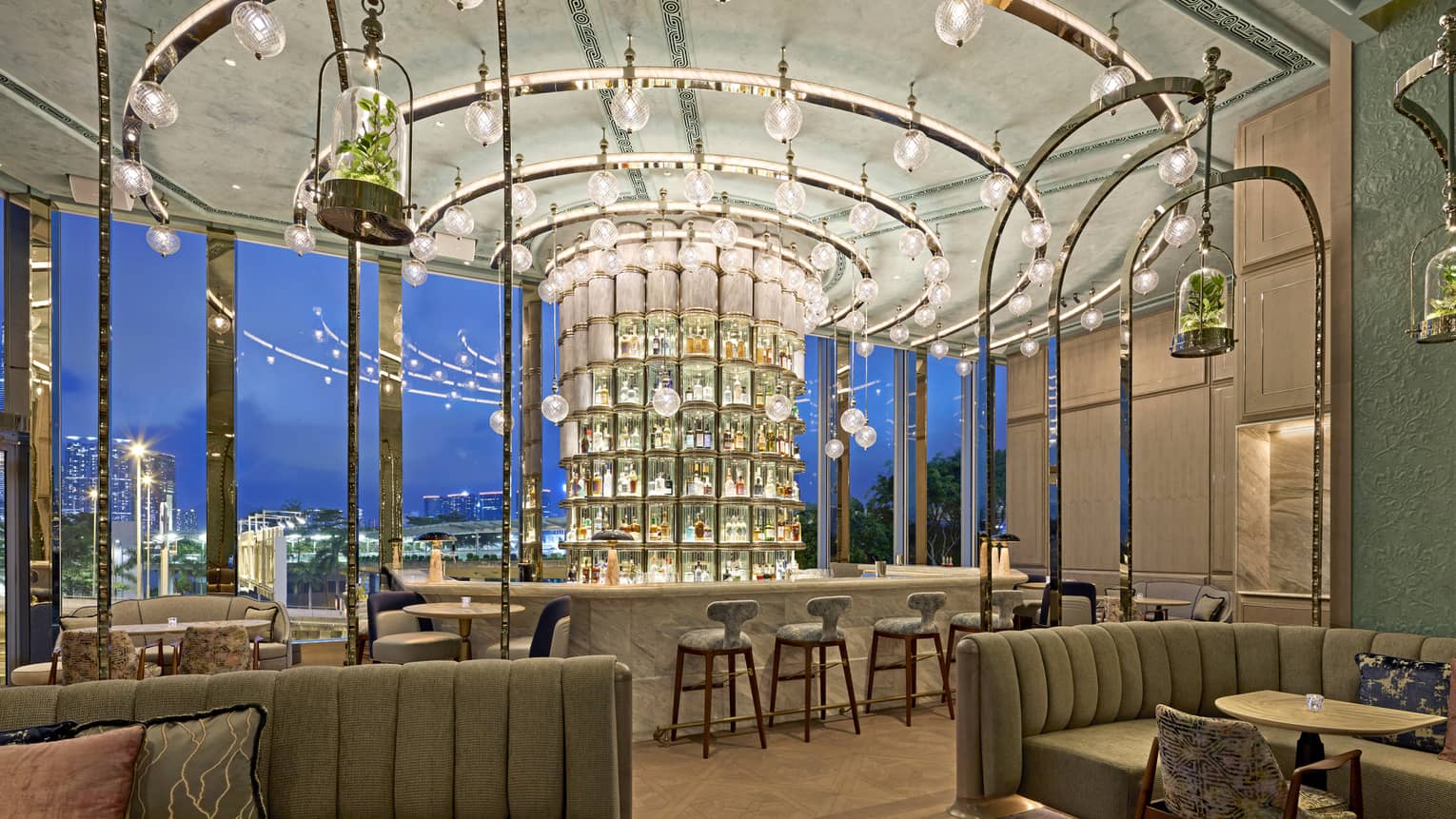
Glamorous and intimate with lush outdoor piazza views, modern trattoria-style interior, and fairy lights creating a laidback Roman charm.