Carat Fine Indian and Mediterranean Cuisine
On the fourth floor of a Tsim Sha Tsui commercial building, Carat Fine Indian and Mediterranean Cuisine sits at an intersection that remains underexplored in Hong Kong's dining scene: the overlap between South Asian and Mediterranean cooking traditions. The Prat Avenue address places it steps from the district's hotel corridor, giving it access to an international clientele without the cover-charge theatrics of the waterfront venues nearby.
Pearl is the En Primeur Club membership app — saves, bookings, and concierge access live there. Same editors, same standards.
- Address
- 4F, Winfield Commercial Building, 6-8A Prat Ave, Tsim Sha Tsui, Hong Kong
- Phone
- +85223913929
- Website
- caratrestaurant.com
- Directions
- Get directions
 Saves & bookings on Pearl
Prat Avenue and the Logic of Tsim Sha Tsui's Upper Floors
Tsim Sha Tsui has always operated on two levels, literally and commercially. Street-level Nathan Road draws the crowds; the floors above belong to a different kind of operator. The fourth floor of Winfield Commercial Building on Prat Avenue places Carat Fine Indian and Mediterranean Cuisine in a category common to Hong Kong's mid-tier dining scene: restaurants that trade foot traffic for lower overheads and a more deliberate clientele. In a neighbourhood where the ground floor goes to fast fashion and bubble tea chains, climbing four flights tends to filter the room. The guests who arrive at Carat have generally made a decision, not a spontaneous detour.
Prat Avenue itself runs parallel to Salisbury Road, one block north of the Tsim Sha Tsui waterfront promenade. The street is bookended by international hotel brands, which means the surrounding lunch and dinner trade skews heavily toward business travel and extended-stay visitors. For a restaurant combining Indian and Mediterranean cooking, that geography matters: both cuisines carry strong recognition among a globally mobile dining public, and the combination sits closer to the international hotel-restaurant idiom than to the hyper-local Cantonese dining that defines so much of the neighbourhood's identity.
Where This Combination Sits in Hong Kong's Dining Pattern
Hong Kong's Indian restaurant scene is geographically concentrated, with the bulk of established operators clustered in Tsim Sha Tsui and the Chungking Mansions corridor on Nathan Road. The latter operates at the budget end, with single-cuisine South Asian cooking at street-price points. Moving up the register, restaurants adding Mediterranean elements to an Indian base are positioning against that budget cluster while also competing with the neighbourhood's mid-range international hotel dining rooms. That is a narrow but serviceable niche in a district with a high proportion of first-generation expatriates and international visitors who prefer familiar flavour profiles.
For comparison, the South Asian-leaning dining at Habib's Indian and Middle Eastern Food in Kwun Tong operates in a working district with different foot-traffic dynamics. The Tsim Sha Tsui context at Carat draws from hotel guests, Peninsula-area office workers, and the Kowloon side's sizeable South Asian resident community. Those three audiences have different price expectations and different dish preferences, which may explain why a combined Indian and Mediterranean offer can sustain itself here more naturally than it might elsewhere in the territory.
Within Yau Tsim Mong itself, the restaurant sits in contrast to the neighbourhood's dominant formats. Budaoweng Hotpot Cuisine and Block 18 Doggie's Noodle represent the Cantonese and northern Chinese cooking that form the backbone of dining in this district. Ebeneezer's Kebabs and Pizzeria occupies a different segment of the international-food market, at a lower price point and with a sharper fast-casual identity. Carat's positioning between these poles, combining a finer-dining format with two distinct non-Cantonese traditions, gives it a differentiated position in the local restaurant mix. See our full Yau Tsim Mong restaurants guide for a broader overview of how the district's dining scene is structured.
The Dual-Cuisine Format and What It Implies
Indian and Mediterranean cooking share certain structural DNA that makes the combination less of a stretch than it might appear on paper. Both traditions rely heavily on spice layering, slow-cooked proteins, bread as a primary vehicle, and dairy-based sauces in various forms. The spice grammar differs considerably, but the approach to building depth is recognisably parallel. Restaurants that pair these two traditions are usually making a claim about refinement over authenticity: the goal is rarely to present either cuisine in its most technically precise regional form, but to find a register where both traditions are legible to an international audience.
This is a format that appears more frequently in cities with large transient populations, where a shared meal needs to satisfy guests from multiple cultural backgrounds simultaneously. The approach trades regional specificity for accessibility, which in Hong Kong's Tsim Sha Tsui context is a commercially rational strategy. Across Hong Kong island, restaurants like Amber in Hong Kong and AMMO in Central and Western demonstrate that international-fusion formats can sustain long-term operations when they're anchored to a specific neighbourhood logic and a consistent clientele, rather than simply casting wide.
Planning a Visit
Carat Fine Indian and Mediterranean Cuisine operates on the fourth floor of Winfield Commercial Building at 6-8A Prat Avenue, Tsim Sha Tsui. The address is 4F, Winfield Commercial Building, 6-8A Prat Ave, Tsim Sha Tsui, Hong Kong. Because Prat Avenue is a quieter side street rather than a main arterial road, first-time visitors may find the building more easily by orienting from the intersection with Carnarvon Road.
Reservations are recommended, and the restaurant is open daily from 12 to 11 PM. For context on how value scales across the wider Hong Kong dining scene, the range extends from street-level formats like Coconut Soup in Yau Tsim Mong to full-service fine dining at properties like Le Salon de Thé de Joël Robuchon in Central.
The Essentials
Comparable venues nearby, for context on price, style, and recognition.
| Venue | Cuisine | Price | Notes |
|---|---|---|---|
| Carat Fine Indian and Mediterranean CuisineThis venue — the venue you are viewing | Not listed | $$ | Not listed |
| Budaoweng Hotpot Cuisine | Not listed | $$ | Yau Tsim Mong, Chinese Hotpot with Seafood |
| Ichiran | Yau Tsim Mong, Tonkotsu Ramen | $$ | Not listed |
| Block 18 Doggie's Noodle | Yau Tsim Mong, Hong Kong Street Noodles | $ | Not listed |
| Paper Moon | Not listed | $$$ | Tsim Sha Tsui, Authentic Italian with Milanese influences |
| Coconut Soup | Not listed | $ | Mong Kok, Hainan Coconut Chicken Hotpot & Soups |
Continue exploring
More in Yau Tsim Mong
Restaurants in Yau Tsim Mong
Browse all →
Bars in Yau Tsim Mong
Browse all →
At a Glance
- Elegant
- Cozy
- Lively
- Date Night
- Family
- Group Dining
- Open Kitchen
- Terrace
- Craft Cocktails
- Street Scene
Current opening hours
- Monday
- 12–11 PM
- Tuesday
- 12–11 PM
- Wednesday
- 12–11 PM
- Thursday
- 12–11 PM
- Friday
- 12–11 PM
- Saturday
- 12–11 PM
- Sunday
- 12–11 PM
Hours can change for holidays and private events. Last verified .
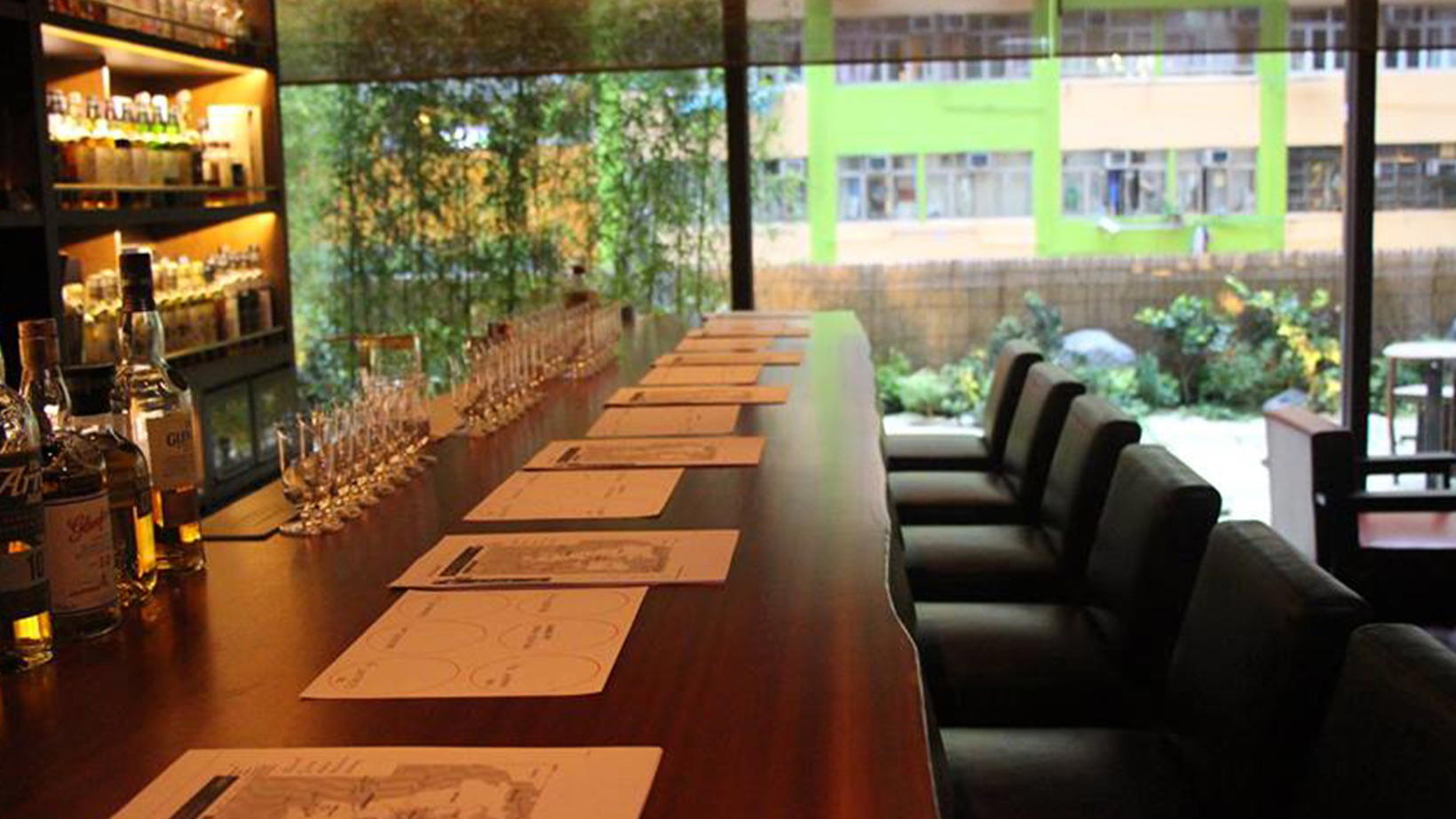
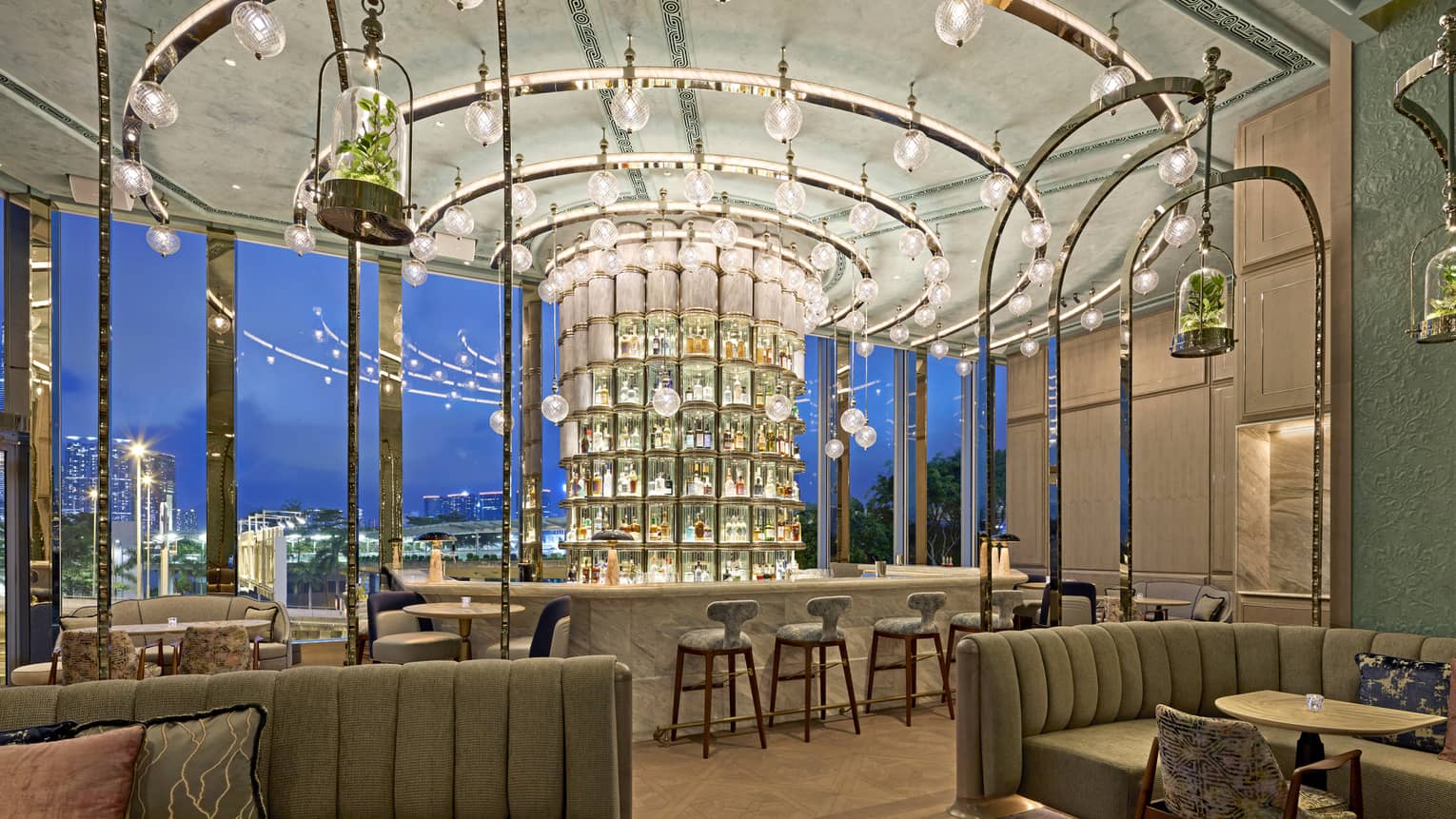
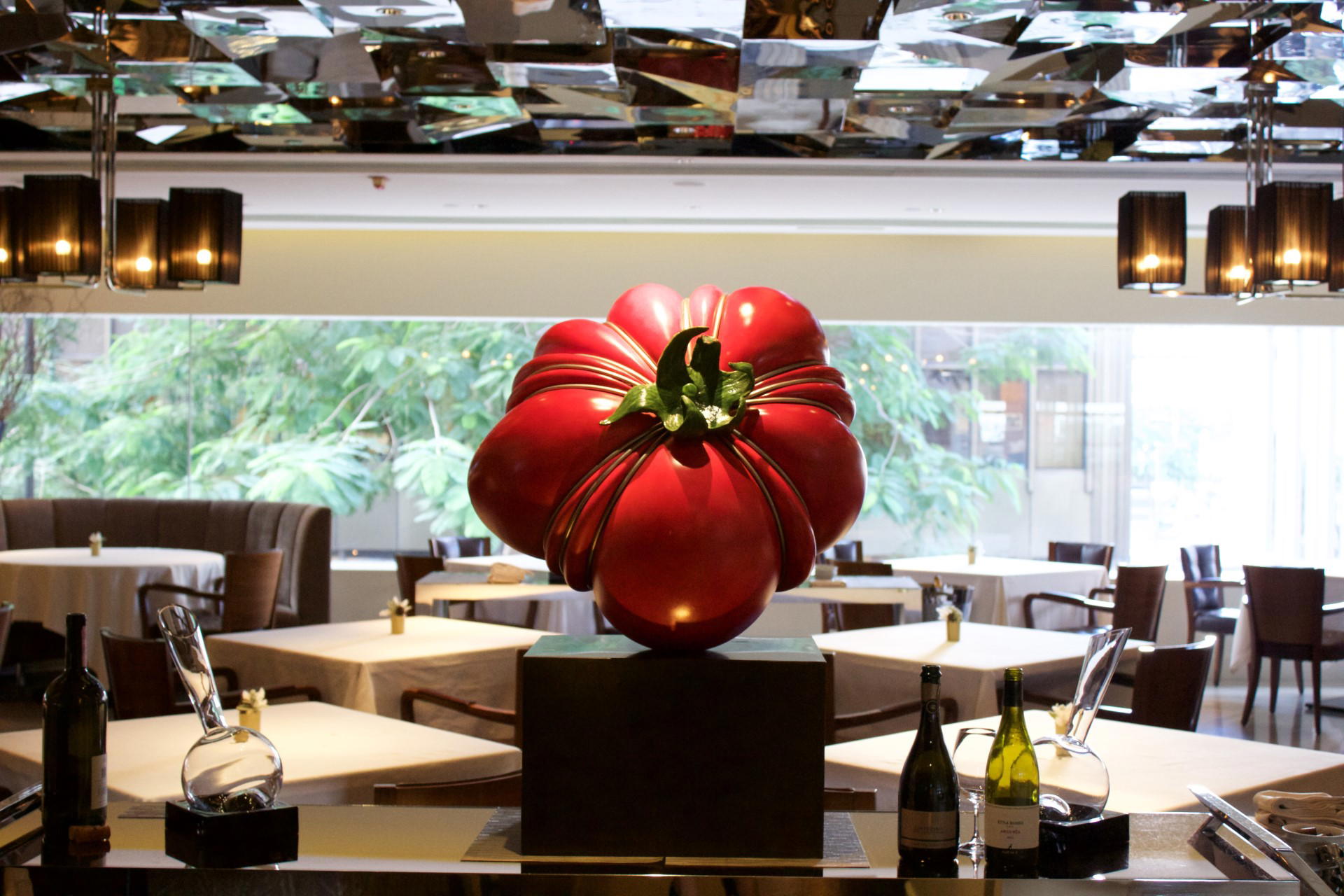
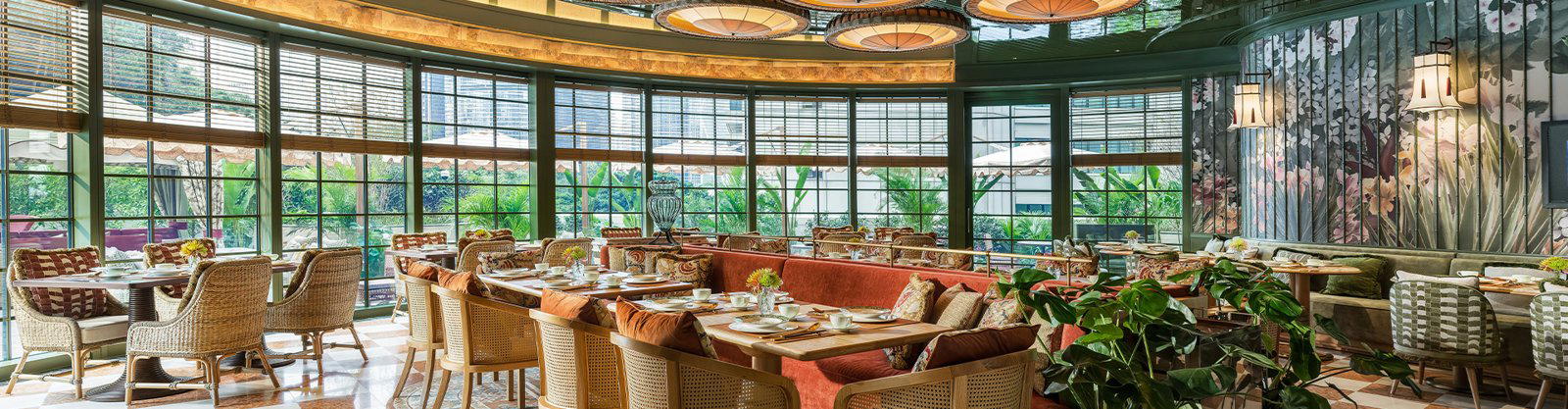
Elegant and cozy with great vibes, open kitchen, and a beautiful terrace like a secret garden.