Lei Garden in Sha Tin's New Town Plaza has long anchored Cantonese dining in Hong Kong's New Territories, drawing families and serious dim sum regulars to a room where the food does the talking. Part of the established Lei Garden group, it represents the kind of ingredient-forward Cantonese cooking that prioritises produce quality over theatrical presentation. Plan ahead: weekend services fill early and the dining room moves at pace.
Pearl is the En Primeur Club membership app — saves, bookings, and concierge access live there. Same editors, same standards.
- Address
- Shop 633, New Town Plaza, Sha Tin, Hong Kong
- Phone
- +85226989111
- Website
- leigarden.com.hk
- Directions
- Get directions
 Saves & bookings on Pearl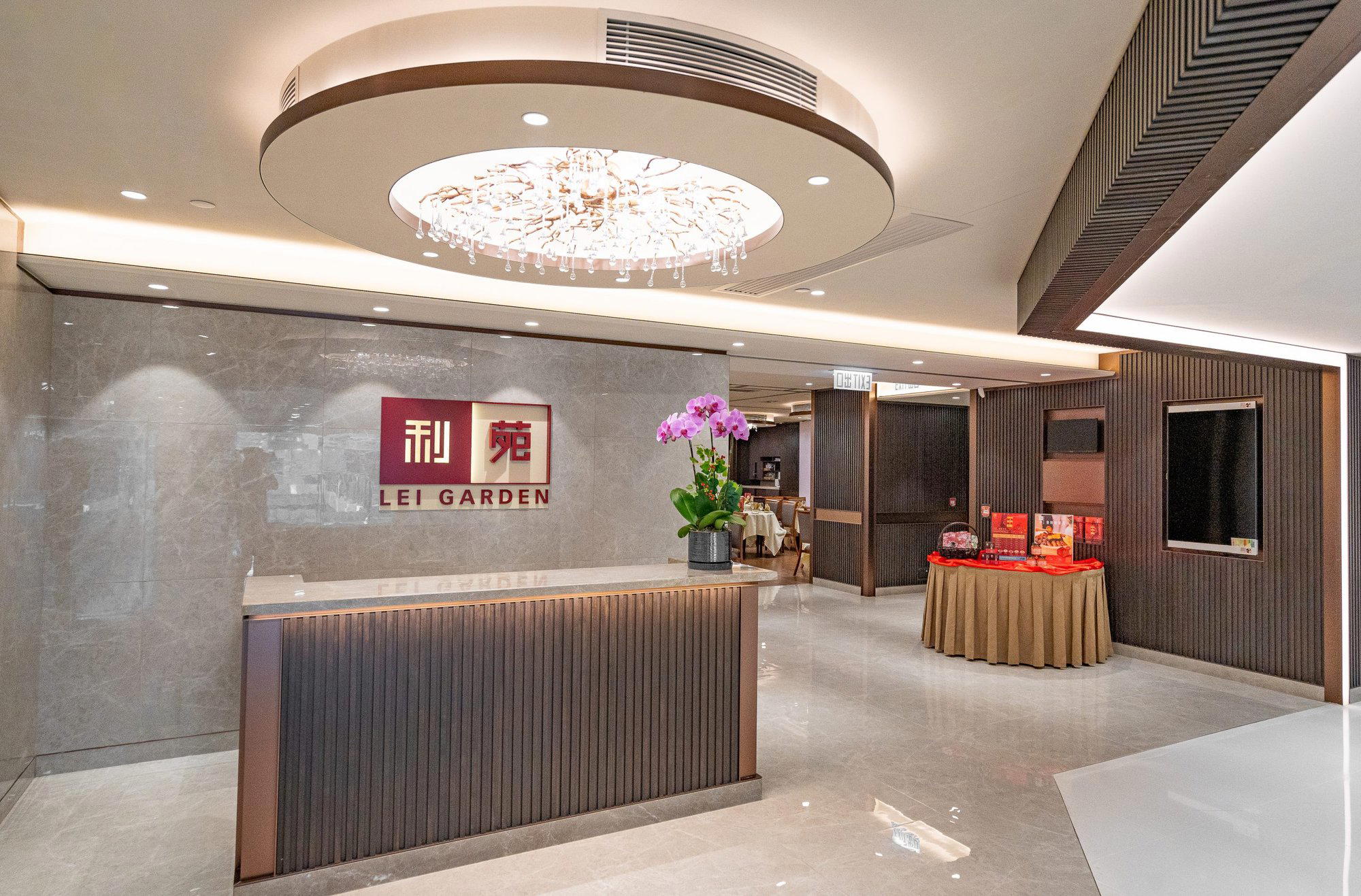
Cantonese Cooking in the New Territories: What Sha Tin Expects
Hong Kong's dining conversation tends to default to Central, Wan Chai, or Tsim Sha Tsui, where Michelin inspectors and expense accounts concentrate. But the New Territories tell a different story about how the city actually eats. Sha Tin, one of the largest of the new towns developed from the 1970s onwards, built a substantial middle-class population that demanded serious Cantonese cooking without the Island's premium pricing. The result is a district where quality is measured against daily expectation rather than special-occasion aspiration. Lei Garden, positioned inside New Town Plaza at Shop 633, occupies exactly that register: a full-service Traditional Cantonese restaurant where the room is busy on weekday lunchtimes and the weekend dim sum service requires forward planning.
The Lei Garden group operates across multiple Hong Kong districts and across the border into mainland China, which places the Sha Tin branch inside a larger network with shared sourcing standards rather than a single standalone kitchen. For diners, that network matters: group-level Cantonese restaurants of this tier typically maintain procurement relationships with specific suppliers for live seafood, roasted meats, and the seasonal produce that defines the menu's rhythm. This is not the kind of operation that improvises its ingredient pipeline.
Ingredient Sourcing and the Logic Behind Cantonese Priorities
Cantonese cuisine's reputation for respecting the natural character of ingredients is not accidental. The tradition developed in a province with access to the South China Sea, fertile river deltas, and a subtropical climate that produces vegetables and fruits across most of the year. The cooking philosophy that emerged from that geography prizes freshness over transformation: live tanks for shellfish and fish, same-day poultry, and seasonal vegetables cooked briefly to preserve texture. A Cantonese kitchen that cannot source well is a kitchen that cannot cook well, and this is understood at every level of the tradition from dai pai dong to banquet hall.
Within the Lei Garden group, sourcing has historically been a point of differentiation from lower-tier competitors. The Sha Tin branch participates in the same kitchen culture and procurement logic, even if it sits in a more everyday commercial context than, say, a flagship IFC location.
Contrast this with the approach at high-concept destination restaurants elsewhere in Hong Kong's dining spectrum. At 8 1/2 Otto e Mezzo Bombana (Hong Kong), or at Gaia in Central and Western, the sourcing narrative leans on European imports and prestige labels. Cantonese fine dining works differently: the premium is in the quality of live seafood and the exactness of roasting and steaming technique, not in ingredients flown from abroad. Lei Garden operates squarely within that Cantonese logic.
The Sha Tin Setting: New Town Plaza and What It Signals
Shopping mall dining in Hong Kong carries none of the stigma it might in a Western context. New Town Plaza is one of the territory's major regional malls, connected directly to Sha Tin MTR station and functioning as a civic hub for the district. A restaurant of the restaurant's standing choosing this location is making a deliberate statement about accessibility and volume: it wants to serve the Sha Tin population regularly, not position itself as a destination requiring effort to reach. The MTR connection makes it easy to reach from Kowloon and, via the East Rail Line, from across the New Territories.
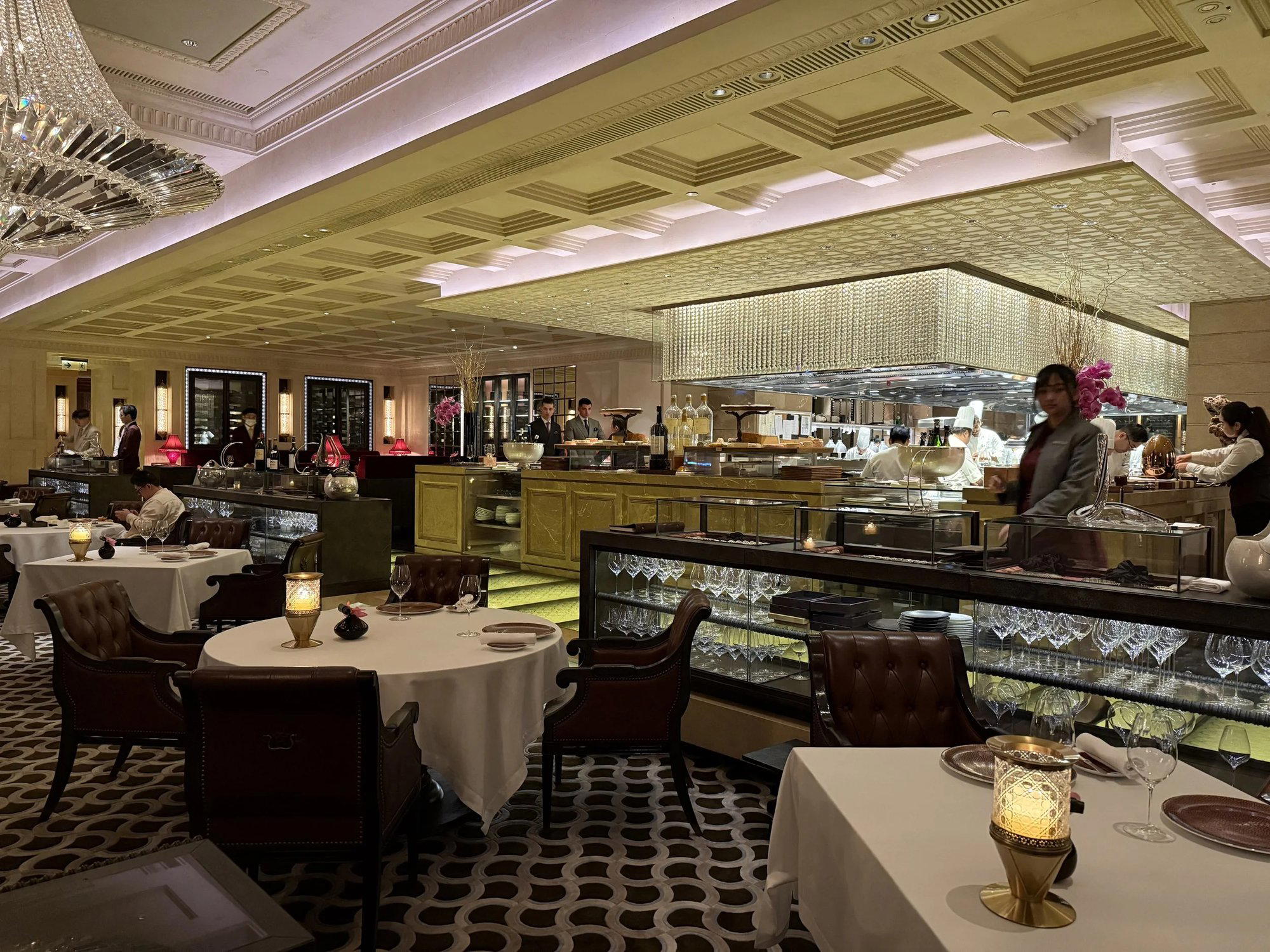
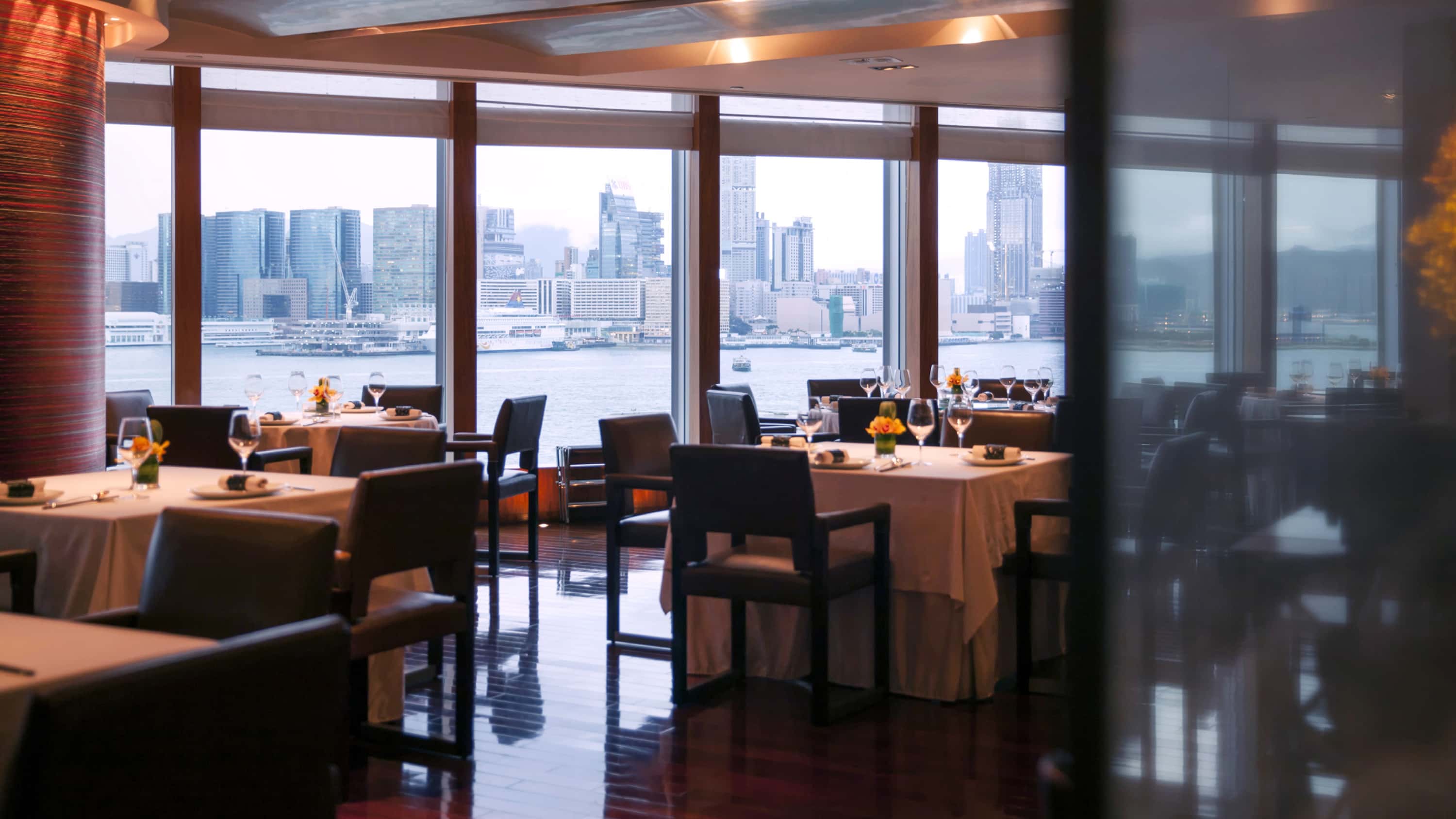
That accessibility shapes the dining room's character. The restaurant Sha Tin is a family restaurant in the broadest sense: it serves dim sum to multi-generational groups at round tables on weekend mornings, and it serves evening banquet-style meals for the occasions that mark Hong Kong family life. The room is functional rather than atmospheric in the design-led sense that hotel dining rooms pursue. What it delivers instead is reliability and scale: the ability to feed large groups Cantonese cooking that meets a consistent standard.
Sha Tin is more varied than its shopping-mall image suggests, with pockets of specialist cooking that reward exploration. Elsewhere in the New Territories and outer districts, places like Hoi Tin Garden in Tuen Mun and Sai Kung Sing Kee in Sai Kung represent different regional takes on everyday Hong Kong cooking worth understanding in context.
Positioning in Hong Kong's Cantonese Middle Tier
Hong Kong's Cantonese restaurant market is broadly stratified into three tiers: the Michelin-starred or near-starred fine dining rooms that compete for the same corporate and luxury tourist spend as European-cuisine rivals; the strong middle tier of established group restaurants that serve serious cooking at prices the city's middle class uses regularly; and a large base of casual, fast-turnover operations. The restaurant operates in that middle tier, where competition is dense and reputation is built on repeat custom rather than first-visit spectacle.
This is a different competitive frame from the one that defines, internationally, restaurants like Le Bernardin in New York City or Alain Ducasse at Louis XV in Monte Carlo, where a single visit is often the entire relationship between diner and restaurant. The middle-tier Cantonese model is built on frequency: the same families returning monthly for dim sum, the same companies booking for seasonal banquets. The restaurant's reputation in Sha Tin accrues through that repetition rather than through critical set pieces.
That distinction is worth understanding before booking. A diner arriving with expectations calibrated to the destination-dining experiences listed on international best-restaurant rankings will find the restaurant a different kind of proposition entirely. But a diner who wants to eat well within a Cantonese tradition that prioritises produce quality and technical execution at a price point that reflects real-life Hong Kong dining will find the group's track record a reasonable guide to what is on the plate.
Planning Your Visit
The restaurant Sha Tin sits at Shop 633, New Town Plaza, and is direct to reach via the East Rail Line to Sha Tin station, which connects directly into the mall complex. Weekend dim sum service is the highest-demand period, and the room fills in the mid-morning window; arriving early or booking ahead is advisable. The evening service tends to run more smoothly for walk-ins on weeknights. As with most Cantonese restaurants operating in the mall format, the dress code is relaxed and the room welcomes children without reservation. Coconut Soup in Yau Tsim Mong, King of Soybeans in Wong Tai Sin, or One-ThirtyOne in Tai Po for a sense of how widely the city's eating habits range beyond the tourist map.
A Quick Peer Check
Comparable venues nearby, for context on price, style, and recognition.
| Venue | Cuisine | Price | Notes |
|---|---|---|---|
| Lei GardenThis venue — the venue you are viewing | Traditional Cantonese | $$$ | Not listed |
| The Chinese Restaurant | Traditional Hong Kong Dim Sum | $$$ | Yau Tsim Mong |
| The Royal Garden Chinese Restaurant | Authentic Cantonese | $$$ | Yau Tsim Mong South |
| Lu Feng LF Peak Kitchen | Cantonese Dim Sum | $$$ | Central |
| Lee Lo Mei | Modern Cantonese Fusion | $$$ | Central |
| Tasty Congee & Noodle Wantun Shop | Traditional Cantonese Congee & Wonton Noodles | $$ | Wan Chai |



At a Glance
- Elegant
- Sophisticated
- Special Occasion
Current opening hours
- Monday
- 11:30 AM–3 PM, 6–11 PM
- Tuesday
- 11:30 AM–3 PM, 6–11 PM
- Wednesday
- 11:30 AM–3 PM, 6–11 PM
- Thursday
- 11:30 AM–3 PM, 6–11 PM
- Friday
- 11:30 AM–3 PM, 5:30–11 PM
- Saturday
- 11:30 AM–3 PM, 5:30–11 PM
- Sunday
- 11:30 AM–3 PM, 5:30–11 PM
Hours can change for holidays and private events. Last verified .
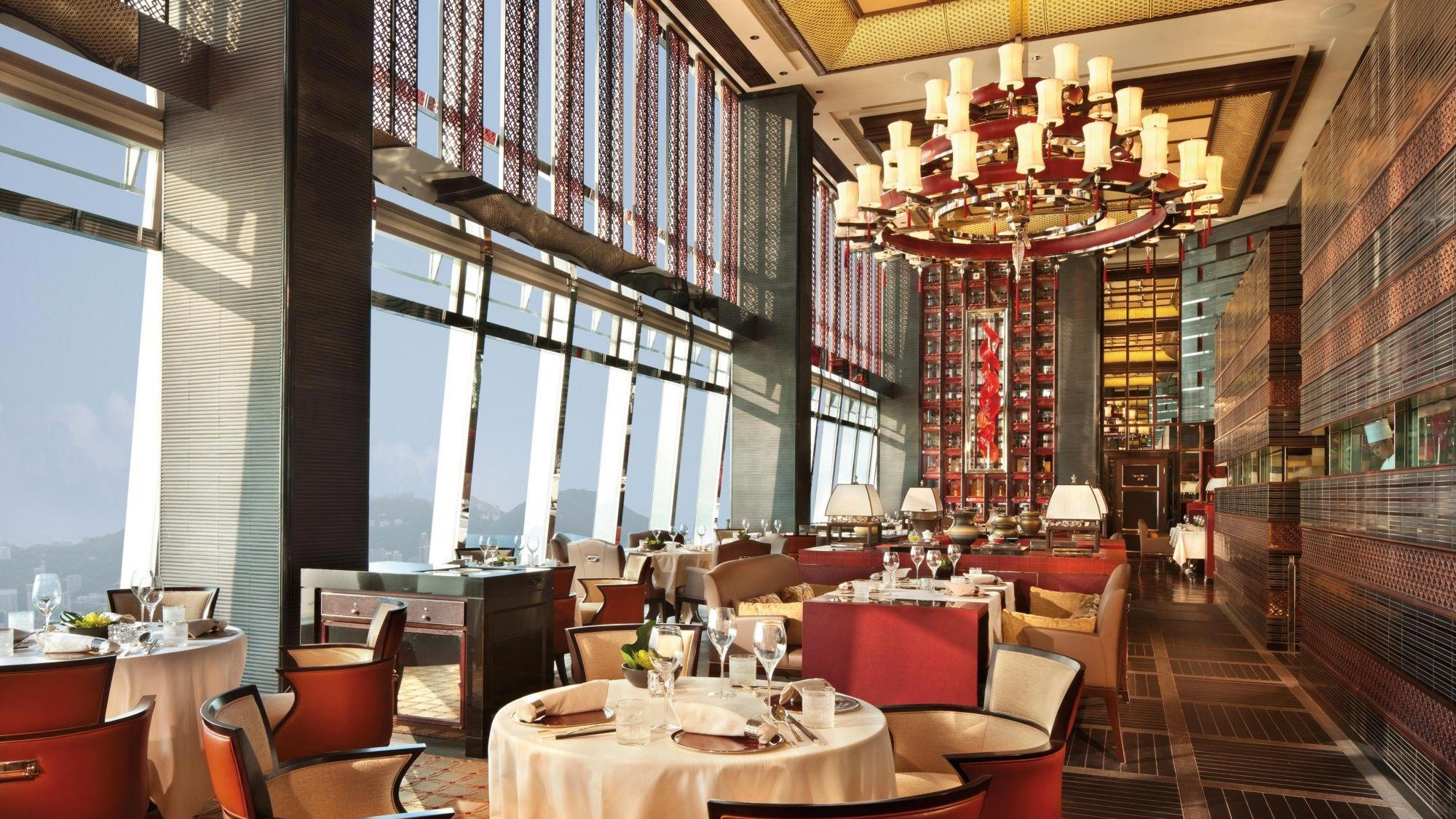
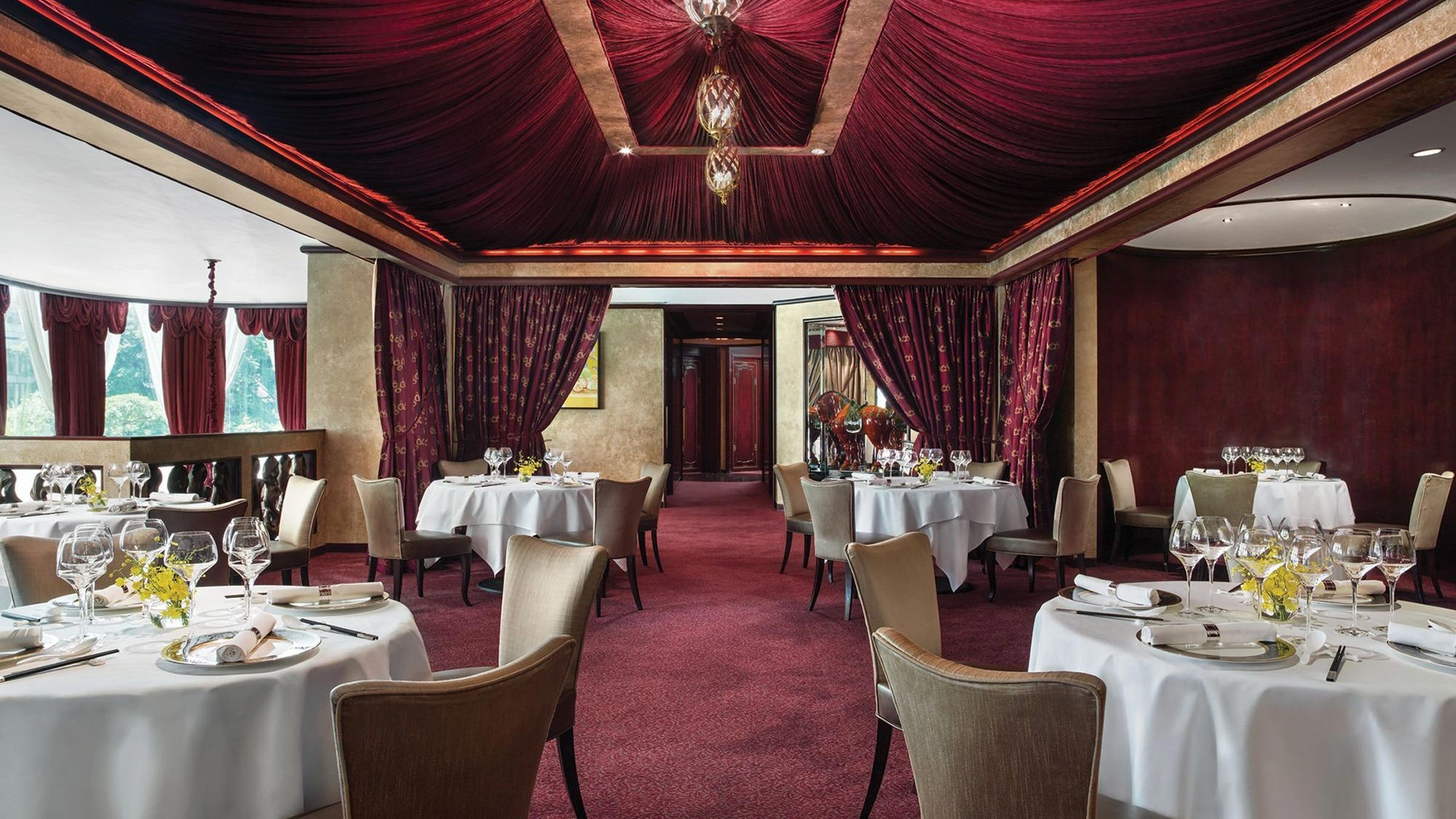
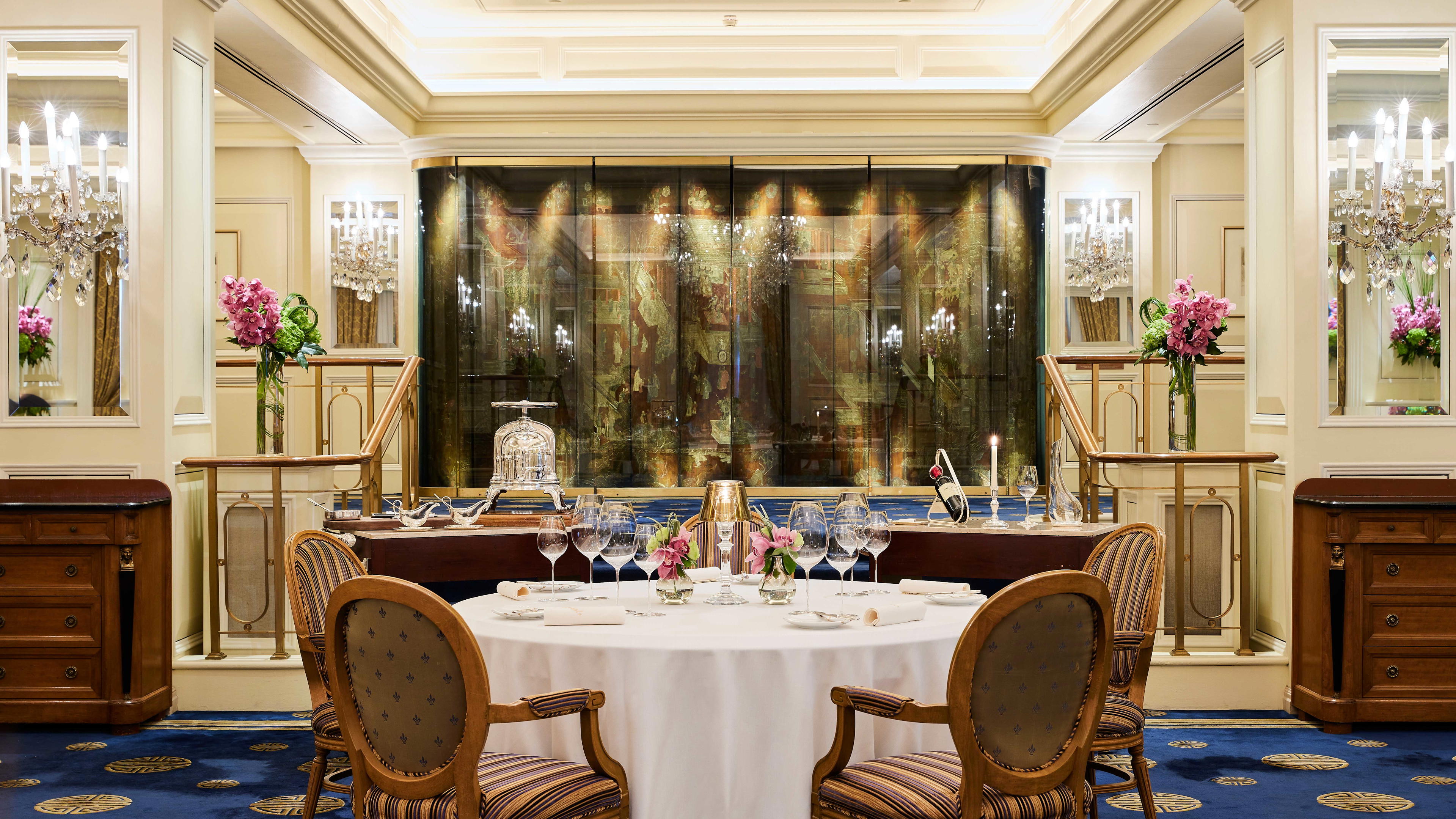
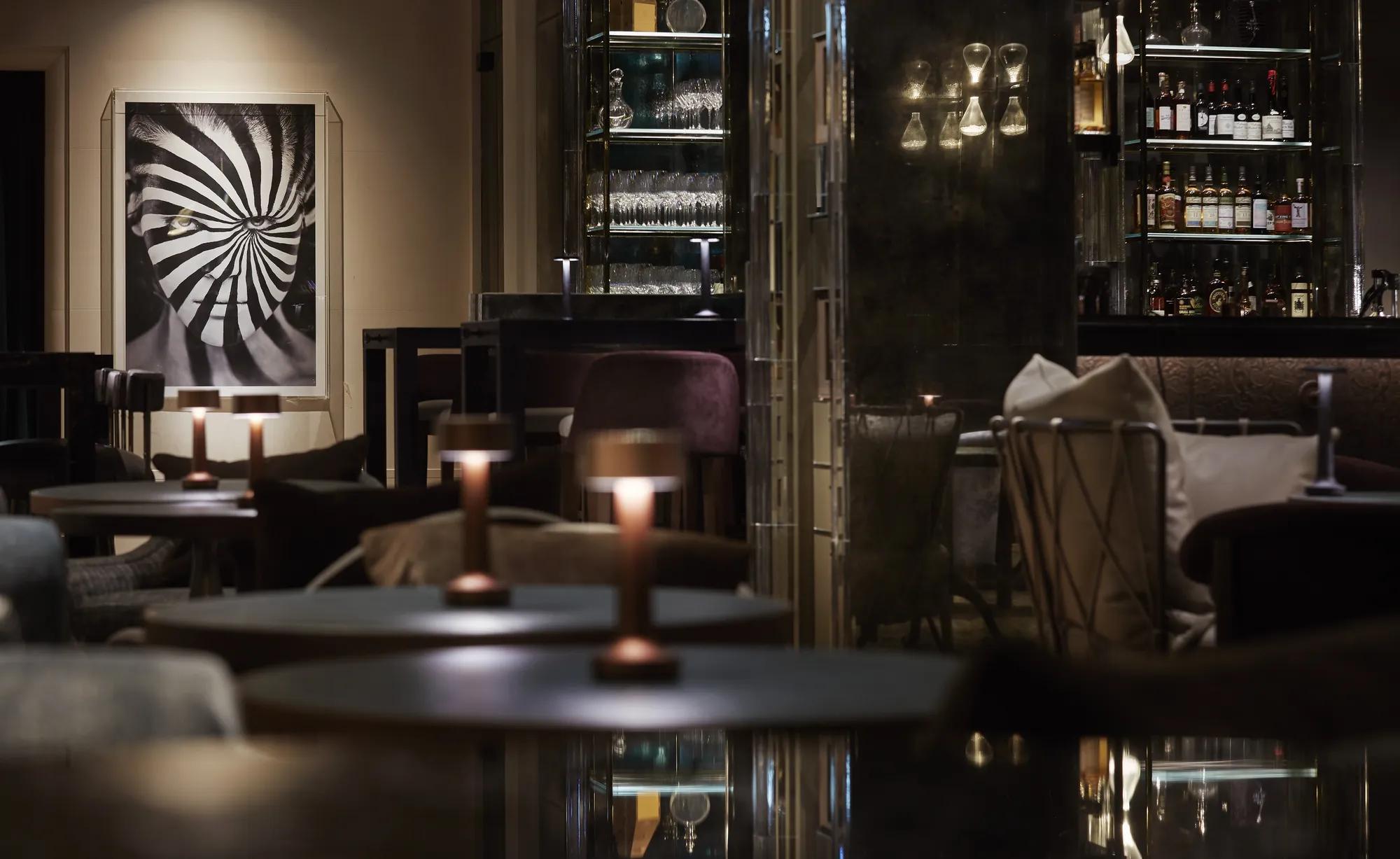
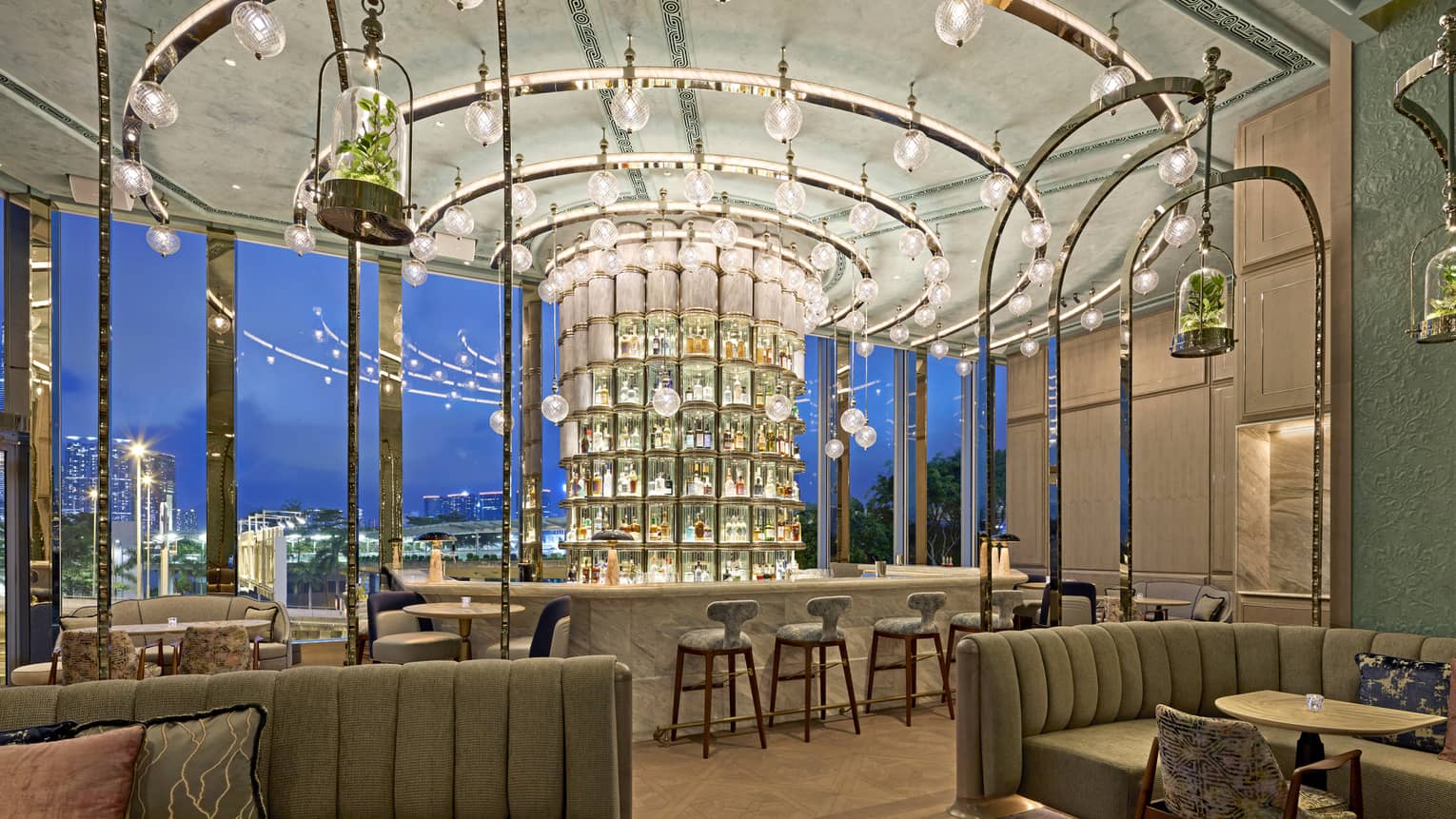
Elegant and sophisticated atmosphere suitable for upscale Cantonese dining with table service.