The Chinese Restaurant
The Chinese Restaurant serves Traditional Hong Kong Dim Sum on the 3rd Floor of Hyatt Regency in Tsim Sha Tsui, with conversational pacing for lunch or dinner.
Pearl is the En Primeur Club membership app — saves, bookings, and concierge access live there. Same editors, same standards.
- Address
- Hong Kong, Tsim Sha Tsui, Hanoi Rd, 18號Hyatt Regency3rd Floor
- Phone
- +85237217788
- Website
- hyatt.com
- Directions
- Get directions
 Saves & bookings on Pearl
A Hotel Dining Room That Takes Cantonese Seriously
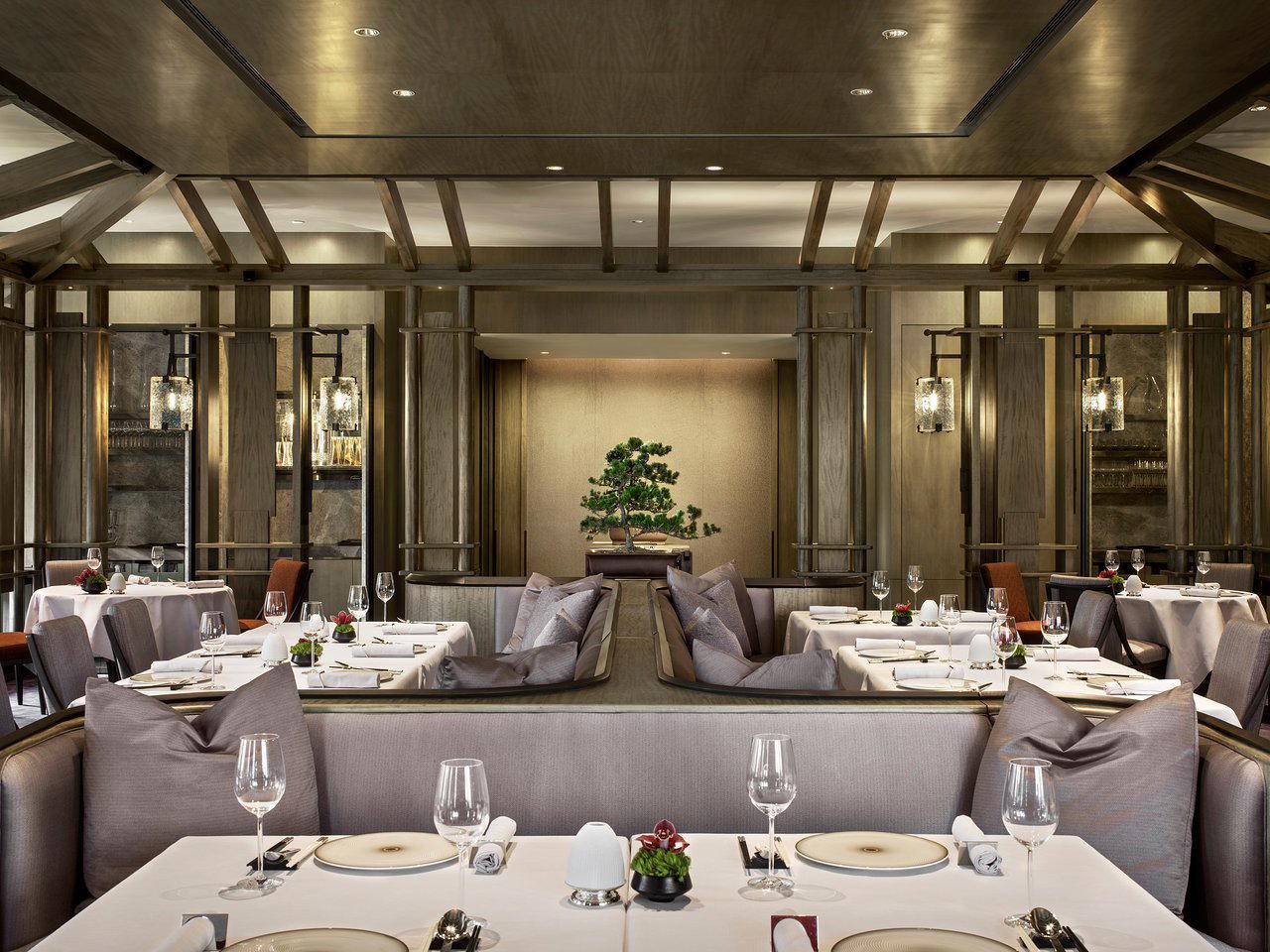
The Chinese Restaurant is a formal Cantonese restaurant in Tsim Sha Tsui, Hong Kong, on the 3rd floor of Hyatt Regency Tsim Sha Tsui. Hotel restaurants in this district, which runs from the harbour front up through the commercial grid of Hanoi Road and Nathan Road, have a mixed reputation: serviceable banquet halls, buffets pitched at conference groups, dim sum offered as an afterthought to the breakfast crowd. The Chinese Restaurant sits in that building but operates in a different register. The room carries the proportions and materials associated with formal Cantonese dining, a genre that in Hong Kong has deep roots in the grand restaurant tradition that predates the city's international hotel boom by several generations.
Tsim Sha Tsui's position as a dining district is sometimes undersold. It holds some of the densest concentration of restaurants per block in the territory, from street-level noodle counters to hotel dining rooms competing for the same table-service clientele that also patronises Central. The Hyatt Regency's Hanoi Road address places the restaurant within walking distance of the Tsim Sha Tsui MTR interchange. That logistical convenience has historically made hotel restaurants here a practical choice for business lunches and family banquets, two formats that remain central to how Cantonese restaurants actually fill seats across the week.
The Sensory Register of a Cantonese Dining Room
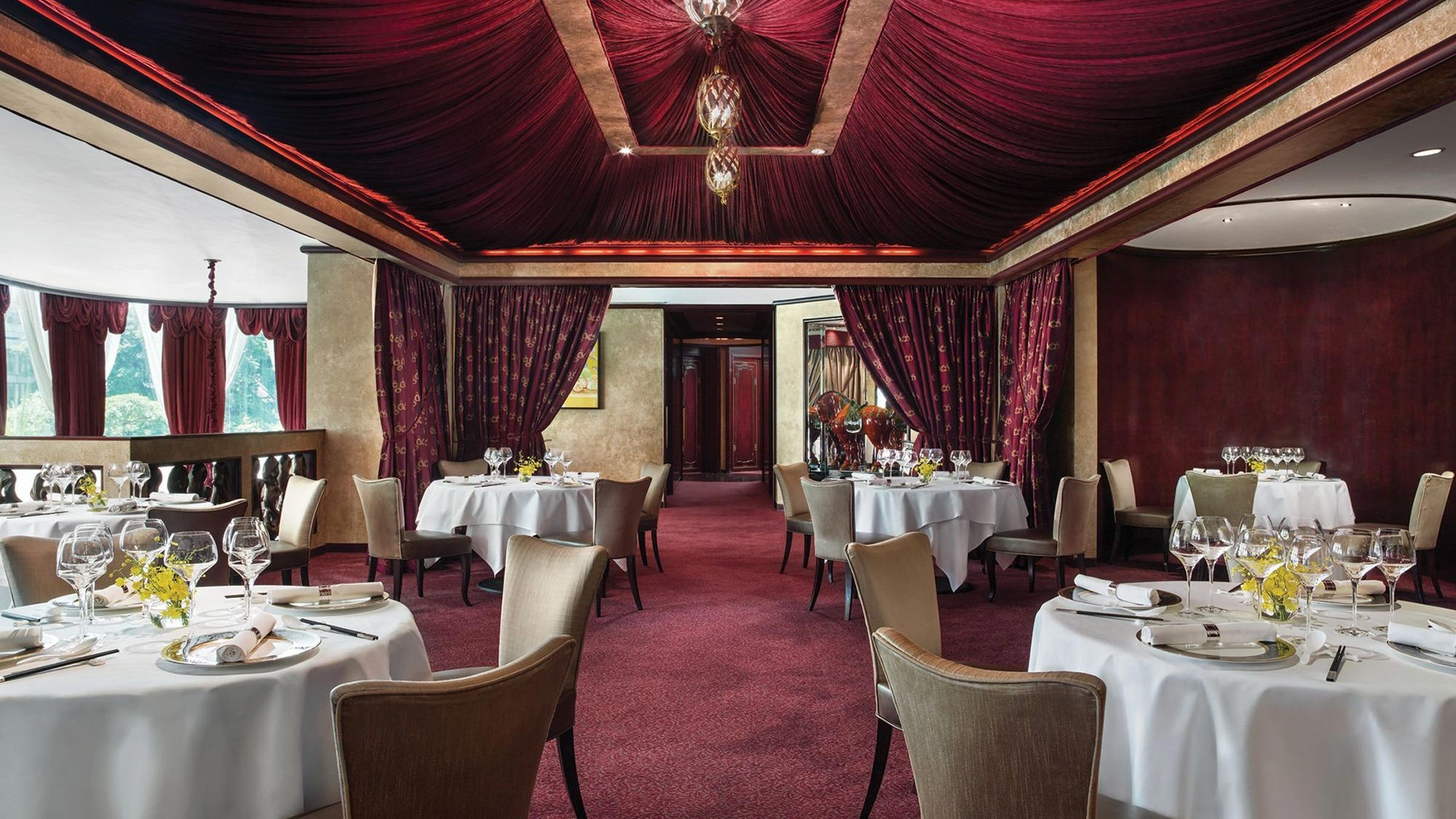
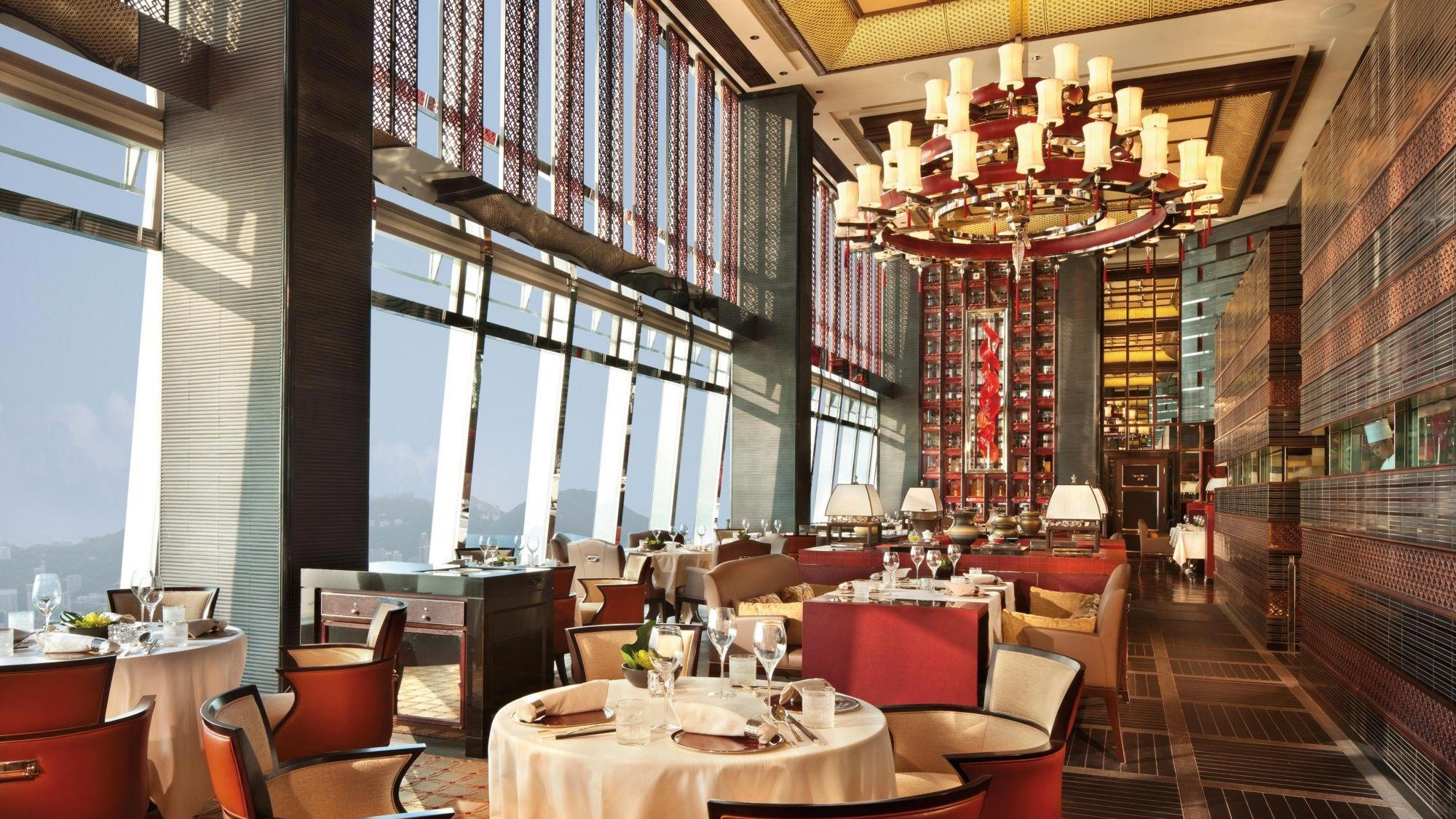
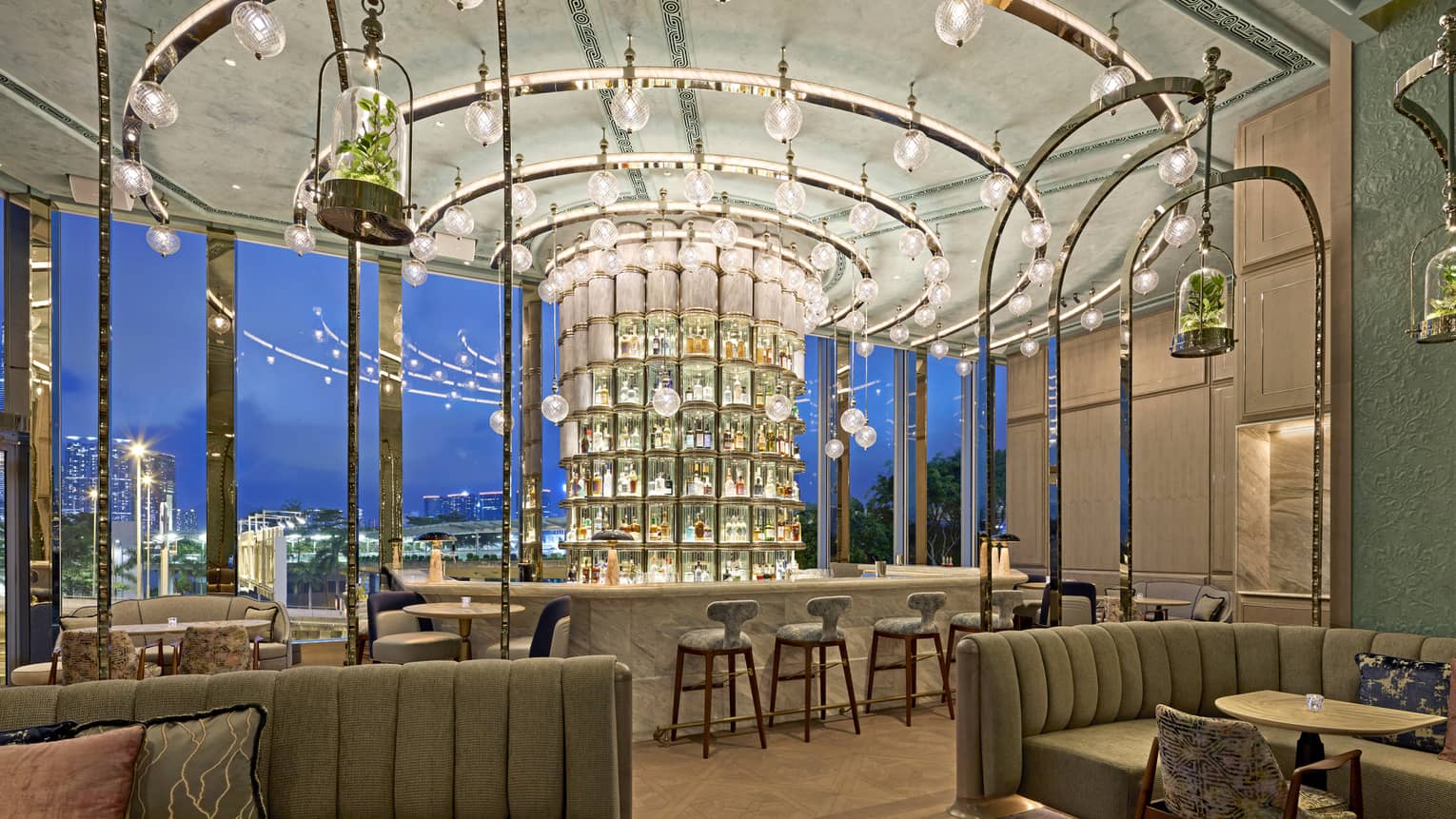
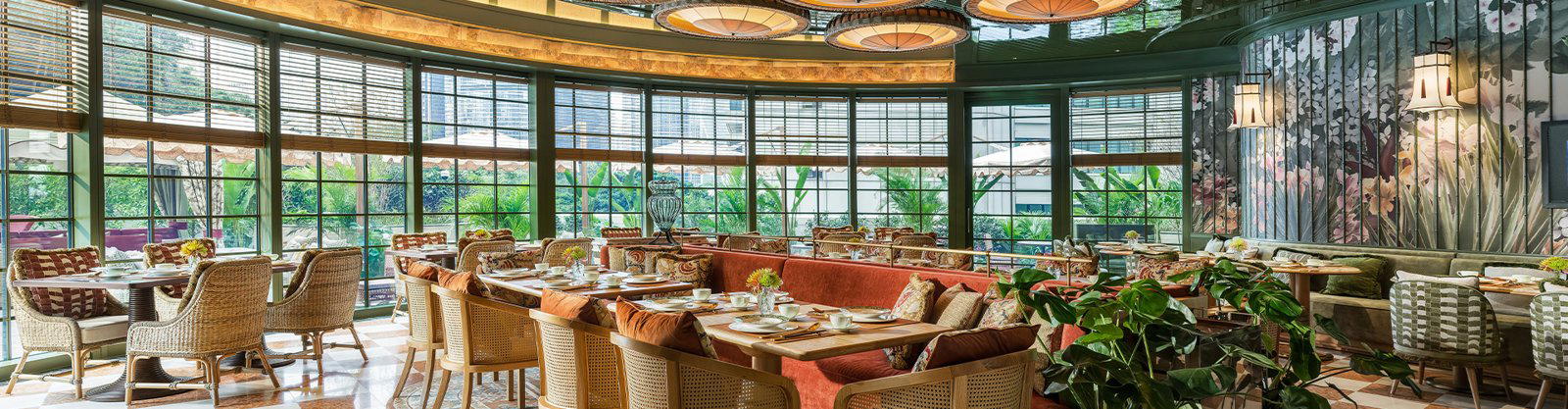
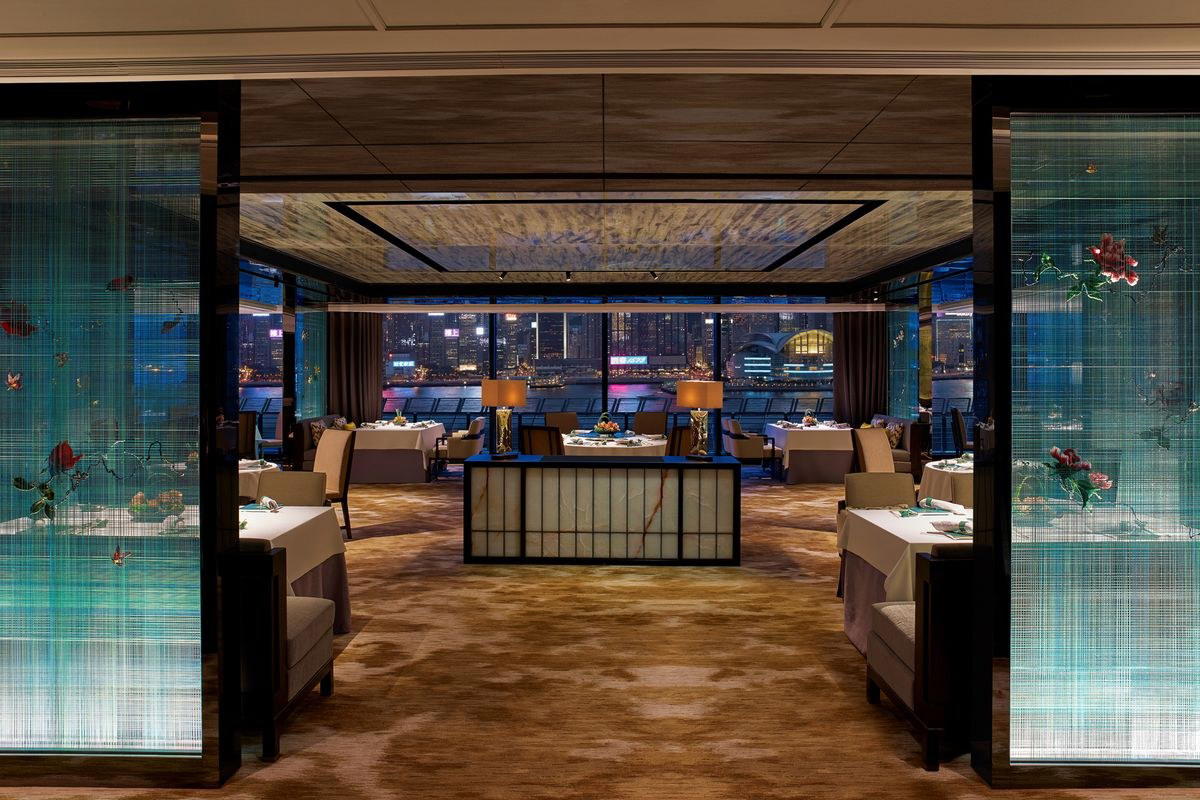
Formal Cantonese dining rooms in Hong Kong tend to communicate status through a specific set of atmospheric signals: round tables scaled for family-style sharing, lighting calibrated to make lacquerware and glassware read well, a background noise level that is present but not intrusive, and service choreography timed to the pace of a multi-course meal rather than a quick turn. These are not decorative choices. They reflect a dining culture in which the meal is the main event of a gathering, not a prelude to something else. The room at The Chinese Restaurant draws on this tradition.
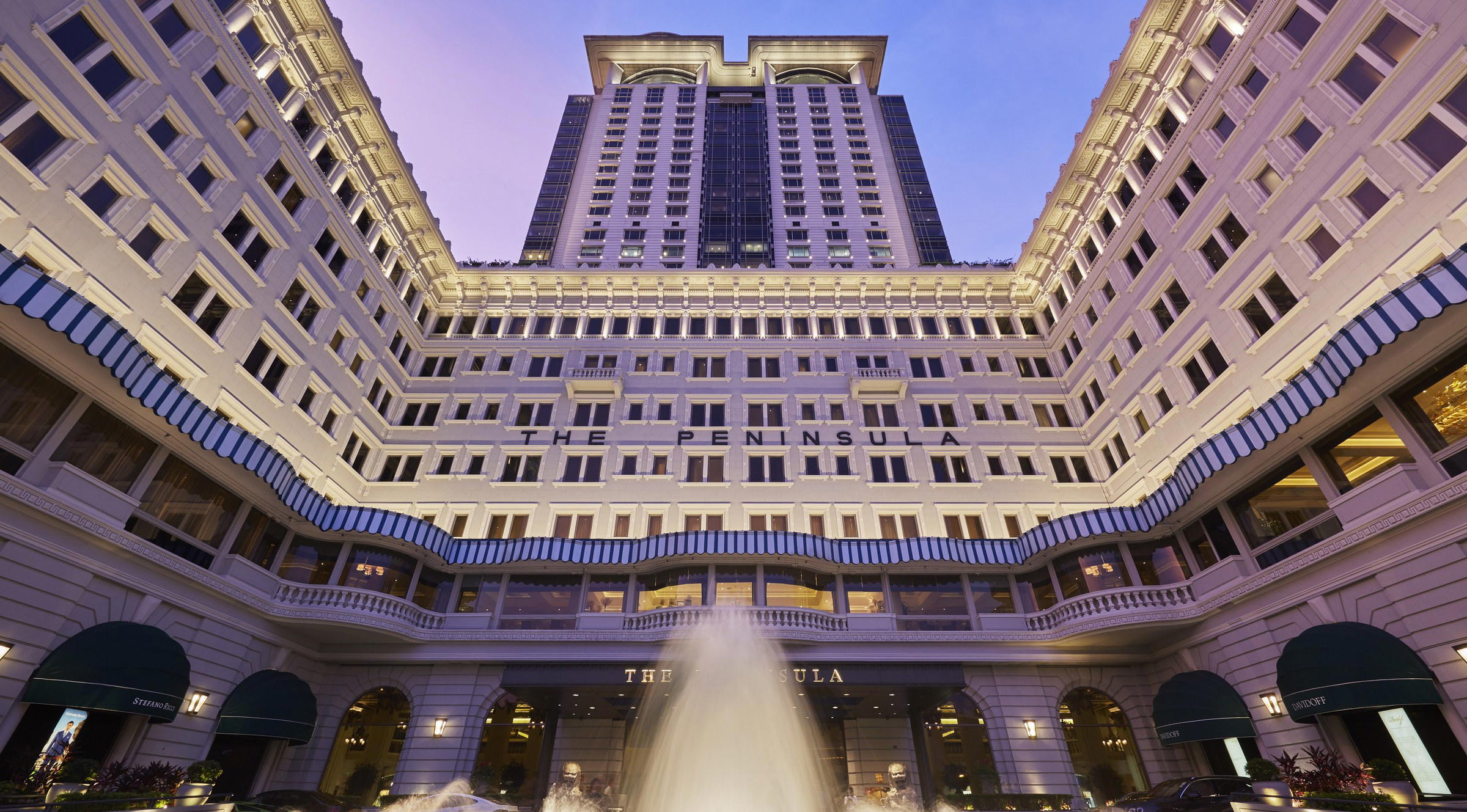
The address on Hanoi Road in Tsim Sha Tsui is straightforwardly central to the Yau Tsim Mong district, a neighbourhood that encompasses the commercial density of Mong Kok to the north and the harbour-adjacent hospitality strip to the south. Guests arriving for dinner, particularly during the winter months when the harbour light shifts earlier and the district's neon takes on more presence, encounter a building that signals hotel formality from the street. Inside, the ascent to the third floor separates the restaurant from the ground-level foot traffic in a way that older standalone Cantonese restaurants in Wan Chai or Causeway Bay typically achieve through elevation or signage. That threshold moment matters in a dining culture where arrival is part of the occasion.
Where This Fits in Hong Kong's Cantonese Dining Spectrum
Hong Kong's Cantonese restaurant market is stratified in ways that visitors often do not anticipate. At one end, neighbourhood restaurants and dai pai dong operators run lean, high-volume operations where the food is the unambiguous focus and the room is secondary. At the other, a smaller group of destination Cantonese restaurants price against international fine dining and attract clientele who treat the meal as a deliberate occasion. Hotel Cantonese restaurants occupy the middle tier: they carry the formality and service depth of the upper bracket without always matching its culinary ambition, but they offer consistency and booking reliability that standalone operators sometimes cannot.
For context on what the upper end of that spectrum looks like in the territory, 8 1/2 Otto e Mezzo Bombana (Hong Kong) in Hong Kong illustrates how a hotel-adjacent fine dining operation maintains a distinct identity, while Gaia in Central And Western shows how a non-Cantonese kitchen positions itself within Hong Kong's competitive table-service market. Within Yau Tsim Mong itself, the dining range is wide: Block 18 Doggie's Noodle and Coconut Soup represent the casual, single-dish end of the district's offer, while Budaoweng Hotpot Cuisine and Carat Fine Indian and Mediterranean Cuisine anchor a mid-tier that spans multiple cuisines. The Chinese Restaurant sits above that casual cluster and is positioned for table-service occasions rather than solo meals or quick lunches.
The Banquet Tradition and Why It Still Matters
Cantonese banquet dining is one of the more demanding formats in Chinese restaurant culture. A wedding banquet or a multi-generation family dinner at a formal Cantonese table involves sequenced courses, specific dish protocols, and a service pace that requires a kitchen capable of coordinating between multiple large parties simultaneously. Hotel restaurants in Hong Kong have historically been among the more reliable venues for this format, in part because of their staffing depth and in part because the round-table layout of most hotel dining rooms is already calibrated for groups of eight to twelve. The restaurant's setting within the Hyatt Regency positions it for exactly this type of booking, alongside the business lunch crowd that the Tsim Sha Tsui location draws from the commercial offices concentrated between Hanoi Road and Granville Road.
For travellers comparing notes on Hong Kong's dining geography, the broader restaurant picture extends well beyond Tsim Sha Tsui. The Former Jumbo Floating Restaurant in Aberdeen represents a now-closed chapter in Hong Kong's theatrical dining history, a reminder of how quickly the city's restaurant infrastructure can shift. Across the territory, venues from Hoi Tin Garden in Tuen Mun to Lei Garden in Sha Tin demonstrate the geographic spread of serious Cantonese cooking across all four quadrants of the territory.
Planning Your Visit
The Hyatt Regency Tsim Sha Tsui's Hanoi Road address is a short walk from Exit B2 of Tsim Sha Tsui MTR station, placing it within reach of the Airport Express interchange at Hong Kong Station via a single train change. The third-floor location means the restaurant is accessible from the hotel lobby. For the Cantonese dining format, weekday lunches, which typically run the dim sum service that is central to how Hong Kong residents use formal Chinese restaurants at midday, tend to be quieter than weekends, when family bookings compress the room. Advance reservation is advisable for dinner and for weekend dim sum. The restaurant is open daily from 10 AM to 2:30 PM and 6 to 10 PM. Reservations are recommended.
Le Bernardin in New York City and Atomix in New York City for understanding how hotel-adjacent and destination dining operate in a different context. Regionally, Habib's Indian and Middle Eastern Food in Kwun Tong, King Of Soybeans in Wong Tai Sin, Gangstas in Islands, I Love Istanbul in Tsuen Wan, and One-ThirtyOne in Tai Po illustrate the range of non-Cantonese dining across Hong Kong's outer districts, useful reference points for understanding how the restaurant positions itself as a formal, cuisine-specific address within a diverse market. The Cafe within the same district covers the casual end of the same hotel's food and beverage offer, if a less formal meal is the priority.
Peers Worth Knowing
Comparable venues nearby, for context on price, style, and recognition.
| Venue | Cuisine | Price | Notes |
|---|---|---|---|
| The Chinese RestaurantThis venue — the venue you are viewing | Traditional Hong Kong Dim Sum | $$$ | Not listed |
| Budaoweng Hotpot Cuisine | Chinese Hotpot with Seafood | $$ | Yau Tsim Mong |
| Paper Moon | Authentic Italian with Milanese influences | $$$ | Tsim Sha Tsui |
| Block 18 Doggie's Noodle | Hong Kong Street Noodles | $ | Yau Tsim Mong |
| Cafe | Classic Hong Kong Cha Chaan Teng | $ | Yau Ma Tei |
Continue exploring
More in Yau Tsim Mong
Restaurants in Yau Tsim Mong
Browse all →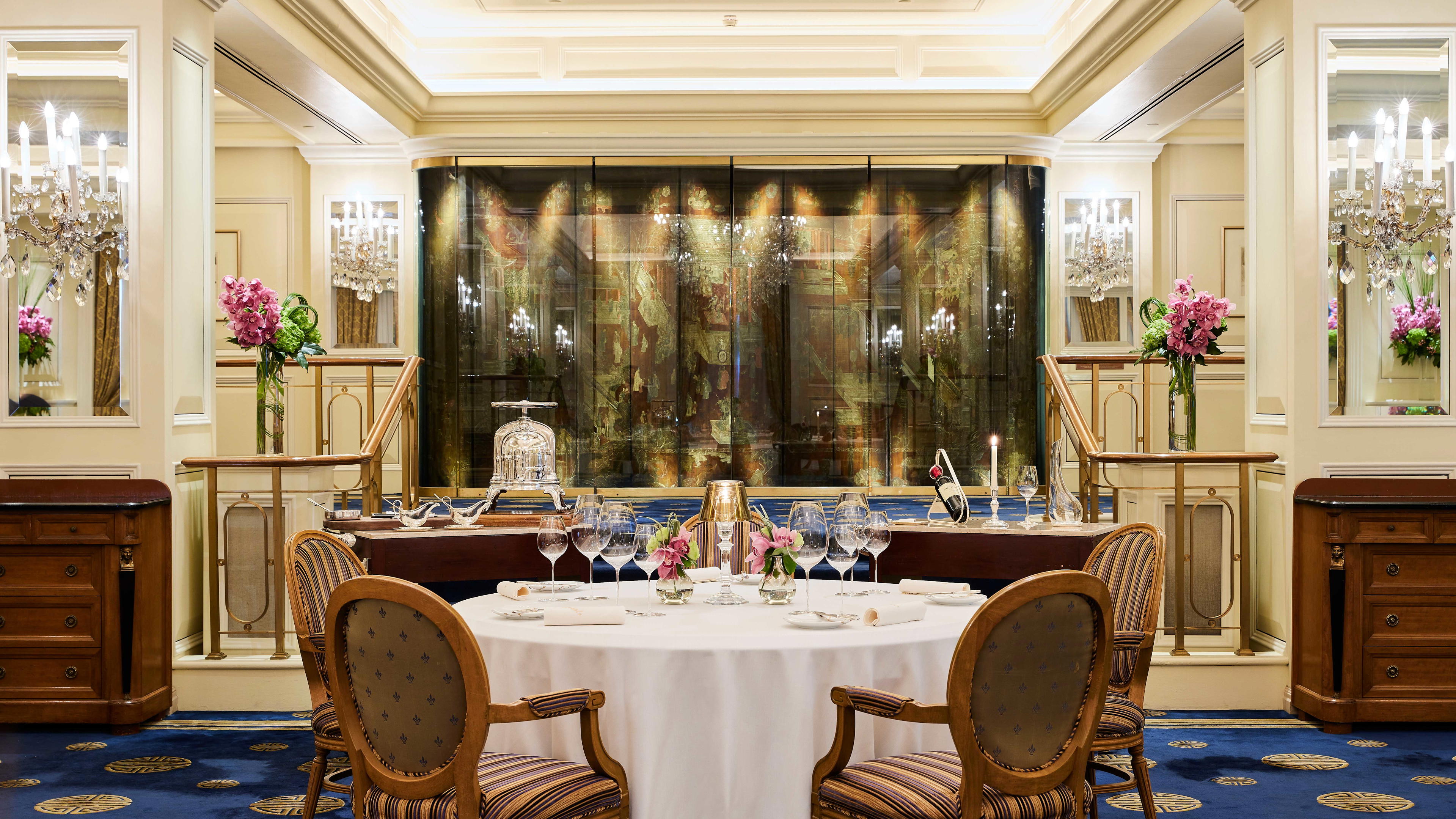
Bars in Yau Tsim Mong
Browse all →
At a Glance
- Elegant
- Sophisticated
- Family
- Group Dining
- Hotel Restaurant
Current opening hours
- Monday
- 10 AM–2:30 PM, 6–10 PM
- Tuesday
- 10 AM–2:30 PM, 6–10 PM
- Wednesday
- 10 AM–2:30 PM, 6–10 PM
- Thursday
- 10 AM–2:30 PM, 6–10 PM
- Friday
- 10 AM–2:30 PM, 6–10 PM
- Saturday
- 10 AM–2:30 PM, 6–10 PM
- Sunday
- 10 AM–2:30 PM, 6–10 PM
Hours can change for holidays and private events. Last verified .
Sophisticated hotel restaurant ambiance with elegant dining atmosphere.