One-ThirtyOne occupies a village house in Shap Sze Heung, one of the last agricultural pockets on Hong Kong's eastern fringe, where the sourcing question is answered by the address itself. The kitchen draws on what grows and lives within reach of Sai Kung's coastline and the New Territories' remaining farmland, placing it in a category of destination dining that requires the journey but rewards it with clarity of provenance.
Pearl is the En Primeur Club membership app — saves, bookings, and concierge access live there. Same editors, same standards.
- Address
- 131 Tseung Tau Village, Shap Sze Heung, Sai Kung, Hong Kong
- Phone
- +85227912684
- Website
- one-thirtyone.com
- Directions
- Get directions
 Saves & bookings on Pearl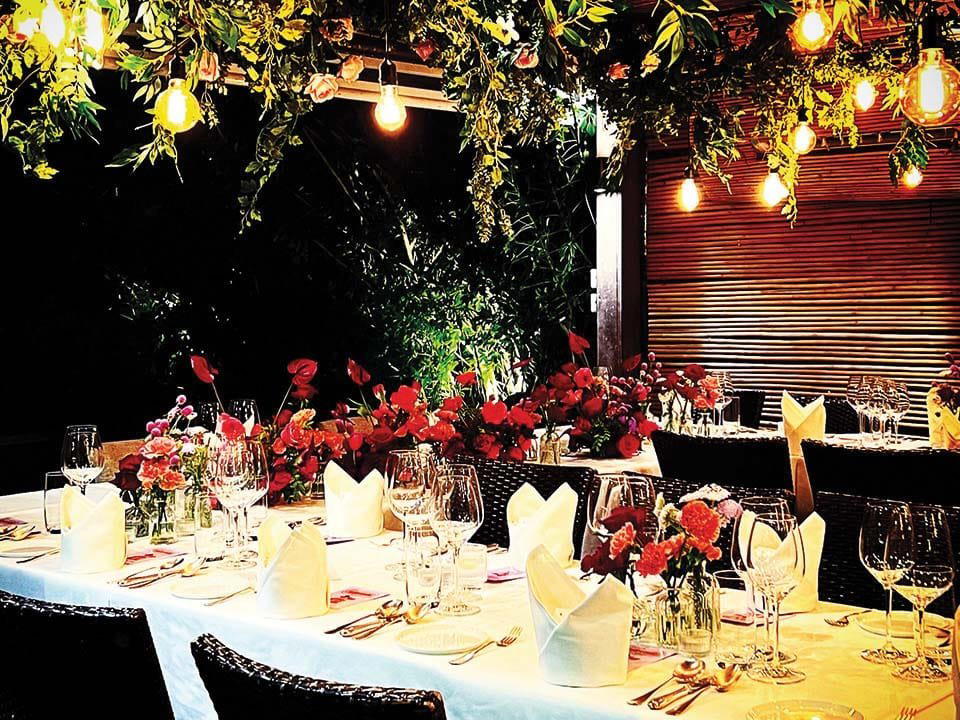
Where the City Ends and the Sourcing Begins
One-ThirtyOne is a contemporary French fine dining restaurant in Sai Kung, Hong Kong, with a price tier of $$$$. One-ThirtyOne operates in a different register entirely. The address, 131 Tseung Tau Village in Shap Sze Heung, places it at the rural edge of Sai Kung district, a stretch of the New Territories where village houses back onto agricultural land and the South China Sea is a short walk in most directions. Getting there is a deliberate act: you are not passing through on the way to somewhere else.
That geography is not incidental to the cooking. It is the cooking's premise. In a city that imports the overwhelming majority of its food, a kitchen situated in one of Hong Kong's last functioning agricultural corridors has access to a supply chain that most urban restaurants cannot replicate. The ingredients that arrive at a table in Tseung Tau Village carry provenance that a Central restaurant would have to manufacture at considerable cost and marketing effort. Here, the field or the water is simply nearby.
The Sai Kung Context: A Shore Worth Understanding
Sai Kung district has long held a different relationship with food than the rest of Hong Kong. The waterfront in Sai Kung town built its reputation on live seafood, tanks of mantis shrimp, mud crab, and garoupa displayed outside restaurants for decades, with fishing boats selling directly to kitchens on the same morning. Sai Kung Sing Kee represents the tradition at its most direct: the catch dictates the menu. One-ThirtyOne sits further from the tourist circuit of Sai Kung town, in the quieter hinterland of Shap Sze Heung, which means its sourcing proposition is shaped by both coastal access and the agricultural activity that persists in the surrounding valleys.
This dual geography, sea to one side, farmland threading through the hills, is what gives the eastern New Territories a sourcing profile that no urban Hong Kong district can match. Compare this to somewhere like Hoi Tin Garden in Tuen Mun or Lei Garden in Sha Tin, which operate in suburban contexts where supply chains are entirely import-dependent. The ingredients at those tables travel further and pass through more hands. At a venue like One-ThirtyOne, the argument for locality is geographic, not rhetorical.
Destination Dining in the New Territories: A Small but Growing Cohort
Globally, the model of the destination restaurant sited in agricultural or coastal country, away from city infrastructure, asking guests to make a committed journey, has produced particularly discussed tables of the past two decades. Lazy Bear in San Francisco built a format around communal reservation dining that required active participation. Alinea in Chicago made the journey into Lincoln Park feel deliberate. In Europe, Alain Ducasse at Louis XV in Monte Carlo demonstrated that a non-urban address could anchor a dining reputation rather than limit it. The logic in each case is the same: remove the venue from the city's ambient noise and the experience gains focus.
Hong Kong has produced few restaurants that operate on this premise. The land constraint, the rental market, and the gravitational pull of urban foot traffic have kept nearly all serious dining concentrated in the urban core. The restaurant's positioning in Shap Sze Heung puts it in a category with almost no local peers, which is both its distinction and the practical challenge it poses to prospective diners. The journey from urban Hong Kong functions as a natural filter, selecting for guests who have made a decision rather than a spontaneous choice.
What the Ingredient-First Model Demands
Ingredient-led restaurants in rural or coastal settings operate under a discipline that urban kitchens can sidestep. When the sourcing radius is small and the supply relationships are direct, the menu cannot hide behind imported luxury goods or year-round consistency. Seasonal and locational constraints become structural. In Hong Kong's case, this means working within the harvest cycles of the New Territories' remaining organic farms and the fluctuating availability of Sai Kung's coastal catch, neither of which follows the predictable rhythms of a commercial import schedule.
This is a meaningful contrast to how sourcing works at the upper end of the urban Hong Kong market. At venues benchmarked against international luxury, places analogous to Le Bernardin in New York or Atomix, the sourcing logic is about obtaining the leading available product globally, regardless of origin. The ingredient-first rural model inverts that: origin is fixed, and the kitchen's job is to do justice to what that fixed geography provides. Neither approach is categorically superior, but they produce fundamentally different dining experiences and ask different things of the kitchen.
For guests accustomed to the urban Hong Kong tier, the restaurant represents a different kind of investment. The value proposition is not in the density of luxury product or the polish of a high-traffic service operation. It is in the specificity of place and the argument that the food on the table could not exist, in quite this form, anywhere else in Hong Kong.
Planning a Visit: Logistics and Practicalities
Reaching Shap Sze Heung from central Hong Kong takes approximately 50 to 60 minutes by taxi or private car from Kowloon, longer from Hong Kong Island, and the final approach follows rural roads through the Sai Kung hills. Public transport connections to this part of the New Territories are limited; most guests arrive by private vehicle or pre-arranged taxi. Given the address's remoteness, confirming bookings in advance and clarifying arrival logistics directly with the venue is advisable, this is not a location where a wrong turn resolves easily.
The surrounding area offers context worth arriving early for. Shap Sze Heung's village houses and the agricultural land between them give the approach a texture that is rare in Hong Kong. The absence of urban density is the point. Dining at a venue this committed to its address works well when the guest treats the journey as part of the experience rather than an obstacle to it, a dynamic shared by other destination formats globally, from the rural French countryside to the New Zealand coast. The restaurant's equivalent argument is geographic, staked on a Hong Kong that most visitors and many residents have never seen.
How It Stacks Up
Comparable venues nearby, for context on price, style, and recognition.
| Venue | Cuisine | Price | Notes |
|---|---|---|---|
| One-ThirtyOneThis venue — the venue you are viewing | Contemporary French Fine Dining | $$$$ | Not listed |
| Ta Vie | French–Japanese Seasonal Fine Dining | $$$$ | Central |
| Clarence | Modern French Bistro | $$$ | Central |
| Écriture | Contemporary French-Japanese Fine Dining | $$$$ | Central |
| Amelia Hong Kong | Modern European with Italian influences | $$$$ | Yau Tsim Mong South |
| Le Salon de Thé de Joël Robuchon – Landmark | French Patisserie & Tea Salon | $$$ | Central |
At a Glance
- Elegant
- Intimate
- Scenic
- Sophisticated
- Special Occasion
- Date Night
- Waterfront
- Terrace
- Local Sourcing
- Waterfront
Current opening hours
- Monday
- Closed
- Tuesday
- 11 AM–5 PM
- Wednesday
- 11 AM–5 PM
- Thursday
- 11 AM–5 PM
- Friday
- 11 AM–5 PM
- Saturday
- 11 AM–5 PM
- Sunday
- 11 AM–5 PM
Hours can change for holidays and private events. Last verified .
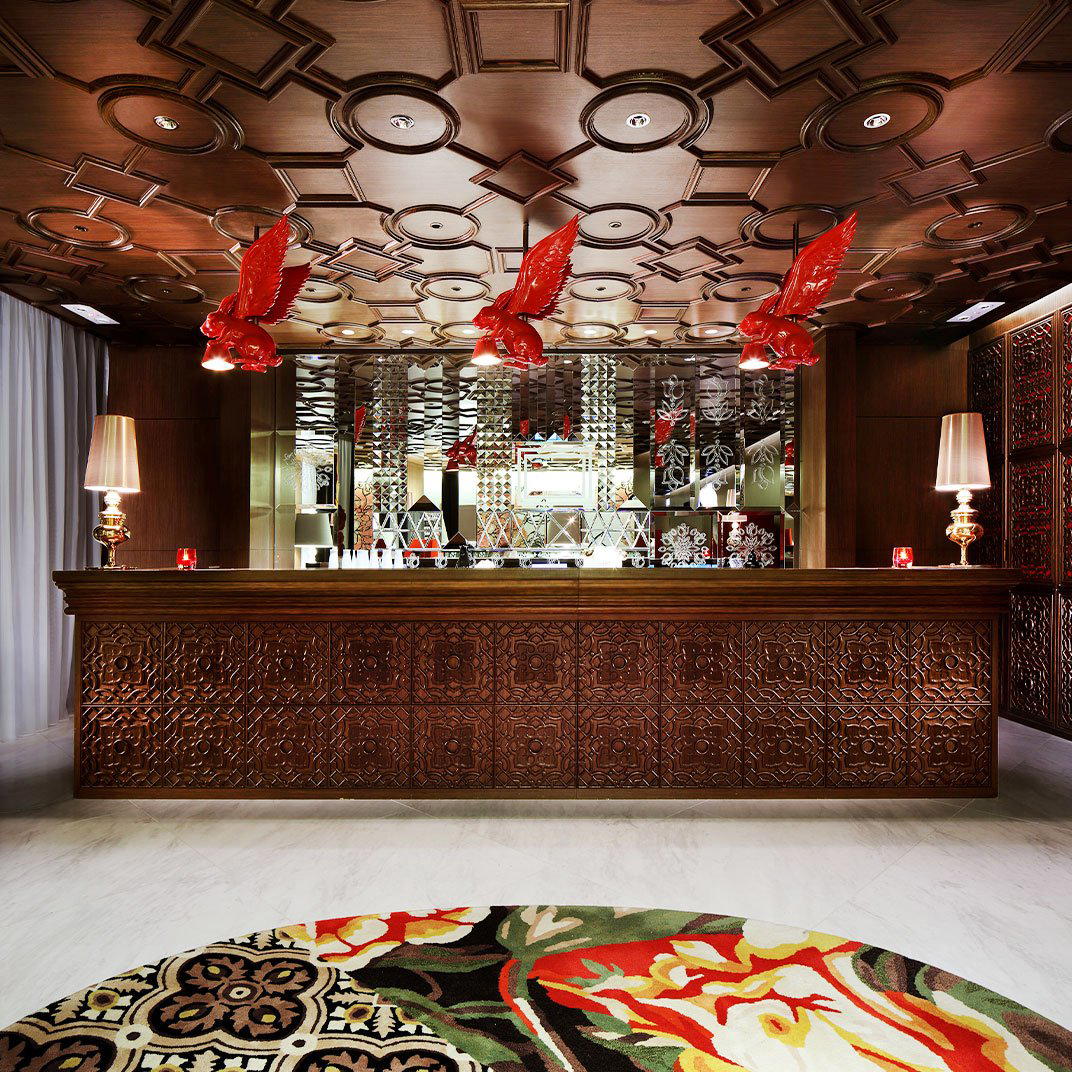
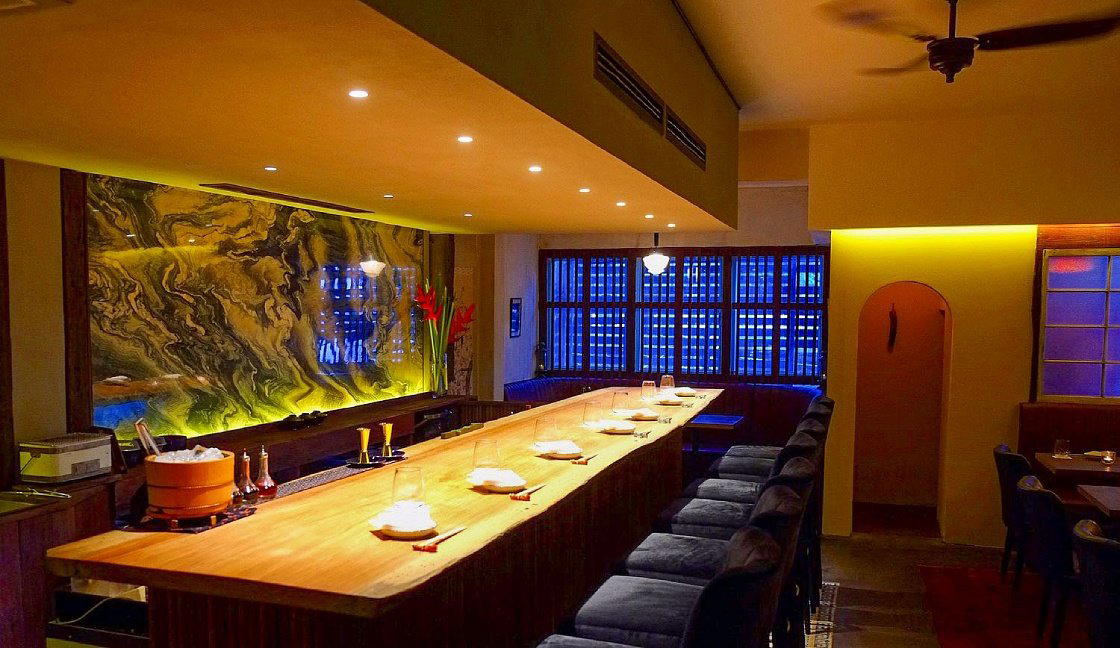
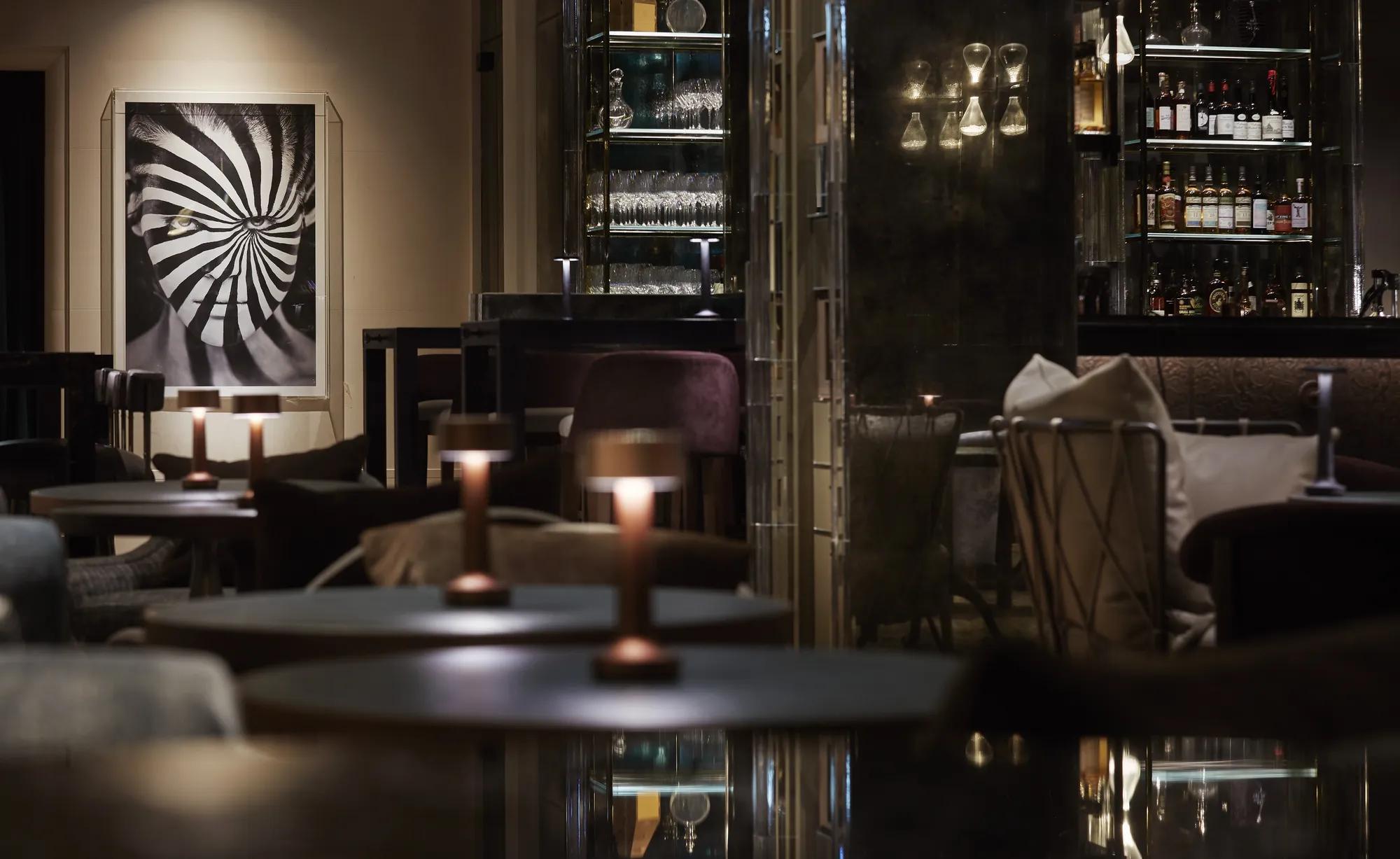
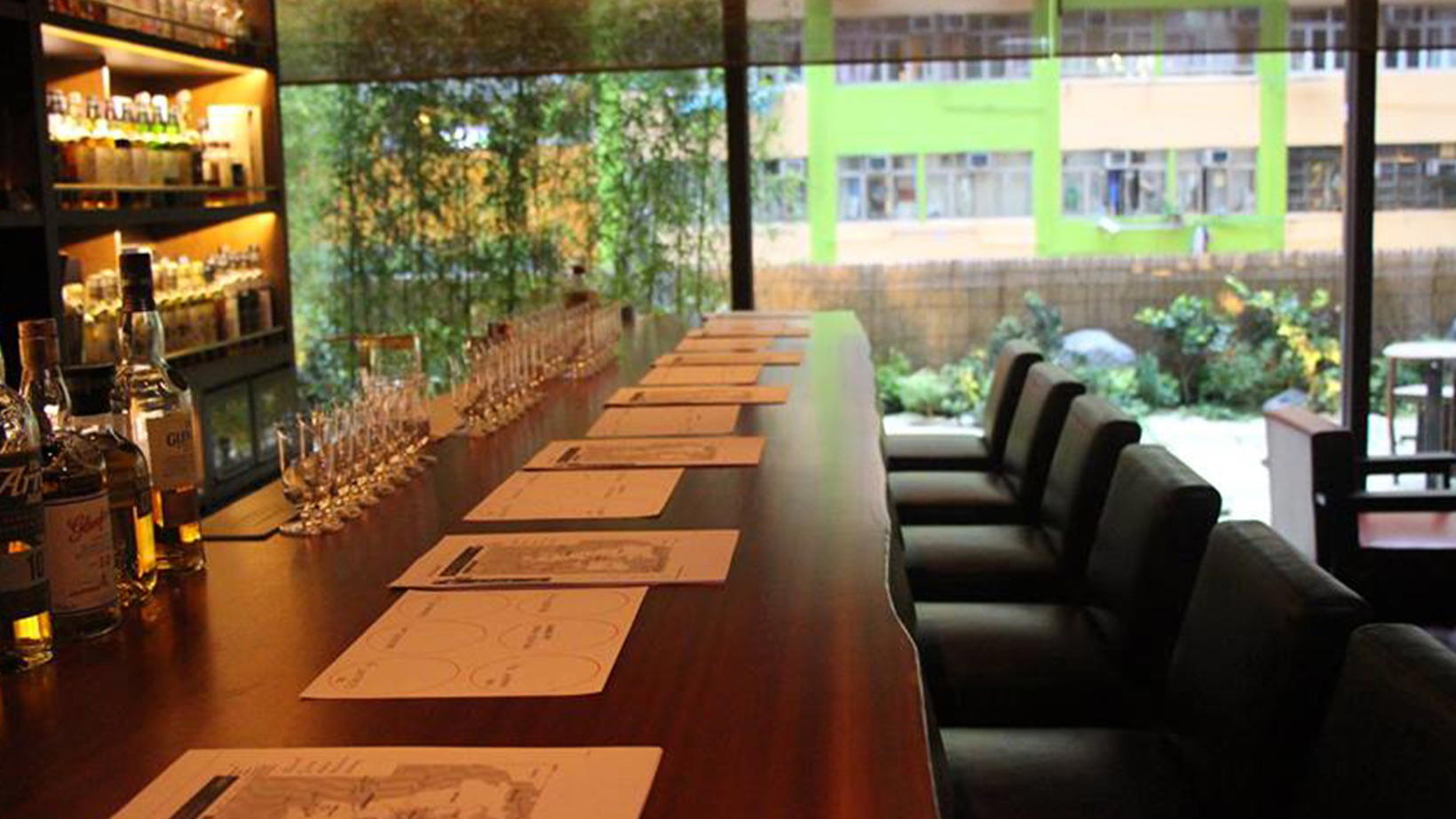
Relaxed yet elegant surroundings with simple decorations, overlooking the coastline.