Yung Shue Wan and the Art of the Island Escape The ferry crossing from Central to Lamma Island takes roughly half an hour, and the shift in register is immediate. By the time you step onto the pier at Yung Shue Wan, the density of Hong Kong...
Pearl is the En Primeur Club membership app — saves, bookings, and concierge access live there. Same editors, same standards.
- Address
- 91 Yung Shue Wan Main St, Lamma Island, Hong Kong
- Phone
- +85262936176
- Website
- gangstashk.com
- Directions
- Get directions
 Saves & bookings on Pearl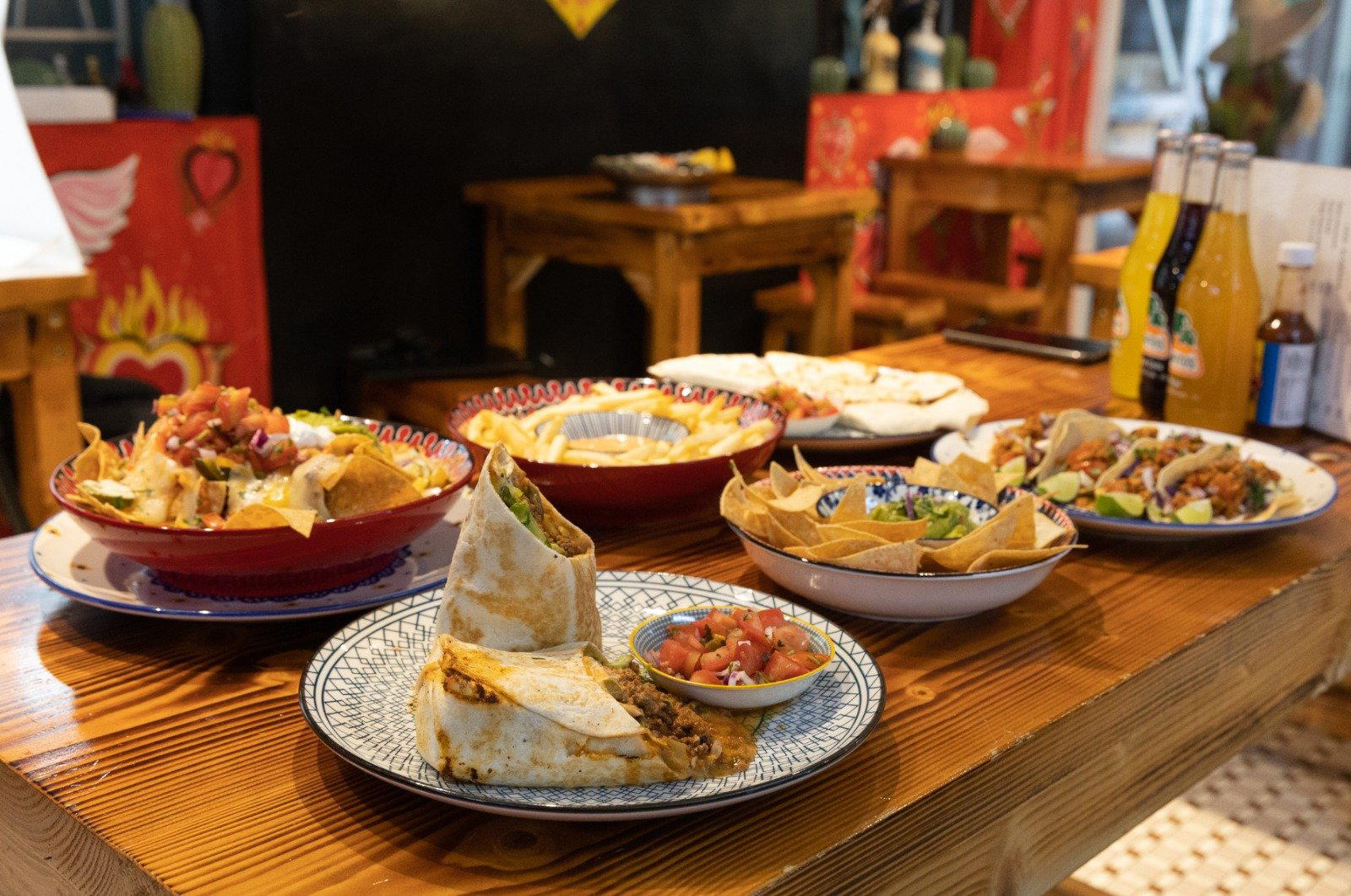
Yung Shue Wan and the Art of the Island Escape
The ferry crossing from Central to Lamma Island takes roughly half an hour, and the shift in register is immediate. By the time you step onto the pier at Yung Shue Wan, the density of Hong Kong proper has given way to narrow lanes, seafood restaurants with tanks on the pavement, and a pace that feels structurally different from the city you left behind. Gangstas is an authentic Mexican street food restaurant at 91 Yung Shue Wan Main St, Lamma Island, Hong Kong, with a casual dress code and a walk-in-friendly policy. Lamma's dining scene has long operated on this logic: the journey itself sets expectations, and the restaurants that endure here tend to trade on atmosphere and directness rather than formality or prestige. Gangstas, at 91 Yung Shue Wan Main St, sits inside this tradition.
Yung Shue Wan's main street is the social and commercial spine of Lamma's western village, and it functions as a single extended promenade of eating and drinking options. The visitor arriving by ferry walks the length of it almost inevitably, passing through a mix of long-established local seafood houses and smaller, more idiosyncratic venues aimed at the island's resident expat population and weekend day-trippers from the city. It is a strip that rewards wandering more than planning, and Gangstas fits the character of that environment.
What Lamma's Dining Tradition Actually Means
To understand what a place like Gangstas represents, it helps to understand what Lamma has historically been for Hong Kong dining. The outlying islands, Lamma, Lantau, Cheung Chau, developed their own food cultures partly because of geographic separation and partly because their resident communities skewed toward people who had, deliberately or otherwise, opted out of the city's mainstream. Lamma in particular built a reputation for casual seafood at the lower-to-mid price tier, consumed outdoors or in open-fronted rooms with harbour views, washed down with cold beer. That tradition persists, though the mix of venues on the main street has diversified considerably.
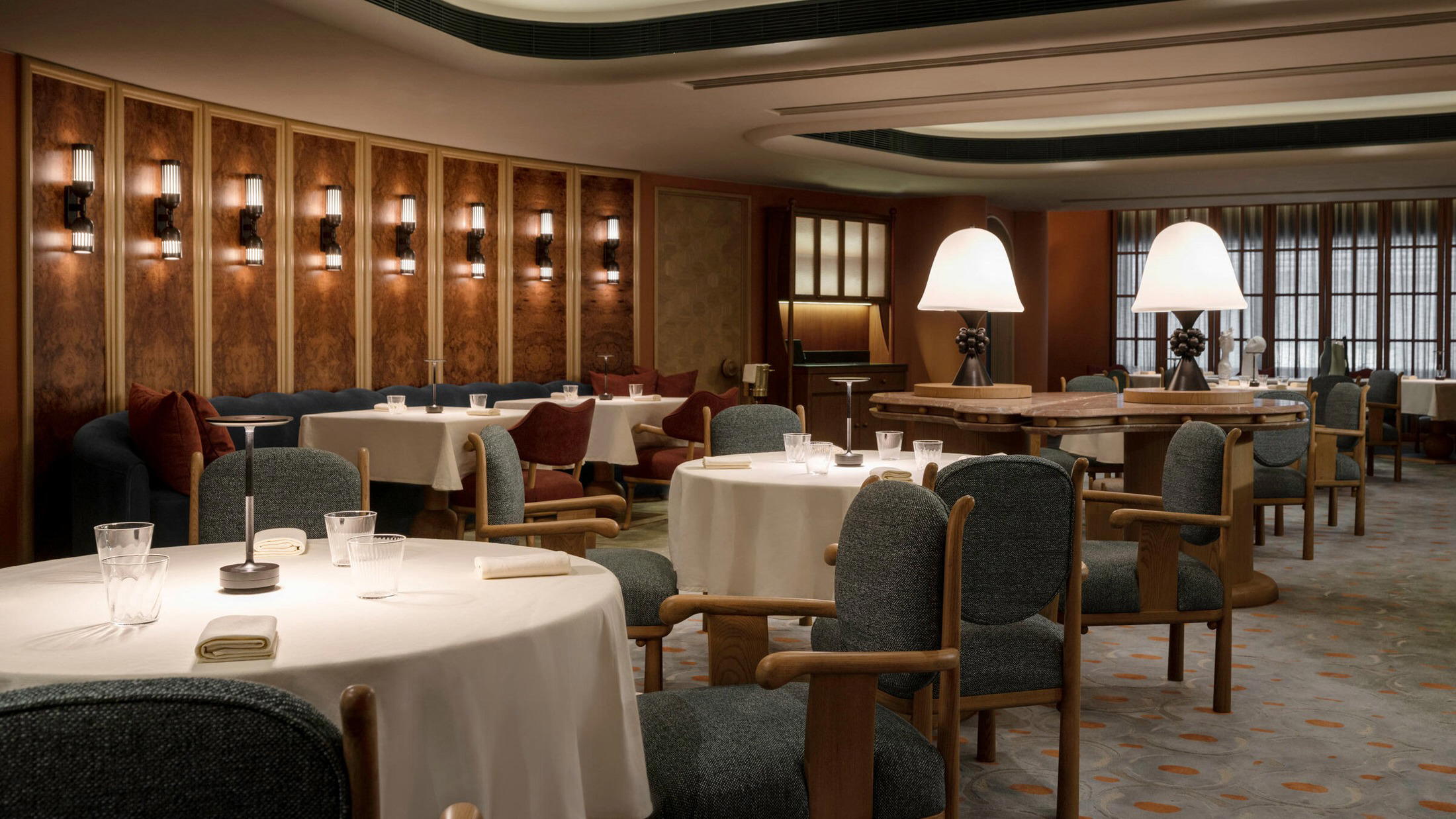
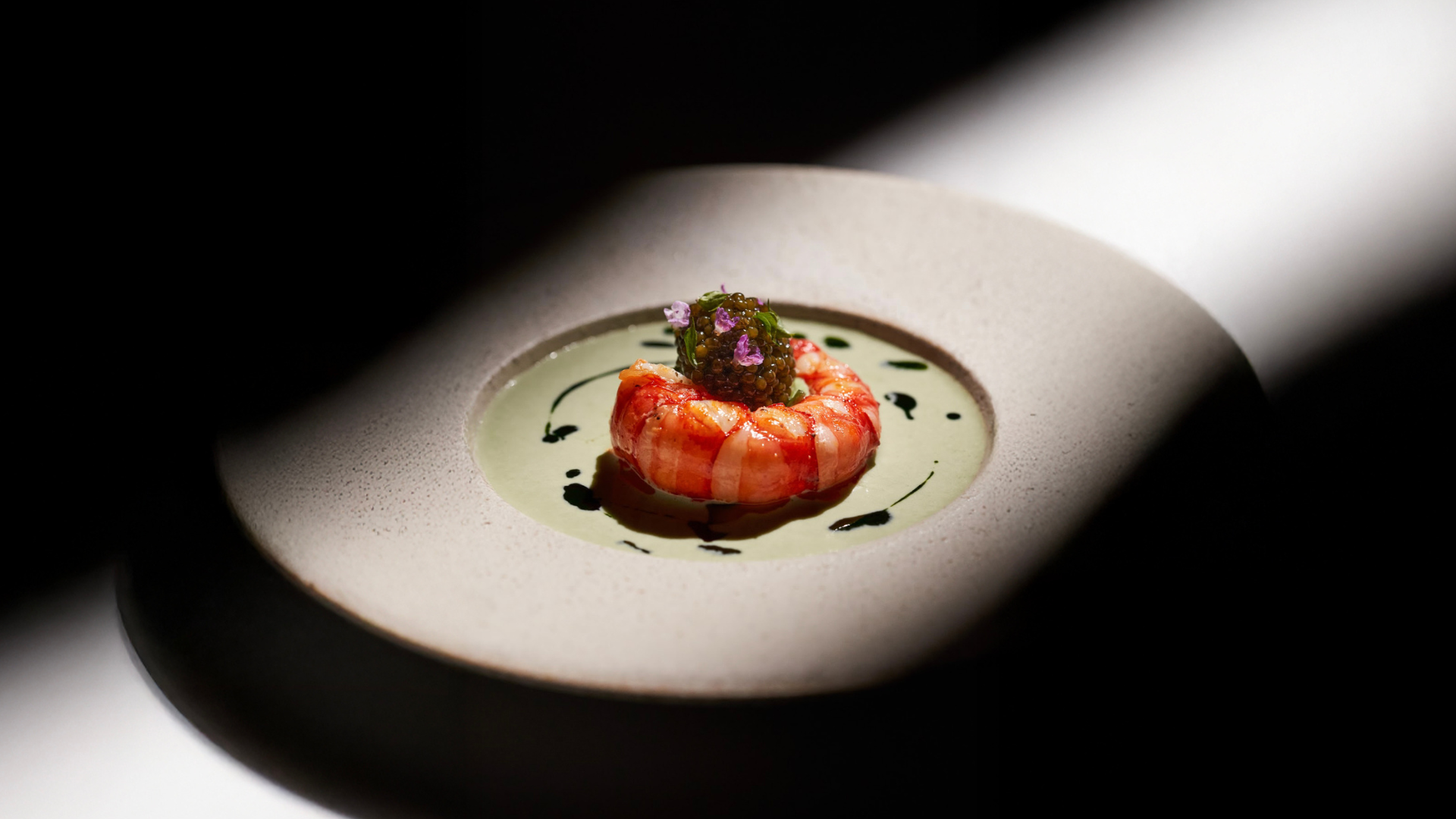
Venues with names and aesthetics that signal Western or counter-cultural influences, and the name Gangstas clearly signals something, tend to occupy a particular niche in this ecosystem. They are usually operating for a local residential crowd as much as a tourist one, and their staying power depends less on formal recognition and more on whether they reliably deliver what their regulars want. This is a different kind of credibility than the kind accumulated by restaurants in Central or Wan Chai. For context on what formal recognition looks like in Hong Kong's dining scene, consider venues like Amber in Hong Kong, which operates at a Michelin level, or the French-inflected precision of Le Salon de Thé de Joël Robuchon Hong Kong (ifc mall) in Central. Lamma's dining proposition runs in the opposite direction: informality, accessibility, and a setting that the city's denser districts cannot replicate.
The Broader Islands Scene
Lamma is not alone in offering this kind of counterpoint to Hong Kong's metropolitan dining. Enchanted Garden Restaurant represents another facet of the Islands district's capacity to deliver experiences framed by landscape and atmosphere rather than culinary formality. The Former Jumbo Floating Restaurant in Aberdeen is evidence of how powerfully the physical context of water and ferry access has shaped the region's dining mythology, even when the specific venue is no longer operational. These examples illustrate a consistent pattern: in Hong Kong's outlying areas, setting is not incidental to the dining experience, it is often the primary reason to make the trip.
Across the wider city, neighbourhood-specific dining cultures vary sharply. AMMO in Central And Western operates in a setting freighted with colonial architectural history. Sai Kung Sing Kee in Sai Kung occupies its own version of the waterfront-casual tradition. Lei Garden in Sha Tin sits within a Cantonese fine dining lineage. Each of these venues makes most sense understood against the specific character of where it sits. The same is true of Gangstas on Lamma. For a fuller picture of what the Islands district offers across different occasions and budgets, our full Islands restaurants guide covers the range in detail.
Getting There and Planning the Visit
The practical dimension of visiting any Lamma restaurant is worth understanding before you go. Ferries to Yung Shue Wan depart from Central Pier 4, with a crossing time of approximately 30 minutes on the ordinary ferry; the journey is part of the experience and worth accounting for in timing. Weekend afternoons and evenings bring noticeably more visitors to the island, which affects both the atmosphere on the main street and the availability of seats at popular venues. Weekday visits, particularly for lunch, tend to be quieter. Gangstas is walk-in friendly, so arriving earlier in a meal service is a sensible hedge against finding the space at capacity.
The island has no vehicle access for visitors, which means all movement after the ferry is on foot. The main street is short enough that Gangstas at number 91 is within a few minutes' walk of the pier. For those planning a broader afternoon or evening on Lamma, the concentration of venues along the main street makes sequential exploration direct.
Placing Gangstas in a Wider Hong Kong Context
Hong Kong's dining culture is remarkably layered. At one end sit venues that compete directly with the leading restaurants in cities like New York or San Francisco, places that draw comparisons with Le Bernardin in New York City or Atomix in New York City in terms of technical ambition and price tier. At the other end, the city's neighbourhood eating culture, from wonton noodle shops to open-fronted dai pai dongs, operates with a directness that makes formality seem beside the point. Venues like Block 18 Doggie's Noodle in Yau Tsim Mong, Chin Sik in Tsuen Wan, Habib's Indian and Middle Eastern Food in Kwun Tong, Hoi Tin Garden in Tuen Mun, King Of Soybeans in Wong Tai Sin, and One-ThirtyOne in Tai Po each represent a different district's answer to this question of what everyday eating looks like when it is taken seriously on its own terms.
Gangstas on Lamma fits somewhere in this broader ecosystem: a venue defined by its location in an outlying island village, drawing its identity from the community and geography that surrounds it. That positioning is not a compromise. In a city as dense and high-stakes as Hong Kong, places that offer a genuine departure from the metropolitan register serve a function that formal dining markers cannot easily replicate.
Budget and Context
Comparable venues nearby, for context on price, style, and recognition.
| Venue | Cuisine | Price | Notes |
|---|---|---|---|
| GangstasThis venue — the venue you are viewing | Not listed | $$$ | Not listed |
| Enchanted Garden Restaurant | Not listed | $$$ | Lantau Island, International Character Buffet |
| Big JJ Seafood Hotpot | Not listed | $$$ | Central, Hong Kong-style seafood hotpot & wine bar |
| The Peak Lookout | Not listed | $$$ | Central, International Fusion with Asian & Western Influences |
| Gaia | Central, Modern Italian Trattoria | $$$ | Not listed |
| Clarence | Central, Modern French Bistro | $$$ | Not listed |
At a Glance
- Trendy
- Cozy
- Lively
- Casual Hangout
- After Work
- Open Kitchen
Current opening hours
- Monday
- 5–9 PM
- Tuesday
- Closed
- Wednesday
- 12–9 PM
- Thursday
- 12–9 PM
- Friday
- 12–10 PM
- Saturday
- 12–10 PM
- Sunday
- 12–9 PM
Hours can change for holidays and private events. Last verified .
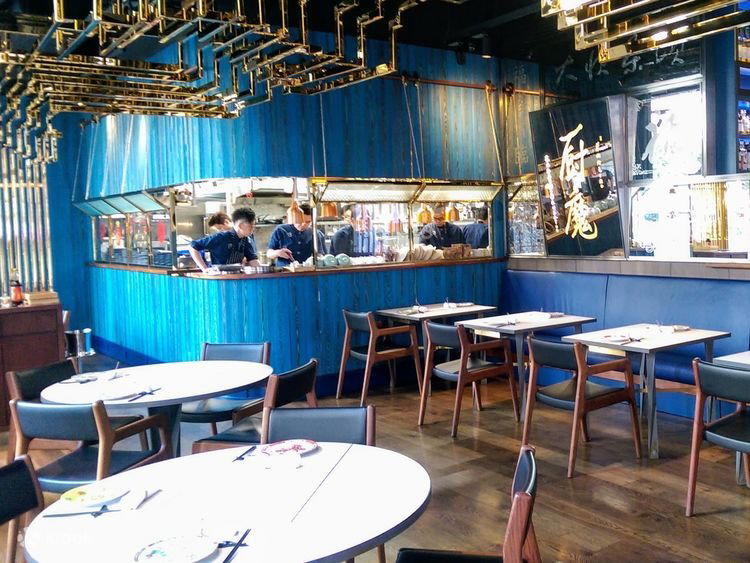
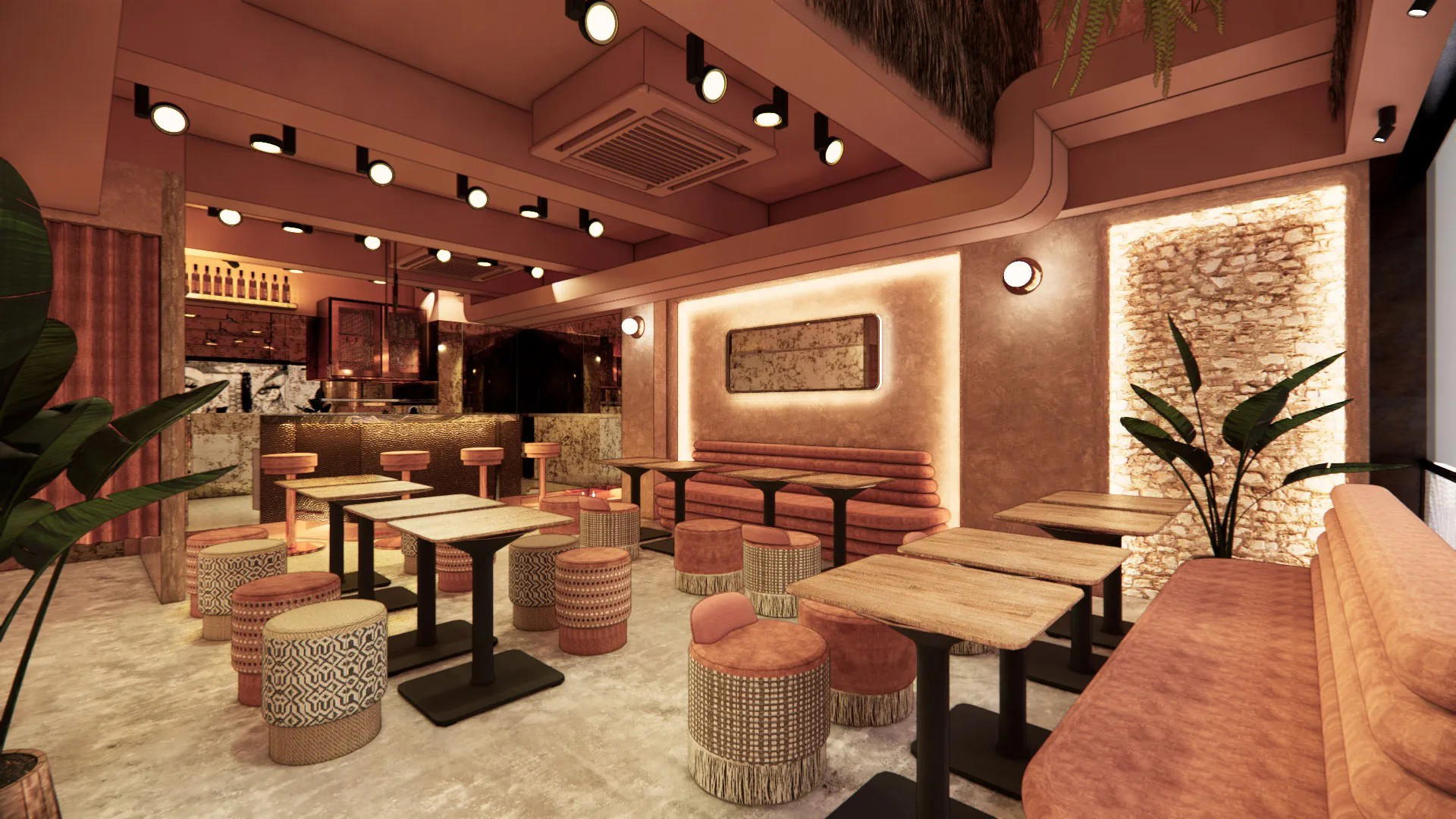
Cozy dining area with open kitchen, casual feel, and lively Mexican-style muralled walls.