Hoi Tin Garden sits on Sam Shing Street in Tuen Mun, a district where workaday Cantonese cooking has long outpaced its reputation. The restaurant occupies a stretch of the New Territories that most visitors to Hong Kong pass through rather than pause at, which is precisely what keeps its dining room honest. For residents, it represents the kind of neighbourhood anchor that Central's polished rooms cannot replicate.
Pearl is the En Primeur Club membership app — saves, bookings, and concierge access live there. Same editors, same standards.
- Address
- 5號 Sam Shing St, Tuen Mun, Hong Kong
- Phone
- +85224506331
- Directions
- Get directions
 Saves & bookings on Pearl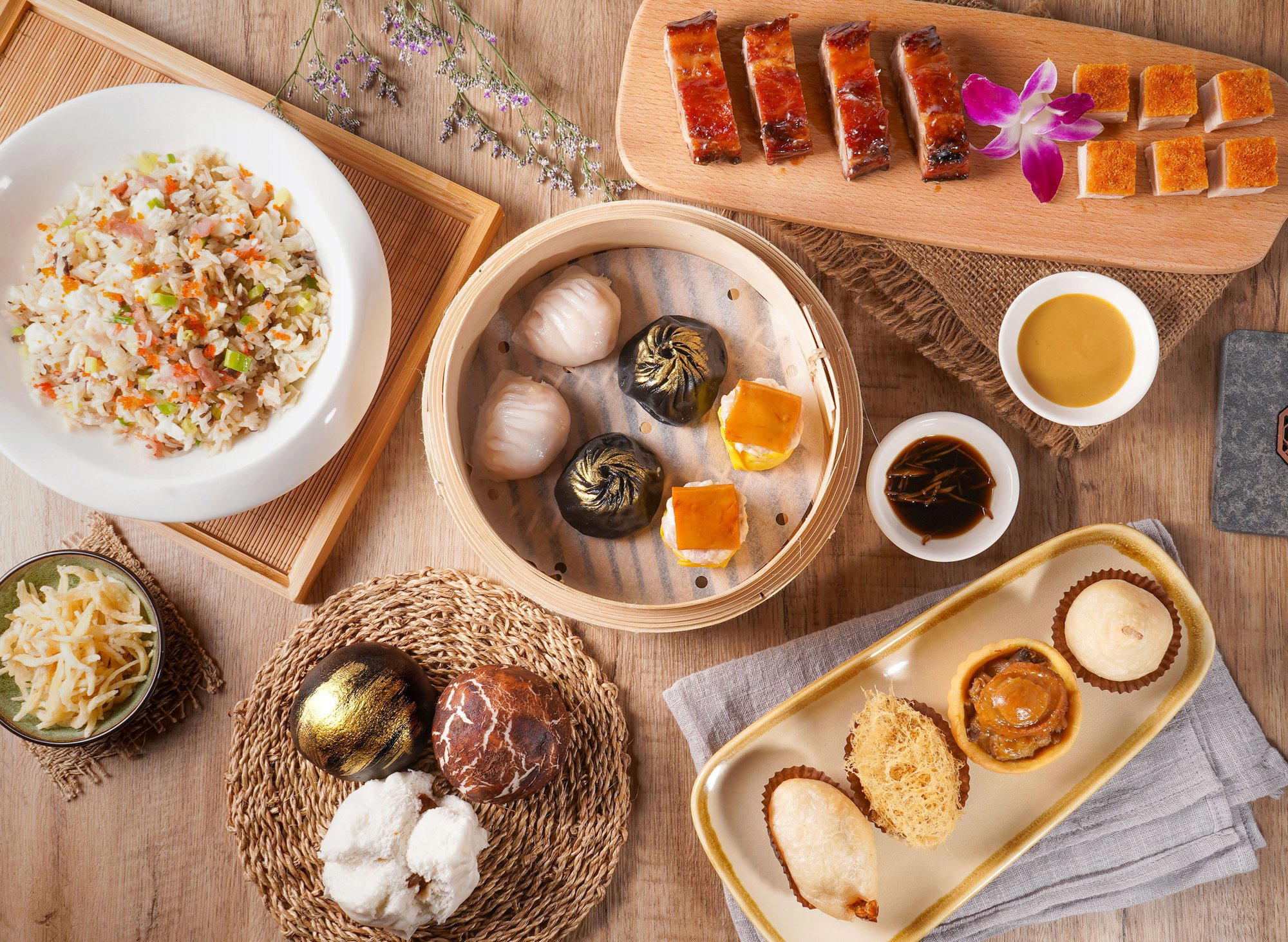
Where Tuen Mun Eats, Away from the Harbour
Sam Shing Street in Tuen Mun is not a dining destination in the way that Wan Chai or Sheung Wan are marketed to be. There are no hotel concierges directing guests here, What the street does have is the particular culinary honesty that emerges when a restaurant's only constituency is the neighbourhood itself. Hoi Tin Garden sits on this block as part of a dining culture that the New Territories has sustained for decades: Cantonese cooking calibrated to local appetite rather than tourist expectation.
Tuen Mun occupies the northwest corner of the New Territories, separated from the more internationally recognised dining districts by geography and, frankly, by assumption. That distance is what has allowed places like Hoi Tin Garden to operate on their own terms. In a city where restaurants at the higher end of the price register, such as 8 1/2 Otto e Mezzo Bombana (Hong Kong) or the French contemporary rooms in Central, are built around prestige signals and destination positioning, the Sam Shing Street version of dining is built around repetition and trust. The same families, the same orders, the same seasonal rhythms.
The New Territories Cantonese Tradition and What It Means for the Plate
Cantonese cooking in the New Territories draws from a procurement logic that is distinct from what central Hong Kong restaurants typically access. The proximity to the border, to traditional farming areas in the northern New Territories, and to wet markets with tight supply chains from Guangdong province means that the ingredient relationship in a place like Tuen Mun has historically been shorter and more direct than in Kowloon or on Hong Kong Island. That is not a romantic notion about rurality. It is a structural fact about how the district's restaurants have sourced their produce, proteins, and preserved ingredients over generations.
In Cantonese cuisine, ingredient sourcing is not a secondary consideration. It is the primary one. The tradition holds that good cooking begins with good raw material and that technique exists to reveal rather than transform. A well-sourced chicken, steamed with ginger and scallion at the correct temperature, should need nothing else. This philosophy, which sounds simple but demands precision at the supply end, is what separates an honest neighbourhood Cantonese kitchen from one that compensates through seasoning. The New Territories wet market circuit, which many of these restaurants remain connected to, supports that standard in a way that centralised wholesale distribution often cannot.
For context on how ingredient sourcing defines character across different dining traditions, consider the contrast with the produce-to-plate Italian approach at Gaia in Central And Western, or the coastal sourcing logic that defines places like Sai Kung Sing Kee in Sai Kung, where the fishing village supply chain is the entire culinary premise. In each case, the character of the food cannot be separated from where the ingredients come from and how quickly they arrive.
The Room and What to Expect
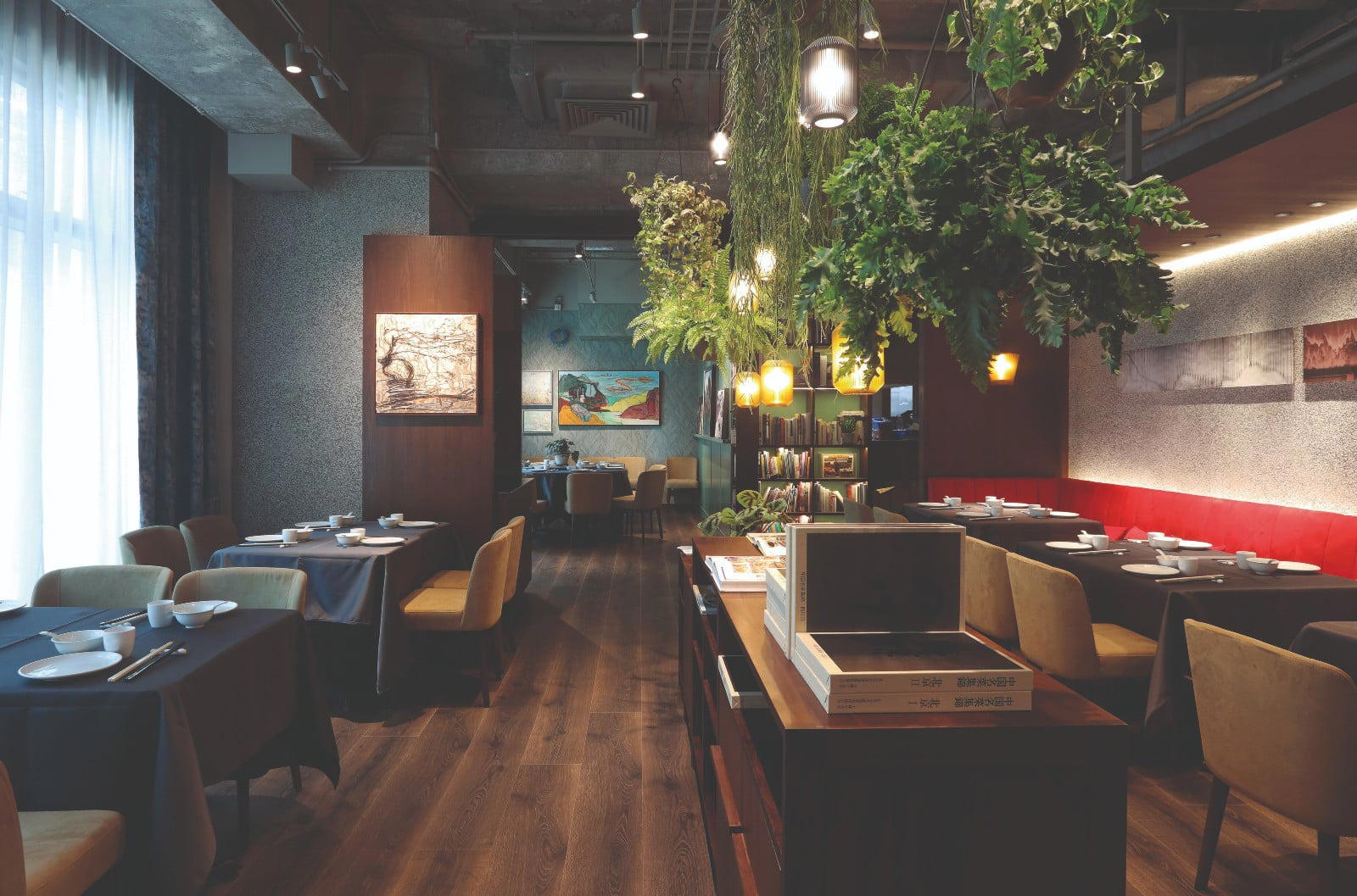
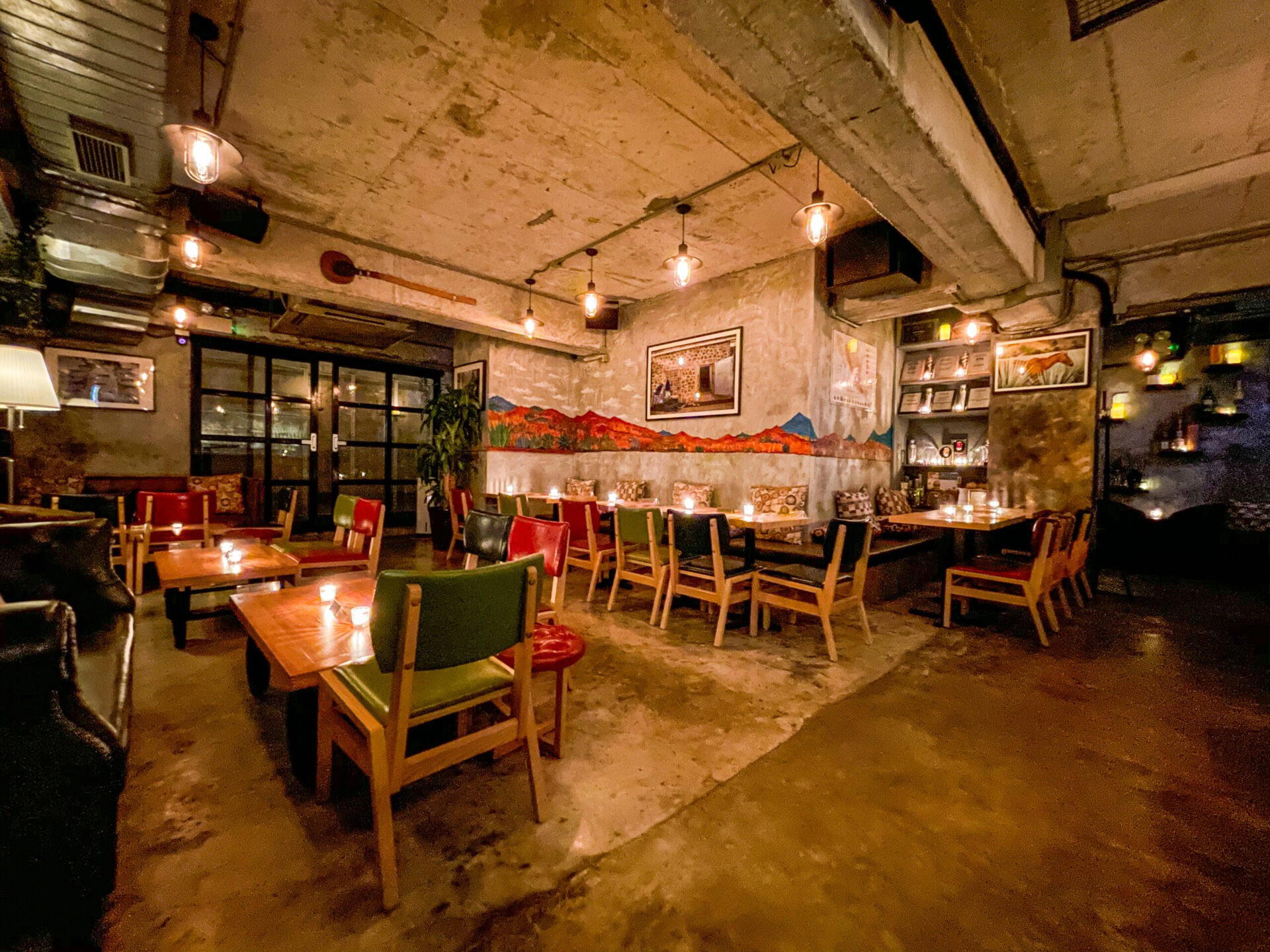
Approaching Hoi Tin Garden on Sam Shing Street, the signage is functional rather than designed. This is a characteristic shared by most of the district's better-regarded local restaurants: the investment goes into the kitchen and the relationships with suppliers, not into brand identity. Inside, the format follows the standard template of a mid-scale Cantonese dining room in the New Territories, tables arranged for groups, a menu that covers the full range of the tradition from roasted meats to clay pot preparations to seafood, and service that is efficient rather than performative.
This is categorically different from the dining experience at destination restaurants in Hong Kong's central districts. There is no equivalent here to the sequence and ceremony of rooms like the former Jumbo Floating Restaurant in Aberdeen, which was built around spectacle as much as food. Hoi Tin Garden's proposition is straightforwardly culinary. The room exists to frame the food, not to perform hospitality as theatre.
Across the New Territories, this pattern holds. Whether at Lei Garden in Sha Tin, which sits at a more polished point of the regional spectrum with Michelin recognition, or at the more casual registers that line market streets in Tuen Mun, the dining culture is built on repeated visits rather than one-time occasions. That model produces a different kind of restaurant: one tuned to consistency over impression.
Where Hoi Tin Garden Sits in Hong Kong's Wider Dining Map
Hong Kong's restaurant scene is frequently discussed through its top tier: the rooms that appear on the Asia's 50 Best list, the multi-Michelin-starred counters in Central, the European fine dining that has taken root in Soho and Sheung Wan. That conversation is real and the quality at the upper end is documented. But it describes a fraction of how Hong Kong actually eats.
The city's residential districts, particularly in the New Territories, contain a parallel dining culture that is larger in volume, more deeply embedded in daily life, and in many cases more directly connected to traditional Cantonese cooking techniques. The comparison is not about which tier is better. It is about recognising that a city with restaurants as technically accomplished as Alain Ducasse Louis XV in Monte Carlo or as conceptually rigorous as Alinea in Chicago also sustains thousands of neighbourhood rooms where the cooking standard is set by local expectation and daily accountability rather than by annual inspection cycles.
Tuen Mun's dining strip sits firmly in that second category. For visitors who have worked through the central Hong Kong dining list and want to understand how the city's Cantonese tradition operates at ground level, the New Territories circuit, including stops at One-ThirtyOne in Tai Po and district restaurants in Yau Tsim Mong, provides a more complete picture than any single destination address.
Planning a Visit
Tuen Mun is served by the MTR West Rail Line, which connects directly to Kowloon at Nam Cheong and Mei Foo stations, making the journey from central Hong Kong under an hour from most departure points. Sam Shing Street itself is within walking distance of Tuen Mun station. Because the restaurant operates primarily for local custom, arriving at peak mealtimes on weekends, when extended family groups fill the larger tables, is one common point of friction. Weekday lunches offer a quieter entry point. Dress code expectations mirror the neighbourhood: clean and casual is entirely appropriate.
Comparable Spots, Quickly
Comparable venues nearby, for context on price, style, and recognition.
| Venue | Cuisine | Price | Notes |
|---|---|---|---|
| Hoi Tin GardenThis venue — the venue you are viewing | Cantonese Seafood | $$ | Not listed |
| Kasa | Modern Cantonese Fusion | $$ | Wan Chai |
| Dim Sum and the Art of Chinese Tidbits | Traditional Cantonese Dim Sum | $$ | Wan Chai |
| Tasty Congee & Noodle Wantun Shop | Traditional Cantonese Congee & Wonton Noodles | $$ | Wan Chai |
| Yuè | Modern Cantonese | $$$ | Wan Chai |
| Fong Wing Kee | Traditional Teochew Satay Hot Pot | $$ | Kowloon City North |
Continue exploring
More in Tuen Mun
Restaurants in Tuen Mun
Browse all →
At a Glance
- Lively
- Classic
- Family
- Group Dining
- Open Kitchen
- Sake Program
- Local Sourcing
Current opening hours
- Monday
- 9 AM–10 PM
- Tuesday
- 9 AM–10 PM
- Wednesday
- 9 AM–10 PM
- Thursday
- 9 AM–10 PM
- Friday
- 9 AM–10 PM
- Saturday
- 9 AM–10 PM
- Sunday
- 9 AM–10 PM
Hours can change for holidays and private events. Last verified .
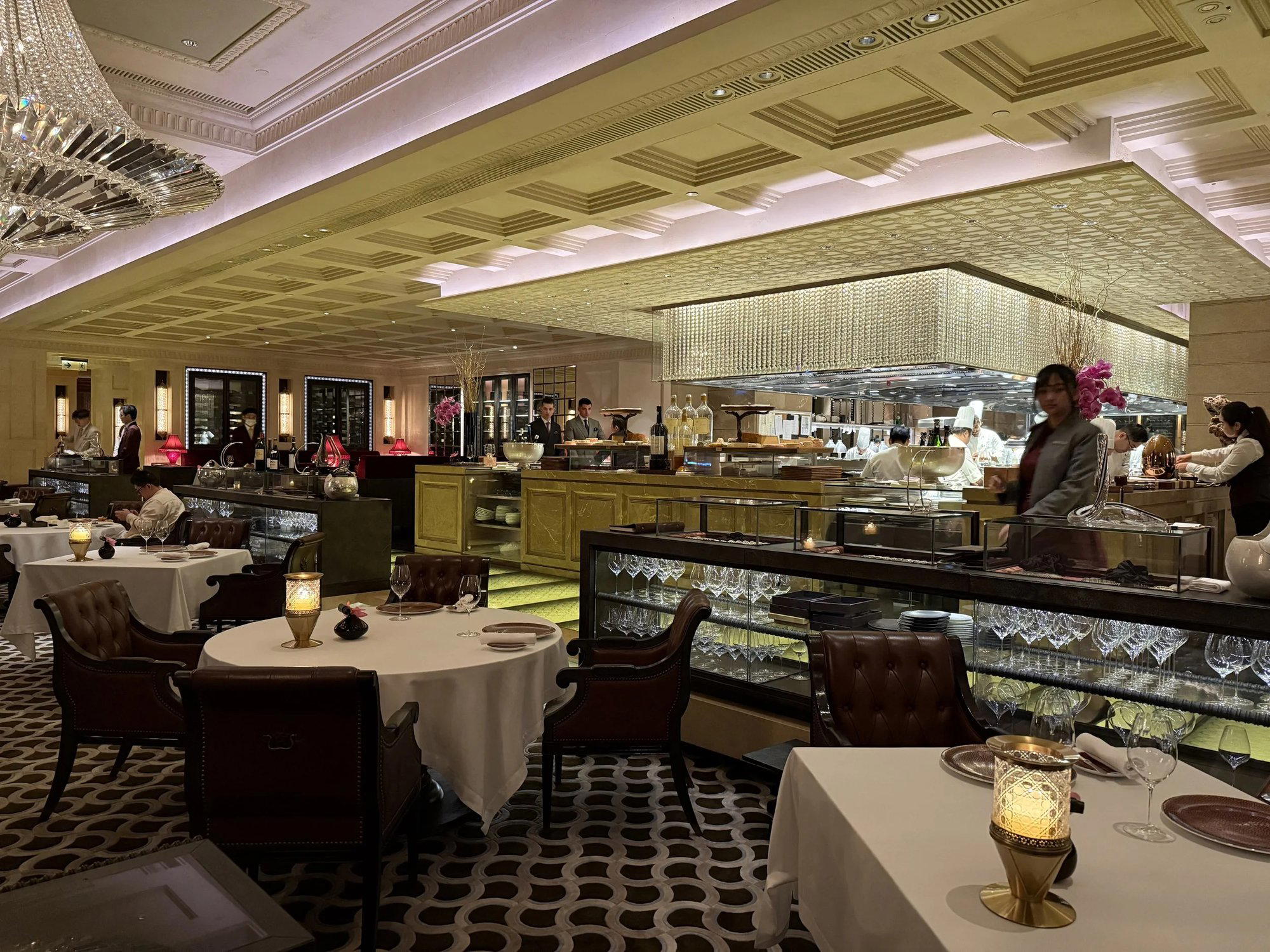
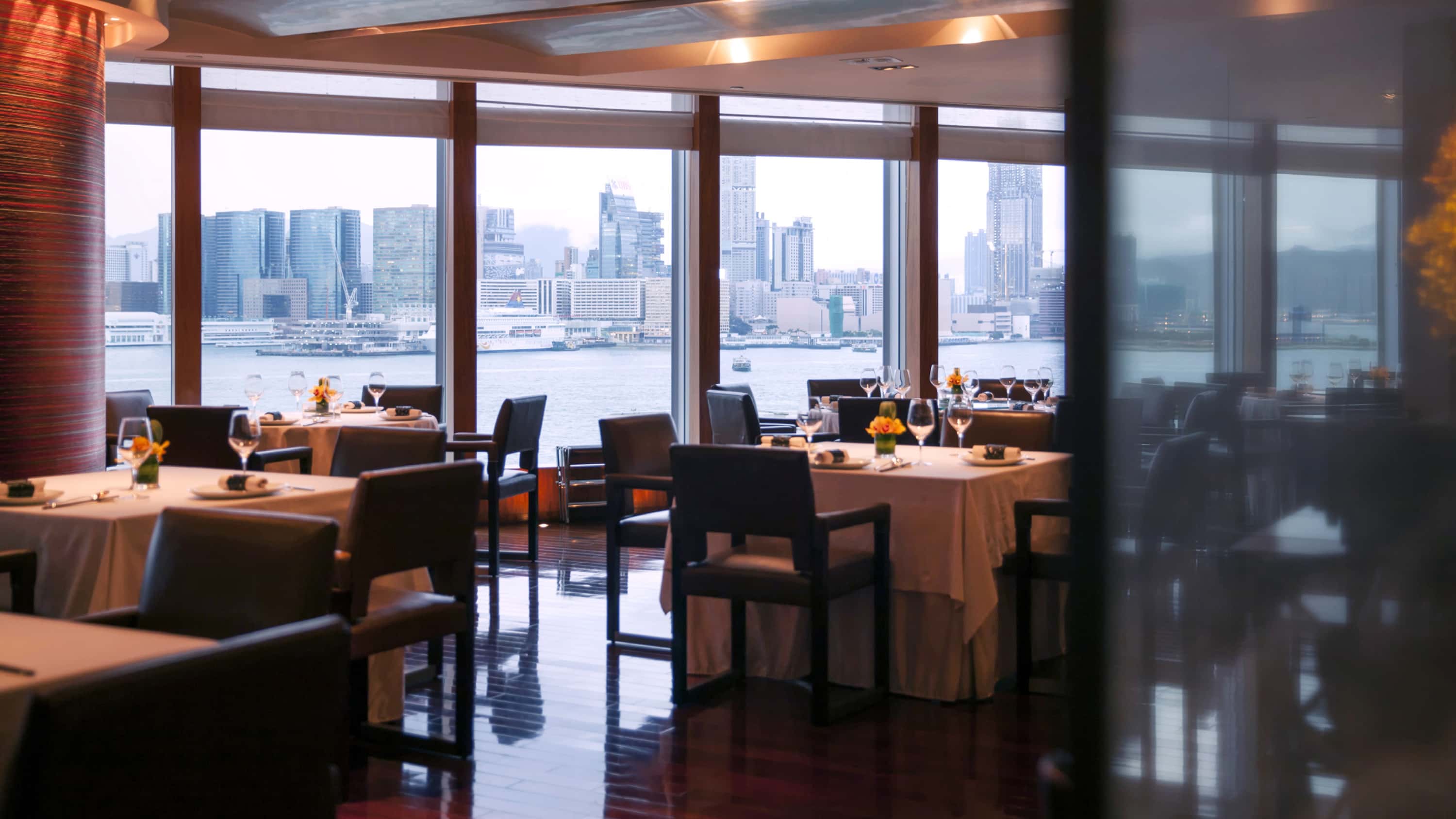
Comfortable and bustling atmosphere reflecting lively local culture, with a clean and presentable setting.