Habib's Indian and Middle Eastern Food occupies a ground-floor shopfront on How Ming Street in Kwun Tong, sitting in a district that has absorbed wave after wave of South Asian and Middle Eastern culinary influence. The kitchen draws from two distinct but overlapping ingredient traditions, making it one of the more specific cross-regional offerings in a neighbourhood known for its working-class dining pragmatism.
Pearl is the En Primeur Club membership app — saves, bookings, and concierge access live there. Same editors, same standards.
- Address
- G/F, Hung To Centre, Habibs Shop 5F4, 94-96 How Ming St, Kwun Tong, Hong Kong
- Phone
- +85225109008
- Website
- habibs.com.hk
- Directions
- Get directions
 Saves & bookings on Pearl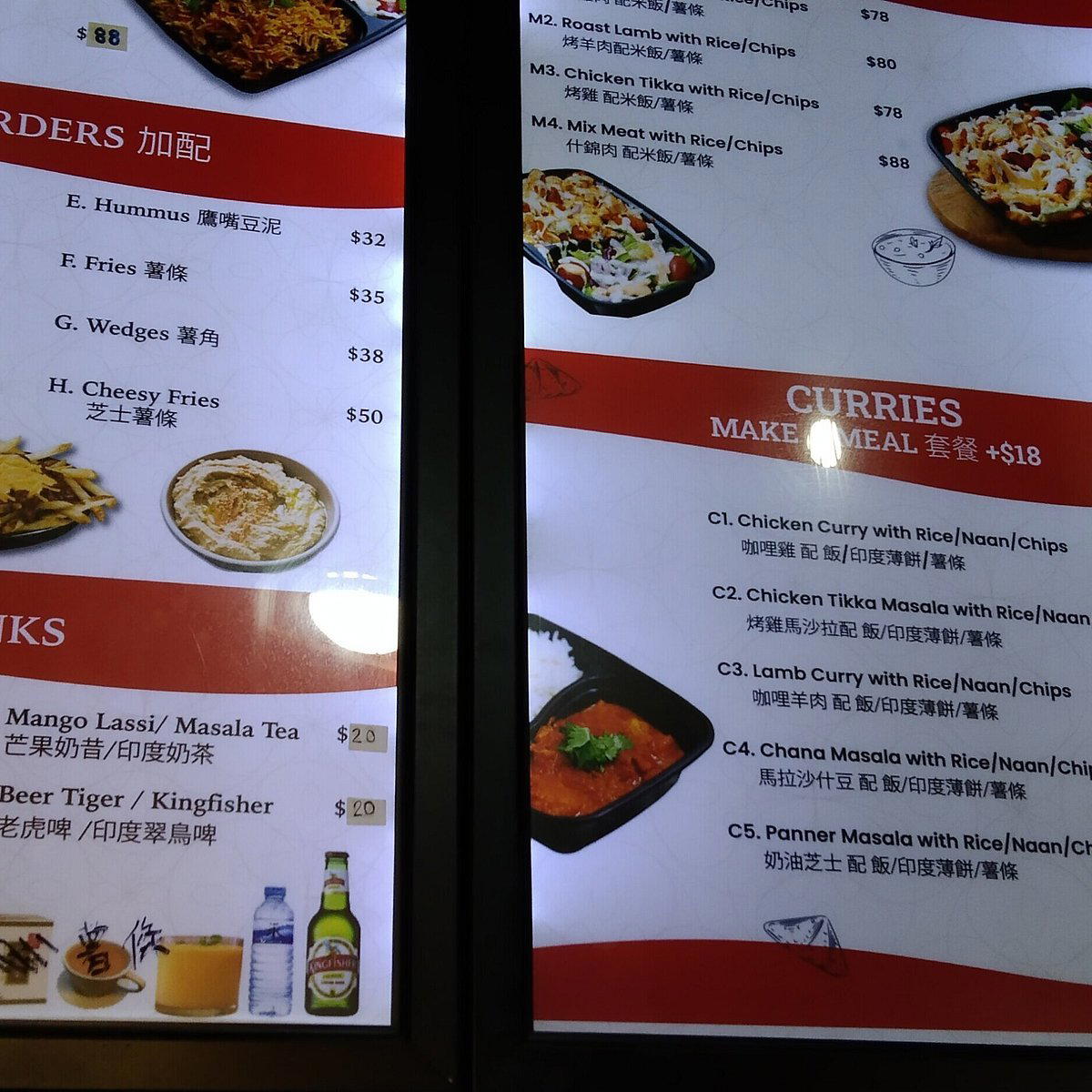
How Ming Street and the Overlap of Two Ingredient Traditions
Kwun Tong's dining scene has never been built around spectacle. The industrial district across the harbour from Hong Kong Island runs on lunch crowds, takeaway counters, and the kind of canteen logic that prioritises yield per square foot. Into this context, Habib's Indian and Middle Eastern Food occupies a ground-floor unit in Hung To Centre on How Ming Street, a stretch that sits closer to the practical end of Kowloon eating than anywhere you'd find on a tourist itinerary. That positioning matters, because the cuisine it serves, drawing from both the Indian subcontinent and the Levantine and Gulf traditions of the Middle East, belongs to an ingredient logic that is almost entirely distinct from the Cantonese canon that defines most of our full Kwun Tong restaurants guide.
The convergence of Indian and Middle Eastern cooking is not arbitrary. Historically, the spice trade created culinary corridors between the subcontinent and the Arab world that persist in the kitchen today: dried limes appear in both Persian stews and some Indian coastal preparations; cardamom moves freely between chai and Arabic coffee; lamb is the protein that anchors both a proper biryani and a slow-roasted shawarma. A restaurant that straddles both traditions is working with genuinely overlapping pantries, not performing a fusion exercise. The ingredient sourcing question becomes the interesting one here, where the chickpeas, the spices, the flatbread grain, and the protein actually originate, and whether a kitchen in industrial Kowloon can maintain the supply lines that give these cuisines their character.
The Sourcing Question in a Crossroads Cuisine
Hong Kong's position as a free port with minimal import tariffs on food gives restaurants here a sourcing flexibility that most cities cannot match. Spices that would pass through multiple distributors in European markets arrive in Hong Kong relatively quickly from origin, saffron from Iran or Kashmir, cumin and coriander from Rajasthan, sumac from the Levant. Halal supply chains, which both Indian Muslim and Middle Eastern cooking typically require, are well-established in Kowloon and the New Territories, where a significant South and West Asian residential community has sustained specialist suppliers for decades.
This infrastructure matters for a kitchen like Habib's in ways that are not always visible on the plate. The difference between cumin that has been sitting in a regional warehouse and cumin sourced fresher and more directly is significant, it affects whether a dal is merely savoury or whether it carries the dry, slightly smoky edge that defines the spice at its leading. Similarly, whether flatbread is made from a flour milled for high-gluten extensibility or from a generic wheat blend determines whether a roti tears correctly or holds a filling without collapse. For a restaurant in this price and neighbourhood tier, these are the decisions that separate a competent execution from one that retains the logic of the original cuisine.
Kwun Tong's South Asian dining presence is notable if quiet. The area holds a number of Indian and Pakistani restaurants that serve the district's working population, including communities with origins in the subcontinent who moved through the territory across several immigration waves. Habib's sits within that broader neighbourhood tradition, which gives it a reference community with genuine expectations rather than the kind of tourist tolerance that allows a diluted version of a cuisine to survive in more central districts. For comparison, in Central or Tsim Sha Tsui, an Indian or Middle Eastern restaurant competes partly on décor and concept; in Kwun Tong, it competes on whether the food is accurate enough to satisfy people who know what it should taste like.
Kwun Tong in the Wider Hong Kong Dining Picture
Hong Kong's dining reputation at the leading end sits with venues like 8 1/2 Otto e Mezzo Bombana (Hong Kong) in Hong Kong and Gaia in Central And Western, both of which operate in a different price bracket and a different geography from Kwun Tong's shopfront dining. The Kowloon side offers its own distinct register, Kam Fai and Lei Garden represent the Cantonese tradition in the district, while restaurants like Habib's fill a non-Cantonese bracket that reflects the territory's actual demographic complexity. Across the wider New Territories and outer districts, you find similar patterns: Hoi Tin Garden in Tuen Mun, One-ThirtyOne in Tai Po, and Sai Kung Sing Kee in Sai Kung each anchor their immediate neighbourhood in ways that are legible only when you understand the local population they serve.
For Middle Eastern cuisine specifically, the comparison that clarifies what a restaurant like Habib's is doing versus a more tourist-facing operation is useful. I Love Istanbul in Tsuen Wan sits in a similar outer-district position and serves a cuisine with West Asian roots to a mixed local and expat clientele. The question of how much a kitchen adjusts its ingredient logic and spice intensity for a perceived Hong Kong palate versus how much it maintains fidelity to a source cuisine is the critical variable in this category, across all districts.
Planning a Visit
Habib's is located at Shop 5F4, Hung To Centre, 94-96 How Ming Street in Kwun Tong. The address places it within walking distance of Kwun Tong MTR station, which makes it accessible from Kowloon and Hong Kong Island without a taxi. Given the neighbourhood's lunch-hour density, earlier or later timings within a lunch or dinner window typically mean shorter waits.
Comparable Venues
Comparable venues nearby, for context on price, style, and recognition.
| Venue | Cuisine | Price | Notes |
|---|---|---|---|
| Habib's Indian & Middle Eastern FoodThis venue — the venue you are viewing | Indian & Middle Eastern Fast Food | $$ | Not listed |
| Kam Fai | Cantonese Seafood | $$ | Kwun Tong |
| Lei Garden | Michelin-Starred Cantonese | $$$ | Kwun Tong |
| 15-27 Cannon St | Steakhouse Fusion | $$ | Wan Chai |
| Putien | Authentic Fujian Cuisine | $$ | Wan Chai |
| 208 Hollywood Rd | Authentic Italian with Contemporary Flair | $$ | Central |
Continue exploring
More in Kwun Tong
Restaurants in Kwun Tong
Browse all →
Bars in Kwun Tong
Browse all →
At a Glance
- Casual Hangout
Current opening hours
- Monday
- 11 AM–10 PM
- Tuesday
- 11 AM–10 PM
- Wednesday
- 11 AM–10 PM
- Thursday
- 11 AM–10 PM
- Friday
- 11 AM–10 PM
- Saturday
- 11 AM–10 PM
- Sunday
- 11 AM–10 PM
Hours can change for holidays and private events. Last verified .
Casual fast food atmosphere filled with enticing aromas of freshly prepared spices.