
Michelin Plate
Our verdict
A kappo counter in Roppongi built around a single premise: eat as much as you want of what you want. The head chef trained in Kyoto and sources rice and water from Kyotango, pike conger and oysters from Nagasaki, and closes every meal with a champon recipe inherited from his mother's noodle shop in Amakusa. Michelin Plate recognition in both 2024 and 2025 confirms its standing in Tokyo's mid-tier kappo tier.

Pearl is the En Primeur Club membership app, where members save venues, book tables and use the concierge.
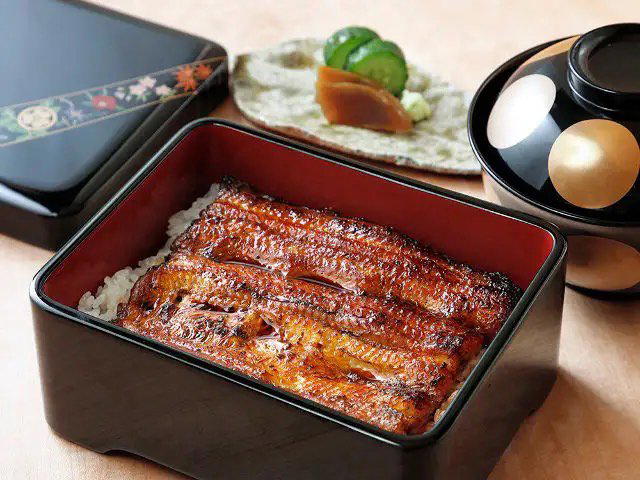
The menu
What to order
- Mother’s Champon
- Kyotango Rice with new-season sansho
- Nagasaki Pike Conger Shabu
- Smoked Oyster with yuzu miso
Kansai Craft in a Kanto Room
Tokyo's kappo tradition has always absorbed regional influences from across Japan, but the Kansai-to-Kanto transfer carries particular weight. Kyoto-trained chefs who bring west-Japan technique to the capital tend to operate with a different set of reference points: lighter dashi builds, more precise knife work on delicate fish, and a preference for rice quality that Kanto cooks historically subordinated to the sauce. Myojaku and Kagurazaka Ishikawa represent the upper end of that Kyoto-lineage spectrum in Tokyo. Roppongi Rian sits below them in price tier but shares the same orientation: Kyoto training, Kyoto-sourced rice and water from Kyotango, and a format that foregrounds ingredient choice over fixed-course rigidity.
That last point is what separates Rian from the standard kappo template. Most kappo counters in Tokyo run on the chef's terms, a set sequence with minimal negotiation. Rian reverses the contract. The stated concept is "as much as you want of what you want," with seasonal fruits and vegetables arranged on the counter in full view, available to be cooked by the method the diner prefers. It is a format that demands either a confident kitchen or a flexible one. Here, the Kyoto grounding provides the technical floor that makes the freedom workable.
Regional Sourcing as Argument
The ingredient map at Rian tells a biographical story that reads as culinary argument. Pike conger and oysters come from Nagasaki, reflecting the head chef's Amakusa roots in Kumamoto Prefecture, a region where hamo and shellfish from the surrounding sea form the core of local cooking. Kyotango in northern Kyoto Prefecture is one of Japan's most closely watched rice-producing areas, and sourcing both rice and cooking water from there is a deliberate positioning, not a marketing gesture. Kyotango Koshihikari carries enough regional identity that chefs invoking it are making a statement about what a bowl of rice should taste like by the end of a meal.
This kind of dual-regional sourcing, Kansai for technique and staples, Kyushu for key proteins, is less common in Tokyo's Roppongi corridor than in the neighbourhoods where long-established kappo houses have supplier networks built over decades. Azabu Kadowaki and Ginza Fukuju operate in adjacent neighbourhoods with their own deep sourcing relationships. Rian's approach is narrower in stated scope but pointed in execution: the ingredients on the counter each evening reflect a consistent geographic logic rather than market opportunism.
The Champon Closer
The meal ends with champon, the Nagasaki noodle dish distinguished by its milky pork-and-seafood broth and its status as one of the few Japanese noodle styles with a clearly documented origin story. Rian's version follows a recipe from the head chef's mother, who runs a shop specialising in the dish. In a format built around diner choice and Kyoto refinement, closing with a Nagasaki champon is a statement of where the chef actually comes from. It anchors the personal geography that the sourcing decisions have been sketching throughout the meal.
Champon as a meal closer is unusual enough in a Tokyo kappo context to register as a signature. Most counters at this level end with a more neutral rice course or a dashi-based ochazuke. The Nagasaki noodle brings a richer, more assertive finish, and its presence on a menu that otherwise skews toward Kansai delicacy is the tension that gives Rian its character. For readers familiar with Goh in Fukuoka or the Kyushu-inflected cooking at HAJIME in Osaka, the regional layering will read immediately.
Michelin Recognition and What It Signals
Rian has held a Michelin Plate in both 2024 and 2025. The Plate sits below the star tier but above anonymous inclusion in the guide, marking a kitchen that inspectors find technically sound and worth seeking. In Tokyo's kappo category, where starred counters like Jingumae Higuchi operate at ¥¥¥¥ price points, Rian's ¥¥¥ tier with Plate recognition positions it as a credible entry into Kansai-lineage kappo without the booking difficulty or pricing of the starred tier.
For broader context on how regional Japanese cooking traditions play out across the country's restaurant tier, Gion Sasaki in Kyoto, Isshisoden Nakamura in Kyoto, and Kashiwaya Osaka Senriyama provide the Kansai reference points against which Tokyo interpretations like Rian are measured. Diners interested in how Nara fits into that regional picture can also consider akordu in Nara.
Planning Your Visit
Rian is located on the fourth floor of GEMS Roppongi, a multi-tenant dining building at 6-2-6 Roppongi, Minato City. The GEMS format is common in central Tokyo and typically houses mid-tier restaurant concepts across several floors. Roppongi itself sits between Azabu-Juban and the Ark Hills corridor, with strong transit access via the Hibiya and Oedo lines.
| Venue | Cuisine | Price Tier | Michelin Status | Format |
|---|---|---|---|---|
| Roppongi Rian | Kappo, Japanese | ¥¥¥ | Plate (2024, 2025) | Counter, flexible-choice |
| Azabu Kadowaki | Kaiseki | ¥¥¥¥ | Starred | Set course counter |
| Kagurazaka Ishikawa | Kaiseki | ¥¥¥¥ | Starred | Set course |
| Myojaku | Japanese | ¥¥¥¥ | Starred | Counter |
For broader dining planning in the city, see our full Tokyo restaurants guide, as well as our full Tokyo hotels guide, our full Tokyo bars guide, our full Tokyo wineries guide, and our full Tokyo experiences guide. For a broader view of Japan's dining map, 1000 in Yokohama and 6 in Okinawa extend the picture beyond the capital.
Frequently asked questions
at Roppongi Rian?
Rian's format is built around choice rather than a fixed sequence, so the counter display of seasonal produce is the starting point for any order. The ingredients most clearly tied to the chef's sourcing logic are the pike conger and oysters from Nagasaki. The champon noodle course that closes the meal is drawn from a family recipe and is distinctive enough within the Tokyo kappo context to be worth reserving space for. The Michelin Plate recognition in 2024 and 2025 suggests consistent execution across the menu rather than a single standout dish.
Is Roppongi Rian reservation-only?
Counter kappo restaurants in Tokyo at the ¥¥¥ tier almost universally require reservations, and Michelin-recognised venues in Roppongi receive enough demand to fill seats in advance. Walk-in availability at this category of restaurant in central Tokyo is not something to rely on, particularly on weekends.
What is Roppongi Rian leading at?
The kitchen's clearest strength is the integration of Kyoto technique with Kyushu ingredient sourcing, a combination that is less common in Roppongi than in the neighbourhoods where Tokyo's established Japanese fine dining is concentrated. The Michelin Plate in both 2024 and 2025 confirms technical reliability. Within the kappo category, the flexible-choice format, where diners select from seasonal produce on the counter rather than accepting a fixed menu, is the feature that most clearly differentiates Rian from peer counters at similar price points.
A Lean Comparison
Comparable options at a glance, pulled from our tracked venues.
| Venue | Cuisine | Price | Awards | Notes |
|---|---|---|---|---|
| ROPPONGI RIANThis venue (the venue you are viewing) | Kyoto-style Kappo | $150–200 | Michelin Plate | Not listed |
| Harutaka | Edo-Style Omakase Sushi | $200–300 | 3 Michelin Stars · World's 50 Best #76 | Sushi |
| RyuGin | Modern Kaiseki | $500+ | 3 Michelin Stars · World's 50 Best #41 | Kaiseki, Japanese |
| L'Effervescence | Modern French with Japanese Influences | $200–300 | 3 Michelin Stars · World's 50 Best #69 | French |
| HOMMAGE | Modern French with Japanese Influences | $150–200 | 2 Michelin Stars · World's 50 Best #78 | Innovtive French, French |
| MAZ | Innovative Peruvian-Japanese Fusion | $150–200 | 2 Michelin Stars · World's 50 Best #28 | Innovative |
Recognition history
Dated appearances from independent guides and award organizations, with the underlying list record or original source where available.
Michelin Plate
Michelin
Full recognition history (3 entries)
Michelin Plate
Michelin
Michelin Plate
Michelin
Continue exploring
More in Tokyo
Restaurants in Tokyo
All restaurants in Tokyo →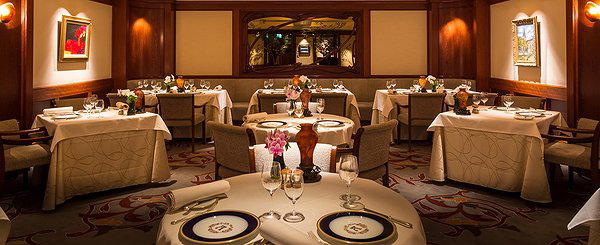


Bars in Tokyo
All bars in Tokyo →







Details
- Elegant
- Intimate
- Sophisticated
- Modern
- Date Night
- Business Dinner
- Special Occasion
- Chefs Counter
- Open Kitchen
- Private Dining
- Sake Program
- Extensive Wine List
- Local Sourcing
- A La Carte
- Omakase
- Counter Dining
- Sake
- Wine
- Allergy Accommodating
Current opening hours
- Monday
- 5–11 PM
- Tuesday
- 5–11 PM
- Wednesday
- 5–11 PM
- Thursday
- 5–11 PM
- Friday
- 5–11 PM
- Saturday
- 5–11 PM
- Sunday
- 5–11 PM
Hours can change for holidays and private events. Hours as of .
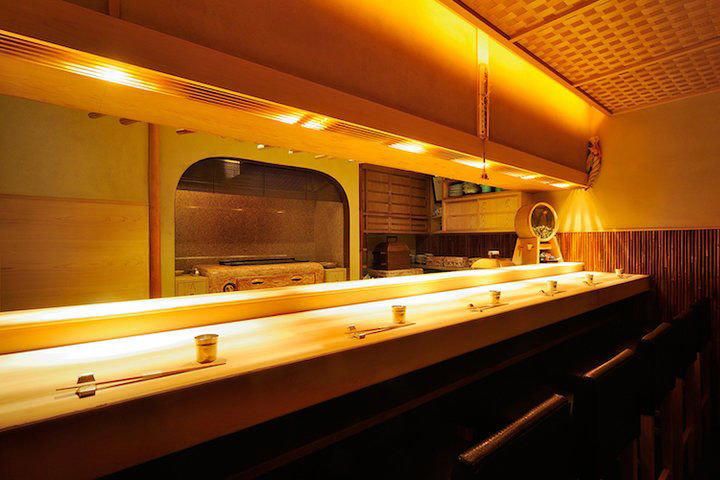
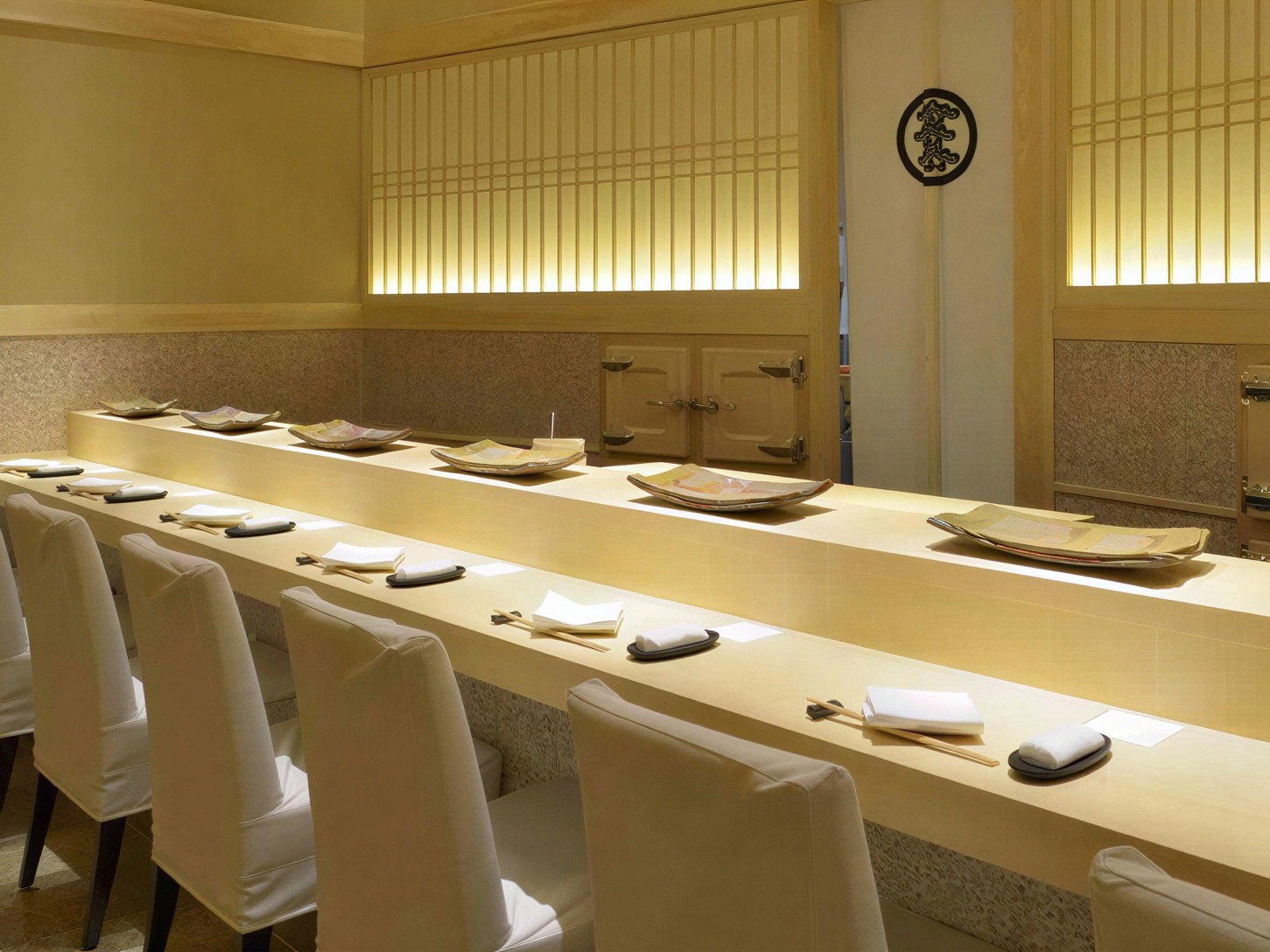
Serene and warmly interactive atmosphere centered around a polished hinoki counter with pristine sightlines, minimalist decor, and precise unhurried service.