
A Michelin Plate-recognised kaiseki-adjacent counter in Shinjuku's Arakicho, Oryori Horiuchi is shaped by chef-owner Sayaka Horiuchi's direct relationships with producers across Japan. Ingredients arrive from Nerima vegetable farmers and Kyoto clam fishermen, while the kitchen's grounding in Yamanashi home cooking gives the menu a regional intimacy rare at this price tier.
Pearl is the En Primeur Club membership app — saves, bookings, and concierge access live there. Same editors, same standards.
- Address
- Japan, 〒160-0007 Tokyo, Shinjuku City, Arakicho, 9−15 土田ビル 1階
- Phone
- +81 3-3226-2337
- Website
- lin.ee
- Directions
- Get directions
 Saves & bookings on Pearl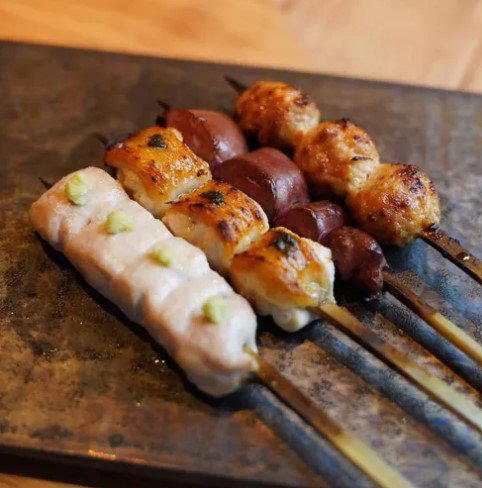
Arakicho and the Intimate Dining Room Tradition
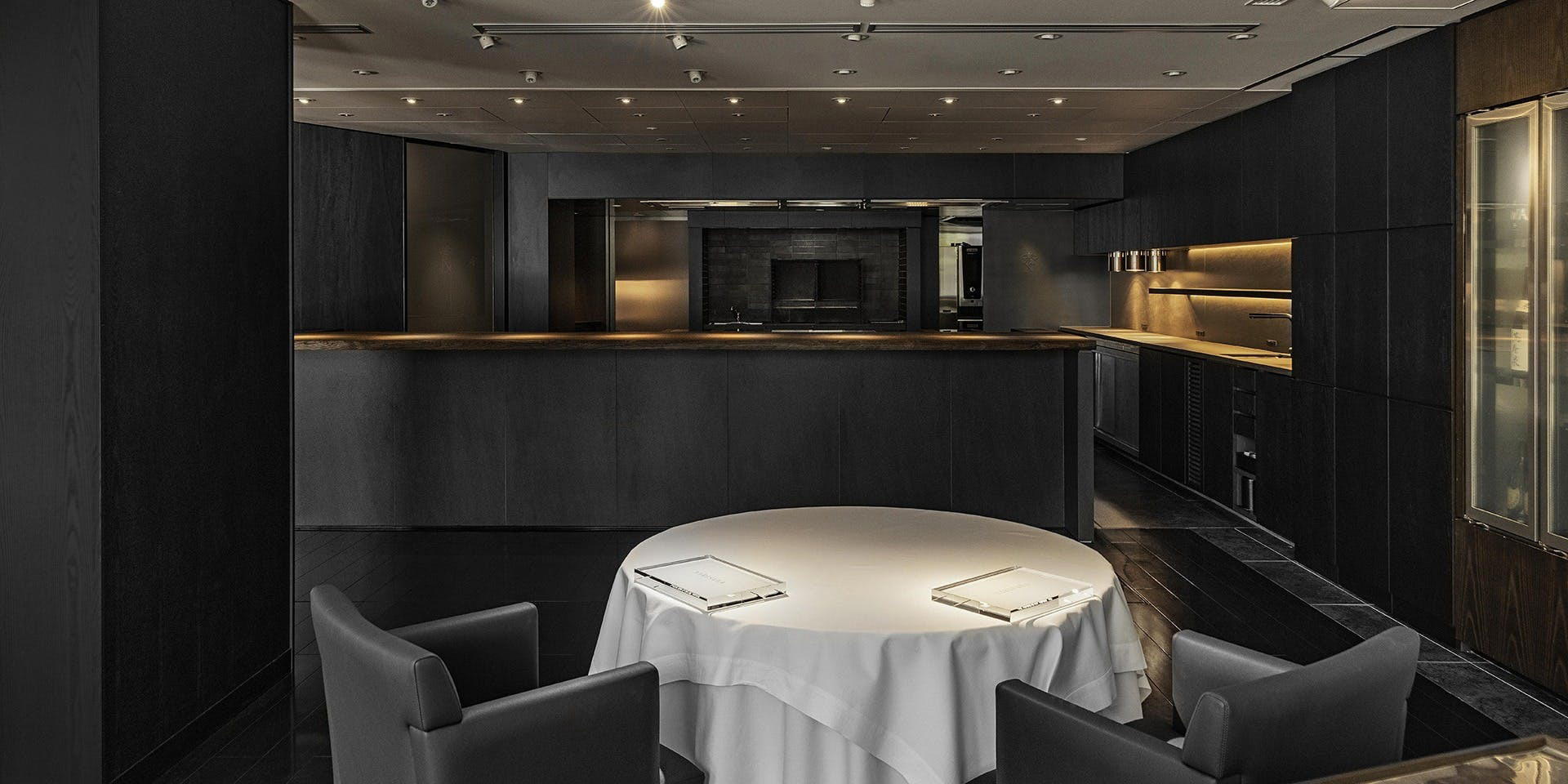
Shinjuku's Arakicho district sits a short walk from the busier arteries of the ward but operates at an entirely different register. The neighbourhood has accumulated a concentration of small, owner-operated restaurants over several decades, the kind that seat fewer than twenty and rely almost entirely on repeat custom and word of mouth. This is the context in which Oryori Horiuchi operates: a Japanese Kaiseki restaurant on a residential block in Tokyo's Arakicho.
Tokyo's mid-to-upper tier of Japanese dining spans a wide range of approaches, from the multi-star kaiseki formalism of venues like Kagurazaka Ishikawa or Azabu Kadowaki to the more austere precision of sushi-only counters such as Myojaku. Oryori Horiuchi occupies a different position in that field: it is closer in spirit to the oryori (御料理) tradition of refined home cooking scaled upward, rather than the ceremonial kaiseki lineage descending from Kyoto temple culture. That distinction matters for how you read the menu and what you expect the evening to feel like.
A Menu Shaped by Producer Relationships
The sourcing model at Oryori Horiuchi is not incidental to the cooking; it is the editorial spine of the menu. Sayaka Horiuchi has built direct relationships with farmers and fishermen across Japan, which places her in a growing cohort of Japanese chefs who treat producer networks as the primary creative constraint rather than a marketing afterthought. In practical terms this means the menu reflects what specific people in specific places are growing or catching at a given moment in the season, rather than a standardised rotation of premium commodities.
The geographic range of these relationships is specific and traceable. Local vegetables come from farmers in Nerima, still technically within Tokyo's administrative boundary but operating at agricultural scale that most of the city has long since urbanised away. Clams arrive from fishermen in Kyoto, a sourcing choice that reflects the longer-standing connection between inland Japanese cities and specific coastal suppliers. Menus structured around this kind of named-producer geography appear at venues across the price spectrum in Japan, but they remain rarer in the ¥¥¥ tier, where margins typically push kitchens toward more standardised wholesale supply chains.
Yamanashi Prefecture influence on the menu is worth noting as a distinct register. Horiuchi's chicken offal stew draws directly from the home cooking of her native prefecture, a preparation that sits outside the usual lexicon of refined Japanese restaurant cooking. Dishes like this act as an anchor for the menu's character: technically accomplished but not distanced from the regional and domestic traditions that shaped them. For comparison, regional specificity of this kind surfaces occasionally at places like Gion Sasaki in Kyoto or Goh in Fukuoka, where the chef's home region visibly inflects the direction of the menu. At the restaurant, that inflection is explicit rather than subtle.
The Collaboration Behind the Counter
Editorial angle of EA-GN-11 asks what happens when you look at a small owner-operated restaurant not as a solo project but as a set of working relationships. In a room of this scale, the lines between kitchen, floor, and what might elsewhere be called a sommelier role tend to compress. The chef reads the room directly; the person pouring drinks or presenting dishes carries contextual knowledge about the sourcing and the cooking that would sit with a separate front-of-house team in a larger operation. The intimacy that defines Arakicho's dining culture depends on this compression functioning well.
Rooms where the chef-owner is the entire team often show higher variance in review data; a stable 4.2 across 175 data points signals that the collaboration between kitchen and floor, however informally structured, holds.
The Michelin Plate recognition, awarded in both 2024 and 2025, provides a secondary calibration. A Plate designation in the Tokyo guide does not indicate the same tier as a Bib Gourmand or a Star, but in a city where Michelin coverage is dense and competitive, consecutive Plate recognition signals that the kitchen meets a minimum standard of technical consistency.
Where Oryori Horiuchi Sits in the Tokyo Dining Field
Placing this restaurant accurately within Tokyo's wider dining picture requires separating it from venues operating at the ¥¥¥¥ price tier, where the competitive set includes multi-course kaiseki menus at RyuGin-level ambition or the omakase counters where a single sitting costs upward of ¥40,000. The restaurant at the ¥¥¥ range sits closer in price to accessible Michelin Plate and Bib Gourmand addresses than to the upper tier, but its producer-sourcing depth and the Michelin recognition put it above the casual end of that bracket.
Peer venues worth placing alongside it include Jingumae Higuchi and Ginza Fukuju, which operate in a similar zone of recognised but not starred Japanese cooking in Tokyo. For readers planning broader itineraries across Japan, the oryori register also appears at Isshisoden Nakamura in Kyoto and at producer-focused Japanese restaurants such as Kashiwaya Osaka Senriyama in Osaka and akordu in Nara, offering useful points of comparison if you are moving through multiple cities. 1000 in Yokohama and 6 in Okinawa represent further regional expressions of this intimate, chef-driven dining model. You can also find additional context across our full Tokyo restaurants guide, our full Tokyo hotels guide, our full Tokyo bars guide, our full Tokyo wineries guide, and our full Tokyo experiences guide.
The HAJIME comparison is worth raising for a different reason: HAJIME in Osaka operates at the highest end of the price and recognition scale, which helps calibrate just how different the market segment is that restaurant addresses. This is not a restaurant trying to compete in the multi-star tier; it is a room making a specific case for what the ¥¥¥ level of Japanese dining can be when the sourcing discipline is applied seriously.
Know Before You GoHours Mon-Sat: 4-11 PM; Sun: Closed Nearest area Arakicho, Shinjuku, accessible from Yotsuya-Sanchome station
City Peers
Comparable venues nearby, for context on price, style, and recognition.
| Venue | Cuisine | Price | Notes |
|---|---|---|---|
| Oryori HoriuchiThis venue — the venue you are viewing | Japanese Kaiseki | $$$$ | Not listed |
| Arakicho Tatsuya | Seasonal Kaiseki | $$$$ | Shinjuku |
| SUKIYAKI ASAI | Traditional Omi Beef Sukiyaki | $$$$ | Minato |
| Takumi Sushi Owana | Edomae Omakase Sushi | $$$$ | Shibuya |
| Hatsunezushi | Edomae Sushi Omakase | $$$$ | Ōta |
| Wagyumafia | Modern Wagyu Steakhouse | $$$$ | Toshima |
Recognition history
Dated appearances from independent guides and award organizations, with the underlying list record or original source where available.
Michelin Plate
Michelin
Michelin Plate
Michelin
Michelin Plate
Michelin












At a Glance
- Elegant
- Intimate
- Sophisticated
- Special Occasion
- Date Night
- Chefs Counter
- Sake Program
- Local Sourcing
Current opening hours
- Monday
- 4–11 PM
- Tuesday
- 4–11 PM
- Wednesday
- 4–11 PM
- Thursday
- 4–11 PM
- Friday
- 4–11 PM
- Saturday
- 4–11 PM
- Sunday
- Closed
Hours can change for holidays and private events. Last verified .
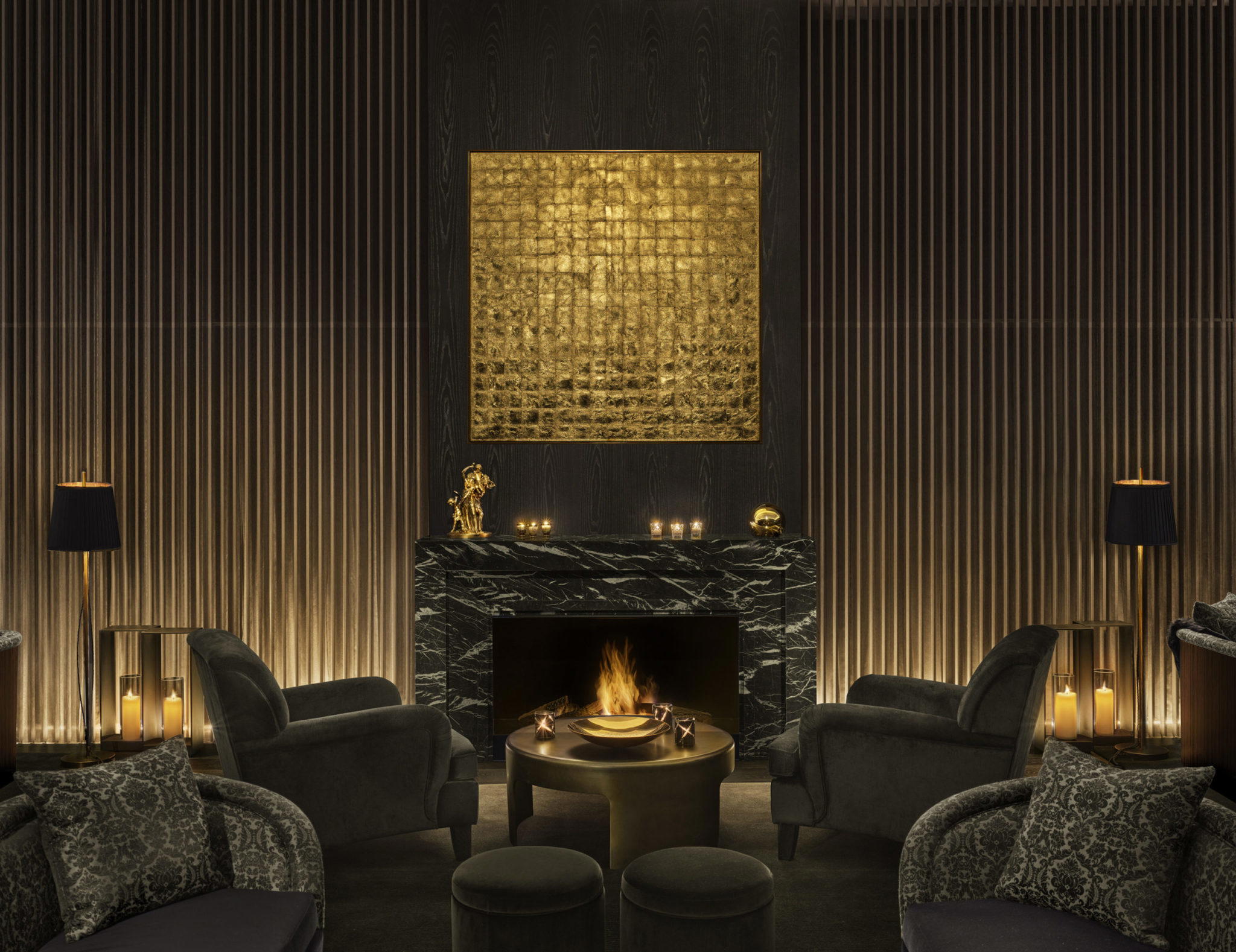
Serene and elegant atmosphere reflecting natural beauty through beautifully presented cuisine.