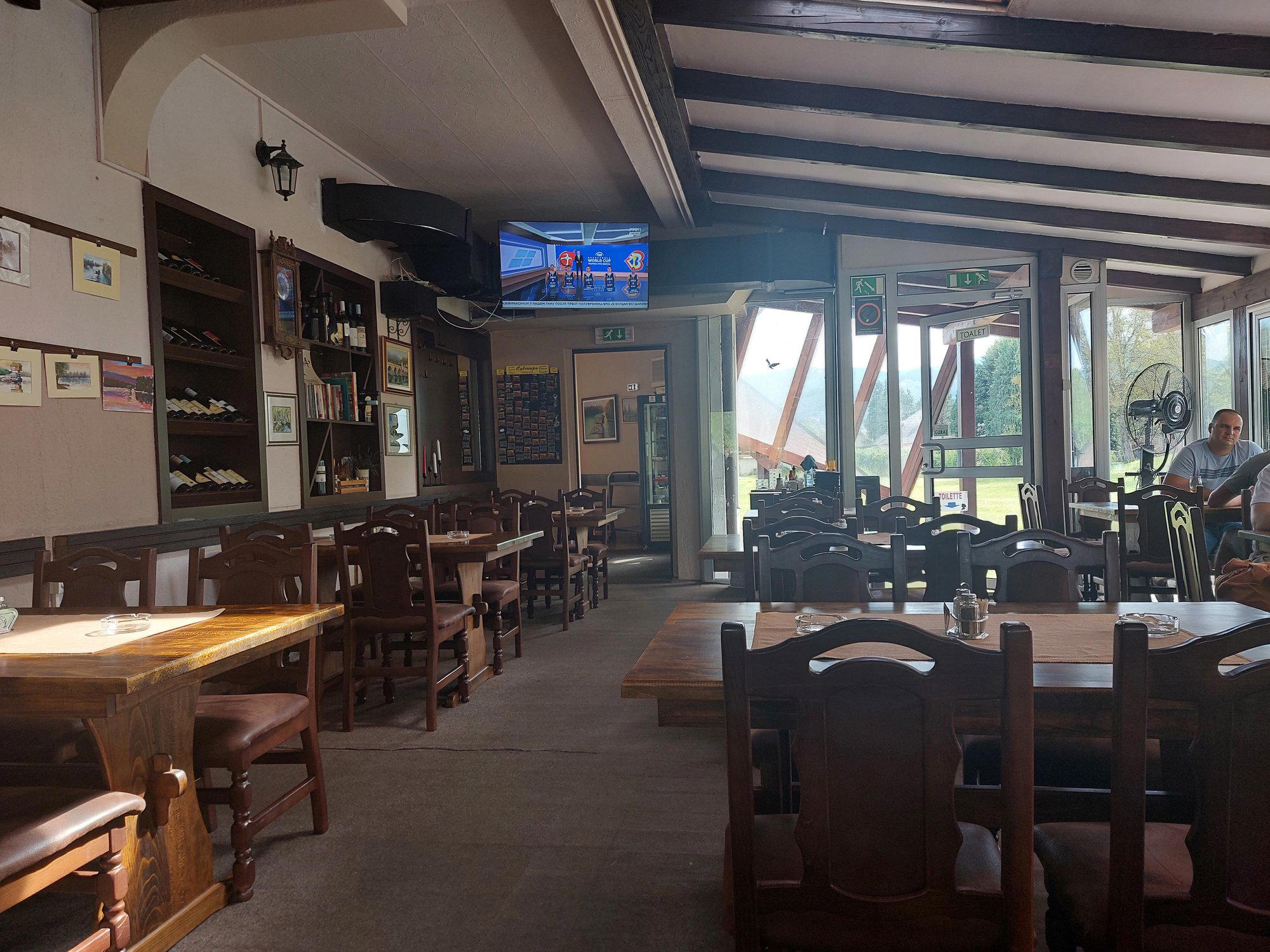
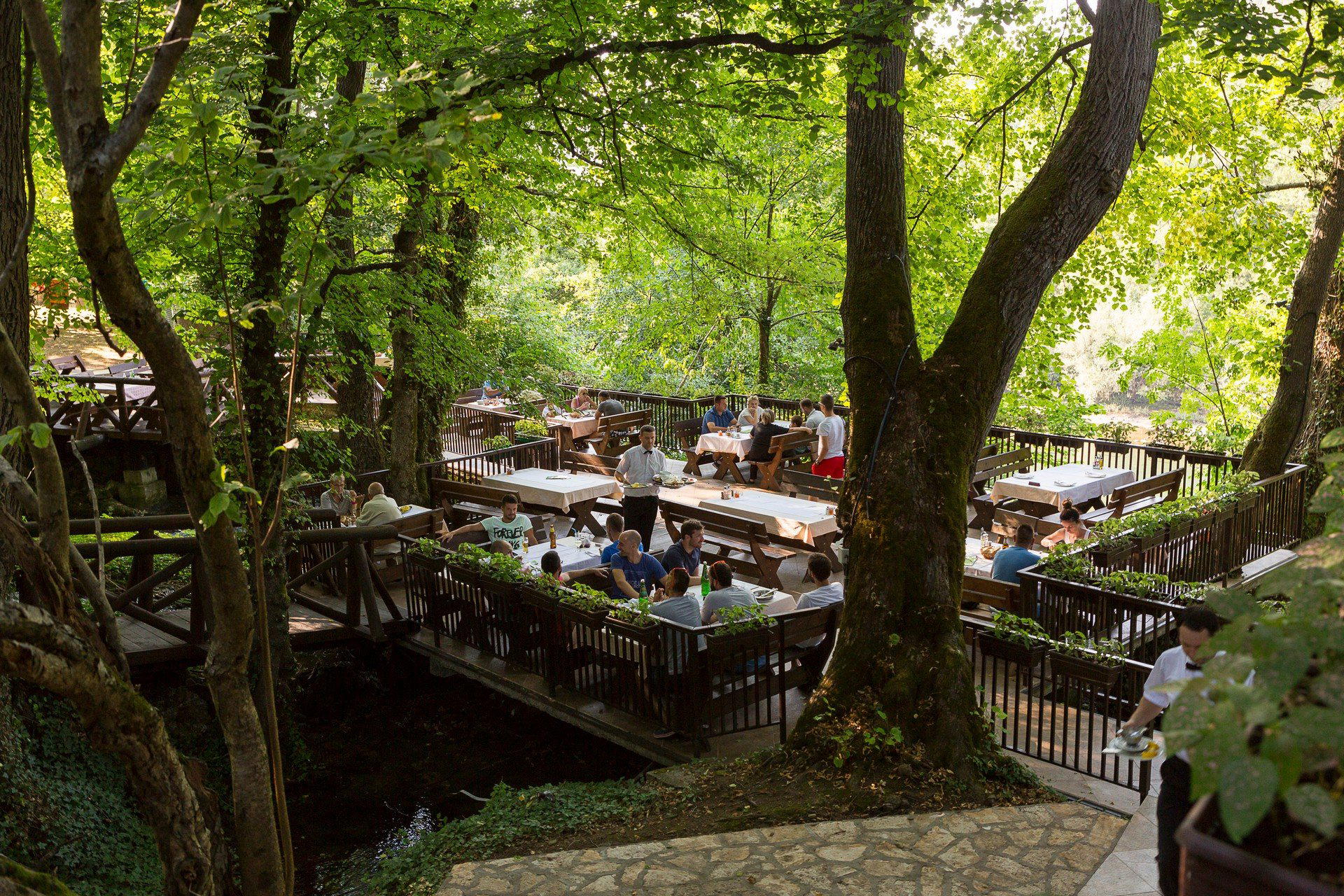
Restoran Radgost sits in Kremna, a village in western Serbia whose mountain terrain and rural tradition have long shaped how kitchens here source and cook. The restaurant draws on that local context, placing it within a broader pattern of Serbian highland dining where proximity to the land is the defining credential. For travellers moving through the Zlatibor region, it represents the kind of address worth orienting a route around.
Pearl is the En Primeur Club membership app — saves, bookings, and concierge access live there. Same editors, same standards.
- Address
- Здравка Панића 340, Kremna, Serbia
- Phone
- +381643811138
- Website
- kremnaconcept.com
- Directions
- Get directions
 Saves & bookings on Pearl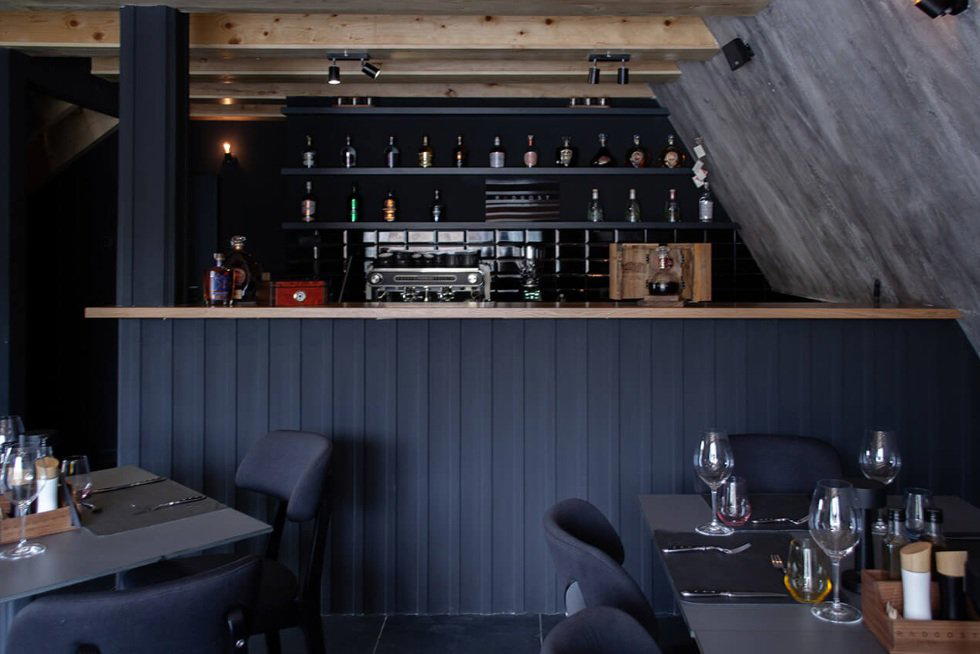
Where the Mountain Shapes the Menu
Kremna sits in the forested hills of western Serbia, close to the Zlatibor plateau, at an elevation where the growing season is short, the livestock graze on unimproved pasture, and the kitchen calendar is set by what the surrounding land produces rather than by supply chains running out of urban distribution centres. This is not a romantic abstraction: in villages like Kremna, geographic isolation has preserved sourcing patterns that much of European dining spent the last two decades trying to reconstruct. Restoran Radgost, addressed on Здравка Панића in the village itself, operates inside that tradition rather than as a commentary on it.
The approach to the restaurant tells you something before you arrive at the door. Kremna is not a transit town. Getting here requires a deliberate decision to leave the main corridor between Uzice and Zlatibor and move into smaller roads where the tree cover thickens and the settlements thin out. That physical effort filters the clientele and sets the register for what follows: this is a place people come to because they want to be in this specific valley, not because they were passing and stopped.
The Sourcing Logic of Serbian Highland Kitchens
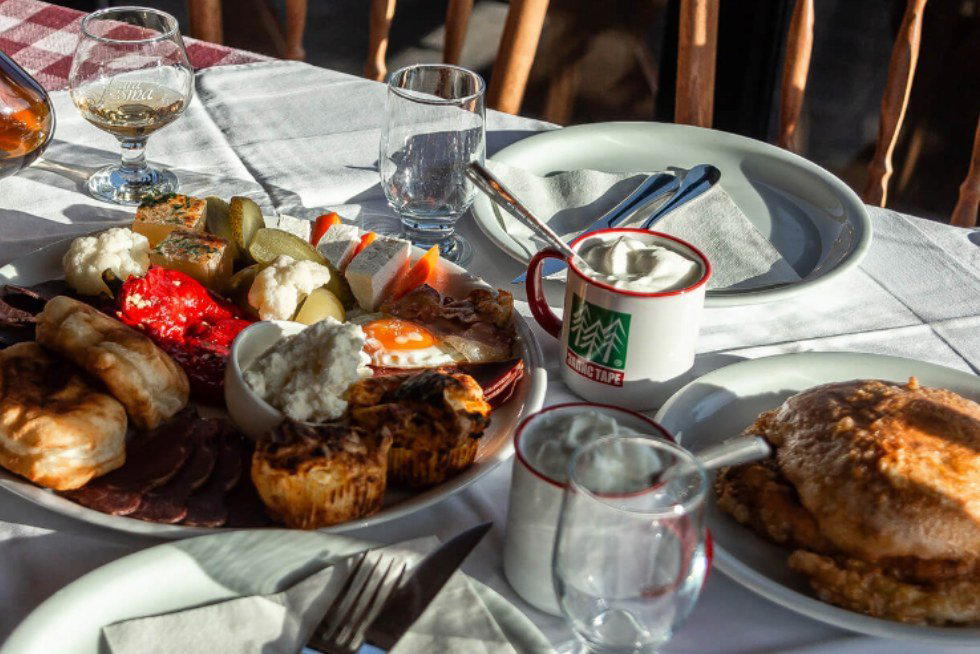
Across the western Serbian highlands, from the Zlatibor region down toward the Drina river towns, the restaurants that carry the local authority tend to share a common characteristic: their credibility is rooted in geography rather than technique. The question that matters is not what cooking method the kitchen uses, but how short the line is between the animal, the vegetable, or the dairy product and the plate. In this part of Serbia, that line can be extremely short. Pig and lamb rearing is household-scale in many villages; cheese, particularly the kajmak that appears as a condiment and ingredient across the region, is often made on-farm. Wild mushrooms come from the forests immediately above the settlement. This sourcing structure gives highland Serbian cooking a seasonal specificity that is hard to fake and difficult to replicate at lower altitudes where procurement is more abstracted.
Restoran Radgost sits within this framework. Its address in Kremna places it inside one of the more geographically contained communities in the Zlatibor district, which means the radius from which ingredients can realistically be drawn is tight. That constraint is also an asset: it anchors the menu to what the immediate territory produces rather than importing a generic idea of Serbian countryside cooking.
For broader context on how this category of restaurant fits into Serbian dining at large, our full Kremna restaurants guide maps the village's options alongside the surrounding area. Those looking to compare across the western Serbia region might also reference Kafana Pećinar Ljubiš in Cajetina or Kafana Studenac in Bajina Basta, both of which operate inside similar Zlatibor-adjacent traditions. Further afield, Lovački dom in Valjevo and Kod Brana in Cacak represent the same highland sourcing logic applied in slightly larger town settings.
The comparable set: Reading the Region
Serbian rural dining operates across a wide range of execution levels, from kafana-style institutions with no pretension to formal dining, to ethno-restoran formats that lean into vernacular architecture and regional branding. The kafana tradition, present in towns like Pirot (see KAFANA DUKAT in Pirot) and replicated in various forms across the country, is built around communal eating, grilled meat, and rakija culture. The ethno-restoran format, visible in venues like Etno Kuća Dinar in Vrsac and Koliba Etno Restoran in Leskovac, places that social experience inside a more deliberately curated traditional setting. Both formats share a sourcing philosophy that treats local provenance as a baseline assumption rather than a selling point. Restoran Radgost's location in Kremna puts it in the company of addresses where that assumption is hardest to dispute because the geography itself enforces it.
For those who want to calibrate against urban Serbian dining before or after a trip through this region, Langouste in Belgrade operates at the opposite end of the formality spectrum, at the €€€€ tier of modern cuisine, and illustrates how far the country's restaurant range extends. The contrast is useful context: what Kremna offers is not a lesser version of that register but a different one entirely, where the measure of quality is proximity and seasonality rather than technique and presentation.
Planning a Visit
Kremna is most accessible by car from Uzice, the nearest significant town, where connections from Belgrade via the Miloš Veliki highway make the journey manageable in under three hours from the capital. The Zlatibor resort area, approximately thirty kilometres south, serves as the main accommodation hub for visitors to this part of western Serbia, making Kremna a logical half-day excursion during a Zlatibor stay. Those arriving from the direction of Bajina Basta can approach through the Drina valley, adding a scenic dimension to the drive. Aleksandar Gold in Uzice is a useful reference point for dining in the regional centre if an overnight stop makes sense. The restaurant's full address is Здравка Панића 340, Kremna.
For those building a wider Serbian itinerary, the western highlands pair naturally with stops at ETNO PODRUM BRKA in Nis if the route moves south, or Windmill in Pancevo and Kafe Restoran Maša in Novi Sad if the circuit loops north through Vojvodina. Kod poštara in Aran Elovac and Grand **** in Kopaonik extend the mountain dining thread into central and southern Serbia. ČARDA ZLATNA KRUNA in Apatin represents the river-centric counterpart to Kremna's forest and pasture sourcing, completing a picture of how Serbian terrain drives kitchen identity across different zones of the country.
At the international reference level, venues like Le Bernardin in New York City and Atomix in New York City illustrate the ceiling of what ingredient sourcing and culinary precision can produce when resources are unlimited. The Kremna context is not that, and does not try to be: its authority comes from compression rather than ambition, from a kitchen that cannot easily reach beyond its valley and, as a result, does not need to.
At-a-Glance Comparison
Comparable venues nearby, for context on price, style, and recognition.
| Venue | Cuisine | Price | Notes |
|---|---|---|---|
| RESTORAN RADGOSTThis venue — the venue you are viewing | Serbian Local Cuisine | $$$ | Not listed |
| Aleksandar Gold | Barbecue and European | $$ | Uzice |
| Znak pitanja (?) | Traditional Serbian Kafana | $$ | Stari Grad |
| PEĆINA MARKO POLO | Serbian Barbecue & Grill | $$$ | Lepterija |
| Кафана Курта | Serbian Grill | $$$ | Kaluđerske bare |
| RESTORAN ČAJKOVSKI | Modern Serbian Fine Dining | $$$ | Stari Grad |
Continue exploring
More in Kremna
Restaurants in Kremna
Browse all →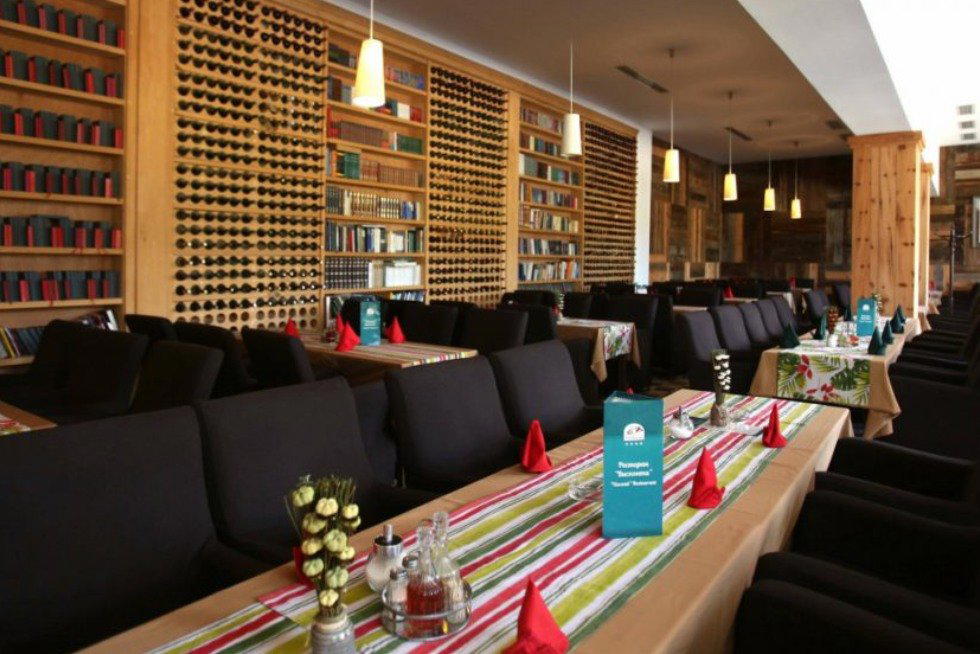
Hotels in Kremna
Browse all →
Wineries in Kremna
Browse all →
At a Glance
- Rustic
- Cozy
- Scenic
- Family
- Group Dining
- Special Occasion
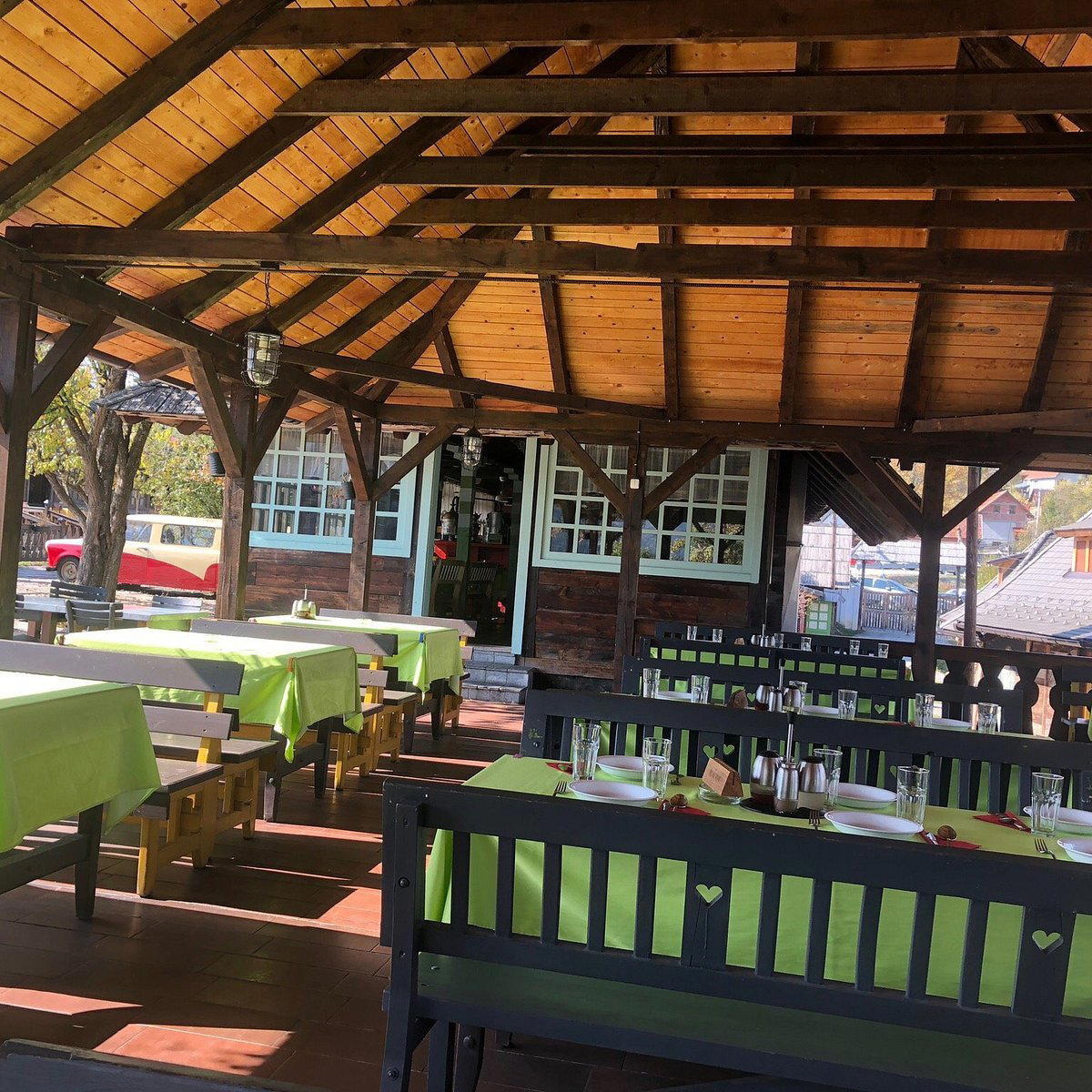
- Terrace
- Garden
- Private Dining
- Extensive Wine List
- Local Sourcing
- Farm To Table
- Mountain
Current opening hours
- Monday
- Closed
- Tuesday
- Closed
- Wednesday
- Closed
- Thursday
- 1–8 PM
- Friday
- 9:30 AM–9 PM
- Saturday
- 9:30 AM–9 PM
- Sunday
- 9:30 AM–9 PM
Hours can change for holidays and private events. Last verified .
Traditional and modern ambiance with warm, welcoming atmosphere in a family-friendly setting.