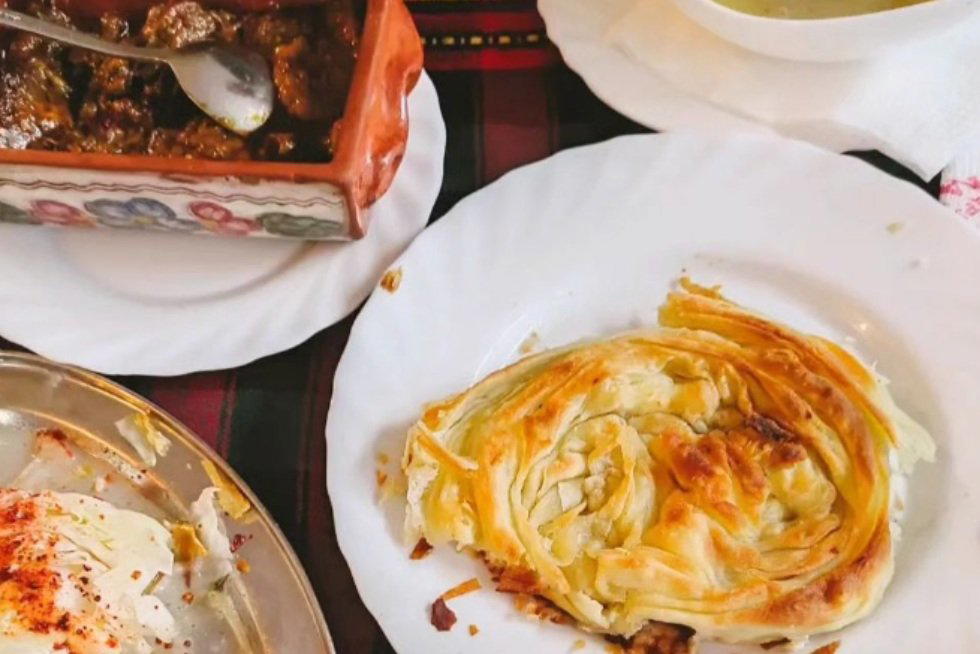
Koliba Etno Restoran serves Traditional Serbian Leskovac Barbecue from Sime Pogačarevića 5, with local sourcing, terrace seating, and dishes such as Leskovacka muckalica and pasulj na tavče.
Pearl is the En Primeur Club membership app — saves, bookings, and concierge access live there. Same editors, same standards.
- Address
- Sime Pogačarevića 5, Leskovac 16000, Serbia
- Phone
- +381668055633
- Website
- restorankoliba.com
- Directions
- Get directions
 Saves & bookings on Pearl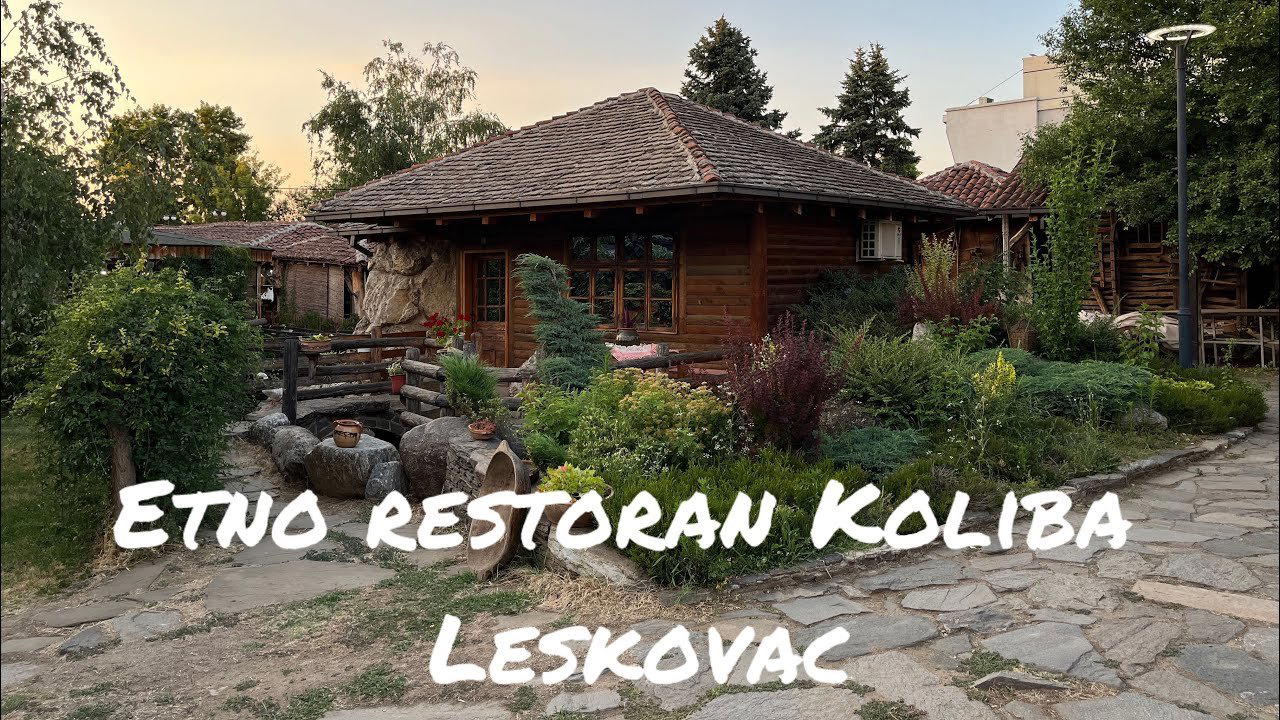
Wood Smoke and Southern Serbian Tradition in the Heart of Leskovac
Approach Sime Pogačarevića 5 on a weekday evening and the air already signals what is waiting inside. The smell of wood smoke and grilled meat arrives before any signage does. Koliba Etno Restoran occupies a building that takes its design cues from the rural homesteads of southern Serbia: exposed timber, woven textiles, and the kind of interior that treats tradition as a structural principle rather than a decorative gesture. In a city that has staked much of its food identity on the open-fire grill, a restaurant that commits this seriously to the aesthetic of that tradition is making an argument, not just setting a scene.
Why Southern Serbia Is Where This Kind of Cooking Belongs
Leskovac sits in the Jablanica district of southern Serbia, a stretch of the country where the food culture diverges sharply from Belgrade's increasingly internationalist dining scene. Here, the grill is the grammar of the kitchen. The Leskovac region is considered, across Serbian food culture, the reference point for ćevapi and roštilj, grilled minced meat preparations that appear across the Balkans but that locals here argue originate and peak within their own municipality. The annual Leskovac Grill Festival draws tens of thousands of visitors each September, a concrete indicator of how seriously the city's food identity is tied to this tradition. Koliba Etno Restoran places itself squarely within this lineage, with a format and atmosphere that reads as an argument for authenticity over adaptation.
What distinguishes the etno restoran format, this particular category of dining that has emerged across Serbia's smaller cities, is the deliberate anchoring to regional sourcing and rural preparation methods. These are not tourist reconstructions. They represent a strand of Serbian hospitality culture where the cooking is inseparable from the landscape it draws ingredients from: cured meats from local producers, peppers that reflect the area's agricultural identity, bread baked to accompany rather than to impress. For comparable expressions of this format elsewhere in Serbia, Etno Kuća Dinar in Vrsac offers a useful point of comparison in the eastern region, while Kafana Pećinar Ljubiš in Cajetina demonstrates how western Serbian villages apply the same principles in a different terrain.
Ingredient Sourcing as the Kitchen's Foundation
The etno restoran philosophy, when it is being applied with consistency, places sourcing at the centre of menu construction. In this part of Serbia, that means engagement with a food supply that has not been fully absorbed into industrial standardisation. Leskovac's surrounding villages produce paprika and pepper varieties that carry a regional character not easily replicated elsewhere. Pork and lamb from smallholders in Jablanica and Pčinja districts have historically supplied the region's grills. The kafana tradition that underlies restaurants like this one operated for decades on exactly this kind of short supply chain, not out of ideological commitment, but because that was the available infrastructure.
In practical terms, this produces food that tastes of where it comes from. Grilled preparations that rely on the quality of the base ingredient rather than on sauce complexity or technique layering. Leskovac-style ćevapi are typically coarser in grind and higher in fat percentage than their variants elsewhere, a characteristic that reflects both local preference and the nature of the pork supply. Alongside them, the ajvar, a roasted pepper condiment that is effectively the condiment identity of southern Serbia, appears in forms that vary significantly between producers and households. When a restaurant in this tradition sources well, the ajvar alone is a case study in what regional food specificity means in practice.
This kind of sourcing-led cooking operates at the opposite end of the spectrum from the modern European approach visible at restaurants like Langouste in Belgrade, where ingredient sourcing serves a high-technique menu. At Koliba Etno Restoran, sourcing is the menu, the cooking exists to present the ingredient rather than transform it.
The Leskovac Restaurant Context
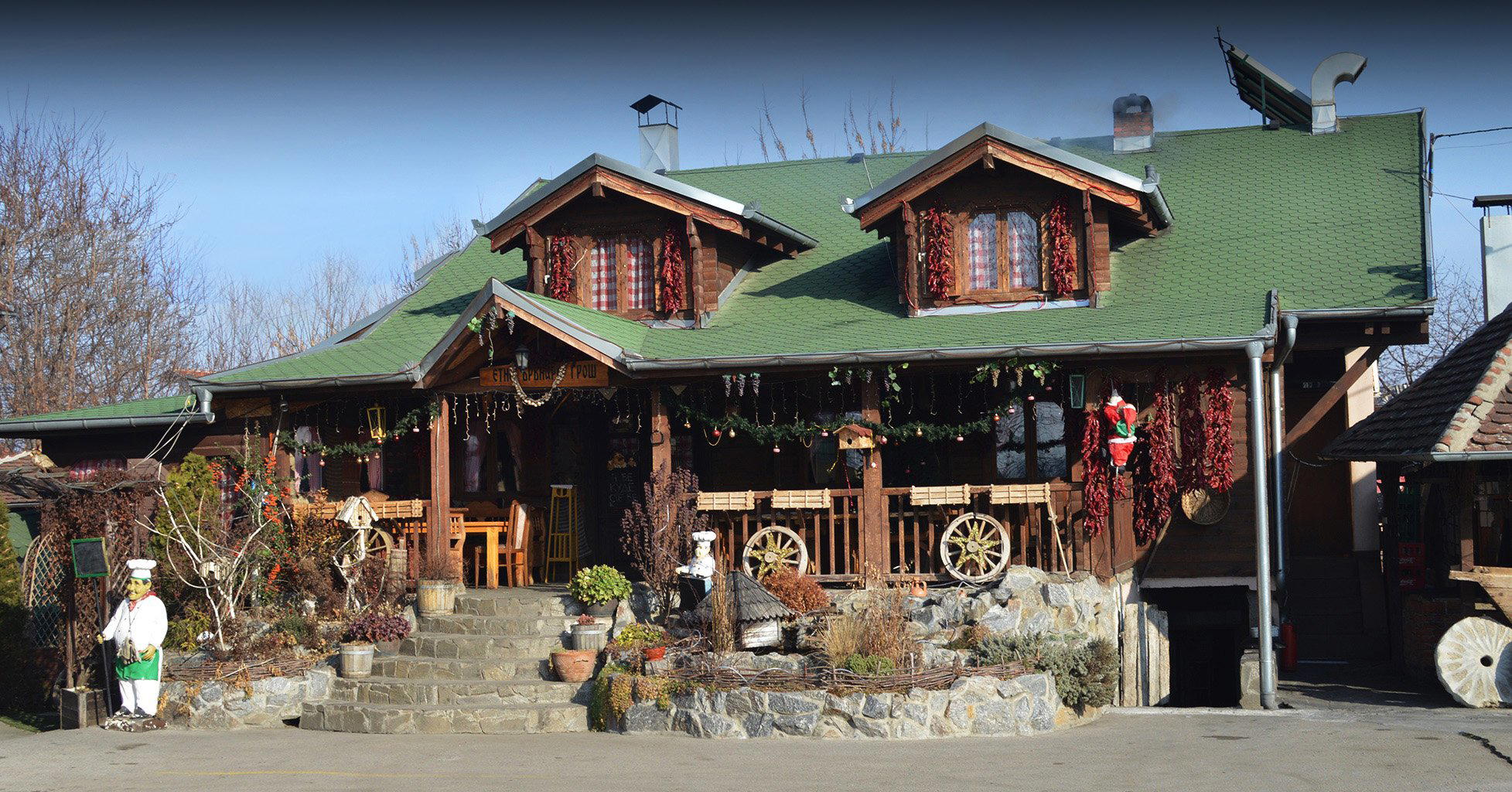
Leskovac's dining options arrange themselves around a few distinct clusters. There is the cafe-restaurant middle ground, well represented by places like Promenada Cafe and Restaurant, which serve a broad audience with a range that extends beyond Serbian tradition. Then there is the more straightforwardly regional tier, where Koliba Etno Restoran sits alongside venues like Restoran Groš in offering a more committed interpretation of local food culture. For a complete mapping of the city's dining options, our full Leskovac restaurants guide places each in its appropriate context.
Across Serbia's smaller cities, the etno format tends to attract two distinct audiences: local regulars who treat the restaurant as an extension of a food culture they grew up with, and visitors arriving specifically because they want access to a version of Serbian hospitality that is not filtered for outside consumption. The kafana tradition that underlies venues of this type has its own regional variants, KAFANA DUKAT in Pirot and Kafana Studenac in Bajina Basta each represent how this format adapts to specific local conditions.
The hunting and rural lodge restaurant, a related format that overlaps with the etno tradition, appears across the country in venues like Lovački dom in Valjevo and Kod Brana in Cacak, each of which shares Koliba's commitment to a cooking vocabulary rooted in Serbian rural practice. Further afield, Aleksandar Gold in Uzice and Grand in Kopaonik show how the format scales into different price tiers and settings. For river-adjacent takes on Serbian tradition, ČARDA ZLATNA KRUNA in Apatin and Kod poštara in Aranđelovac provide useful comparison points. At the urban end of Serbian dining, Kafe Restoran Maša in Novi Sad and Windmill in Pancevo reflect how northern Serbian cities handle the same tradition differently. For reference points at the furthest edge of the dining spectrum, Le Bernardin in New York City and Atomix in New York City illustrate what highly technique-driven, sourcing-conscious cuisine looks like when applied at the international level.
Planning Your Visit
The restaurant is located at Sime Pogačarevića 5 in central Leskovac, within walking distance of the city's main pedestrian zone. Leskovac is approximately 290 kilometres south of Belgrade on the E75 motorway, with regular bus connections from the capital. Current phone and booking details are best confirmed through the venue directly or through local listings, as contact information was not available at time of writing. The restaurant is open daily from 8 AM to 12 AM. The venue is walk-in friendly.
- Leskovacka muckalica
- mućkalica u pogača
- sukanice
- sacevi
- trout
- roasts
- stuffed grape leaves
- pasulj na tavče
Quick Comparison
Comparable venues nearby, for context on price, style, and recognition.
| Venue | Cuisine | Price | Notes |
|---|---|---|---|
| Koliba Etno RestoranThis venue — the venue you are viewing | Traditional Serbian Leskovac Barbecue | $$ | Not listed |
| Promenada Cafe & Restaurant | International and Italian | $$ | Dositeja Obradovića |
| Restoran Groš | Leskovac Grill & Traditional Serbian | $$ | Leskovac |
| ETNO PODRUM BRKA | Traditional Serbian | $$ | Jelašnica |
| Vitina Iža | Authentic Serbian | $$ | Tijabara |
| Gočko | Serbian Traditional BBQ | $$ | Vrnjacka Banja |
Continue exploring
More in Leskovac
At a Glance
- Rustic
- Cozy
- Classic
- Group Dining
- Family
- Casual Hangout
- Standalone
- Terrace
- Local Sourcing
Current opening hours
- Monday
- 8 AM–12 AM
- Tuesday
- 8 AM–12 AM
- Wednesday
- 8 AM–12 AM
- Thursday
- 8 AM–12 AM
- Friday
- 8 AM–12 AM
- Saturday
- 8 AM–12 AM
- Sunday
- 8 AM–12 AM
Hours can change for holidays and private events. Last verified .
Rustic, traditional Serbian atmosphere with old-school charm and warm hospitality in a log cabin setting.