LOTIKA
In the mountain village of Mokra Gora, LOTIKA occupies a corner of Serbia's most scenically distinctive highland dining territory, where the Zlatibor plateau meets the steep Šargan gorge. The food here draws from the land immediately surrounding it, placing this address within a tradition of ingredient-rooted cooking that distinguishes the western Serbia highlands from the country's urban restaurant scene.
Pearl is the En Primeur Club membership app — saves, bookings, and concierge access live there. Same editors, same standards.
- Address
- Mokra Gora, Serbia
- Phone
- +38131800686
- Website
- mecavnik.info
- Directions
- Get directions
 Saves & bookings on Pearl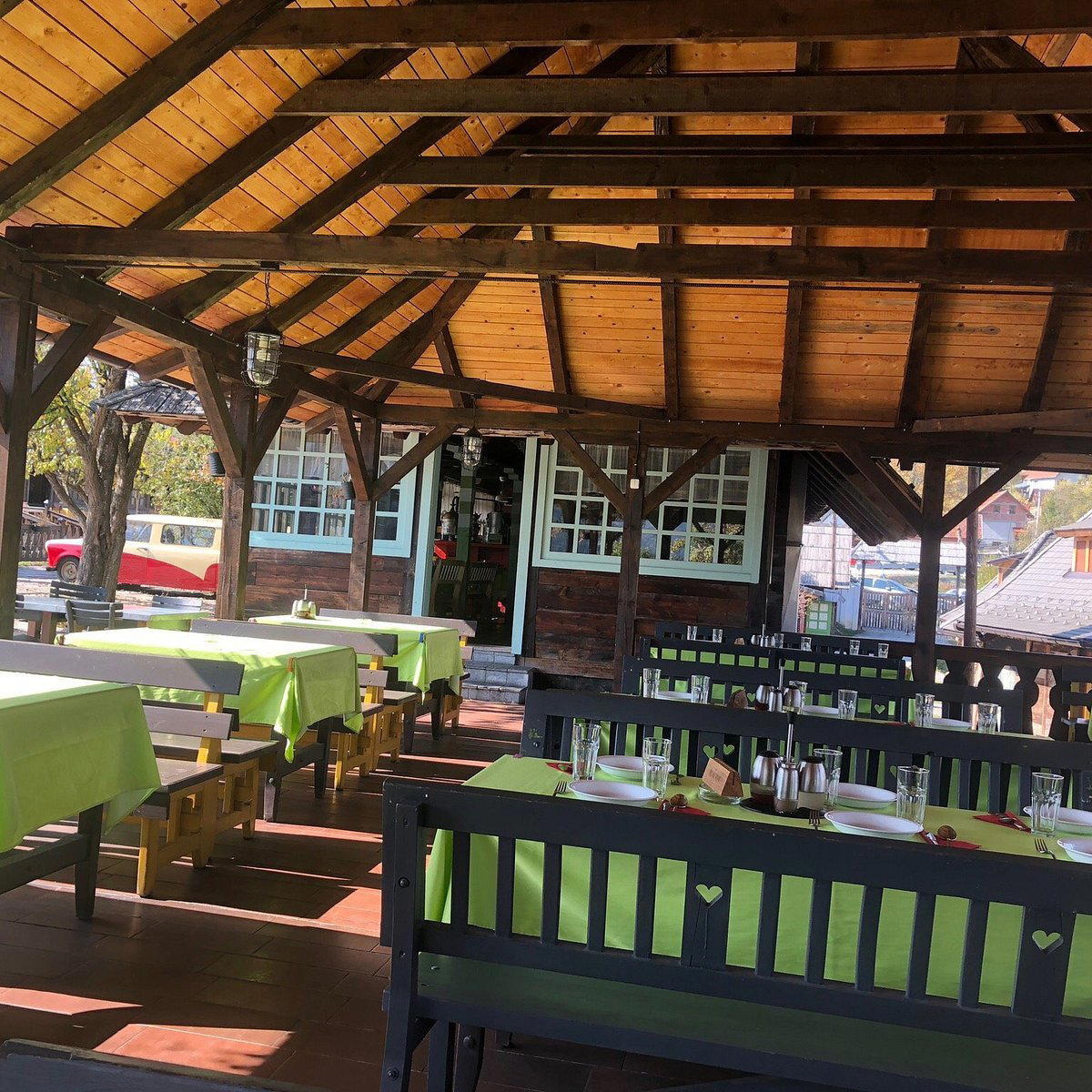
Where the Zlatibor Highlands Shape What Ends Up on the Plate
Mokra Gora sits at roughly 1,000 metres above sea level in western Serbia, pressed between the Tara massif and the Šargan ravine, within reach of the narrow-gauge railway that winds through the gorge below. Dining here operates on different terms than in Belgrade or Novi Sad. The elevation, the distance from supply chains, and the density of small farms and forest land around the village all push kitchens toward a particular kind of sourcing logic: you use what grows here, or you explain why you didn't. That framework is a practical constraint that has shaped highland Serbian cooking for generations, and LOTIKA operates within it.
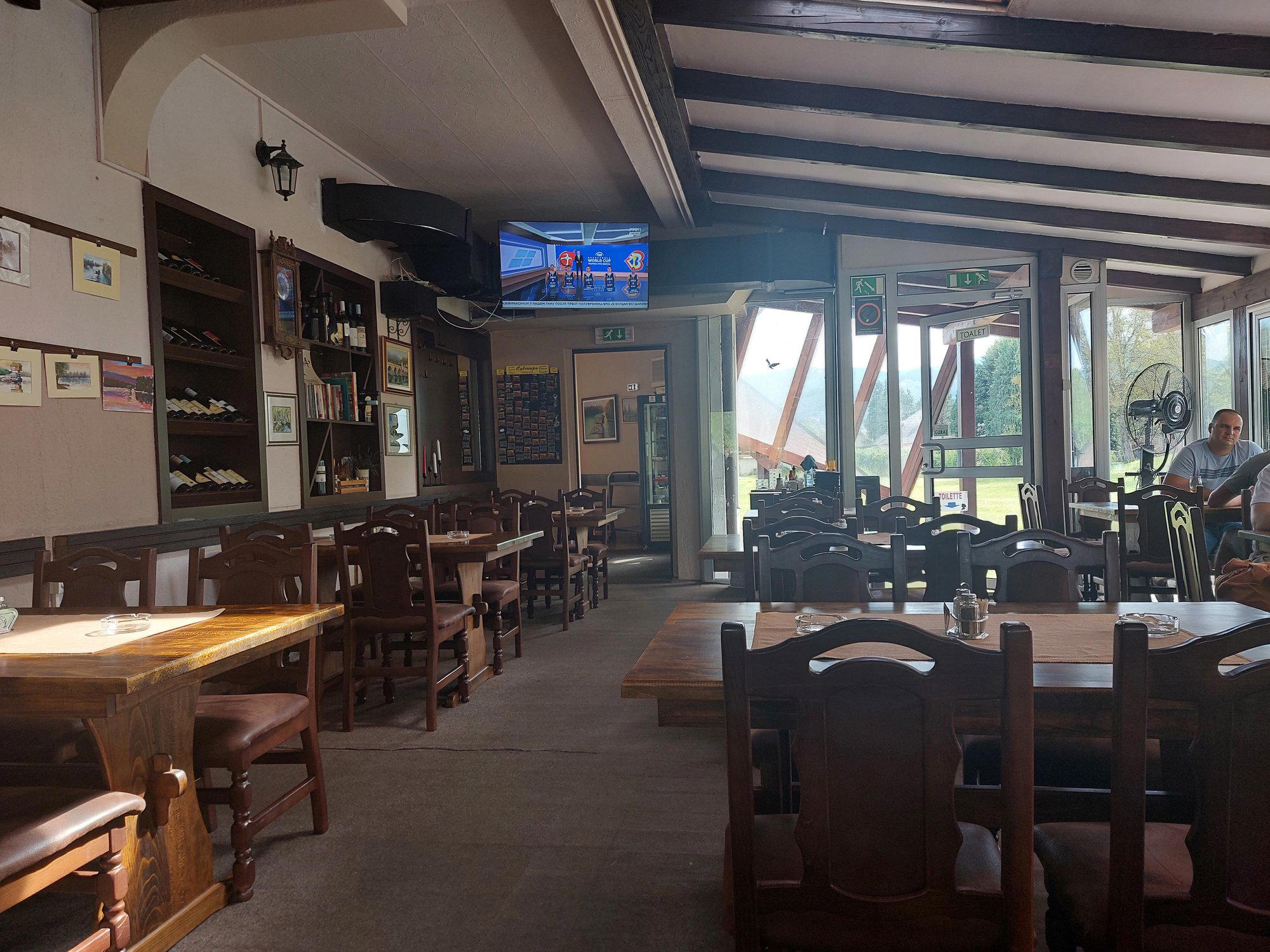
Mountain villages in this part of Serbia are built low and close to the ground, with timber and stone that weather into the hillside rather than asserting themselves against it. The approach to a restaurant in this environment is rarely dramatic in the urban sense, instead, the landscape does the framing, and the building recedes into it. That relationship between structure and terrain is the context in which the food at LOTIKA should be understood.
The Ingredient Logic of Western Serbia's Highland Kitchens
Across Serbia's mountain regions, from Zlatibor to Kopaonik, a pattern repeats in the kitchens that take their location seriously. Lamb comes from the slopes directly above the village. Trout is pulled from the cold-water streams that cut through the gorges. Dairy, particularly kajmak and aged sheep's cheese, is produced within a few kilometres by farmers whose methods have changed little in decades. Mushrooms, wild herbs, and foraged greens follow the altitude and season, meaning the menu in late spring looks different from the menu in October. This is not farm-to-table as a concept borrowed from somewhere else, it is the structural reality of cooking in a place where industrial supply does not reach easily, and where the ingredients that do arrive locally are often superior to anything that could be trucked in.
LOTIKA fits this tradition. The address in Mokra Gora places it in direct proximity to particularly distinctive raw material in the western Balkans: Zlatibor-area lamb that benefits from high-altitude grazing on aromatic grasses, freshwater fish from the Drina river system, and the smoked and cured products that define the food culture of this corridor between Serbia and Bosnia. For context, the Kafana Pećinar Ljubiš in nearby Cajetina and Kafana Studenac in Bajina Basta show how the same larder can take different forms.
How Mokra Gora Differs from Serbia's Urban Dining Scene
Belgrade's better restaurants operate in a different competitive register. Langouste in Belgrade, priced at the summit of the Serbian market, pulls from international sourcing alongside domestic produce and operates within an urban fine dining framework with the price point and production values that implies. Mokra Gora's restaurants, including LOTIKA, are not competing in that tier, nor are they trying to. The value here is relational: the ingredient and the place are the same thing, and the cooking reflects that proximity rather than transcending it.
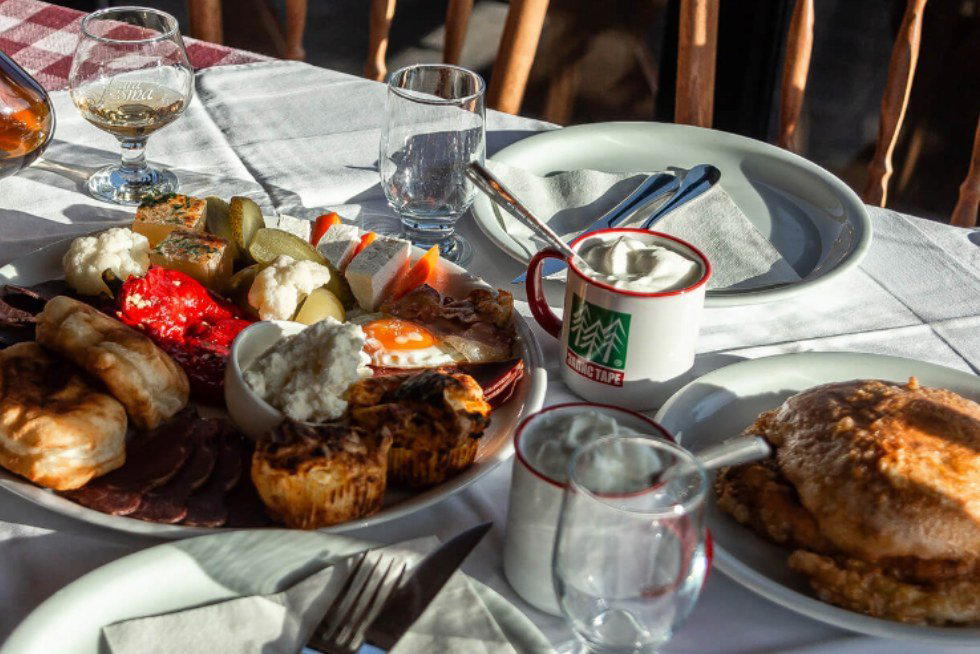
That distinction matters for how you approach the meal. Dishes in highland western Serbia tend toward directness, the quality of the primary ingredient carries the plate rather than technique layered on top of it. Grilled lamb, slow-cooked beans, aged kajmak, smoked meats from the surrounding villages: these are not simplified preparations. They are preparations that require good base ingredients to work, and the mountain region delivers those consistently. Compare this with the more technique-driven approach at places like Aleksandar Gold in Uzice, which sits in a mid-sized city context closer to the market town end of the region.
Placing LOTIKA Within Mokra Gora's Dining Options
Mokra Gora is a small settlement, and its dining options reflect that scale. The village draws visitors primarily because of the Šargan Eight railway and the ethnographic village complex nearby, which means tourism patterns are seasonal and concentrated. Restaurants in this context tend toward communal formats, longer meals, and menus that read as expressions of place rather than exercises in culinary ambition.
For a broader view of where Mokra Gora fits within Serbia's regional dining options, the full Mokra Gora restaurants guide maps the village's options against the surrounding highlands. Further afield, Etno Kuća Dinar in Vrsac and Koliba Etno Restoran in Leskovac represent how the ethnographic restaurant format plays out in other regions of Serbia, offering useful comparison points for what is consistent across the tradition and what varies by geography. The ETNO PODRUM BRKA in Nis follows a similar logic in the south.
On the practical side: reaching Mokra Gora requires a car or a deliberate journey from Uzice, the nearest city of any size. This is not a spontaneous dinner destination, a visit to LOTIKA makes most sense as part of a planned stay in the highlands, ideally timed to catch the Šargan Eight during daylight hours before settling in for a meal. Booking practices in Mokra Gora's smaller restaurants tend toward the informal, though high-season weekends and public holidays see significant visitor traffic from domestic tourists, making advance contact advisable. Direct verification before travelling is recommended.
The Broader Context: Highland Eating as a Regional Argument
Serbia's food culture is sometimes reduced, externally, to a handful of grilled meat associations. The highland restaurant tradition of western Serbia makes a more specific and interesting argument: that the country's most compelling cooking is ingredient-driven, geographically rooted, and tied to an agricultural continuity that urban kitchens can reference but cannot replicate. The Lovački dom in Valjevo and Kod Brana in Cacak each occupy different points within this broader regional tradition, and LOTIKA in Mokra Gora sits at the mountain end of that spectrum, where altitude and isolation concentrate what the local larder offers.
For those whose frame of reference runs toward international fine dining, the Le Bernardin in New York City or Atomix in New York City represent an entirely different expression of ingredient-led cooking, one defined by technical complexity and global sourcing at the highest level. Mokra Gora is the opposite pole of that spectrum, and the interest is in exactly that contrast: local, seasonal, direct, and shaped by the specific geography of the western Serbian highlands rather than by any external benchmark.
Planning Your Visit
Mokra Gora is most accessible between May and October, when mountain roads are clear and the landscape is at its most active. The village sits approximately 30 kilometres from Uzice, with no regular public transport connection, making a car the practical requirement. Accommodation in the area is limited and fills during summer weekends, so coordinating a dining visit with an overnight stay in the area requires early planning. LOTIKA is a casual, walk-in-friendly restaurant with a price tier of 2 and an estimated spend of about $15 per person.
- Further highland Serbia options: Grand **** in Kopaonik
- Vojvodina region contrast: ČARDA ZLATNA KRUNA in Apatin
- Pirot region: KAFANA DUKAT in Pirot
- Novi Sad dining: Kafe Restoran Maša in Novi Sad
- Central Serbia: Kod poštara in Aran Elovac
- Pancevo: Windmill in Pancevo
In Context: Similar Options
Comparable venues nearby, for context on price, style, and recognition.
| Venue | Cuisine | Price | Notes |
|---|---|---|---|
| LOTIKAThis venue — the venue you are viewing | Traditional Serbian European | $$ | Not listed |
| Restoran Kovač | European Fusion with Asian Influences | $$ | Bagljaš Zapad |
| Korpa Deli Bistro | Modern European Bistro & Steakhouse | $$ | :null |
| Lovachki Raj | Serbian Game Meat | $$ | Arandjelovac |
| Ferdinand knedle | Serbian Potato Dumplings (Knedle) | $$ | :null |
| ZA DRUGA | Gourmet Serbian Countryside | $ | Belgrade center |
Continue exploring
More in Mokra Gora
Restaurants in Mokra Gora
Browse all →
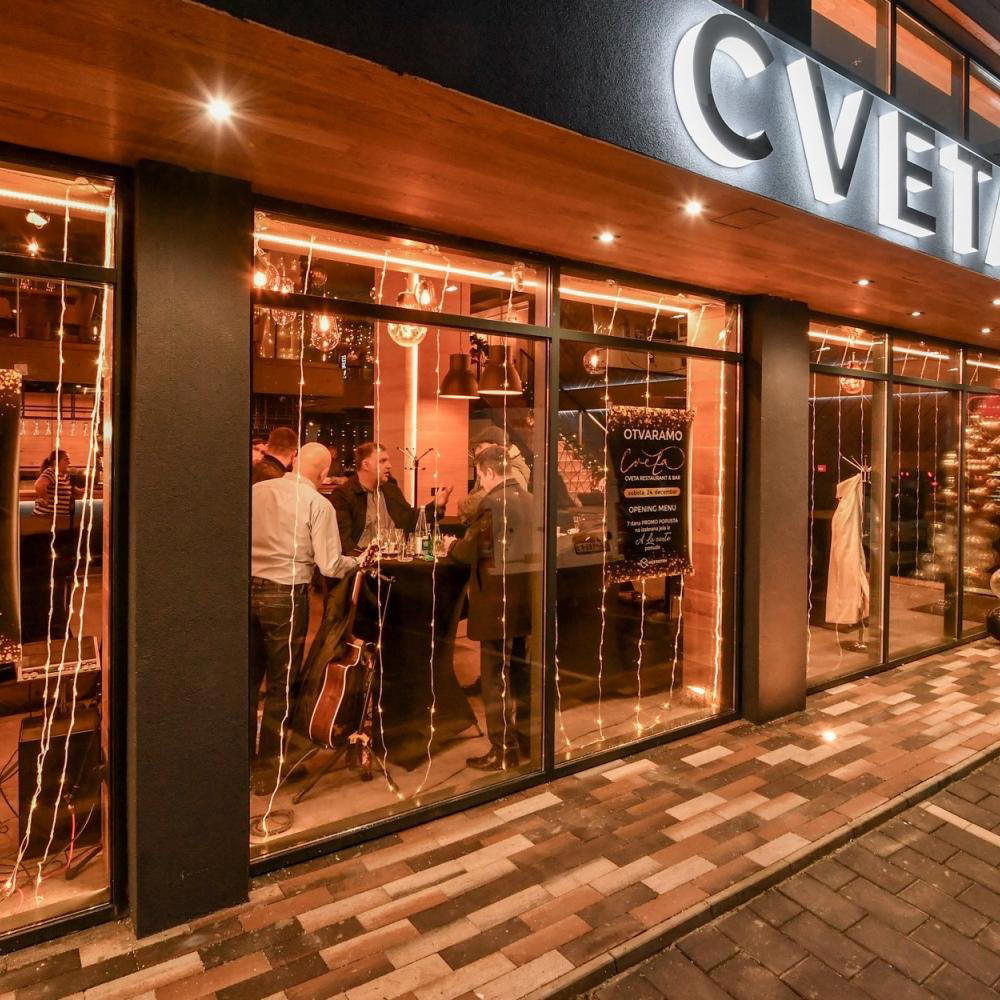
Hotels in Mokra Gora
Browse all →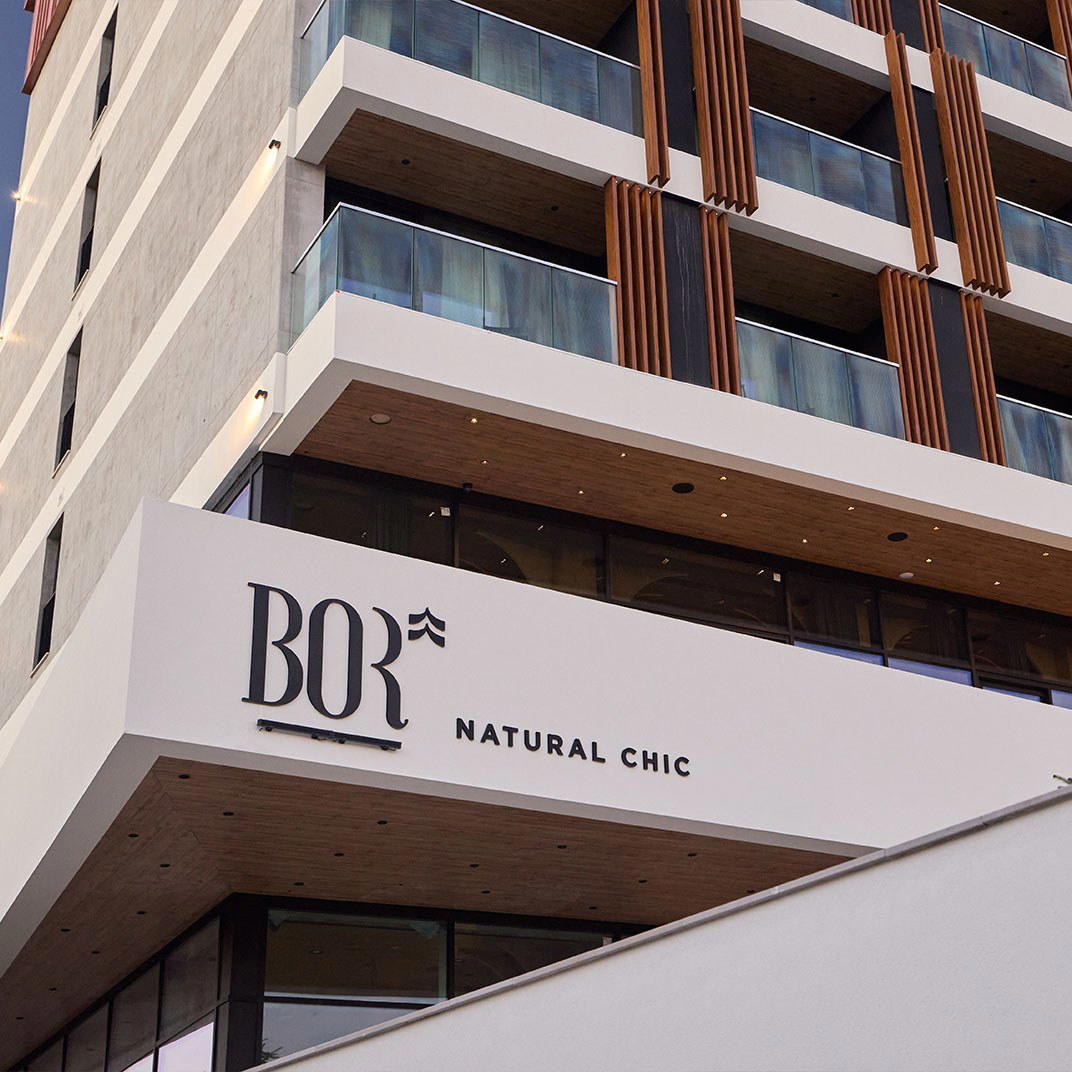
At a Glance
- Rustic
- Cozy
- Scenic
- Family
- Casual Hangout
- Terrace
- Historic Building
- Local Sourcing
- Mountain
Current opening hours
- Monday
- 10 AM–6 PM
- Tuesday
- 10 AM–6 PM
- Wednesday
- 10 AM–6 PM
- Thursday
- 10 AM–6 PM
- Friday
- 10 AM–6 PM
- Saturday
- 10 AM–6 PM
- Sunday
- 10 AM–6 PM
Hours can change for holidays and private events. Last verified .
Rustic wooden setting with charming terrace seating offering mountain views in a scenic tourist settlement.